
SelfSovereign Identity: A Practical Guide to Understanding and Implementing SSI


Welcome to Blockchain Trends, your go-to source for navigating the ever-evolving landscape of blockchain technology!
Delve into the transformative power of blockchain beyond cryptocurrencies. In this article, we're unlocking the potential of selfsovereign identity blockchain implementation. But what does that really mean, and how can it revolutionize digital identity? Discover how this powerful technology empowers individuals and reshapes industries, and explore the practical steps to understanding and implementing SSI. Prepare to uncover a future where you control your data.
- Introduction to Self-Sovereign Identity (SSI)
-
Frequently Asked Questions
- What is Self-Sovereign Identity (SSI) and why is it important?
- How does blockchain technology support Self-Sovereign Identity?
- What are the key components of a Self-Sovereign Identity blockchain implementation?
- What are some of the challenges in adopting Self-Sovereign Identity blockchain implementation?
- How can organizations benefit from implementing Self-Sovereign Identity solutions?
- Final Reflection: Embracing Digital Autonomy
- Ignite Your Journey to Self-Sovereign Identity!
Introduction to Self-Sovereign Identity (SSI)
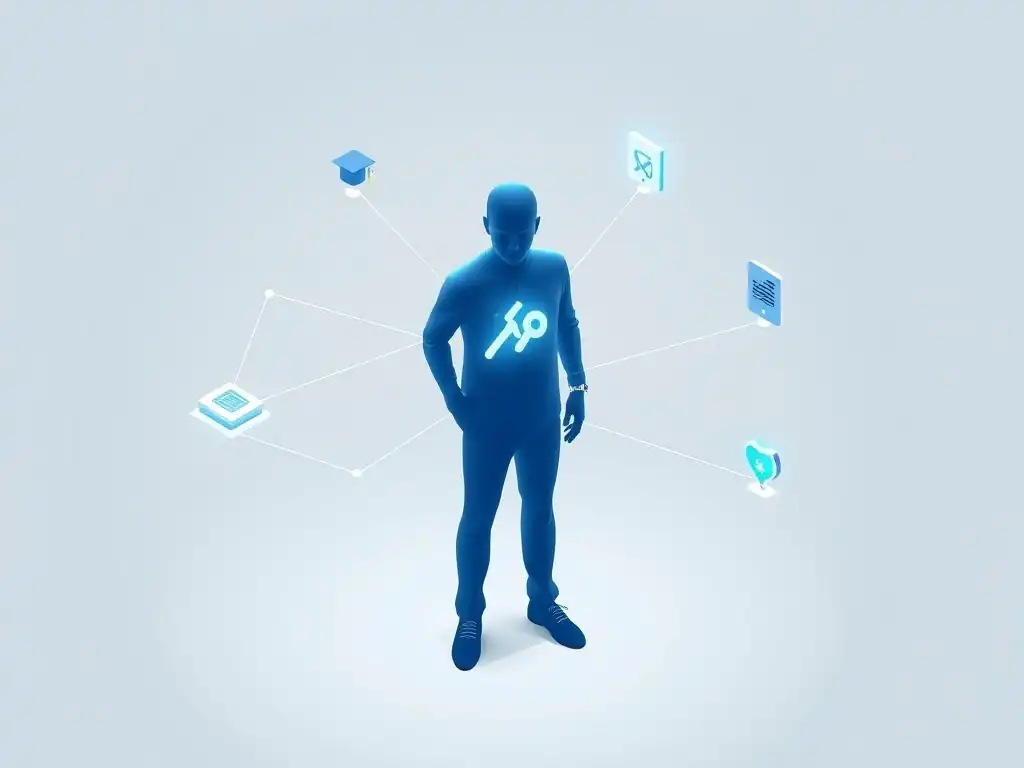
What is Self-Sovereign Identity (SSI)?
Self-Sovereign Identity (SSI) represents a paradigm shift in how digital identities are managed, placing control squarely in the hands of the individual user. Unlike traditional centralized or federated identity systems where third parties like governments, corporations, or social media platforms control and store identity data, SSI empowers individuals to own, manage, and control their digital identity information.
This means users decide what data they share, with whom, and when, fundamentally altering the power dynamic from institutions to individuals. The core concept is that an individual is the administrator of their own identity, rather than merely a consumer of an identity provided by an external entity.
This model moves away from the prevalent practice of individuals creating accounts and identities tied to specific service providers, leading to fragmented and often insecure digital footprints. With SSI, the individual holds a portable, reusable identity that is independent of any single service provider. The goal is to provide a digital identity that is as persistent and independent as our physical identity documents, but with enhanced privacy and security features inherent to its design. This form of selfsovereign identity is becoming increasingly relevant in discussions around data privacy and digital rights.
The Importance of SSI in the Digital Age
In an era defined by pervasive digital interaction and increasing concerns over data privacy, the importance of Self-Sovereign Identity cannot be overstated. Current identity systems are prone to significant vulnerabilities, such as massive data breaches that expose the personal information of millions. For example, the Equifax breach in 2017 compromised the sensitive data of approximately 147 million people in the United States alone, highlighting the risks associated with aggregating vast amounts of personal data in centralized databases. Beyond security risks, these systems limit user control, often leading to opaque data collection and usage practices.
SSI offers a critical solution to these challenges by minimizing the reliance on central honey pots of data. By allowing individuals to store their credentials securely and share only the specific pieces of information required for a transaction or service, the attack surface for malicious actors is drastically reduced.
This enhanced data privacy and security build a foundation of trust in digital interactions. As governments mandate stricter data protection regulations, such as GDPR and CCPA, the principles of selfsovereign identity align closely with the legal requirements for data minimization and user consent, making it a timely and necessary evolution for digital identity.
How Technology Empowers Self-Sovereign Identity Solutions
The realization of Self-Sovereign Identity is heavily reliant on the convergence of several key technologies, most notably decentralized ledger technologies like blockchain, alongside cryptography and distributed systems. While not every SSI solution strictly requires a public blockchain, many leverage its properties of immutability, transparency (of transactions, not personal data), and distributed consensus to provide a trustworthy base layer.
Blockchain can be used to anchor Decentralized Identifiers (DIDs) or to verify the status (e.g., revocation) of Verifiable Credentials without relying on a single point of authority or failure. This selfsovereign identity blockchain implementation provides a robust and resilient infrastructure for managing identity components.
Central to SSI are Decentralized Identifiers (DIDs) and Verifiable Credentials (VCs). DIDs are unique identifiers that are owned and controlled by the individual, independent of any centralized registry, and can be resolved using decentralized networks. Verifiable Credentials are cryptographically signed digital attestations issued by a trusted entity (like a university issuing a degree or a bank issuing proof of address) that the individual holds and can present selectively.
Cryptography, including digital signatures and potentially zero-knowledge proofs, ensures the authenticity, integrity, and privacy of these credentials, allowing individuals to prove claims about themselves without revealing unnecessary underlying data. This technological framework provides the tools necessary for users to truly own and control their digital identities in a decentralized manner.
Frequently Asked Questions
What is Self-Sovereign Identity (SSI) and why is it important?
SSI gives individuals complete control over their digital identities. It's important because it reduces reliance on central authorities and enhances privacy and security.
How does blockchain technology support Self-Sovereign Identity?
Blockchain provides a decentralized and immutable ledger to store and verify identity credentials. This enhances trust and transparency in the SSI ecosystem, offering a secure foundation.
What are the key components of a Self-Sovereign Identity blockchain implementation?
Essential components include a distributed ledger, digital wallets for users, and verifiable credentials based on open standards. This ensures interoperability and trustless verification.
What are some of the challenges in adopting Self-Sovereign Identity blockchain implementation?
Challenges include scalability, interoperability between different blockchain platforms, and the need for user education to promote widespread adoption.
How can organizations benefit from implementing Self-Sovereign Identity solutions?
Organizations can benefit by reducing fraud, improving customer onboarding, and enhancing data privacy through decentralized identity management. This also fosters greater trust with users.
Final Reflection: Embracing Digital Autonomy
The journey through Self-Sovereign Identity (SSI) and its blockchain implementation reveals more than just a technological advancement; it highlights a fundamental shift in power dynamics. The promise of returning control over personal data to the individual is no longer a futuristic concept, but a tangible possibility being shaped by blockchain technology. This shift is crucial in an era defined by data breaches and centralized control, offering a pathway towards a more equitable and secure digital future.
The impact of SSI extends far beyond the technical realm, influencing how we interact with institutions, conduct business, and even define our online personas. This movement towards digital autonomy resonates deeply with the human desire for self-determination and control over one's own narrative. It's about more than just data security; it's about empowering individuals to participate fully and confidently in the digital world. Identity is not just what you are, but what you choose to be.
- Unknown
As we stand at the cusp of widespread SSI adoption, let us not only understand the technical intricacies of blockchain implementation but also embrace the underlying philosophy of empowerment. Consider how you can advocate for and implement SSI solutions in your own sphere of influence, whether it's demanding greater data control from the services you use or supporting organizations championing this transformative technology. The future of digital identity is being written now, and your participation is vital in ensuring it reflects a vision of autonomy, security, and trust for all.
Okay, here's a draft CTA based on the title "Self-Sovereign Identity: A Practical Guide to Understanding and Implementing SSI" for Blockchain Trends (blockchaintrends.org):
Ignite Your Journey to Self-Sovereign Identity!
Thank you for taking the time to explore the practical guide to Self-Sovereign Identity. We hope you’ve gained valuable insights into the power and potential of SSI. Now, it's time to take your knowledge and turn it into action.
- Dive Deeper: Begin piloting a small-scale SSI project within your organization or community to truly understand its impact.:
- Explore: Research different SSI wallets and credential formats to find the best fit for your needs.
- Share: Spark a discussion about SSI with your network and encourage collaboration on decentralized identity solutions.
What first step will you take to embrace the future of self-sovereign identity and empower yourself or your users with greater control over their data?
Leave a Reply