
The Future of Game Development: Decentralization and Community Involvement

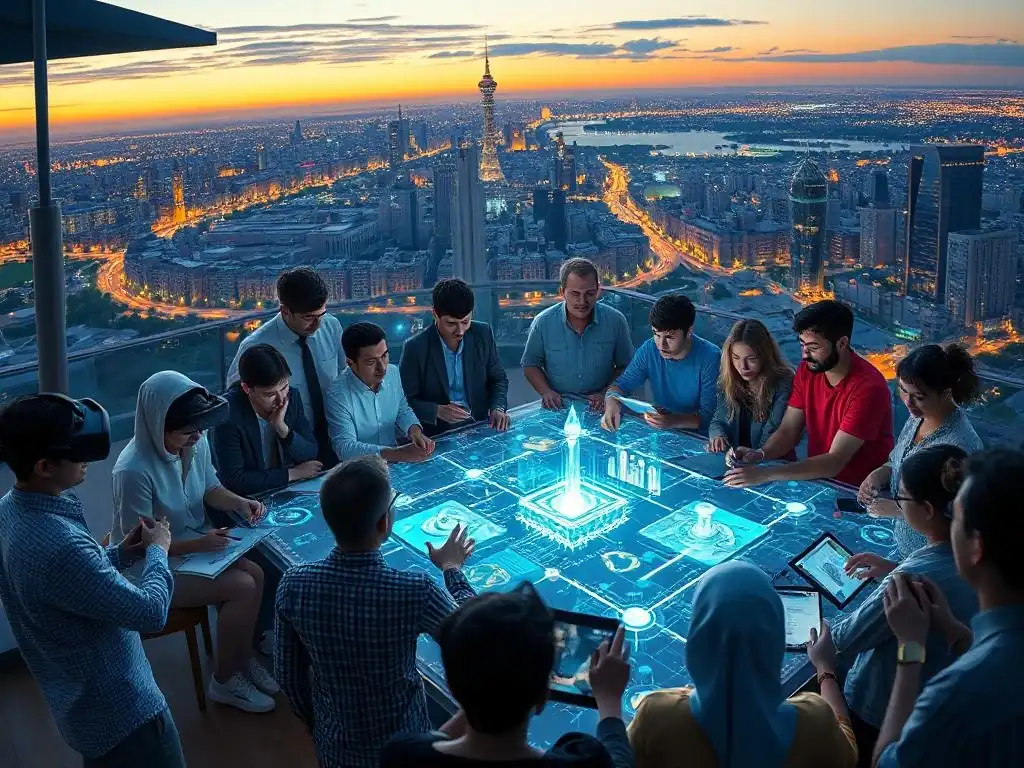
Welcome to Blockchain Trends, your compass in the ever-evolving landscape of decentralized technologies. Forget fleeting crypto headlines; we delve deeper into the transformative potential of blockchain beyond digital currencies.
Intrigued by the fusion of gaming and decentralization? Today, we unlock the secrets of how blockchain is revolutionizing game development, exploring the profound blockchain game development community benefits and the exciting future it unlocks. Discover how ownership, collaboration, and innovation are being redefined – and why you should be paying attention. Let's dive in!
The Future of Game Development: Decentralization and Community Involvement
- Introduction: Blockchain's Impact on Game Development
- Understanding Decentralized Game Development
- Benefits of Blockchain Game Development Community Participation
- Power to the Players: Community-Driven Game Development
- Blockchain Game Development: Opportunities for Creators
- Overcoming Challenges in Blockchain Game Development
- Case Studies: Successful Blockchain Game Development Projects
- The Future of Blockchain Gaming: Trends and Predictions
- Conclusion: The Transformative Potential of Decentralized Gaming
-
Frequently Asked Questions
- What are the primary benefits of a blockchain game development community?
- How does decentralization impact the role of game developers?
- What role do NFTs play in shaping the future of game development and community?
- What are some of the regulatory challenges facing blockchain game development?
- How can blockchain enhance the relationship between game developers and players?
- Final Reflection: Embracing the Decentralized Future
- Ignite Your Game Dev Revolution!
Introduction: Blockchain's Impact on Game Development
Shifting Paradigms: From Centralized to Decentralized Gaming
The gaming industry, for decades, has operated under a centralized model. Game developers and publishers hold absolute control over game assets, in-game economies, and even player accounts. This traditional structure, while functional, often leaves players with limited agency and no tangible ownership of their in-game investments.
However, a significant shift is underway, driven by the advent of blockchain technology. Decentralized gaming proposes a paradigm shift, transferring power from centralized entities to players and communities. This new approach promises to redefine game ownership, player participation, and the very economics of the gaming world, moving towards a more equitable and engaging ecosystem.
Blockchain technology is not just about cryptocurrencies; its application in gaming is rapidly evolving, offering solutions to long-standing issues within the industry. By leveraging decentralized ledgers, games are starting to offer verifiable scarcity of digital items, player-owned economies, and community-driven governance. This move from centralized servers and databases to distributed networks marks a fundamental change in how games are designed, operated, and experienced. The impact extends beyond mere gameplay, potentially creating new revenue streams for both developers and players and fostering deeper, more meaningful engagement.
Exploring the Potential of Blockchain in Game Creation
The potential of blockchain in game creation is multifaceted, touching upon various aspects of game development and player experience. One of the most compelling aspects is the introduction of true digital ownership through Non-Fungible Tokens (NFTs). Unlike traditional in-game items that are tethered to a game's server and can be altered or revoked at will by the game company, NFTs provide players with verifiable ownership of unique digital assets. These assets can range from cosmetic items and characters to virtual land and in-game currency, existing independently of the game itself and tradable on open marketplaces.
Beyond ownership, blockchain facilitates the creation of transparent and auditable game economies. Smart contracts, self-executing agreements written in code and stored on the blockchain, can automate game mechanics, ensure fair distribution of rewards, and create predictable economic models. This level of transparency can foster trust within the player community, mitigating concerns about unfair practices or hidden algorithms. Furthermore, blockchain opens doors to innovative funding models, allowing developers to engage with their communities early on through token sales or decentralized autonomous organizations (DAOs), fostering a more collaborative and community-centric approach to game development from the outset.
Understanding Decentralized Game Development
What is Decentralized Game Development?
Decentralized game development represents a departure from traditional game creation methodologies. At its core, it involves integrating blockchain technology to distribute control and ownership of game assets and functionalities away from a single central authority, typically the game development company or publisher, and towards the players and community. This decentralization can manifest in various forms, including player-owned in-game assets as NFTs, decentralized marketplaces for trading these assets, and community-driven governance mechanisms for influencing game development and direction.
In essence, decentralized game development aims to create gaming ecosystems that are more transparent, equitable, and player-centric. It's about building games where players are not just consumers but active participants in the game's economy and evolution. This approach leverages the inherent properties of blockchain – immutability, transparency, and security – to establish trust and empower players within the game environment. It's a move towards a more open and participatory gaming future, where the lines between developers and players become increasingly blurred.
Key Technologies Driving Decentralized Games: Blockchain, NFTs, and DAOs
Several core technologies are the pillars of decentralized gaming, each playing a crucial role in enabling this new paradigm. Blockchain itself is the foundational technology, providing the distributed ledger system that underpins the entire ecosystem. It ensures transparency, security, and immutability of transactions and data, crucial for establishing trust and verifiable ownership. Different blockchains, like Ethereum, Solana, and Polygon, offer varying features and scalability solutions, catering to diverse game development needs.
Non-Fungible Tokens (NFTs) are another cornerstone. These unique digital assets, recorded on the blockchain, represent ownership of in-game items, characters, land, or any other digital collectible. NFTs are distinct from fungible tokens (like cryptocurrencies) because each NFT is unique and irreplaceable, enabling true digital scarcity and verifiable ownership. They empower players to own, trade, and utilize their in-game assets beyond the confines of a single game.
Decentralized Autonomous Organizations (DAOs) are revolutionizing game governance. DAOs are community-led entities governed by rules encoded in smart contracts, operating without centralized management. In gaming, DAOs can empower players to collectively make decisions about game development, resource allocation, and even the game's future direction. This shifts power into the hands of the community, fostering a sense of ownership and collective responsibility for the game's success and evolution.
The Role of Smart Contracts in Game Logic and Ownership
Smart contracts are self-executing contracts with the terms of the agreement directly written into code. They play a critical role in decentralized game development, automating game mechanics and ensuring transparent and verifiable ownership. For game logic, smart contracts can govern in-game events, reward distribution, and resource management, ensuring fairness and predictability. For example, a smart contract could automatically distribute rewards based on player performance in a tournament or manage the supply and demand of in-game resources based on predefined rules.
Regarding ownership, smart contracts are instrumental in managing NFTs. When a player acquires an NFT, the ownership record is stored in a smart contract on the blockchain, irrevocably linking the asset to the player's wallet address. This ensures verifiable and transparent ownership, independent of the game developer's control.
Smart contracts also facilitate the trading of NFTs on decentralized marketplaces, enabling players to buy, sell, and trade their digital assets freely, creating player-driven economies and new revenue opportunities within the gaming ecosystem. The use of smart contracts in both game logic and ownership creates a more trustless and transparent gaming environment, benefiting both developers and players.
Benefits of Blockchain Game Development Community Participation
Enhanced Player Ownership and Control: True Digital Assets
One of the most significant benefits of blockchain game development, especially concerning community participation, is the enhanced player ownership and control over in-game assets. Traditional games typically operate on a model where players purchase in-game items, but these items remain the property of the game company. Players essentially lease these digital assets, with no real ownership or control outside the game's ecosystem. Blockchain, through NFTs, revolutionizes this by granting players true ownership of their digital assets.
When a player acquires an NFT in a blockchain game, they genuinely own that digital item. This ownership is recorded on the blockchain and is verifiable and immutable. Players can trade these NFTs on open marketplaces, transfer them to other players, or even potentially use them in different interoperable games or metaverses in the future.
This level of control and ownership transforms in-game items from mere cosmetic upgrades or temporary boosts into potentially valuable digital assets that players can manage and utilize as they see fit. This paradigm shift empowers players, fostering a stronger sense of investment and engagement within the game and its community.
Increased Transparency and Fairness in Game Mechanics
Blockchain technology inherently brings transparency and fairness to game mechanics, significantly benefiting the community. In traditional games, the algorithms and mechanics governing gameplay, reward distribution, and in-game economies are often opaque, controlled entirely by the developers. Players have to trust that these systems are fair, with little to no visibility into their workings. Decentralized games, leveraging blockchain and smart contracts, can offer a far more transparent and verifiable system.
Smart contracts, which govern many aspects of blockchain games, are publicly auditable. Anyone can examine the code and understand exactly how the game mechanics function, how rewards are distributed, and how the in-game economy operates. This transparency builds trust within the community, as players can be confident that the game is operating fairly and according to predefined rules.
For instance, the odds of receiving rare items in loot boxes, often shrouded in secrecy in traditional games, can be transparently encoded in smart contracts, ensuring fairness and eliminating any suspicion of manipulation. This increased transparency fosters a healthier and more engaged community based on trust and fairness.
New Revenue Models for Developers and Players: Play-to-Earn and Beyond
Blockchain game development is pioneering new revenue models that benefit both developers and players, moving beyond the traditional pay-to-play or free-to-play structures. The "Play-to-Earn" (P2E) model has gained significant traction, allowing players to earn cryptocurrency or NFTs by actively participating in the game. This can involve various activities, such as winning battles, completing quests, contributing to the game ecosystem, or even simply holding valuable in-game assets. Axie Infinity, for example, demonstrated the potential of P2E, where players in some regions were able to earn a significant income by playing the game.
Beyond P2E, blockchain enables other innovative revenue streams. Developers can monetize through initial NFT sales, transaction fees on in-game marketplaces, or by creating decentralized autonomous organizations (DAOs) and issuing governance tokens that grant community members a share in the game's revenue or decision-making. Players, in turn, can benefit not only from P2E but also from the appreciation in value of their NFTs, the ability to rent out their assets to other players, or participate in the game's governance and potentially earn rewards through DAO participation.
These new models create more aligned incentives between developers and players, fostering a more sustainable and community-driven gaming ecosystem. The focus shifts towards rewarding active participation and contribution, rather than solely relying on upfront purchases or pay-to-win mechanics.
Power to the Players: Community-Driven Game Development
The Rise of DAO-Governed Games
Decentralized Autonomous Organizations (DAOs) are emerging as a powerful force in reshaping game governance, placing power directly into the hands of the player community. In traditional gaming, decisions regarding game updates, economy adjustments, and future development are typically made internally by the game studio. DAO-governed games, however, empower players to collectively participate in these decisions through a decentralized and transparent voting system, often using governance tokens.
The rise of DAO-governed games signifies a fundamental shift towards community ownership and control. Holders of a game's governance tokens can propose and vote on changes to game mechanics, economic parameters, the roadmap for future content, and even the allocation of game resources. This democratic approach ensures that the game's development and direction are aligned with the community's interests, fostering a stronger sense of ownership and investment among players. Examples are emerging where DAOs control treasuries, manage in-game economies, and directly influence the evolution of the game world, creating a truly community-driven gaming experience.
Community Input in Game Design and Development Decisions
Beyond governance, blockchain facilitates deeper community input in game design and development decisions even outside of formal DAO structures. Traditional game development often involves closed-door processes with limited player feedback until late stages of development or post-launch updates. Decentralized gaming can incorporate community feedback and ideas much earlier and more directly into the development cycle.
Developers can leverage blockchain-based platforms and tools to solicit community feedback on proposed features, game mechanics, or even art styles. Through tokenized voting or other decentralized mechanisms, developers can gauge community sentiment and prioritize development efforts based on player preferences.
This iterative and community-inclusive approach can lead to games that are more closely aligned with player desires and expectations, resulting in higher player satisfaction and stronger community engagement. Early access programs in traditional gaming are a step in this direction, but blockchain can amplify this by providing more structured and transparent mechanisms for community feedback to directly influence game development.
Collaborative Content Creation and Modding
Blockchain technology is also fostering new avenues for collaborative content creation and modding within game communities. Traditional modding often operates in a gray area legally and technically, with limited official support and potential compatibility issues. Decentralized gaming can integrate modding and user-generated content more seamlessly and legitimately into the game ecosystem.
NFTs can represent user-created game assets, allowing modders and content creators to own and potentially monetize their creations within the game world. Decentralized platforms can facilitate the sharing and distribution of mods and user-generated content, creating open and permissionless ecosystems for collaborative creation. Furthermore, DAOs can incentivize and reward community contributions to game content, creating a virtuous cycle of player-driven expansion and evolution of the game world.
This can lead to richer and more diverse game experiences, as the community actively participates in shaping the game's content and longevity. The integration of blockchain can legitimize and empower modding communities, transforming them from peripheral contributors to integral partners in game development.
Blockchain Game Development: Opportunities for Creators
Democratizing Game Development: Lowering Barriers to Entry
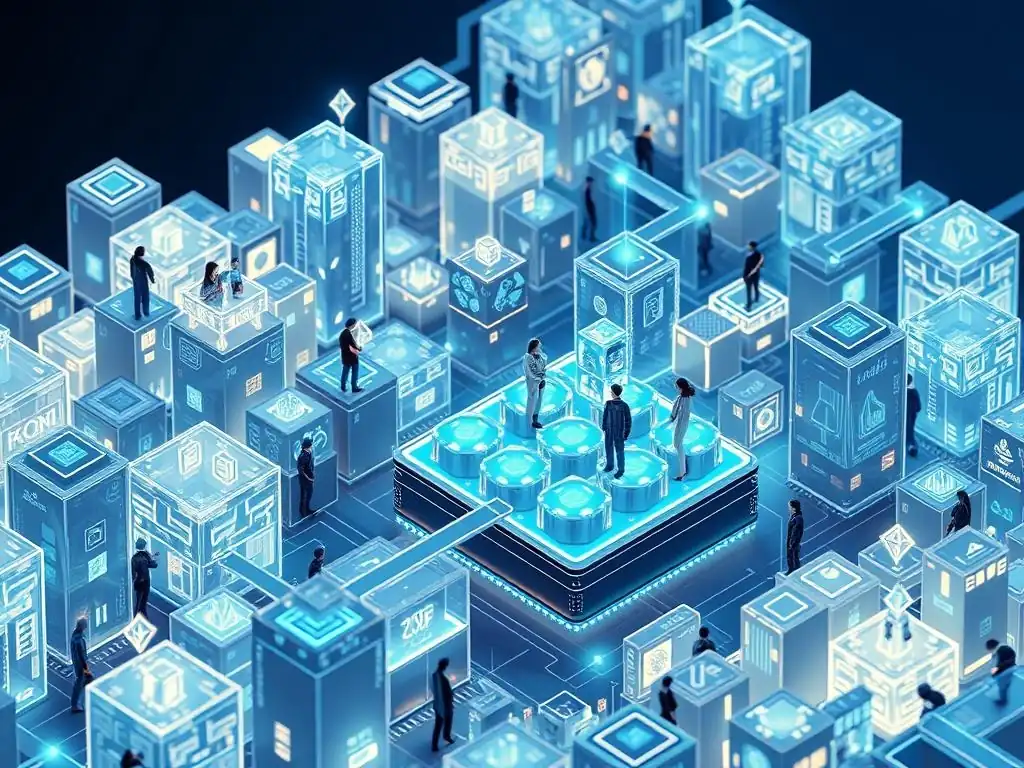
Blockchain technology is playing a significant role in democratizing game development, lowering barriers to entry for independent developers and smaller studios. Traditionally, game development, especially for larger-scale projects, requires substantial upfront investment in infrastructure, marketing, and distribution. Blockchain offers alternative pathways that can reduce these barriers and empower a wider range of creators.
NFT sales and token launches can provide independent developers with alternative funding mechanisms, bypassing traditional publisher routes. These methods allow developers to directly engage with their communities and secure funding based on project vision and community support, rather than relying solely on venture capital or publisher advances. Furthermore, the open-source nature of many blockchain tools and platforms can reduce development costs and complexity.
Decentralized marketplaces and distribution channels can also provide independent developers with more direct routes to reach their audience, reducing reliance on centralized platforms and their associated fees. This democratization of game development can foster greater innovation and diversity within the gaming industry, empowering smaller teams and individual creators to bring their unique visions to life.
Funding and Monetization Opportunities through Blockchain
Blockchain opens up a plethora of new funding and monetization opportunities for game developers, offering alternatives to traditional revenue models. Initial NFT offerings (INOs) and token sales provide a mechanism for developers to raise capital early in the development process, directly from their community. This can be crucial for bootstrapping development and building a community even before a playable game is released.
Beyond initial funding, blockchain facilitates ongoing monetization through various avenues. Transaction fees on in-game NFT marketplaces can generate revenue for developers as players trade assets. Developers can also create and sell new NFTs, representing in-game items, characters, or virtual land, to sustain the game's economy.
Furthermore, the play-to-earn model, while also benefiting players, can contribute to a game's ecosystem by driving engagement and creating demand for in-game assets. DAOs can also manage game treasuries and distribute revenue among developers and community members, creating more aligned incentives and sustainable economic models. These diversified revenue streams, enabled by blockchain, offer developers greater flexibility and control over their game's monetization strategy, moving beyond reliance on traditional sales models.
Building a Loyal Community Around Your Game
Blockchain technology is proving to be a powerful tool for building loyal and engaged communities around games. The principles of decentralization, ownership, and community governance inherent in blockchain games foster a stronger sense of belonging and investment among players. When players have true ownership of in-game assets through NFTs and participate in game governance through DAOs, they are no longer just consumers but stakeholders in the game's ecosystem.
This sense of ownership and participation translates into increased loyalty and engagement. Players are more likely to invest time and effort into a game where they feel a sense of ownership and have a voice in its future. Blockchain games often foster tighter-knit communities, as players are incentivized to collaborate, trade, and participate in the game's economy.
Furthermore, the transparency and fairness inherent in blockchain systems build trust within the community, strengthening the bonds between players and developers. By leveraging blockchain, developers can cultivate not just player bases but thriving, loyal communities that actively contribute to the game's success and longevity. This community-centric approach is becoming increasingly crucial in the competitive gaming landscape.
Overcoming Challenges in Blockchain Game Development
Scalability and Performance Issues on Blockchain
While blockchain offers numerous benefits, scalability and performance remain significant challenges for blockchain game development. Traditional games often require handling thousands or even millions of transactions per second, a scale that most current blockchains struggle to achieve efficiently and cost-effectively. High transaction fees and slow transaction processing times on some blockchains can negatively impact the user experience, especially for games requiring frequent in-game interactions.
Solutions to scalability are actively being developed and implemented. Layer-2 scaling solutions, such as sidechains and rollups, are designed to process transactions off-chain and then batch them onto the main blockchain, significantly increasing transaction throughput and reducing fees. Alternative blockchains with higher transaction capacities and lower fees, like Solana or Polygon, are also being explored for game development. Optimizing game design to minimize on-chain transactions and leveraging off-chain solutions for less critical game logic are also crucial strategies. Addressing scalability and performance is paramount for the widespread adoption of blockchain gaming, ensuring smooth and enjoyable gameplay experiences.
Security Concerns and Smart Contract Audits
Security is a critical concern in blockchain game development, particularly regarding smart contracts and asset ownership. Smart contracts, while powerful, are also vulnerable to exploits if not properly coded and audited. Bugs or vulnerabilities in smart contracts can lead to significant financial losses for players and developers, including theft of NFTs or manipulation of game economies.
Thorough smart contract audits by reputable security firms are essential before deploying blockchain games. These audits identify potential vulnerabilities and ensure the code is secure and functions as intended. Developers must also prioritize robust security practices throughout the development lifecycle, including secure key management and protection against common attack vectors. Furthermore, educating players about blockchain security best practices, such as safeguarding their private keys and being cautious about interacting with untrusted platforms, is crucial. Addressing security concerns proactively is vital for building trust and ensuring the long-term viability of blockchain gaming ecosystems.
User Experience and Onboarding Challenges for New Players
User experience (UX) and onboarding present significant hurdles for mainstream adoption of blockchain games. The complexities of blockchain technology, including concepts like wallets, private keys, gas fees, and NFTs, can be daunting and confusing for players unfamiliar with crypto. Traditional gamers are accustomed to seamless onboarding experiences, and the current blockchain gaming landscape often falls short in this regard.
Simplifying the user experience is paramount. Game developers need to abstract away the technical complexities of blockchain as much as possible, creating intuitive interfaces and streamlined onboarding processes. Wallet integration should be seamless and user-friendly, ideally embedded within the game itself.
Gas fees and transaction processes should be minimized or even abstracted away for new players, perhaps through developer subsidies or layer-2 solutions. Educational resources and tutorials integrated directly into the game can help onboard new players and demystify blockchain concepts gradually. Improving UX and streamlining onboarding are crucial for attracting a wider audience beyond crypto-native users and driving mainstream adoption of blockchain gaming.
Case Studies: Successful Blockchain Game Development Projects
Axie Infinity: A P2E Game Empowering Players
Axie Infinity stands as a prominent example of a successful blockchain game, particularly known for its Play-to-Earn (P2E) model that empowered players in developing countries. This Pokémon-inspired game revolves around collecting, breeding, and battling creatures called Axies, which are NFTs. Players earn cryptocurrency, Smooth Love Potion (SLP), by playing the game, completing quests, and winning battles.
Axie Infinity gained immense popularity, especially in regions like the Philippines and Venezuela, where players were able to earn a living wage by playing the game during the COVID-19 pandemic. The game demonstrated the economic potential of P2E and highlighted how blockchain gaming could create new income opportunities for players globally.
While the game's economy has faced challenges and adjustments, Axie Infinity remains a landmark case study in blockchain gaming, showcasing the power of player ownership and P2E mechanics to drive engagement and create real-world impact. It exemplified the potential of blockchain game development community benefits by creating economic opportunities for its player base.
Decentraland: A Community-Driven Metaverse Project
Decentraland is a leading example of a community-driven metaverse project built on the blockchain. It's a virtual world where users can buy, sell, and develop virtual land represented as NFTs. Within Decentraland, users can create and explore various experiences, from virtual art galleries and casinos to concerts and social gatherings. The platform is governed by a Decentralized Autonomous Organization (DAO), giving LAND owners and MANA token holders voting rights on key decisions regarding the metaverse's development and policies.
Decentraland showcases the potential of blockchain to create truly decentralized and community-owned virtual worlds. The platform's open and permissionless nature allows users to build and monetize their creations without centralized control. The community actively shapes the metaverse's evolution through the DAO, fostering a strong sense of ownership and participation. Decentraland represents a significant step towards realizing the vision of a decentralized metaverse, driven by its community and enabled by blockchain technology.
CryptoKitties: An NFT-Based Collectible Game
CryptoKitties, launched in 2017, is often considered one of the earliest and most influential NFT-based games. It's a simple yet engaging game where players collect, breed, and trade digital cats represented as NFTs. Each CryptoKitty is unique and has distinct attributes, making them collectible and tradable on the Ethereum blockchain. CryptoKitties gained viral popularity, demonstrating the potential of NFTs for digital collectibles and in-game assets.
While gameplay is relatively simple, CryptoKitties highlighted the concept of digital scarcity and true ownership in gaming. The game's success paved the way for the broader NFT gaming market and demonstrated the appeal of collecting and trading unique digital assets. Although not a complex game, CryptoKitties played a pivotal role in popularizing NFTs and showcasing their potential within the gaming industry, serving as a foundational project for the development of more sophisticated blockchain games.
The Future of Blockchain Gaming: Trends and Predictions
The Metaverse and Interoperability of Game Assets
The future of blockchain gaming is inextricably linked to the metaverse and the increasing interoperability of game assets. As metaverses evolve and become more interconnected, the value of owning portable and interoperable digital assets will rise significantly. NFTs are poised to play a crucial role in enabling this interoperability, allowing players to use their digital assets across different games and virtual worlds.
Imagine owning a unique sword NFT that can be used in multiple metaverse games, retaining its value and functionality across different environments. This vision of asset interoperability is driving development in blockchain gaming, with projects focusing on creating open standards and platforms that facilitate cross-game asset utilization. The metaverse and interoperability represent a significant trend in blockchain gaming, promising to create richer and more interconnected gaming experiences and further enhance the value proposition of player-owned digital assets. This evolution is expected to amplify the blockchain game development community benefits by creating more versatile and valuable in-game assets.
The Evolution of Play-to-Earn Models
Play-to-Earn (P2E) models are expected to evolve significantly in the future, moving beyond simple reward systems towards more sustainable and balanced game economies. Early P2E models, while impactful, have faced challenges related to tokenomics, inflation, and long-term sustainability. Future P2E models are likely to incorporate more sophisticated economic mechanisms, focusing on rewarding skilled gameplay, strategic contributions, and long-term player engagement rather than just time spent playing.
"Play-and-Earn" or "Play-to-Own" models are emerging as potential alternatives, emphasizing enjoyment and ownership alongside earning opportunities. These models aim to create more sustainable in-game economies by balancing earning potential with intrinsic gameplay value and player enjoyment. Furthermore, the integration of decentralized finance (DeFi) principles into game economies is likely to become more prevalent, creating more complex and dynamic economic systems within blockchain games. The evolution of P2E is crucial for ensuring the long-term sustainability and mainstream appeal of blockchain gaming.
Increased Adoption of Blockchain by Traditional Game Studios
A significant trend to watch is the increasing adoption of blockchain technology by traditional game studios. Initially, blockchain gaming was primarily driven by independent developers and crypto-native companies. However, major game studios are now beginning to explore and integrate blockchain into their games, recognizing the potential for enhanced player engagement, new revenue streams, and community building.
Some traditional studios are experimenting with NFTs for cosmetic items or collectibles, while others are exploring more ambitious integrations, such as incorporating blockchain-based economies or even creating metaverse experiences. As blockchain technology matures and becomes more accessible, and as players become more familiar with concepts like NFTs and digital ownership, wider adoption by traditional game studios is expected. This adoption could significantly accelerate the growth of the blockchain gaming market and bring the benefits of decentralization and community involvement to a much larger audience of gamers.
Conclusion: The Transformative Potential of Decentralized Gaming
The Long-Term Impact of Decentralization on the Gaming Industry
The long-term impact of decentralization on the gaming industry is poised to be transformative. Decentralization is not just a technological shift; it represents a fundamental change in the power dynamics within the gaming ecosystem, empowering players and communities in unprecedented ways. The shift towards player ownership of digital assets through NFTs, community-driven governance through DAOs, and new economic models like P2E are reshaping the very fabric of gaming.
Decentralization has the potential to create more equitable, transparent, and engaging gaming experiences. It can foster stronger communities, empower creators, and unlock new economic opportunities for both developers and players. While challenges remain, the trajectory is clear: decentralized gaming is not a passing fad but a fundamental evolution that will reshape the gaming industry in the years to come. The blockchain game development community benefits are at the heart of this transformation, driving innovation and creating a more player-centric future for gaming.
Embracing the Future of Gaming Through Community and Blockchain
Embracing the future of gaming means recognizing and leveraging the transformative potential of both community and blockchain technology. Decentralized gaming is not just about technology; it's about building a new paradigm where players are active participants, owners, and co-creators in the gaming ecosystem. For developers, this means embracing community-centric development, fostering transparency, and exploring new models that align incentives with players.
For players, it means engaging with games that offer true ownership, participation, and the opportunity to shape the gaming experiences they love. The convergence of community and blockchain represents a powerful force for innovation and positive change in the gaming industry. By embracing this future, we can collectively build a more open, equitable, and engaging gaming world for everyone.
Frequently Asked Questions
What are the primary benefits of a blockchain game development community?
A blockchain game development community fosters collaborative innovation, provides shared resources and knowledge, and creates stronger player ownership within the game ecosystem.
How does decentralization impact the role of game developers?
Decentralization allows developers to share control and incentivize contributions from the community, leading to a more open and collaborative development process.
What role do NFTs play in shaping the future of game development and community?
NFTs enable true ownership of in-game assets, creating new revenue streams for both developers and players, and fostering a stronger sense of community involvement.
What are some of the regulatory challenges facing blockchain game development?
Regulatory uncertainty around cryptocurrencies and NFTs poses a challenge, requiring developers to navigate complex legal landscapes and ensure compliance with evolving regulations.
How can blockchain enhance the relationship between game developers and players?
Blockchain promotes transparency and trust, allowing players to actively participate in game development and governance, ultimately fostering a more engaged and loyal community.
Final Reflection: Embracing the Decentralized Future
The insights shared throughout this article underscore a powerful truth: the future of game development is inextricably linked to decentralization and the active participation of the community. The shift towards blockchain-based games isn't just a technological advancement; it's a fundamental reimagining of the relationship between developers and players, offering unprecedented opportunities for collaboration, ownership, and shared success.
This movement towards community-driven game development is profoundly shaping the cultural landscape, offering a more equitable and transparent ecosystem for creators and players alike. Witnessing the rise of DAOs and player-owned economies within games fills me with hope for a future where creativity is truly valued and rewarded. The power of the Web is in its universality. Access by everyone regardless of disability is an essential aspect.
- Tim Berners-Lee. This quote, while originally about the web, perfectly encapsulates the spirit of decentralization: making game development and ownership accessible to a wider, more diverse audience.
As we stand on the cusp of this exciting new era, I urge you to consider your role in shaping the future of gaming. What contributions can you make to the blockchain game development community? How can you leverage the benefits of decentralization to create, collaborate, and build experiences that are truly transformative? The power to redefine the gaming landscape lies within each of us. Let's embrace this opportunity and build a future where games are not just played, but owned, shaped, and celebrated by the communities that love them.
Ignite Your Game Dev Revolution!
Thank you for exploring the exciting possibilities of decentralized game development. We hope you've gained valuable insights into how blockchain technology and community involvement are transforming the gaming industry. Now, it's your turn to join this innovative movement!
Get started by exploring blockchain game development through platforms like Ethereum or Solana. This hands-on approach is the most effective way to influence the future of gaming. Connect with other developers and players on Web3 forums and social media to share ideas, learn, and contribute to a thriving community. Consider contributing to open-source blockchain gaming projects—your skills and passion can help shape the evolution of decentralized games.
What innovative gameplay mechanic will you introduce to the world of blockchain gaming?
Leave a Reply