
Beginner's Guide to Decentralized Autonomous Organizations (DAOs) in DeFi

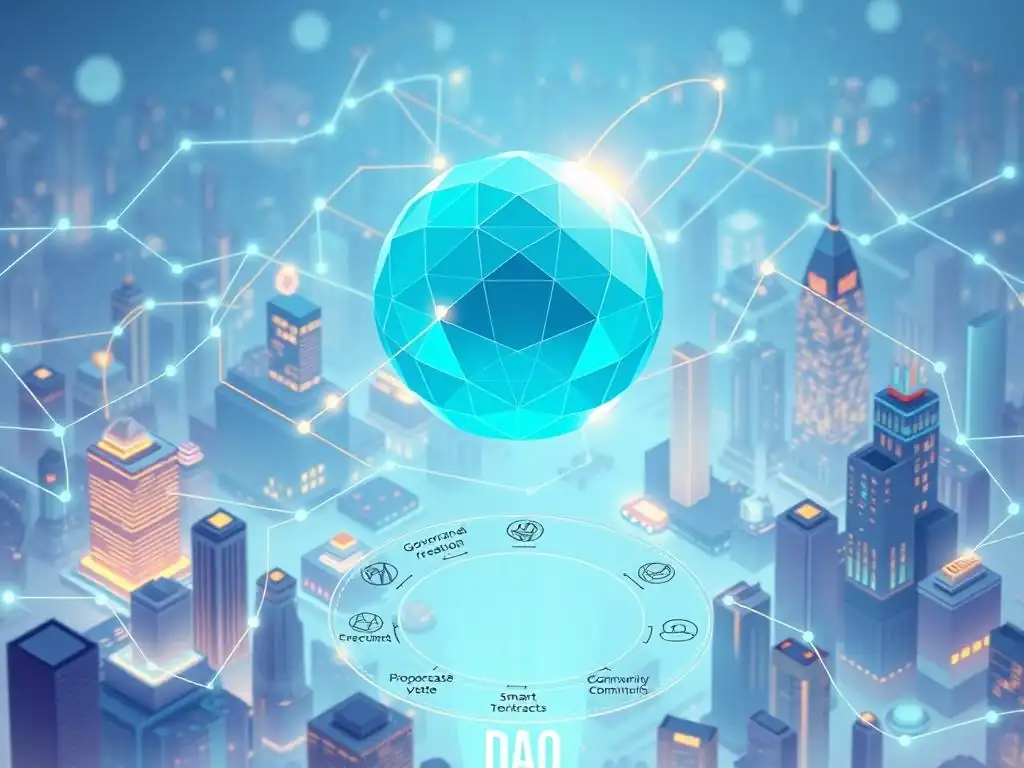
Welcome to Blockchain Trends, your gateway to understanding the revolution beyond Bitcoin. Delve into the fascinating world where blockchain reshapes industries, from decentralized finance to enterprise solutions. Curious about how blockchain is empowering communities and redefining governance? Let's unravel the complexities and explore the immense potential of DAOs in decentralized finance. Discover how these innovative structures are transforming the financial landscape and what the future holds for decentralized systems – are you ready to dive in?
- Investment Opportunities in DAOs
-
Frequently Asked Questions
- What exactly is a DAO in the context of Decentralized Finance (DeFi)?
- How do DAOs contribute to the decentralization of DeFi platforms?
- What are the key benefits of using a DAO for governance within a DeFi project?
- What are some potential risks or challenges associated with DAOs in DeFi?
- How can someone get involved in a DAO that governs a DeFi protocol?
- Final Reflection: Embracing the Future of Collaborative Finance
- Unearth Your DAO Potential Now!
Investment Opportunities in DAOs
Analyzing the Financial Potential of DAOs in DeFi
Investing in Decentralized Autonomous Organizations (DAOs) within the decentralized finance (DeFi) landscape presents unique opportunities, distinct from traditional equity or bond markets. The financial potential of a DAO is often tied directly to the success and adoption of the underlying DeFi protocol it governs.
Key metrics for analysis include the protocol's Total Value Locked (TVL), which represents the total amount of crypto assets deposited into the protocol, and the revenue generated by the protocol through fees (e.g., lending interest spreads, trading fees, transaction fees). A high and growing TVL, such as Aave's TVL often exceeding tens of billions of dollars during peak market cycles, or Uniswap's significant trading volume generating substantial fees, indicates strong user adoption and potential profitability, which can positively impact the value of the DAO's governance tokens.
Furthermore, the DAO's treasury balance, often holding significant amounts of native tokens or stablecoins, provides a buffer and funding source for future development or buybacks, signaling financial health.
Beyond quantitative metrics like TVL and treasury size, assessing the financial potential of DAOs in decentralized finance involves evaluating the quality and activity of its governance. A vibrant community with active participation in proposal discussions and voting suggests strong community support and a likelihood of effective decision-making that can drive the protocol's growth. Analyzing the types of proposals being passed – whether they focus on fee structure adjustments, new feature implementations, or strategic partnerships – can provide insight into the DAO's direction and potential for future value creation.
For instance, MakerDAO's governance regularly debates and implements changes to collateral types and stability fees for the DAI stablecoin, directly impacting the protocol's risk profile and revenue generation. Understanding the tokenomics, including how tokens are distributed, used for incentives, and potentially burned or staked, is also crucial as these factors influence supply-demand dynamics and potential token appreciation.
Top DAO Tokens and Their Market Performance
Several DAO tokens have emerged as significant players in the decentralized finance market, representing governance rights over major DeFi protocols. Tokens like AAVE (governing Aave), MKR (governing MakerDAO), COMP (governing Compound), UNI (governing Uniswap), and SUSHI (governing SushiSwap) are among the most prominent examples. The market performance of these tokens is highly correlated with the overall sentiment in the crypto market, the specific performance of their underlying protocols, and developments within their respective DAOs.
For instance, the AAVE token's value is closely linked to the growth and profitability of the Aave lending protocol, often reflecting periods of high borrowing demand or successful protocol upgrades. Similarly, MKR's performance is tied to the stability and adoption of the DAI stablecoin and the health of the Maker protocol's collateralized debt positions.
Analyzing the market performance of these top DAO tokens reveals diverse trends. While many experienced parabolic growth during the DeFi boom of 2020-2021, their values have also been subject to significant volatility, influenced by market-wide corrections, regulatory news, and protocol-specific events like exploits or governance controversies.
For example, during certain market downturns, even leading tokens like UNI or COMP saw price drops exceeding 50% from their peaks. However, their long-term potential is often viewed through the lens of the fundamental value and future growth prospects of the protocols they govern.
Investors often look at metrics like market capitalization relative to TVL or protocol revenue to gauge potential undervaluation or overvaluation compared to peers. Understanding the specific tokenomics – such as whether tokens can be staked for rewards (like AAVE) or if protocol revenue is used to buy back tokens (like MKR historically) – is vital for assessing potential yield opportunities or deflationary pressures that might impact price.
Strategies
Investing in DAOs in decentralized finance requires a thoughtful approach, considering the unique characteristics of these decentralized entities. One common strategy is simply buying and holding the governance tokens of promising DeFi protocols. This passive approach relies on the long-term growth and success of the underlying protocol to drive the value of the token. Investors employing this strategy might focus on established DAOs with strong track records, significant TVL, and active development teams, diversifying across several different protocols to mitigate risk. Researching the protocol's fundamentals, team, roadmap, and competitive landscape is crucial before committing capital to a DAO token.
A more active strategy involves participating in DAO governance. Holding governance tokens often allows investors to vote on proposals and potentially earn rewards for participation, though this varies by DAO. This approach not only offers a potential avenue for earning yield or tokens but also allows investors to influence the direction of the protocol, potentially enhancing its value.
For example, participating in Compound's governance requires holding COMP tokens and can involve voting on parameters like interest rates or listing new assets. Furthermore, investors can engage in yield farming or liquidity provision within DAO-governed protocols, earning transaction fees or native tokens, which can then be held or sold. This strategy often involves higher risk due to impermanent loss or smart contract vulnerabilities but can offer higher potential returns for those comfortable with the complexities of DeFi mechanics.
Frequently Asked Questions
What exactly is a DAO in the context of Decentralized Finance (DeFi)?
A DAO, or Decentralized Autonomous Organization, is an internet-native entity that operates based on rules encoded in smart contracts. These rules automate decision-making and resource allocation, eliminating the need for traditional hierarchical management. They are particularly relevant in governance within DeFi protocols.
How do DAOs contribute to the decentralization of DeFi platforms?
DAOs empower community members to participate in the governance of DeFi platforms. This means holders of DAO tokens can vote on proposals related to protocol upgrades, fee structures, and treasury management, shifting control away from centralized entities. This greater decentralization improves trust and resilience.
What are the key benefits of using a DAO for governance within a DeFi project?
DAOs offer enhanced transparency due to on-chain records of all decisions and transactions. They also promote community ownership and participation, leading to more engaged users and potentially better decision-making aligned with community interests. Finally, they foster greater efficiency through automated processes.
What are some potential risks or challenges associated with DAOs in DeFi?
DAOs can be vulnerable to governance attacks if a single entity accumulates a large percentage of voting tokens. There are also risks related to smart contract vulnerabilities and the potential for slow decision-making processes due to the need for community consensus.
How can someone get involved in a DAO that governs a DeFi protocol?
Typically, you can participate by acquiring the DAO's governance token, often through staking or providing liquidity to the protocol. Holding these tokens grants you voting rights on proposals and allows you to actively shape the future direction of the DeFi project. It's crucial to research the DAO's governance structure before participating.
Final Reflection: Embracing the Future of Collaborative Finance
The journey through the landscape of Decentralized Autonomous Organizations (DAOs) in decentralized finance (DeFi) reveals a powerful shift in how we understand and participate in financial systems. The promise of DAOs lies in their ability to democratize decision-making and foster greater transparency and community ownership within the often opaque world of finance. This isn't just a theoretical concept; it's a burgeoning reality reshaping the very foundations of how value is created and distributed.
The rise of DAOs has profoundly influenced the cultural and social landscape of DeFi, fostering a sense of collective responsibility and empowering individuals to contribute directly to the evolution of financial protocols. Witnessing this transformation firsthand has been incredibly inspiring, highlighting the potential for technology to truly serve the needs of the many, not just the few. Never doubt that a small group of thoughtful, committed citizens can change the world; indeed, it's the only thing that ever has.
- Margaret Mead. This quote perfectly encapsulates the spirit of DAOs and their potential to revolutionize finance.
As you navigate the ever-evolving world of DeFi, remember the core principles underpinning DAOs: transparency, community, and autonomy. Consider how you can leverage these principles, whether by actively participating in existing DAOs or by exploring opportunities to build new, innovative models. The future of finance is being written now, and your contribution, however small, can help shape a more equitable and accessible financial future for all.
Unearth Your DAO Potential Now!
Thanks for exploring the world of decentralized autonomous organizations! We hope this guide has clarified how these innovative entities work and inspired you to get involved in decentralized finance. Are you ready to take the next step?
Here are a few actions to kickstart your journey into DAOs:
- Join a small, beginner-friendly DAO focused on a DeFi project that interests you.
- Visit the Blockchain Trends forum to discuss your favorite DAOs and learn from other community members.
- Challenge yourself: research a DAO that encountered significant issues or failed. Analyzing what went wrong can provide valuable lessons.
What small step will you take today to participate in the DAO revolution? Share your plans in the comments below!
Leave a Reply