
NFT Accessibility: Making Blockchain Technology Inclusive for All Creators

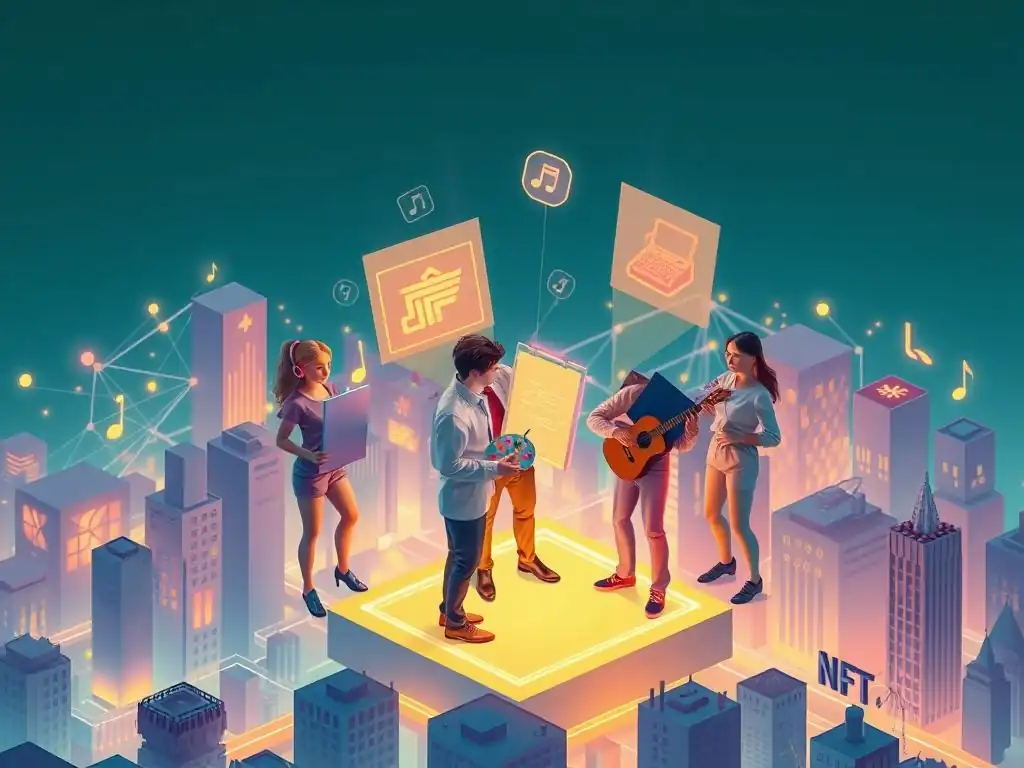
Welcome to Blockchain Trends, your compass in the rapidly evolving world of decentralized technologies! Delve into the transformative power of blockchain, extending far beyond the realm of cryptocurrencies.
Ever wondered how to truly democratize the digital landscape? Our latest article explores a crucial element: NFT accessibility for creators. Discover how we can break down barriers and empower artists and innovators to harness the potential of Non-Fungible Tokens, sparking curiosity about a future where blockchain truly benefits everyone. Read on to learn more!
NFT Accessibility: Empowering Creators Through Inclusivity
- Understanding the Current NFT Landscape for Creators
- The Importance of NFT Accessibility for a Diverse Creator Ecosystem
- Solutions for Improving NFT Accessibility for Creators
- Case Studies: NFT Platforms Championing Accessibility
- The Future of NFT Accessibility: Trends and Predictions
- Overcoming Challenges and Maximizing NFT Creator Access
- Conclusion: Building an Equitable and Accessible NFT Future
-
Frequently Asked Questions
- How does blockchain technology typically present challenges to creators looking to mint NFTs?
- What are some key solutions being developed to improve NFT accessibility for creators?
- What role does regulation play in influencing NFT accessibility for creators?
- Beyond art, what other types of creations can benefit from improved NFT accessibility?
- How might increased NFT accessibility impact the future of decentralized systems and creator economies?
- Final Reflection: Empowering Creators Through Accessible NFTs
- Ignite Your NFT Journey: Empowering Every Creator!
Understanding the Current NFT Landscape for Creators
Barriers to Entry for New NFT Creators
Entering the Non-Fungible Token (NFT) space can be a daunting task for many creators, primarily due to the inherent technical complexities associated with blockchain technology. Aspiring artists and creators often face significant hurdles in understanding concepts like decentralized wallets, gas fees, blockchain networks, and smart contracts. The process of setting up a digital wallet, acquiring cryptocurrency to cover initial costs, and navigating the intricacies of different marketplace interfaces requires a level of technical literacy that is not universally possessed, significantly hindering NFT accessibility for creators.
Beyond the fundamental technical knowledge, the sheer volume and variety of NFT platforms and blockchains present another significant barrier. Creators must research and choose a platform that aligns with their needs, considering factors like supported file types, community focus, fee structures, and the underlying blockchain's characteristics. This decision-making process is complex, requiring an understanding of diverse ecosystems like Ethereum, Polygon, Solana, Tezos, and others, each with its own nuances and market dynamics. The lack of a single, universally simple entry point complicates the journey for newcomers seeking NFT accessibility for creators.
Technological Limitations and NFT Creation
While blockchain offers novel possibilities for digital ownership, current technological limitations can impact the creation process. Scalability remains a challenge for some networks, leading to potential network congestion during periods of high activity. This congestion can result in slow transaction times for minting or listing NFTs, creating frustration for creators trying to manage their digital assets efficiently. The underlying architecture of certain blockchains, particularly older ones utilizing Proof-of-Work consensus, has also raised concerns regarding energy consumption, which can be a deterrent for environmentally conscious creators.
Furthermore, the technical constraints of smart contracts and blockchain storage can limit the complexity or size of digital assets that can be easily tokenized. While metadata often points to external storage solutions like IPFS, ensuring the permanence and accessibility of that off-chain data adds another layer of technical consideration. The seamless integration of complex multimedia formats or interactive experiences into NFTs can still require specialized knowledge or reliance on specific platform features, posing a challenge to broad NFT accessibility for creators working in diverse digital mediums.
Financial Hurdles: The Cost of Minting and Maintaining NFTs
One of the most significant barriers to entry for creators in the NFT space is the financial cost involved. Minting an NFT on popular, but often congested, networks like Ethereum has historically involved variable and sometimes prohibitively high gas fees. These transaction fees, paid to the network validators, can fluctuate dramatically based on network demand, potentially costing anywhere from a few dollars to hundreds of dollars or more per mint during peak times. This upfront expenditure, without a guarantee of sale, represents a considerable risk for independent or emerging artists.
In addition to minting fees, creators often encounter other costs that impact NFT accessibility for creators. Marketplaces typically charge listing fees or commissions on sales, which can range from 2.5% to 15% or higher. Maintaining the accessibility and permanence of the digital asset's metadata, particularly when stored off-chain, might involve ongoing costs for pinning services. These cumulative financial requirements can make the initial foray into the NFT market expensive, limiting participation to those with sufficient capital to absorb potential losses from unsold work.
The Importance of NFT Accessibility for a Diverse Creator Ecosystem
Inclusive NFT Platforms Benefit the Blockchain Community
Promoting NFT accessibility for creators is not just about individual empowerment; it significantly enriches the entire blockchain ecosystem. When platforms are designed with inclusivity in mind, they attract a wider array of creators from diverse backgrounds, disciplines, and geographic locations. This influx of varied talent leads to a much richer and more diverse collection of digital assets, experiences, and artistic expressions available within the NFT market, moving beyond initial use cases dominated by profile pictures or simple digital art.
A more inclusive creator base also fosters innovation and expands the potential use cases for NFTs. Creators bringing perspectives from fields like music, literature, fashion, gaming, and interactive media push the boundaries of what NFTs can represent and enable. This cross-pollination of ideas stimulates the development of new tools, standards, and platforms, ultimately making the entire blockchain space more dynamic, resilient, and relevant to a broader global audience. Enhanced NFT accessibility for creators directly fuels the evolution and adoption of the technology.
Empowering Underrepresented Artists Through Accessible NFTs
NFTs offer a unique opportunity to bypass traditional gatekeepers that have historically controlled access to art markets, publishing, and distribution channels. For artists from marginalized communities, developing nations, or those working outside traditional creative industries, these gatekeepers have often presented insurmountable barriers. Accessible NFT platforms provide a direct pathway for these artists to reach a global audience, sell their work, and build a direct relationship with collectors without needing gallery representation, publisher deals, or extensive industry connections.
By lowering technical and financial barriers, NFT accessibility for creators enables artists who previously lacked the means or connections to participate in global markets to gain visibility and earn income directly from their creations. For instance, an artist in a region with limited local art infrastructure can mint and sell their digital work to collectors anywhere in the world, potentially earning significantly more than they could through traditional local avenues. This direct empowerment can lead to economic independence and creative freedom for artists who have historically been underrepresented in the global art and media landscape.
Democratizing Digital Ownership with Accessible NFT Solutions
At its core, blockchain technology promises to democratize access to digital ownership and value creation. Accessible NFT solutions are crucial to fulfilling this promise. By making it easier and more affordable for anyone to tokenize their digital creations, NFTs shift the paradigm from centralized control over digital assets to a model where individuals can truly own and control their digital property. This contrasts sharply with traditional digital content consumption, where users typically only purchase licenses or access rights.
Democratizing digital ownership through improved NFT accessibility for creators allows individuals to participate in and benefit from the digital economy in new ways. Creators can build businesses around their digital assets, establish verifiable provenance for their work, and earn royalties on secondary sales – economic models that were previously difficult or impossible for independent creators. This broadens participation in the digital economy, potentially unlocking new sources of income and wealth creation for a diverse global population.
Solutions for Improving NFT Accessibility for Creators
Simplifying the NFT Minting Process: User-Friendly Platforms and Tools
Implementing Intuitive NFT Creation Interfaces
Improving NFT accessibility for creators fundamentally requires making the technical process of tokenizing a digital asset as simple and intuitive as possible. Platforms are increasingly adopting user interface (UI) designs that abstract away the underlying blockchain complexities. This includes features like drag-and-drop interfaces for uploading files, guided step-by-step workflows for setting metadata and properties, and clear explanations of options like blockchain choice and royalty percentages. The goal is to make minting an NFT feel similar to uploading content to a social media platform or e-commerce site, rather than executing a complex technical procedure.
Many platforms are now offering tools that allow creators to easily manage multiple aspects of their NFT projects from a single dashboard. This includes bulk minting capabilities for collections, integrated IPFS pinning services to ensure metadata persistence, and straightforward ways to set up royalty splits for collaborators. By focusing on user experience design and providing comprehensive, easy-to-understand tools, these platforms significantly reduce the technical burden on creators, thereby enhancing NFT accessibility for creators across various skill levels.
Offering Low-Cost NFT Minting Options
The high cost of minting has been a major deterrent, but platforms are developing solutions to address this. One popular method is "lazy minting" or gasless minting, where the NFT is listed on the marketplace but not actually minted on the blockchain until it is purchased by a buyer. In this scenario, the buyer typically pays the gas fee, eliminating the upfront cost for the creator. This model has been adopted by major platforms like OpenSea and Rarible, vastly improving NFT accessibility for creators who cannot afford to pay gas fees for potentially unsold work.
Other platforms explore subsidized minting or utilize blockchains with inherently lower transaction costs. Some marketplaces might cover a certain number of mints for new creators, or offer subscription models that include minting allowances. While less common, these approaches directly reduce the financial barrier. The widespread adoption of lazy minting, however, has been a transformative step, allowing creators to list their work without financial risk, thereby dramatically increasing NFT accessibility for creators globally.
Lowering the Barrier to Entry: Affordable Blockchain Solutions
Exploring Layer-2 Scaling Solutions for Reduced Gas Fees
One of the most impactful ways to improve NFT accessibility for creators has been the migration or integration with Layer-2 (L2) scaling solutions for blockchains like Ethereum. L2 networks such as Polygon, Optimism, and Arbitrum process transactions off the main Ethereum chain (Layer-1) in large batches before settling them back on L1. This batching significantly reduces the computational load and, consequently, the transaction fees. Gas fees on L2s are often fractions of a dollar, compared to potentially tens or hundreds of dollars on the Ethereum mainnet during peak demand.
Major NFT marketplaces and platforms have increasingly integrated support for or migrated entirely to L2 networks to leverage these lower costs. For example, platforms built on or supporting Polygon enable minting and transactions with minimal gas fees, making it economically viable for creators to tokenize a large volume of work or lower-priced items. This shift to L2s is a critical development in making NFT accessibility for creators a reality, removing the significant financial hurdle posed by high transaction costs.
Utilizing Energy-Efficient Blockchains
Concerns about the environmental impact of Proof-of-Work (PoW) blockchains like the original Ethereum and Bitcoin have been a point of contention and a potential barrier for creators sensitive to environmental issues. The transition of Ethereum to a Proof-of-Stake (PoS) consensus mechanism in September 2022 drastically reduced its energy consumption by approximately 99.95%. This move, often referred to as "The Merge," addressed a major criticism and improved the environmental perception of NFTs on Ethereum.
Beyond Ethereum, many other prominent blockchains designed with NFTs in mind, such as Solana, Flow, Tezos, and Cardano, utilize PoS or other energy-efficient consensus mechanisms from their inception. Building or minting on these chains significantly lowers the environmental footprint associated with the NFT creation and transaction process. By offering energy-efficient alternatives, the ecosystem enhances NFT accessibility for creators who prioritize sustainability and wish to participate in the space without contributing to high energy consumption.
Educational Resources and Support for Aspiring NFT Creators
Creating Comprehensive NFT Tutorials and Guides
The technical and conceptual novelty of NFTs means that readily available, high-quality educational resources are essential for improving NFT accessibility for creators. Comprehensive tutorials and guides covering everything from setting up a crypto wallet, understanding blockchain basics, minting on different platforms, marketing strategies, and managing sales are crucial. These resources should be available in various formats, including text, video, and potentially interactive modules, catering to different learning preferences and technical backgrounds.
Many platforms and community initiatives are now dedicating resources to creating extensive knowledge bases, video guides, and FAQs specifically aimed at onboarding new creators. For example, platforms often provide detailed documentation explaining their specific minting process, fee structures, and promotional tools. Community-led initiatives on platforms like Discord and Twitter Spaces also play a vital role in providing peer-to-peer education and support, directly contributing to enhancing NFT accessibility for creators by demystifying the process.
Establishing Mentorship Programs for New Creators
Navigating the NFT market involves not just technical steps but also understanding market dynamics, community building, and promotional strategies. Mentorship programs, connecting experienced NFT creators with newcomers, can provide invaluable guidance and support. These programs can offer personalized advice on choosing a platform, pricing strategies, building an audience, and avoiding common pitfalls. The human element of guidance can significantly boost a new creator's confidence and ability to succeed.
Some platforms or decentralized autonomous organizations (DAOs) focused on specific creative communities are beginning to formalize mentorship or peer-support structures. For instance, a photography-focused NFT platform might pair established photographers with those just starting out in the space. While not yet widespread, these initiatives provide targeted support that goes beyond general tutorials, offering practical, experience-based knowledge that is vital for improving NFT accessibility for creators and helping them thrive in the ecosystem.
Case Studies: NFT Platforms Championing Accessibility
Examining Successful Initiatives that Promote Inclusive NFT Creation
Several NFT platforms have made conscious efforts to lower barriers and promote inclusivity, serving as valuable case studies for how NFT accessibility for creators can be effectively improved. These platforms often combine user-friendly design with innovative economic models and dedicated creator support programs. Their success highlights that a focus on accessibility is not just socially beneficial but can also lead to a thriving and diverse marketplace that attracts both creators and collectors. Examining their strategies provides insights into best practices for building a more equitable NFT ecosystem.
These initiatives often involve simplifying the minting process, reducing costs through various means, and building strong community support systems. They demonstrate that by prioritizing the needs of the creator, particularly those new to the space or from underrepresented groups, platforms can cultivate loyalty and foster organic growth. The lessons learned from these accessible platforms are crucial for the broader adoption and positive perception of NFTs as a tool for creative empowerment.
KnownOrigin: Curated Platform with Creator Support Programs
KnownOrigin is a curated platform focused on rare digital art, known for its emphasis on supporting verified digital artists. While it maintains a level of curation that acts as a quality filter, it has also implemented features and programs aimed at supporting its creator base and improving NFT accessibility for creators within its specific niche. The platform provides dedicated support channels for artists, helping them navigate the technical aspects of minting and managing their collections.
KnownOrigin has also been involved in initiatives that directly support artists, sometimes offering grants or promotional opportunities to emerging talent on the platform. Their focus on building a community around digital art and providing resources like guides and artist spotlights contributes to an environment where creators feel supported in their journey. While not an open-for-all platform like some others, its model demonstrates how curated marketplaces can still prioritize creator well-being and provide targeted support that enhances NFT accessibility for creators accepted onto the platform.
Zora: Open Protocol for Decentralized Media
Zora distinguishes itself as a protocol rather than just a marketplace, focusing on empowering creators and communities through decentralized media ownership. Built on the principle that anyone should be able to publish and own their work on-chain, Zora offers a highly flexible and open environment for creating and trading NFTs. Its protocol allows for the creation of custom NFT contracts and media DAOs, giving creators significant control over the economics and distribution of their work from the ground up.
The open nature of the Zora protocol inherently promotes NFT accessibility for creators by removing centralized control over who can mint and how. Creators can deploy their own contracts or use existing tools built on the protocol to create NFTs with unique features, such as revenue splits or community ownership models. This focus on decentralized infrastructure and creator autonomy lowers the barrier for those seeking maximum control and flexibility, making it a powerful tool for artists and collectives looking to experiment with new forms of digital ownership and distribution.
The Future of NFT Accessibility: Trends and Predictions
Emerging Technologies and their Impact on NFT Inclusivity
The Role of Mobile-First NFT Platforms
The future of NFT accessibility for creators is heavily reliant on making the technology easily usable on the devices people use most frequently: smartphones. As global internet access is increasingly mobile-first, particularly in emerging markets, developing robust and intuitive mobile applications for creating, managing, and selling NFTs is crucial. Mobile-first platforms need to integrate seamless wallet functionality, simplify complex blockchain interactions, and provide a user experience tailored to smaller screens and touch interfaces.
Platforms that successfully implement a mobile-first strategy can unlock NFT accessibility for creators in regions or demographics less likely to have access to desktop computers. Features like integrated fiat-to-crypto on-ramps within the mobile app further reduce friction. Estimates suggest that over half of global internet access is via mobile devices, highlighting the necessity of prioritizing mobile development to achieve truly widespread NFT adoption and ensure NFT accessibility for creators worldwide.
Exploring Decentralized Autonomous Organizations (DAOs) for Creator Support
Decentralized Autonomous Organizations (DAOs) are emerging as a potential model for community-driven support structures that can enhance NFT accessibility for creators. Creator DAOs can pool resources from members or investors to fund initiatives like covering minting costs for members, developing shared tools, providing marketing support, or offering grants for new projects. Decision-making within these DAOs is typically governed by token holders, allowing creators to have a direct say in how resources are allocated to benefit the community.
By forming or joining a creator DAO, artists can access collective support and resources that might be difficult to obtain individually. This model can democratize access to funding and opportunities, providing a safety net and collaborative environment that fosters creativity. Examples of early creator DAOs show potential in collectively addressing barriers like high gas fees or lack of promotional reach, demonstrating a promising avenue for improving NFT accessibility for creators through decentralized governance and resource sharing.
Policy Recommendations for a More Accessible NFT Ecosystem
Achieving broad NFT accessibility for creators will also require thoughtful consideration of policy and regulatory frameworks. Clear and consistent regulations regarding digital assets, including NFTs, can provide legal certainty for creators and platforms, encouraging broader participation from individuals and institutions alike. Ambiguity in this area can lead to hesitation and stifle innovation. Policies that protect creators' intellectual property rights while facilitating the unique aspects of blockchain ownership are essential.
Furthermore, industry-led initiatives focused on standardization can play a significant role in improving accessibility. Establishing common standards for metadata, interoperability between platforms and blockchains, and wallet compatibility can reduce fragmentation and complexity for users. Recommendations for best practices in security and transparency within NFT platforms can also build trust. A collaborative approach between policymakers, industry leaders, and the creator community is necessary to shape a regulatory environment that supports innovation while ensuring a safe and accessible ecosystem for NFT accessibility for creators.
Overcoming Challenges and Maximizing NFT Creator Access
Addressing Security Concerns in Accessible NFT Platforms
As platforms strive to simplify the user experience and enhance NFT accessibility for creators, maintaining robust security is paramount. The balance between ease of use and security can be delicate. Accessible platforms must educate creators about common risks, such as phishing scams targeting wallet credentials, and provide clear guidance on securing their digital assets and private keys. Simplifying security practices without compromising effectiveness is a key challenge.
Platforms themselves must implement strong security measures, including multi-factor authentication, secure smart contract development (with audits), and clear communication about potential vulnerabilities. Providing integrated, user-friendly tools for managing wallet permissions and monitoring activity can help creators stay secure. Ultimately, building trust through transparent security practices and empowering creators with the knowledge to protect themselves is essential for maximizing NFT accessibility for creators without exposing them to undue risk.
Maintaining Quality and Authenticity in a More Inclusive NFT Market
Lowering the barriers to entry can lead to a massive increase in the volume of NFTs being minted, which presents challenges in maintaining quality and ensuring authenticity. Without curation on open platforms, it can be difficult for collectors to discover high-quality work, and the risk of encountering plagiarized or fraudulent content increases. Platforms need to develop effective mechanisms for verifying creator identity, detecting copyright infringement, and allowing the community to report suspicious activity.
Tools that leverage blockchain's inherent transparency to track provenance and verify the history of an NFT are crucial. While perfect solutions are still evolving, a combination of automated detection systems, community moderation, and clear reporting mechanisms is necessary. Striking the right balance between open access and mechanisms to uphold quality and authenticity is vital for building a sustainable and trustworthy market that benefits both creators and collectors, reinforcing the value of NFT accessibility for creators who produce original work.
Promoting Responsible and Ethical NFT Creation Practices
As NFT accessibility for creators increases, it is important to promote responsible and ethical practices within the community. This includes encouraging creators to be mindful of the environmental impact of the blockchains they choose, opting for energy-efficient networks whenever possible, or utilizing carbon offsetting initiatives if working on PoW chains. Transparency about the creation process, the origin of the artwork, and any underlying intellectual property is also key.
Furthermore, promoting fair practices regarding royalties and smart contract terms is essential. Creators should understand and clearly communicate the terms under which their NFTs are sold, including secondary sale royalties. Educating creators about copyright and licensing in the context of NFTs helps prevent misuse and ensures artists retain appropriate rights to their work. Fostering a culture of responsibility and ethical awareness within the increasingly accessible NFT space is crucial for its long-term health and positive impact, ensuring NFT accessibility for creators is paired with integrity.
Conclusion: Building an Equitable and Accessible NFT Future
The Ongoing Need for Innovation in NFT Accessibility
The journey towards truly widespread NFT accessibility for creators is an ongoing process that requires continuous innovation. While significant progress has been made in simplifying interfaces, reducing costs through Layer-2 solutions and lazy minting, and providing educational resources, barriers still remain. Future innovation is needed in areas like cross-chain interoperability, seamless integration with traditional financial systems (fiat on/off-ramps), and the development of even more intuitive tools that require zero prior blockchain knowledge.
The next phase of growth in the NFT space will be driven by how successfully the ecosystem can onboard the next wave of creators who are not blockchain native. This requires developers, platforms, and communities to remain focused on user experience, affordability, education, and support. The commitment to innovation in these areas will be the determining factor in realizing the full potential of NFTs as a tool for empowering creators globally, making NFT accessibility for creators a standard rather than an exception.
Empowering Creators Through Blockchain Technology: A Call to Action
NFTs, powered by blockchain technology, offer an unprecedented opportunity to empower creators by providing direct access to global markets, verifiable ownership, and new revenue streams. However, this potential can only be fully realized if the technology is made accessible to everyone, regardless of their technical background, financial situation, or geographic location. Improving NFT accessibility for creators is not just a technical challenge; it is a social imperative to build a more equitable and inclusive digital economy.
Platforms must prioritize user-friendly design and affordable options. Developers should continue building on energy-efficient and scalable blockchains. Communities need to foster supportive environments and share knowledge. Educators must create clear and comprehensive learning materials. By working together, the blockchain ecosystem can break down existing barriers and ensure that the transformative power of NFTs is available to all creators, truly democratizing digital ownership and creative expression through enhanced NFT accessibility for creators worldwide.
Frequently Asked Questions
How does blockchain technology typically present challenges to creators looking to mint NFTs?
Traditional blockchain platforms can present hurdles like high transaction fees, complex technical requirements, and a lack of user-friendly interfaces, making NFT creation difficult for some.
What are some key solutions being developed to improve NFT accessibility for creators?
Solutions include platforms offering gasless minting options, simplified drag-and-drop interfaces, and educational resources to empower creators with limited technical knowledge.
What role does regulation play in influencing NFT accessibility for creators?
Clear and consistent regulations can help establish trust and stability in the NFT market, encouraging broader adoption and ultimately improving accessibility for both creators and buyers. Ambiguity can stifle growth.
Beyond art, what other types of creations can benefit from improved NFT accessibility?
Improved accessibility can benefit creators of music, writing, videos, and other digital content, allowing them to monetize their work and build communities through NFTs.
How might increased NFT accessibility impact the future of decentralized systems and creator economies?
Greater accessibility can lead to a more diverse and inclusive creator economy, fostering innovation and decentralizing ownership of digital assets, shifting power away from traditional intermediaries.
Final Reflection: Empowering Creators Through Accessible NFTs
The journey through understanding NFT accessibility for creators reveals a crucial truth: blockchain technology's transformative potential hinges on its inclusivity. The article has highlighted the barriers preventing many artists and innovators from participating in the NFT space, and the urgent need to dismantle these obstacles to unlock true creative freedom.
The impact of accessible NFTs extends far beyond individual artists; it reshapes the entire cultural landscape. By democratizing access to digital ownership and monetization, we empower marginalized voices and foster a more diverse and vibrant creative ecosystem. Technology is nothing. What's important is that you have a faith in people, that they're basically good and smart, and if you give them tools, they'll do wonderful things with them.
- Steve Jobs. This quote underscores the belief that providing accessible tools, like NFTs, empowers creators to achieve remarkable feats.
Now, consider the power you hold as a reader. Reflect on the ways you can advocate for NFT accessibility within your own sphere of influence. Whether it's supporting platforms that prioritize inclusivity, educating others about the importance of accessible tools, or simply amplifying the voices of underrepresented creators, your actions can contribute to a future where everyone has the opportunity to thrive in the digital art world. Embrace the challenge, and let's build a more equitable and empowering future for all creators.
Ignite Your NFT Journey: Empowering Every Creator!
Thank you for exploring how we can make the NFT space a more inclusive and vibrant environment for everyone. You've gained valuable insights into the challenges and opportunities surrounding NFT accessibility. Now, let's put that knowledge into action and build a community where all creators can thrive.
You can contribute in several ways:
- Become an NFT Accessibility Advocate: Start a conversation within your network about the importance of inclusive design in NFT projects and how it can benefit the entire ecosystem.
- Explore platforms that are actively working on accessibility features and support creators using those tools. This encourages further innovation!
- Share this article with fellow creators and enthusiasts. Let’s spread awareness and inspire others to join the movement.
Are you ready to champion inclusivity and help shape the future of the NFT space? What small step will you take this week to support a more accessible NFT ecosystem?
Leave a Reply