
Interoperability in Blockchain: Connecting Disparate Networks for a Unified Future


Welcome to Blockchain Trends, your guide to understanding the real-world impact of blockchain technology.
Delve into the fascinating world of decentralized systems and discover how blockchain is revolutionizing industries beyond cryptocurrency. Ever wondered how different blockchains can seamlessly communicate and share information? This article uncovers the essential benefits of blockchain interoperability solutions, unlocking a future where disparate networks converge to create a unified and powerful ecosystem. Prepare to explore the critical role interoperability plays in shaping the next generation of blockchain applications and why it matters to you.
- Exploring Blockchain Interoperability Solutions Benefits
-
Frequently Asked Questions
- How does blockchain interoperability contribute to a more unified future?
- What are the main benefits of blockchain interoperability solutions for businesses?
- Beyond DeFi, where else can blockchain interoperability solutions be applied?
- What role does regulation play in the development and adoption of blockchain interoperability?
- What are some of the challenges in implementing effective blockchain interoperability solutions?
- Final Reflection: Bridging the Blockchain Divide
- Unveil the Power of Connected Blockchains!
Exploring Blockchain Interoperability Solutions Benefits
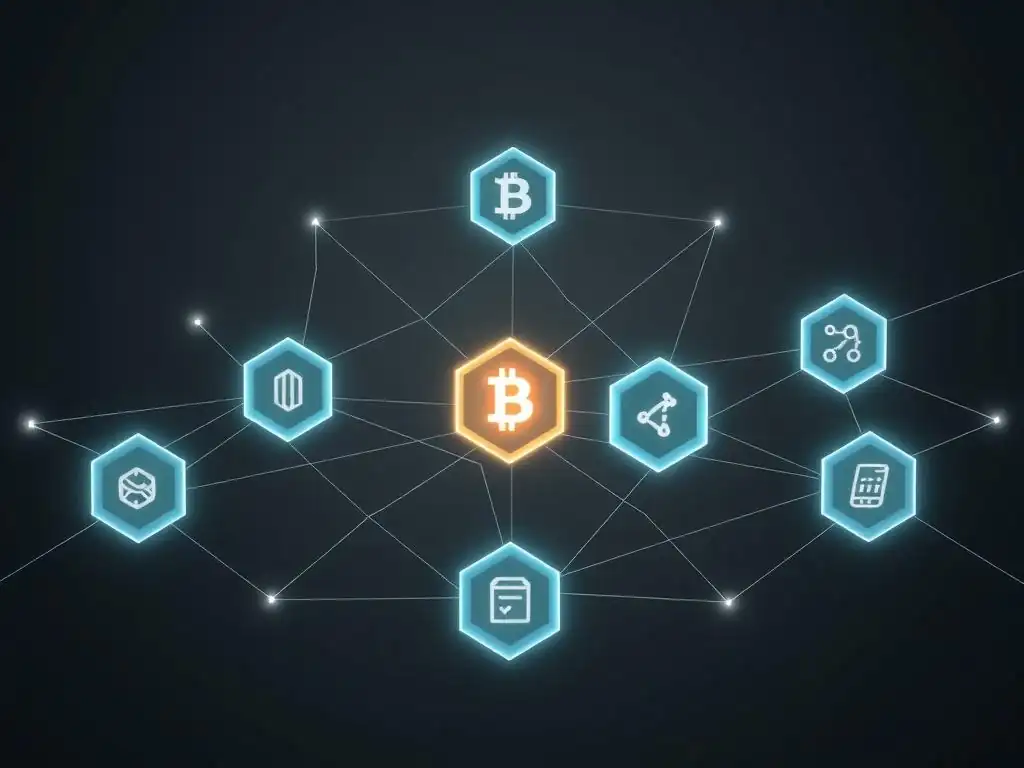
Exploring the advantages of connecting disparate blockchain networks reveals significant benefits that are reshaping the digital landscape. These blockchain interoperability solutions benefits extend beyond mere convenience, addressing fundamental limitations of isolated systems and paving the way for a more integrated and powerful decentralized future. By enabling seamless communication and value transfer between chains, interoperability unlocks new levels of efficiency, scalability, and innovation that were previously unattainable within siloed blockchain environments.
The drive towards greater interconnectivity is fueled by the clear potential to leverage the unique strengths of different blockchains. For instance, a dApp might utilize the high throughput of a layer-2 solution while settling transactions securely on a layer-1 chain like Ethereum, or access specific data from a permissioned enterprise blockchain within a public network application. Understanding the core blockchain interoperability solutions benefits is crucial for developers, businesses, and users navigating this evolving ecosystem.
Enhanced Scalability Through Interconnected Chains
One of the primary blockchain interoperability solutions benefits is the potential for enhanced scalability. Isolated blockchains often face limitations in processing a large volume of transactions efficiently. By connecting different chains, the overall transaction capacity of the ecosystem can be effectively increased. For example, specialized chains optimized for specific tasks, such as high-frequency trading or data storage, can offload activity from general-purpose chains, distributing the workload and improving network performance without requiring a single chain to handle everything.
Consider a scenario where a major public blockchain processes an average of 15-30 transactions per second (TPS). As user adoption grows, congestion increases, leading to higher fees and slower confirmation times. Interoperability allows applications or specific transaction types to migrate to or interact with other chains capable of higher throughput, perhaps thousands of TPS, or layer-2 scaling solutions built on top of the main chain. This distributed processing power, facilitated by robust blockchain interoperability solutions benefits, helps alleviate bottlenecks on popular networks and supports a larger volume of global transactions overall.
Improved Efficiency and Reduced Costs with Cross-Chain Transactions
Another significant advantage among the blockchain interoperability solutions benefits is the improvement in efficiency and reduction in costs associated with cross-chain transactions. Without interoperability, moving assets or data between different blockchains often requires complex and costly processes involving centralized exchanges or multiple steps that introduce friction and fees. This inefficiency hinders seamless user experiences and adds significant overhead for businesses operating across different networks.
Interoperability solutions, such as bridges or atomic swaps, enable direct or near-direct transfers between chains. This eliminates the need for intermediaries in many cases, drastically reducing transaction fees (like exchange withdrawal fees or multiple gas fees) and speeding up settlement times.
For instance, transferring tokens from a chain with high gas fees (like Ethereum, which can see average transaction costs fluctuate significantly, sometimes exceeding $50 or more during peak times) to a chain with significantly lower fees (like Polygon or Binance Smart Chain, where fees are often fractions of a dollar) becomes much more cost-effective and faster via an interoperability solution, directly showcasing the blockchain interoperability solutions benefits in action.
Increased Innovation and Development Opportunities
Perhaps one of the most exciting blockchain interoperability solutions benefits is the explosion of innovation and development opportunities it fosters. When blockchains can communicate and share data or assets, developers are no longer confined to the capabilities and limitations of a single network. This opens up a vast design space for building novel decentralized applications (dApps) and protocols that leverage the unique features of multiple chains simultaneously.
Imagine a decentralized finance (DeFi) application that allows users to deposit assets from one chain, like Bitcoin on its native chain, to earn yield on another chain, like Ethereum, without needing to wrap the Bitcoin or use a centralized service. Or consider an NFT marketplace on one chain that can list and trade digital collectibles originally minted on a different chain, expanding liquidity and reach. These cross-chain functionalities, enabled by the underlying blockchain interoperability solutions benefits, allow for more complex, versatile, and powerful applications that can serve a wider audience and unlock new economic models in the decentralized world.
Frequently Asked Questions
How does blockchain interoperability contribute to a more unified future?
Blockchain interoperability allows different blockchain networks to communicate and share data, creating a more integrated ecosystem. This facilitates seamless transactions and data exchange, leading to a more unified future for blockchain technology.
What are the main benefits of blockchain interoperability solutions for businesses?
Interoperability solutions enable businesses to access a wider range of blockchain services and applications. It also streamlines processes by allowing data to flow freely between different blockchain platforms, and reduces vendor lock-in.
Beyond DeFi, where else can blockchain interoperability solutions be applied?
Interoperability solutions are crucial for supply chain management, healthcare, and government services. By connecting various systems, interoperability enables secure data sharing and increased efficiency across industries.
What role does regulation play in the development and adoption of blockchain interoperability?
Regulatory frameworks can foster trust and standardization in the blockchain space. Clear guidelines on data privacy and security are essential to promote wider adoption of interoperable solutions, and avoid regulatory arbitrage.
What are some of the challenges in implementing effective blockchain interoperability solutions?
Technical challenges include ensuring security and scalability across different blockchain networks. Governance and standardization are also crucial to ensure seamless integration and prevent fragmentation of the ecosystem.
Final Reflection: Bridging the Blockchain Divide
The exploration of blockchain interoperability solutions benefits culminates in a crucial understanding: the future of blockchain hinges on its ability to connect. The isolated silos of various blockchain networks, while innovative in their own right, ultimately limit the technology's transformative potential. Only through seamless communication and data exchange can we unlock the true power of a decentralized and interconnected world.
This journey into interoperability has profoundly influenced my perspective on the blockchain landscape. It's no longer enough to simply build a blockchain; we must build bridges between them. The promise of a unified, decentralized future rests on our ability to overcome the technical and philosophical challenges that stand in the way. As Satoshi Nakamoto envisioned, The root problem with conventional currency is all the trust that's required to make it work. The central bank must be trusted not to debase the currency, but the history of fiat currencies is full of breaches of that trust.
This trustless ideal can only be fully realized when blockchains can interact without the need for centralized intermediaries.
Now, I invite you to consider the implications of blockchain interoperability in your own life and work. How can these solutions empower you to build more secure, transparent, and efficient systems? What role will you play in shaping this interconnected future? The potential is vast, and the time to act is now. Let us embrace the challenge of bridging the blockchain divide and create a truly unified and decentralized world.
Unveil the Power of Connected Blockchains!
Thank you for exploring blockchain interoperability with us. We hope this article has highlighted the exciting possibilities for a more unified blockchain ecosystem. Now, it's time to take action!
Here are some ways to continue engaging with this dynamic field:
- Dive Deeper: Explore specific interoperability projects and analyze their technical approaches and potential impacts. This is your primary call to action!
- Share your insights: Discuss this article with your network on social media using a relevant hashtag and spark conversations about the future of blockchain connectivity.
- Join the Conversation: Subscribe to our newsletter to stay updated on the latest developments and participate in exclusive webinars and discussions.
What interoperability challenge do you believe requires the most immediate attention from the blockchain community? Share your thoughts in the comments below!
Leave a Reply