
Ledger vs Trezor vs KeepKey: Which Wallet is Best for Families?


Welcome to Blockchain Trends, your go-to source for unraveling the ever-evolving world of decentralized technology. Forget just cryptocurrencies; we're diving deep into DeFi, enterprise applications, and the regulatory landscape shaping the future. Thinking about securing your digital assets for the long haul, perhaps even for the next generation? Then you've come to the right place. This week, we're asking the crucial question: Which family-friendly crypto hardware wallet – Ledger, Trezor, or KeepKey – is truly the best choice for protecting your family's digital future? Intrigued? Let's explore the options and unlock the key to secure crypto management for everyone.
- Why Families Need Secure Crypto Storage in a Digital Age
-
Frequently Asked Questions
- What are the key differences between Ledger, Trezor, and KeepKey hardware wallets?
- How do these hardware wallets help families manage their crypto assets securely?
- Which of these wallets is considered most user-friendly for beginners and families new to crypto?
- Do Ledger, Trezor, or KeepKey offer features specifically designed for family use, such as shared accounts or multi-signature options?
- Are these hardware wallets compatible with popular crypto exchanges and DeFi platforms?
- Final Reflection: Securing Family's Digital Future
- Secure Your Family's Crypto Future: Take Control Now!
Why Families Need Secure Crypto Storage in a Digital Age
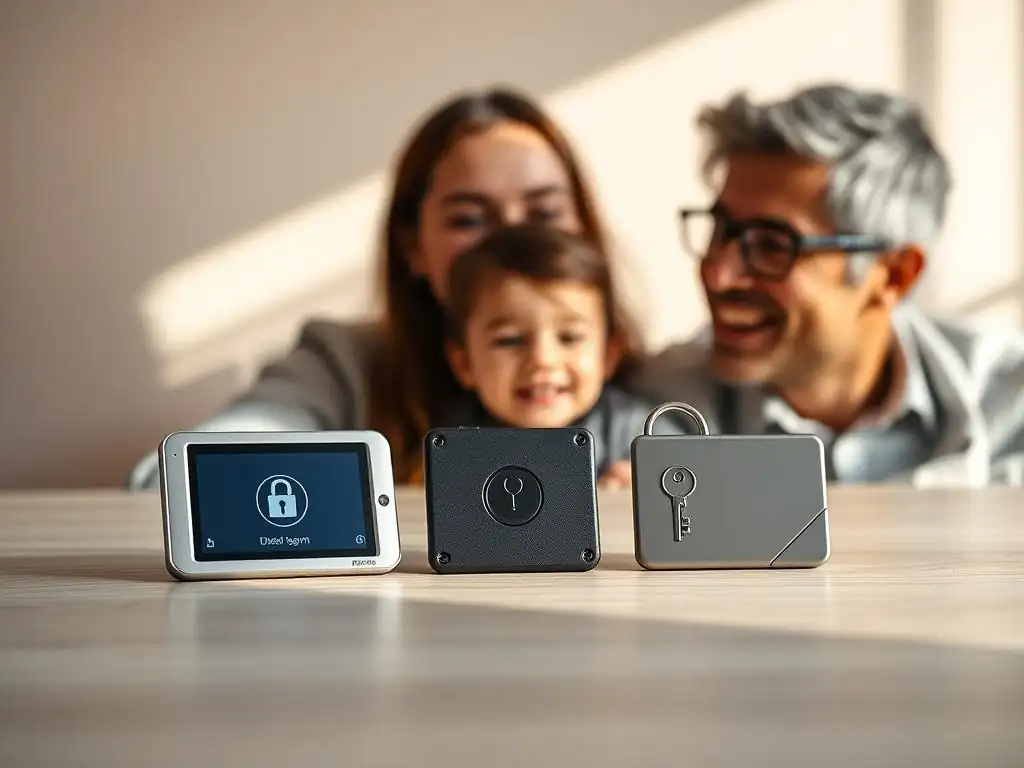
The Growing Importance of Protecting Family Crypto Assets
As digital assets become increasingly integrated into personal finance, more families are exploring cryptocurrencies not just as speculative investments, but as a potential store of value, a way to save for future generations, or even for day-to-day transactions. This shift means that household wealth is now, in part, represented by crypto holdings, making the security of these assets a critical concern. Protecting these shared financial resources from theft, loss, or unauthorized access is paramount for the financial well-being and peace of mind of every family member involved.
The global crypto adoption rate has seen significant growth, reaching hundreds of millions of users worldwide. While specific data on family-held crypto is scarce, anecdotal evidence and market trends suggest that households are increasingly pooling resources to invest, diversify savings, or even receive payments in digital currencies. This collective approach to crypto management necessitates robust security measures that go beyond individual protection, focusing on solutions suitable for a shared environment, ideally a familyfriendly crypto hardware wallet solution.
Hot wallets, which are connected to the internet (like software wallets on phones or computers, or web wallets), present significant vulnerabilities, especially when used to hold substantial or shared family crypto funds. These wallets are susceptible to online threats such as malware, phishing attacks, and keyloggers that can compromise private keys or seed phrases if the device is compromised. A single breach on one family member's device could potentially expose the entire family's crypto holdings held in that hot wallet.
Consider a scenario where a family uses a shared software wallet on a home computer. If that computer is infected with malware designed to steal cryptocurrency information, the family's entire investment could be lost instantly. Unlike individual accounts, where one person bears the risk, a compromise of a shared hot wallet impacts the collective financial plans of the household.
Furthermore, relying on exchange wallets carries counterparty risk; if the exchange is hacked or fails, as seen in historical incidents resulting in billions of dollars in losses across the industry, the family's assets could be irrecoverable. For these reasons, hot wallets are generally not recommended for storing significant amounts of value, particularly when multiple family members might need access or share responsibility.
Introducing Hardware Wallets: The Safest Option for Family Crypto
Hardware wallets represent a fundamental shift in how digital assets are secured. Unlike hot wallets, these physical devices store private keys offline, in a secure chip, completely isolated from internet-connected computers or smartphones that might be infected with malware. Transactions are prepared on the connected device but must be physically verified and signed on the hardware wallet itself, using its dedicated buttons or screen. This "air-gapped" security model significantly mitigates the risks associated with online threats, making them the gold standard for cold storage.
For families pooling their resources into cryptocurrency, a hardware wallet offers a level of security unmatched by software or web wallets. It acts like a digital safe deposit box for their crypto assets, requiring physical interaction to authorize any movement of funds.
This inherent security makes certain models excellent candidates for a familyfriendly crypto hardware wallet, providing a robust foundation for protecting shared wealth against the prevalent online threats. While no security solution is entirely foolproof, keeping the private keys offline is the single most effective measure against the vast majority of cryptocurrency theft vectors, offering peace of mind for families building their digital future.
Frequently Asked Questions
What are the key differences between Ledger, Trezor, and KeepKey hardware wallets?
The key differences lie in their security features, user interface, and coin support. Ledger uses a secure element chip, Trezor is open-source, and KeepKey focuses on a simple interface.
How do these hardware wallets help families manage their crypto assets securely?
These wallets provide cold storage for crypto, meaning private keys are kept offline. This protects against online hacking and allows for safer management of digital assets, especially for multiple family members.
Which of these wallets is considered most user-friendly for beginners and families new to crypto?
KeepKey is often considered the most user-friendly due to its simplified interface. Trezor also has a relatively simple setup, whereas Ledger's interface can be slightly more complex for some.
While none explicitly offer "family accounts," they support multi-signature wallets. This feature requires multiple approvals for transactions, providing enhanced security for shared family crypto holdings.
Are these hardware wallets compatible with popular crypto exchanges and DeFi platforms?
Yes, Ledger, Trezor, and KeepKey are generally compatible with most major crypto exchanges. They also integrate with various DeFi platforms through wallet extensions and software.
Final Reflection: Securing Family's Digital Future
The digital age presents unprecedented opportunities for financial growth, but also demands heightened security awareness, especially when managing assets for an entire family. Choosing the right cryptocurrency hardware wallet is no longer a niche concern, but a fundamental step towards responsible family financial planning. The comparisons between Ledger, Trezor, and KeepKey highlight the diverse options available, each with its own strengths and weaknesses tailored to different user needs and technical expertise.
This exploration into family-friendly crypto hardware wallets underscores the evolving landscape of digital asset management. The responsibility of safeguarding a family's financial future in the digital realm is a significant one, and choosing the right tools is paramount. The peace of mind that comes from knowing your family's crypto assets are securely stored, away from the vulnerabilities of online exchanges, is invaluable. Security is not a product, but a process.
This quote perfectly encapsulates the ongoing need for vigilance and informed decision-making in the world of cryptocurrency.
As you navigate the complexities of digital finance, remember that the best hardware wallet is the one that best fits your family's specific needs and technical comfort level. Consider the user interface, security features, and recovery options, and don't hesitate to seek advice from trusted sources. Embrace the power of informed choice and take proactive steps to secure your family's digital future, ensuring a legacy of financial stability and security for generations to come.
Secure Your Family's Crypto Future: Take Control Now!
Thank you for exploring the best hardware wallet options for safeguarding your family's digital assets. We hope this guide has provided you with the necessary information to make an informed decision. Now, it's time to take action and protect your family's financial future.
Ready to safeguard your crypto? Here's what you can do next:
- Decide on the most suitable hardware wallet for your family's needs and make the purchase today. This step is crucial in securing your digital assets.
- Explore guides on setting up your chosen wallet to ensure a smooth and secure transition.
- Share this article with other families interested in protecting their digital assets.
What security features are most important to your family when selecting a crypto wallet? Share your thoughts and experiences in the comments below!
Leave a Reply