
BlockchainBased Telemedicine Apps: Examples and Use Cases to Watch


Welcome to Blockchain Trends, your go-to source for unraveling the revolutionary potential of blockchain technology. Forget just cryptocurrencies; we delve into the real-world impact of decentralized systems across diverse industries. Curious about how blockchain is reshaping healthcare? Let's explore the groundbreaking applications, benefits, and future possibilities of blockchain telemedicine app development... and discover why it's a trend you can't afford to ignore.
- Blockchain-Based Telemedicine Apps: Examples and Use Cases to Watch
- Understanding Blockchain's Potential in Telemedicine
- Key Benefits of Blockchain Telemedicine App Development
- Real-World Examples of Blockchain Telemedicine Apps
- Use Cases for Blockchain in Telemedicine
- Challenges and Considerations for Blockchain Telemedicine App Development
- The Future of Blockchain in Telemedicine: Trends to Watch
- Conclusion: The Transformative Power of Blockchain Telemedicine App Development
-
Frequently Asked Questions
- What are the primary benefits of using blockchain in telemedicine app development?
- How does blockchain improve data security in telemedicine applications?
- Can blockchain facilitate more efficient data sharing between healthcare providers in telemedicine?
- Are there any regulatory hurdles to consider when developing blockchain-based telemedicine apps?
- What are some potential future applications of blockchain in telemedicine beyond current uses?
- Final Reflection: Empowering Healthcare Through Decentralization
- Reimagine Healthcare: Start Building Your Future Now!
Blockchain-Based Telemedicine Apps: Examples and Use Cases to Watch
Introduction: The Convergence of Blockchain and Telemedicine
The healthcare industry is undergoing a rapid transformation, driven by technological advancements aimed at improving patient care, reducing costs, and enhancing data security. Telemedicine, the delivery of healthcare services remotely using telecommunications technology, has emerged as a critical component of this evolution, particularly accelerated by recent global health events. However, traditional telemedicine platforms often face significant challenges related to data privacy, security, interoperability, and trust, issues inherent in centralized systems handling sensitive patient information.
Enter blockchain technology, a distributed ledger system renowned for its immutability, transparency, and security features. The convergence of blockchain and telemedicine holds immense promise to address these long-standing issues. By leveraging blockchain's unique capabilities, developers can build decentralized telemedicine applications that offer enhanced security for patient data, streamline administrative processes, and foster greater trust among patients, providers, and payers. This synergy is paving the way for innovative blockchain telemedicine app development, creating a more robust and patient-centric remote healthcare ecosystem.
Understanding Blockchain's Potential in Telemedicine
Enhancing Data Security and Privacy in Remote Healthcare
One of the most critical aspects of telemedicine is ensuring the security and privacy of sensitive patient health information (PHI). Traditional systems often rely on centralized databases, which are susceptible to data breaches, hacking attempts, and unauthorized access. A single point of failure can compromise millions of patient records, leading to significant financial and reputational damage for healthcare organizations, and eroding patient trust. This vulnerability poses a substantial risk to the widespread adoption of remote healthcare services.
Blockchain technology offers a fundamentally different approach to data management. By distributing data across a network of nodes and securing it using cryptographic principles, blockchain makes it extremely difficult for malicious actors to alter or access records without detection.
Each transaction or data entry is timestamped and linked to the previous one, creating an immutable audit trail. When developing a blockchain telemedicine app, patient data can be encrypted and stored securely on the decentralized ledger, with access controlled by cryptographic keys.
This architecture significantly reduces the risk of data breaches compared to centralized systems, offering a higher level of assurance regarding patient privacy and data integrity. For instance, instead of storing full medical records directly on the blockchain, hashes of the data, along with access permissions managed via smart contracts, can be stored on the ledger, with the actual encrypted data residing off-chain in secure storage, accessible only to authorized parties.
Streamlining Healthcare Operations with Distributed Ledger Technology (DLT)
Healthcare operations are notoriously complex, involving numerous stakeholders, disparate systems, and cumbersome administrative processes, including billing, claims processing, and supply chain management. These inefficiencies lead to high overhead costs, delays in service delivery, and potential errors. The lack of a single, trusted source of truth for patient information or transaction history creates friction at multiple points within the system, impacting both providers and patients.
Distributed Ledger Technology (DLT), the underlying technology behind blockchain, provides a shared, tamper-proof record of transactions and data that can be accessed and verified by all authorized participants in the network. Implementing DLT in telemedicine applications can automate many of these processes through the use of smart contracts – self-executing contracts with the terms of the agreement directly written into code. For example, a smart contract could automatically process a payment from an insurance provider to a telemedicine provider upon verification of a completed virtual consultation, reducing manual intervention and speeding up reimbursement cycles.
Furthermore, tracking the flow of prescriptions or medical devices becomes more transparent and efficient when recorded on a distributed ledger, minimizing opportunities for fraud and improving inventory management. This streamlining potential is a key driver for blockchain telemedicine app development, promising significant cost savings and operational improvements.
Improving Interoperability and Data Sharing Among Healthcare Providers
A major hurdle in modern healthcare is the lack of interoperability between different electronic health record (EHR) systems and healthcare providers. Patient data is often siloed within specific hospitals, clinics, or even departments, making it difficult for providers to access a patient's complete medical history when needed, especially in emergency situations or when a patient seeks care from multiple specialists. This fragmentation can lead to redundant tests, delayed diagnoses, and suboptimal treatment plans, directly impacting patient outcomes and increasing healthcare costs.
Blockchain technology offers a potential solution to this interoperability crisis by creating a decentralized framework for data exchange. Instead of trying to force disparate systems to communicate directly, a blockchain can serve as a secure, shared layer where pointers to patient data and access permissions are managed.
Patients can control who has access to their records, granting temporary or permanent access to different providers as needed. This patient-centric approach to data control, facilitated by blockchain, allows for a more holistic view of a patient's health history across different providers and systems, regardless of the underlying EHR technology used.
Developing a blockchain telemedicine app that incorporates such a data-sharing layer can significantly improve coordination of care, particularly crucial for patients with chronic conditions or those requiring input from multiple specialists via telemedicine consultations. While challenges remain in standardizing data formats, blockchain provides the essential trust layer and access control mechanism necessary to enable secure and efficient data sharing across organizational boundaries.
Key Benefits of Blockchain Telemedicine App Development
Secure and Transparent Medical Records Management
Developing a blockchain telemedicine app offers a robust solution for managing patient medical records securely and transparently. Unlike traditional systems where data resides in centralized databases vulnerable to breaches, blockchain distributes the ledger across a network, making it virtually immutable. Every interaction with a patient record – from a doctor adding a diagnosis to a patient granting access – is recorded as a transaction on the blockchain, creating a permanent, auditable trail.
This distributed and immutable nature ensures that medical records cannot be tampered with or deleted without the network's consensus, drastically enhancing data integrity. Patients can also be given control over their data access permissions through private keys, deciding which healthcare providers, specialists, or even researchers can view their information and for how long. This level of transparency and security builds trust in telemedicine platforms, encouraging patients to utilize remote healthcare services with greater confidence, knowing their sensitive health information is protected.
Enhanced Patient Data Privacy and Control
Patient privacy is paramount in healthcare, and telemedicine, by its nature, involves transmitting sensitive information over networks. Traditional systems often give patients limited control over who accesses their data and how it is used. This lack of control can be a barrier to telemedicine adoption for privacy-conscious individuals and raises significant compliance challenges under regulations like HIPAA in the United States or GDPR in Europe.
Blockchain technology empowers patients by enabling a patient-centric model of data ownership and control. Through a blockchain telemedicine app, patients can manage their identity and control access to their medical records using cryptographic keys. They can grant granular permissions, allowing specific doctors to view certain parts of their history for a limited time during a consultation. This capability shifts the paradigm from institutions owning patient data to patients owning and controlling access to their own health information. This enhanced privacy and control are not just regulatory checkboxes but fundamental building blocks for a trustworthy and widely adopted telemedicine ecosystem.
Reduction of Fraud and Abuse in Healthcare Claims
Healthcare fraud and abuse, including false claims, billing for services not rendered, and prescription drug fraud, cost the industry billions of dollars annually. Detecting and preventing such activities in complex, multi-party healthcare systems is challenging. Traditional claims processing often involves manual reviews and disparate databases, creating opportunities for fraudulent actors to exploit system loopholes.
Blockchain's inherent transparency and immutability can significantly reduce fraud and abuse in healthcare claims processing within telemedicine platforms. Every service rendered via a telemedicine app, every prescription issued, and every payment request can be recorded as a transaction on a shared ledger accessible to authorized parties (patients, providers, insurers). Smart contracts can automate claim verification based on pre-defined rules, cross-referencing service records with patient eligibility and policy details.
This creates a verifiable, tamper-proof history of interactions, making it much harder to submit fraudulent claims or bills for ghost services. The development of a blockchain telemedicine app with integrated claims processing can lead to substantial cost savings for payers and a more efficient system for providers.
Improved Efficiency in Pharmaceutical Supply Chain Tracking
Tracking pharmaceuticals from manufacturing to patient delivery is a complex process susceptible to issues like counterfeiting, diversion, and inefficiencies. Ensuring the authenticity and safe handling of medications is critical for patient safety, especially when prescriptions are issued via telemedicine and potentially delivered remotely. Traditional paper-based or siloed digital tracking systems lack end-to-end visibility and are prone to errors or manipulation.
A blockchain-based supply chain tracking system integrated into a telemedicine platform can provide an immutable, transparent record of a drug's journey. Every step – manufacturing, packaging, shipping, dispensing – can be recorded as a transaction on the ledger. This allows all authorized stakeholders, including manufacturers, distributors, pharmacies, and even regulators, to verify the origin and status of a product in near real-time.
For telemedicine, this means a doctor prescribing medication remotely can potentially verify the authenticity of the drug the patient receives, and patients can have greater confidence in the integrity of their prescriptions. This application of DLT is a vital area for blockchain telemedicine app development, enhancing patient safety and supply chain security.
Real-World Examples of Blockchain Telemedicine Apps
Case Study 1: Medicalchain - Securing Patient Data and Remote Consultations
Medicalchain is a prominent example of a platform leveraging blockchain for healthcare, specifically addressing the challenges of data access and telemedicine. Founded with the goal of placing patients at the center of their healthcare data, Medicalchain built a platform that allows patients to securely store and share their electronic health records. Their MyClinic.com service integrates telemedicine capabilities, enabling virtual consultations.
Features and Functionality
The core of Medicalchain's offering is a blockchain-based platform where patients can consolidate their health records from various sources. Key features include secure data storage, patient-controlled access permissions, and the ability to share records with healthcare professionals. MyClinic.com, their telemedicine service, allows patients to book video consultations with doctors who can then, with patient permission, access their relevant medical history stored on the blockchain platform. This integration provides doctors with more comprehensive information during remote consultations, potentially leading to better diagnoses and treatment plans. The platform also includes features for prescription management and secure messaging.
Blockchain Implementation Details
Medicalchain utilizes a permissioned blockchain, Hyperledger Fabric, which is designed for enterprise-grade applications requiring privacy and scalability. Patient data itself is not stored directly on the blockchain; rather, cryptographic hashes of the data and access control permissions are recorded on the ledger. The actual encrypted data resides in secure off-chain storage.
Smart contracts on the Hyperledger Fabric network manage the access rights granted by patients, ensuring that only authorized parties with the correct private keys can decrypt and view the specific records they have been permitted to see. This architecture balances the need for immutability and transparency in access logs with the practical requirements of storing large volumes of sensitive data securely off-chain.
Outcomes and Impact
Medicalchain has demonstrated the feasibility of using blockchain to enhance patient control over health data and integrate this control into telemedicine workflows. While specific global adoption figures are proprietary, they have established partnerships and conducted pilots in various regions, including the UK and the Middle East. The platform aims to reduce administrative overhead by streamlining data access and sharing, potentially saving healthcare providers time and resources.
For patients, the primary impact is increased agency over their health information and the convenience of securely sharing relevant history during telemedicine appointments, improving the quality and efficiency of remote care delivery. The development of such a blockchain telemedicine app highlights the potential for patient empowerment.
Case Study 2: BurstIQ - Enabling Secure Cross-Border Telemedicine
BurstIQ focuses on managing complex health data relationships and enabling secure data sharing and analysis, positioning itself as a platform for the secure exchange and monetization of health data. Their platform is particularly relevant for telemedicine, especially in scenarios involving multiple providers, researchers, or cross-border consultations, where data silos and regulatory differences pose significant challenges.
Features and Functionality
BurstIQ provides a secure, compliant platform built on blockchain technology to manage and connect vast amounts of health data, including EHRs, genomic data, and even wellness information from wearable devices. Their core offering is a data-sharing and relationship management engine that uses blockchain to track consent and permissions. This enables secure, auditable sharing of data between individuals, companies, and researchers.
For telemedicine, this translates into the ability for patients to grant temporary access to their comprehensive health profile to a remote specialist, regardless of their geographical location or the specialist's affiliation. The platform also supports secure data marketplaces for research or personalized medicine, with strict control and auditability provided by the blockchain.
Blockchain Implementation Details
BurstIQ utilizes a private, permissioned blockchain optimized for high-volume, complex data relationships. They employ a proprietary approach that combines blockchain with advanced security protocols and machine learning. Similar to Medicalchain, sensitive health data is encrypted and stored off-chain, while the blockchain ledger records metadata, data relationships, consent directives, and access logs. Smart contracts are used to enforce data use agreements and permissions granted by the data owner (the patient). This architecture is designed to meet stringent healthcare compliance requirements globally, such as HIPAA and GDPR, while providing the scalability needed to manage millions of complex health data relationships.
Outcomes and Impact
BurstIQ's platform demonstrates the power of blockchain in creating a secure, compliant infrastructure for health data exchange, which is crucial for advanced telemedicine applications like remote consultations with international specialists or participation in decentralized clinical trials. While exact user numbers are not public, BurstIQ has secured significant partnerships within the healthcare and life sciences sectors.
By facilitating secure and compliant data sharing, they aim to accelerate medical research, improve personalized medicine, and enable more integrated and effective telemedicine services that transcend traditional geographical and institutional boundaries. Their work is a testament to the sophisticated capabilities achievable through blockchain telemedicine app development focused on data interoperability.
Case Study 3: Solve.Care - Streamlining Prescription Management with Blockchain
Solve.Care is building a blockchain-based healthcare administration platform designed to improve access, coordination, and payments. While their scope is broad, their application to streamlining specific telemedicine workflows, such as prescription management and care coordination, is a compelling use case for blockchain in remote healthcare delivery.
Features and Functionality
Solve.Care's platform utilizes "Care Networks" and "Care Cards" – digital assets on the blockchain representing specific healthcare services, care plans, or patient journeys. For telemedicine, this can include a "Telemedicine Care Card" that facilitates booking, consultation, prescription issuance, and follow-up. A key feature is their focus on prescription management. Doctors can issue digital prescriptions via the platform, which are recorded on the blockchain. Patients can then use the platform to manage their prescriptions and potentially connect directly with pharmacies integrated into the network. The platform also aims to automate payments and administrative tasks associated with these services.
Blockchain Implementation Details
Solve.Care operates its own private, permissioned blockchain network called the Care.Protocol, built using a fork of the Hyperledger Fabric framework. Transactions on this network represent healthcare events, such as issuing a prescription or completing a consultation. Smart contracts define the rules for interactions within specific "Care Networks," ensuring that only authorized participants (doctors, patients, pharmacists) can perform specific actions.
This blockchain architecture provides an immutable audit trail for all administrative and clinical interactions facilitated through the platform, enhancing transparency and security. The use of a permissioned network allows for greater control over participant identity and transaction throughput necessary for healthcare operations.
Outcomes and Impact
Solve.Care aims to reduce the administrative burden and costs associated with healthcare delivery, including telemedicine. By streamlining processes like prescription issuance and management on a blockchain, they seek to decrease errors, prevent prescription fraud, and improve efficiency for both providers and patients. They have announced partnerships and pilot programs with various healthcare entities globally, including governmental bodies and large provider networks.
While specific metrics on cost savings or efficiency gains from these pilots are often confidential, the potential impact lies in creating a more connected, efficient, and transparent system for managing healthcare workflows, directly benefiting the delivery and administration of telemedicine services. Their efforts demonstrate the practical application of blockchain telemedicine app development for specific administrative functions.
Use Cases for Blockchain in Telemedicine
Remote Patient Monitoring and Data Integrity
Remote patient monitoring (RPM) involves collecting health data from patients outside traditional clinical settings using devices like wearables and sensors. The integrity and security of this continuous stream of data are crucial for accurate diagnosis and treatment. Integrating blockchain into RPM within a blockchain telemedicine app ensures that data collected from devices is timestamped, immutable, and verifiable from the point of origin. This prevents data tampering and provides a trusted record for healthcare providers to make informed decisions during remote consultations.
For example, a patient with diabetes using a continuous glucose monitor (CGM) could have their readings securely transmitted and hashed onto a blockchain. The telemedicine platform could then access this verified data stream, allowing the doctor to remotely monitor the patient's condition with high confidence in the data's accuracy. This use case enhances the reliability of remote care and supports proactive health management.
Secure Teleconsultations and Virtual Doctor Visits
Securely facilitating the interaction between patients and doctors during virtual visits is a core application of telemedicine. While video conferencing tools handle the communication, ensuring the privacy of the conversation and the security of any shared information (like scanned documents or images) remains a concern.
Blockchain can enhance the security and auditability of teleconsultations. While the video stream itself might run on a separate encrypted channel, metadata about the consultation – such as the participants, the duration, and records of documents shared – can be securely logged on the blockchain. Patient consent for the consultation and data access during the visit can be managed via smart contracts. This creates an immutable record of the interaction, providing transparency and accountability for both parties. Developing a blockchain telemedicine app that integrates these features builds a more secure and trustworthy environment for virtual doctor visits.
Decentralized Electronic Health Records (EHR) Management
Traditional EHR systems are often centralized and lack interoperability, making it difficult for patients and providers to access a complete health history across different institutions. A decentralized approach using blockchain can solve this by giving patients control over their records.
In this model, a blockchain telemedicine app acts as an interface for patients to manage encrypted versions of their health records, stored off-chain in secure locations. The blockchain ledger stores cryptographic hashes of the data, along with patient-defined access permissions managed by smart contracts. When a patient has a telemedicine appointment with a new doctor, they can grant temporary access via the app.
This allows the doctor to retrieve and view the relevant parts of the patient's history securely and efficiently, without needing to navigate disparate institutional systems. This decentralized EHR model improves data accessibility, reduces administrative overhead, and puts patients firmly in control of their health information.
Supply Chain Management for Pharmaceuticals and Medical Devices
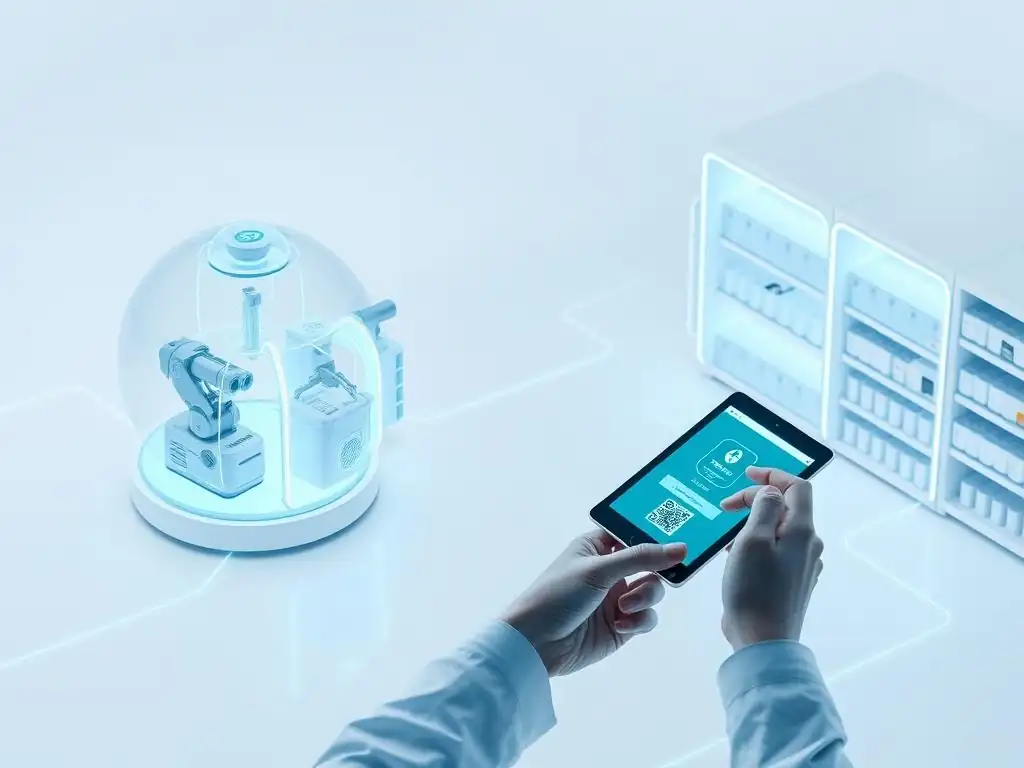
Ensuring the authenticity, integrity, and timely delivery of pharmaceuticals and medical devices is critical, especially when prescriptions are issued or devices are recommended via telemedicine. Counterfeit drugs and inefficient supply chains pose significant risks.
Blockchain can provide end-to-end transparency and traceability for the pharmaceutical and medical device supply chain. From manufacturing to dispensing (including delivery following a telemedicine consultation), each step can be recorded on a blockchain. This creates an immutable ledger verifying the product's origin, handling, and chain of custody. A blockchain telemedicine app could potentially integrate with such a system, allowing both patients and providers to verify the authenticity of medications received or devices recommended, enhancing safety and trust in remote healthcare delivery.
Secure Payment Processing for Telemedicine Services
Processing payments for telemedicine services involves interactions between patients, providers, and insurance companies. Current systems can be slow, opaque, and prone to fraud or billing errors.
Blockchain and cryptocurrencies or stablecoins can offer a more secure, transparent, and efficient payment rail for telemedicine. Smart contracts can automate the payment process based on verified service delivery, reducing the need for manual claims processing and minimizing administrative costs. A blockchain telemedicine app could incorporate a secure wallet and smart contract functionality to handle payments directly between patients (or insurers) and providers. This reduces reliance on intermediaries, lowers transaction fees, and provides an immutable record of all financial transactions, enhancing transparency and reducing opportunities for billing fraud.
Challenges and Considerations for Blockchain Telemedicine App Development
Regulatory Hurdles and Compliance Requirements
Developing blockchain telemedicine apps must navigate a complex landscape of healthcare regulations and data privacy laws, such as HIPAA in the United States, GDPR in Europe, and similar regulations globally. These laws impose strict requirements on how patient data is collected, stored, and shared. While blockchain's features like immutability and security are beneficial, they also present challenges. For instance, the "right to be forgotten" under GDPR can conflict with the immutable nature of some blockchain designs.
Compliance requires careful architectural decisions, often involving storing sensitive data off-chain with only hashes and access controls on the ledger. Developers must work closely with legal and compliance experts to ensure the platform meets all necessary standards for data privacy, security, and patient consent. Navigating these regulatory waters is a significant hurdle that requires thorough planning and expertise during the blockchain telemedicine app development process.
Scalability and Performance Issues
Many public blockchains, while highly decentralized, can suffer from scalability issues, leading to slow transaction speeds and high costs (e.g., gas fees) when the network is congested. Healthcare systems require high throughput and low latency, especially for applications involving real-time data or frequent transactions.
While private or permissioned blockchains (like Hyperledger Fabric or customized solutions) used in many enterprise healthcare applications offer better performance than public chains like early Bitcoin or Ethereum, scalability remains a key consideration. Blockchain telemedicine app development needs to select or design a blockchain architecture capable of handling the volume of patient data, consultations, and transactions anticipated. Solutions often involve off-chain processing for high-frequency events, batching transactions, or utilizing newer, more scalable blockchain protocols. Performance testing and optimization are critical to ensure the app provides a responsive and reliable user experience.
Interoperability with Existing Healthcare Systems
Healthcare providers rely on established, often legacy, EHR systems and other administrative software. Integrating a new blockchain telemedicine app with these existing, sometimes outdated, systems presents a significant technical challenge. Data formats, communication protocols, and system architectures vary widely, creating data silos that are difficult to bridge.
Achieving true interoperability requires developing robust APIs and data connectors that can securely exchange information between the blockchain platform and existing EHRs, laboratory systems, imaging systems, and billing software. This often involves complex mapping and transformation of data. While blockchain can serve as a layer for managing access and verifying data integrity across systems, the technical work of enabling data flow between disparate platforms is substantial and requires close collaboration with healthcare IT departments and vendors.
User Adoption and Education
The successful adoption of any new technology in healthcare, including blockchain telemedicine apps, depends heavily on the willingness and ability of both patients and healthcare providers to use it. Blockchain technology, with concepts like private keys, wallets, and decentralized identifiers, can seem complex or unfamiliar to the average user.
Educating users – patients, doctors, administrators, and even IT staff – about the benefits of a blockchain-based system and how to use it securely is crucial. Clear, user-friendly interfaces and comprehensive training materials are essential. Overcoming inertia and resistance to change within established healthcare practices requires demonstrating tangible benefits, such as improved security, greater control, and streamlined workflows. A focus on intuitive design and robust support is vital during the blockchain telemedicine app development lifecycle.
Data Security Best Practices for Blockchain in Telemedicine
While blockchain itself offers inherent security features, it is not a silver bullet. The overall security of a blockchain telemedicine app depends on the implementation of best practices across the entire system, including off-chain components. Storing encrypted data off-chain requires robust traditional security measures for storage infrastructure. Managing private keys securely is paramount; loss or compromise of private keys can lead to loss of access to data or unauthorized transactions.
Implementing strong authentication mechanisms, secure coding practices, regular security audits, and robust key management strategies are critical. Smart contracts must be thoroughly audited for vulnerabilities before deployment, as bugs in code can have irreversible consequences on an immutable ledger. A layered security approach that combines blockchain's strengths with established cybersecurity best practices is essential to protect sensitive patient information effectively.
The Future of Blockchain in Telemedicine: Trends to Watch
Integration with IoT Devices for Real-Time Health Data
The proliferation of Internet of Things (IoT) devices, such as wearable fitness trackers, smart scales, and remote monitoring sensors, is generating vast amounts of real-time health data. Integrating this data into telemedicine workflows offers exciting possibilities for continuous patient monitoring and personalized care. Blockchain can play a crucial role in securing and validating the integrity of this data stream.
Future blockchain telemedicine apps will increasingly integrate directly with IoT devices. The blockchain can be used to authenticate devices, record consent for data collection, and securely log hashes of the data transmitted from these sensors. Smart contracts could trigger alerts or actions based on specific data thresholds recorded on the blockchain, enabling proactive interventions by telemedicine providers. This convergence of IoT and blockchain promises a future where real-time health data is not only accessible remotely but also verifiable and trustworthy, revolutionizing remote patient management.
Development of Decentralized Autonomous Organizations (DAOs) for Healthcare Governance
Healthcare governance involves complex decision-making processes regarding policies, data access rules, and system updates. Traditional centralized governance structures can be slow and lack transparency. Decentralized Autonomous Organizations (DAOs), governed by rules encoded as smart contracts on a blockchain, offer an alternative model.
In the context of telemedicine, DAOs could potentially govern aspects of a decentralized telemedicine network, such as setting standards for data sharing, managing access permissions for researchers, or even funding community health initiatives. Stakeholders, including patients, providers, and developers, could have a say in the network's evolution through token-based voting mechanisms. While still largely experimental in healthcare, the development of DAOs represents a potential future trend for governing large-scale, decentralized blockchain telemedicine app ecosystems, promoting transparency and community involvement in shaping the future of remote healthcare.
Advancements in Blockchain-Based Identity Management for Patients
Secure and verifiable digital identity is fundamental for trust in online interactions, including telemedicine. Traditional identity verification methods can be cumbersome and prone to data breaches. Blockchain-based decentralized identifiers (DIDs) and verifiable credentials offer a promising alternative.
Future blockchain telemedicine apps are likely to incorporate advanced blockchain-based identity solutions. Patients could use DIDs to securely prove their identity and control access to their medical records without relying on a central authority. Verifiable credentials, issued by trusted entities (like hospitals or labs) and stored securely on the blockchain, could attest to a patient's medical history, test results, or vaccination status. This would streamline the onboarding process for telemedicine services, enhance privacy by minimizing the sharing of personal information, and provide a highly secure and portable digital identity for healthcare interactions.
The Impact of Blockchain on Personalized Medicine and Predictive Healthcare
Personalized medicine relies on analyzing vast amounts of diverse health data – including genomic, clinical, and lifestyle information – to tailor treatments to individual patients. Predictive healthcare uses similar data to identify individuals at risk of developing certain conditions. Accessing and securely sharing this sensitive data across researchers, providers, and AI algorithms is a significant challenge.
Blockchain can provide the secure infrastructure necessary for managing consent and tracking the usage of highly sensitive data required for personalized and predictive medicine, particularly when insights are delivered via telemedicine. Patients could grant granular, auditable permissions for their data to be used in specific research studies or shared with AI models, potentially receiving compensation or insights in return, all managed through smart contracts on a blockchain. The development of blockchain telemedicine apps that facilitate secure data sharing for these advanced applications could accelerate breakthroughs in personalized and predictive healthcare, enabling more effective and tailored remote health interventions.
Conclusion: The Transformative Power of Blockchain Telemedicine App Development
Embracing Blockchain for a More Secure, Efficient, and Patient-Centric Future
The journey through the examples, use cases, and trends demonstrates that blockchain telemedicine app development is not merely a technical exercise but a foundational shift with the potential to profoundly impact the delivery of remote healthcare. While challenges related to regulation, scalability, and adoption remain, the inherent benefits of blockchain – enhanced security, immutability, transparency, and the ability to empower patients with control over their data – offer compelling solutions to some of the most persistent problems facing traditional telemedicine and healthcare systems at large.
By enabling secure and transparent management of medical records, enhancing patient privacy, streamlining administrative processes, reducing fraud, and improving supply chain integrity, blockchain technology is poised to build a more trustworthy and efficient telemedicine ecosystem. Real-world examples from companies like Medicalchain, BurstIQ, and Solve.Care illustrate that practical applications are already emerging, proving the concept and paving the way for wider adoption.
As the technology matures and regulatory frameworks adapt, the integration of blockchain with telemedicine is expected to deepen, leading to more sophisticated applications, such as seamless integration with IoT, advanced identity management, and support for personalized medicine. Embracing blockchain telemedicine app development is a critical step towards building a future where remote healthcare is not only accessible and convenient but also fundamentally more secure, efficient, and centered around the patient.
Frequently Asked Questions
What are the primary benefits of using blockchain in telemedicine app development?
Blockchain provides enhanced security and data privacy for sensitive patient information. It also enables immutable record-keeping and secure data sharing among authorized healthcare providers.
How does blockchain improve data security in telemedicine applications?
Blockchain's decentralized and encrypted nature makes it incredibly difficult for unauthorized access. Each transaction is recorded on a distributed ledger, preventing data tampering and ensuring data integrity.
Can blockchain facilitate more efficient data sharing between healthcare providers in telemedicine?
Yes, blockchain allows for the creation of permissioned networks where authorized providers can securely access and share patient data. This leads to improved coordination of care and reduced administrative overhead.
Are there any regulatory hurdles to consider when developing blockchain-based telemedicine apps?
Compliance with data privacy regulations like HIPAA and GDPR is crucial. Developers must ensure that the blockchain solution meets these regulatory requirements to avoid legal issues.
What are some potential future applications of blockchain in telemedicine beyond current uses?
Future applications include decentralized identity management for patients, smart contracts for automated insurance claims, and secure supply chain management for pharmaceuticals.
Final Reflection: Empowering Healthcare Through Decentralization
The exploration of blockchain-based telemedicine apps reveals a potent intersection of technology and healthcare, demonstrating how decentralized security can revolutionize patient care. The examples and use cases discussed highlight not just theoretical possibilities, but tangible applications poised to reshape the future of medical accessibility and data management. This isn't just about technological advancement; it's about empowering individuals with greater control over their health information and fostering trust in a system often plagued by opacity.
The impact of blockchain on telemedicine extends far beyond simple data storage. It's about creating a more equitable and transparent healthcare ecosystem, one where patients are active participants in their own well-being. The potential for secure data sharing, streamlined processes, and enhanced privacy is immense, promising to alleviate many of the challenges currently facing the industry. The future of healthcare is connected, personalized, and secure. Blockchain technology is a key enabler of this future.
This quote encapsulates the transformative power that blockchain holds, not just for telemedicine, but for the entire healthcare landscape.
As we stand at the cusp of this technological revolution, I invite you to consider the implications of decentralized healthcare. How can you, as a patient, a developer, or a healthcare professional, contribute to the responsible and ethical implementation of blockchain in telemedicine? Let us embrace the potential of this technology to build a future where healthcare is more accessible, secure, and patient-centric for all.
Reimagine Healthcare: Start Building Your Future Now!
Thank you for exploring the exciting potential of blockchain in telemedicine. We hope this article has highlighted how this technology is transforming healthcare access and security. Now, it's time to turn that knowledge into action.
Here are a few ways you can deepen your understanding and become part of this innovative movement:
- Consider developing a secure, blockchain-based platform for managing personal health records. This is a powerful step toward embracing the future of telemedicine.
- Share this article with a friend or colleague interested in healthcare innovation to inspire a broader conversation.
- Look for local meetups or online communities focused on blockchain technology and start connecting with others passionate about this field.
What is one small, concrete step you will take this week to explore how blockchain can enhance your healthcare experience or career? Share your thoughts in the comments below!
Leave a Reply