
Demystifying Tokenized Real Estate: A Beginner's Guide to Investing in the Future


Welcome to Blockchain Trends, your compass in the rapidly evolving world of decentralized technology.
Intrigued by the power of blockchain beyond cryptocurrencies? Prepare to discover its transformative potential in enterprise solutions, DeFi, and beyond. Ever wondered how blockchain can revolutionize real estate investment? Dive into our latest article, a comprehensive tokenized real estate investment guide, and unlock a new era of property ownership. Learn how this cutting-edge technology is reshaping the industry and opening doors to unprecedented opportunities. Ready to explore the future of real estate?
Demystifying Tokenized Real Estate: A Beginner's Guide to Investing in the Future
- Introduction to Tokenized Real Estate Investing
- How Tokenized Real Estate Works: A Step-by-Step Explanation
- Investing in Tokenized Real Estate: A Beginner's Guide
- Benefits of Tokenized Real Estate Over Traditional Real Estate Investment
- Risks and Challenges of Tokenized Real Estate
- The Future of Real Estate Tokenization: Trends and Predictions
- Getting Started with Tokenized Real Estate: A Practical Checklist
- Conclusion: Embracing the Future of Real Estate Investment with Tokenization
-
Frequently Asked Questions
- What exactly is tokenized real estate?
- How does tokenized real estate investment differ from traditional real estate?
- What are the potential benefits of investing in tokenized real estate?
- What are the key risks associated with tokenized real estate investments?
- Where can I find reputable platforms for investing in tokenized real estate?
- Final Reflection: Embracing the Future of Property Ownership
- Unlock Your Real Estate Future!
Introduction to Tokenized Real Estate Investing
Tokenized real estate represents a revolutionary approach to property ownership and investment, leveraging blockchain technology to transform illiquid assets into digital tokens. This process breaks down traditional barriers, offering unprecedented access and flexibility. As blockchain technology matures, the concept of tokenized property is moving from theoretical discussions to tangible investment opportunities, reshaping the landscape for both individual and institutional investors. This guide aims to provide a comprehensive overview for beginners looking to understand and potentially engage in this emerging market, serving as a foundational tokenized real estate investment guide.
What is Tokenized Real Estate and Why is it Gaining Traction?
Tokenized real estate involves issuing digital tokens on a blockchain, where each token represents fractional ownership in a specific property or a portfolio of properties. Instead of buying the entire building or a physical share, investors purchase these tokens, which are essentially digital deeds or shares recorded on a distributed ledger. The underlying asset remains the physical property, but its ownership structure is digitally represented and managed via blockchain.
The traction gained by tokenized real estate stems from several factors. Firstly, it addresses the inherent illiquidity of traditional real estate. Selling a physical property can take months, involving lengthy legal processes and significant transaction costs. Tokenization allows for potentially quicker and easier transfer of ownership through the buying and selling of tokens on secondary markets.
Secondly, it dramatically lowers the investment threshold. Traditionally, investing in commercial real estate or high-value properties required substantial capital, often hundreds of thousands or millions of dollars. Tokenization enables fractional ownership, meaning investors can buy tokens representing small percentages of a property, potentially starting with investments as low as a few hundred or thousand dollars, thereby democratizing access to lucrative real estate investments.
Understanding the Core Concepts of Real Estate Tokenization
At its core, real estate tokenization involves several key concepts: asset securitization, fractionalization, and blockchain ledgering. Asset securitization is the process of converting an asset (the property) into marketable securities (the tokens). Fractionalization is the act of dividing this asset into smaller, divisible units represented by these tokens. Blockchain ledgering is the recording and management of the ownership of these tokens on a transparent, immutable, and decentralized ledger.
This process typically begins with a property owner or a tokenization platform legally structuring the ownership of the property. Often, a Special Purpose Vehicle (SPV) or a similar legal entity is created to own the physical asset. Shares of this SPV, or rights to the property's income stream, are then represented by digital tokens issued on a blockchain (like Ethereum, Stellar, or others).
Each token represents a specific unit of ownership or right. The legal framework ensures that owning the token confers the legal rights associated with the underlying asset, while the blockchain ensures secure, transparent, and verifiable tracking of token ownership and transactions. This digital representation simplifies the transfer of ownership compared to traditional paper deeds and registries.
The Benefits of Tokenized Real Estate: Accessibility, Liquidity, and Transparency
The primary benefits driving interest in tokenized real estate are enhanced accessibility, increased liquidity, and improved transparency. Accessibility is significantly boosted by fractional ownership, opening up investment opportunities in high-value properties or markets that were previously out of reach for smaller investors. For instance, instead of needing $500,000 to buy a share in a commercial building, an investor might buy tokens representing a $1,000 stake.
Liquidity is improved because tokens can potentially be traded peer-to-peer or on secondary tokenization platforms, bypassing the slow, cumbersome process of traditional real estate sales. While the secondary market for tokenized real estate is still developing, the underlying technology facilitates much faster transfers. Transparency is a natural feature of blockchain technology.
The ownership history, transaction records, and potentially even property details and financial performance data can be immutably recorded and publicly verifiable on the blockchain, reducing information asymmetry and the risk of fraud. This increased transparency, coupled with faster transactions, contributes to making tokenized real estate a compelling alternative for modern investors seeking a more efficient tokenized real estate investment guide.
How Tokenized Real Estate Works: A Step-by-Step Explanation
The journey from a physical brick-and-mortar asset to a digital token involves a structured process that combines legal, financial, and technological steps. Understanding this workflow is crucial for anyone considering tokenized real estate investment. It demystifies how value is transferred and secured in the digital realm while remaining tied to a tangible asset in the physical world. This section breaks down the core mechanics, legal considerations, and the role of blockchain technology in powering tokenized property investments.
From Physical Property to Digital Tokens: The Tokenization Process Explained
The process of tokenizing real estate typically begins with a legal and financial audit of the property to be tokenized. This involves verifying ownership, assessing market value, conducting due diligence on the property's financials (like rental income, operating expenses), and clearing any liens or encumbrances. Once the property is cleared, a legal structure is established, often involving an SPV, which legally owns the property. The rights to the property's value or income stream are then tied to shares or interests in this SPV.
Next, these shares or interests are digitally represented as tokens on a chosen blockchain platform. The total number of tokens issued represents the total value being tokenized. For example, if a property valued at $10 million is tokenized, and each token represents $100 of value, 100,000 tokens would be issued.
These tokens are then offered to investors, typically through a security token offering (STO) or similar regulated fundraising method. The blockchain records the issuance and subsequent transfer of these tokens, providing an immutable ledger of ownership. Revenue generated by the property (e.g., rent) can be distributed proportionally to token holders, often automatically via smart contracts.
Legal and Regulatory Framework for Tokenized Real Estate Assets [United States Considerations]
In the United States, tokenized real estate assets are generally considered securities by the Securities and Exchange Commission (SEC) if they meet the criteria of the Howey Test. This means that platforms issuing and selling real estate tokens must comply with federal and state securities laws. This often involves registering the offering with the SEC or qualifying for an exemption from registration, such as Regulation D (for accredited investors) or Regulation A+ (allowing for broader public solicitation, albeit with lower investment caps and different disclosure requirements).
Compliance requires significant legal structuring, investor verification (Know Your Customer/Anti-Money Laundering - KYC/AML), and ongoing reporting obligations. For instance, a platform might use a Reg D exemption to offer tokens representing ownership in a commercial building to accredited investors, requiring verification of income or net worth. Failure to comply with these regulations can result in significant penalties.
While the regulatory landscape is still evolving, platforms operating in the US must navigate these complex rules carefully, ensuring that their tokenized real estate investment guide adheres to legal standards. Investors must also be aware that these tokens are often subject to resale restrictions depending on the specific exemption used for the offering.
Smart Contracts and Blockchain Technology: The Backbone of Real Estate Tokenization
Blockchain technology provides the distributed, immutable ledger necessary to record token ownership securely and transparently. Smart contracts, which are self-executing contracts with the terms of the agreement directly written into code, are fundamental to the operation of tokenized real estate. They automate various processes, reducing the need for intermediaries and increasing efficiency.
Smart contracts can automate the distribution of rental income or sale proceeds proportionally to token holders based on their token holdings. They can also manage voting rights for certain property decisions if those rights are conferred by the tokens. Furthermore, smart contracts can enforce compliance requirements, such as restricting token transfers to only verified investors or managing lock-up periods.
The code of the smart contract defines the rules governing the tokens and the rights they represent, ensuring that these rules are executed automatically and reliably on the blockchain. This technological foundation is what differentiates tokenized real estate from traditional investment methods, providing a secure and programmable layer for managing property rights.
Investing in Tokenized Real Estate: A Beginner's Guide
Entering the world of tokenized real estate requires a different approach than buying physical property or even traditional real estate investment trusts (REITs). It involves navigating specialized platforms, conducting digital due diligence, understanding the unique risk profile, and learning how to manage digital assets. This section serves as a practical tokenized real estate investment guide for newcomers, outlining the steps to get started.
Finding Tokenized Real Estate Investment Opportunities: Platforms and Marketplaces
Tokenized real estate investments are typically offered through dedicated online platforms that specialize in issuing and managing security tokens representing real estate assets. Examples of platforms that have been involved in tokenization efforts include companies like elevated returns (involved in the St. Regis Aspen tokenization), Harbor (though shifting focus), Securitize, and various regional platforms emerging globally. These platforms act as intermediaries, handling the legal structuring, token issuance, and investor onboarding (KYC/AML).
When seeking opportunities, investors should research reputable platforms, examining their track record, the types of properties they tokenize (e.g., residential, commercial, development projects), the legal structure of the offerings, and the fees involved. Some platforms might focus on single properties, while others might offer tokens representing shares in funds or portfolios of properties. Investors should explore multiple platforms to compare available offerings and understand the specific investment thesis behind each tokenized property. The availability and nature of these opportunities can vary significantly based on jurisdiction and platform focus.
Due Diligence for Tokenized Real Estate: Evaluating Properties and Projects
Even though the investment is digital, the underlying asset is physical real estate, and thorough due diligence is paramount. Investors must evaluate the property itself as they would in a traditional investment. This includes analyzing the property's location, condition, market value, potential for appreciation, and income-generating capacity (e.g., rental yield). Platforms typically provide detailed information memoranda or offering documents outlining these details, including property financials, tenant leases, and third-party appraisals.
Beyond the physical property, investors must also perform due diligence on the tokenization project itself. This involves scrutinizing the legal structure (the SPV, the rights conferred by the tokens), the team behind the tokenization platform, the chosen blockchain and smart contract security, and the terms of the token offering (e.g., minimum investment, expected distributions, exit strategy).
Understanding the regulatory compliance of the offering is also critical. A diligent investor will review all available documentation, ask questions, and potentially seek independent advice to fully understand the asset, the structure, and the risks before committing capital to a tokenized real estate investment.
Understanding the Risks and Rewards of Investing in Tokenized Assets
Like any investment, tokenized real estate comes with potential rewards and inherent risks. The primary rewards include potential property value appreciation, rental income distributions (paid out as yield), and increased liquidity compared to traditional real estate. Fractional ownership allows diversification across different property types, locations, and risk profiles with smaller capital outlays.
However, significant risks exist. Market risk affects the underlying property value – economic downturns, local market changes, or property-specific issues can negatively impact returns. Liquidity, while theoretically enhanced, is dependent on the development and activity of secondary trading platforms; early-stage projects or less popular tokens might still be difficult to sell quickly.
Regulatory risk is also present, as changing laws could impact the legality or structure of existing tokenized assets. Furthermore, there are technical risks related to the blockchain and smart contracts, such as smart contract vulnerabilities or platform security breaches. Investors must carefully weigh these potential risks against the potential rewards when considering tokenized real estate investment.
How to Buy and Sell Real Estate Tokens: A Practical Guide
Purchasing tokenized real estate typically involves signing up on a compliant tokenization platform. This requires completing KYC/AML verification, which involves providing identity documents and proof of address, similar to opening a brokerage account. Once verified and funded (usually via bank transfer, sometimes stablecoins), investors can browse available token offerings on the platform.
- Buying:
- Select a property/project based on your due diligence.
- Specify the amount you wish to invest (within minimum/maximum limits).
- Review and electronically sign the offering documents and purchase agreements.
- Confirm the transaction. The platform will allocate the corresponding number of tokens to your digital wallet managed on the platform or a compatible external wallet.
- Selling:
- Selling tokens depends heavily on the availability of a secondary market. Some platforms offer limited internal trading boards, while others aim to list tokens on regulated security token exchanges.
- If a secondary market exists, you place a sell order for your desired number of tokens at a specific price.
- When a buyer matches your order, the platform/exchange facilitates the transaction, transferring tokens to the buyer and funds (fiat or crypto) to your account, minus any fees.
- Note: The secondary market for tokenized real estate is still nascent, and finding buyers may be challenging, impacting liquidity.
It's crucial to understand the platform's specific procedures for buying, selling, and receiving distributions, as they can vary. Keeping accurate records of purchases and sales is also essential for tax purposes.
Benefits of Tokenized Real Estate Over Traditional Real Estate Investment
Tokenization isn't just a new way to invest; it introduces fundamental shifts that address long-standing challenges in the traditional real estate market. By leveraging blockchain, tokenized real estate offers distinct advantages that can make property investment more accessible, efficient, and potentially more profitable for a broader range of investors.
Increased Liquidity in Real Estate Markets Through Tokenization
One of the most significant drawbacks of traditional real estate is its illiquidity. Selling a property is a time-consuming and costly process, often taking months to find a buyer, negotiate, and complete legal formalities. This makes it difficult for investors to quickly access their capital or adjust their portfolios.
Tokenization fundamentally changes this by creating digital assets that can be traded more easily. While the secondary market is still developing, the technological infrastructure allows for peer-to-peer transfers or trading on digital exchanges, potentially reducing transaction times from months to days or even hours. Consider a large commercial building worth $100 million.
In a traditional setup, selling a stake might involve complex partnership transfers. If tokenized into 1 million tokens, each representing $100, an investor holding 1,000 tokens ($100,000 stake) could potentially sell their tokens to another investor on a secondary platform relatively quickly, without needing to find a buyer for a specific physical share of the building. This enhanced potential for liquidity is a major draw for investors seeking flexibility in their real estate holdings.
Lower Investment Thresholds: Democratizing Real Estate Investment
Traditional real estate investment, especially in commercial or high-value properties, requires substantial upfront capital. Minimum investments in private real estate funds or direct property purchases often range from tens of thousands to millions of dollars, effectively excluding many potential investors.
Fractional ownership through tokenization dramatically lowers this barrier. Properties can be divided into thousands or millions of tokens, each priced at a low denomination, such as $50, $100, or $1,000. This allows investors to participate in lucrative real estate markets and specific high-profile properties with significantly smaller amounts of capital.
For example, a beginner investor might not be able to afford a down payment on a rental property but could invest $500 or $1,000 into a tokenized portfolio of diverse properties, gaining exposure to the market. This democratization expands the pool of potential real estate investors, making the tokenized real estate investment guide relevant to a much wider audience.
Enhanced Transparency and Efficiency in Real Estate Transactions
Traditional real estate transactions are notorious for their complexity, lack of transparency, and reliance on multiple intermediaries (brokers, lawyers, title companies, banks), each adding costs and potential delays. Information about property ownership, transaction history, and financial performance can be fragmented and difficult to verify.
Blockchain technology provides a transparent and immutable ledger for tokenized real estate transactions. Every token transfer is recorded on the blockchain, creating a clear and verifiable ownership history accessible to all participants (while respecting privacy where necessary). Smart contracts can automate tasks like rent distribution or dividend payments, reducing administrative overhead and potential for errors.
The reduced reliance on multiple intermediaries can also lead to lower transaction costs. For instance, instead of paying significant fees and closing costs associated with traditional property transfers, token transfers might only incur nominal blockchain transaction fees and platform fees, streamlining the entire investment and management process.
Diversification Opportunities with Tokenized Real Estate Portfolios
Diversification is a key strategy to mitigate risk in investment portfolios. However, achieving meaningful diversification in traditional real estate is challenging due to high costs and illiquidity. Buying multiple physical properties in different locations or asset classes requires substantial capital and management effort.
Tokenized real estate makes diversification significantly easier and more cost-effective. With lower investment minimums, investors can allocate smaller amounts across a variety of tokenized properties – perhaps a commercial building token, a residential portfolio token, and a token representing a development project – located in different geographical areas or sectors. This allows investors to build a diversified tokenized real estate portfolio that spreads risk across various assets and market conditions, which is much harder to achieve with traditional direct property ownership or even some real estate funds. This flexibility in portfolio construction is a major advantage offered by tokenization.
Risks and Challenges of Tokenized Real Estate
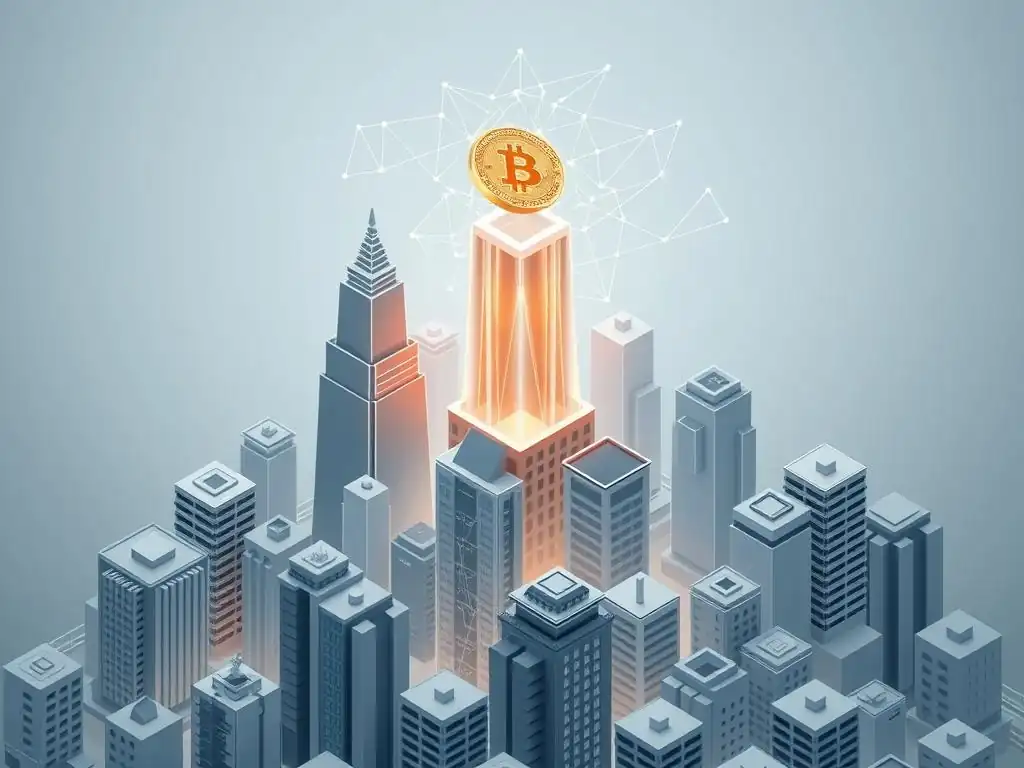
While tokenized real estate offers compelling benefits, it is not without its risks and challenges. As an emerging market at the intersection of real estate and blockchain technology, it presents unique complexities that investors must understand. Navigating these potential pitfalls is crucial for anyone using a tokenized real estate investment guide.
Regulatory Uncertainty and Legal Compliance [SEC Regulations and Challenges]
One of the most significant challenges for tokenized real estate, particularly in the United States, is the evolving and sometimes uncertain regulatory landscape. As discussed, the SEC generally views real estate tokens as securities, requiring issuers and platforms to comply with stringent securities laws. This compliance process is complex, costly, and time-consuming, often requiring significant legal expertise.
Challenges arise from the novelty of the asset class. Regulators are still developing specific guidelines for digital assets, and interpreting existing laws for tokenized properties can be ambiguous. For investors, this means that the regulatory status of a tokenized asset could change, potentially impacting its tradability or the rights conferred. Platforms must navigate state-level regulations in addition to federal laws. For example, some states have specific requirements for real estate securities offerings. The risk exists that a project might face regulatory challenges or enforcement actions if compliance is not meticulously maintained, which could negatively impact token holders.
Security Risks and Smart Contract Vulnerabilities
Like any digital asset, tokenized real estate is exposed to technological security risks. While blockchain itself is highly secure for recording transactions, the platforms issuing and managing the tokens, the digital wallets used by investors, and the smart contracts governing the token's behavior can be potential points of failure.
Smart contracts, though powerful for automation, are lines of code and can contain bugs or vulnerabilities. If a smart contract governing rent distribution or ownership rights has a flaw, it could potentially be exploited, leading to financial losses. Platforms holding investor funds or managing private keys are targets for hacking attempts.
In 2016, the DAO hack on the Ethereum network, though not real estate, illustrated the risks of smart contract vulnerabilities, leading to significant losses. While security practices have evolved, the risk remains. Investors must assess the security measures of the platform they use and understand the risks associated with managing their own digital wallets if they hold tokens off-platform.
Market Volatility and Liquidity Concerns in Early Stages
While tokenization aims to increase liquidity, the market for tokenized real estate is still in its nascent stages compared to traditional real estate or public stock markets. The number of platforms offering secondary trading is limited, and trading volume for specific property tokens can be low.
This can lead to significant price volatility and continued liquidity concerns. If there are few buyers for a particular token, selling it quickly at a fair price might be difficult, negating one of the key promised benefits of tokenization. The value of the token is tied to the underlying property market, which can experience downturns, but also to the supply and demand dynamics of the token itself on potentially illiquid digital markets.
This means the token price might trade at a discount or premium to the underlying net asset value (NAV) of the property, especially in volatile conditions or with low trading volume. Investors should be prepared for the possibility that their tokenized assets may not be easily sellable when desired.
Understanding the Tax Implications of Tokenized Real Estate Investment
Taxation is a complex area for traditional real estate, and tokenization adds another layer of complexity. Investors need to understand how income generated from tokenized properties (like rental distributions) is taxed, as well as how capital gains or losses from selling tokens are treated.
In many jurisdictions, income distributions from tokenized real estate are likely taxed as rental income or dividends, similar to traditional real estate investments or REITs. Selling tokens for a profit will generally incur capital gains tax, but the specific rules can depend on how the token is classified (e.g., as a security, property, or collectible) and the investor's holding period. Calculating the cost basis of tokens acquired at different times or through different mechanisms can also be complicated.
Furthermore, reporting requirements for digital asset transactions are still being clarified by tax authorities in many countries. Investors should consult with a tax professional knowledgeable in both real estate and digital assets to understand their specific tax obligations related to tokenized real estate investment.
The Future of Real Estate Tokenization: Trends and Predictions
The tokenized real estate market is poised for significant growth and evolution. As technology matures and regulatory clarity improves, tokenization is expected to play an increasingly important role in how real estate is owned, managed, and traded globally. Several trends point towards a transformative future for the sector.
The Growing Adoption of Blockchain in the Real Estate Industry
Beyond just tokenization for investment, blockchain technology is finding broader applications across the real estate lifecycle. This includes using blockchain for property title registries to create immutable and verifiable records of ownership, streamlining the conveyancing process. Pilot projects are underway in various countries to explore this, such as initiatives in Sweden and Georgia.
Furthermore, blockchain is being explored for managing property data, verifying identities of parties involved in transactions, and even facilitating smart leases where rental payments and lease terms are automated via smart contracts. This wider adoption builds familiarity with the underlying technology, paving the way for more acceptance and integration of tokenized assets. As more industry participants, from brokers to title companies and lenders, become comfortable with blockchain-based processes, the infrastructure supporting tokenized real estate investment will become more robust and interconnected.
The Impact of DeFi on Tokenized Real Estate
Decentralized Finance (DeFi) protocols offer exciting possibilities for tokenized real estate. DeFi aims to recreate traditional financial services like lending, borrowing, and trading using blockchain technology, without central intermediaries.
Tokenized real estate assets could potentially be used within DeFi protocols. For example, investors might be able to use their real estate tokens as collateral to borrow stablecoins or other cryptocurrencies on a DeFi lending platform. This could unlock liquidity for property owners or investors without requiring them to sell their underlying asset.
Decentralized exchanges could eventually provide more liquid secondary markets for trading real estate tokens globally. While integrating illiquid, real-world assets like property into the highly volatile DeFi space presents challenges (e.g., reliable price feeds via oracles), the potential for increased utility and interconnectedness with the broader digital asset ecosystem is significant.
Real-World Applications and Use Cases of Tokenized Properties
Beyond fractional investment in existing properties, tokenization is enabling new use cases. Development projects can be tokenized to raise capital from a global pool of investors, bypassing traditional real estate financing channels. This allows developers to access funding more efficiently and offers investors early access to potential projects.
Examples include tokenizing luxury assets like hotels or resorts, allowing individuals to own a fractional stake and potentially receive a share of the revenue or even usage rights. The St. Regis Aspen Resort tokenization, completed a few years ago, is often cited as an early example of tokenizing a high-value commercial property to enable fractional ownership.
Another use case is tokenizing debt secured by real estate, creating liquid mortgage-backed tokens. As the market matures, we can expect to see tokenization applied to a wider variety of property types and real estate-related financial instruments, expanding the scope of the tokenized real estate investment guide.
The Potential for Fractional Ownership and Global Real Estate Investment
Fractional ownership, enabled by tokenization, has the potential to fundamentally change real estate investment globally. It allows investors from anywhere in the world to easily invest in properties located in different countries, subject to regulatory compliance. This global access could unlock capital flows into diverse real estate markets and provide investors with unprecedented geographical diversification opportunities.
Imagine an investor in Asia easily buying tokens representing a share in a commercial property in Europe or a residential portfolio in the Americas, all through a single platform. This cross-border investment, traditionally complex and costly, becomes much more feasible with tokenized assets. As platforms become more sophisticated and regulations harmonize internationally, the vision of a global, liquid market for fractional real estate ownership moves closer to reality, driven by the efficiency and accessibility of tokenization.
Getting Started with Tokenized Real Estate: A Practical Checklist
Embarking on your journey into tokenized real estate requires careful preparation. This checklist provides a practical, step-by-step guide for beginners looking to make their first tokenized real estate investment.
Researching Reputable Tokenization Platforms
- Identify platforms that specialize in tokenized real estate offerings.
- Check their history, team credentials, and any past projects or tokenizations they have completed.
- Verify their regulatory compliance status, especially regarding securities laws in your jurisdiction and the jurisdiction of the property.
- Review the types of properties or projects they list and ensure they align with your investment goals (e.g., commercial, residential, development).
- Understand the fee structure, including platform fees, transaction fees, and any ongoing management fees.
Understanding KYC/AML Procedures for Tokenized Asset Purchases
- Be prepared to provide personal identification documents (passport, driver's license).
- Submit proof of address (utility bill, bank statement).
- Understand if the platform requires proof of income or net worth, especially for offerings under Regulation D (for accredited investors).
- Complete the verification process thoroughly and accurately. This is a legal requirement for compliant platforms.
Building a Diversified Portfolio of Tokenized Real Estate Assets
- Start small and invest only what you can afford to lose.
- Don't put all your capital into a single tokenized property; diversify across different properties, locations, and potentially types of real estate (residential, commercial, etc. ).
- Consider investing in tokens that represent shares in a portfolio or fund of properties for built-in diversification.
- Diversify not just within tokenized real estate but also across different asset classes (stocks, bonds, other digital assets) to manage overall portfolio risk.
Staying Informed About Regulatory Changes and Market Trends
- Follow news and updates from regulatory bodies like the SEC regarding digital assets and security tokens.
- Subscribe to reputable industry publications and research reports on tokenized real estate and blockchain in real estate.
- Monitor the performance of the tokenized properties you invest in and the overall health of the real estate markets they are located in.
- Be aware of the development of secondary trading platforms and the liquidity status of your specific tokens. The landscape is constantly evolving, so continuous learning is key for a successful tokenized real estate investment guide.
Conclusion: Embracing the Future of Real Estate Investment with Tokenization
Tokenized real estate stands at the forefront of innovation in property investment, offering a compelling blend of traditional asset stability with the cutting-edge efficiency and accessibility of blockchain technology. This tokenized real estate investment guide has explored how breaking properties into digital tokens can significantly lower investment barriers, enhance liquidity, and increase transparency compared to conventional methods. While the market is still maturing and navigating regulatory and technical challenges, the underlying potential to democratize access to lucrative real estate opportunities and streamline transactions is undeniable.
For beginners, the journey into tokenized real estate requires careful research, due diligence, and a clear understanding of both the benefits and risks involved. By leveraging reputable platforms, understanding the legal framework, and staying informed about market developments, investors can strategically participate in this evolving landscape. As blockchain adoption grows and secondary markets develop, tokenized real estate is poised to become a mainstream component of diversified investment portfolios, truly representing the future of real estate investment. Embracing this technology today could position investors to capitalize on the significant opportunities it promises tomorrow.
Frequently Asked Questions
What exactly is tokenized real estate?
Tokenized real estate involves representing ownership of a property as digital tokens on a blockchain. This process allows for fractional ownership and increased liquidity compared to traditional real estate investments.
How does tokenized real estate investment differ from traditional real estate?
Unlike traditional real estate, tokenized assets can be bought and sold in smaller fractions, making investment more accessible. This also reduces the barriers to entry and allows for faster transactions.
What are the potential benefits of investing in tokenized real estate?
Tokenization offers increased liquidity, diversification, and reduced transaction costs. It also opens up real estate investment opportunities to a wider range of investors, globally.
What are the key risks associated with tokenized real estate investments?
Risks include regulatory uncertainty, technological vulnerabilities, and the potential for illiquidity if the token doesn't gain traction. Due diligence and understanding the underlying asset are crucial.
Where can I find reputable platforms for investing in tokenized real estate?
Research platforms thoroughly and look for ones with strong security measures, regulatory compliance, and a proven track record. Consider seeking advice from a financial advisor experienced in digital assets before investing.
Final Reflection: Embracing the Future of Property Ownership
The journey through tokenized real estate, as we've explored, is not merely a technological advancement, but a fundamental shift in how we perceive and interact with property. The democratization of real estate investment, once a distant dream, is now within reach, offering unprecedented access and liquidity to a broader audience. This transformation is not just theoretical; it's actively reshaping the investment landscape, offering new avenues for wealth creation and portfolio diversification.
This evolution profoundly impacts the cultural and social landscape, leveling the playing field and empowering individuals to participate in markets previously reserved for the elite. The ability to own a fraction of a prime property, regardless of geographical location or financial standing, is a powerful concept that resonates deeply with the desire for financial freedom and security. The future of real estate is not just about bricks and mortar; it's about access, transparency, and community ownership.
This quote encapsulates the essence of tokenization, highlighting its potential to foster a more inclusive and equitable real estate ecosystem.
As you navigate the evolving world of tokenized real estate, remember that knowledge is your greatest asset. Embrace the opportunities presented by this innovative technology, but always approach with diligence, research, and a commitment to understanding the underlying principles. Let this guide serve as a stepping stone, empowering you to explore, invest wisely, and ultimately, shape your own future in the exciting realm of tokenized real estate.
Unlock Your Real Estate Future!
Thank you for exploring the world of tokenized real estate with us! We hope you now have a clearer understanding of this innovative investment opportunity. Are you ready to take the next step and potentially transform your investment portfolio?
Here’s how to get started:
- Research platforms that offer tokenized real estate investments. Understanding their processes, fees, and available properties is the most important first step.
- Share this article with friends and family who are interested in blockchain or real estate — let's start a conversation!
- Join the discussion on the latest trends in blockchain and contribute your thoughts on the future of real estate tokenization. Let’s learn from each other!
What exciting real estate project would you love to see tokenized? Share your dream investment in the comments below!
Leave a Reply