
The Metaverse and DApps: Building Immersive Decentralized Experiences

Welcome to Blockchain Trends, your compass in the evolving world of decentralized technology!
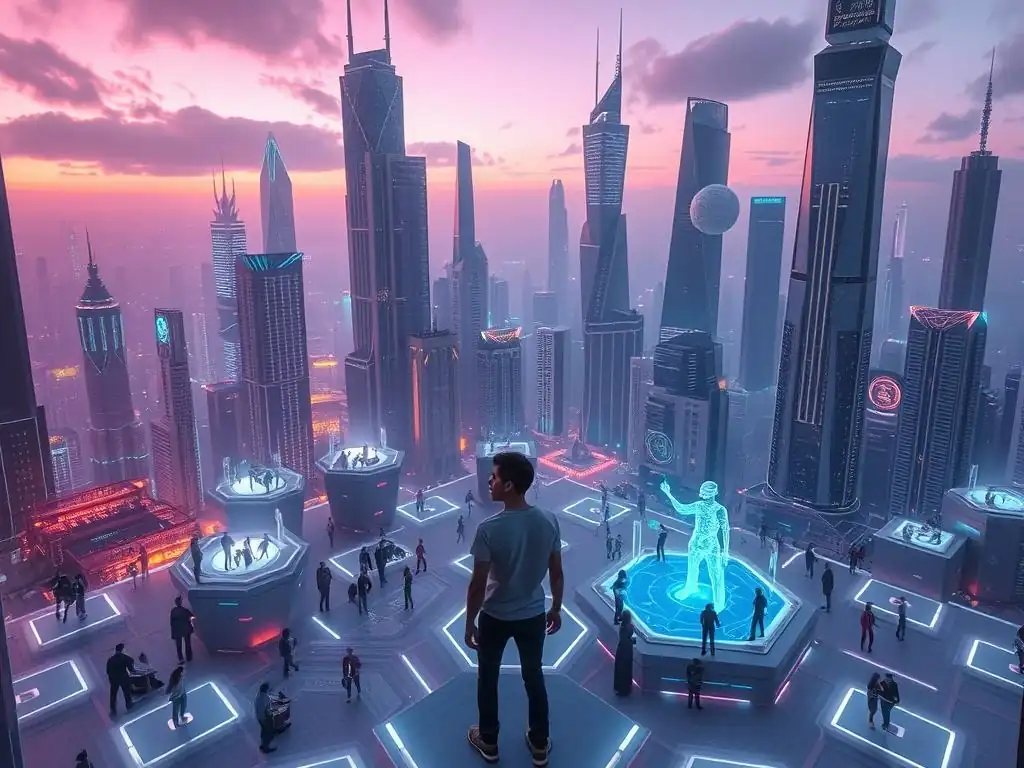
Dive into the transformative potential of blockchain beyond cryptocurrencies. Are you ready to explore the next frontier of digital interaction? This week, we delve into the exciting world of decentralized metaverse application development, uncovering how DApps are shaping immersive and truly owned virtual experiences. Discover the innovative strategies and challenges involved, and learn how you can be a part of building the future of the metaverse. What possibilities await? Let's find out!
- Decentralized Metaverse Application Development: Core Components
-
Frequently Asked Questions
- What is the role of blockchain technology in the metaverse?
- How does Decentralized Metaverse Application Development differ from traditional application development?
- What are some key benefits of using DApps in the metaverse?
- What are the biggest challenges facing Decentralized Metaverse Application Development today?
- What future trends are expected in Decentralized Metaverse Application Development?
- Final Reflection: Embracing the Decentralized Metaverse
- Ignite Your Metaverse Journey!
Decentralized Metaverse Application Development: Core Components
Smart Contracts: The Foundation of Metaverse DApps
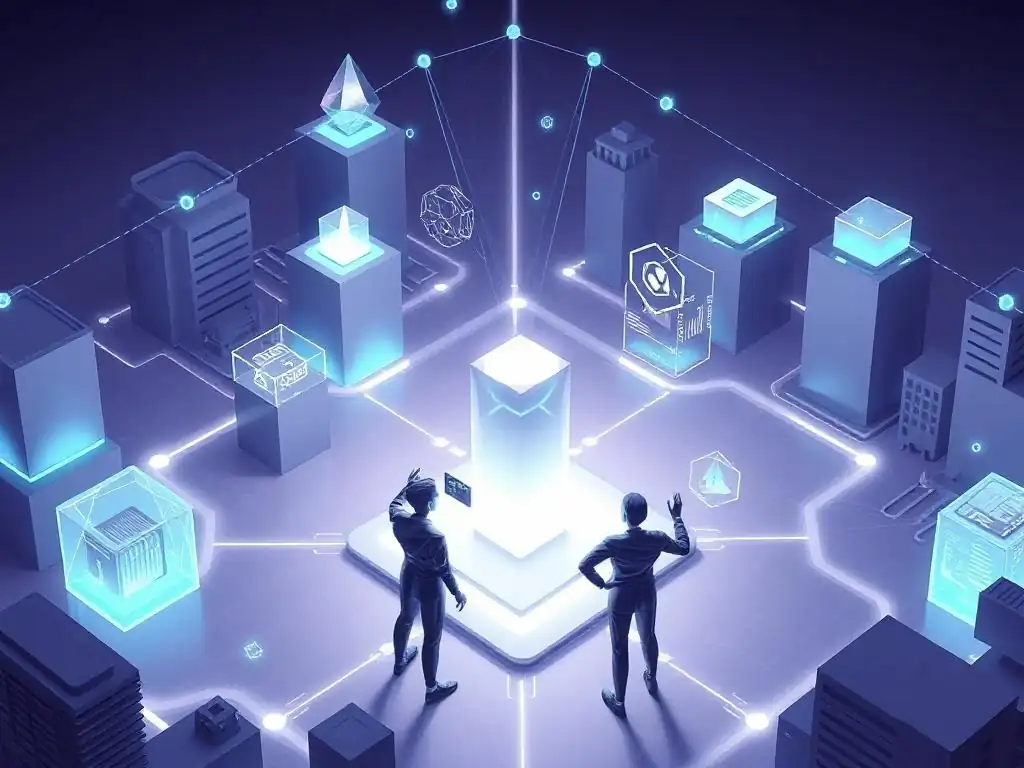
Smart contracts are the backbone of decentralized metaverse application development, acting as self-executing code agreements stored on a blockchain. They automate transactions, manage interactions, and enforce rules within the metaverse without requiring a central authority.
For instance, a smart contract can automatically transfer ownership of a virtual asset upon payment confirmation, ensuring trustless and transparent exchanges between users. Platforms like Ethereum and Polygon are popular choices for deploying these contracts due to their robust ecosystems and developer tooling, although considerations like gas fees on Ethereum (historically peaking above hundreds of Gwei) versus lower costs on Polygon (often below 1 Gwei) are critical for DApp efficiency in the metaverse.
These digital agreements govern a vast array of functions within a decentralized metaverse. They handle everything from complex logic for play-to-earn game mechanics, where smart contracts distribute token rewards based on in-game achievements, to managing the lifecycle of digital identities and reputations. In a decentralized metaverse, smart contracts ensure that rules are transparently enforced and immutable, providing users with confidence in the system's fairness. This fundamental layer of programmable logic is essential for building interactive, dynamic, and trustless environments where users can own assets, participate in governance, and engage in economic activities securely.
NFTs (Non-Fungible Tokens): Ownership and Digital Assets in the Metaverse
Non-Fungible Tokens, or NFTs, are pivotal for establishing true digital ownership within a decentralized metaverse. Unlike cryptocurrencies, each NFT is unique and represents a specific, distinct digital asset, such as a piece of virtual land, an avatar skin, a unique item, or a piece of art.
This uniqueness is recorded on the blockchain, providing verifiable proof of ownership and provenance. For example, in metaverse platforms like Decentraland, virtual land parcels are represented as NFTs (specifically ERC-721 tokens), allowing users to buy, sell, and develop on these digital properties just like physical real estate, with some prime parcels selling for hundreds of thousands or even millions of dollars in cryptocurrency.
NFTs unlock significant potential for decentralized metaverse application development by enabling a vibrant creator economy. Artists, designers, and developers can mint their creations as NFTs, selling them directly to users and retaining a portion of future resale royalties, typically ranging from 5% to 10%. This model empowers creators and fosters a diverse ecosystem of unique digital goods. Furthermore, NFTs are central to play-to-earn gaming models within the metaverse, where in-game assets earned by players are tokenized as NFTs, allowing them to be traded or sold on open marketplaces, blurring the lines between virtual achievements and real-world value.
Decentralized Storage: Ensuring Data Integrity and Availability
Decentralized storage solutions are crucial for hosting the vast amounts of data required by immersive decentralized metaverse experiences, including 3D models, textures, audio files, and user-generated content. Unlike traditional centralized servers that are vulnerable to single points of failure, censorship, and data breaches, decentralized storage networks distribute data across a global network of nodes.
Technologies like IPFS (InterPlanetary File System), Filecoin, and Arweave offer robust alternatives, ensuring data persistence and accessibility without reliance on a single entity. For instance, a metaverse DApp built on IPFS can store asset files in a distributed manner, making them resilient to server downtime and censorship.
Implementing decentralized storage is a key aspect of building a truly decentralized metaverse. It ensures that the digital world's assets and history are not controlled by a single corporation but are instead held securely and accessibly by the network. This is particularly important for preserving the integrity of user-generated content and ensuring that digital assets remain available even if a specific platform or company ceases operation. Projects focused on decentralized metaverse application development often integrate these storage solutions to provide users with guarantees about the longevity and availability of their digital possessions and experiences within the virtual world.
Frequently Asked Questions
What is the role of blockchain technology in the metaverse?
Blockchain provides the underlying infrastructure for the metaverse by enabling decentralized ownership and secure transactions of digital assets. This is crucial for creating a truly immersive and user-controlled experience.
How does Decentralized Metaverse Application Development differ from traditional application development?
Decentralized Metaverse Application Development involves building applications on blockchain networks, utilizing smart contracts and decentralized storage. This contrasts with traditional application development which relies on centralized servers and databases.
What are some key benefits of using DApps in the metaverse?
DApps in the metaverse offer increased transparency, enhanced security, and greater user control over their data and assets. This fosters a more trustworthy and engaging environment for users.
What are the biggest challenges facing Decentralized Metaverse Application Development today?
Challenges include scalability issues with current blockchain networks, the complexity of smart contract development, and the need for improved user experience within decentralized environments.
What future trends are expected in Decentralized Metaverse Application Development?
Expect to see increased interoperability between different metaverse platforms, the rise of more sophisticated DApps leveraging AI, and greater regulatory clarity surrounding decentralized technologies.
Final Reflection: Embracing the Decentralized Metaverse
The journey into the metaverse, as explored through decentralized applications (DApps), is not just a technological advancement; it's a fundamental shift in how we interact, transact, and experience reality. The potential for user empowerment and creative freedom within these immersive, decentralized spaces is immense, and its relevance today is undeniable as we witness the limitations of centralized platforms and the growing demand for digital autonomy.
The rise of DApps within the metaverse is profoundly reshaping the cultural and social landscape. It's about more than just gaming or virtual meetings; it's about creating new economies, fostering genuine ownership, and building communities free from centralized control. This shift resonates deeply with the human desire for agency and self-expression. The best way to predict the future is to create it.
- Peter Drucker. This quote perfectly encapsulates the spirit of decentralized metaverse application development, where we are actively shaping the future of digital interaction.
Now, as you step away from this exploration of the decentralized metaverse, consider the role you can play in its evolution. How can you leverage the principles of decentralization and user empowerment to build more equitable and engaging digital experiences? Embrace the opportunity to contribute to a future where the metaverse is not just a virtual world, but a powerful tool for connection, creativity, and collective progress.
Ignite Your Metaverse Journey!
Thank you for exploring how decentralized applications are shaping the future of the Metaverse with Blockchain Trends. Now that you understand the potential, it’s time to get involved and start building the future yourself. Here’s how you can begin:
- Start coding: Build your first simple decentralized application on a Metaverse platform. Focus on a basic feature, such as creating or interacting with digital assets.
- Explore other projects. Check out the decentralized application stores on platforms like Decentraland or Sandbox. Discover innovative new projects.
- Share your ideas! Join the Blockchain Trends community forum and discuss your vision for immersive decentralized experiences in the Metaverse.
What exciting decentralized application ideas do you have for the Metaverse, and what first step will you take to bring them to life? Share your thoughts in the comments below!
Leave a Reply