
The Challenges of Scaling Real Estate Tokenization: Infrastructure and Adoption Hurdles


Welcome to Blockchain Trends, your go-to source for understanding the real impact of blockchain technology. Beyond the hype, we delve into the innovations shaping industries worldwide. Ever wondered about the future of property ownership? Our in-depth analysis of real estate tokenization scaling challenges reveals the critical infrastructure and adoption hurdles standing in the way. Discover the complexities and potential breakthroughs that could revolutionize the real estate market. Keep reading to unlock the secrets to successful large-scale tokenization.
- Real Estate Tokenization Scaling Challenges: Infrastructure and Adoption Hurdles
- Understanding Real Estate Tokenization and its Potential
- The Key Challenges to Scaling Real Estate Tokenization
-
Overcoming the Challenges: Strategies for Scaling Real Estate Tokenization
- Regulatory Clarity and Standardization: Working Towards a Unified Framework
- Technological Advancements: Exploring Layer-2 Solutions and Alternative Blockchains
- Building Trust and Security: Implementing Robust Security Measures
- Educating Investors and Real Estate Professionals: Promoting Understanding and Adoption
- Fostering Collaboration: Bridging the Gap Between Traditional Finance and DeFi
- The Future of Real Estate Tokenization: A Path to Scalability and Mass Adoption
-
Frequently Asked Questions
- What are the primary infrastructure challenges hindering the scaling of real estate tokenization?
- How does the lack of regulatory clarity impact the adoption of real estate tokenization?
- What are the key factors preventing wider adoption of real estate tokenization among traditional real estate players?
- What role does DeFi (Decentralized Finance) play in addressing the scaling challenges of real estate tokenization?
- What are the potential future solutions to overcome the scalability issues faced by real estate tokenization?
- Final Reflection: Navigating the Future of Real Estate Tokenization
- Ignite Your Real Estate Revolution!
Real Estate Tokenization Scaling Challenges: Infrastructure and Adoption Hurdles
Blockchain Trends: Exploring Real Estate Tokenization's Growth Bottlenecks
Real estate, a historically illiquid and fragmented asset class, stands on the precipice of a digital transformation through tokenization. This process, leveraging blockchain technology, offers the potential to fractionalize ownership, increase liquidity, and broaden investor access. However, despite the compelling promise, the widespread adoption and scaling of real estate tokenization face significant obstacles. These challenges span foundational infrastructure limitations, including regulatory complexities and technological constraints, as well as critical adoption hurdles related to market awareness and industry resistance.
Navigating these impediments is crucial for unlocking the full potential of tokenized real estate. While early projects have demonstrated the feasibility of asset tokenization, achieving true scale requires addressing fundamental issues that hinder seamless issuance, trading, and management of tokenized properties. This involves not only technological advancements but also a concerted effort to harmonize regulatory landscapes and educate market participants. Understanding these real estate tokenization scaling challenges is the first step towards building the robust ecosystem needed for mass adoption.
Understanding Real Estate Tokenization and its Potential
What is Real Estate Tokenization? A Brief Overview
Real estate tokenization involves representing ownership rights in a property asset as digital tokens on a blockchain. Essentially, a single property, or a portfolio of properties, is divided into a predetermined number of tokens. Each token represents a fractional share of the underlying asset's value and potential income streams, such as rental yields. These tokens are recorded on a distributed ledger, providing an immutable and transparent record of ownership.
This process transforms a traditionally indivisible asset into divisible, digital units. It requires legal frameworks to link the digital token back to the real-world asset and its ownership structure. Often, a Special Purpose Vehicle (SPV) is created to hold the physical property, and tokens are then issued representing shares in this SPV. The blockchain ensures the secure transfer and management of these digital ownership units, paving the way for new investment and trading possibilities.
The Benefits of Tokenizing Real Estate Assets: Liquidity, Accessibility, and Efficiency
One of the most significant advantages of tokenizing real estate is the dramatic increase in liquidity. Historically, selling a property share or even an entire property is a lengthy and complex process, often taking months. Tokenization allows investors to buy or sell fractional ownership interests much more easily on secondary markets, potentially reducing transaction times from months to days or even hours, similar to trading stocks. This enhanced liquidity makes real estate a more attractive investment class for a broader range of investors.
Furthermore, tokenization vastly improves accessibility. The high entry barrier of traditional real estate investment, often requiring hundreds of thousands or millions of dollars, is significantly lowered. Tokenization allows for fractional ownership, meaning investors can purchase tokens representing small percentages of a property, with minimum investments potentially as low as $100 or $1,000.
This opens up real estate investment to retail investors globally, democratizing access to diverse property types and locations previously unavailable to them. Additionally, the inherent transparency and efficiency of blockchain technology streamline processes like due diligence, transaction execution, and ownership transfer, reducing administrative overhead and costs associated with traditional real estate deals, which can run into thousands of dollars in legal and brokerage fees.
Current Market Landscape: Tokenized Real Estate Platforms and Projects
The tokenized real estate market, while still nascent compared to traditional real estate, is showing tangible growth. Numerous platforms and projects have emerged globally, facilitating the tokenization of diverse property types, from residential apartments and commercial buildings to luxury villas and development projects. These platforms often handle the legal structuring, token issuance, and provide marketplaces for trading.
Examples include platforms that have tokenized specific high-value assets, such as a fractional ownership offering for a luxury Manhattan condo or a portfolio of European rental properties. While the total value of tokenized real estate remains relatively small compared to the multi-trillion dollar global real estate market, estimates suggest it is growing steadily.
Some market reports approximate the current value of tokenized real estate assets to be in the low billions of dollars globally, with projections anticipating growth potentially reaching tens of billions within the next five years, reflecting increasing investor interest and the maturation of enabling technologies and regulatory environments in certain jurisdictions.
The Key Challenges to Scaling Real Estate Tokenization
Infrastructure Deficiencies Hindering Scalability
Scaling real estate tokenization is significantly hampered by current infrastructure limitations. These aren't solely technological but include the foundational legal and operational frameworks required to support a global, liquid market. The lack of standardized approaches and the evolving nature of the underlying blockchain technology itself pose substantial barriers to achieving widespread adoption and seamless operations across different markets and platforms.
Addressing these infrastructure gaps is critical for enabling the efficient issuance, transfer, and management of tokenized real estate assets at scale. Without robust, interoperable, and legally sound infrastructure, the process remains complex, costly, and limited in reach, preventing tokenization from becoming a mainstream method for real estate investment and ownership transfer.
Regulatory Uncertainty: A Major Obstacle to Widespread Adoption
One of the most significant real estate tokenization scaling challenges is the prevailing regulatory uncertainty across different jurisdictions. Real estate tokenization intersects multiple legal domains: securities law, property law, and financial regulation. Many countries lack clear guidelines on how tokenized property interests are classified – are they securities, property rights, or a new asset class? This ambiguity creates legal risks for issuers, platforms, and investors.
For instance, issuing tokens that represent shares in an SPV holding property often triggers securities regulations, requiring compliance with complex and costly registration or exemption processes. Differences in national laws mean that a tokenized offering legal in one country may be illegal in another, severely limiting cross-border investment and the potential for a global secondary market. The absence of harmonized international standards forces tokenization projects to navigate a patchwork of regulations, increasing legal costs and slowing down market development.
Lack of Standardized Protocols for Token Issuance and Trading
The tokenization landscape currently suffers from a lack of standardized technical and legal protocols. While basic token standards like ERC-20 or ERC-721 on Ethereum provide a foundation, they often lack built-in features necessary for regulated assets, such as transfer restrictions based on investor accreditation, compliance checks (KYC/AML), and complex ownership structures. This requires significant custom development for each project.
Furthermore, different platforms may implement varying technical specifications or legal wrappers around the tokens, leading to fragmentation. This makes interoperability difficult – a token issued on one platform might not be easily tradable on another, limiting secondary market liquidity. The absence of universally accepted standards for things like metadata representation, rights management encoded in smart contracts, and cross-chain compatibility adds friction and complexity, hindering the seamless flow of tokenized assets required for a truly scalable market.
Technological Limitations: Blockchain Scalability and Transaction Costs for Real Estate
While blockchain offers transparency and security, current technological limitations, particularly regarding scalability and transaction costs, present notable real estate tokenization scaling challenges. Public blockchains like Ethereum, where many early tokens were issued, can suffer from network congestion, leading to slow transaction processing times and prohibitively high gas fees, especially during peak demand. Transaction costs exceeding $50 or $100 for simple transfers are incompatible with the vision of fractional ownership involving potentially thousands of small transactions.
While newer blockchains and Layer-2 scaling solutions offer improved performance and lower costs, the ecosystem is still evolving. Ensuring the chosen technology can handle the potentially massive volume of transactions associated with widespread fractional property ownership and subsequent trading is crucial. Furthermore, the immutability of blockchain, while a strength, also means errors in token issuance or transfer are difficult or impossible to reverse, requiring extremely robust smart contract design and auditing processes.
Security Concerns: Protecting Tokenized Assets from Cyber Threats
Security is paramount in real estate tokenization, as the tokens represent valuable real-world assets. The reliance on smart contracts introduces the risk of vulnerabilities that could be exploited by hackers, potentially leading to the loss or freezing of tokenized assets. While smart contract auditing is a standard practice, it does not guarantee absolute security, as evidenced by past exploits in the broader DeFi space resulting in the loss of millions of dollars.
Protecting the platforms, wallets, and underlying blockchain infrastructure from cyber threats is an ongoing challenge. Furthermore, the link between the digital token and the physical asset (often through legal documentation held off-chain) introduces additional security risks if the off-chain processes or legal agreements are compromised. Ensuring robust security measures, including multi-factor authentication, secure storage solutions, and comprehensive smart contract audits, is essential to build investor confidence and prevent catastrophic losses that could severely damage the reputation and growth of tokenized real estate.
Adoption Hurdles: Why Real Estate Tokenization Faces Resistance
Beyond the technical and infrastructural real estate tokenization scaling challenges, significant hurdles exist on the adoption front. The real estate industry is deeply entrenched in traditional practices, and market participants – from investors to brokers and regulators – require education and persuasion to embrace this new paradigm. Overcoming inertia and building trust in a novel investment method are critical for achieving widespread acceptance.
These adoption hurdles are not easily solved by technology alone. They require strategic efforts in education, collaboration, and demonstrating tangible value propositions. Until these human and market-related barriers are addressed effectively, the path to mass adoption for tokenized real estate will remain steep, limiting its potential to truly disrupt the status quo.
Investor Education and Awareness: Overcoming the Knowledge Gap
A major barrier to scaling is the significant knowledge gap among potential investors and even real estate professionals. Many traditional investors are unfamiliar with blockchain technology, digital wallets, and the mechanics of tokenized assets. They may be hesitant to invest in something they don't fully understand, especially when it involves their property investments.
Educating the market about the benefits (liquidity, accessibility, fractional ownership) and the risks associated with tokenized real estate is a substantial undertaking. Clear, accessible information about how tokenization works, the legal structure linking the token to the physical asset, and how to manage tokenized investments is crucial. Without widespread understanding and confidence, investor adoption will remain limited to early adopters and blockchain enthusiasts, hindering the growth necessary for scale.
Traditional Real Estate Industry Resistance to Disruption
The traditional real estate industry, including brokers, lawyers, title companies, and escrow services, has established processes and business models that could be significantly disrupted by tokenization's efficiency. This often leads to resistance from these established players who may view tokenization as a threat rather than an opportunity. Their reluctance can slow down adoption, as they are key intermediaries in property transactions.
Overcoming this resistance requires demonstrating the value proposition of tokenization not just to investors but also to industry professionals. Showing how tokenization can create new business opportunities (e.g., managing tokenized assets, providing specialized legal services) or make existing processes more efficient can help bridge this gap. Collaboration and integration with existing industry workflows, rather than outright replacement, may be a more effective strategy for fostering acceptance.
Legal and Compliance Costs: Navigating Complex Regulatory Frameworks
Despite the hope for increased efficiency, the initial legal and compliance costs associated with launching a tokenized real estate offering can be substantial. Navigating the aforementioned regulatory uncertainties requires expert legal counsel, which can be expensive. Ensuring compliance with securities laws, KYC/AML regulations, and property law in each relevant jurisdiction adds significant overhead.
Setting up the legal structure, obtaining necessary licenses, and implementing robust compliance procedures can easily cost tens or even hundreds of thousands of dollars for a single offering. These high initial costs can be a deterrent for smaller property owners or developers considering tokenization. While these costs may decrease as regulations become clearer and processes become more standardized, they represent a current hurdle to widespread adoption, particularly for tokenizing smaller or less valuable properties where the costs might outweigh the benefits.
Liquidity Challenges in Secondary Markets for Tokenized Real Estate
While tokenization enables potential liquidity, achieving sufficient actual liquidity in secondary markets for tokenized real estate remains a challenge. Unlike highly liquid assets like publicly traded stocks or cryptocurrencies with large trading volumes, the secondary markets for tokenized real estate assets are currently fragmented and have lower trading volumes. This means that while it might be easier to list a tokenized share for sale, finding a buyer quickly and at a fair price can still be difficult.
Low liquidity can deter investors who prioritize the ability to exit an investment easily. The lack of deep order books and active market makers on many tokenization platforms means that selling a significant number of tokens might impact the price (slippage) or take considerable time. Building robust, well-capitalized secondary markets with sufficient buyer and seller interest is crucial for fulfilling the promise of increased liquidity and making tokenized real estate a truly attractive and scalable investment option.
Overcoming the Challenges: Strategies for Scaling Real Estate Tokenization
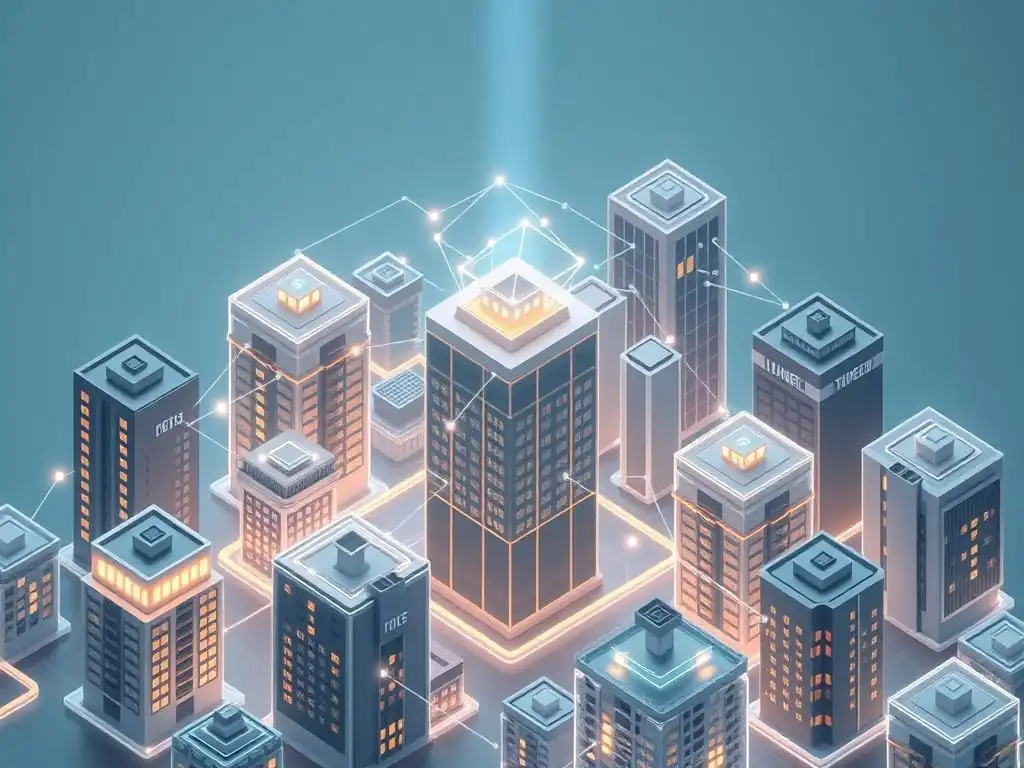
Overcoming the multifaceted real estate tokenization scaling challenges requires a concerted effort involving technological innovation, regulatory evolution, market education, and strategic collaboration. No single solution will suffice; a holistic approach addressing both infrastructure and adoption hurdles is essential for the market to mature and achieve widespread success. Implementing effective strategies in these key areas will pave the way for tokenized real estate to move from a niche application to a mainstream investment vehicle.
The path forward involves not only refining the technology but also actively shaping the environment in which tokenization operates. This includes working with regulators, building trust through robust security, and fostering a deeper understanding among all potential participants. Success hinges on creating an ecosystem that is not only technologically advanced but also legally sound, transparent, and accessible to a broad audience.
Regulatory Clarity and Standardization: Working Towards a Unified Framework
Achieving regulatory clarity is perhaps the most critical factor for scaling. This requires proactive engagement between industry participants and regulatory bodies to develop clear guidelines on the legal classification of tokenized real estate interests, investor protection requirements, and compliance procedures (like KYC/AML). Some jurisdictions, such as Liechtenstein or specific economic zones within larger countries, are piloting clearer frameworks.
Simultaneously, working towards standardization of legal documentation and technical protocols is vital. Industry consortiums and working groups can play a crucial role in defining best practices for token issuance, smart contract features, and data representation that ensure regulatory compliance and technical interoperability. A unified framework across jurisdictions, perhaps through international cooperation or reciprocal agreements, would significantly reduce legal overhead and facilitate cross-border investment, addressing key real estate tokenization scaling challenges related to legal complexity and market fragmentation.
Technological Advancements: Exploring Layer-2 Solutions and Alternative Blockchains
Technological limitations, particularly regarding scalability and cost, are being addressed through advancements in blockchain technology. Exploring and implementing Layer-2 scaling solutions on existing blockchains like Ethereum (e.g., rollups, sidechains) can drastically increase transaction throughput and reduce fees, making fractional ownership transactions more economically viable.
Furthermore, the development and adoption of alternative blockchains specifically designed for enterprise applications or high transaction volumes (e.g., Polygon, Solana, Algorand, or private/consortium chains like Hyperledger Fabric) offer potential solutions. These platforms often boast higher transaction speeds and lower costs compared to early public blockchains. The key is to select technology that provides the necessary scalability, security, and regulatory compliance features required for real estate assets, ensuring the platform can handle future growth and trading volume.
Building Trust and Security: Implementing Robust Security Measures
Building investor confidence requires demonstrating the highest levels of security and reliability. This involves implementing rigorous security measures at every layer:
- Smart Contract Security: Mandatory, independent audits by reputable firms before deployment to identify and mitigate vulnerabilities. Bug bounty programs can also incentivize security researchers.
- Platform Security: Robust cybersecurity practices for tokenization platforms, including secure storage of private keys, protection against DDoS attacks, and regular security testing.
- Legal Structure Security: Ensuring the legal framework linking the token to the physical asset is robust and enforceable, with secure handling and storage of physical or digital documentation.
- Insurance: Exploring insurance options to cover potential risks, such as smart contract failures or custodial losses, can further enhance investor protection and trust.
These measures, combined with transparent reporting and clear communication about security protocols, are essential for overcoming the perception risks associated with novel digital assets and addressing the security aspects of real estate tokenization scaling challenges.
Educating Investors and Real Estate Professionals: Promoting Understanding and Adoption
A dedicated focus on education is paramount for driving adoption. This involves creating clear, accessible educational materials explaining tokenization to different audiences. For potential investors, this means demystifying blockchain, explaining the benefits of fractional ownership, and clarifying the legal protections in place.
For real estate professionals, education should focus on how tokenization can enhance their services, create new revenue streams, and streamline processes. This could involve workshops, webinars, and partnerships with industry associations. Promoting successful case studies and demonstrating tangible benefits through pilot projects can help overcome skepticism and build momentum, fostering a more informed and receptive market for tokenized real estate.
Fostering Collaboration: Bridging the Gap Between Traditional Finance and DeFi
Scaling real estate tokenization requires bridging the gap between the traditional real estate and finance industries and the emerging decentralized finance (DeFi) space. Collaboration between tokenization platforms, traditional financial institutions (banks, investment firms), real estate developers, and regulatory bodies is crucial.
Partnerships can facilitate easier onboarding of traditional investors, provide access to larger pools of capital (institutional investors), and integrate tokenization into existing financial workflows. For example, collaborations could lead to tokenized mortgages, easier financing for tokenized properties, or listing tokenized assets on regulated security token exchanges. Bringing together the expertise and networks of both traditional finance and blockchain innovators is key to building a robust, interconnected ecosystem capable of supporting the large-scale adoption of tokenized real estate.
The Future of Real Estate Tokenization: A Path to Scalability and Mass Adoption
The trajectory of real estate tokenization points towards significant growth, provided the current real estate tokenization scaling challenges are effectively addressed. As regulatory environments mature and technology advances, the market is poised for expansion beyond early-stage projects. The future hinges on integrating tokenized real estate into the broader financial ecosystem and making it as accessible and understandable as traditional investment avenues.
This involves continued innovation in platform development, the establishment of liquid secondary markets, and a fundamental shift in how real estate is perceived and transacted. The potential for tokenization to unlock value, increase market efficiency, and democratize investment remains immense, driving forward efforts to overcome existing hurdles and realize its full promise.
The Role of Institutional Investors in Driving Growth
Institutional investors, such as pension funds, asset managers, and sovereign wealth funds, are expected to play a pivotal role in driving the growth and scalability of tokenized real estate. Their participation brings significant capital, credibility, and demand, which are essential for creating deep and liquid markets. Currently, institutional involvement is nascent but growing, with some firms exploring or participating in pilot projects and specialized funds focusing on digital assets that include tokenized real estate.
As regulatory clarity improves and institutional-grade platforms and custodial solutions emerge, more large players are likely to enter the market. Their investment would not only increase the total value of tokenized assets but also signal maturity and legitimacy to retail investors and other market participants. Institutional adoption is often a catalyst for broader market acceptance and is seen as a key factor in overcoming the liquidity challenges inherent in the real estate tokenization scaling challenges today.
The Impact of Emerging Technologies on Real Estate Tokenization
The future of real estate tokenization will be shaped by the convergence of blockchain with other emerging technologies. Artificial intelligence (AI) can enhance property valuation, improve risk assessment for tokenized assets, and automate compliance checks. The Internet of Things (IoT) can provide real-time data on property performance, maintenance needs, and occupancy, which can be integrated into smart contracts governing tokenized assets, potentially automating dividend payouts or maintenance fund allocations.
Furthermore, advancements in areas like Decentralized Autonomous Organizations (DAOs) could enable collective ownership and management of tokenized properties in a transparent and democratic manner. These technologies can streamline operations, increase transparency, and add new layers of functionality and efficiency to the tokenized real estate ecosystem, helping to address some of the operational and management aspects of real estate tokenization scaling challenges.
Predictions for the Tokenized Real Estate Market in the Next 5 Years
Predicting the exact scale of the tokenized real estate market over the next five years is challenging due to the rapid pace of technological and regulatory developments. However, market analysts and industry experts generally anticipate significant growth. Some projections estimate the market value could reach several billion dollars globally within this timeframe, potentially growing tenfold or more from current levels, depending on the rate of regulatory adoption and technological maturation.
Key drivers for this growth are expected to include increasing institutional interest, the development of more liquid secondary markets, greater regulatory clarity in key jurisdictions, and wider public awareness. While tokenization is unlikely to replace traditional real estate transactions entirely within five years, it is expected to become a more established and accessible alternative for fractional ownership and investment, particularly in commercial real estate and high-value residential properties, paving the way for further expansion in the subsequent decade as real estate tokenization scaling challenges continue to be overcome.
Frequently Asked Questions
What are the primary infrastructure challenges hindering the scaling of real estate tokenization?
The main infrastructure challenges include the lack of standardized platforms and the need for robust legal frameworks to ensure secure and compliant token issuance and trading. Interoperability between different blockchain networks also poses a significant hurdle.
How does the lack of regulatory clarity impact the adoption of real estate tokenization?
Uncertainty in regulatory frameworks creates apprehension among investors and real estate owners. Clear guidelines are needed to define the legal status of tokenized assets and ensure investor protection and compliance.
What are the key factors preventing wider adoption of real estate tokenization among traditional real estate players?
Adoption is limited by a lack of understanding and trust in blockchain technology, alongside concerns about liquidity and the complexity of the tokenization process. Overcoming these concerns requires education and demonstrating the benefits.
What role does DeFi (Decentralized Finance) play in addressing the scaling challenges of real estate tokenization?
DeFi protocols can enhance liquidity and accessibility for tokenized real estate assets by enabling fractional ownership and peer-to-peer lending. This can also offer new investment opportunities and reduce reliance on traditional intermediaries.
What are the potential future solutions to overcome the scalability issues faced by real estate tokenization?
Future solutions may include the development of more efficient blockchain networks, the implementation of standardized tokenization protocols, and increased collaboration between traditional real estate and blockchain technology experts to drive innovation.
The journey through the challenges of scaling real estate tokenization reveals a landscape ripe with potential, yet fraught with complexities. The need for robust infrastructure and widespread adoption remains the linchpin for unlocking the transformative power of this technology. Without addressing these fundamental hurdles, the promise of democratized real estate investment will remain largely unrealized, hindering its ability to reshape the industry.
The impact of real estate tokenization extends far beyond mere financial innovation; it touches upon accessibility, transparency, and the very nature of property ownership. The potential to empower smaller investors and create more liquid markets is undeniable, but realizing this vision requires a collective effort to overcome the existing barriers. The future belongs to those who believe in the beauty of their dreams.
- Eleanor Roosevelt. This quote encapsulates the spirit needed to push past the current limitations and build a future where real estate ownership is more inclusive and efficient.
As we stand at this pivotal moment, consider the role you can play in shaping the future of real estate. Reflect on the insights shared, and ask yourself: How can I contribute to building the necessary infrastructure, fostering wider adoption, and ensuring that the benefits of real estate tokenization are accessible to all? The future of property ownership is being written now, and your voice matters in shaping its narrative.
Ignite Your Real Estate Revolution!
Thank you for exploring the challenges and opportunities in scaling real estate tokenization with us. We hope this article provided valuable insights into the infrastructure and adoption barriers facing the industry. Now, it's your turn to contribute to shaping the future of real estate.
Here's how you can take action today:
- Learn More: Identify one specific infrastructure challenge discussed in the article and brainstorm potential solutions. Consider technological, regulatory, or economic factors. ** (Primary Action)
- Share this article with your network of real estate and blockchain professionals to spark discussion and collaboration. Together, we can build momentum!
- Explore emerging real estate tokenization platforms and initiatives to understand their approaches and identify opportunities for innovation or improvement.
What innovative solutions do you believe can overcome the biggest hurdles in real estate tokenization? Share your insights in the comments below!
Leave a Reply