
The Ultimate Guide to Decentralized Metaverse Platforms for Beginners

Welcome to Blockchain Trends, your guide to navigating the revolutionary world of blockchain technology!
Unlocking the potential beyond cryptocurrencies, we delve into the cutting-edge applications shaping our future. Curious about how blockchain is transforming the digital landscape? Our article, " The Ultimate Guide to Decentralized Metaverse Platforms for Beginners," breaks down the decentralized metaverse platform basics. Discover how these innovative systems are built, governed, and poised to redefine online interaction. Intrigued? Let's explore!
The Ultimate Guide to Decentralized Metaverse Platforms for Beginners
- Understanding Decentralized Metaverse Platform Basics
-
Frequently Asked Questions
- What exactly is a decentralized metaverse platform?
- How do decentralized metaverse platforms differ from traditional ones?
- What are some common use cases for decentralized metaverse platforms?
- What are the key benefits of using a decentralized metaverse platform?
- What are some potential risks or challenges associated with decentralized metaverse platforms?
- Final Reflection: Embracing the Decentralized Metaverse
- Unleash Your Metaverse Adventure!
Understanding Decentralized Metaverse Platform Basics
What is a Decentralized Metaverse?
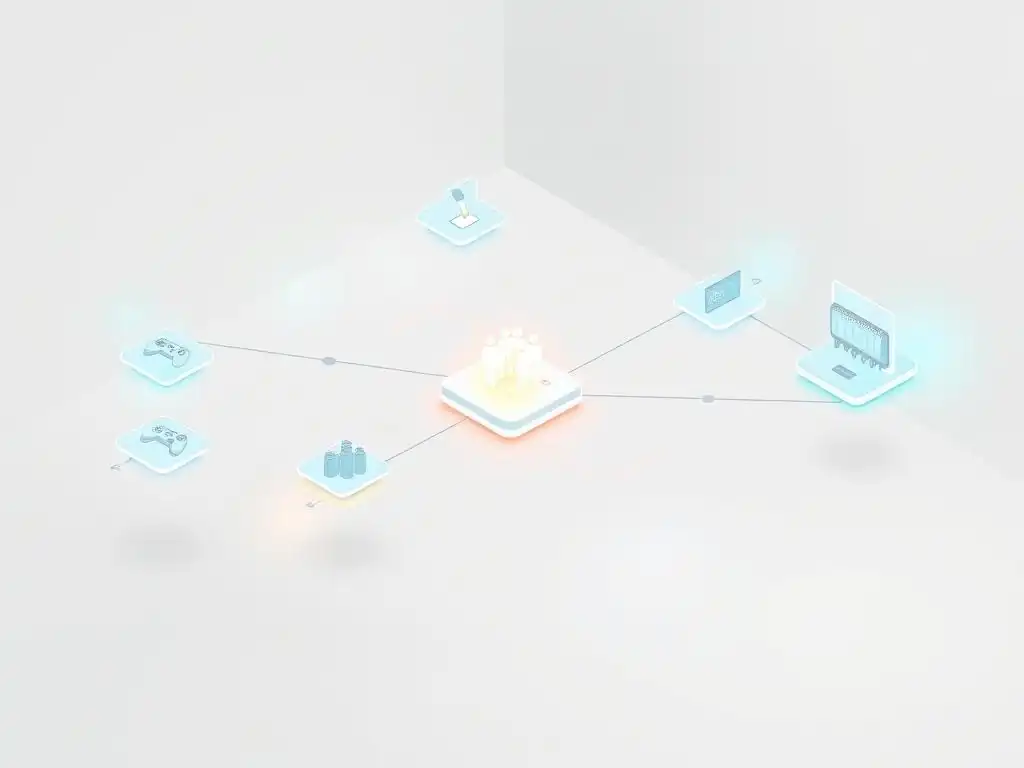
Imagine a digital world, a metaverse, but instead of being controlled by a single corporation, it's governed by its users. This is the essence of a decentralized metaverse. Unlike traditional online platforms or even centralized metaverses controlled by companies like Meta, a decentralized metaverse leverages blockchain technology to distribute power and ownership.
This means no single entity dictates the rules, owns the data, or controls the assets within the virtual world. Instead, these elements are distributed across a network, typically using blockchain, giving users a greater say in the metaverse's operation and their own digital experiences. Think of it as shifting from renting space in a digital world to owning a piece of it.
Decentralized metaverses are built upon the principles of web3, aiming to create a more democratic and user-centric internet. They utilize blockchain for various crucial functions, including verifying ownership of digital assets, enabling transparent and secure transactions, and establishing decentralized governance models. This foundational shift away from centralized control is what distinguishes a decentralized metaverse. For someone new to the concept, it's helpful to visualize it as the internet itself transitioning from a few large websites dominating the landscape to a network where individuals have more agency and control over their digital presence and interactions.
Key Differences: Centralized vs. Decentralized Metaverses
The distinction between centralized and decentralized metaverses is fundamental and impacts nearly every aspect of the user experience. Centralized metaverses, such as those being developed by major tech companies, operate much like traditional online games or social media platforms. These are controlled by a single company, which dictates the terms of service, owns user data, and has ultimate authority over the virtual world and its assets. Users are essentially participants within a proprietary ecosystem, subject to the platform's rules and decisions.
In contrast, decentralized metaverses, built on blockchain, aim to flip this model. A key difference lies in ownership. In centralized platforms, digital assets users acquire, such as in-game items or virtual land, are often ultimately owned by the platform provider and can be subject to their terms. Decentralized metaverses, utilizing NFTs (Non-Fungible Tokens), empower users with true ownership of their digital assets.
These NFTs are recorded on the blockchain, making ownership verifiable and transferable independently of the platform itself. Another significant difference is governance. Centralized platforms are governed by the company that owns them. Decentralized metaverses often strive for community-driven governance, where users, often token holders, have a voice in the platform's development and policies, sometimes through Decentralized Autonomous Organizations (DAOs).
Data privacy and security also differ significantly. Centralized platforms collect and control vast amounts of user data. Decentralized metaverses, ideally, prioritize user privacy and data control, leveraging blockchain's inherent transparency and security features to minimize reliance on centralized data silos.
The Role of Blockchain in Decentralized Metaverses
Blockchain technology is the bedrock upon which decentralized metaverses are built. It provides the essential infrastructure for decentralization, security, and user empowerment. One of the primary roles of blockchain is to establish digital ownership through Non-Fungible Tokens (NFTs).
NFTs are unique digital assets that represent ownership of items within the metaverse, whether it's virtual land, avatars, collectibles, or in-game items. Because these NFTs are recorded on a blockchain, their ownership is transparent, verifiable, and immutable. This means users truly own their digital assets and can trade, sell, or transfer them outside of the platform's direct control, fostering a user-centric digital economy.
Furthermore, blockchain facilitates secure and transparent transactions within the metaverse. Cryptocurrencies, often native tokens of the metaverse platform, are used for transactions, and these transactions are recorded on the blockchain, ensuring transparency and reducing the risk of fraud. Smart contracts, self-executing contracts coded on the blockchain, automate various processes within the metaverse, from land sales to reward distribution, without the need for intermediaries, enhancing efficiency and trust. Beyond ownership and transactions, blockchain also enables decentralized governance.
Many decentralized metaverses utilize blockchain-based governance systems, allowing token holders to vote on proposals, platform updates, and even the direction of the metaverse itself. This empowers the community to shape the future of the virtual world, moving away from top-down control typical of centralized platforms. In essence, blockchain provides the trust, security, and decentralization framework that makes decentralized metaverses possible.
Frequently Asked Questions
What exactly is a decentralized metaverse platform?
A decentralized metaverse platform is a virtual world built on blockchain technology, where ownership and control are distributed among users rather than held by a single entity. This ensures greater user autonomy and data privacy.
How do decentralized metaverse platforms differ from traditional ones?
Traditional metaverses are often controlled by a central company, dictating rules and owning user data. Decentralized platforms, however, leverage blockchain for governance and give users true ownership of their digital assets.
What are some common use cases for decentralized metaverse platforms?
These platforms offer diverse opportunities, including virtual real estate ownership, creating and selling digital art (NFTs), playing blockchain games, and attending virtual events, all powered by decentralized technologies.
What are the key benefits of using a decentralized metaverse platform?
The primary benefits include increased transparency, enhanced security through blockchain, and the ability to earn cryptocurrency through various activities within the virtual world, fostering a user-driven economy.
What are some potential risks or challenges associated with decentralized metaverse platforms?
Risks include price volatility of associated cryptocurrencies, security vulnerabilities in smart contracts, and the complexity of navigating decentralized systems compared to traditional platforms.
Final Reflection: Embracing the Decentralized Metaverse
The journey into the decentralized metaverse, as explored in this guide, is not merely a technological exploration; it's a fundamental shift in ownership and control within the digital realm. The platforms discussed represent a nascent but powerful movement, promising a future where users, not corporations, dictate the rules and reap the rewards of their digital creations and interactions. This shift is particularly relevant today, as concerns about data privacy and centralized power grow louder, making the promise of a user-owned metaverse increasingly appealing.
The impact of decentralized metaverse platforms extends far beyond gaming and entertainment. It represents a potential paradigm shift in how we interact, transact, and build communities online, fostering a more equitable and democratic digital landscape. This potential is not without its challenges, but the underlying principle of empowering individuals is undeniably compelling. The metaverse is coming, and it will be a place where we can all create and share experiences with each other.
- Mark Zuckerberg (ironically highlighting the centralized vision that decentralized platforms aim to counter).
As you venture into the decentralized metaverse, remember that you are not just a user, but a builder, a creator, and a stakeholder. The future of these platforms depends on your participation, your innovation, and your commitment to the principles of decentralization. Embrace the opportunity to shape this new digital frontier, and let your creativity and collaboration contribute to a metaverse that is truly owned by its users.
Unleash Your Metaverse Adventure!
Thank you for exploring the world of decentralized metaverse platforms with Blockchain Trends. We hope you've gained a solid foundation for navigating this exciting new frontier. Now, it's time to take the plunge and experience the metaverse firsthand!
Here are a few ways to begin your journey:
- Create your avatar and explore a platform mentioned in this guide. Experience the unique social interactions and virtual environments firsthand.
- Share this article with a friend who is also interested in the metaverse. Help them discover the potential of decentralized platforms.
- Dive deeper:Research a specific project or platform that caught your attention. Understanding how it works can open up new opportunities.
What’s the first thing you plan to do in the metaverse? Share your plans in the comments below!
Leave a Reply