
Hyperledger and the Edge: Extending Enterprise Blockchain to Edge Computing Environments


Welcome to Blockchain Trends, your gateway to understanding the real-world impact of blockchain technology. Beyond the hype of cryptocurrencies, we delve into the transformative potential of decentralized systems. Ever wondered how blockchain can revolutionize edge computing? This article explores Hyperledger edge computing blockchain applications, revealing how this powerful combination is reshaping industries. Discover the possibilities and the future of decentralized systems – your journey starts here!
- Hyperledger and the Edge: Blockchain Applications for Edge Computing Environments
- Understanding the Synergy: Hyperledger Edge Computing Blockchain Applications
- Use Cases: Hyperledger Edge Computing Applications in Action
- Addressing the Challenges of Hyperledger Edge Computing Implementation
- The Future of Hyperledger Edge Computing: Trends and Opportunities
- Conclusion: Embracing the Potential of Hyperledger and Edge Computing
-
Frequently Asked Questions
- What are the primary benefits of using Hyperledger for edge computing applications?
- How does Hyperledger facilitate the integration of blockchain with edge devices?
- What are some potential use cases for Hyperledger edge computing blockchain applications?
- What are the key challenges involved in implementing Hyperledger in edge computing environments?
- How does the regulatory landscape impact the deployment of Hyperledger edge computing blockchain applications?
- Final Reflection: Bridging the Divide Between Blockchain and Reality
- Unlock the Power of Hyperledger at the Edge!
Hyperledger and the Edge: Blockchain Applications for Edge Computing Environments
Introduction: Bridging Hyperledger and Edge Computing for Enterprise Solutions
- The Growing Importance of Edge Computing in Enterprise Blockchain
- Hyperledger: A Primer on Enterprise-Grade Blockchain Platforms
- Article Scope and Objectives: Examining the intersection of Hyperledger technologies and edge computing to enable decentralized, secure, and scalable solutions for various industries.
The convergence of edge computing and blockchain technology is rapidly transforming how enterprises operate, especially within the realm of distributed ledger technologies like Hyperledger. Edge computing, characterized by processing data closer to its source, addresses critical limitations of traditional cloud-centric models, particularly in scenarios demanding low latency and enhanced data privacy. For enterprise blockchain applications, this shift is pivotal.
Imagine a global supply chain where real-time tracking and condition monitoring of goods are paramount. Edge computing empowers blockchain networks to process sensor data directly at the source – within a warehouse or on a moving vehicle – before relaying validated, aggregated information to the main blockchain. This minimizes network congestion, reduces processing delays, and enhances the overall efficiency of the system.
Hyperledger stands as a suite of enterprise-grade, open-source blockchain frameworks and tools, hosted by the Linux Foundation. Unlike permissionless blockchains such as Bitcoin or Ethereum, Hyperledger projects are designed for permissioned networks, making them ideal for enterprise applications where privacy, control, and performance are paramount. Hyperledger Fabric, for example, is a modular blockchain platform known for its high throughput and confidentiality features, allowing businesses to build customized blockchain solutions.
Hyperledger Besu, another prominent project, is an Ethereum-compatible client suitable for both public and private blockchain deployments. These platforms, with their robust architectures and enterprise-focused features, are increasingly being explored for deployment in edge computing environments to unlock new possibilities for decentralized, secure, and scalable enterprise solutions. This article will delve into the practical applications and benefits of integrating Hyperledger with edge computing, showcasing real-world use cases and addressing the challenges of implementation.
Understanding the Synergy: Hyperledger Edge Computing Blockchain Applications
What is Edge Computing and Why is it Important for Blockchain?
- Defining Edge Computing: Key Characteristics and Benefits
- Latency Reduction and Real-Time Data Processing with Edge Blockchain
- Enhanced Scalability and Security for Hyperledger Networks at the Edge
Edge computing fundamentally shifts computation and data storage closer to the location where data is generated. Instead of relying solely on centralized cloud servers, edge computing utilizes a distributed architecture where data processing occurs at or near the 'edge' of the network – think of devices like sensors, IoT gateways, or even local servers within a factory. Key characteristics of edge computing include reduced latency, decreased bandwidth usage, improved privacy, and enhanced reliability.
For instance, in a smart city scenario, processing traffic sensor data at the edge, rather than sending it all to a central cloud, allows for near real-time traffic management and faster response times to incidents. This decentralized approach is crucial for applications requiring immediate data analysis and action.
The importance of edge computing for blockchain, particularly enterprise blockchain platforms like Hyperledger, stems from the inherent limitations of blockchain technology when dealing with massive amounts of real-time data from distributed sources. Traditional blockchain networks can face bottlenecks when processing high volumes of transactions and data originating from numerous edge devices. Edge computing provides a solution by pre-processing and filtering data at the edge before it is recorded on the blockchain.
This drastically reduces latency, as only validated and relevant information is transmitted to the blockchain network. Consider a scenario in food traceability where temperature sensors on refrigerated trucks constantly monitor the condition of perishable goods. Edge computing allows for immediate alerts if temperature thresholds are breached, without waiting for data to be processed in a distant cloud, significantly improving the responsiveness and efficiency of the supply chain tracking system.
Furthermore, deploying Hyperledger at the edge enhances both scalability and security. By distributing processing power across edge devices, the central blockchain network is relieved of computational burden, leading to improved scalability. Edge computing also strengthens security by reducing the attack surface.
Instead of having a single point of failure in a centralized cloud, data and processing are distributed, making it more resilient to cyberattacks. Moreover, sensitive data can be processed and even anonymized at the edge before being recorded on the blockchain, enhancing data privacy and compliance with regulations like GDPR. For example, in healthcare, patient monitoring devices at home can process health data locally, and only anonymized or aggregated data is then securely recorded on a Hyperledger blockchain, ensuring patient privacy while still enabling secure data sharing and analysis for improved healthcare outcomes.
Hyperledger Projects Suited for Edge Deployment
- Hyperledger Fabric: Leveraging Chaincode for Edge Applications
- Hyperledger Besu: Deploying a Permissioned Blockchain on Edge Devices
- Hyperledger Iroha: Lightweight Blockchain for Edge Computing Environments
Hyperledger Fabric, renowned for its modular architecture and robust features, is well-suited for edge deployments due to its ability to execute chaincode (smart contracts) close to the data source. Fabric's architecture allows for the deployment of peer nodes and ordering services in edge environments, enabling local processing of transactions and data validation before consensus is reached across the wider network.
For instance, in a smart factory setting, Fabric chaincode deployed on edge gateways can directly interact with IoT sensors on machinery, processing sensor data, triggering automated responses to anomalies, and recording verified production data onto the blockchain. This localized processing capability of Hyperledger Fabric significantly reduces latency and enhances the responsiveness of industrial automation systems.
Hyperledger Besu, an enterprise-grade Ethereum client, offers another compelling option for edge computing scenarios, especially when compatibility with the Ethereum ecosystem is desired. Besu can be deployed on resource-constrained edge devices, providing a permissioned blockchain infrastructure at the network's edge. Its ability to function in private networks and its support for smart contracts (written in Solidity) make it versatile for various edge applications.
Imagine a distributed energy grid where microgrids need to transact energy credits securely and efficiently. Hyperledger Besu nodes deployed at each microgrid location can facilitate local energy trading and management, with transactions recorded on a permissioned blockchain, enhancing the resilience and efficiency of the energy distribution network.
Hyperledger Iroha is specifically designed as a lightweight and easy-to-integrate blockchain platform, making it particularly attractive for resource-constrained edge environments. Its simplified architecture and focus on mobile and embedded systems make it ideal for scenarios where devices have limited processing power and memory. Consider a large-scale agricultural deployment where numerous sensors monitor soil conditions, humidity, and temperature across a vast farm.
Hyperledger Iroha, deployed on edge devices distributed across the farm, can efficiently manage and secure the data collected from these sensors. Its lightweight nature ensures minimal resource consumption on edge devices, while still providing the security and transparency benefits of blockchain for agricultural data management and supply chain traceability.
Use Cases: Hyperledger Edge Computing Applications in Action
Supply Chain Management: Tracking Goods from Origin to Consumer
- Real-Time Monitoring of Product Conditions with Edge Sensors
- Improved Traceability and Transparency in Supply Chains
- Pharmaceutical Supply Chain: Tracking temperature-sensitive drugs using edge-enabled sensors and Hyperledger Fabric.
In supply chain management, the combination of Hyperledger and edge computing offers unprecedented capabilities for real-time monitoring and enhanced traceability of goods as they move from origin to consumer. Edge sensors, embedded in packaging or transportation vehicles, continuously collect data on critical parameters like temperature, humidity, shock, and location. This data is processed at the edge, using local computing power, allowing for immediate detection of deviations from pre-defined conditions.
For example, if a shipment of perishable goods experiences a temperature spike, edge computing systems can trigger immediate alerts, enabling proactive interventions to prevent spoilage and minimize losses. This real-time visibility empowers stakeholders to make informed decisions and optimize supply chain operations dynamically.
The integration of edge computing with Hyperledger blockchain platforms significantly improves traceability and transparency across complex supply chains. As data is processed at the edge and validated, only verified and relevant information is recorded onto the Hyperledger blockchain. This creates an immutable and auditable record of the product's journey, from manufacturing to delivery.
Consumers and businesses alike can access this information to verify the provenance and authenticity of products, combating counterfeiting and enhancing trust. For instance, in the luxury goods industry, embedding edge-enabled RFID tags in products and tracking them on a Hyperledger Fabric blockchain provides consumers with verifiable proof of authenticity and origin, building brand trust and protecting against counterfeit goods.
A critical application of Hyperledger edge computing in supply chain management is within the pharmaceutical industry, particularly for temperature-sensitive drugs and vaccines. Maintaining strict temperature control throughout the cold chain is vital to ensure the efficacy and safety of these products. Edge-enabled sensors, integrated with packaging and storage facilities, continuously monitor temperature and humidity.
Leveraging Hyperledger Fabric, pharmaceutical companies can create a secure and transparent record of the temperature history of each batch of drugs. If a temperature excursion occurs, edge computing systems can immediately flag the issue, and the immutable blockchain record provides a clear audit trail for regulatory compliance and quality assurance. This real-time, edge-enabled tracking, powered by Hyperledger, ensures the integrity of the pharmaceutical supply chain, safeguarding patient safety and reducing the risk of compromised medications reaching consumers.
Smart Manufacturing: Optimizing Industrial Processes with Edge Blockchain
- Predictive Maintenance and Anomaly Detection using Edge Data Analysis
- Secure Data Sharing and Collaboration Between Manufacturing Partners
- Case Study: Using Hyperledger Fabric and edge computing for real-time monitoring of machine performance in a automotive factory.
Smart manufacturing leverages edge computing and Hyperledger to optimize industrial processes through real-time data analysis and secure data sharing. In modern factories, vast amounts of data are generated by sensors embedded in machinery, production lines, and environmental monitoring systems. Edge computing facilitates the analysis of this data directly at the factory floor, enabling predictive maintenance and anomaly detection.
By processing sensor data locally, edge-based AI algorithms can identify patterns and predict potential equipment failures before they occur. This proactive approach minimizes downtime, reduces maintenance costs, and improves overall equipment effectiveness. For example, vibration sensors on critical machinery, analyzed at the edge, can detect subtle anomalies indicative of impending failures, triggering maintenance alerts and preventing costly production disruptions.
Hyperledger enhances secure data sharing and collaboration among manufacturing partners within the smart manufacturing ecosystem. Supply chains in manufacturing are often complex, involving numerous suppliers, distributors, and logistics providers. Edge computing, coupled with Hyperledger blockchain, enables secure and transparent data exchange between these partners.
For instance, quality control data collected at various stages of the manufacturing process, processed at the edge, can be securely shared with relevant stakeholders via a Hyperledger network. This improves collaboration, enhances supply chain visibility, and ensures higher product quality. Furthermore, intellectual property and sensitive manufacturing data can be securely exchanged and managed on a permissioned Hyperledger blockchain, fostering trust and collaboration among partners while protecting confidential information.
Consider a real-world case study in the automotive industry where a leading manufacturer implemented Hyperledger Fabric and edge computing for real-time monitoring of machine performance. In their automotive factory, numerous sensors were deployed on robotic arms, assembly line equipment, and welding machines. Edge computing gateways, located throughout the factory, collected data from these sensors and performed local processing using machine learning algorithms.
The processed data, including machine performance metrics, anomaly alerts, and predictive maintenance insights, was then securely recorded on a Hyperledger Fabric blockchain. This system provided real-time visibility into machine performance across the entire factory, enabling proactive maintenance, reducing downtime by an estimated 15%, and improving overall production efficiency. The immutable blockchain record also provided a comprehensive audit trail for quality control and process optimization, demonstrating the tangible benefits of Hyperledger edge computing blockchain applications in smart manufacturing.
Healthcare: Securing Patient Data and Enabling Remote Monitoring
- Edge-Based Data Processing for Patient Monitoring Devices
- Secure and Decentralized Sharing of Medical Records
- Addressing Privacy Concerns: Utilizing Federated Learning on edge devices with Hyperledger to analyze patient data without centralizing sensitive information.
In healthcare, Hyperledger and edge computing are transforming patient care by enabling secure remote monitoring and decentralized data sharing while prioritizing patient privacy. Wearable devices and home-based medical sensors are generating a growing volume of patient health data. Edge computing allows for the processing of this data directly on or near these devices, enabling real-time feedback and alerts.
For example, wearable ECG monitors can analyze heart rhythm data at the edge and instantly alert patients and healthcare providers to potential cardiac events. This near real-time processing is crucial for timely interventions and improved patient outcomes, particularly for chronic condition management and remote patient monitoring.
Hyperledger blockchain facilitates the secure and decentralized sharing of medical records, addressing critical challenges in healthcare data interoperability and patient data ownership. Traditional healthcare systems often struggle with fragmented patient records and data silos. By leveraging Hyperledger, patients can have greater control over their medical data, granting permissioned access to healthcare providers and researchers as needed.
Edge computing enhances this by processing and potentially anonymizing data locally before it is recorded on the blockchain, further strengthening patient privacy. For instance, patients could securely share specific portions of their medical history with specialists for second opinions, or with researchers for clinical trials, while maintaining control over their sensitive information through a Hyperledger-based decentralized identity and data management system.
Addressing stringent privacy regulations like HIPAA and GDPR is paramount in healthcare. Hyperledger edge computing offers innovative solutions like federated learning to analyze patient data without centralizing sensitive information. Federated learning allows machine learning models to be trained across decentralized edge devices, such as patient smartphones or home monitoring systems, without raw data leaving the device.
Only model updates are aggregated and shared, preserving patient privacy. When combined with Hyperledger, federated learning can be used to train AI models for disease prediction or personalized treatment recommendations, leveraging distributed patient data while ensuring compliance with privacy regulations. For example, federated learning on edge devices, secured by Hyperledger, could be used to analyze anonymized patient data to improve early detection of diseases like diabetes or hypertension, enhancing population health outcomes without compromising individual patient privacy.
Addressing the Challenges of Hyperledger Edge Computing Implementation
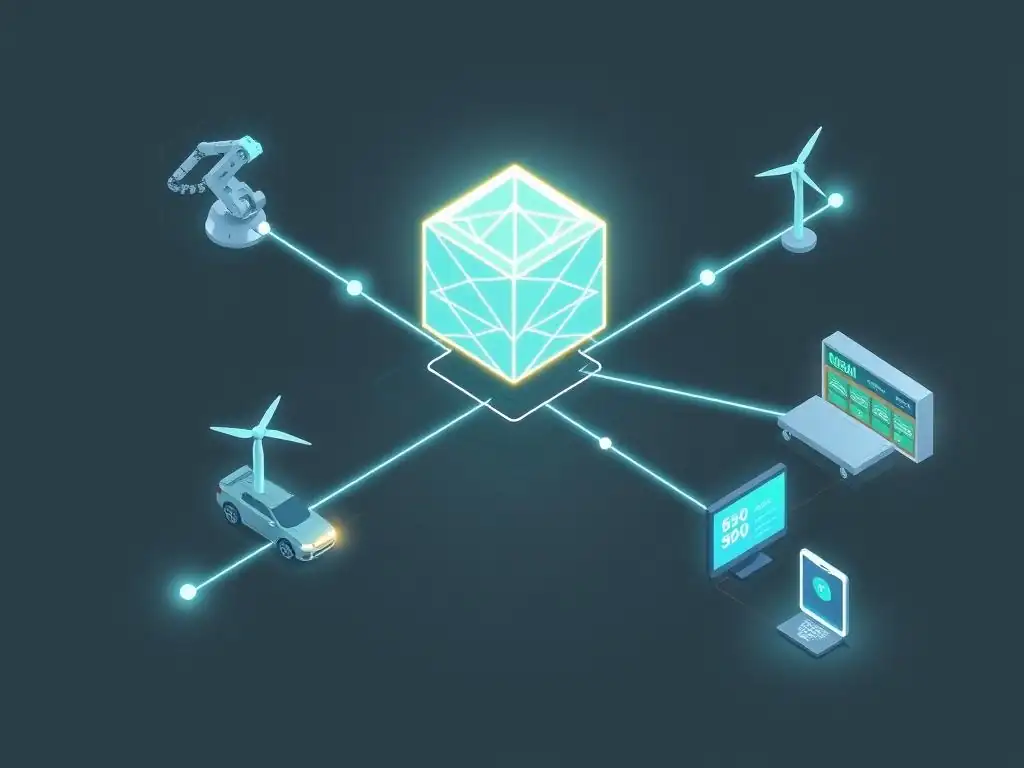
Security Considerations for Edge-Based Blockchain Deployments
- Protecting Edge Devices from Cyberattacks
- Ensuring Data Integrity and Confidentiality at the Edge
- Secure Key Management: Implementing Hardware Security Modules (HSMs) for secure key storage and management in Hyperledger edge networks.
Deploying Hyperledger in edge computing environments introduces unique security challenges that must be carefully addressed. Edge devices, often geographically dispersed and operating in less controlled environments than traditional data centers, are more vulnerable to physical tampering and cyberattacks. Protecting these devices from malware, unauthorized access, and physical compromise is crucial. Implementing robust security measures such as device hardening, secure boot processes, and intrusion detection systems is essential to mitigate these risks. Regular security audits and firmware updates are also vital to maintain the security posture of edge devices in Hyperledger networks.
Ensuring data integrity and confidentiality at the edge is paramount when dealing with sensitive information in Hyperledger edge computing blockchain applications. Data processed and stored on edge devices must be protected from unauthorized access and modification. Encryption, both in transit and at rest, is a fundamental security measure. Utilizing secure communication protocols and encrypting data stored on edge devices ensures confidentiality. Furthermore, implementing data validation and integrity checks at the edge, before data is recorded on the Hyperledger blockchain, helps prevent data manipulation and ensures the trustworthiness of the information recorded on the ledger.
Secure key management is a critical aspect of securing Hyperledger edge deployments. Cryptographic keys are used to secure transactions, authenticate participants, and protect data confidentiality. Edge devices need secure mechanisms for storing and managing these keys. Hardware Security Modules (HSMs) provide a robust solution for secure key storage and cryptographic operations in edge environments. HSMs are tamper-resistant hardware devices that protect cryptographic keys from unauthorized access and extraction. Integrating HSMs with Hyperledger edge nodes ensures that private keys are securely managed, enhancing the overall security of the blockchain network and protecting sensitive data and transactions from compromise.
Scalability and Performance Optimization for Edge Blockchain
- Optimizing Consensus Mechanisms for Limited Resources
- Efficient Data Storage and Retrieval on Edge Devices
- Scaling Techniques: Implementing sharding and off-chain storage solutions to improve Hyperledger network performance in edge environments.
Scalability and performance optimization are critical considerations for deploying Hyperledger blockchain in resource-constrained edge environments. Edge devices often have limited processing power, memory, and bandwidth compared to traditional servers. Optimizing consensus mechanisms is crucial to ensure efficient transaction processing on these devices. Traditional consensus algorithms like Proof-of-Work are computationally intensive and unsuitable for edge environments. Exploring lightweight consensus mechanisms like Raft or Paxos, or Hyperledger Fabric's pluggable consensus architecture, which allows for the selection of more efficient algorithms like SOLO or Kafka for edge deployments, is essential to optimize performance and minimize resource consumption.
Efficient data storage and retrieval on edge devices is another key challenge. Blockchain data can grow significantly over time, and storing the entire ledger on resource-constrained edge devices may not be feasible. Implementing techniques like pruning, which selectively removes older blocks from the ledger, or utilizing lightweight data storage solutions optimized for edge environments can help manage storage requirements. Furthermore, optimizing data retrieval mechanisms, such as indexing and caching, can improve query performance and reduce latency when accessing blockchain data on edge devices.
To further enhance scalability and performance, sharding and off-chain storage solutions can be employed in Hyperledger edge computing blockchain applications. Sharding involves partitioning the blockchain network into smaller, manageable shards, with each shard processing a subset of transactions. This distributes the transaction load and improves overall throughput.
Off-chain storage solutions, such as IPFS or cloud-based storage, can be used to store large volumes of data off-chain, with only hashes or pointers to the data stored on the blockchain. This reduces the storage burden on edge devices and improves the performance of the Hyperledger network in edge environments, enabling the handling of larger datasets and higher transaction volumes.
Interoperability and Integration with Existing Systems
- Connecting Hyperledger Networks to Legacy Systems at the Edge
- Standardization Efforts for Edge Blockchain Interoperability
- Open Standards Importance: Promoting the use of open APIs and data formats to facilitate seamless integration of Hyperledger edge computing blockchain applications with existing systems.
Interoperability and seamless integration with existing systems are crucial for the successful adoption of Hyperledger edge computing blockchain applications in enterprise environments. Many organizations have existing legacy systems and infrastructure at the edge, such as industrial control systems, IoT platforms, and databases. Connecting Hyperledger networks to these legacy systems is essential to leverage existing investments and create integrated solutions. Developing robust APIs and integration layers that facilitate data exchange and communication between Hyperledger and legacy systems is critical for enabling seamless data flow and system interoperability.
Standardization efforts are vital to promote interoperability between different blockchain platforms and edge computing technologies. Lack of standardization can create silos and hinder the widespread adoption of Hyperledger edge computing blockchain applications. Industry consortia and standards bodies are working to develop open standards for blockchain interoperability, data formats, and communication protocols. Adhering to these standards ensures that Hyperledger edge solutions can seamlessly interact with other systems and platforms, fostering a more open and interoperable ecosystem.
Promoting the use of open APIs and data formats is paramount for facilitating seamless integration of Hyperledger edge computing blockchain applications with existing systems. Open APIs allow different systems to communicate and exchange data in a standardized manner. Using open data formats ensures that data can be easily understood and processed by different applications. Encouraging the adoption of open standards and promoting the development of open APIs for Hyperledger edge solutions will significantly reduce integration complexities and accelerate the deployment of interoperable and scalable enterprise blockchain applications in edge computing environments, unlocking the full potential of this transformative technology.
The Future of Hyperledger Edge Computing: Trends and Opportunities
Emerging Technologies: AI, IoT, and Blockchain Convergence at the Edge
- Combining Artificial Intelligence with Hyperledger Edge Computing
- Leveraging IoT Devices for Real-Time Data Collection and Analysis
- Impact of 5G: Enabling faster and more reliable communication between edge devices and Hyperledger networks, facilitating real-time data processing and analysis.
The future of Hyperledger edge computing is intrinsically linked to the convergence of emerging technologies like Artificial Intelligence (AI) and the Internet of Things (IoT). Combining AI with Hyperledger edge computing unlocks powerful capabilities for intelligent edge applications. AI algorithms deployed at the edge can analyze data in real-time, providing immediate insights and enabling autonomous decision-making.
Integrating these AI-driven insights with the security and transparency of Hyperledger blockchain creates robust and intelligent edge solutions. For instance, in autonomous vehicles, edge-based AI can process sensor data for navigation and obstacle avoidance, while Hyperledger can secure and audit the vehicle's operational data and decision-making processes, ensuring safety and accountability.
Leveraging IoT devices for real-time data collection and analysis is a cornerstone of Hyperledger edge computing applications. The proliferation of IoT devices across industries generates vast amounts of data that can be harnessed for improved operational efficiency, enhanced decision-making, and new business models. Hyperledger provides a secure and trusted platform for managing and utilizing this IoT data.
Edge computing enables the processing of IoT data closer to the source, reducing latency and bandwidth requirements. For example, in smart agriculture, IoT sensors monitoring soil conditions and weather patterns can provide real-time data to edge-based Hyperledger applications, enabling farmers to optimize irrigation, fertilization, and crop management, leading to increased yields and reduced resource consumption.
The advent of 5G technology is poised to significantly accelerate the adoption and impact of Hyperledger edge computing. 5G networks offer faster speeds, lower latency, and increased bandwidth compared to previous generations of mobile networks. This enhanced connectivity is crucial for enabling real-time communication between edge devices and Hyperledger networks.
5G facilitates the seamless transfer of large volumes of data from edge devices to blockchain networks for processing and recording. Furthermore, 5G's low latency enables near real-time interactions and responses in edge applications, enhancing the performance and responsiveness of Hyperledger edge computing blockchain applications across various industries, from autonomous systems to industrial automation and remote healthcare.
Hyperledger as a Key Enabler of Decentralized Edge Ecosystems
- Building Trust and Transparency in Edge-Based Transactions
- Empowering Edge Device Owners with Data Control
- New Business Models: Creating decentralized marketplaces for edge computing resources and data, enabled by Hyperledger blockchain technology.
Hyperledger plays a pivotal role in enabling decentralized edge ecosystems by fostering trust and transparency in edge-based transactions. In traditional centralized edge computing models, trust is often placed in a central authority or platform provider. Hyperledger blockchain introduces decentralization and immutability, creating a more transparent and trustworthy environment for edge transactions. By recording transactions on a distributed ledger, Hyperledger ensures that data is tamper-proof and auditable, building trust among participants in edge ecosystems. This trust is crucial for facilitating collaboration and data sharing in decentralized edge networks, particularly in multi-stakeholder scenarios.
Hyperledger edge computing empowers edge device owners with greater data control and ownership. In centralized models, data generated by edge devices is often controlled and managed by platform providers. Hyperledger enables a more decentralized approach where device owners have greater control over their data. Using permissioned Hyperledger networks, device owners can control who has access to their data and how it is used. Smart contracts on Hyperledger can automate data sharing agreements and ensure that data is used according to pre-defined rules and permissions, empowering device owners and promoting data sovereignty in edge ecosystems.
The combination of Hyperledger and edge computing is paving the way for new business models centered around decentralized marketplaces for edge computing resources and data. Edge devices possess significant computing power and generate vast amounts of data that can be valuable resources. Hyperledger blockchain can facilitate the creation of decentralized marketplaces where edge device owners can securely and transparently share their computing resources or monetize their data.
For example, a decentralized marketplace could enable individuals to rent out the idle computing power of their edge devices to organizations needing edge computing resources. Similarly, data marketplaces built on Hyperledger can allow edge device owners to securely sell their data to data consumers, creating new revenue streams and fostering innovation in decentralized edge ecosystems.
Conclusion: Embracing the Potential of Hyperledger and Edge Computing
Summary of Key Benefits and Challenges
Call to Action: Explore and experiment with Hyperledger and edge technologies to discover innovative solutions for decentralized, secure, and scalable applications.
The synergy between Hyperledger and edge computing presents a transformative opportunity for enterprises seeking decentralized, secure, and scalable solutions. Key benefits include reduced latency, enhanced scalability, improved security, and increased data privacy. Edge computing enables real-time data processing closer to the source, while Hyperledger provides a robust blockchain foundation for secure data management and transparent transactions. However, challenges remain, including security considerations for edge devices, performance optimization in resource-constrained environments, and the need for interoperability with existing systems. Addressing these challenges is crucial for realizing the full potential of Hyperledger edge computing blockchain applications.
The future outlook for Hyperledger edge computing blockchain applications is exceptionally promising. As emerging technologies like AI, IoT, and 5G continue to converge, the demand for edge-based solutions will only intensify. Hyperledger, with its enterprise-grade features and growing ecosystem, is well-positioned to be a key enabler of decentralized edge ecosystems. We anticipate wider adoption across industries, from supply chain management and smart manufacturing to healthcare and beyond, as organizations recognize the strategic advantages of combining Hyperledger and edge computing to unlock new levels of efficiency, security, and innovation.
The time to explore and experiment with Hyperledger and edge technologies is now. Businesses and developers are encouraged to investigate the potential of this powerful combination to discover innovative solutions for a wide range of decentralized, secure, and scalable applications. By embracing Hyperledger edge computing, organizations can position themselves at the forefront of a technological revolution, driving efficiency, building trust, and unlocking new opportunities in the era of distributed computing and decentralized systems.
Frequently Asked Questions
What are the primary benefits of using Hyperledger for edge computing applications?
Hyperledger enables secure and transparent data management at the edge. This reduces reliance on centralized servers, improving latency and bandwidth utilization, crucial for real-time applications. Edge deployments also offer enhanced privacy and data sovereignty.
How does Hyperledger facilitate the integration of blockchain with edge devices?
Hyperledger provides frameworks and tools designed for modular and adaptable deployments. These tools allow for the creation of blockchain solutions that can be scaled down to fit resource-constrained edge devices, enabling seamless communication. It achieves this through lightweight consensus mechanisms.
What are some potential use cases for Hyperledger edge computing blockchain applications?
Supply chain management benefits from real-time tracking and verification of goods at the source. Smart cities can leverage it for decentralized data collection and processing from IoT devices. It can also improve energy grid management through localized energy trading.
What are the key challenges involved in implementing Hyperledger in edge computing environments?
Security is paramount, requiring robust protection against edge device vulnerabilities. Interoperability between different edge devices and blockchain networks needs careful consideration. Limited computational resources at the edge also require optimized blockchain solutions.
How does the regulatory landscape impact the deployment of Hyperledger edge computing blockchain applications?
Data privacy regulations, such as GDPR, can significantly influence data storage and processing requirements at the edge. Compliance with industry-specific regulations is crucial, depending on the application. Clear legal frameworks for decentralized systems are still evolving.
Final Reflection: Bridging the Divide Between Blockchain and Reality
The journey of exploring Hyperledger's integration with edge computing reveals a profound shift in how we perceive and utilize blockchain technology. No longer confined to centralized servers, blockchain is now poised to permeate the physical world, enabling secure, transparent, and decentralized applications directly at the source of data generation. This convergence promises to unlock unprecedented efficiencies and opportunities across industries, from supply chain management to smart cities.
This integration isn't just a technological advancement; it's a cultural and societal evolution. The ability to trust data collected and processed at the edge, without relying on intermediaries, fundamentally alters how we interact with the world around us. It empowers individuals and organizations with greater control and transparency. The future of blockchain is not just about digital currencies; it's about building trust and transparency into every aspect of our lives.
This quote encapsulates the transformative potential of Hyperledger edge computing blockchain applications.
As we stand at the cusp of this new era, let us embrace the possibilities that Hyperledger and edge computing offer. Let us strive to understand and leverage these technologies to build a more secure, transparent, and equitable future. Consider how you can apply the principles of decentralized trust and edge intelligence in your own field, and contribute to shaping a world where data empowers, rather than controls. The future of blockchain is not just being built; it's being co-created.
Unlock the Power of Hyperledger at the Edge!
Thank you for exploring how Hyperledger can transform edge computing. You've gained valuable insights into extending enterprise blockchain solutions to new frontiers. Now, it's time to put that knowledge into action.
Here are some ways to get started:
- Begin experimenting with a Hyperledger Fabric deployment on a Raspberry Pi or similar edge device. Document your progress and share your findings with the community.
- Explore the Hyperledger Greenhouse and contribute to open-source projects that enhance edge capabilities.
- Share this article with your network to inspire discussions about the potential of blockchain and edge computing in your industry.
What innovative use case for Hyperledger at the edge are you most excited to explore, and what challenges do you foresee overcoming?
Leave a Reply