
NFTs and EWaste: The Hidden Environmental Impact of Hardware

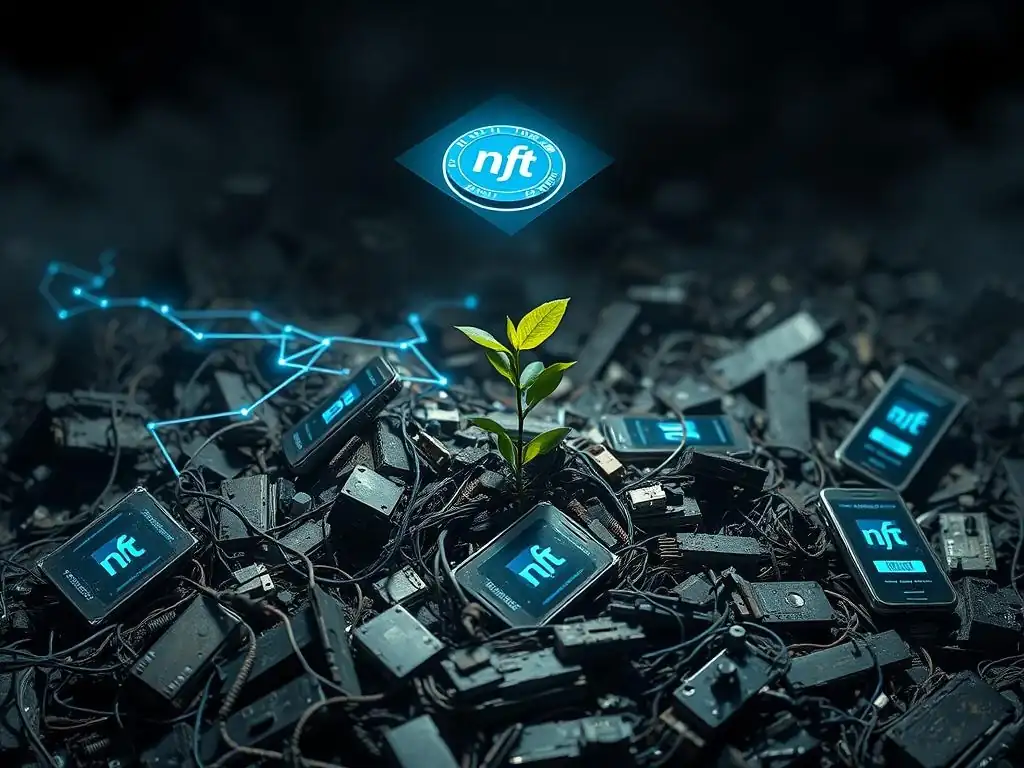
Welcome to Blockchain Trends, your compass in the rapidly evolving world of decentralized technology. Beyond the hype, lies a powerful engine for innovation, and we're here to explore it. Did you know that the seemingly ethereal realm of digital assets has a tangible impact on our planet? Dive into our latest article, " NFTs and EWaste: The Hidden Environmental Impact of Hardware," to uncover the surprising connection between Non-Fungible Tokens and the growing e-waste crisis. Prepare to rethink your digital footprint and discover the urgent need for sustainable blockchain practices.
The Environmental Impact of NFT Hardware Manufacturing
The life cycle of electronic hardware, particularly the high-performance components favored in certain corners of the NFT ecosystem, begins long before a device is ever used. It starts with the extraction of raw materials, a process fraught with significant environmental consequences. Producing the complex circuitry, batteries, and casings requires a vast array of resources, many of which are finite and challenging to obtain without causing ecological damage.
For instance, lithium, a key component in batteries powering many devices, is often extracted through processes like brine evaporation in arid regions, consuming large quantities of water and potentially contaminating groundwater. Cobalt, essential for battery cathodes, is frequently mined in areas with weak environmental regulations, leading to soil erosion, water pollution, and habitat destruction. The demand for specialized hardware, partly fueled by the growth of the NFT market on certain blockchain types, exacerbates the pressure on these sensitive environments.
Beyond battery components, the production of semiconductors and circuit boards relies heavily on rare earth elements, gold, copper, and other metals. Mining these materials can involve large-scale land disturbance, deforestation, and the generation of toxic waste. For example, the extraction and processing of rare earth elements can produce significant amounts of acidic wastewater and radioactive residues. Furthermore, the refining and purification processes for these metals are highly energy-intensive, contributing to greenhouse gas emissions. The environmental impact of NFTs and e-waste is thus deeply intertwined with the upstream manufacturing processes driven by the need for powerful, often short-lived, computing hardware.
The Carbon Footprint of Hardware Production: Manufacturing Processes and Transportation
The manufacturing phase of electronic hardware represents a substantial portion of its overall carbon footprint. Building sophisticated components like GPUs, motherboards, and memory chips requires intricate processes conducted in specialized facilities that consume enormous amounts of energy, primarily from fossil fuels. Cleanrooms, essential for semiconductor fabrication, are particularly energy-hungry due to their stringent climate control and air filtration requirements.
The assembly of these components into finished products, while less energy-intensive than fabrication, still contributes to the overall environmental burden through factory operations and material handling. This manufacturing energy consumption adds significantly to the environmental impact of NFTs and e-waste streams.
Once manufactured, electronic hardware embarks on a global journey from production facilities, often located in Asia, to consumers and businesses worldwide. This transportation network, relying on ships, planes, and trucks, adds another layer of greenhouse gas emissions to the product's life cycle.
A single high-end graphics card, potentially used for mining or complex rendering tasks related to NFTs, carries the environmental cost of its fabrication and journey. As the demand for such hardware is influenced by activities within the NFT space, understanding and mitigating the carbon footprint associated with its production and distribution becomes crucial in assessing the true environmental impact of NFTs and e-waste.
The global demand for electronic components, including those powering NFT-related activities, has significant social and ethical implications, particularly in developing countries rich in the necessary raw materials. The extraction of minerals like cobalt, tantalum, tungsten, and gold (often referred to as conflict minerals) has been linked to funding armed conflicts, forced labor, and severe human rights abuses in regions like the Democratic Republic of Congo. Reports have documented instances of child labor in artisanal cobalt mines, where workers face hazardous conditions without adequate safety measures, leading to injuries and long-term health problems.
Beyond conflict minerals, the large-scale mining operations required for materials like lithium and rare earth elements can lead to the displacement of local communities, loss of traditional livelihoods, and cultural disruption. In some areas, mining activities have resulted in land degradation, water scarcity, and the pollution of vital water sources, impacting the health and well-being of nearby populations.
The environmental impact of NFTs and e-waste is not just an ecological concern; it is also tied to these complex social and ethical issues embedded within the hardware supply chain. Addressing the environmental footprint of NFT hardware necessitates acknowledging and working to improve the conditions under which these foundational resources are sourced.
- The Environmental Impact of NFT Hardware Manufacturing
- The Carbon Footprint of Hardware Production: Manufacturing Processes and Transportation
- The Social and Ethical Implications of Resource Extraction in Developing Countries
- ### How do NFTs contribute to e-waste, even though they are digital assets?
- ### What types of hardware are most commonly associated with the environmental impact of NFTs?
- ### What are some of the potential solutions to mitigate the e-waste problem associated with NFTs?
- ### How does the energy consumption of different blockchain consensus mechanisms affect the e-waste footprint of NFTs?
- ### Are there any regulations or industry initiatives aimed at addressing the environmental impact of NFTs and blockchain technology in general?
Frequently Asked Questions
### How do NFTs contribute to e-waste, even though they are digital assets?
NFTs rely on hardware infrastructure for their creation, storage, and trading. This includes servers, computers, and networking equipment, which eventually become ewaste when outdated or broken. The lifecycle of this hardware contributes to the environmental impact.
### What types of hardware are most commonly associated with the environmental impact of NFTs?
The most significant hardware contributors are data centers powering blockchain networks, mining equipment (for proof-of-work blockchains), and the consumer devices used to access and trade NFTs.
### What are some of the potential solutions to mitigate the e-waste problem associated with NFTs?
Solutions include transitioning to more energy-efficient blockchains (like proof-of-stake), promoting the reuse and recycling of hardware, and developing sustainable NFT platforms that minimize energy consumption.
### How does the energy consumption of different blockchain consensus mechanisms affect the e-waste footprint of NFTs?
Proof-of-work blockchains, like early Ethereum, require substantial computational power, leading to higher energy consumption and faster hardware obsolescence. Proof-of-stake alternatives are significantly more energy-efficient, reducing the e-waste footprint.
### Are there any regulations or industry initiatives aimed at addressing the environmental impact of NFTs and blockchain technology in general?
Yes, growing awareness is leading to calls for greater transparency and environmental responsibility within the NFT space. Some projects and organizations are exploring carbon offsetting and other initiatives to mitigate their impact.
Final Reflection: Confronting the Digital Footprint
The exploration of NFTs and their connection to e-waste reveals a stark reality: the digital realm has a tangible, and often overlooked, environmental consequence. While NFTs promise innovation and new forms of ownership, the hardware demands of their creation and trading contribute significantly to the growing global e-waste crisis, demanding a critical re-evaluation of our digital practices.
The intersection of technology and environmental responsibility is not just a theoretical concern; it's a challenge that shapes our present and dictates our future. The realization that seemingly intangible digital assets have such a concrete and detrimental impact on the planet forces us to confront the true cost of technological advancement. We are living on this planet as if we had another one to go to.
- Terry Swearingen's words resonate deeply, urging us to consider the long-term implications of our consumption habits, both digital and physical.
As we navigate the evolving landscape of NFTs and blockchain technology, let us not forget the lessons learned here. Let us actively seek out and support sustainable practices within the digital art world. Let us demand transparency and accountability from the platforms we use. Let us, above all, remember that our digital actions have real-world consequences, and that a more sustainable future requires conscious choices and collective responsibility.
Uncover Your Role in Sustainable NFT Practices!
Thank you for exploring the often-overlooked connection between NFTs and electronic waste. Now that you understand how digital assets can impact hardware sustainability, it's time to take action toward building a more eco-friendly blockchain community.
- Choose to buy NFTs only from creators committed to energy efficiency and hardware durability. This simple step can significantly reduce electronic waste.
- Investigate platforms that prioritize environmentally friendly NFT minting and trading, and share your discoveries with the blockchain community.
- Consider researching local electronic waste recycling programs to see if they accept hardware associated with NFT creation or storage, such as outdated graphics cards or mining equipment—every effort counts!
What small change can you make today to minimize the environmental impact of your NFT activities? Share your ideas in the comments below!
Leave a Reply