
DAO Evolution: From Early Experiments to Sophisticated Decentralized Organizations


Welcome to Blockchain Trends, your guide to understanding the profound impact of blockchain technology beyond the hype.
Are you ready to witness the next stage of organizational structures? Dive in to explore the fascinating Decentralized Autonomous Organization evolution. From their nascent beginnings to the sophisticated systems emerging today, discover how DAOs are reshaping governance and collaboration in the decentralized world. Uncover the potential, the challenges, and the future of these innovative digital entities and see how they're revolutionizing industries. Intrigued? Let's begin!
- The Genesis of DAOs: Early Experiments and Their Limitations
-
Frequently Asked Questions
- How has the decentralized autonomous organization (DAO) concept evolved since its inception?
- What are some key enterprise applications of DAOs beyond the traditional cryptocurrency space?
- How are regulations shaping the future of DAO development and adoption?
- What role does Decentralized Finance (DeFi) play in the evolution of DAOs?
- What are the potential future implications of the Decentralized Autonomous Organization evolution for centralized systems?
- Final Reflection: Embracing the Decentralized Future
- Unleash Your Inner DAO Pioneer!
The Genesis of DAOs: Early Experiments and Their Limitations
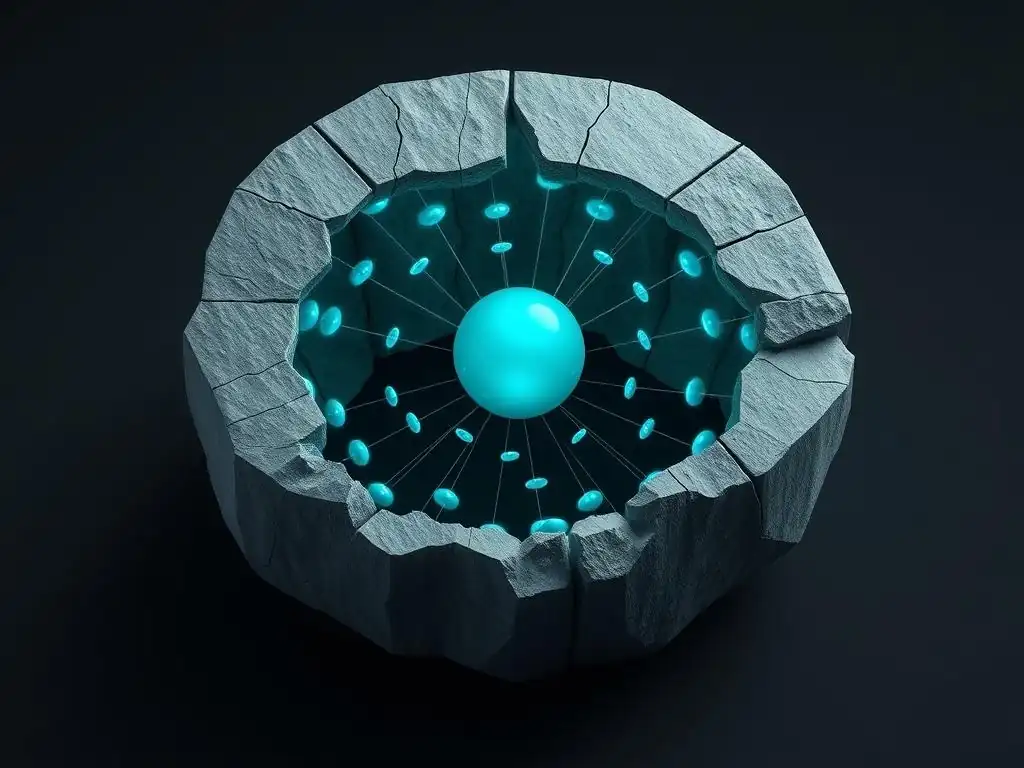
The concept of decentralized autonomous organizations (DAOs) emerged alongside early blockchain development, driven by the desire to create entities that could operate without central authority, governed by code and community consensus. This nascent period was marked by ambitious experiments seeking to leverage the transparent and immutable nature of blockchains to build new forms of collective organization. While the theoretical underpinnings were compelling, the practical implementation faced significant challenges, revealing critical vulnerabilities and steep learning curves that would profoundly influence the trajectory of decentralized autonomous organization evolution.
The initial attempts to build DAOs were bold steps into uncharted territory. These early projects aimed to automate organizational rules, manage shared resources, and execute decisions through smart contracts on a blockchain. The vision was to eliminate intermediaries, reduce corruption, and empower distributed communities. However, the immaturity of the underlying technology, coupled with a lack of established best practices for decentralized governance and smart contract security, meant that these pioneering efforts were fraught with risk, ultimately leading to setbacks that, while painful, provided invaluable lessons for the future.
The DAO (2016): A Pivotal Moment in DAO History
Perhaps the most famous and impactful early experiment was "The DAO," launched on the Ethereum network in April 2016. Intended to be a decentralized venture capital fund, The DAO allowed anyone to contribute Ether (ETH) and become a token holder, gaining the right to propose and vote on investment opportunities.
The project quickly gained significant attention and attracted a massive amount of funding, demonstrating the immense potential and interest in decentralized governance models. Within weeks of its launch, The DAO had accumulated over 11.5 million ETH, valued at approximately $150 million at the time, representing a significant portion of the total ETH supply.
However, The DAO also highlighted the inherent risks of deploying complex, unaudited smart contracts holding substantial value. Despite extensive public scrutiny and some warnings from security researchers, a critical vulnerability within its code was exploited in June 2016. An attacker was able to recursively call a function to withdraw ETH, siphoning off roughly one-third of The DAO's funds, amounting to around $50 million worth of ETH. This catastrophic event shook the nascent blockchain community and forced a difficult decision regarding the immutability of the blockchain, ultimately leading to the controversial Ethereum hard fork that reversed the stolen funds.
Lessons Learned from Early DAO Failures and Vulnerabilities
The fallout from The DAO hack served as a stark wake-up call for the entire blockchain ecosystem and was a defining moment in decentralized autonomous organization evolution. The incident underscored the critical importance of rigorous smart contract security audits and formal verification methods before deploying code that controls significant assets.
It became painfully clear that "code is law" only works if the code is perfectly secure and reflects the intended behavior, a far more complex challenge than initially appreciated. The lack of established upgrade mechanisms or emergency procedures in The DAO's design also meant that responding to the exploit was incredibly difficult, requiring extraordinary measures like the hard fork.
Furthermore, the events surrounding The DAO highlighted the intricate relationship between technical code and social consensus in decentralized systems. While the smart contract code had a bug, the response to the hack involved a community-wide debate and vote on whether to intervene via a hard fork.
This demonstrated that even in code-governed organizations, human decision-making and social layers remain crucial, particularly in unforeseen circumstances. The need for robust, clear, and adaptable governance frameworks that complement the underlying code became a central theme for subsequent DAO designs, moving beyond the simplistic "one token, one vote" models seen in some early iterations.
The Rise of Decentralized Governance: Setting the Stage for Evolution
Despite the significant setback posed by The DAO hack, the underlying appeal of decentralized governance models persisted and indeed grew stronger. The incident, while damaging, spurred a period of intense reflection, research, and development focused on building more secure, resilient, and effective decentralized structures. The desire to create organizations free from single points of control, censorship, and traditional bureaucratic inefficiencies remained a powerful motivator. The early experiments, including their failures, provided invaluable data points and practical experience that informed the design of subsequent DAO frameworks and protocols, directly influencing the path of decentralized autonomous organization evolution.
The period following The DAO saw increased focus on developing reusable DAO frameworks, improving smart contract security practices, and exploring alternative governance mechanisms beyond simple token voting. Researchers and developers began to address issues like voter apathy, plutocracy (where wealth dictates voting power), and the complexities of on-chain versus off-chain decision-making.
The push towards decentralized governance wasn't just about recreating traditional organizations on a blockchain; it was about fundamentally rethinking how groups could coordinate, allocate resources, and make decisions in a transparent and verifiable manner. This foundational period, shaped by both success and failure, set the stage for the more sophisticated and diverse DAO landscape we see today.
Frequently Asked Questions
How has the decentralized autonomous organization (DAO) concept evolved since its inception?
Early DAOs were often experimental and simplistic, focused primarily on token-based voting. The evolution has seen increased sophistication in governance models, technological infrastructure, and the types of activities DAOs undertake.
What are some key enterprise applications of DAOs beyond the traditional cryptocurrency space?
Businesses are exploring DAOs for supply chain management, decentralized project funding, and transparent governance structures. This allows for more efficient and auditable processes within organizations.
How are regulations shaping the future of DAO development and adoption?
Regulatory bodies are grappling with how to classify and govern DAOs, focusing on issues like legal liability and compliance. The evolving regulatory landscape will significantly impact the growth and structure of DAOs.
What role does Decentralized Finance (DeFi) play in the evolution of DAOs?
DeFi provides the financial infrastructure for many DAOs, enabling them to manage funds, execute transactions, and incentivize participation. This synergy is crucial for DAO sustainability and growth.
What are the potential future implications of the Decentralized Autonomous Organization evolution for centralized systems?
DAOs offer a potential alternative to traditional hierarchical structures, promoting greater transparency and participation. This could lead to a shift towards more decentralized and collaborative organizational models in various sectors.
Final Reflection: Embracing the Decentralized Future
The journey of DAOs, as we've explored, is far from over; it's merely in its nascent stages. The evolution of decentralized autonomous organizations is not just a technological advancement, but a fundamental shift in how we organize and collaborate. The early experiments, the challenges faced, and the sophisticated structures emerging today all point to a future where power is more distributed and participation is more accessible. This isn't just about code; it's about reimagining governance itself.
The impact of DAOs on the cultural and social landscape is already palpable, and its potential is immense. Witnessing the rise of these organizations, and their ability to empower communities and drive innovation, fills me with a sense of optimism. The promise of true ownership and collective decision-making is a powerful antidote to the centralized systems that have long dominated our world. Never doubt that a small group of thoughtful, committed citizens can change the world; indeed, it's the only thing that ever has.
- Margaret Mead. This quote resonates deeply with the spirit of DAOs, highlighting the transformative power of collective action.
As we stand at the cusp of this decentralized future, I invite you to reflect on your own role in shaping it. How can you contribute to the development of more equitable and transparent systems? How can you leverage the power of DAOs to build a better world? The future of decentralized autonomous organizations is not predetermined; it is being written by each of us, one block at a time. Embrace the challenge, explore the possibilities, and become an active participant in the DAO evolution.
Unleash Your Inner DAO Pioneer!
Thank you for exploring the evolving world of DAOs with us! We hope this article illuminated the journey from early experiments to the sophisticated decentralized organizations we see today. Now, let's turn that knowledge into action!
Here are a few ways to dive deeper and become a part of the DAO revolution:
- Launch Your Own Mini-DAO: Start small! Experiment with a decentralized group to manage a shared resource with friends or colleagues. You can use existing DAO tooling to manage a shared Spotify Premium subscription, allocate grocery funds for communal living, or even coordinate a small online community project!
- Explore and Contribute: Identify a DAO aligned with your interests (governance, DeFi, art, etc.) and actively participate in their discussions and proposals. Contributing to the DAO will enable you to understand better how they are run.
- Share your insights! Spread the word about your favourite DAO projects or the ideas explored in this article on social media and spark a conversation with fellow blockchain enthusiasts.
So, which problem will you tackle with the power of decentralized collaboration?
Leave a Reply