
NFT Art vs. Collectibles: Which Investment Path Aligns with Your Goals?

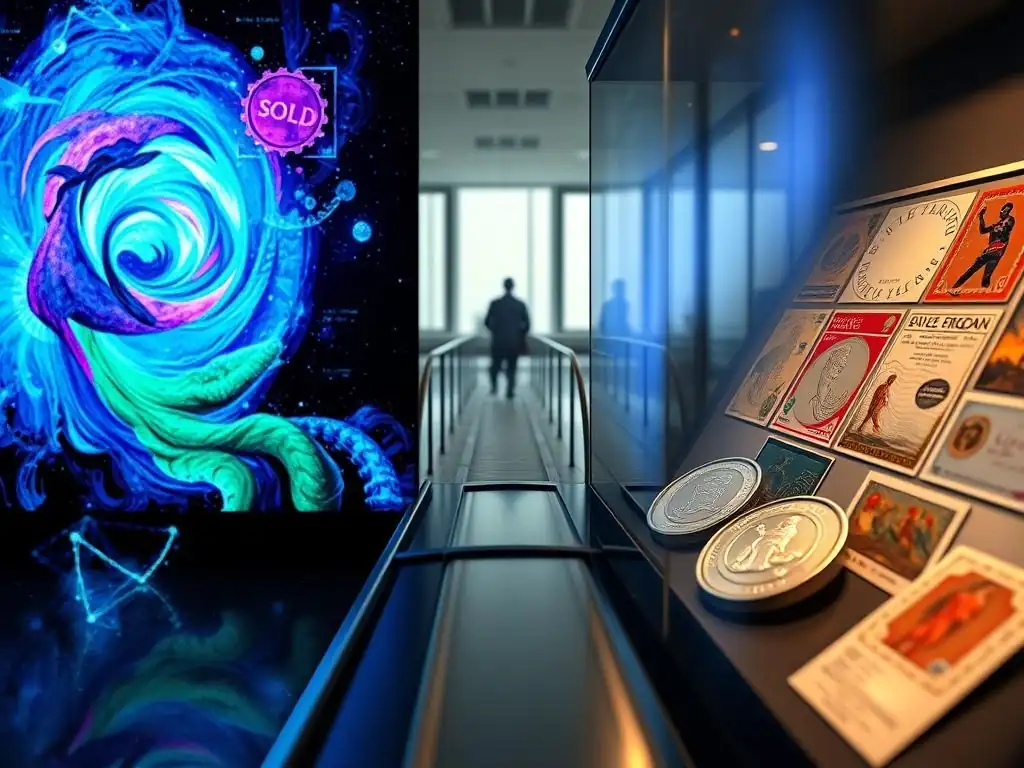
Welcome to Blockchain Trends, your guide to navigating the revolutionary world of blockchain technology! Beyond the hype of cryptocurrencies, discover how blockchain is reshaping industries, from decentralized finance (DeFi) to enterprise solutions. Are you ready to explore the exciting intersection of art and technology?
This week, we delve into the burgeoning world of digital art investment with a focused look at crafting your ideal NFT art investment strategy. But before you dive in, consider this: is NFT art truly the best path, or are digital collectibles a more suitable fit for your investment goals? Let's unravel the potential and pitfalls together – keep reading to find out!
Successful NFT Art Investment Case: Beeple's "Everydays"
One of the most prominent examples illustrating the potential, albeit speculative, nature of an NFT art investment strategy is the sale of Beeple's "Everydays: The First 5000 Days." This piece, a digital collage comprising 5,000 images created daily over 13 years by the artist Mike Winkelmann (known as Beeple), was auctioned by Christie's in March 2021. The final sale price reached a staggering $69.3 million, including auction house fees.
This landmark sale not only shattered previous records for digital art but also propelled NFTs into global consciousness, demonstrating the immense value that could be attributed to verified digital scarcity and ownership on the blockchain. The buyer, Vignesh Sundaresan (under the pseudonym Metakovan), publicly stated his belief in the long-term value of this unique digital asset, viewing it not just as art but as a foundational piece in the history of digital ownership.
The "Everydays" sale highlighted several aspects crucial to an NFT art investment strategy, including the power of provenance, the artist's reputation, and the cultural significance of the work. Beeple had cultivated a substantial following through his consistent daily digital art practice over many years, building a brand and perceived value before entering the NFT space.
The auction at a traditional, prestigious institution like Christie's also lent significant credibility and exposure to the sale. While this case represents an extreme outlier in terms of price, it underscored that for certain rare, culturally significant, or historically important digital works by established artists, the market was willing to pay prices comparable to physical masterpieces, influencing subsequent approaches to digital art investment.
- What are the main differences between investing in NFT art and NFT collectibles?
- How does an NFT art investment strategy differ from a traditional art investment strategy?
- What are some key risks to consider when developing an NFT art investment strategy?
- What are the benefits of diversifying an NFT art investment strategy beyond a single artist or collection?
- How can I assess the long-term value and potential of an NFT art investment?
Frequently Asked Questions
What are the main differences between investing in NFT art and NFT collectibles?
NFT art is often valued for its aesthetic appeal and rarity, while NFT collectibles derive value from brand association and community engagement. The investment strategy differs based on these underlying factors.
How does an NFT art investment strategy differ from a traditional art investment strategy?
While both involve assessing rarity and artist reputation, NFT art adds layers like smart contract security and digital provenance. The market is also more volatile and accessible globally.
What are some key risks to consider when developing an NFT art investment strategy?
Key risks include market volatility, the potential for fraudulent NFTs, and the evolving regulatory landscape surrounding digital assets. Due diligence is crucial.
What are the benefits of diversifying an NFT art investment strategy beyond a single artist or collection?
Diversification reduces risk by spreading investments across multiple artists, styles, and platforms. This mitigates the impact of any single asset's underperformance.
How can I assess the long-term value and potential of an NFT art investment?
Consider factors like artist's history, community support, rarity, and the overall trend of the NFT market. Thorough research is essential for informed decisions.
The digital art world, once a niche interest, has exploded into a vibrant and complex marketplace, and understanding the nuances between NFT art and collectibles is now crucial for any investor seeking to navigate this exciting frontier. This distinction, as we've explored, is not merely semantic; it represents fundamentally different investment strategies, risk profiles, and potential returns. Ignoring these differences can lead to misinformed decisions and missed opportunities in the burgeoning NFT space.
The rise of NFTs has undeniably reshaped how we perceive ownership and value in the digital age. This shift, driven by technological innovation and a growing appetite for digital assets, presents both immense opportunities and significant challenges. The ability to own a unique piece of digital art or a rare collectible has democratized access to the art market and empowered creators in unprecedented ways. The value of a thing is simply the amount of labor or sacrifice that someone will expend to acquire it.
- Henry David Thoreau. This quote resonates deeply within the NFT space, where perceived value is often driven by community, rarity, and artistic merit.
As you consider your own journey into the world of NFTs, remember that informed decision-making is paramount. Take the time to understand your investment goals, assess your risk tolerance, and research the specific projects and artists that resonate with you. Let the insights shared here serve as a compass, guiding you towards a fulfilling and potentially lucrative experience in the ever-evolving landscape of NFT art investment.
Unleash Your Inner NFT Investor!
Thank you for exploring the world of NFT art and collectibles! We hope this article clarified the key differences and helped you identify your investment goals. Now, it's time to take the next step!
Here's how you can move forward:
- Start by understanding your personal investment style: Are you attracted to the artistic creativity or the strategic aspects of collectibles?: Knowing this will help shape your NFT journey.
- Explore specialized marketplaces. Platforms often focus on particular types of art or collectibles. Finding the right one can significantly improve your chances of success.
- Share this article with a friend who's also interested in NFTs. Discussing these topics can deepen your understanding and refine your approach.
Which NFT community interests you the most, and what projects are you researching first? Share your thoughts in the comments below!
Leave a Reply