
DLT in Supply Chain Management: Enhancing Efficiency and Transparency

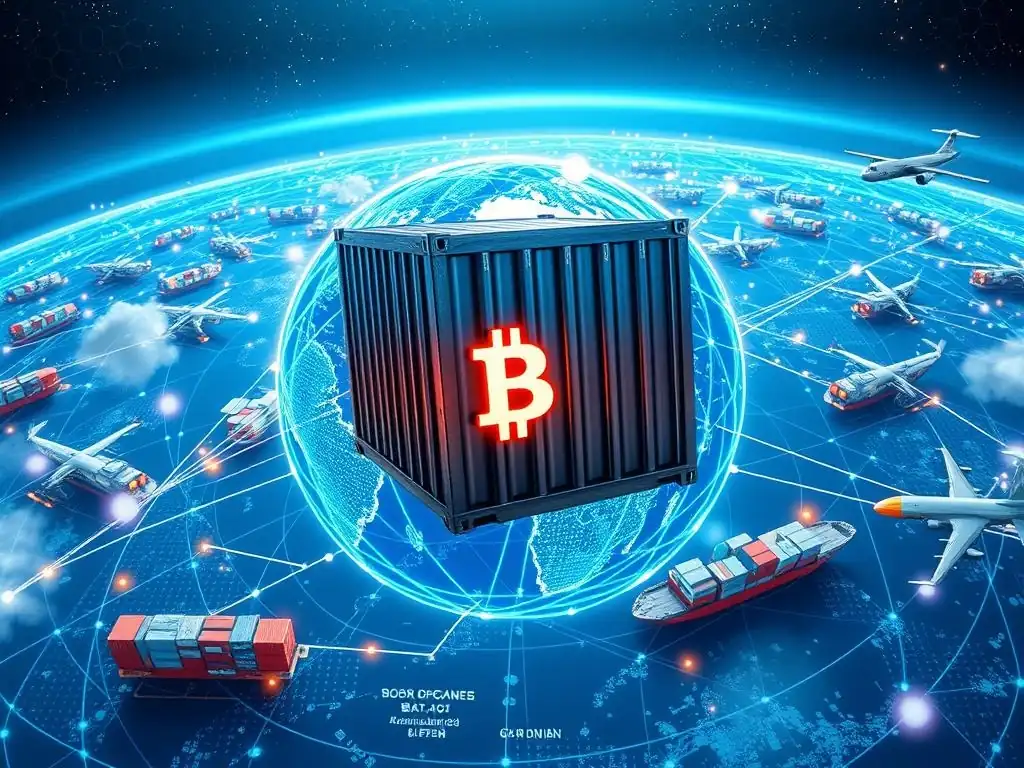
Welcome to Blockchain Trends, your portal to understanding the real-world impact of blockchain technology. Beyond the hype, discover how this groundbreaking innovation is reshaping industries.
Intrigued by the promise of efficiency and trust? Dive into our deep dive on DLT in Supply Chain Management and uncover the blockchain supply chain transparency benefits that are revolutionizing how goods are tracked and verified. Prepare to explore the future of decentralized systems and how they're building a more transparent and accountable world.
DLT in Supply Chain Management: Enhancing Efficiency and Transparency
- Introduction: Revolutionizing Supply Chains with Distributed Ledger Technology (DLT)
- The Current Challenges in Supply Chain Management
- How DLT Addresses Supply Chain Challenges: Blockchain Supply Chain Transparency Benefits
- Key Applications of DLT in Supply Chain Management
- Implementing DLT in Your Supply Chain: A Step-by-Step Guide
- Real-World Examples of DLT in Supply Chain Management
- Benefits of Blockchain Technology for Supply Chain Optimization: A Deeper Dive
- Overcoming the Challenges of DLT Adoption in Supply Chains
- The Future of DLT in Supply Chain Management: Trends and Predictions
- Conclusion: Embracing DLT for a More Transparent and Efficient Supply Chain Future
-
Frequently Asked Questions
- What are the primary benefits of using blockchain for supply chain management?
- How does Distributed Ledger Technology (DLT) contribute to supply chain transparency?
- Can blockchain help address issues of counterfeiting in supply chains?
- What are some examples of enterprise applications of blockchain in supply chain management?
- What are the regulatory considerations for implementing blockchain in supply chain management?
- Final Reflection: Embracing Blockchain's Transparent Future
- Embrace the Future: Revolutionize Your Supply Chain Today!
Introduction: Revolutionizing Supply Chains with Distributed Ledger Technology (DLT)
Understanding the Fundamentals of DLT and its Relevance to Supply Chain Management
Distributed Ledger Technology (DLT) represents a paradigm shift in data management, moving away from centralized databases towards a decentralized, distributed, and often immutable record-keeping system. At its core, DLT involves a network of computers, each holding an identical copy of a database, ensuring transparency and security through cryptographic principles. This shared and synchronized digital ledger eliminates the need for a central authority, fostering trust and collaboration among participants. The most well-known application of DLT is blockchain, but the term encompasses a broader range of technologies with similar decentralized characteristics.
The relevance of DLT to supply chain management is profound. Traditional supply chains are often characterized by fragmented data silos, lack of real-time visibility, and reliance on intermediaries, leading to inefficiencies and increased risks. DLT offers a solution by providing a shared, transparent, and secure platform for all stakeholders within the supply chain ecosystem. This shared ledger can track goods, verify transactions, and automate processes, ultimately fostering greater efficiency, transparency, and trust throughout the entire supply chain network.
The Growing Need for Transparency and Efficiency in Modern Supply Chains
In today's interconnected and increasingly complex global marketplace, the demand for transparency and efficiency in supply chains is no longer a luxury but a necessity. Consumers are increasingly conscious of the origins and ethical implications of the products they purchase, demanding greater visibility into sourcing, manufacturing, and distribution processes. A 2022 study by Nielsen found that 73% of global consumers feel positively about brands that are transparent about where their products come from and how they are made. This heightened consumer awareness drives businesses to seek solutions that can provide verifiable and trustworthy information about their supply chains.
Furthermore, efficiency is crucial for maintaining competitiveness and profitability in a fast-paced global economy. Inefficiencies in supply chains, such as delays, errors, and lack of coordination, can lead to increased costs, lost sales, and damaged reputations. For example, according to a report by McKinsey, supply chain disruptions can cost companies up to 45% of one year’s earnings before interest, taxes, depreciation, and amortization. DLT offers a powerful tool to address these needs by streamlining processes, improving communication, and fostering greater trust and collaboration among supply chain partners, ultimately leading to more transparent and efficient operations.
The Current Challenges in Supply Chain Management
Lack of Traceability and Visibility in Traditional Supply Chains
Traditional supply chains often suffer from a significant lack of traceability and visibility, creating opacity that hinders efficiency and increases risk. Information is typically siloed across different entities – manufacturers, distributors, retailers, and logistics providers – each using disparate systems and often relying on manual, paper-based processes. This fragmentation makes it incredibly difficult to track products as they move through the supply chain, leading to a 'black box' scenario where the origin, journey, and handling of goods are largely unknown beyond immediate trading partners.
This lack of visibility has significant consequences. For instance, in the food industry, the inability to quickly trace the source of contaminated products during a foodborne illness outbreak can lead to widespread recalls, significant financial losses, and damage to public health.
A 2018 investigation by the US Food and Drug Administration (FDA) found that it took an average of 56 days to trace the source of contaminated spinach involved in an E. coli outbreak. Similarly, in the fashion industry, the lack of traceability makes it challenging to verify ethical sourcing and labor practices, contributing to concerns about human rights abuses and environmental damage.
Inefficient Processes and Communication Gaps
Inefficiency and communication gaps are endemic to many traditional supply chains, stemming from reliance on manual processes, fragmented systems, and a lack of real-time information sharing. Paper-based documentation, such as invoices, bills of lading, and customs forms, are still prevalent, leading to delays, errors, and increased administrative costs. Manual data entry and reconciliation across different systems are time-consuming and prone to human error, further hindering efficiency.
Communication between supply chain partners is often slow and unreliable, relying on emails, phone calls, and faxes, leading to misunderstandings, delays in decision-making, and increased lead times. These communication gaps are particularly problematic in global supply chains, where time zone differences and language barriers can exacerbate inefficiencies. For example, a study by the Aberdeen Group found that companies with poor supply chain visibility experience 2.5 times longer order cycle times compared to companies with high visibility. These inefficiencies directly impact profitability and customer satisfaction.
Risk of Counterfeiting and Fraudulent Activities
The complex and opaque nature of traditional supply chains creates fertile ground for counterfeiting and fraudulent activities, posing significant risks to businesses and consumers alike. Counterfeit goods, ranging from pharmaceuticals and electronics to luxury goods and apparel, infiltrate supply chains, undermining brand reputation, causing financial losses, and, in some cases, endangering consumer safety.
The global trade in counterfeit goods is estimated to be worth hundreds of billions of dollars annually. The OECD and EUIPO estimated in a 2021 report that international trade in counterfeit and pirated products amounted to as much as USD 464 billion in 2019, representing 2.5% of world trade.
Fraudulent activities, such as product diversion, cargo theft, and documentation fraud, further plague supply chains, adding costs and disrupting operations. The lack of transparency and traceability makes it difficult to detect and prevent these illicit activities, allowing them to flourish. For instance, in the pharmaceutical industry, counterfeit drugs pose a serious threat to public health, as they may contain incorrect dosages, harmful ingredients, or no active ingredients at all. The World Health Organization (WHO) estimates that 1 in 10 medical products in low- and middle-income countries are substandard or falsified.
How DLT Addresses Supply Chain Challenges: Blockchain Supply Chain Transparency Benefits
Enhanced Traceability: Tracking Products from Origin to Consumer
DLT, particularly blockchain technology, offers a powerful solution to the lack of traceability in traditional supply chains, enabling the tracking of products from their origin to the final consumer with unprecedented granularity. By recording each step of a product's journey on a shared, immutable ledger, DLT creates a comprehensive and auditable history of its provenance. This includes information about the product's origin, manufacturing process, handling, storage conditions, and ownership changes throughout the supply chain.
This enhanced traceability provides numerous benefits. For consumers, it offers assurance about the authenticity and origin of products, particularly important for goods with high value or safety implications, such as food, pharmaceuticals, and luxury items. For businesses, it allows for quicker and more efficient product recalls in case of defects or contamination, reducing costs and minimizing reputational damage.
For example, if a batch of contaminated food is identified, DLT can quickly pinpoint the source of the contamination and trace all affected products, enabling targeted recalls and preventing wider spread of the issue. This enhanced traceability is a core blockchain supply chain transparency benefit.
Improved Transparency: Real-Time Visibility for All Stakeholders
Beyond enhanced traceability, DLT significantly improves overall supply chain transparency by providing real-time visibility to all authorized stakeholders. Instead of information being siloed within individual organizations, DLT creates a shared, synchronized view of supply chain data, accessible to all participants with permission. This eliminates information asymmetries and fosters a more collaborative and trustworthy environment.
Real-time visibility allows stakeholders to monitor the movement of goods, track inventory levels, and anticipate potential disruptions proactively. For instance, manufacturers can track the location of raw materials and components in transit, allowing them to adjust production schedules based on real-time information. Retailers can monitor inventory levels across their supply chain, optimizing stock levels and reducing stockouts. Consumers can potentially access information about the origin and journey of their products directly through QR codes or other interfaces linked to the DLT platform. This level of transparency, driven by DLT, is a key blockchain supply chain transparency benefit.
Increased Efficiency: Streamlining Processes and Reducing Delays
DLT can dramatically increase supply chain efficiency by streamlining processes and reducing delays associated with traditional, paper-based systems and manual data entry. Smart contracts, self-executing agreements coded on the blockchain, can automate various supply chain processes, such as payment processing, shipment verification, and customs clearance. These smart contracts trigger actions automatically when pre-defined conditions are met, eliminating the need for manual intervention and reducing processing times.
For example, a smart contract can be designed to automatically release payment to a supplier once a shipment has been verified as delivered and received in good condition. This eliminates the need for manual invoice processing and payment reconciliation, accelerating the payment cycle and reducing administrative overhead. Furthermore, DLT can facilitate faster customs clearance by providing customs authorities with real-time access to shipment data and documentation, reducing delays at borders. These efficiencies translate directly to cost savings and faster delivery times, highlighting another significant blockchain supply chain transparency benefit, which inherently leads to efficiency gains.
Reduced Risk of Fraud: Immutable Records and Secure Transactions
The inherent security features of DLT, particularly its immutability and cryptographic security, significantly reduce the risk of fraud and counterfeiting in supply chains. Once data is recorded on a DLT ledger, it is virtually impossible to alter or delete, creating an immutable audit trail of all transactions and product movements. This immutability makes it much more difficult for fraudsters to tamper with records or introduce counterfeit products into the supply chain without detection.
Cryptographic techniques, such as hashing and digital signatures, further enhance security by ensuring the authenticity and integrity of data recorded on the DLT ledger. Digital signatures verify the identity of participants and ensure that data has not been tampered with. This robust security framework makes DLT a powerful tool for combating counterfeiting, verifying product authenticity, and building trust among supply chain partners. The reduced risk of fraud, enabled by DLT's secure and immutable nature, is a crucial blockchain supply chain transparency benefit that protects businesses and consumers alike.
Key Applications of DLT in Supply Chain Management
Food Supply Chain Traceability: Ensuring Food Safety and Authenticity
One of the most prominent applications of DLT in supply chain management is enhancing food supply chain traceability to ensure food safety and authenticity. Given the complex and global nature of modern food supply chains, tracking food products from farm to fork is a significant challenge. DLT provides a solution by creating a transparent and auditable record of the food journey, from origin to consumption.
For example, companies are using DLT to track seafood from fishing vessels to restaurants, providing consumers with information about the origin, catch method, and handling of their fish. Provenance, a blockchain platform, has been used to track tuna, allowing consumers to scan a QR code and verify the fish's origin and journey. Similarly, IBM Food Trust, built on blockchain technology, is used by major food retailers like Walmart and Carrefour to track various food products, improving food safety and reducing response times in case of foodborne illness outbreaks.
Walmart, for instance, mandates its leafy green suppliers to use IBM Food Trust, aiming to trace the origin of produce within seconds, down from days or weeks using traditional methods. This application directly leverages blockchain supply chain transparency benefits to improve food safety and consumer trust.
Pharmaceutical Supply Chain Management: Preventing Counterfeit Drugs
The pharmaceutical industry is heavily impacted by counterfeit drugs, posing a serious threat to public health. DLT offers a powerful tool to combat this issue by enhancing pharmaceutical supply chain management and preventing counterfeit drugs from entering the market. By tracking pharmaceutical products at each stage of the supply chain, from manufacturing to dispensing, DLT creates an auditable record of provenance and custody, making it easier to verify the authenticity of drugs and identify counterfeit products.
Several initiatives are underway to implement DLT in the pharmaceutical supply chain. For example, the Drug Supply Chain Security Act (DSCSA) in the United States mandates the implementation of a system to track and trace prescription drugs throughout the supply chain. DLT is being explored as a potential technology to meet these requirements. Companies like MediLedger are developing blockchain-based solutions to improve drug traceability and combat counterfeiting. These efforts aim to leverage blockchain supply chain transparency benefits to safeguard the pharmaceutical supply chain and protect patients from counterfeit medications.
Logistics and Transportation: Optimizing Delivery Routes and Tracking Shipments
DLT is being applied in logistics and transportation to optimize delivery routes, track shipments in real-time, and improve overall efficiency. Traditional logistics processes often involve multiple intermediaries, paper-based documentation, and a lack of real-time visibility, leading to delays and increased costs. DLT can streamline these processes by creating a shared platform for all stakeholders involved in the transportation of goods, including shippers, carriers, and logistics providers.
For instance, DLT can be used to create digital bills of lading, eliminating the need for paper-based documentation and reducing processing times. Real-time tracking of shipments can be enabled by integrating DLT with IoT devices, providing visibility into the location and condition of goods in transit. Maersk and IBM have partnered to create TradeLens, a blockchain-based platform for global trade and shipping, aiming to improve efficiency, reduce costs, and enhance transparency in the shipping industry. This application demonstrates how blockchain supply chain transparency benefits extend to logistics and transportation, optimizing operations and reducing inefficiencies.
Manufacturing and Production: Managing Inventory and Supply Chain Finance
In manufacturing and production, DLT is being explored for applications such as managing inventory, optimizing production planning, and streamlining supply chain finance. Efficient inventory management is crucial for manufacturers to minimize costs and meet customer demand. DLT can provide real-time visibility into inventory levels across the supply chain, enabling better forecasting and reducing stockouts or overstocking.
Furthermore, DLT can streamline supply chain finance processes, such as invoice financing and trade financing, by providing greater transparency and security to financial transactions. Smart contracts can automate payment processes and reduce the risk of fraud in trade finance. For example, DLT platforms can facilitate faster and more secure payments between manufacturers and suppliers, improving cash flow and reducing transaction costs. These applications in manufacturing and production highlight the broad applicability of blockchain supply chain transparency benefits across various aspects of supply chain management.
Implementing DLT in Your Supply Chain: A Step-by-Step Guide
Step 1: Identifying Key Pain Points and Objectives
The first crucial step in implementing DLT in your supply chain is to clearly identify the key pain points and define specific objectives. This involves a thorough assessment of your current supply chain operations to pinpoint areas where inefficiencies, lack of transparency, or security risks are most prominent. Are you facing challenges with traceability, visibility, fraud, delays, or high costs? Understanding these pain points will guide the selection of appropriate DLT solutions and ensure that implementation efforts are focused on addressing the most critical issues.
Defining clear objectives is equally important. What do you hope to achieve by implementing DLT? Are you aiming to improve product traceability, enhance transparency for consumers, reduce fraud, streamline processes, or achieve cost savings? Specific, measurable, achievable, relevant, and time-bound (SMART) objectives should be established to provide a roadmap for implementation and allow for effective performance evaluation. For example, an objective could be to "reduce product recall time by 50% within one year of DLT implementation." Clearly defined pain points and objectives are fundamental to realizing the blockchain supply chain transparency benefits.
Step 2: Selecting the Right DLT Platform and Technology
Once pain points and objectives are defined, the next step is to select the right DLT platform and technology that best suits your specific needs and requirements. There are various DLT platforms available, ranging from public blockchains like Ethereum and Hyperledger Fabric to private and permissioned blockchains. The choice of platform will depend on factors such as the desired level of transparency, security requirements, scalability needs, and the level of control you need over the network.
Considerations include whether a public, permissioned, or private blockchain is most appropriate. Public blockchains offer maximum transparency and decentralization but may have scalability limitations. Permissioned blockchains offer a balance between transparency and control, suitable for consortia and enterprise applications. Private blockchains offer maximum control and privacy but may sacrifice some of the benefits of decentralization. Evaluate factors like transaction throughput, consensus mechanisms, smart contract capabilities, and integration with existing systems when selecting a DLT platform. Choosing the right platform is crucial for effectively leveraging blockchain supply chain transparency benefits.
Step 3: Onboarding Suppliers and Stakeholders
Successful DLT implementation in supply chains requires the onboarding of suppliers and other key stakeholders. DLT is inherently a collaborative technology, and its benefits are maximized when all relevant participants in the supply chain network are actively involved. This step involves engaging with your suppliers, logistics providers, distributors, and other partners to educate them about the benefits of DLT and encourage their participation in the DLT network.
Onboarding may involve addressing concerns about data privacy, security, and the learning curve associated with new technologies. Providing clear communication, training, and support to stakeholders is essential for smooth onboarding. Incentivizing participation by highlighting the mutual benefits of DLT, such as increased efficiency, reduced costs, and improved transparency for all parties involved, is also crucial. A collaborative approach to onboarding stakeholders is key to unlocking the full potential of blockchain supply chain transparency benefits across the entire network.
Step 4: Developing and Implementing Smart Contracts

Smart contracts are a key component of DLT solutions in supply chains, enabling the automation of processes and the enforcement of agreements in a transparent and secure manner. Developing and implementing smart contracts tailored to your specific supply chain processes is a critical step in DLT implementation. This involves identifying processes that can be automated using smart contracts, such as payment processing, shipment verification, quality control checks, and contract enforcement.
Smart contracts need to be carefully designed and coded to accurately reflect the desired business logic and ensure security and reliability. Testing and validation of smart contracts are essential before deployment to prevent errors and vulnerabilities. Consider engaging with experienced smart contract developers to ensure the quality and security of your smart contracts. Well-designed and implemented smart contracts are crucial for realizing the efficiency gains and blockchain supply chain transparency benefits offered by DLT.
Step 5: Monitoring and Evaluating Performance
The final step in DLT implementation is to establish mechanisms for monitoring and evaluating the performance of the DLT solution and its impact on your supply chain operations. This involves tracking key performance indicators (KPIs) that align with your initial objectives, such as product traceability times, fraud rates, process efficiency metrics, and cost savings. Regular monitoring of these KPIs will provide insights into the effectiveness of the DLT solution and identify areas for improvement.
Performance evaluation should be an ongoing process, allowing for continuous optimization and adaptation of the DLT solution as needed. Gathering feedback from stakeholders and users of the DLT platform is also valuable for identifying areas for improvement and ensuring that the solution meets their needs. Regular monitoring and evaluation are essential for maximizing the long-term value and blockchain supply chain transparency benefits of your DLT implementation.
Real-World Examples of DLT in Supply Chain Management
Provenance's Tuna Tracking: Enhancing Seafood Traceability
Provenance, a blockchain platform, provides a compelling real-world example of DLT's application in enhancing seafood traceability. They partnered with a tuna fishing company in Indonesia to track tuna from the point of catch to consumers. Using blockchain technology, Provenance created a transparent and auditable record of each tuna's journey, including details about the fishing vessel, fishing location, catch date, and processing steps.
Consumers can scan a QR code on the tuna packaging to access this information, verifying the fish's origin and journey, and ensuring they are purchasing sustainably and ethically sourced seafood. This initiative not only enhances blockchain supply chain transparency benefits for consumers but also helps combat illegal fishing and promotes sustainable fishing practices. Provenance's tuna tracking example demonstrates the practical feasibility and impact of DLT in improving traceability in complex global supply chains.
IBM Food Trust: Improving Food Safety and Transparency
IBM Food Trust is another prominent real-world example of DLT in supply chain management, focused on improving food safety and transparency. This blockchain-based platform brings together food producers, processors, distributors, and retailers to create a shared, immutable record of food products throughout the supply chain. Major food retailers like Walmart and Carrefour are using IBM Food Trust to track various food products, including leafy greens, mangoes, and poultry.
Walmart, for example, mandates its leafy green suppliers to use IBM Food Trust, requiring them to upload traceability data to the platform. This has significantly reduced the time it takes to trace the origin of produce in case of foodborne illness outbreaks, from days or weeks to seconds. IBM Food Trust demonstrates the scalability and effectiveness of DLT in enhancing food safety, improving supply chain efficiency, and providing significant blockchain supply chain transparency benefits for both businesses and consumers.
Benefits of Blockchain Technology for Supply Chain Optimization: A Deeper Dive
Cost Reduction Through Automation and Efficiency Gains
Blockchain technology offers significant potential for cost reduction in supply chains through automation and efficiency gains. As previously discussed, smart contracts automate various processes, such as payment processing, contract execution, and shipment verification, reducing the need for manual intervention and associated labor costs. Digitizing paper-based processes and streamlining data exchange through a shared ledger further reduces administrative overhead and processing times.
For instance, reduced paperwork translates to lower printing, storage, and handling costs. Faster transaction processing speeds up payment cycles, improving cash flow and potentially reducing financing costs. Increased efficiency in logistics and transportation, such as optimized delivery routes and reduced delays, lowers transportation costs and minimizes waste. These combined efficiency gains and automation capabilities translate directly into substantial cost savings across the supply chain, demonstrating a key blockchain supply chain transparency benefit that also drives economic value.
Improved Collaboration and Trust Among Supply Chain Partners
Blockchain fosters improved collaboration and trust among supply chain partners by providing a shared, transparent, and immutable platform for data exchange and transactions. Traditional supply chains often suffer from a lack of trust and information asymmetry, hindering collaboration and efficiency. Blockchain addresses these issues by creating a single source of truth that is accessible to all authorized participants, fostering greater transparency and accountability.
The shared ledger eliminates the need for intermediaries to verify data and transactions, reducing friction and delays in communication and collaboration. Smart contracts automate agreements and ensure that terms are enforced transparently and impartially, building trust among partners. This improved collaboration and trust leads to more efficient decision-making, faster problem-solving, and stronger relationships among supply chain participants, further amplifying the blockchain supply chain transparency benefits.
Enhanced Data Security and Integrity
Enhanced data security and integrity are inherent benefits of blockchain technology, crucial for protecting sensitive supply chain data and preventing fraud. The decentralized and distributed nature of blockchain makes it highly resistant to cyberattacks and single points of failure. Data is encrypted and secured using cryptographic techniques, ensuring confidentiality and preventing unauthorized access or modification.
The immutability of blockchain records ensures data integrity, preventing tampering or alteration of transaction history. This robust security framework is particularly important in supply chains where sensitive data, such as product specifications, pricing information, and supplier details, is exchanged among multiple parties. Blockchain's enhanced data security and integrity not only protect against fraud and cyber threats but also build trust and confidence in the accuracy and reliability of supply chain data, a critical blockchain supply chain transparency benefit related to data assurance.
Increased Supply Chain Resilience and Agility
Blockchain can contribute to increased supply chain resilience and agility, enabling businesses to better withstand disruptions and adapt to changing market conditions. The decentralized and distributed nature of blockchain makes supply chains less vulnerable to single points of failure. If one node in the network fails, the rest of the network continues to operate, ensuring business continuity.
Real-time visibility provided by blockchain allows businesses to anticipate and respond to disruptions more quickly and effectively. For example, if a natural disaster disrupts a key supplier, real-time visibility into inventory levels and supply chain flows enables businesses to identify alternative suppliers and reroute shipments promptly. Furthermore, the increased transparency and collaboration facilitated by blockchain enhance supply chain agility, allowing businesses to adapt to changing customer demands and market trends more efficiently. This resilience and agility are indirect blockchain supply chain transparency benefits that contribute to long-term supply chain stability and competitiveness.
Overcoming the Challenges of DLT Adoption in Supply Chains
Scalability Issues and Potential Solutions
Scalability is a significant challenge for DLT adoption in supply chains, particularly for public blockchains. Many public blockchains have limitations on transaction throughput, which may not be sufficient to handle the high volume of transactions in large, complex supply chains. For example, early generations of blockchain technologies like Bitcoin have faced scalability concerns.
However, various solutions are being developed to address scalability issues. Layer-2 scaling solutions, such as sidechains and state channels, are designed to increase transaction throughput without compromising security or decentralization. Permissioned blockchains, like Hyperledger Fabric, are designed for enterprise applications and often offer higher scalability compared to public blockchains. Consortium blockchains, where multiple organizations collaborate on a shared blockchain network, can also distribute the transaction load and improve scalability. Ongoing technological advancements are continually improving the scalability of DLT solutions for supply chain applications.
Interoperability Challenges and Standards Development
Interoperability is another key challenge for widespread DLT adoption in supply chains. Different DLT platforms and systems may not be compatible with each other, creating silos and hindering seamless data exchange across different supply chain networks. The lack of common standards and protocols for DLT interoperability can limit the potential for broader adoption and network effects.
Efforts are underway to develop interoperability standards and protocols for DLT in supply chains. Organizations like the Blockchain in Transport Alliance (BiTA) and GS1 are working on developing industry-specific standards to promote interoperability and facilitate seamless data exchange between different DLT platforms. Technological solutions, such as cross-chain bridges and atomic swaps, are also being developed to enable interoperability between different blockchains. Addressing interoperability challenges through standards development and technological solutions is crucial for realizing the full potential of DLT in creating interconnected and efficient supply chain networks.
Regulatory Uncertainty and Compliance Considerations
Regulatory uncertainty and compliance considerations pose challenges for DLT adoption in supply chains. The legal and regulatory landscape surrounding blockchain technology is still evolving, and there is a lack of clear regulations in many jurisdictions regarding the use of DLT in supply chains. Issues such as data privacy, data ownership, and cross-border data transfer need to be addressed from a regulatory perspective.
Compliance with existing regulations, such as GDPR for data privacy in Europe and industry-specific regulations for food safety or pharmaceutical traceability, is also a crucial consideration for DLT implementation in supply chains. Businesses need to carefully navigate the regulatory landscape and ensure that their DLT solutions comply with applicable laws and regulations. Engaging with legal experts and policymakers to clarify regulatory frameworks and promote regulatory clarity is essential for fostering responsible and compliant DLT adoption in supply chains.
Data Privacy Concerns and Mitigation Strategies
Data privacy concerns are paramount when implementing DLT in supply chains, particularly given the sensitive nature of supply chain data. While blockchain offers enhanced security, it also raises questions about data privacy, especially in public or permissioned blockchain environments where data is shared among multiple participants. Balancing transparency with data privacy is a key challenge.
Various mitigation strategies can be employed to address data privacy concerns. Permissioned blockchains offer greater control over data access and visibility compared to public blockchains. Data encryption techniques can be used to protect sensitive data while still allowing for selective data sharing and verification. Zero-knowledge proofs and other privacy-enhancing technologies can enable data sharing without revealing the underlying data itself. Implementing robust data privacy measures and adhering to data privacy regulations are crucial for building trust and ensuring responsible DLT adoption in supply chains.
The Future of DLT in Supply Chain Management: Trends and Predictions
Integration with IoT and other Emerging Technologies
The future of DLT in supply chain management is closely intertwined with the integration of IoT and other emerging technologies. The combination of DLT and IoT creates powerful synergies, enabling real-time data capture, automated data sharing, and enhanced visibility across the supply chain. IoT devices, such as sensors and RFID tags, can collect data on product location, condition, and environmental factors throughout the supply chain. This data can be recorded and shared securely on a DLT platform, providing a comprehensive and real-time view of supply chain operations.
Integration with other technologies, such as artificial intelligence (AI) and machine learning (ML), can further enhance DLT-based supply chain solutions. AI and ML algorithms can analyze supply chain data recorded on DLT to optimize processes, predict demand, identify risks, and improve decision-making. The convergence of DLT with IoT, AI, and other emerging technologies will drive the next wave of innovation in supply chain management, further amplifying blockchain supply chain transparency benefits and efficiency.
The Rise of Decentralized Supply Chain Networks
The future will likely see the rise of decentralized supply chain networks powered by DLT. Traditional supply chains are often characterized by centralized control and hierarchical structures. DLT enables the creation of more decentralized and distributed supply chain networks, where power and control are distributed among multiple participants. Decentralized supply chain networks can foster greater resilience, transparency, and collaboration compared to traditional centralized models.
Decentralized autonomous organizations (DAOs) and decentralized applications (dApps) built on DLT can facilitate the governance and operation of decentralized supply chain networks. These decentralized networks can enable more direct and efficient interactions between supply chain partners, reducing reliance on intermediaries and fostering greater transparency and trust. The shift towards decentralized supply chain networks represents a fundamental transformation in supply chain management, leveraging blockchain supply chain transparency benefits to create more equitable and efficient ecosystems.
Increased Adoption of DLT by Small and Medium-Sized Enterprises (SMEs)
While early adoption of DLT in supply chains has been driven primarily by large enterprises, the future will see increased adoption by small and medium-sized enterprises (SMEs). SMEs often face challenges in accessing and implementing complex and expensive technologies. However, the development of more user-friendly and affordable DLT solutions is making the technology more accessible to SMEs.
Cloud-based DLT platforms and blockchain-as-a-service (BaaS) offerings are lowering the barriers to entry for SMEs, making it easier for them to adopt DLT without significant upfront investment. Industry consortia and collaborative initiatives are also playing a role in facilitating SME adoption by providing shared DLT infrastructure and resources. Increased SME adoption will broaden the reach and impact of DLT in supply chains, driving greater efficiency, transparency, and blockchain supply chain transparency benefits across the entire ecosystem.
Conclusion: Embracing DLT for a More Transparent and Efficient Supply Chain Future
Key Takeaways: The Transformative Power of DLT
Distributed Ledger Technology (DLT) holds transformative power for supply chain management. By addressing critical challenges such as lack of traceability, inefficiency, and fraud, DLT offers a pathway to more transparent, efficient, and resilient supply chains. The core blockchain supply chain transparency benefits stem from enhanced traceability, improved visibility, increased efficiency, and reduced risk of fraud, all underpinned by the security and immutability of DLT.
Real-world examples across diverse industries, from food and pharmaceuticals to logistics and manufacturing, demonstrate the practical applicability and tangible benefits of DLT in supply chain optimization. While challenges such as scalability, interoperability, and regulatory uncertainty remain, ongoing technological advancements and collaborative efforts are paving the way for wider DLT adoption. Embracing DLT represents a strategic imperative for businesses seeking to build more competitive, sustainable, and trustworthy supply chains in the digital age.
Next Steps: Exploring DLT Solutions for Your Business
The next steps for businesses interested in leveraging DLT for supply chain optimization involve a strategic and phased approach. Start by thoroughly assessing your current supply chain operations to identify key pain points and define clear objectives for DLT implementation. Explore available DLT platforms and solutions, considering your specific needs and requirements. Engage with DLT experts and pilot projects to gain practical experience and validate the potential benefits for your business.
Foster collaboration with your supply chain partners to build a collaborative DLT ecosystem. Stay informed about evolving DLT technologies, standards, and regulatory developments. By taking these proactive steps, your business can position itself to capitalize on the transformative power of DLT and unlock the significant blockchain supply chain transparency benefits for a more efficient and transparent supply chain future.
Frequently Asked Questions
What are the primary benefits of using blockchain for supply chain management?
Blockchain offers enhanced transparency by providing an immutable record of transactions. This fosters greater trust and helps track goods from origin to consumer, improving supply chain efficiency.
How does Distributed Ledger Technology (DLT) contribute to supply chain transparency?
DLT creates a shared and unchangeable ledger, allowing all participants to view the history of a product. This eliminates information silos and makes it easier to identify bottlenecks or fraudulent activities.
Can blockchain help address issues of counterfeiting in supply chains?
Yes, by providing a verifiable and traceable record, blockchain makes it much harder to introduce counterfeit products. Each item can have a unique digital identity, easily checked by consumers.
What are some examples of enterprise applications of blockchain in supply chain management?
Enterprises are using blockchain for tracking product provenance, managing inventory, and automating payments. This leads to reduced costs and improved operational efficiency across the supply chain.
What are the regulatory considerations for implementing blockchain in supply chain management?
Businesses must consider data privacy regulations like GDPR and ensure compliance with relevant laws. Understanding legal frameworks is crucial for successful and sustainable blockchain adoption.
Final Reflection: Embracing Blockchain's Transparent Future
The exploration of Distributed Ledger Technology (DLT) within supply chain management reveals more than just theoretical possibilities; it underscores a fundamental shift towards verifiable trust and unprecedented efficiency in global commerce. The potential to unlock blockchain supply chain transparency benefits is not merely a technological advancement, but a crucial step in building more resilient, ethical, and consumer-centric supply chains in an increasingly interconnected world.
The promise of enhanced transparency and efficiency through DLT is not just a business imperative, but a societal one. Witnessing the evolution of supply chains from opaque networks to transparent ecosystems is profoundly impactful, offering the potential to combat fraud, ensure fair labor practices, and empower consumers with information. Transparency is not about exposing everything; it's about creating a culture where information flows freely and is used to make better decisions.
This quote encapsulates the essence of DLT's transformative power, moving beyond mere data collection to fostering a culture of accountability and informed action.
As we stand at the cusp of this technological revolution, I invite you to reflect on the role you can play in shaping the future of supply chains. Consider how you can advocate for greater transparency, support businesses that prioritize ethical sourcing, and demand accountability from the brands you trust. The journey towards a truly transparent and efficient supply chain begins with awareness, informed choices, and a collective commitment to building a better world, one block at a time.
Embrace the Future: Revolutionize Your Supply Chain Today!
Thank you for exploring how Distributed Ledger Technology can transform supply chain management. You've gained valuable insights into enhancing efficiency and transparency — now, it's time to turn that knowledge into action.
Start by researching platforms that are best suited for your specific supply chain needs. Don’t wait — the future of logistics is here. Share this article with a colleague who could benefit from understanding how DLT can improve supply chain operations. Knowledge is power, and collaboration drives innovation.
Additionally, consider brainstorming an unconventional way DLT could address a persistent challenge in your company's supply chain, and present your idea to your team.
What is the first concrete step you plan to take to leverage DLT in your supply chain after reading this? Share your thoughts in the comments below!
Leave a Reply