
Blockchain and Supply Chain Digitization: Accelerating the Transformation of Traditional Processes

Welcome to Blockchain Trends, your definitive source for navigating the evolving landscape of blockchain technology. Beyond the hype, we delve into the real-world applications revolutionizing industries. Ready to unlock unprecedented efficiency and transparency? This week, we explore the crucial question: What are the blockchain supply chain digitization benefits that are driving this transformative shift in traditional processes? Discover how blockchain is streamlining operations, reducing costs, and enhancing security in supply chains worldwide. Read on to learn more and explore the future of enterprise blockchain solutions.
- Blockchain Supply Chain Digitization Benefits: A Deep Dive
-
Frequently Asked Questions
- How does blockchain technology contribute to supply chain digitization?
- What are the primary benefits of using blockchain for supply chain management?
- Can blockchain help combat counterfeit goods in the supply chain?
- How does blockchain facilitate better collaboration among supply chain participants?
- What are some of the key regulatory considerations when implementing blockchain in supply chain digitization?
- Final Reflection: Embracing Transparency and Trust
- Unveil the Future: Embrace Blockchain in Your Supply Chain Today!
Blockchain Supply Chain Digitization Benefits: A Deep Dive
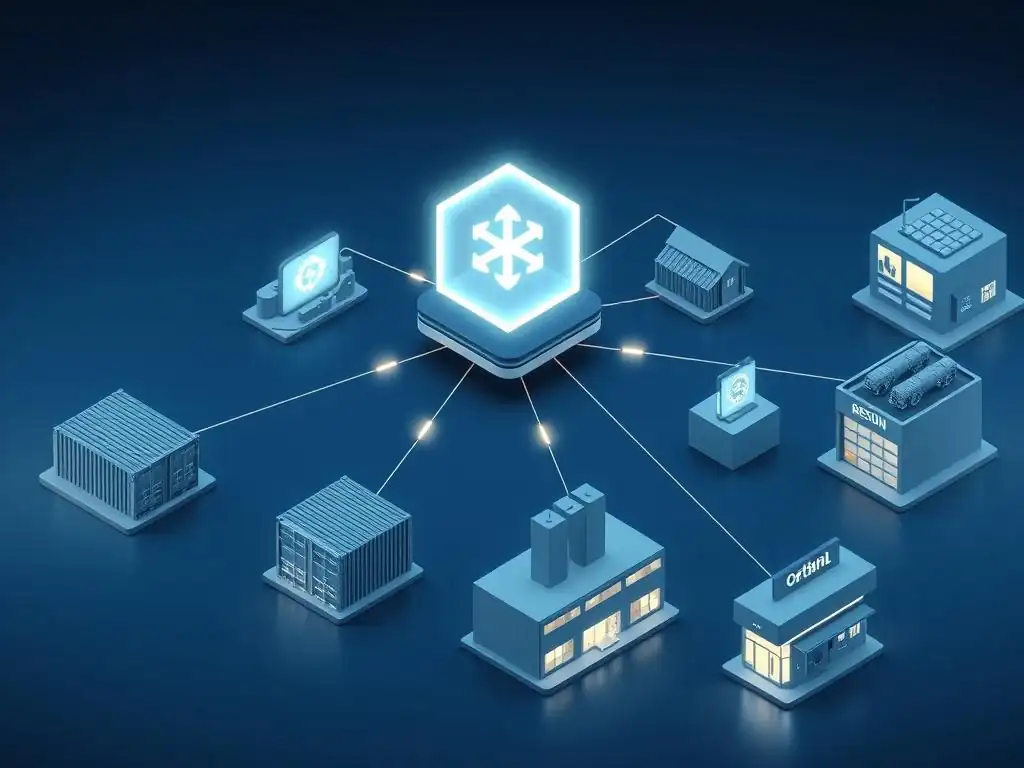
Enhanced Transparency and Traceability in the Supply Chain with Blockchain
One of the most significant blockchain supply chain digitization benefits is the unparalleled transparency and traceability it offers. By creating an immutable, shared ledger across participants, blockchain provides a single, verifiable source of truth for every transaction and movement within the supply chain. This means that stakeholders, from raw material suppliers to end consumers, can potentially access authorized information about a product's journey, including its origin, handling, and location at various points. This level of visibility helps to build trust among partners and provides critical data for decision-making and compliance.
The ability to trace a product's history instantaneously is transformative. For instance, in the food industry, tracing contaminated items back to their source traditionally takes days or even weeks, leading to widespread, costly recalls and significant health risks. With a blockchain-based system, this process can be reduced to minutes, allowing for targeted and efficient recalls.
Similarly, in the pharmaceutical sector, tracing drug components or finished products using blockchain helps combat counterfeiting, which the WHO estimates accounts for roughly 10% of the global drug market, a figure blockchain can help drastically reduce by providing a verifiable audit trail. These are tangible blockchain supply chain digitization benefits that directly impact safety and integrity.
Improved Efficiency and Reduced Costs Through Blockchain Implementation
Beyond transparency, blockchain implementation delivers substantial improvements in operational efficiency and significant cost reductions, key blockchain supply chain digitization benefits. Traditional supply chains are often burdened by complex, paper-based processes, manual data entry, and reliance on multiple intermediaries, leading to delays, errors, and increased administrative overhead.
Blockchain streamlines these operations by digitizing documentation, automating verification processes, and enabling the use of smart contracts. Smart contracts, self-executing contracts with the terms of the agreement directly written into code, can automate tasks like payments or inventory updates upon the fulfillment of predefined conditions, eliminating delays and reducing the need for manual intervention.
The reduction in intermediaries and administrative tasks directly translates into lower costs. For example, automating trade finance processes through blockchain can reduce transaction times from weeks to days and potentially lower associated banking fees and paperwork costs. A report by McKinsey estimated that blockchain could reduce supply chain financing costs by as much as $45 billion annually.
Furthermore, increased efficiency in areas like customs clearance, freight management, and inventory tracking minimizes demurrage fees, storage costs, and the financial impact of lost or delayed shipments. These operational efficiencies represent crucial blockchain supply chain digitization benefits that contribute directly to a company's bottom line.
Increased Security and Fraud Prevention Using Blockchain Solutions
Enhanced security and robust fraud prevention are paramount blockchain supply chain digitization benefits. The inherent nature of blockchain technology, utilizing cryptographic hashing and a distributed consensus mechanism, makes it incredibly difficult to alter or tamper with recorded data. Once a transaction or data point is added to the blockchain, it is linked cryptographically to the previous block, creating an immutable chain. Any attempt to change data in a past block would require altering all subsequent blocks across a distributed network, a computationally infeasible task. This tamper-proof record-keeping is vital for ensuring data integrity throughout the supply chain.
This high level of security significantly mitigates risks associated with fraud, counterfeiting, and unauthorized access. For instance, verifying the authenticity of luxury goods or electronics becomes much simpler when their entire history, including manufacturing details and ownership transfers, is recorded on a secure, shared ledger. Blockchain can also secure sensitive data related to shipments or inventory, preventing unauthorized parties from accessing or manipulating critical information.
The distributed nature means there is no single point of failure that a hacker could exploit to compromise the entire system, further bolstering security. These security features are foundational blockchain supply chain digitization benefits that protect assets, data, and reputations.
Frequently Asked Questions
How does blockchain technology contribute to supply chain digitization?
Blockchain enables immutable and transparent tracking of goods, fostering enhanced trust and security across the supply chain. This leads to improved data accuracy and visibility.
What are the primary benefits of using blockchain for supply chain management?
Key benefits include increased efficiency, reduced costs, and enhanced transparency. These result from streamlined processes and improved data management throughout the supply chain.
Can blockchain help combat counterfeit goods in the supply chain?
Yes, blockchain's immutable ledger allows for easy verification of product authenticity. This creates a secure record of the product's journey, making it difficult for counterfeiters to operate.
How does blockchain facilitate better collaboration among supply chain participants?
Blockchain provides a shared and secure platform for all stakeholders. This enables real-time information sharing and collaboration, improving coordination and reducing delays.
What are some of the key regulatory considerations when implementing blockchain in supply chain digitization?
Compliance with data privacy regulations (like GDPR) and industry-specific standards is crucial. Also, ensuring interoperability with existing systems and addressing legal frameworks for smart contracts are vital.
Final Reflection: Embracing Transparency and Trust
The exploration of blockchain's transformative potential within supply chain management underscores a critical shift happening right now. The promise of enhanced transparency, security, and efficiency offered by blockchain supply chain digitization benefits is no longer a futuristic concept, but a tangible reality reshaping how goods and information flow across the globe. Businesses are actively implementing these solutions, realizing significant improvements in traceability, reduced fraud, and enhanced consumer trust.
This technological revolution is not just about streamlining processes; it's about fostering a new era of accountability and ethical sourcing. Witnessing the evolution of supply chains from opaque and vulnerable systems to transparent and resilient networks is deeply inspiring. It highlights the power of technology to not only optimize operations but also to contribute to a more sustainable and equitable world. The future of supply chains is not just about efficiency; it's about building trust and creating value for all stakeholders.
This quote encapsulates the profound impact blockchain can have on building a more responsible and connected global economy.
As we stand at the cusp of this digital transformation, let us embrace the opportunities that blockchain supply chain digitization benefits offer. Consider how you, as a consumer, a business leader, or a technology enthusiast, can contribute to building more transparent, ethical, and efficient supply chains. The future of commerce is being written now, and your active participation is crucial in shaping a world where trust and transparency are not just ideals, but the very foundation of our global economy.
Unveil the Future: Embrace Blockchain in Your Supply Chain Today!
Thank you for exploring how blockchain can transform supply chain processes. We hope you've gained valuable insights into how this technology can enhance efficiency, transparency, and trust. Now, it's time to take action!
Here’s how you can move forward:
- Research blockchain platforms suited to your supply chain needs. Look into pilot projects and real-world examples to understand the potential benefits.
- Share these insights with your team and identify areas where blockchain could improve your operations. Start small, think big!
- Reach out to blockchain experts for a free, no-obligation consultation to determine the best digital strategies for your business.
What part of your supply chain are you most excited to transform with blockchain technology? Share your thoughts in the comments below!
Leave a Reply