
Supply Chain Blockchain Security and Regulatory Oversight: Ensuring Transparency and Trust


Welcome to Blockchain Trends, your compass in the rapidly evolving world of decentralized technologies! Are you ready to delve into how blockchain is revolutionizing industries beyond just cryptocurrencies?
This week, we're unlocking the complexities of blockchain supply chain security regulations. Discover how businesses are leveraging this technology to combat fraud, enhance transparency, and navigate the increasingly stringent regulatory landscape. What are the critical vulnerabilities, and how can they be addressed? The answers await – keep reading to find out!
- Introduction: The Imperative of Secure and Compliant Blockchain Supply Chains
-
Frequently Asked Questions
- How does blockchain enhance supply chain security?
- What are some examples of enterprise applications of blockchain in supply chains?
- What are the primary regulatory challenges facing blockchain implementation in supply chains?
- How can blockchain improve transparency in supply chains?
- What are the future implications of blockchain for decentralized supply chain systems?
- Final Reflection: Building Trust in the Blockchain Supply Chain
- Empower Your Supply Chain: Start Building Trust Today!
Introduction: The Imperative of Secure and Compliant Blockchain Supply Chains
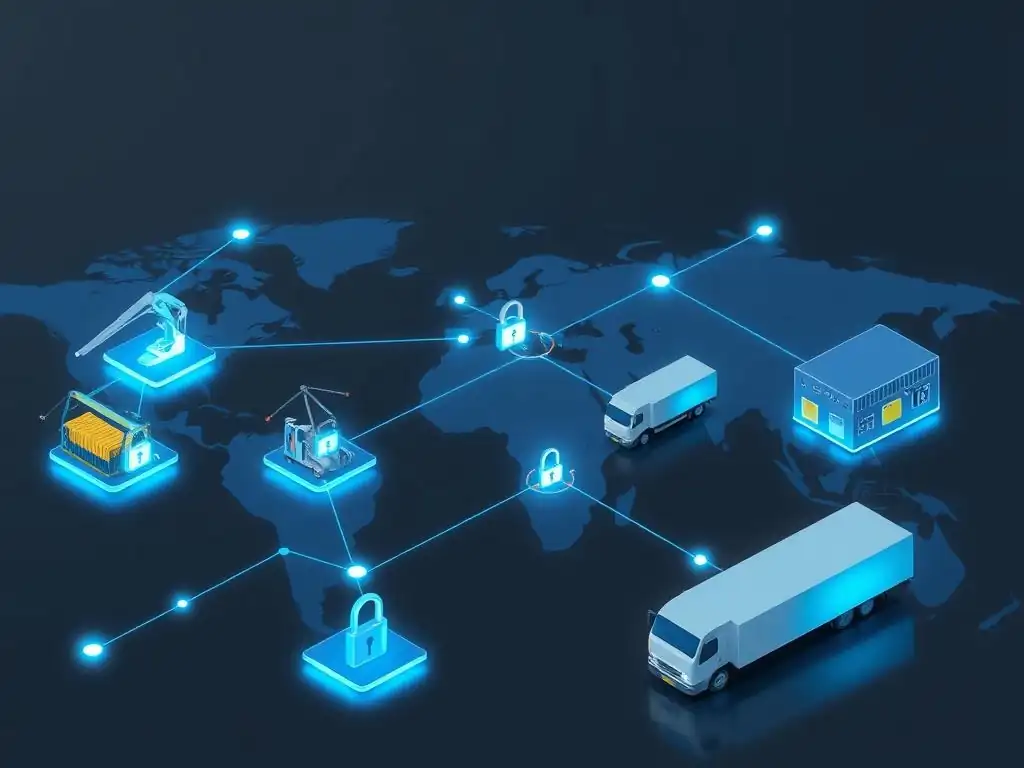
The Growing Reliance on Blockchain in Supply Chain Management
Blockchain technology is rapidly transforming supply chain management across various industries. Organizations are increasingly leveraging blockchain's inherent characteristics – transparency, security, and immutability – to address long-standing challenges related to traceability, efficiency, and trust in complex supply networks. From tracking pharmaceuticals to verifying the origin of food products and managing the intricate movements of goods in global logistics, blockchain offers a compelling solution. This growing reliance is driven by the need for enhanced visibility and accountability in supply chains that are becoming increasingly globalized and interconnected.
The potential benefits of blockchain in supply chain are substantial, promising to reduce fraud, streamline operations, and improve consumer confidence. For example, in the food industry, blockchain can trace products from farm to consumer, providing verifiable information about origin, processing, and handling. In pharmaceuticals, it can combat counterfeit drugs by ensuring the authenticity and integrity of medications throughout the supply chain. As businesses recognize these advantages, the adoption of blockchain-based supply chain solutions is poised to accelerate, making security and regulatory compliance paramount.
Defining Blockchain Supply Chain Security: Key Concepts
Blockchain supply chain security encompasses the measures taken to protect the integrity, confidentiality, and availability of data and processes within blockchain-based supply chain systems. It’s a multifaceted concept that goes beyond the inherent cryptographic security of the blockchain itself. It involves securing various layers of the technology stack, including the blockchain network infrastructure, smart contracts, applications built on top of the blockchain, and the endpoints interacting with the system. Key concepts include ensuring data immutability, preventing unauthorized access, mitigating vulnerabilities in smart contracts, and protecting against cyber threats.
Furthermore, blockchain supply chain security is deeply intertwined with the concept of data provenance and chain of custody. Maintaining a secure and auditable record of transactions on the blockchain is crucial for verifying the authenticity of goods and materials as they move through the supply chain. This includes securing the processes for data input, validation, and consensus within the blockchain network. Effectively securing a blockchain supply chain requires a holistic approach, considering both the technological and operational aspects of the system, and it must be designed with regulatory compliance in mind from the outset.
The Need for Regulatory Oversight in Blockchain-Based Supply Chains
While blockchain technology offers inherent security features, it is not immune to vulnerabilities and risks, particularly within the complex context of supply chain applications. The decentralized and often permissionless nature of some blockchain networks can present challenges for accountability and governance. Without appropriate regulatory oversight, blockchain-based supply chains could be susceptible to various issues, including data manipulation, fraud, and non-compliance with existing industry regulations. Therefore, regulatory oversight is essential to foster trust, ensure responsible innovation, and protect stakeholders within these ecosystems.
The need for regulation in blockchain supply chains stems from several factors. Firstly, existing supply chain regulations, such as those related to food safety (like FSMA in the US) or data privacy (like GDPR in Europe), are applicable to blockchain-based systems. Secondly, the potential for misuse or unintended consequences in complex, decentralized systems necessitates a framework to guide development and deployment.
Finally, regulatory clarity is crucial to encourage wider adoption of blockchain in supply chains by providing businesses with the confidence and legal certainty they need to invest in and implement these technologies. This oversight must be balanced to encourage innovation while mitigating risks and ensuring consumer protection.
Frequently Asked Questions
How does blockchain enhance supply chain security?
Blockchain provides a tamper-proof and transparent record of each transaction in the supply chain. This immutable ledger makes it difficult for fraudulent activities to occur and allows for easy tracking of goods.
What are some examples of enterprise applications of blockchain in supply chains?
Companies use blockchain for provenance tracking, inventory management, and streamlining logistics. This leads to increased efficiency, reduced costs, and improved traceability of products.
What are the primary regulatory challenges facing blockchain implementation in supply chains?
Lack of standardization, data privacy concerns, and unclear legal frameworks pose significant hurdles. Regulators are still grappling with how to best oversee this emerging technology.
How can blockchain improve transparency in supply chains?
Blockchain creates a shared and auditable record of all supply chain activities. This allows stakeholders to easily verify the origin and track the movement of goods, fostering trust and accountability.
What are the future implications of blockchain for decentralized supply chain systems?
The future involves more autonomous supply chains, with smart contracts automating key processes. This could lead to increased efficiency, reduced reliance on intermediaries, and enhanced resilience to disruptions.
Final Reflection: Building Trust in the Blockchain Supply Chain
The exploration of blockchain supply chain security regulations reveals a critical truth: transparency and trust are no longer optional, but essential for a resilient and ethical global economy. The vulnerabilities exposed and the potential solutions outlined underscore the urgent need for robust regulatory frameworks that can foster innovation while safeguarding against misuse and exploitation within the blockchain ecosystem.
This topic has profoundly influenced the conversation around ethical sourcing and consumer confidence. The ability to trace products from origin to consumer, ensuring fair labor practices and authentic materials, is becoming increasingly vital in a world demanding accountability. Trust is the glue of life. It's the most essential ingredient in effective communication. It's the foundational principle that holds all relationships together.
- Stephen Covey. This quote perfectly encapsulates the core of blockchain's potential to rebuild trust in supply chains, but only if governed responsibly.
Now, consider the implications of this knowledge for your own choices. How can you, as a consumer, a business owner, or a policymaker, advocate for greater transparency and security in the supply chains that touch your life? Let us all strive to demand and support systems that prioritize ethical practices and verifiable origins, building a future where trust, not just profit, drives the global economy.
Empower Your Supply Chain: Start Building Trust Today!
Thank you for exploring the importance of supply chain security and blockchain transparency. We hope you've gained valuable insights into how blockchain technology, when combined with effective regulatory oversight, can transform your business and foster greater trust with your customers. Now, it's time to take actionable steps!
Begin by reviewing your current supply chain processes and identifying potential vulnerabilities that blockchain can help address. This initial step is essential to creating a more secure and transparent system.
Consider piloting blockchain-based platforms suited to your industry. Even a small experiment can highlight significant benefits and reveal potential challenges.
Share this article with colleagues and industry partners to encourage discussions about the future of supply chain transparency and collective security strategies.
What immediate actions will you take to strengthen your supply chain's security and transparency? What challenges do you foresee, and how do you plan to overcome them? Share your thoughts in the comments below!
Leave a Reply