
Regulating the Metaverse: Navigating the Legal Landscape of BlockchainBased Virtual Realms


Welcome to Blockchain Trends, your compass in the rapidly evolving world of decentralized innovation!
Ever wondered how laws will adapt to the boundless possibilities of virtual existence? Dive into our latest exploration of Blockchain Metaverse Regulation Challenges and discover the complex legal hurdles emerging as blockchain technology reshapes our digital realities. From decentralized finance to enterprise solutions, the future is being built on blockchain – but who will set the rules of this new frontier? Explore the article below to learn more and join the conversation.
Regulating the Metaverse: Navigating the Legal Landscape of Blockchain-Based Virtual Realms
- Introduction: Understanding the Need for Blockchain Metaverse Regulation
-
Key Blockchain Metaverse Regulation Challenges
- Jurisdictional Issues in Decentralized Virtual Environments
- Data Privacy and Protection in the Metaverse: GDPR and Beyond
- Intellectual Property Rights and Copyright Enforcement in Blockchain Metaverses
- Digital Asset Ownership and Regulation in Virtual Worlds (NFTs, Cryptocurrency)
- Security and Fraud Prevention in Blockchain-Based Metaverses
- Current Approaches to Metaverse Governance and Regulation
- Potential Legal Frameworks for Blockchain Metaverse Regulation
- Addressing Specific Legal Concerns in the Blockchain Metaverse
- The Future of Blockchain Metaverse Regulation: A Proactive Approach
- Conclusion: Shaping a Safe and Sustainable Blockchain Metaverse Through Effective Regulation
-
Frequently Asked Questions
- How does blockchain technology contribute to the development of the metaverse?
- What are the primary regulatory challenges associated with blockchain-based metaverse platforms?
- How can Decentralized Finance (DeFi) integrate into the metaverse, and what regulatory hurdles might arise?
- What are the implications of blockchain-based metaverse identities for data privacy and security?
- What future regulatory frameworks are being considered to address the unique characteristics of the blockchain metaverse?
- Final Reflection: Charting a Course Through the Metaverse
- Shape the Future: Join the Metaverse Conversation!
Introduction: Understanding the Need for Blockchain Metaverse Regulation
The Rise of Blockchain-Powered Metaverses and Virtual Worlds
The metaverse, once a concept confined to science fiction, is rapidly becoming a tangible reality, fueled significantly by blockchain technology. Platforms like Decentraland and The Sandbox exemplify this evolution, offering immersive digital worlds where users can interact, create, and transact using cryptocurrencies and NFTs. These blockchain-based metaverses distinguish themselves from traditional virtual worlds through their decentralized nature, user-owned digital assets, and the promise of greater economic autonomy. The integration of blockchain enables verifiable ownership of digital items, creates transparent and secure transaction systems, and fosters new forms of digital economies within these virtual environments.
This burgeoning landscape represents a paradigm shift in how we interact with technology and each other. Early adoption rates are already demonstrating substantial user engagement, with estimates projecting that the metaverse market could reach trillions of dollars in the coming years. For instance, reports from companies like Meta and Microsoft, heavily invested in metaverse technologies, indicate significant user growth in their respective virtual platforms and related applications. As these blockchain-powered metaverses expand, attracting more users and facilitating increasingly complex interactions, the need for clear and effective regulation becomes ever more critical to ensure their sustainable and equitable development.
Defining the Scope: What Aspects of the Metaverse Require Regulation?
Regulating the metaverse is not a straightforward task due to its multifaceted and evolving nature. The scope of regulation must encompass a broad spectrum of activities and interactions taking place within these virtual realms. This includes the economic activities, such as the buying, selling, and trading of virtual assets like NFTs and cryptocurrencies, which require frameworks to prevent illicit financial activities and protect users from fraud. Furthermore, social interactions within the metaverse raise concerns about user safety, data privacy, and content moderation, mirroring and sometimes amplifying challenges already present in the traditional internet.
Beyond economic and social aspects, the very infrastructure of blockchain-based metaverses necessitates regulatory consideration. This includes the decentralized platforms themselves, the smart contracts governing transactions, and the underlying blockchain networks that ensure security and transparency. Defining the jurisdictional boundaries in these decentralized spaces, where users and servers can be located globally, is a significant challenge. Ultimately, effective metaverse regulation must be holistic, addressing everything from digital asset ownership and intellectual property rights to user conduct and platform governance, while fostering innovation and preventing the stifling of this nascent technology.
Key Blockchain Metaverse Regulation Challenges
Jurisdictional Issues in Decentralized Virtual Environments
One of the most significant hurdles in blockchain metaverse regulation is the inherent decentralization of these virtual worlds. Unlike traditional online platforms operating under defined national jurisdictions, metaverses built on blockchain often transcend geographical boundaries.
Users from anywhere in the world can participate, and the underlying infrastructure may be distributed across multiple servers globally, making it difficult to pinpoint a single jurisdiction for legal enforcement. Imagine a user in country A purchasing a virtual item from a creator in country B through a platform based in country C, using a cryptocurrency exchange registered in country D. Determining which legal system has jurisdiction in case of disputes or illegal activities becomes incredibly complex.
This jurisdictional ambiguity is further complicated by the pseudonymous nature of many blockchain interactions. While blockchain transactions are transparent, the real-world identities of users may not always be readily available, hindering traditional law enforcement methods. Existing legal frameworks, designed for geographically bound and centralized entities, struggle to adapt to these decentralized and borderless virtual environments. International cooperation and potentially new legal principles are needed to address jurisdictional challenges effectively and ensure that laws can be applied fairly and consistently across the global metaverse landscape.
Data Privacy and Protection in the Metaverse: GDPR and Beyond
The metaverse, by its very nature, is intensely data-driven. Users generate vast amounts of personal data through their avatars, interactions, transactions, and biometric information if immersive technologies like VR headsets are utilized. This data is crucial for personalizing experiences and operating the metaverse, but it also presents significant data privacy risks. Existing regulations like GDPR (General Data Protection Regulation) in Europe and CCPA (California Consumer Privacy Act) in the United States aim to protect user data, but their applicability to the metaverse is still being debated and tested.
The challenge lies in adapting these regulations to the unique context of blockchain metaverses. For instance, the decentralized nature of blockchain can make it difficult to identify data controllers and processors as defined in GDPR. Moreover, the persistent and immersive nature of metaverse environments raises novel questions about the scope of "personal data" and the extent of user consent required for data collection and processing.
Furthermore, the potential for cross-border data flows within these global virtual worlds necessitates international harmonization of data privacy standards to ensure consistent protection for metaverse users, regardless of their location. Without robust data protection frameworks, users may be hesitant to fully engage in the metaverse, hindering its potential growth.
Intellectual Property Rights and Copyright Enforcement in Blockchain Metaverses
Intellectual property (IP) rights and copyright enforcement pose unique challenges within blockchain metaverses. These virtual worlds are teeming with user-generated content, from avatars and virtual items to entire virtual spaces. Determining ownership and enforcing copyright in this dynamic and often decentralized environment is far more complex than in the traditional digital world.
For example, consider a user who creates a virtual artwork within a metaverse platform. Who owns the IP rights – the user, the platform, or potentially the DAO governing the metaverse? And how can copyright infringement be effectively addressed when content can be easily copied and modified within these virtual spaces?
Blockchain technology, while offering solutions for verifying digital ownership through NFTs, also introduces new complexities. NFTs can represent ownership of digital assets, but they do not automatically resolve underlying copyright issues. Furthermore, the decentralized and often anonymous nature of metaverse platforms can make it difficult to identify and pursue infringers.
Existing copyright laws, designed for a pre-metaverse era, may need to be adapted or supplemented with new legal frameworks that specifically address IP protection and enforcement in these virtual environments. Clear guidelines and effective mechanisms are crucial to encourage creativity and innovation within the metaverse while protecting the rights of creators.
Digital Asset Ownership and Regulation in Virtual Worlds (NFTs, Cryptocurrency)
The foundation of many blockchain metaverses is the concept of digital asset ownership, primarily facilitated through NFTs (Non-Fungible Tokens) and cryptocurrencies. NFTs represent unique digital items, from virtual land and avatars to in-game assets and collectibles, while cryptocurrencies serve as the native currencies for transactions within these virtual economies. Regulating these digital assets presents a complex challenge due to their novel nature and the decentralized systems upon which they operate. Traditional financial regulations often struggle to categorize and address these assets, leading to legal uncertainty.
The key regulatory concerns revolve around investor protection, market integrity, and financial stability. The volatility of cryptocurrency markets and the speculative nature of some NFT projects raise concerns about potential financial risks for metaverse users. Furthermore, issues like money laundering, tax evasion, and illicit financing can arise if digital asset transactions within metaverses are not properly regulated.
Different jurisdictions are taking varied approaches, ranging from applying existing securities laws to cryptocurrencies and NFTs to developing bespoke regulatory frameworks. A globally coordinated approach is essential to ensure consistent and effective regulation of digital assets in the metaverse, fostering responsible innovation and mitigating potential risks.
Security and Fraud Prevention in Blockchain-Based Metaverses
Security and fraud prevention are paramount concerns in blockchain-based metaverses, given the significant financial and personal information at stake. These virtual worlds are susceptible to various cybersecurity threats, including hacking, phishing scams, and identity theft, similar to traditional online platforms. However, the integration of blockchain and the reliance on digital assets like cryptocurrencies and NFTs introduce new and unique security vulnerabilities.
For instance, smart contract vulnerabilities, if exploited, can lead to significant financial losses for users. Phishing scams in the metaverse can be particularly sophisticated, leveraging the immersive nature of these environments to deceive users into revealing sensitive information or transferring digital assets.
Furthermore, the pseudonymous nature of blockchain transactions, while offering privacy, can also be exploited by malicious actors for fraudulent activities. Detecting and preventing fraud in decentralized metaverses requires a multi-faceted approach, including robust cybersecurity measures, user education, and regulatory frameworks that address specific metaverse-related risks. This includes establishing clear liabilities for platform providers and users in cases of security breaches or fraudulent activities, as well as developing effective mechanisms for reporting and resolving disputes. Without adequate security and fraud prevention measures, user trust in blockchain metaverses will erode, hindering their long-term adoption and growth.
Current Approaches to Metaverse Governance and Regulation
Self-Regulation and Community-Driven Governance Models in Metaverses
In the nascent stages of blockchain metaverse development, self-regulation and community-driven governance models are playing a significant role. Many metaverse platforms are experimenting with decentralized governance structures, often leveraging DAOs (Decentralized Autonomous Organizations), to empower users and communities in decision-making processes. These models aim to create more democratic and transparent virtual environments, where users have a say in platform policies, content moderation, and even the allocation of resources. For example, some metaverse platforms allow token holders to vote on proposals related to platform upgrades, land allocation, or community guidelines.
This approach to self-regulation is appealing in its potential to foster innovation and user engagement. However, it also presents challenges. The effectiveness of community-driven governance depends heavily on user participation and the representativeness of decision-making processes. Concerns can arise regarding the potential for manipulation, the lack of accountability in decentralized structures, and the difficulty in enforcing community-driven rules in a globally accessible environment. While self-regulation offers a valuable starting point, it is unlikely to be sufficient on its own to address all the regulatory challenges of the metaverse, particularly as these virtual worlds become more mainstream and impactful.
National and International Regulatory Frameworks: A Comparative Analysis
As the metaverse gains traction, national and international regulatory bodies are beginning to grapple with the complexities of regulating these virtual environments. Different jurisdictions are adopting varying approaches, reflecting diverse legal traditions, policy priorities, and levels of technological understanding.
Some countries are taking a cautious approach, focusing on adapting existing laws to the metaverse context, while others are exploring the development of new, bespoke regulations specifically designed for virtual worlds and blockchain technologies. For example, jurisdictions with strong data privacy regulations, like the EU, are likely to prioritize data protection in the metaverse, while others may focus more on financial regulations related to digital assets.
A comparative analysis of these emerging regulatory frameworks reveals a fragmented landscape, with a lack of international harmonization. This patchwork of regulations creates uncertainty for metaverse developers and users, potentially hindering cross-border interoperability and innovation. International organizations, such as the OECD and the Financial Stability Board, are starting to engage in discussions about metaverse regulation, recognizing the need for greater coordination and the development of international standards. The challenge lies in finding a balance between fostering innovation, protecting users, and ensuring a level playing field across jurisdictions in the rapidly evolving metaverse landscape.
The Role of DAOs (Decentralized Autonomous Organizations) in Metaverse Governance
DAOs, or Decentralized Autonomous Organizations, are emerging as a potentially transformative governance mechanism within blockchain metaverses. DAOs are essentially online communities governed by rules encoded in smart contracts, operating autonomously and transparently on a blockchain. In the metaverse context, DAOs can be used to manage virtual land, control platform policies, allocate resources, and even govern entire virtual worlds. For example, a DAO could be responsible for managing a virtual city within a metaverse, with token holders voting on proposals related to urban planning, community events, and resource allocation.
The promise of DAOs lies in their potential to create more decentralized, transparent, and user-centric governance models for metaverses. They can empower communities, reduce reliance on centralized platform operators, and foster greater user ownership and participation. However, DAOs also present regulatory challenges.
Their decentralized and often pseudonymous nature raises questions about legal liability, accountability, and enforcement. The legal status of DAOs is still evolving in most jurisdictions, and their effectiveness in governing complex virtual environments is yet to be fully tested. Nonetheless, DAOs represent a significant innovation in governance and are likely to play an increasingly important role in shaping the future of metaverse regulation.
Potential Legal Frameworks for Blockchain Metaverse Regulation
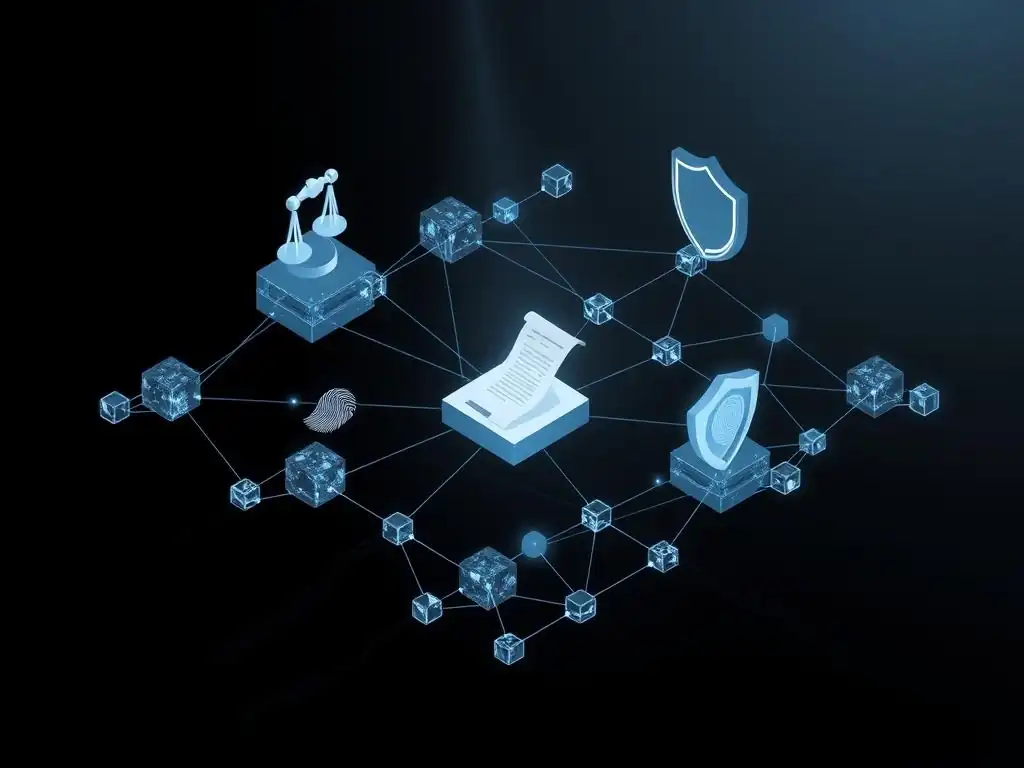
Adapting Existing Laws to the Metaverse Context
One of the initial approaches to regulating the metaverse involves adapting existing legal frameworks to this novel virtual environment. This strategy leverages established legal principles and regulations, such as contract law, property law, consumer protection laws, and data privacy regulations, and attempts to apply them to metaverse activities.
For example, existing contract law principles could be used to govern virtual asset transactions, while data privacy regulations like GDPR could be interpreted to apply to the collection and processing of user data within metaverses. This approach offers the advantage of leveraging familiar legal concepts and avoiding the need to create entirely new legal frameworks from scratch.
However, simply adapting existing laws may prove insufficient to address the unique challenges of the metaverse. The decentralized, borderless, and immersive nature of these virtual worlds often stretches the limits of traditional legal concepts. For instance, applying geographically-based property laws to virtual land in a decentralized metaverse raises complex jurisdictional and enforcement issues.
Furthermore, existing laws may not adequately address novel issues specific to the metaverse, such as the legal status of avatars, the ownership of user-generated content, or the governance of DAOs. While adapting existing laws provides a starting point, it is likely to require supplementation with new regulations tailored to the metaverse context.
Developing New Regulations Specifically for Virtual Worlds and Blockchain Technologies
Recognizing the limitations of simply adapting existing laws, many policymakers and legal experts are advocating for the development of new regulations specifically designed for virtual worlds and blockchain technologies. This approach acknowledges the unique characteristics of the metaverse and seeks to create legal frameworks that are fit for purpose. Such regulations could address specific metaverse-related issues, such as the legal status of virtual assets, the governance of decentralized platforms, the protection of user rights in virtual environments, and the enforcement of laws across jurisdictional boundaries.
Developing new metaverse-specific regulations would allow for a more targeted and comprehensive approach to addressing the regulatory challenges. It would enable policymakers to consider the unique technical and social aspects of the metaverse and create legal frameworks that foster innovation while mitigating risks. However, this approach also presents challenges. Creating entirely new regulations is a complex and time-consuming process, requiring careful consideration of diverse perspectives and potential unintended consequences. Furthermore, the rapid pace of technological innovation in the metaverse space necessitates that any new regulations be flexible and adaptable to future developments.
The Importance of Interoperability and Cross-Border Cooperation
Interoperability and cross-border cooperation are crucial elements in developing effective legal frameworks for the blockchain metaverse. The metaverse, by its very nature, is intended to be a globally interconnected space, where users can seamlessly move between different virtual worlds and platforms. Achieving this vision of interoperability requires technical standards and regulatory harmonization across jurisdictions. Fragmented regulations that differ significantly from country to country could hinder interoperability, create barriers to entry, and stifle innovation in the metaverse space.
Cross-border cooperation is essential to address the inherently global nature of the metaverse. Issues such as jurisdictional conflicts, data privacy, and law enforcement in virtual environments require international collaboration and the development of common standards and principles. International organizations and regulatory bodies have a vital role to play in facilitating this cooperation, fostering dialogue between jurisdictions, and promoting the development of harmonized regulatory frameworks. Without interoperability and cross-border cooperation, the metaverse risks becoming a fragmented and less accessible space, failing to realize its full potential as a global platform for interaction and innovation.
Addressing Specific Legal Concerns in the Blockchain Metaverse
Content Moderation and Freedom of Speech in Virtual Environments
Content moderation and freedom of speech are critical legal concerns within blockchain metaverses. These virtual worlds, like traditional online platforms, grapple with the challenge of balancing freedom of expression with the need to prevent harmful content, such as hate speech, harassment, and illegal activities. However, content moderation in decentralized metaverses presents unique challenges compared to centralized platforms. The decentralized nature of blockchain can make it more difficult to implement content moderation policies effectively, as there may be no single central authority responsible for oversight.
Furthermore, the concept of "speech" in the metaverse extends beyond text and images to include avatars, virtual environments, and interactive experiences. Defining the boundaries of acceptable content and developing effective moderation mechanisms that respect freedom of speech while protecting users from harm is a complex task. Different metaverse platforms are experimenting with various approaches, ranging from community-driven moderation models to AI-powered content filtering. Legal frameworks need to address the specific challenges of content moderation in decentralized virtual environments, ensuring both freedom of expression and user safety.
Virtual Real Estate and Property Rights in Blockchain Metaverses
Virtual real estate and property rights are fundamental aspects of many blockchain metaverses, where users can purchase, own, and trade virtual land represented by NFTs. The legal recognition and regulation of these virtual property rights are crucial for fostering trust and investment in the metaverse economy. However, the legal status of virtual land and other digital assets is still uncertain in most jurisdictions.
Traditional property laws, designed for physical assets, do not easily translate to the virtual realm. Questions arise about the nature of ownership, the enforceability of property rights, and the legal remedies available in case of disputes or infringements.
Different legal approaches are being considered, ranging from treating virtual land as a form of intangible property to developing entirely new legal categories for digital assets. Clear legal frameworks are needed to define property rights in the metaverse, establish mechanisms for resolving property disputes, and ensure the security and transferability of virtual land titles. The regulation of virtual real estate will have a significant impact on the development of metaverse economies and the overall user experience.
Consumer Protection and Fair Trade Practices in the Metaverse Economy
Consumer protection and fair trade practices are essential to ensure a safe and equitable metaverse economy. As users increasingly engage in commercial activities within virtual worlds, buying and selling virtual goods and services, the need for consumer protection regulations becomes paramount. Traditional consumer protection laws, designed for the physical world and centralized online marketplaces, may not adequately address the unique challenges of the metaverse economy. Issues such as misleading advertising, unfair contract terms, and lack of transparency in virtual transactions can harm metaverse consumers.
Furthermore, the decentralized and often pseudonymous nature of blockchain metaverses can make it more difficult to enforce consumer protection laws and provide remedies to harmed consumers. New regulatory frameworks may be needed to address specific consumer protection issues in the metaverse, such as the disclosure of risks associated with virtual asset investments, the regulation of virtual marketplaces, and the provision of dispute resolution mechanisms. Ensuring fair trade practices and robust consumer protection is crucial for building trust and fostering sustainable economic activity within the metaverse.
Taxation of Virtual Assets and Transactions in the Metaverse
Taxation of virtual assets and transactions in the metaverse is a rapidly evolving area of legal and regulatory focus. As metaverse economies grow and users generate income from virtual activities, governments are increasingly looking to establish tax frameworks for these virtual economic activities. However, the decentralized and cross-border nature of blockchain metaverses presents significant challenges for traditional tax systems. Determining the taxable nexus, valuing virtual assets, and enforcing tax obligations in these virtual environments are complex tasks.
Different jurisdictions are exploring various approaches to taxing virtual assets and transactions, ranging from applying existing income tax and capital gains tax rules to developing new tax categories specifically for digital assets. International cooperation and harmonization of tax rules are essential to prevent tax avoidance and ensure a level playing field across jurisdictions. Clear and consistent tax frameworks are needed to provide certainty for metaverse users and businesses, while ensuring that governments can collect appropriate tax revenues from the growing metaverse economy.
The Future of Blockchain Metaverse Regulation: A Proactive Approach
The Need for International Standards and Best Practices
The future of blockchain metaverse regulation necessitates the development of international standards and best practices. Given the global and interconnected nature of the metaverse, a fragmented regulatory landscape will hinder interoperability, stifle innovation, and create legal uncertainty. International collaboration and the establishment of common standards are crucial to ensure a consistent and predictable regulatory environment for metaverse developers and users worldwide. International organizations, such as the ISO, IEEE, and W3C, can play a vital role in developing technical standards for metaverse interoperability and data portability.
Furthermore, international regulatory bodies, like the Financial Stability Board and the OECD, can facilitate the development of best practices for metaverse regulation, covering areas such as data privacy, consumer protection, and financial stability. Sharing best practices and promoting regulatory harmonization across jurisdictions will help to create a more level playing field and foster responsible innovation in the metaverse space. International standards and best practices are essential for building a truly global and interoperable metaverse that benefits users worldwide.
Balancing Innovation and Regulation in the Metaverse Space
A crucial challenge in shaping the future of blockchain metaverse regulation is striking the right balance between fostering innovation and implementing necessary regulations. Overly restrictive or premature regulations could stifle the nascent metaverse industry, hindering its growth and potential benefits. Conversely, a complete lack of regulation could lead to risks of user harm, illicit activities, and a lack of trust in metaverse platforms. A proactive and balanced approach is needed, one that encourages innovation while mitigating potential risks.
This involves adopting a flexible and adaptive regulatory framework that can evolve alongside the rapidly changing metaverse landscape. A sandbox approach, where innovative metaverse projects can be tested in a controlled regulatory environment, can be valuable for understanding emerging risks and informing evidence-based policymaking. Furthermore, regulations should be principles-based rather than overly prescriptive, allowing for flexibility and innovation within defined ethical and legal boundaries. Finding the right balance between innovation and regulation is crucial for ensuring the long-term success and sustainability of the blockchain metaverse.
The Role of Technology in Facilitating Compliance and Enforcement
Technology itself can play a significant role in facilitating compliance and enforcement of blockchain metaverse regulations. Blockchain technology, which underpins many metaverses, offers tools for enhancing transparency, traceability, and accountability. For example, smart contracts can be used to automate regulatory compliance, ensuring that transactions and interactions within the metaverse adhere to predefined rules. Digital identity solutions, leveraging blockchain technology, can enhance user verification and KYC (Know Your Customer) processes, aiding in fraud prevention and regulatory compliance.
Furthermore, AI and machine learning technologies can be employed to monitor metaverse activities, detect illicit behavior, and enforce content moderation policies. RegTech (Regulatory Technology) solutions, specifically designed for the metaverse context, can streamline compliance processes for metaverse platforms and users. By leveraging technology effectively, regulators can enhance their ability to oversee and enforce metaverse regulations in a scalable and efficient manner. Embracing technological solutions for compliance and enforcement is essential for creating a safe, secure, and regulated blockchain metaverse.
Conclusion: Shaping a Safe and Sustainable Blockchain Metaverse Through Effective Regulation
Frequently Asked Questions
How does blockchain technology contribute to the development of the metaverse?
Blockchain provides the foundation for digital ownership and verifiable scarcity within the metaverse. It enables users to own and trade virtual assets like land, avatars, and in-game items.
What are the primary regulatory challenges associated with blockchain-based metaverse platforms?
Regulatory challenges include cross-border jurisdiction, data privacy, and intellectual property rights. Determining applicable laws and enforcement mechanisms is complex in decentralized virtual worlds.
How can Decentralized Finance (DeFi) integrate into the metaverse, and what regulatory hurdles might arise?
DeFi can facilitate seamless financial transactions and asset management within the metaverse. However, regulatory concerns involve money laundering, consumer protection, and financial stability.
What are the implications of blockchain-based metaverse identities for data privacy and security?
Blockchain identities allow users to control their own data, but raise concerns about anonymity vs. accountability. Securely managing and protecting user data in decentralized environments is crucial.
What future regulatory frameworks are being considered to address the unique characteristics of the blockchain metaverse?
Regulators are exploring frameworks that balance innovation with consumer protection and financial stability. This includes considering new approaches to digital asset regulation and cross-border enforcement.
Final Reflection: Charting a Course Through the Metaverse
The complexities outlined throughout this exploration of Blockchain metaverse regulation challenges highlight a critical juncture. We've seen how the decentralized nature of these virtual worlds clashes with existing legal frameworks, creating a regulatory vacuum that demands immediate attention. The future of the metaverse, and its potential to revolutionize commerce, social interaction, and even governance, hinges on our ability to navigate these uncharted waters effectively.
This ongoing evolution profoundly impacts our cultural and social landscape. The metaverse is not merely a game; it's a burgeoning digital society, and the principles we establish now will shape its future trajectory. The need for ethical considerations and user protection within these spaces is paramount, ensuring that the metaverse becomes a force for good, rather than an echo chamber of existing societal inequalities. The metaverse is coming, and it will touch every product you build, every service you offer, and every experience you create.
- Mark Zuckerberg. This quote, while perhaps self-serving, underscores the pervasive influence the metaverse is poised to have on our lives.
As we stand on the precipice of this new digital frontier, let us not shy away from the challenges ahead. Consider how you, as a creator, user, or policymaker, can contribute to the responsible development of the metaverse. Ask yourself: What role will you play in shaping a virtual world that is both innovative and equitable? The future of the metaverse is not predetermined; it is a canvas upon which we can collectively paint a vision of a more connected, inclusive, and ultimately, more human future.
Shape the Future: Join the Metaverse Conversation!
Thank you for exploring the evolving legal landscape of the Metaverse with us. Now that you have a better understanding of the challenges and opportunities ahead, it's time to get involved and help shape its future. Here are some actionable steps you can take:
- Engage Directly: Review official documents and discussions about Metaverse regulation in your region. Participate in public consultations or provide feedback to regulatory authorities to make your voice heard.
- Share Your Insights: Start a discussion! Share this article with your network and encourage others to contribute their perspectives on Metaverse regulation. Use the hashtag #MetaverseLaw.
- Explore Decentralized Governance: Research and experiment with decentralized autonomous organizations within Metaverse platforms to understand how communities can self-regulate.
What legal or ethical challenges in the Metaverse do you believe require the most urgent attention from regulators and the blockchain community? Let's discuss in the comments!
Leave a Reply