
API Integration for Crypto Tracking: Seamlessly Connect Your Exchanges and Wallets


Welcome to Blockchain Trends, your guide to navigating the ever-evolving landscape of decentralized innovation.
Delve into the transformative power of blockchain, extending far beyond the realm of cryptocurrencies. In this article, we tackle a critical aspect of harnessing that power: Blockchain API integration challenges. Discover the hurdles and solutions involved in seamlessly connecting your exchanges and wallets, and unlock the full potential of decentralized systems. Are you ready to streamline your crypto tracking? Let's explore.
- Understanding Blockchain API Integration Challenges for Crypto Tracking
- The Importance of Seamless API Integration for Crypto Portfolios
- Step-by-Step Guide to API Integration for Crypto Tracking
- Real-World Applications of Blockchain API Integration
- Conclusion: Overcoming Blockchain API Integration Challenges
-
Frequently Asked Questions
- How can API integration simplify crypto tracking?
- What are some common Blockchain API integration challenges?
- How does API integration improve the user experience for crypto tracking?
- What security measures should be taken when integrating Blockchain APIs?
- How does API integration support the growth of DeFi and enterprise blockchain applications?
- Final Reflection: Bridging the Crypto Divide
- Unleash Your Crypto Portfolio's Full Potential!
Understanding Blockchain API Integration Challenges for Crypto Tracking
What is Blockchain API Integration?
Blockchain API integration refers to the process of connecting different software applications to blockchain networks using Application Programming Interfaces (APIs). In the context of cryptocurrency tracking, this integration is crucial for retrieving real-time data from various sources, such as cryptocurrency exchanges and wallet providers. Essentially, APIs act as intermediaries, allowing portfolio tracking applications to request and receive information like transaction history, current balances, and asset prices directly from these platforms. Without blockchain API integration, manually updating and consolidating crypto portfolio data would be an incredibly time-consuming and error-prone task, rendering effective portfolio management nearly impossible.
The functionality of blockchain APIs varies depending on the provider and the specific blockchain network they interface with. Generally, these APIs offer endpoints for accessing a wide range of data points. For example, an exchange API might provide endpoints to fetch current market prices for different trading pairs, historical trading data, order book information, and user account balances. Wallet APIs, on the other hand, often focus on transaction history, address balances, and facilitating transaction broadcasting. Understanding the different types of APIs and their capabilities is the first step in navigating the landscape of blockchain API integration for crypto tracking.
Common Challenges in Blockchain API Integration
One of the primary challenges in blockchain API integration is the diversity and fragmentation of APIs across different cryptocurrency exchanges and blockchains. Each exchange often develops its own proprietary API with unique authentication methods, data formats, and rate limits. This lack of standardization means that developers need to implement custom integrations for each platform they wish to support, significantly increasing development time and complexity. For instance, integrating with Binance's API requires a different approach compared to integrating with Coinbase's API, and both differ from the APIs provided by decentralized exchanges like Uniswap or SushiSwap.
Another significant hurdle is dealing with API rate limits and data throttling. Exchanges and blockchain nodes implement rate limits to protect their infrastructure from overload and abuse. These limits restrict the number of requests a user or application can make within a specific timeframe.
Exceeding these limits can lead to temporary or permanent blocking of access. For crypto portfolio trackers that need to aggregate data from multiple sources frequently to provide real-time updates, managing these rate limits and implementing efficient request queuing and caching strategies is critical to avoid service disruptions and ensure timely data delivery. Many exchanges offer different tiers of API access, with higher rate limits available for premium or institutional clients, highlighting the importance of understanding and planning for these limitations.
The Importance of Seamless API Integration for Crypto Portfolios
Benefits of Integrating APIs for Crypto Tracking
Seamless API integration is the backbone of any effective cryptocurrency portfolio tracker. The most immediate benefit is real-time data synchronization. By connecting to exchange and wallet APIs, portfolio trackers can automatically update asset balances, transaction history, and current market valuations without manual input. This real-time synchronization is crucial for users to have an accurate and up-to-date view of their portfolio's performance, enabling informed decision-making regarding trading and investment strategies. Consider a trader managing positions across multiple exchanges; without API integration, they would face a constant struggle to manually reconcile balances and track profit and loss.
Furthermore, API integration significantly enhances efficiency and reduces errors. Manual data entry is not only time-consuming but also prone to human error. By automating data retrieval through APIs, portfolio trackers eliminate the risk of inaccurate data entry, ensuring data integrity and reliability. This automation also frees up users from tedious manual tasks, allowing them to focus on analyzing their portfolio performance and making strategic investment decisions rather than spending hours on data management. The efficiency gains are particularly pronounced for users with large portfolios spread across numerous platforms and cryptocurrencies.
Leading Data Providers and APIs
The cryptocurrency space is supported by a range of data providers offering APIs that facilitate crypto tracking. Companies like CoinGecko and CoinMarketCap are well-known for their comprehensive cryptocurrency market data APIs. These APIs provide access to information on thousands of cryptocurrencies, including price history, market capitalization, trading volume, and exchange listings.
Developers often leverage these APIs to build the foundational data layer for their portfolio tracking applications, ensuring access to broad market information. For instance, CoinGecko's API, while offering free tiers, also provides paid plans for higher rate limits and more advanced features, demonstrating the tiered access model common in the industry.
Beyond market data aggregators, major cryptocurrency exchanges also offer their own APIs. Exchanges like Binance, Coinbase Pro, and Kraken provide robust APIs that allow users to access their trading history, account balances, and real-time order book data. Integrating directly with exchange APIs is essential for portfolio trackers aiming to provide granular insights into user trading activity and portfolio composition on specific platforms. While exchange APIs offer detailed, platform-specific data, they often require more complex authentication procedures and adherence to their specific rate limits and documentation, showcasing the challenge of API diversity mentioned earlier.
Step-by-Step Guide to API Integration for Crypto Tracking
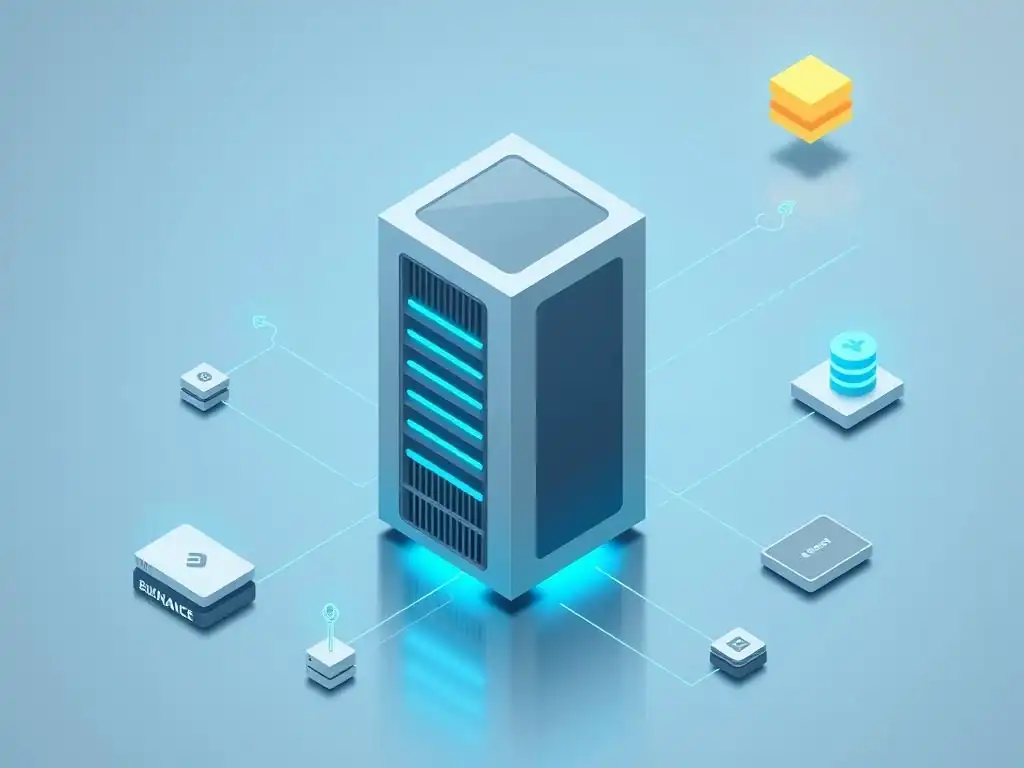
Step 1: Identifying Your Needs
Before diving into API integration, the first crucial step is to clearly define your specific tracking requirements. Ask yourself what data points are most important for your crypto portfolio tracking. Do you primarily need real-time price updates, historical transaction data, or portfolio valuation across different currencies? Understanding your needs will guide you in selecting the right APIs and data providers. For example, if your focus is on DeFi investments, you might prioritize APIs that provide data on decentralized exchanges and DeFi protocols, in addition to traditional exchange data.
Next, consider the scope of your portfolio. Are you tracking assets across a few major exchanges, or are you dealing with a more complex portfolio spanning multiple exchanges, wallets, and even decentralized finance platforms? The complexity of your portfolio will influence the number and types of APIs you need to integrate.
A simple portfolio might only require integration with a couple of exchange APIs, while a more complex portfolio might necessitate integrating with multiple exchange APIs, wallet APIs, and potentially blockchain explorers or specialized DeFi data APIs. Clearly outlining the scope of your tracking needs will prevent you from over-engineering your integration and ensure you choose APIs that are relevant and sufficient for your requirements.
Step 2: Selecting the Right API
Once you have defined your needs, the next step is to research and select the appropriate APIs. Start by identifying potential API providers that align with your requirements. Consider factors such as data coverage, API reliability, documentation quality, pricing, and rate limits. For example, if you require comprehensive market data for a wide range of cryptocurrencies, you might compare the data coverage and pricing models of CoinGecko, CoinMarketCap, and CryptoCompare APIs. Reading developer documentation and checking community forums can provide valuable insights into the ease of use and reliability of different APIs.
Evaluate the authentication methods and security protocols offered by each API. APIs often use API keys for authentication, and it's crucial to understand how to securely manage and store these keys. Look for APIs that support secure communication protocols like HTTPS and offer robust security measures to protect sensitive data. Consider APIs that offer different levels of access, such as read-only access for portfolio tracking, which minimizes the risk of accidental or unauthorized transactions. Choosing APIs with strong security practices is paramount to protecting user data and maintaining the integrity of your crypto tracking application.
Step 3: Implementing the Integration
Implementing API integration involves writing code to interact with the chosen APIs. This typically involves making HTTP requests to API endpoints, handling authentication, parsing API responses (often in JSON format), and storing or displaying the retrieved data. Familiarize yourself with the API documentation provided by each provider. Documentation usually outlines the available endpoints, request parameters, response formats, and authentication procedures. Using programming libraries or SDKs (Software Development Kits) provided by API providers can often simplify the integration process by abstracting away some of the low-level networking details.
During implementation, pay close attention to error handling and rate limit management. Implement robust error handling to gracefully manage API errors, network issues, and invalid responses. Implement rate limiting logic to avoid exceeding API rate limits. This might involve queuing requests, implementing exponential backoff strategies, or using caching mechanisms to reduce the number of API calls. Proper error handling and rate limit management are essential for building a stable and reliable crypto tracking application that can handle unexpected situations and maintain continuous data flow.
Step 4: Testing Your Integration
Thorough testing is crucial to ensure the API integration functions correctly and reliably. Start with unit testing to verify individual components of your integration, such as API request functions and data parsing logic. Use mock API responses or testing environments provided by API providers to simulate different scenarios and ensure your code handles them appropriately. For example, test how your application handles empty responses, error codes, or unexpected data formats.
Conduct integration testing to verify the end-to-end flow of data from the APIs to your crypto tracking application. Test with real API keys (preferably on test or sandbox environments if available) to ensure data is retrieved correctly and displayed accurately. Monitor API request latency, error rates, and data accuracy. Perform load testing to simulate realistic usage scenarios and ensure your integration can handle concurrent requests and maintain performance under pressure. Comprehensive testing across different scenarios will help identify and fix bugs early in the development process, ensuring a robust and reliable API integration.
Real-World Applications of Blockchain API Integration
Examples of Successful Implementations
Numerous crypto portfolio trackers leverage blockchain API integration to provide users with comprehensive portfolio management tools. Blockfolio (now FTX), before its acquisition, was a popular mobile-first portfolio tracker that relied heavily on API integration to aggregate data from various exchanges and wallets. It offered real-time price tracking, portfolio valuation, and news aggregation, all powered by seamless API connections to numerous cryptocurrency platforms. Blockfolio's success underscored the demand for user-friendly, API-driven crypto tracking solutions.
Another example is Delta, a portfolio tracking app known for its detailed analytics and multi-platform support. Delta integrates with a wide range of exchanges and blockchains, providing users with a holistic view of their crypto holdings. Its features include advanced charting, profit and loss analysis, and customizable alerts, all enabled by robust blockchain API integration. These examples illustrate how successful crypto portfolio trackers have built their core functionality upon seamless and reliable API integrations, demonstrating the practical value of overcoming blockchain API integration challenges.
Future Trends in Blockchain API Integration
The future of blockchain API integration for crypto tracking is likely to see increased standardization and simplification. As the crypto industry matures, there's a growing need for more standardized APIs across exchanges and blockchains to reduce development complexity and improve interoperability. Initiatives promoting API standardization could significantly streamline the integration process for developers, allowing them to focus on building innovative features rather than grappling with API inconsistencies. This trend towards standardization could also lead to the development of more universal API libraries and tools, further simplifying integration.
Another emerging trend is the rise of decentralized APIs and data oracles. Projects are exploring decentralized solutions for data provision, aiming to create more transparent, resilient, and censorship-resistant data feeds for blockchain applications. These decentralized APIs could potentially address some of the limitations of centralized API providers, such as single points of failure and potential data manipulation. While still in early stages, the development of decentralized APIs and oracles could significantly impact the future of blockchain data access and integration, potentially offering more robust and trustless solutions for crypto tracking and beyond.
Conclusion: Overcoming Blockchain API Integration Challenges
Blockchain API integration is undeniably essential for building effective crypto portfolio tracking tools. While blockchain API integration challenges such as API fragmentation, rate limits, and security concerns exist, they are not insurmountable. By understanding these challenges, carefully planning integration strategies, and leveraging best practices in API management, developers can create seamless and reliable crypto tracking experiences.
The benefits of successful API integration, including real-time data synchronization, improved efficiency, and enhanced user experience, are substantial and crucial for the continued growth and adoption of cryptocurrency portfolio management tools. As the blockchain space evolves, addressing blockchain API integration challenges will remain a key focus for developers seeking to build robust and user-centric crypto applications.
Frequently Asked Questions
How can API integration simplify crypto tracking?
API integration allows for automated data retrieval from various exchanges and wallets, providing a centralized view of your crypto assets. This eliminates the need for manual data entry and reduces the risk of errors.
What are some common Blockchain API integration challenges?
Challenges include dealing with varying API standards across different exchanges, security risks associated with API keys, and rate limits that can restrict data access.
How does API integration improve the user experience for crypto tracking?
By providing real-time data updates, API integration enhances the user experience by offering an accurate and up-to-date view of their portfolio. This leads to better decision-making.
What security measures should be taken when integrating Blockchain APIs?
Prioritize secure storage of API keys, implement robust authentication protocols, and regularly monitor API usage for any suspicious activity to protect against breaches.
How does API integration support the growth of DeFi and enterprise blockchain applications?
API integration enables seamless data flow between different DeFi protocols and enterprise systems, facilitating interoperability and driving innovation in decentralized finance and blockchain solutions.
Final Reflection: Bridging the Crypto Divide
The journey of understanding Blockchain API integration challenges reveals more than just technical hurdles; it illuminates the path towards a more interconnected and accessible crypto ecosystem. The ability to seamlessly track and manage digital assets across diverse platforms is no longer a luxury, but a necessity for informed decision-making and responsible participation in the decentralized world.
The impact of efficient API integration extends far beyond individual convenience. It fosters trust and transparency, enabling a clearer understanding of market dynamics and mitigating potential risks. This pursuit of seamless connectivity resonates deeply with the core principles of blockchain technology itself: decentralization, transparency, and accessibility. The beauty of blockchain lies not just in its technology, but in its potential to empower individuals with greater control over their data and assets.
As we look to the future, let us remember that overcoming Blockchain API integration challenges is not merely a technical exercise, but a crucial step towards realizing the full potential of the crypto revolution. Embrace the spirit of innovation and collaboration, and strive to build a more connected, transparent, and empowering financial future for all.
Unleash Your Crypto Portfolio's Full Potential!
Thank you for diving into the world of seamless crypto tracking! Now that you've explored the power of API integration, it's time to take control and optimize your portfolio management. Here are a few steps you can take right now:
- Immediately prioritize connecting at least one key exchange or wallet to your favorite crypto tracking app using the API method. Feel the difference real-time data makes!
- Experiment with advanced charting features offered by your tracking app to identify new trends and refine your investment strategy. Don't just track, analyze!
- Share your API integration journey and your favorite tracking app with fellow crypto enthusiasts on social media. Let's build a community of informed investors!
What's one specific API integration you're excited to implement this week, and how do you think it will transform your tracking experience?
Leave a Reply