
The Debate Around Decentralized Voting: Pros, Cons, and Controversies


Welcome to Blockchain Trends, your go-to source for understanding the evolving world of decentralized technology. Beyond the hype surrounding cryptocurrencies, blockchain is reshaping industries and redefining governance. But is it always secure? Delve into the complex landscape of blockchain voting security concerns and discover why this innovative approach is both promising and fraught with challenges. Explore the debate, weigh the pros and cons, and form your own opinion on the future of decentralized elections.
- Introduction to Decentralized Voting Systems and Blockchain Technology
- The Promises of Blockchain Voting: Advantages and Benefits
- Blockchain Voting Security Concerns: A Critical Analysis
- Controversies and Criticisms Surrounding Decentralized Voting
- Case Studies: Real-World Implementations of Blockchain Voting
- Comparing Blockchain Voting to Traditional Voting Methods
- The Future of Decentralized Voting: Trends and Predictions
- Conclusion: Weighing the Potential and Challenges of Decentralized Voting
-
Frequently Asked Questions
- How can blockchain enhance voting security?
- What are the main blockchain voting security concerns?
- How does blockchain address transparency in voting systems?
- What are some challenges in implementing blockchain voting solutions at scale?
- How might regulations impact the adoption of blockchain voting?
- Final Reflection: Embracing the Future, Addressing the Fears
- Fuel the Future: Dive Deeper into Decentralized Voting!
Introduction to Decentralized Voting Systems and Blockchain Technology
Understanding the Fundamentals of Blockchain Voting
Blockchain voting represents a paradigm shift in how elections could be conducted, leveraging the core principles of distributed ledger technology. At its heart, blockchain voting aims to digitize and decentralize the voting process, moving away from traditional paper-based systems or centralized electronic voting machines. Instead of relying on a single authority to manage and validate votes, blockchain distributes this responsibility across a network of computers.
Each vote is recorded as a transaction on the blockchain, cryptographically secured and linked to the previous vote, forming an immutable chain of records. This chain is transparent and auditable, meaning that while the content of individual votes remains private, the integrity and count of the votes can be verified by anyone with access to the blockchain. This foundational aspect is crucial for building trust in the electoral process.
The mechanics of blockchain voting systems can vary, but they generally involve voters authenticating their identity digitally, casting their vote which is then encrypted and added as a transaction to the blockchain, and finally, the votes are tallied and verified through consensus mechanisms inherent to the blockchain network. Different blockchain platforms and consensus algorithms can be utilized, each with its own implications for security, scalability, and efficiency.
For instance, some systems might use permissioned blockchains for greater control and regulatory compliance, while others might explore permissionless blockchains for maximum transparency and decentralization. The key is to leverage the cryptographic security and distributed nature of blockchain to address some of the inherent weaknesses of traditional voting systems.
Why Decentralized Voting Matters: The Need for Secure and Transparent Elections
The impetus behind exploring decentralized voting systems stems from growing concerns about the security, transparency, and accessibility of traditional election processes worldwide. Incidents of alleged voter fraud, manipulation of voting machines, and lack of transparency in vote counting have eroded public trust in electoral systems in various democracies. Traditional paper-based systems, while offering a physical audit trail, are prone to logistical challenges, human error in counting, and potential tampering.
Centralized electronic voting machines, on the other hand, introduce vulnerabilities related to software manipulation, hacking, and a lack of public verifiability. These vulnerabilities can undermine the legitimacy of election outcomes and erode democratic foundations.
Decentralized voting, particularly when implemented using blockchain technology, offers a potential solution by addressing these critical shortcomings. The inherent security features of blockchain, such as cryptographic hashing and distributed consensus, provide a robust defense against tampering and fraud. Transparency is enhanced because every vote recorded on the blockchain is auditable and verifiable, allowing independent observers to confirm the integrity of the process.
Furthermore, decentralized systems can potentially improve accessibility by enabling online voting, reducing the need for physical polling stations and making voting more convenient for citizens, especially those in remote areas or with mobility limitations. The promise of blockchain voting is therefore rooted in its potential to create more secure, transparent, and accessible elections, thereby bolstering democratic processes and public confidence.
The Promises of Blockchain Voting: Advantages and Benefits
Enhanced Election Security with Blockchain Technology
Immutable Records and Tamper-Proof Voting Systems
One of the most compelling advantages of blockchain voting is the creation of immutable records. Once a vote is recorded on the blockchain, it becomes virtually impossible to alter or delete it due to the cryptographic hashing and distributed nature of the ledger. Each block in the blockchain contains a hash of the previous block, creating a chain of interconnected and tamper-evident records.
Any attempt to modify a vote would require altering not only that specific block but also all subsequent blocks, a computationally infeasible task for any malicious actor attempting to manipulate election results on a well-established blockchain network. This immutability drastically reduces the risk of vote manipulation and ensures the integrity of the electoral data, a core tenet of blockchain voting security.
Consider the scenario of a contested election where allegations of vote tampering arise. In a traditional paper-based system, recounting votes can be a complex and time-consuming process, often relying on manual verification and prone to errors. With blockchain voting, the immutable record provides an auditable and definitive source of truth.
Independent audits can be conducted by verifying the blockchain data, ensuring that the vote count is accurate and has not been tampered with. This inherent tamper-proof nature of blockchain technology significantly strengthens the security of voting systems, offering a level of assurance that is difficult to achieve with conventional methods.
Preventing Voter Fraud Through Blockchain Verification
Blockchain technology offers multiple mechanisms to prevent voter fraud, addressing various forms of electoral malpractice. Firstly, digital identity verification can be integrated with blockchain voting systems to ensure that only eligible voters can participate. By linking voter identities to cryptographic keys and leveraging secure authentication protocols, systems can prevent impersonation and duplicate voting.
For example, biometric identification or government-issued digital IDs could be used to verify voter eligibility before allowing them to cast their vote on the blockchain. This is a significant upgrade from traditional systems that rely on manual voter registration lists which can be susceptible to inaccuracies and manipulation.
Furthermore, the transparency and auditability of blockchain contribute to fraud prevention. Because all transactions are recorded on a public ledger, attempts at ballot stuffing or unauthorized vote injections become readily detectable. Any discrepancies or anomalies in the vote count or transaction history would be easily identified during audits.
The distributed consensus mechanisms inherent in blockchain networks also add a layer of security. For a fraudulent transaction to be validated and added to the blockchain, it would need to be approved by a majority of the network participants, making it extremely difficult for a single entity or colluding group to manipulate the vote count undetected. These features collectively enhance blockchain voting security and make it a potent tool against various forms of voter fraud.
Increased Transparency and Auditability in Voting Processes
Real-Time Vote Tracking and Verification
Traditional voting systems often operate as black boxes, particularly during the vote counting process. Public access to real-time information about the progress of vote counting is limited, and the process itself can be opaque, fueling suspicion and distrust. Blockchain voting, in contrast, offers the potential for real-time vote tracking and verification. Every vote cast and recorded on the blockchain becomes immediately visible on the public ledger (while maintaining voter anonymity). This allows authorized observers, election officials, and even the general public to monitor the progress of the election in real-time.
Imagine an election night where instead of waiting for hours or days for preliminary results, citizens can access a dashboard displaying the continuously updated vote count directly from the blockchain. This level of transparency can significantly enhance public confidence in the electoral process. Furthermore, real-time tracking enables quicker identification of any anomalies or irregularities that might arise during the voting process, allowing for timely intervention and resolution. This immediate visibility into the voting process contrasts sharply with the delayed and often opaque nature of traditional vote counting, making blockchain a strong proponent for transparency.
Publicly Verifiable Election Results on the Blockchain
Beyond real-time tracking, blockchain voting facilitates publicly verifiable election results. Once the voting period concludes, the final vote count and the entire transaction history on the blockchain are permanently and publicly accessible. This means that anyone can independently verify the election outcome by auditing the blockchain data. Independent organizations, political parties, and citizens can conduct their own audits to confirm the accuracy and integrity of the official results without relying solely on the pronouncements of election authorities.
This level of public verifiability is a significant departure from traditional systems where access to detailed vote records is often restricted, and audits are typically conducted by designated authorities. With blockchain, the entire electoral record is transparent and auditable by design. This radical transparency can foster greater trust in election outcomes, reduce the potential for disputes and accusations of fraud, and strengthen the legitimacy of democratic processes. The ability for the public to independently verify election results is a key advantage of blockchain voting in enhancing transparency and accountability.
Improved Voter Turnout and Accessibility
Online Voting Platforms and Remote Participation
One of the significant barriers to voter participation in traditional elections is the requirement for in-person voting at designated polling stations. This can be particularly challenging for individuals who are geographically remote, have mobility issues, are working during polling hours, or are living abroad. Blockchain-based online voting platforms offer a solution by enabling remote participation, allowing eligible voters to cast their ballots from anywhere with an internet connection. This increased convenience can significantly improve voter turnout, particularly among demographics that are traditionally underrepresented in elections.
Consider a scenario where citizens living in rural areas or overseas can vote securely and conveniently from their homes using a blockchain-based online platform. This eliminates the need for travel to polling stations, reduces logistical hurdles, and makes voting more accessible. Furthermore, online platforms can be designed to be user-friendly and accessible on various devices, including smartphones and tablets, further expanding participation. By leveraging the internet and blockchain technology, voting can be made more convenient and inclusive, potentially reversing the trend of declining voter turnout in many democracies.
Lowering Barriers to Voting for Marginalized Communities
Beyond geographical accessibility, blockchain voting has the potential to lower other barriers to voting for marginalized communities. For individuals with disabilities, traditional polling stations may present physical accessibility challenges. Online voting platforms can be designed with accessibility features, such as screen readers and alternative input methods, making voting easier and more inclusive for people with disabilities. Furthermore, blockchain-based identity verification systems can streamline voter registration processes, reducing bureaucratic hurdles that can disproportionately affect marginalized communities.
For example, individuals who lack traditional forms of identification or have difficulty navigating complex registration procedures may find it easier to register and vote using a blockchain-based system that utilizes digital identities and simplified interfaces. By addressing both physical and bureaucratic barriers, blockchain voting can contribute to a more equitable and inclusive electoral process, ensuring that all eligible citizens have the opportunity to exercise their right to vote, regardless of their circumstances or background.
Blockchain Voting Security Concerns: A Critical Analysis
Scalability Challenges in Blockchain Voting Systems
Handling Large-Scale Elections on the Blockchain
One of the primary blockchain voting security concerns revolves around scalability, particularly the ability of blockchain networks to handle the demands of large-scale national elections. Traditional blockchain networks, especially those employing proof-of-work consensus mechanisms, can have limitations in transaction processing speed and throughput. In a national election involving millions of voters, the blockchain system must be capable of processing and recording a massive volume of votes within a reasonable timeframe, typically election day. If the network becomes congested or slow, it could lead to delays in vote casting and counting, potentially undermining the efficiency and credibility of the election.
For instance, consider a country with tens of millions of eligible voters. If a blockchain voting system is implemented using a platform with limited transaction processing capacity, it could lead to significant bottlenecks during peak voting hours. Voters might experience delays in submitting their ballots, and the overall election process could be slowed down. Addressing these scalability challenges requires careful selection of blockchain platforms, optimization of consensus mechanisms, and potentially exploring layer-2 scaling solutions to enhance transaction throughput and ensure the system can handle the load of large-scale elections effectively.
Transaction Processing Limits and Network Congestion
The transaction processing limits of blockchain networks directly impact their suitability for large-scale voting. Many existing blockchain platforms have inherent limitations on the number of transactions they can process per second (TPS). For example, some public blockchains have TPS rates ranging from a few transactions to a few dozen.
While these rates might be sufficient for smaller-scale applications, they could become a bottleneck in national elections where millions of votes need to be processed within a limited timeframe. Network congestion can occur when the volume of transactions exceeds the network's processing capacity, leading to slower transaction confirmation times and increased transaction fees.
In the context of voting, network congestion could manifest as delays in vote recording, potentially disenfranchising voters if they are unable to submit their ballots before the voting period closes. Furthermore, increased transaction fees, even if minimal, could raise concerns about the cost-effectiveness of blockchain voting and potentially create barriers to participation. Overcoming these limitations requires either employing blockchain platforms with higher TPS capabilities or implementing scaling solutions that can offload transaction processing from the main blockchain, ensuring the system can handle the transaction volume of large-scale elections without compromising speed or efficiency.
Vulnerabilities to Cyberattacks and Hacking Attempts
51% Attacks and Consensus Manipulation
While blockchain is designed to be secure, it is not immune to cyberattacks. One significant blockchain voting security concern is the potential for a 51% attack, particularly on blockchains with less robust security measures or smaller networks. A 51% attack occurs when a single entity or colluding group gains control of more than 50% of the network's hashing power (in proof-of-work systems) or staking power (in proof-of-stake systems). With this level of control, the attacker could potentially manipulate the blockchain, including altering vote records or preventing legitimate votes from being recorded.
Although a 51% attack is theoretically possible, it is practically very difficult and expensive to execute on large, well-established blockchains like Bitcoin or Ethereum due to the massive computational resources required. However, smaller or permissioned blockchains used for voting might be more vulnerable if they have less distributed networks and lower overall hashing power or staking participation. Mitigating this risk requires choosing robust blockchain platforms with strong security measures, ensuring sufficient decentralization of the network, and implementing continuous monitoring and security audits to detect and respond to any potential attack attempts.
Key Management and Private Key Security
Another critical aspect of blockchain voting security revolves around key management and the security of private keys. In blockchain systems, voters typically use private keys to authenticate themselves and authorize vote transactions. The security of these private keys is paramount. If a voter's private key is compromised, for example, through phishing attacks, malware, or physical theft, their vote could be manipulated or their identity could be impersonated. Therefore, robust key management practices are essential for ensuring blockchain voting security.
This includes secure key generation, storage, and handling procedures. Voters need to be educated about the importance of protecting their private keys and provided with user-friendly and secure tools for key management. For instance, hardware wallets or secure software wallets can be used to store private keys offline, reducing the risk of online theft.
Multi-factor authentication and biometric security measures can also be implemented to enhance key security. Furthermore, in the event of key loss or compromise, secure key recovery mechanisms and identity verification protocols need to be in place to prevent voter disenfranchisement while maintaining the integrity of the voting process. Addressing key management effectively is crucial for building secure and user-friendly blockchain voting systems.
Privacy Considerations and Voter Anonymity
Balancing Transparency and Voter Privacy
Blockchain technology, by its nature, emphasizes transparency, with all transactions recorded on a public ledger. However, in the context of voting, maintaining voter privacy and anonymity is equally crucial. A fundamental principle of democratic elections is the secrecy of the ballot, ensuring that voters can cast their votes freely without fear of coercion or retribution. Therefore, a key challenge in designing blockchain voting systems is to balance the transparency of the blockchain with the need to protect voter anonymity. Simply recording votes directly on a public blockchain without adequate privacy measures could potentially compromise voter secrecy.
Solutions to this challenge involve using cryptographic techniques to decouple voter identity from their votes on the blockchain. For example, zero-knowledge proofs or homomorphic encryption can be employed to verify the validity of votes and election results without revealing the individual votes cast by specific voters. Mixnets and other anonymity-enhancing technologies can also be integrated to further obfuscate the link between voters and their votes on the blockchain. Careful design and implementation of privacy-preserving technologies are essential to ensure that blockchain voting systems uphold the principle of ballot secrecy while leveraging the transparency and security of blockchain.
Potential for Voter Identification and Coercion
Despite efforts to ensure voter anonymity, there are potential risks of voter identification and coercion in blockchain voting systems if privacy measures are not adequately implemented or if vulnerabilities exist in the system design. If voter identities can be linked to their votes, even indirectly, it could open the door to voter coercion, vote buying, and other forms of electoral malpractice. For example, if voting platforms are not designed with sufficient privacy safeguards, malicious actors could potentially deanonymize voters by analyzing transaction patterns, network metadata, or by exploiting vulnerabilities in the cryptographic protocols used.
Furthermore, the very transparency of blockchain, while beneficial for auditability, could also be misused to monitor voter behavior if privacy is not effectively protected. Therefore, rigorous security audits, privacy impact assessments, and ethical considerations are paramount in the development and deployment of blockchain voting systems. Emphasis should be placed on designing systems that minimize the risk of voter identification and coercion, ensuring that voter privacy is robustly protected throughout the entire voting process.
Controversies and Criticisms Surrounding Decentralized Voting
Lack of Universal Digital Literacy and Access
The Digital Divide and Unequal Participation
A significant criticism of decentralized voting, particularly blockchain-based online voting, is the exacerbation of the digital divide. Access to digital technology, including computers, smartphones, and reliable internet connectivity, is not universally distributed. Significant disparities exist based on socioeconomic status, geographic location, age, and education levels. Implementing online voting systems without addressing this digital divide risks disenfranchising segments of the population who lack the necessary digital literacy or access to participate effectively. This could lead to unequal participation and further marginalize already underrepresented communities.
For example, elderly populations, low-income communities, and individuals in rural areas often have lower rates of digital literacy and internet access compared to younger, wealthier, and urban populations. If voting shifts predominantly online, these digitally disadvantaged groups could face significant barriers to participation, potentially leading to a decrease in their voter turnout and undermining the inclusiveness of the democratic process. Bridging the digital divide is therefore a prerequisite for equitable implementation of decentralized voting systems.
Ensuring Inclusivity for All Voters
To mitigate the risks of digital exclusion, decentralized voting initiatives must prioritize inclusivity and address the digital divide proactively. This requires a multi-faceted approach that includes providing digital literacy training, ensuring affordable and accessible internet access, and offering alternative voting methods for those who cannot or prefer not to vote online. For instance, public access points with assisted voting facilities could be established in libraries, community centers, and government offices to provide support for voters who lack personal devices or digital skills.
Furthermore, hybrid voting models that combine online and offline voting options could be considered to cater to diverse voter needs and preferences. Paper ballots or in-person voting at polling stations could remain as alternatives for those who are digitally excluded or prefer traditional methods. Ensuring inclusivity requires a thoughtful and comprehensive approach that acknowledges the digital divide and implements measures to guarantee that all eligible voters, regardless of their digital literacy or access, can participate equally in decentralized voting processes.
Regulatory Uncertainty and Legal Frameworks
The Need for Clear Regulations Governing Blockchain Voting
The regulatory landscape surrounding blockchain voting is currently underdeveloped and uncertain in many jurisdictions. Existing election laws and regulations were primarily designed for traditional paper-based or centralized electronic voting systems and may not adequately address the unique characteristics and challenges of decentralized voting technologies. This regulatory uncertainty creates barriers to wider adoption and implementation of blockchain voting, as legal frameworks need to be clarified to provide a clear path for deployment and ensure compliance.
Key regulatory aspects that need to be addressed include voter identification and authentication in online environments, data privacy and security standards for blockchain voting systems, auditability and certification requirements, legal recognition of blockchain-recorded votes, and dispute resolution mechanisms for blockchain-based elections. Without clear and comprehensive regulations, there is a risk of legal challenges, lack of standardization, and inconsistent implementation of blockchain voting systems across different jurisdictions.
International Standards and Best Practices
To address the regulatory uncertainty, there is a need for the development of international standards and best practices for blockchain voting. Collaborative efforts among governments, international organizations, technology experts, and civil society groups are essential to establish guidelines and frameworks that can promote the responsible and secure adoption of decentralized voting technologies globally. Drawing upon experiences from pilot projects and real-world implementations of blockchain voting, best practices can be identified and disseminated to inform regulatory development and implementation.
International standards can help harmonize regulatory approaches across different countries, facilitate interoperability of blockchain voting systems, and build public trust in these technologies. Organizations like the International Institute for Democracy and Electoral Assistance (IDEA), the Organization for Security and Co-operation in Europe (OSCE), and the United Nations can play a crucial role in facilitating the development and adoption of international standards and best practices for blockchain voting, promoting its responsible and secure implementation worldwide.
Trust and Public Perception of Blockchain Voting Systems
Overcoming Skepticism and Building Confidence
Despite the potential benefits of blockchain voting, public perception and trust in these systems remain a significant hurdle. Blockchain technology is still relatively new to many people, and there is often a lack of understanding about its functionalities and security features. Skepticism about online voting in general, coupled with concerns about the complexity and perceived risks of blockchain, can lead to public resistance and reluctance to adopt decentralized voting systems. Overcoming this skepticism and building public confidence are crucial for the successful implementation of blockchain voting.
Addressing public skepticism requires transparent communication, education initiatives, and demonstrable evidence of the security and reliability of blockchain voting systems. Pilot projects and small-scale implementations can serve as valuable opportunities to showcase the benefits of blockchain voting, gather data on its performance, and build public trust through real-world examples. Engaging with civil society organizations, election integrity advocates, and the media is also essential to disseminate accurate information and address public concerns effectively.
Education and Awareness Campaigns
Education and awareness campaigns are vital for fostering public understanding and acceptance of blockchain voting systems. These campaigns should aim to demystify blockchain technology, explain its potential benefits for election security and transparency, and address common misconceptions and concerns. Targeted educational materials and programs should be developed for different segments of the population, catering to varying levels of technical literacy and addressing specific concerns relevant to each group.
For instance, educational campaigns could utilize multimedia resources, public forums, workshops, and online platforms to explain the fundamentals of blockchain voting in simple and accessible terms. Highlighting real-world examples of successful blockchain voting implementations and showcasing the security features and auditability of these systems can help build public confidence. Transparency in the development and deployment process, coupled with proactive communication and public engagement, are key to fostering trust and facilitating wider acceptance of decentralized voting technologies.
Case Studies: Real-World Implementations of Blockchain Voting
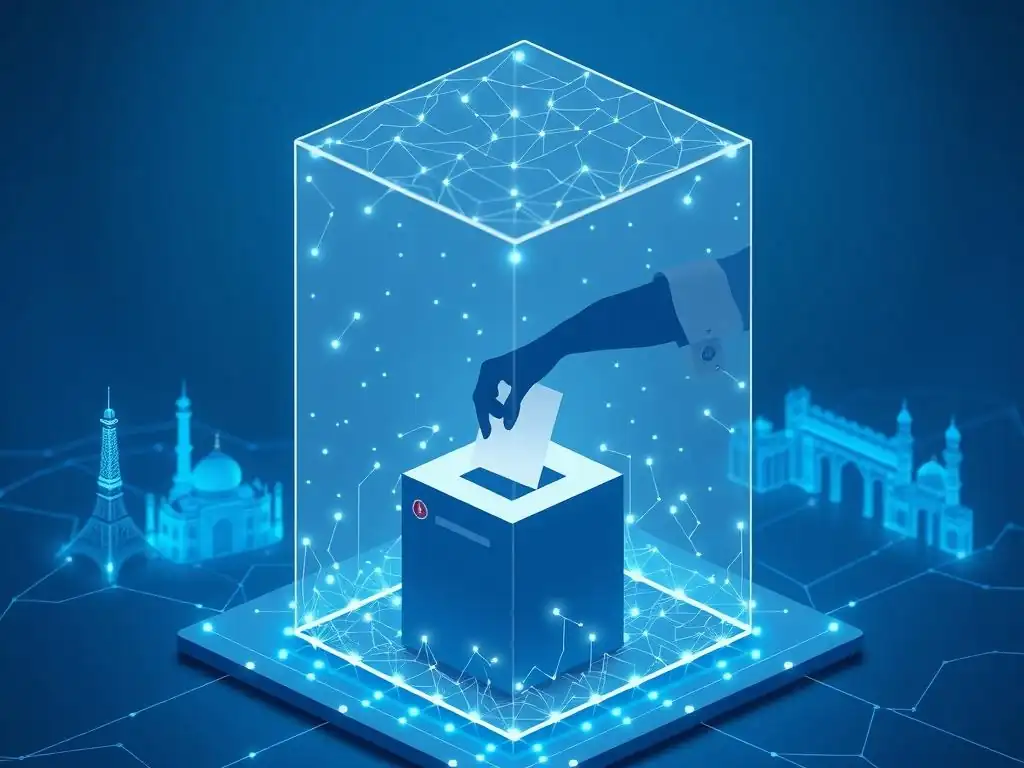
Voatz Pilot Program Analysis
Voatz, a mobile voting platform utilizing blockchain technology, has been one of the most widely discussed and scrutinized real-world implementations of decentralized voting. It has been piloted in various elections, primarily in the United States, including municipal elections, primary elections, and even for military personnel and overseas voters. Analysis of the Voatz pilot programs reveals both the potential and the challenges associated with blockchain voting.
Proponents highlight the increased accessibility and convenience offered by Voatz, particularly for voters who are geographically dispersed or have difficulty accessing traditional polling stations. They also point to the platform's security features, such as biometric authentication and end-to-end encryption, as improvements over traditional voting methods.
However, Voatz has also faced significant criticism and security concerns from cybersecurity experts and election integrity advocates. Concerns have been raised about the platform's closed-source nature, the lack of independent audits, and vulnerabilities identified in its security architecture. Researchers have demonstrated potential attack vectors that could compromise voter privacy or election integrity.
The controversy surrounding Voatz underscores the importance of rigorous security audits, open-source development, and transparency in blockchain voting systems to ensure public trust and address blockchain voting security concerns effectively. The Voatz case study serves as a valuable lesson in the complexities and challenges of implementing blockchain voting in real-world electoral contexts.
Zug, Switzerland Blockchain Voting Implementation
Zug, Switzerland, known as "Crypto Valley," has emerged as a notable example of blockchain voting implementation at the municipal level. Since 2018, Zug has conducted several pilot projects using blockchain-based e-voting for municipal referendums and consultations. These implementations have focused on enhancing citizen participation and modernizing the voting process. Unlike Voatz, Zug's blockchain voting system has emphasized transparency and open-source principles, with the code being publicly available for review and audit. The system leverages a permissioned blockchain and utilizes digital identities for voter authentication.
The Zug case study provides valuable insights into the practical aspects of deploying blockchain voting in a real-world setting. The city has reported positive outcomes in terms of increased voter participation in online referendums and improved efficiency in the voting process. The transparent and open-source approach adopted by Zug has also contributed to building public trust and fostering a more positive perception of blockchain voting within the community.
However, the scale of Zug's implementations has been relatively small, involving municipal referendums with limited voter turnout compared to national elections. Scaling up blockchain voting systems to handle large-scale national elections remains a significant challenge, even with the positive experiences from Zug.
Comparing Blockchain Voting to Traditional Voting Methods
Security: Traditional vs. Decentralized Approaches
Comparing the security of traditional voting methods to decentralized, blockchain-based approaches reveals distinct strengths and weaknesses in both paradigms. Traditional paper-based voting, while offering a physical audit trail, is susceptible to vulnerabilities such as ballot tampering, loss of ballots, and human error in counting. Centralized electronic voting machines introduce risks of software manipulation, hacking, and a lack of public verifiability. Both methods can be vulnerable to insider threats and logistical challenges that can compromise election integrity.
Blockchain voting, in contrast, leverages cryptographic security and decentralization to address many of these vulnerabilities. The immutability and tamper-proof nature of blockchain records provide a robust defense against vote manipulation. Distributed consensus mechanisms enhance security by requiring agreement across multiple nodes before a transaction is validated. However, blockchain voting is not immune to all security threats.
Vulnerabilities such as 51% attacks, key management risks, and potential flaws in system design remain blockchain voting security concerns. The relative security of each approach depends on the specific implementation, the security measures employed, and the context of the election. A comprehensive security assessment is crucial when comparing traditional and decentralized voting methods.
Transparency: Traditional vs. Blockchain-Based Systems
Transparency is another key differentiator between traditional and blockchain-based voting systems. Traditional voting methods often suffer from opacity, particularly in the vote counting and auditing processes. Public access to real-time information and detailed vote records is typically limited, hindering independent verification and fostering distrust. While paper ballots offer a physical audit trail, the manual recounting process can be time-consuming and prone to errors. Centralized electronic voting systems often lack transparency due to proprietary software and limited public access to audit logs.
Blockchain voting, by design, offers enhanced transparency through its publicly auditable ledger. Every vote recorded on the blockchain is verifiable by anyone with access to the network, enabling real-time vote tracking and independent verification of election results. This radical transparency can significantly improve public confidence and reduce the potential for disputes.
However, achieving transparency in blockchain voting must be balanced with the need to protect voter privacy. Privacy-preserving technologies are essential to ensure that transparency does not compromise ballot secrecy or lead to voter identification. Blockchain voting holds the potential for a paradigm shift in electoral transparency, but careful implementation is crucial to realize its full benefits.
Cost-Effectiveness: A Comparative Analysis
Assessing the cost-effectiveness of blockchain voting compared to traditional methods requires a nuanced analysis that considers both upfront and long-term costs. Traditional voting systems incur significant costs associated with printing and distributing paper ballots, managing polling stations, hiring election staff, and manual vote counting. Centralized electronic voting machines involve costs for procurement, maintenance, and software updates. While upfront costs for traditional methods may seem lower, long-term expenses, including potential recounts and litigation arising from election disputes, can be substantial.
Blockchain voting systems involve initial investments in infrastructure development, software development, and security audits. However, proponents argue that in the long run, blockchain voting could potentially reduce costs associated with printing, logistics, and manual processes. The automation and efficiency of blockchain systems could streamline election administration and reduce the need for extensive manual labor.
Furthermore, the enhanced transparency and auditability of blockchain voting could potentially lower the costs associated with recounts and election disputes. However, the actual cost-effectiveness of blockchain voting depends on various factors, including the scale of implementation, the chosen blockchain platform, the complexity of the system, and the regulatory environment. A thorough cost-benefit analysis is necessary to determine the economic viability of blockchain voting in specific contexts.
The Future of Decentralized Voting: Trends and Predictions
Emerging Technologies and Innovations in Blockchain Voting
The field of decentralized voting is rapidly evolving, with ongoing research and development focused on addressing current challenges and enhancing the capabilities of blockchain voting systems. Emerging technologies and innovations are shaping the future of decentralized voting, pushing the boundaries of security, scalability, and user-friendliness. One key area of innovation is the development of more scalable blockchain platforms capable of handling large-scale elections without compromising performance. Layer-2 scaling solutions, sharding techniques, and advancements in consensus algorithms are being explored to enhance transaction throughput and reduce network congestion.
Privacy-enhancing technologies are also at the forefront of innovation, with researchers developing more sophisticated cryptographic methods to protect voter anonymity while maintaining auditability. Zero-knowledge proofs, homomorphic encryption, and secure multi-party computation are being refined and integrated into blockchain voting systems to strengthen privacy safeguards. Furthermore, advancements in digital identity management and secure authentication protocols are enhancing voter verification processes and reducing the risk of voter fraud. The future of decentralized voting is likely to be characterized by continuous innovation in these areas, leading to more robust, scalable, and privacy-preserving voting systems.
The Role of Blockchain in Strengthening Democratic Processes
Blockchain technology has the potential to play a transformative role in strengthening democratic processes globally. By addressing key challenges related to election security, transparency, and accessibility, blockchain voting can contribute to more trustworthy, inclusive, and efficient elections. The immutability and auditability of blockchain records can enhance election integrity and reduce the potential for manipulation and fraud, bolstering public confidence in electoral outcomes. Increased transparency through real-time vote tracking and publicly verifiable results can promote accountability and reduce suspicion and disputes.
Improved accessibility through online voting platforms can enfranchise marginalized communities and increase voter turnout, leading to more representative and participatory democracies. Beyond voting, blockchain technology can also be applied to other aspects of democratic governance, such as citizen engagement platforms, secure identity management for public services, and transparent public record keeping. While challenges and controversies remain, the potential of blockchain to strengthen democratic processes is significant, and its role in shaping the future of governance is likely to expand.
Addressing Blockchain Voting Security Concerns for Wider Adoption
For wider adoption of blockchain voting to become a reality, addressing blockchain voting security concerns is paramount. Building trust in these systems requires a concerted effort to mitigate potential vulnerabilities, enhance security measures, and demonstrate the robustness and reliability of blockchain voting technologies. Rigorous security audits, penetration testing, and vulnerability assessments are essential to identify and address potential weaknesses in blockchain voting systems before deployment. Open-source development and transparency in system design can facilitate independent scrutiny and build public confidence in the security of these systems.
Standardization of security protocols, best practices for key management, and clear regulatory frameworks are also crucial for ensuring consistent security standards across different blockchain voting implementations. Furthermore, ongoing research and development are needed to address emerging security threats and enhance the resilience of blockchain voting systems against evolving cyberattacks. By proactively addressing blockchain voting security concerns and prioritizing security at every stage of development and implementation, the path to wider adoption of decentralized voting can be paved, unlocking its potential to transform democratic processes for the better.
Conclusion: Weighing the Potential and Challenges of Decentralized Voting
Decentralized voting, particularly when leveraging blockchain technology, presents a compelling vision for the future of elections, promising enhanced security, transparency, and accessibility. The potential benefits are significant, ranging from tamper-proof vote records and real-time auditability to improved voter turnout and reduced barriers to participation. Blockchain voting security concerns, however, cannot be ignored. Scalability challenges, vulnerabilities to cyberattacks, and privacy considerations require careful attention and robust mitigation strategies. Furthermore, controversies related to digital literacy, regulatory uncertainty, and public perception highlight the complexities of implementing decentralized voting in real-world contexts.
Ultimately, the debate around decentralized voting is not about whether it is a perfect solution, but rather about weighing its potential benefits against its inherent challenges and risks. While blockchain voting offers promising tools to address shortcomings in traditional electoral systems, its successful implementation requires a thoughtful and nuanced approach. Prioritizing security, transparency, inclusivity, and public trust is essential.
Ongoing research, pilot projects, and open dialogue are crucial to navigate the complexities and unlock the transformative potential of decentralized voting while mitigating its risks and addressing legitimate concerns. The future of voting may well be decentralized, but its realization depends on careful planning, responsible innovation, and a commitment to strengthening democratic processes for all.
Frequently Asked Questions
How can blockchain enhance voting security?
Blockchain offers enhanced security through its immutable ledger and decentralized nature, making it difficult for malicious actors to tamper with vote records. Each vote can be recorded as a transaction, linked cryptographically, providing a transparent and verifiable audit trail.
What are the main blockchain voting security concerns?
While promising, blockchain voting faces concerns such as voter identification and authentication, ensuring only eligible voters participate. Other concerns include key management risks if private keys are compromised, and the potential for distributed denial-of-service (DDoS) attacks.
How does blockchain address transparency in voting systems?
Blockchain's public and auditable ledger allows anyone to independently verify the vote count and the integrity of the voting process. This transparency can significantly reduce mistrust and allegations of fraud, fostering greater confidence in election outcomes.
What are some challenges in implementing blockchain voting solutions at scale?
Scalability remains a significant hurdle, as handling large volumes of votes within a reasonable timeframe requires high-throughput blockchain networks. Other challenges include accessibility for all voters, regardless of their technical skills or internet access, and regulatory uncertainties.
How might regulations impact the adoption of blockchain voting?
Clear and comprehensive regulations are crucial for establishing standards and guidelines for blockchain voting systems. Regulations must address issues like data privacy, voter authentication, and security protocols to ensure trust and prevent misuse, but also need to avoid stifling innovation.
Final Reflection: Embracing the Future, Addressing the Fears
The exploration of decentralized voting, as we've seen, presents a compelling vision of a more transparent and accessible democratic process. However, the inherent blockchain voting security concerns remain a significant hurdle, demanding rigorous scrutiny and innovative solutions before widespread adoption can be considered. The potential benefits are undeniable, but the risks associated with compromised security could undermine the very foundations of trust upon which democracy relies.
The ongoing debate surrounding decentralized voting highlights a crucial tension between technological advancement and the preservation of fundamental values. This tension resonates deeply, reminding us that technology, while powerful, is merely a tool, and its impact depends entirely on how we choose to wield it. The price of freedom is eternal vigilance.
This quote, often attributed to Thomas Jefferson, underscores the constant need for vigilance in safeguarding our democratic processes, especially as we navigate the complexities of emerging technologies like blockchain.
As we stand at this pivotal moment, contemplating the future of voting, let us not shy away from the challenges that lie ahead. Instead, let us embrace the opportunity to collaboratively address the blockchain voting security concerns, fostering a future where technology empowers, rather than endangers, our democratic ideals. Consider how you can contribute to this vital conversation, whether through research, advocacy, or simply by staying informed and engaged. The future of democracy depends on our collective commitment to ensuring its integrity.
Fuel the Future: Dive Deeper into Decentralized Voting!
Thank you for exploring the complexities of decentralized voting with us. We hope this article has illuminated the potential and the challenges within this innovative approach. Now, let's take the next steps to understand and shape the future of voting.
Here's how you can get involved:
- Research current decentralized voting platforms. Examine their security measures, user-friendliness, and how widely they are adopted by communities. This knowledge is essential for informed discussions!
- Share your insights: Talk with friends, family, or colleagues about the advantages and disadvantages to encourage broader conversations about the future of elections.
- Become a contributor: If you have technical skills, consider exploring open-source projects related to decentralized voting and help improve their development or security.
What are the most pressing concerns regarding the security or accessibility of decentralized voting that you believe need immediate attention? Share your thoughts in the comments below!
Leave a Reply