
Regulation and Web3: Finding the Balance Between Innovation and Oversight


Welcome to Blockchain Trends, where we delve into the revolutionary applications of blockchain technology!
Ever wondered how blockchain is reshaping industries beyond just cryptocurrencies? This week, we're tackling a crucial question at the heart of its evolution: finding the Blockchain regulation web3 balance. Explore the intricate dance between fostering innovation and ensuring responsible oversight in the decentralized web. Dive in to understand the challenges and opportunities that lie ahead in shaping the future of blockchain. Ready to unravel the complexities?
Regulation and Web3: Finding the Balance Between Innovation and Oversight
- Introduction: Navigating the Web3 Regulatory Landscape
- Understanding Web3 and Its Regulatory Challenges
- The Current State of Blockchain Regulation: A Global Perspective
- Balancing Innovation and Oversight: The Key to Sustainable Web3 Growth
- The Role of Self-Regulation and Industry Standards in Web3
- Specific Regulatory Concerns in Web3: DeFi, NFTs, and DAOs
- The Future of Blockchain Regulation: Towards a More Harmonized Approach
- Conclusion: Striking the Right Balance for a Thriving Web3 Ecosystem
-
Frequently Asked Questions
- What is the central challenge in blockchain regulation concerning Web3?
- Why is blockchain regulation different from traditional financial regulation?
- How does blockchain regulation impact the development of DeFi (Decentralized Finance)?
- What are some potential benefits of effective blockchain regulation in the Web3 space?
- What is the Web3 balance that regulators are trying to achieve?
- Final Reflection: Navigating the Blockchain Regulation Web3 Balance
- Unveil Your Web3 Future: Navigate Regulation with Confidence!
Web3, the next iteration of the internet built on decentralized technologies like blockchain, promises a paradigm shift towards user ownership, open protocols, and censorship resistance. This transition, however, introduces unprecedented challenges for traditional regulatory frameworks designed for centralized systems. As Web3 applications gain traction, from decentralized finance (DeFi) to non-fungible tokens (NFTs) and decentralized autonomous organizations (DAOs), the question of how to govern this burgeoning digital space becomes increasingly urgent. Finding the appropriate blockchain regulation web3 balance is paramount to unlocking its full potential while mitigating inherent risks.
The Promise and Peril of Decentralization: A Need for Web3 Governance
Decentralization is the core promise of Web3, empowering users by removing intermediaries and distributing control across networks. This architecture fosters innovation, resilience, and potentially greater user privacy. However, this very lack of central authority creates significant regulatory challenges. Who is responsible when illicit activities occur on a decentralized platform? How are consumer funds protected in non-custodial environments? The absence of clear governance structures and identifiable entities makes applying existing laws difficult, potentially creating loopholes for bad actors and leaving users vulnerable.
The tension between Web3's innovative, permissionless nature and the need for oversight to protect market integrity and prevent harm is the central dilemma. While proponents argue that code is law and transparency is inherent, regulators point to real-world risks like scams, hacks, and market manipulation. Establishing a pragmatic blockchain regulation web3 balance requires acknowledging both the transformative potential and the significant risks, paving the way for frameworks that are adaptable, technology-neutral where possible, and collaborative between regulators and the Web3 community.
Understanding Web3 and Its Regulatory Challenges
Defining Web3: Key Characteristics and Core Principles
Web3 represents a shift from the current internet (Web2), characterized by centralized platforms that own user data and control access, to a decentralized model. Its key characteristics include:
- Decentralization: Control and data are distributed across a network, often powered by blockchain technology, rather than residing on single servers owned by corporations.
- Openness and Permissionlessness: Anyone can participate and build on Web3 protocols without requiring permission from a central authority.
- Tokenization: Digital assets, representing ownership, value, or governance rights (like cryptocurrencies, NFTs, and utility tokens), are fundamental to Web3 economies.
- User Ownership: Users typically have greater control over their data and digital identities, often managed through self-custodial wallets.
These principles underpin the vision of a more equitable and censorship-resistant internet. Technologies like Ethereum, Solana, and Polkadot provide the infrastructure for decentralized applications (dApps). The core idea is that users, not large corporations, should own and control their digital presence and assets. This fundamental architectural difference from Web2 is the source of both its revolutionary potential and its complex regulatory puzzle.
The Decentralized Nature of Web3: Implications for Traditional Regulation
The distributed architecture of Web3 directly challenges traditional regulatory models. Most regulations, whether in finance, data privacy, or consumer protection, are designed to apply to identifiable legal entities – companies, banks, platforms with central control. In a decentralized system, there may be no single company or individual clearly responsible for the operation of a protocol or application. For example, a decentralized exchange (DEX) might be governed by a DAO, with code automatically executing trades and liquidity provided by anonymous users globally.
This lack of a central point of control makes enforcement difficult. Regulators face questions like: Who do you serve with a cease and desist? Who is liable for a bug in a smart contract that causes financial losses? Who is obligated to implement Anti-Money Laundering (AML) checks? Applying regulations designed for a centralized world to a decentralized one requires significant adaptation and often leads to legal uncertainty. Finding the right blockchain regulation web3 balance means developing frameworks that can address risks effectively without stifling the core innovation enabled by decentralization itself.
Unique Challenges for Regulators in the Web3 Space: Decentralized Exchanges (DEXs)
Decentralized Exchanges (DEXs) serve as a prime example of the unique regulatory challenges posed by Web3. Unlike centralized exchanges (CEXs) like Coinbase or Binance, which are operated by single companies, hold user funds in custody, and implement traditional KYC/AML procedures, DEXs facilitate peer-to-peer trading directly on the blockchain using smart contracts. Users retain custody of their assets in their own wallets throughout the process.
The regulatory challenge for DEXs is significant. With no central entity holding funds or controlling the trading process, applying traditional financial regulations designed for intermediaries is complex. While some DEX interfaces might be operated by a company, the underlying protocol and liquidity pools are often decentralized.
Regulators grapple with questions of whether DEXs should be classified as exchanges, money transmitters, or something else entirely. Data from 2023 showed major DEXs like Uniswap processing billions of dollars in trading volume monthly, highlighting the scale of activity operating in a regulatory gray area. Ensuring a proper blockchain regulation web3 balance in this context involves debating whether regulation should target the protocol developers, front-end operators, liquidity providers, or some combination, without inadvertently banning or driving underground legitimate trading activity.
The Current State of Blockchain Regulation: A Global Perspective
Varying Approaches to Web3 Regulation Worldwide: A Comparative Analysis
Globally, the approach to regulating blockchain and Web3 technologies varies significantly, reflecting different national priorities, risk appetites, and legal traditions. Some jurisdictions have adopted a cautious stance, focusing primarily on consumer protection and financial stability, often leading to restrictive rules. Others have sought to become innovation hubs, implementing tailored frameworks designed to provide clarity and encourage development, while still addressing key risks.
This patchwork of regulations creates complexity for Web3 projects, which are often global by nature. A project operating a protocol might face different legal requirements depending on where its developers are located, where its users reside, or where its servers (if any) are hosted. This fragmentation can lead to regulatory arbitrage, where projects move to jurisdictions with less stringent rules, potentially undermining global efforts to combat illicit finance or protect consumers. Achieving a coherent blockchain regulation web3 balance at a global level requires greater international dialogue and potential standardization.
United States: The Securities and Exchange Commission (SEC) and Web3 Oversight
In the United States, Web3 regulation is largely characterized by an 'enforcement-first' approach, particularly by the Securities and Exchange Commission (SEC). The SEC primarily utilizes existing securities laws, applying the 'Howey Test' to determine if a digital asset constitutes an investment contract and thus falls under its jurisdiction. This has led to numerous enforcement actions against token issuers and platforms.
The SEC's stance is that many tokens, particularly those sold in initial offerings, are unregistered securities. This has created significant uncertainty for the Web3 industry in the US, with ongoing debates about the classification of various tokens and the scope of the SEC's authority over decentralized protocols. While some clarity is sought through legislation, the current environment means projects often face potential legal challenges, impacting the blockchain regulation web3 balance and potentially hindering innovation within the US market compared to more prescriptive jurisdictions.
Europe: The EU's MiCA Framework and its Impact on Blockchain Innovation
The European Union has taken a more comprehensive and proactive approach with the Markets in Crypto-Assets (MiCA) regulation. MiCA provides a harmonized legal framework for crypto-assets across all EU member states, aiming to provide legal certainty, support innovation, and ensure consumer protection and financial stability. It covers various crypto-assets (excluding certain types like unique NFTs) and crypto-asset service providers (CASPs), including exchanges, custodians, and advisors.
MiCA introduces requirements for authorization, governance, capital, and consumer disclosure for CASPs. It also regulates stablecoins, imposing strict requirements on issuers. While complex and requiring significant compliance efforts, MiCA is largely seen by the industry as a positive step towards establishing a clear blockchain regulation web3 balance in Europe. Its phased implementation, with rules for stablecoins applying from June 2024 and those for other crypto-assets and CASPs from December 2024, marks a significant shift towards a more regulated Web3 environment in one of the world's major economic blocs.
Asia: Emerging Regulatory Trends in Key Asian Web3 Hubs: Singapore
Asia presents a diverse regulatory landscape for Web3, with some jurisdictions adopting cautious stances while others actively court innovation. Singapore is often highlighted as a key Asian Web3 hub that has sought to establish a clear regulatory framework to attract businesses while managing risks. The Monetary Authority of Singapore (MAS) regulates Digital Payment Token (DPT) services under its Payment Services Act (PSA), requiring entities providing services like exchange or custody of DPTs to be licensed.
Singapore's approach aims to strike a blockchain regulation web3 balance by providing regulatory clarity for service providers, which helps combat illicit finance and protect users dealing with licensed entities. While this framework primarily targets centralized service providers, discussions continue on how to address decentralized activities. Other Asian countries like Japan have also implemented licensing regimes, while others like South Korea navigate complex regulatory debates, illustrating the varied and evolving nature of Web3 regulation across the continent.
Balancing Innovation and Oversight: The Key to Sustainable Web3 Growth
Fostering Innovation Through Regulatory Sandboxes and Experimentation
One approach to finding a productive blockchain regulation web3 balance is the use of regulatory sandboxes. These initiatives, adopted by regulators in jurisdictions like the UK (Financial Conduct Authority - FCA), Singapore (MAS), and parts of the US, create controlled environments where companies can test innovative products, services, or business models without immediately facing the full burden of regulation.
Regulatory sandboxes allow innovators to receive guidance from regulators and operate with temporary waivers or modified requirements. This provides regulators with valuable insights into how new Web3 technologies actually work, their potential risks, and how existing rules might apply or need adaptation. For startups, it offers a path to market and clearer communication with authorities. While not a permanent solution, sandboxes are a useful tool for fostering innovation by providing a safe space for experimentation and learning, helping to inform future, more permanent regulatory frameworks.
Protecting Consumers in the Decentralized Web: Addressing Risks and Vulnerabilities
Consumer protection is a paramount concern in Web3 regulation. Users in decentralized systems face risks such as losing access to funds due to lost private keys, falling victim to sophisticated scams (like rug pulls or phishing attacks), and encountering technical vulnerabilities in smart contracts that lead to asset loss. Unlike traditional finance, there are often no central entities to complain to or deposit insurance schemes to recover losses.
Regulatory efforts to protect consumers in Web3 focus on areas like requiring clear risk disclosures from platforms that serve as access points (e.g., centralized exchanges or wallet providers), setting security standards for smart contracts (though enforcing this on permissionless protocols is challenging), and combating fraudulent activities. While decentralization places more responsibility on the user, finding the right blockchain regulation web3 balance means ensuring that entry points and user-facing services adhere to minimum standards of transparency and security to mitigate risks for less sophisticated participants.
Combating Illicit Activities in Web3: AML and KYC Compliance
Preventing the use of Web3 technologies for illicit activities, such as money laundering, terrorist financing, and sanctions evasion, is a major driver of regulation. The pseudonymous nature of blockchain transactions, while offering privacy benefits, also poses challenges for identification. Global bodies like the Financial Action Task Force (FATF) have issued guidelines requiring Virtual Asset Service Providers (VASPs) – a category often interpreted to include centralized crypto exchanges and custodians – to implement Anti-Money Laundering (AML) and Know Your Customer (KYC) measures.
Applying these requirements to decentralized protocols remains a significant challenge. While transactions on public blockchains are transparent, identifying the real-world identities behind addresses is difficult. Efforts to combat illicit activity in Web3 often focus on the regulated on-ramps and off-ramps (like centralized exchanges) where users convert fiat to crypto or vice-versa. Future regulations may explore ways to incorporate identity verification or transaction monitoring into decentralized systems without compromising core principles, representing a complex aspect of achieving a functional blockchain regulation web3 balance.
Promoting Transparency and Accountability in Decentralized Systems
Paradoxically, while identity can be pseudonymous, blockchain technology offers unprecedented transaction transparency. Every transaction on a public ledger is visible to anyone. This inherent transparency can be leveraged for regulatory compliance and accountability. For instance, the flow of funds can be tracked, and the logic of smart contracts can be audited (though complexity and cost are factors).
Promoting accountability in decentralized systems involves encouraging best practices like open-sourcing code, undergoing security audits, and clearly documenting protocol mechanics. Regulatory approaches might focus on ensuring that interfaces interacting with decentralized protocols provide clear information to users or requiring certain types of protocols to meet minimum transparency standards. While direct enforcement against decentralized entities is difficult, fostering a culture of transparency and leveraging the auditable nature of blockchain are key components in developing a sustainable blockchain regulation web3 balance.
The Role of Self-Regulation and Industry Standards in Web3
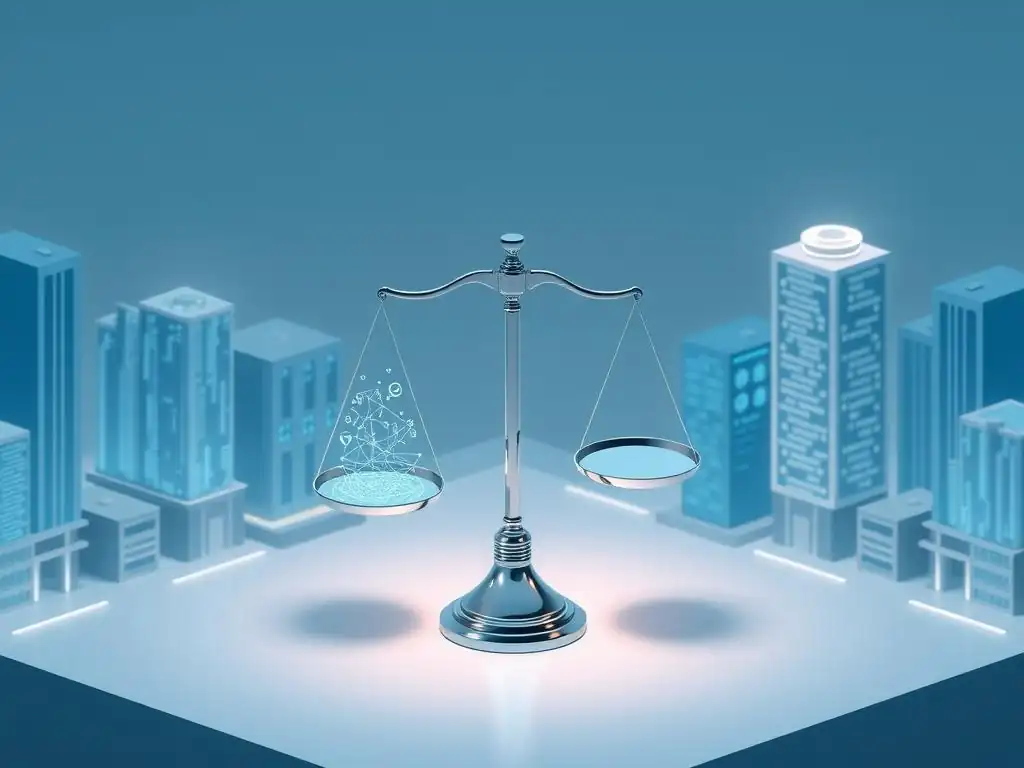
Developing Best Practices for Web3 Projects: A Collaborative Approach
Given the challenges of applying top-down regulation to decentralized systems, self-regulation and the development of industry standards play a crucial role in the evolution of Web3. Industry bodies, foundations behind major protocols, and consortia are working to establish best practices in areas such as smart contract security (e.g., requiring audits), token design (e.g., clear utility and governance models), and data privacy.
This collaborative approach involves developers, users, businesses, and legal experts coming together to define norms and guidelines that promote safety, security, and responsible innovation. Adherence to these standards, while often voluntary, can build trust within the ecosystem and provide a foundation that regulators can potentially recognize or build upon. This bottom-up development of standards is essential for informing and complementing official regulatory efforts, helping to shape a practical blockchain regulation web3 balance.
The Importance of Decentralized Governance and Community Participation
Decentralized governance mechanisms, often implemented through DAOs and token-based voting, are a form of self-regulation inherent to many Web3 projects. Token holders can vote on proposals related to protocol upgrades, treasury management, and even parameter changes. This allows the community to collectively make decisions about the direction and operation of the network.
While decentralized governance offers a path towards community-driven decision-making and accountability to token holders, it also presents challenges. Issues like low voter turnout, concentration of voting power among large token holders, and the difficulty of coordinating diverse global communities can hinder effective governance. Nevertheless, successful decentralized governance models demonstrate a potential path for protocols to evolve and adapt in a transparent and community-aligned manner, contributing to the broader goal of establishing a responsible blockchain regulation web3 balance.
Decentralized Autonomous Organizations (DAOs) represent a particularly complex area for both self-regulation and external oversight. As organizations governed by code and collective decision-making rather than traditional corporate structures, their legal status is often ambiguous. Are they partnerships? Unincorporated associations? Or a new legal form entirely? This uncertainty creates significant challenges regarding liability, taxation, and regulatory compliance.
Some jurisdictions are beginning to address the legal status of DAOs; for example, Wyoming in the US has passed legislation allowing for the creation of legally recognized DAO LLCs. However, most DAOs operate without a formal legal structure, making it unclear how they can comply with regulations like AML/KYC or consumer protection laws, which typically apply to legal entities.
Navigating this legal gray area requires innovative thinking about how regulations can interact with decentralized governance structures and whether certain DAO activities should trigger specific compliance obligations, which is critical for achieving a workable blockchain regulation web3 balance for these entities.
Specific Regulatory Concerns in Web3: DeFi, NFTs, and DAOs
Decentralized Finance (DeFi) Regulation: Managing Risks and Ensuring Stability
Decentralized Finance (DeFi) is one of the most prominent and fast-growing sectors within Web3, offering services like lending, borrowing, trading, and asset management via automated protocols on the blockchain. Due to its financial nature and rapid growth, DeFi has attracted significant regulatory attention. Concerns include potential systemic risk (if protocols become interconnected and large enough), smart contract vulnerabilities leading to hacks and user losses (billions lost in DeFi exploits over the years), market manipulation, and the potential for use in illicit finance.
Regulators are exploring various approaches to DeFi oversight. These include focusing on regulating the 'edges' of DeFi (like centralized platforms interacting with protocols), potentially regulating developers or front-end operators, or setting standards for smart contract security and audits. The challenge lies in regulating the function of finance (lending, trading) without necessarily regulating the technology itself, which is decentralized. Establishing a clear blockchain regulation web3 balance for DeFi is seen as crucial for its long-term stability and integration into the broader financial system, while allowing its core innovation of open, programmable finance to flourish.
Non-Fungible Tokens (NFTs) and Intellectual Property Rights: A Regulatory Perspective
Non-Fungible Tokens (NFTs) have gained widespread attention, particularly in the digital art and collectibles markets, but their regulatory implications extend beyond this. NFTs can represent ownership of unique digital or physical assets. Regulatory questions arise regarding whether certain NFTs might be considered securities (e.g., fractionalized NFTs representing ownership stakes), issues related to intellectual property (does owning an NFT automatically grant copyright? ), and market integrity concerns like wash trading and price manipulation in NFT marketplaces.
The intersection of NFTs and intellectual property is particularly complex. Purchasing an NFT typically represents ownership of a token on a blockchain, not necessarily the underlying creative work's copyright or usage rights, unless explicitly granted. This has led to legal disputes and uncertainty.
Regulators are considering how existing laws apply to this new asset class, focusing on investor protection where NFTs resemble investment products and ensuring clarity around ownership rights. Finding the right blockchain regulation web3 balance for NFTs involves distinguishing between collectibles and potentially regulated financial instruments, while also addressing the unique legal questions they raise regarding digital property.
Decentralized Autonomous Organizations (DAOs): Legal Status and Regulatory Frameworks
As discussed earlier, the regulatory status of DAOs is a major point of discussion. Their lack of a traditional legal personality makes it difficult to apply regulations designed for corporations or other established entities. Regulators are grappling with questions of liability – who is responsible if a DAO's actions cause harm? How can enforcement actions be taken against a distributed group of token holders?
Regulatory approaches being explored include treating DAOs based on their function (e.g., if a DAO pools funds and invests, treating it like an investment fund subject to securities laws) or attempting to provide legal recognition to DAOs under specific conditions, as seen in efforts in some US states. The challenge is to create frameworks that provide legal clarity and accountability without undermining the decentralized and autonomous nature that is fundamental to DAOs.
Developing appropriate regulatory frameworks for DAOs is essential for their widespread adoption and integration into the economy, requiring careful consideration to strike the correct blockchain regulation web3 balance.
The Future of Blockchain Regulation: Towards a More Harmonized Approach
The Need for International Cooperation and Standardization in Web3 Regulation
The inherently global nature of Web3 protocols and markets underscores the critical need for international cooperation and standardization in regulation. Web3 applications operate across borders seamlessly, making unilateral regulatory actions by individual countries less effective and potentially driving activity to jurisdictions with less stringent oversight. This can create opportunities for regulatory arbitrage and hinder efforts to establish a safe global ecosystem.
International bodies, such as the Financial Stability Board (FSB) and the International Organization of Securities Commissions (IOSCO), are engaging in discussions and issuing recommendations regarding crypto-asset regulation. Greater coordination is needed on issues like data sharing, enforcement cooperation, and developing common standards for areas like AML/KYC for VASPs. A more harmonized global approach to blockchain regulation web3 balance would provide greater certainty for businesses, enhance consumer protection worldwide, and strengthen the collective ability to combat illicit finance.
Emerging Technologies and Their Impact on Regulatory Frameworks: Zero-Knowledge Proofs
Emerging cryptographic techniques within Web3, such as Zero-Knowledge Proofs (ZKPs), could significantly impact future regulatory frameworks. ZKPs allow one party to prove that a statement is true to another party without revealing any information beyond the validity of the statement itself. For example, a user could potentially prove they meet an age requirement or accreditation status without revealing their date of birth or identity documents.
This technology holds promise for addressing the tension between privacy and compliance. ZKPs could potentially enable regulatory audits or identity verification checks to occur in a privacy-preserving manner, without requiring sensitive user data to be stored on centralized databases or revealed publicly. As regulators look for ways to oversee Web3 without demanding excessive data that contradicts its privacy principles, technologies like ZKPs may offer technical solutions that can help bridge the gap and contribute to a more privacy-respecting blockchain regulation web3 balance.
The Role of Technology in Facilitating Regulatory Compliance: RegTech Solutions for Web3
Just as technology creates regulatory challenges, it also offers solutions. Regulatory Technology (RegTech) solutions are emerging to help Web3 projects and traditional financial institutions interacting with Web3 assets meet compliance obligations. These tools can include automated transaction monitoring and analysis on blockchains to detect suspicious activity, identity verification services tailored for decentralized environments, and smart contract analysis tools to check for security vulnerabilities or compliance with predefined rules.
RegTech solutions can automate compliance processes, reduce costs, and improve the effectiveness of oversight in the complex Web3 landscape. For example, sophisticated blockchain analytics tools can trace the flow of illicit funds across different protocols and chains. As regulation evolves, the development and adoption of specific Web3-focused RegTech tools will be crucial for enabling entities operating in this space to meet their obligations efficiently and effectively, further refining the practical implementation of the blockchain regulation web3 balance.
Conclusion: Striking the Right Balance for a Thriving Web3 Ecosystem
Navigating the complex landscape of blockchain regulation in the Web3 era requires a nuanced understanding of both the technology's potential and its risks. The decentralized, permissionless nature of Web3 challenges traditional regulatory paradigms, necessitating innovative approaches. A successful path forward depends heavily on open dialogue and collaboration among regulators, policymakers, Web3 builders, industry participants, and users.
Regulators must strive to understand the technology deeply to craft rules that are effective and proportionate, avoiding stifling innovation through overly broad or restrictive measures. The industry, in turn, must prioritize building secure, transparent, and responsible applications, actively engaging with regulators and contributing to the development of best practices and standards. This collaborative effort is essential to navigate the uncertainties and build trust.
Web3's Potential and the Importance of Responsible Innovation
Web3 holds immense potential to reshape digital economies, empower users, and create new forms of social and economic organization. From revolutionizing finance with DeFi to enabling true digital ownership with NFTs and fostering community-driven organizations with DAOs, the possibilities are vast. However, realizing this potential sustainably requires a commitment to responsible innovation.
This means designing protocols with security and user protection in mind, implementing governance structures that promote accountability, and actively working to prevent illicit use. Getting the blockchain regulation web3 balance right is not just about compliance; it's about creating a foundation of trust and stability that allows the technology to flourish while safeguarding individuals and the broader financial system. A well-calibrated regulatory approach, combined with strong industry self-governance, will be key to unlocking Web3's promise and ensuring its positive impact on the future.
Frequently Asked Questions
What is the central challenge in blockchain regulation concerning Web3?
The core challenge lies in balancing the need for consumer protection and market stability with fostering innovation in Web3. Overly strict regulations could stifle growth, while lax oversight could lead to scams and instability.
Why is blockchain regulation different from traditional financial regulation?
Blockchain technology's decentralized nature and global reach make it difficult to apply traditional, geographically-bound regulations. The lack of a central authority also complicates enforcement of rules and accountability.
How does blockchain regulation impact the development of DeFi (Decentralized Finance)?
Uncertainty surrounding blockchain regulation can hinder the growth of DeFi by creating compliance risks and deterring institutional investment. Clear and adaptable rules are needed to encourage responsible innovation.
What are some potential benefits of effective blockchain regulation in the Web3 space?
Well-designed blockchain regulation can increase trust in Web3 technologies, attract mainstream adoption, and reduce the risk of fraud and manipulation. This can lead to a more stable and sustainable ecosystem.
What is the Web3 balance that regulators are trying to achieve?
The Web3 balance refers to finding the sweet spot where blockchain regulation ensures consumer safety and prevents illegal activities, while simultaneously allowing innovation and development of Web3 technologies to flourish without undue burden.
The exploration of blockchain regulation and the Web3 balance reveals a critical juncture in technological advancement. The tension between fostering innovation and ensuring responsible oversight is not merely an academic debate; it's a real-time challenge shaping the future of the internet and the global economy. As Web3 technologies continue to permeate various sectors, the need for thoughtful and adaptable regulatory frameworks becomes increasingly urgent, demanding a collaborative approach between innovators, policymakers, and the public.
The ongoing evolution of Web3 profoundly impacts our cultural and social landscape, promising decentralization and user empowerment. This shift necessitates a re-evaluation of traditional regulatory models to accommodate the unique characteristics of blockchain technology. The potential for both immense benefit and significant risk underscores the importance of striking the right balance. The price of freedom is eternal vigilance.
- Thomas Jefferson. This quote reminds us that safeguarding the promise of Web3 requires constant attention and proactive engagement to prevent its misuse and ensure its responsible development.
As you consider the implications of blockchain regulation and the Web3 balance, I invite you to reflect on your own role in shaping this future. How can you contribute to a more equitable and secure digital world? Whether you are a developer, investor, policymaker, or simply an engaged citizen, your understanding and participation are crucial. Let us strive to build a Web3 ecosystem that is both innovative and responsible, one that empowers individuals while safeguarding against potential harms.
Thank you for exploring the evolving landscape of Web3 regulation with Blockchain Trends. You've now gained valuable insights into the challenges and opportunities at this intersection. Now, it's time to put that knowledge into action!
- Dive Deeper: Explore a specific regulatory framework (like MiCA in Europe) relevant to your Web3 interests. Understand its implications and how it might impact your projects or investments. This is your primary action to stay ahead of the curve.
- Share Your Insights: Contribute to the conversation by discussing your perspective on Web3 regulation in relevant online communities or forums. Your voice matters in shaping the future!
- Stay Informed: Sign up for the Blockchain Trends newsletter (blockchaintrends.org) to receive the latest updates on regulatory developments and insightful analysis directly to your inbox.
How will you leverage your understanding of Web3 regulation to foster innovation and responsible growth in this exciting space?
Leave a Reply