
The Case for BlockchainBased Voting Records: Ensuring Election Transparency

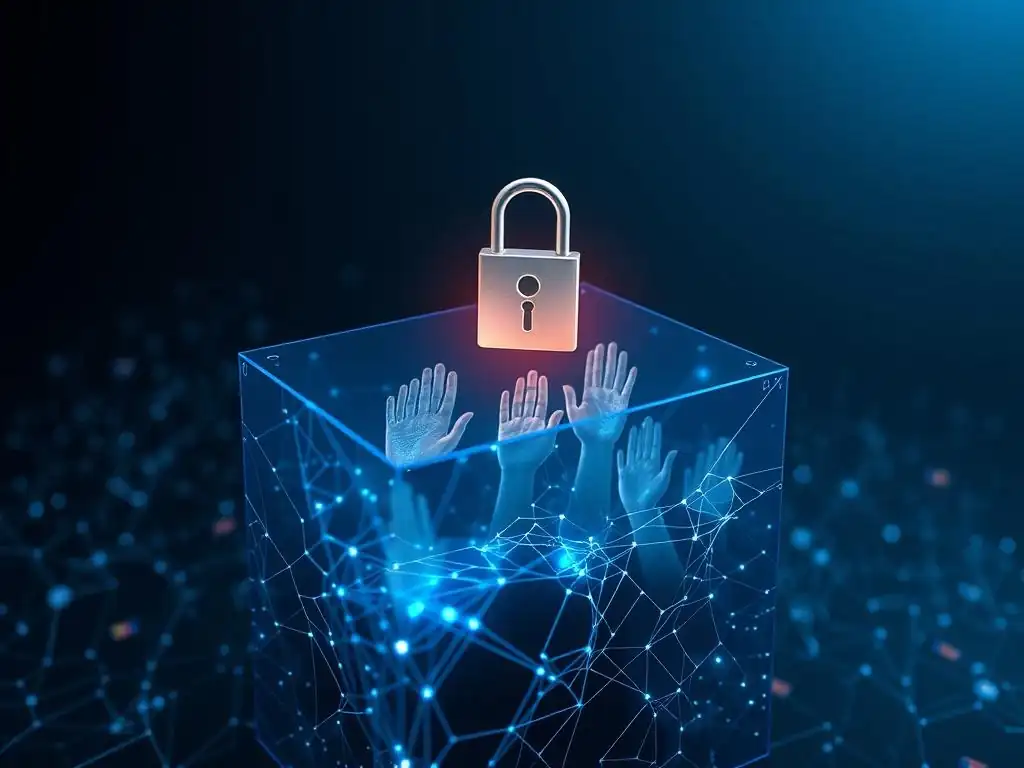
Welcome to Blockchain Trends, your gateway to understanding the real impact of blockchain technology. Beyond the hype, we delve into its groundbreaking applications. Curious about how blockchain can revolutionize governance? Our article, "The Case for Blockchain-Based Voting Records: Ensuring Election Transparency," explores how this technology can drastically improve blockchain voting records security and electoral integrity. Discover the potential and the challenges – are we on the cusp of a new era in democratic processes? Read on to find out!
- The Case for Blockchain-Based Voting Records: Ensuring Election Transparency
- Understanding the Shortcomings of Current Voting Systems
- Blockchain Voting Records Security: How it Works
- Benefits of Implementing Blockchain for Voting Records
- Addressing Concerns and Challenges of Blockchain Voting
- Real-World Examples and Pilot Programs of Blockchain Voting
- The Future of Blockchain Voting: Trends and Predictions
- Conclusion: Blockchain Voting Records Security as a Cornerstone of Democratic Governance
-
Frequently Asked Questions
- What are the primary security benefits of using blockchain for voting records?
- How does blockchain address concerns about voter privacy in election systems?
- What role does decentralization play in improving the security of voting records?
- What are the key regulatory challenges associated with implementing blockchain-based voting systems?
- How can blockchain enhance the transparency of election audits?
- Final Reflection: Embracing Trust Through Technology
- Secure Our Future: Cast Your Vote for Transparency!
The Case for Blockchain-Based Voting Records: Ensuring Election Transparency
Introduction: The Urgent Need for Election Transparency and Integrity
In an era defined by rapid technological advancement and increasing digital dependency, the integrity of democratic processes is paramount. Elections, the cornerstone of democratic governance, are facing unprecedented scrutiny. Public trust in electoral systems is wavering, fueled by concerns about manipulation, fraud, and lack of transparency.
Ensuring that every vote is accurately recorded and counted, and that the entire process is verifiable, is no longer just an ideal but a critical necessity to maintain faith in democratic institutions. The need for robust and transparent election systems has never been more urgent, as nations grapple with misinformation campaigns and sophisticated cyber threats that can undermine the very foundations of democratic societies. This urgency necessitates exploring innovative solutions that can bolster election security and restore public confidence.
Blockchain Technology: A Secure Foundation for Digital Voting Records
Blockchain technology, initially popularized by cryptocurrencies like Bitcoin, offers a compelling solution to address the challenges of election transparency and security. At its core, blockchain is a decentralized, distributed ledger system that records transactions across many computers. This inherent decentralization and cryptographic security make it exceptionally difficult to tamper with data, making it an ideal foundation for storing sensitive information like voting records.
Unlike traditional databases that are centralized and vulnerable to single points of failure, blockchain's distributed nature ensures resilience and data integrity. Furthermore, the cryptographic principles underpinning blockchain guarantee that once a record is added, it becomes immutable, meaning it cannot be altered or deleted without detection. This combination of features positions blockchain as a potentially transformative technology for securing and enhancing the transparency of voting systems.
Understanding the Shortcomings of Current Voting Systems
Vulnerabilities in Traditional Voting Infrastructure
Current voting systems, whether paper-based or electronic, are not without vulnerabilities. Traditional paper-based systems, while offering a physical audit trail, are susceptible to ballot tampering, miscounting, and logistical inefficiencies. Electronic voting machines (EVMs), often touted for speed and accuracy, have raised concerns about software vulnerabilities, lack of transparency in their internal workings, and the potential for manipulation without a clear audit trail.
For example, in some regions, concerns have been raised about the security of Direct Recording Electronic (DRE) voting machines, which lack a paper trail, making independent audits challenging. Moreover, centralized databases used to manage voter registration and election results can be attractive targets for cyberattacks, potentially leading to data breaches and manipulation of voter rolls or election outcomes. These vulnerabilities, inherent in both legacy and modern voting infrastructures, underscore the need for more secure and transparent alternatives.
The Problem of Voter Disenfranchisement and Inaccuracies
Beyond security vulnerabilities, current voting systems can inadvertently lead to voter disenfranchisement and inaccuracies. Outdated voter registration lists, complex registration processes, and restrictive voter ID laws can disproportionately affect marginalized communities and younger voters, leading to eligible citizens being unable to cast their ballots. Furthermore, human error in manual vote counting, particularly in large elections, can introduce inaccuracies.
In close elections, even small discrepancies can become significant, potentially altering results and fueling disputes. For instance, issues with provisional ballots and absentee ballots, which often require manual processing, can contribute to errors and delays in vote tabulation. These systemic issues highlight the limitations of current systems in ensuring accurate and inclusive elections, further emphasizing the need for improvements that enhance both accessibility and precision.
Lack of Public Trust in Election Outcomes
Perhaps the most damaging consequence of the shortcomings in current voting systems is the erosion of public trust in election outcomes. Allegations of voter fraud, even when unsubstantiated, and concerns about foreign interference can significantly undermine public confidence in the legitimacy of elections. The perception of opaque processes and a lack of verifiable audit trails contributes to this distrust.
In a 2023 survey by the Pew Research Center, only 58% of Americans expressed confidence in the fairness and accuracy of US elections. This lack of trust can have far-reaching implications, potentially leading to political instability, social unrest, and a weakening of democratic institutions. Restoring and strengthening public trust requires demonstrable improvements in election transparency and security, making the need for innovative solutions like blockchain-based voting records increasingly pressing.
Blockchain Voting Records Security: How it Works
Immutability and Tamper-Proof Records on the Blockchain
The core strength of blockchain for voting records security lies in its immutability. Once a vote is recorded on a blockchain, it becomes virtually impossible to alter or delete it. This immutability stems from the cryptographic hashing and distributed consensus mechanisms inherent to blockchain technology. Each block in the chain contains a cryptographic hash of the previous block, creating a chain of linked blocks that is exceptionally resistant to tampering.
Any attempt to alter a record in a block would require changing the hash, which would then invalidate all subsequent blocks in the chain. This tamper-proof nature of blockchain ensures the integrity of voting records, providing a verifiable and permanent audit trail of every vote cast. This characteristic is fundamental to enhancing the blockchain voting records security.
Decentralization: Eliminating Single Points of Failure in Voting Systems
Traditional voting systems often rely on centralized databases, which present single points of failure and vulnerability. A successful cyberattack on a central election server could potentially compromise vast amounts of voting data. Blockchain, by its decentralized nature, eliminates this single point of failure. Voting records are distributed across a network of computers, or nodes, making it incredibly difficult for any single entity to control or manipulate the data.
To compromise a blockchain-based voting record system, an attacker would need to simultaneously control a majority of the network nodes, a task that becomes exponentially harder as the network size increases. This decentralization enhances the resilience and security of the voting process, significantly reducing the risk of large-scale data breaches or manipulation that could undermine election integrity. The distributed ledger ensures robust blockchain voting records security.
Cryptographic Security: Protecting Voter Identity and Vote Integrity
Cryptography is at the heart of blockchain voting records security. Blockchain utilizes cryptographic techniques, such as digital signatures and encryption, to protect voter identity and ensure vote integrity. Voters can be assigned unique cryptographic keys to authenticate their identity without revealing personal information on the blockchain.
Votes can be encrypted before being recorded on the blockchain, ensuring voter privacy and preventing vote tampering. Zero-knowledge proofs, a form of advanced cryptography, can further enhance privacy by allowing verification of a vote's validity without revealing the vote itself. These cryptographic safeguards are crucial for maintaining both the confidentiality of individual votes and the overall integrity of the election outcome, strengthening the blockchain voting records security framework.
Benefits of Implementing Blockchain for Voting Records
Enhanced Election Transparency and Auditability
One of the most significant benefits of using blockchain for voting records is the dramatic increase in election transparency and auditability. Every transaction on a blockchain is recorded publicly and permanently, creating a transparent and auditable record of all votes cast. Independent auditors, election observers, and even the public can verify the integrity of the election process by examining the blockchain ledger.
This level of transparency can significantly reduce suspicions of fraud and manipulation, as the entire voting process becomes open to scrutiny. For example, cryptographic hashes of ballots and vote tallies can be publicly published on the blockchain, allowing for independent verification of election results. This enhanced transparency is crucial for building trust in democratic processes and ensuring the legitimacy of election outcomes.
Increased Voter Confidence and Participation
Enhanced transparency and security, provided by blockchain voting records, can lead to increased voter confidence and participation. When voters are confident that their votes are securely recorded, accurately counted, and that the entire process is verifiable, they are more likely to participate in elections. The ability for voters to potentially track their own vote on the blockchain (while maintaining anonymity) can further increase confidence and engagement.
By addressing concerns about election integrity, blockchain technology can help to reverse the trend of declining voter turnout in some democracies. A more secure and transparent voting system can empower citizens and encourage greater civic participation, strengthening the foundations of democratic governance.
Reduced Costs Associated with Elections
While initial implementation costs may be involved, blockchain-based voting systems have the potential to reduce long-term costs associated with elections. Streamlining voting processes through digitalization can reduce the need for extensive manual labor in ballot printing, distribution, and counting. Reduced instances of fraud and disputes can also lead to cost savings by minimizing recounts and legal challenges.
Furthermore, the efficiency of digital voting systems can reduce administrative overhead associated with managing paper ballots and physical voting infrastructure. While cost savings may vary depending on the specific implementation and scale of adoption, blockchain technology offers the potential for significant long-term cost efficiencies in election administration.
Streamlined Voting Processes and Faster Results
Blockchain technology can streamline voting processes and accelerate the tabulation of election results. Digital voting systems, underpinned by blockchain, can eliminate many of the time-consuming manual steps involved in traditional voting. Vote counting can be automated and significantly faster compared to manual counting of paper ballots.
Results can be available almost in real-time, reducing the period of uncertainty and potential disputes following elections. The efficiency of blockchain-based systems can also simplify the process of absentee voting and remote voting, making it easier and more convenient for citizens to exercise their right to vote, ultimately improving the overall efficiency and speed of electoral processes.
Addressing Concerns and Challenges of Blockchain Voting

Scalability Issues with Blockchain Technology
One of the primary concerns regarding blockchain voting is scalability. Traditional public blockchains, like Bitcoin, have limitations in the number of transactions they can process per second. Large-scale national elections involve millions of voters, requiring systems capable of handling a massive volume of transactions within a limited timeframe. However, advancements in blockchain technology are addressing scalability challenges.
Layer-2 solutions, such as sidechains and rollups, can significantly increase transaction throughput. Furthermore, permissioned or private blockchains, tailored for specific applications like voting, can be designed to handle higher transaction volumes more efficiently. Ongoing research and development are continually improving the scalability of blockchain technology, making it increasingly viable for large-scale voting applications.
Security Risks and Mitigation Strategies
While blockchain offers enhanced security, it is not immune to all security risks. Potential vulnerabilities include smart contract vulnerabilities, if smart contracts are used to manage voting logic, and risks associated with voter authentication and key management. Phishing attacks targeting voter credentials and denial-of-service attacks aimed at disrupting the voting process are also potential concerns.
Mitigation strategies include rigorous auditing of smart contracts, robust voter identity verification protocols, and implementation of strong cybersecurity measures to protect the voting infrastructure. Furthermore, employing end-to-end encryption and secure multi-party computation can further enhance the security and privacy of blockchain voting systems. A layered security approach, combining technological safeguards with robust operational procedures, is crucial for mitigating potential risks and ensuring the blockchain voting records security.
Regulatory Hurdles and Legal Frameworks
The adoption of blockchain voting faces regulatory hurdles and requires the development of appropriate legal frameworks. Existing election laws and regulations were not designed for blockchain-based voting systems. Legal frameworks need to be updated to address issues such as voter eligibility verification in digital environments, the legal validity of blockchain-recorded votes, and the procedures for auditing and contesting blockchain-based election results.
Regulatory bodies need to establish clear standards and guidelines for the implementation and certification of blockchain voting systems. Collaboration between technologists, policymakers, and legal experts is essential to navigate these regulatory challenges and create a supportive legal environment for the responsible adoption of blockchain voting.
Ensuring Accessibility and Inclusivity for All Voters
Ensuring accessibility and inclusivity for all voters is paramount when considering blockchain voting. Digital literacy and access to technology are not uniform across populations. Concerns exist that transitioning to blockchain-based voting could disenfranchise voters who lack digital skills or access to internet-enabled devices.
Bridging the digital divide and ensuring equitable access to technology and digital literacy training are crucial for inclusive blockchain voting implementation. Hybrid approaches, combining blockchain-based digital voting options with traditional paper-based alternatives, can help to ensure that all eligible voters can participate, regardless of their technological capabilities or access. Accessibility considerations must be central to the design and deployment of any blockchain voting system to ensure that it serves all members of society equally.
Real-World Examples and Pilot Programs of Blockchain Voting
West Virginia's Mobile Blockchain Voting Pilot Program
West Virginia gained international attention for its pioneering mobile blockchain voting pilot program. Starting in 2018, the state allowed deployed military personnel and overseas citizens to vote using a mobile app secured by blockchain technology. The program aimed to improve voter access for citizens who face significant barriers to traditional voting methods.
While the program was lauded for its innovation, it also faced scrutiny regarding security and accessibility. West Virginia's experience provided valuable insights into the practical challenges and opportunities of implementing blockchain voting in a real-world electoral context. The pilot program served as a significant early example of exploring the potential of blockchain voting records security in practice.
Voatz Mobile Voting Application
The Voatz mobile voting application was the technology platform used in West Virginia's pilot program and has been deployed in other limited-scale elections and pilot programs in the US and internationally. Voatz utilizes blockchain technology to secure voter identity verification and vote transmission.
While Voatz has been praised for increasing voter accessibility, particularly for remote voters, it has also faced criticism from cybersecurity experts regarding its security architecture and transparency. Despite the criticisms, Voatz represents one of the most prominent real-world examples of a blockchain-based voting application that has been tested and implemented in actual elections, providing valuable data and lessons learned for the development of secure blockchain voting records security systems.
Lessons Learned and Best Practices
Real-world pilot programs like those in West Virginia and using Voatz have yielded valuable lessons for the future of blockchain voting. Key lessons include the importance of robust end-to-end security, the need for transparent and auditable systems, and the critical consideration of voter accessibility and digital literacy.
Best practices emerging from these experiences include: independent security audits of voting platforms, clear and accessible voter education materials, hybrid voting models that combine digital and traditional options, and phased implementation approaches starting with limited-scale pilots. These lessons and best practices are essential for guiding the responsible and secure development and deployment of blockchain voting systems to ensure robust blockchain voting records security and broader electoral integrity.
The Future of Blockchain Voting: Trends and Predictions
Advancements in Blockchain Technology for Voting
The future of blockchain voting is closely tied to ongoing advancements in blockchain technology. Improvements in scalability, such as sharding and layer-2 solutions, will make blockchain networks more capable of handling the transaction demands of large-scale elections. Developments in privacy-enhancing technologies, like zero-knowledge proofs and homomorphic encryption, will further strengthen voter privacy and data security. The emergence of more user-friendly blockchain platforms and voting applications will improve accessibility for both voters and election administrators. These technological advancements are paving the way for more robust, scalable, and secure blockchain voting systems in the future, enhancing blockchain voting records security.
Integration with Existing Voting Infrastructure
Rather than a complete overhaul of existing voting systems, the future may see a gradual integration of blockchain technology into current electoral infrastructure. Blockchain could be initially implemented for specific aspects of the voting process, such as securing voter registration databases or providing a verifiable audit trail for election results. Hybrid systems, combining blockchain components with traditional voting methods, may be a more pragmatic and incremental approach to adoption.
This integration strategy allows for leveraging the benefits of blockchain while minimizing disruption to established voting procedures and addressing concerns about large-scale system changes. Gradual integration can build confidence and familiarity with blockchain voting technology, paving the way for more comprehensive adoption over time, and strengthening blockchain voting records security within existing frameworks.
The Potential for Global Adoption of Blockchain Voting Systems
While still in its early stages, blockchain voting has the potential for global adoption, particularly in contexts where election integrity and transparency are major concerns. Developing nations with less established voting infrastructure may find blockchain a more cost-effective and secure solution than building traditional systems from scratch.
International organizations and election assistance bodies could play a role in promoting and supporting the adoption of blockchain voting in countries seeking to modernize their electoral processes. The potential for blockchain to enhance election transparency, reduce fraud, and increase voter participation could make it an increasingly attractive option for countries worldwide seeking to strengthen their democratic institutions and improve blockchain voting records security globally.
Conclusion: Blockchain Voting Records Security as a Cornerstone of Democratic Governance
Recap of Key Benefits and Challenges
Blockchain technology offers compelling benefits for enhancing election transparency and security through secure voting records. Its immutability, decentralization, and cryptographic security can address vulnerabilities in current voting systems, increase voter confidence, and streamline election processes. However, challenges remain, including scalability issues, security risks, regulatory hurdles, and the need to ensure accessibility and inclusivity. Real-world pilot programs have provided valuable lessons, highlighting the importance of robust security, transparency, and user-centered design. Addressing these challenges through ongoing technological advancements, careful implementation strategies, and appropriate regulatory frameworks is crucial for realizing the full potential of blockchain voting.
Call to Action: Advocating for Secure and Transparent Elections Through Blockchain
The pursuit of secure and transparent elections is fundamental to upholding democratic governance. Blockchain technology presents a powerful tool for achieving this goal through enhanced blockchain voting records security. It is imperative for technologists, policymakers, election administrators, and civil society organizations to collaborate in exploring and developing responsible and secure blockchain voting solutions.
Continued research, pilot programs, and open dialogue are essential to address remaining challenges and pave the way for the wider adoption of blockchain voting systems. By embracing innovation and prioritizing security and transparency, we can leverage blockchain technology to strengthen democratic processes, restore public trust in elections, and ensure the integrity of democratic governance for generations to come.
Frequently Asked Questions
What are the primary security benefits of using blockchain for voting records?
Blockchain offers immutable and transparent records. This means data is difficult to alter and easily auditable, enhancing trust and reducing election fraud risks.
How does blockchain address concerns about voter privacy in election systems?
Blockchain solutions can incorporate privacy-enhancing technologies like zero-knowledge proofs. These allow verification of votes without revealing individual voter choices, preserving voter anonymity.
What role does decentralization play in improving the security of voting records?
Decentralization distributes the voting record across multiple nodes. This eliminates a single point of failure, making the system more resistant to hacking and manipulation, improving overall security.
What are the key regulatory challenges associated with implementing blockchain-based voting systems?
Regulations need to address data privacy, security standards, and the legal validity of blockchain records. Clear guidelines are crucial for widespread adoption and public trust.
How can blockchain enhance the transparency of election audits?
Blockchain creates an unalterable audit trail of all voting transactions. This allows for easier and more transparent verification of election results, increasing public confidence in the process.
Final Reflection: Embracing Trust Through Technology
The journey through the intricacies of blockchain-based voting records reveals a powerful truth: the future of secure and transparent elections hinges on our willingness to embrace innovative technologies. The potential to mitigate fraud, enhance accessibility, and foster greater public trust is not merely a possibility; it's a responsibility we must actively pursue to safeguard the very foundation of democratic societies.
The impact of secure blockchain voting records extends far beyond the ballot box. It represents a fundamental shift towards verifiable truth and accountability in all aspects of governance, empowering citizens with unprecedented access to information and fostering a more engaged and informed electorate. Democracy dies in darkness,
a sentiment that underscores the urgent need for systems that illuminate the electoral process and ensure its integrity.
Now, as you reflect on the potential of blockchain to revolutionize voting, consider your own role in shaping this future. Ask yourself: how can you advocate for the adoption of secure and transparent voting systems in your community? How can you contribute to a more informed and engaged electorate? The power to build a more trustworthy and democratic world lies within each of us. Let us embrace the challenge and work together to secure the future of our elections.
Secure Our Future: Cast Your Vote for Transparency!
Thank you for exploring how blockchain technology can enhance election integrity. We hope this article has highlighted the potential for increased trust and transparency in our democratic processes. Now, it’s time to take action.
You can help create a more transparent election system by:
- Reaching out to your representatives: Contact your local and national officials to encourage them to explore and support the implementation of blockchain-based voting systems. Your voice matters—this is a vital step toward reform.
- Engaging in discussions: Share this article on social media and talk about the benefits of blockchain voting with friends, family, and colleagues. Spreading awareness is key to dispelling misconceptions.
- Supporting blockchain initiatives: Learn more about current blockchain voting projects and consider contributing your skills or resources to open-source efforts that are working to make elections more secure and transparent.
What specific actions will you take today to promote the adoption of blockchain technology in safeguarding our elections? Share your plans in the comments below!
Leave a Reply