
Beyond Linear Chains: Exploring DAGBased Blockchain Architectures

Welcome to Blockchain Trends, your gateway to understanding the real potential of blockchain technology. Forget just cryptocurrencies – we're diving deep into the world of DeFi, enterprise solutions, regulation, and the decentralized future.
But what happens when the traditional linear chain isn't enough? Today, we're pushing the boundaries with a Blockchain Technology Deep Dive into Decentralized applications blockchain architecture. Curious about how DAG-based systems are revolutionizing the landscape? Let's explore the innovative solutions that are reshaping the future of blockchain.
Beyond Linear Chains: Exploring DAG-Based Blockchain Architectures
- Introduction to DAG-Based Blockchain Architectures
- Advantages of DAG-Based Blockchains for Decentralized Applications
- Key DAG-Based Blockchain Projects and Platforms
- Use Cases of DAG-Based Blockchains in Real-World Scenarios
- Challenges and Considerations for DAG-Based Blockchain Adoption
- Future Trends and Innovations in DAG Blockchain Architecture
- Conclusion: The Potential of DAGs in Shaping the Future of Decentralized Applications Blockchain Architecture
-
Frequently Asked Questions
- What are the primary advantages of DAG-based blockchain architectures compared to traditional linear blockchain architectures?
- How does the consensus mechanism differ in DAG-based blockchains compared to Proof-of-Work or Proof-of-Stake?
- What are some real-world applications where DAG-based blockchain architectures might be more suitable than traditional blockchains?
- What are the key security considerations when designing and implementing a DAG-based blockchain system?
- How does the decentralized applications blockchain architecture influence the adoption and development of DAG-based systems?
- Final Reflection: Embracing the Future of Decentralized Innovation
- Unleash the Power of DAGs: Take Your Blockchain Knowledge Further!
Introduction to DAG-Based Blockchain Architectures
Understanding the Limitations of Traditional Blockchain Architectures
Traditional blockchain architectures, exemplified by Bitcoin and Ethereum, organize transaction data into linear, sequentially linked blocks. This structure, while foundational for establishing secure and transparent distributed ledgers, inherently faces limitations in scalability, speed, and cost-efficiency, particularly when considering the demands of modern decentralized applications. For instance, Bitcoin's blockchain is designed to process approximately 7 transactions per second (TPS), and Ethereum, despite improvements, still hovers around 15-20 TPS in its main layer.
These figures pale in comparison to centralized payment processors like Visa, which can handle thousands of TPS. This bottleneck directly impacts the user experience of decentralized applications built on these platforms, leading to slow transaction confirmation times and escalating gas fees during periods of high network congestion. The linear nature of block creation also means that each transaction must be validated sequentially within a block, further contributing to processing delays.
Moreover, the reliance on computationally intensive consensus mechanisms like Proof-of-Work (PoW) in many traditional blockchains contributes to significant energy consumption and environmental concerns. Bitcoin's annual energy consumption, for example, has been estimated to be comparable to that of entire countries. This energy inefficiency is not only environmentally unsustainable but also adds to the operational costs of the network and, ultimately, the transaction fees borne by users of decentralized applications.
The inherent structure of linear blockchains, while providing robust security and decentralization for their initial use cases, presents a significant hurdle to wider adoption and the development of more complex, high-throughput decentralized applications that require faster and cheaper transaction processing. These limitations have paved the way for exploring alternative blockchain architectures, such as those based on Directed Acyclic Graphs (DAGs).
The Rise of Directed Acyclic Graph (DAG) Technology in Blockchain
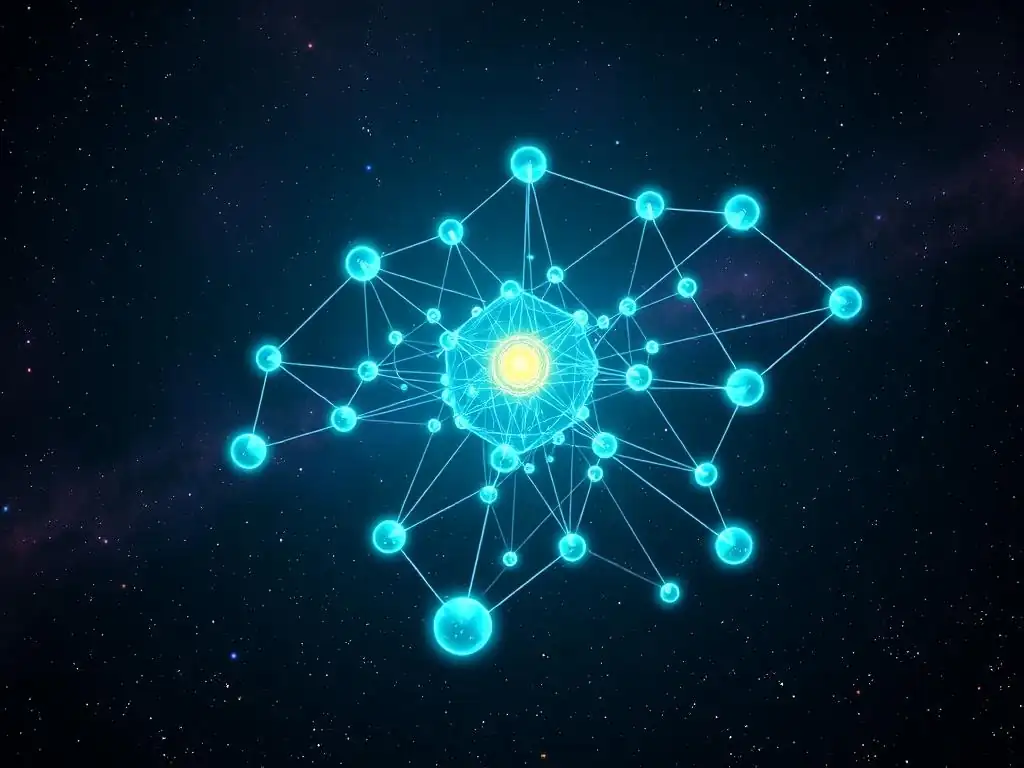
In response to the scalability and efficiency challenges of traditional blockchain systems, Directed Acyclic Graph (DAG) technology has emerged as a promising alternative architecture for decentralized ledgers. DAGs, unlike linear blockchains, do not organize transactions into blocks. Instead, they allow transactions to be added directly to the graph and validated by referencing previous transactions.
This fundamentally changes the transaction processing paradigm, enabling parallel transaction validation and eliminating the sequential bottleneck inherent in block-based systems. The rise of DAGs in the blockchain space is fueled by the increasing demand for decentralized applications that require significantly higher transaction throughput, lower latency, and reduced transaction costs – characteristics that traditional blockchains struggle to deliver effectively.
The conceptual shift from a linear chain to a graph structure offers potential solutions to many of the scalability issues hindering the widespread adoption of blockchain technology. Early examples of DAG-based cryptocurrencies like IOTA and Nano demonstrated the viability of this approach, showcasing near-instantaneous transaction confirmations and feeless transactions. The inherent parallel processing capability of DAGs allows networks to scale more gracefully with increased transaction volume, as the network's capacity theoretically increases with the number of participants.
This scalability potential is particularly attractive for decentralized applications targeting mass adoption, such as those in the Internet of Things (IoT), micropayments, and decentralized finance (DeFi), where high transaction volumes and low fees are critical. The exploration and development of DAG-based architectures represent a significant step towards building more scalable and efficient decentralized ecosystems for the next generation of decentralized applications.
How DAGs Differ from Linear Blockchains: A Comparative Overview
The fundamental difference between DAGs and linear blockchains lies in their data structure and transaction validation process. Linear blockchains, like Bitcoin and Ethereum, organize transactions into blocks that are sequentially chained together. Transactions are grouped into blocks, and these blocks are added to the chain one after another, requiring consensus on the order of blocks. This sequential block creation inherently limits transaction processing speed.
In contrast, DAGs, such as the Tangle in IOTA or Hashgraph, do not use blocks. Instead, each new transaction directly references and validates multiple previous transactions in the network, forming a graph-like structure. This allows for concurrent transaction processing, significantly increasing throughput and reducing confirmation times.
Furthermore, the consensus mechanisms differ significantly. Traditional blockchains often rely on consensus mechanisms like Proof-of-Work (PoW) or Proof-of-Stake (PoS) to secure the chain and validate blocks, which can be resource-intensive and time-consuming. Many DAG-based systems employ novel consensus mechanisms that are lighter and more efficient.
For example, IOTA's Tangle uses a "coordinatorless" approach where new transactions validate previous transactions, eliminating the need for dedicated miners or validators in the traditional sense. Hashgraph utilizes the "gossip protocol" and "virtual voting" to achieve fast and efficient consensus. This shift away from block-based structures and heavy consensus mechanisms allows DAGs to achieve significantly faster transaction speeds and lower fees, making them potentially more suitable for decentralized applications requiring high throughput and low cost, compared to traditional linear blockchain architectures.
Advantages of DAG-Based Blockchains for Decentralized Applications
Enhanced Scalability for Decentralized Applications (dApps)
Scalability is arguably the most significant advantage that DAG-based blockchains offer for decentralized applications. Traditional linear blockchains face inherent scalability limitations due to their sequential block processing nature. As the number of transactions increases, confirmation times lengthen, and transaction fees rise, creating a bottleneck that hinders the widespread adoption of dApps.
In contrast, DAG architectures are designed to scale more effectively with network growth. In a DAG system, each transaction validates previous transactions, meaning that as more users and transactions are added to the network, the network's capacity to process transactions also increases. This characteristic is often referred to as "horizontal scalability," where the system's throughput improves with increased participation.
For decentralized applications, particularly those targeting mass adoption or high-volume use cases like social media platforms, online gaming, or IoT device networks, this enhanced scalability is critical. Consider a decentralized social media dApp built on a traditional blockchain. If the platform gains significant traction, the underlying blockchain might become congested, leading to slow posting times and high transaction fees for users interacting with the platform.
A DAG-based blockchain, on the other hand, could potentially handle a much larger volume of user activity without experiencing the same performance degradation. This scalability advantage allows developers to build more ambitious and user-friendly decentralized applications, pushing the boundaries of what's possible with blockchain technology.
Reduced Transaction Fees and Faster Confirmation Times
DAG-based blockchain architectures often boast significantly reduced transaction fees and faster confirmation times compared to traditional blockchains. Many DAG systems, like Nano and IOTA, are designed to operate with zero transaction fees. This is a stark contrast to blockchains like Ethereum, where transaction fees (gas fees) can fluctuate significantly and sometimes become prohibitively expensive, especially during periods of network congestion.
The absence or reduction of transaction fees in DAGs is typically achieved by eliminating the need for miners or validators who are incentivized through transaction fees in traditional systems. Instead, the responsibility for transaction validation is distributed across all network participants.
Furthermore, the parallel processing capabilities of DAGs lead to much faster transaction confirmation times. In linear blockchains, users often have to wait minutes or even hours for their transactions to be confirmed, depending on network congestion and block confirmation times. DAG-based systems, however, can achieve near-instantaneous transaction confirmations.
For instance, Nano boasts average confirmation times of under a second, and IOTA's Tangle aims for similarly rapid confirmations. These improvements in transaction speed and cost-effectiveness are crucial for decentralized applications that require quick and frequent transactions, such as micropayment systems, point-of-sale applications, and real-time data streaming services. The combination of lower fees and faster confirmations dramatically improves the user experience of decentralized applications built on DAG platforms, making them more accessible and practical for everyday use.
Improved Energy Efficiency Compared to Proof-of-Work Systems
Many DAG-based blockchain architectures offer significantly improved energy efficiency compared to traditional blockchains that rely on Proof-of-Work (PoW) consensus mechanisms. PoW, used by Bitcoin and initially by Ethereum, requires miners to expend substantial computational power to solve complex cryptographic puzzles to validate transactions and create new blocks. This process consumes vast amounts of electricity, raising environmental concerns and contributing to the overall operational costs of these networks. DAG systems, in contrast, often employ alternative consensus mechanisms that are far less energy-intensive.
For example, IOTA's Tangle eliminates miners altogether, relying on network participants to validate two previous transactions for each new transaction they issue. This approach drastically reduces energy consumption compared to PoW. Hashgraph uses a "gossip protocol" and "virtual voting," which are also significantly more energy-efficient than PoW.
Nano's "Open Representative Voting" (ORV) system is another example of an energy-efficient consensus mechanism used in a DAG. The reduced energy footprint of DAG-based blockchains is a major advantage, particularly as sustainability concerns become increasingly important. Decentralized applications built on energy-efficient DAG platforms are inherently more environmentally friendly and contribute to a more sustainable future for blockchain technology, aligning with growing global awareness of energy consumption and environmental impact.
Increased Throughput for High-Volume Transactions
DAG-based blockchains are inherently designed to handle increased throughput for high-volume transactions compared to their linear counterparts. The architecture of DAGs, which allows for concurrent transaction processing, directly addresses the throughput limitations of traditional blockchain systems. As network activity increases in a DAG, the system's capacity to process transactions theoretically scales accordingly, enabling it to handle a larger volume of transactions without significant performance degradation. This scalability is crucial for decentralized applications that require high transaction throughput, such as decentralized exchanges (DEXs), online gaming platforms, and applications in the Internet of Things (IoT).
Consider a decentralized exchange built on a traditional blockchain. During periods of high trading volume, the exchange might experience slow order execution and increased transaction fees due to network congestion. A DEX built on a DAG-based blockchain, however, could potentially handle significantly higher trading volumes with faster order execution and lower fees.
Similarly, IoT applications often involve a massive number of devices generating a constant stream of microtransactions. DAGs are well-suited to handle this high volume of low-value transactions, enabling the development of efficient and scalable IoT ecosystems built on decentralized principles. The ability to handle high-volume transactions makes DAG-based blockchains a compelling choice for decentralized applications that require robust performance and scalability to support a large user base and a high frequency of interactions.
Key DAG-Based Blockchain Projects and Platforms
IOTA: The Tangle and its Applications in IoT
IOTA is a prominent DAG-based distributed ledger platform specifically designed for the Internet of Things (IoT). Its core innovation, "The Tangle," is a DAG structure that replaces the traditional blockchain. Unlike blockchains that require miners and blocks, the Tangle operates without transaction fees and achieves scalability by requiring new transactions to validate two previous transactions in the network.
This peer-to-peer validation system eliminates the need for centralized validators and allows the network to scale organically with increased transaction volume. IOTA’s architecture is particularly well-suited for the microtransaction economy of IoT, where devices need to exchange data and value efficiently and at minimal cost.
IOTA's applications extend across various IoT domains. In supply chain management, IOTA enables transparent and immutable tracking of goods, enhancing traceability and accountability. For smart cities, IOTA facilitates secure data exchange between connected devices, optimizing traffic flow, energy consumption, and public services.
In the automotive industry, IOTA can power machine-to-machine communication and data marketplaces for autonomous vehicles. Furthermore, IOTA is actively developing solutions for digital identity, e-mobility, and Industry 4.0, leveraging its fee-less and scalable architecture to build a more connected and efficient future. The focus on feeless transactions and machine-centric data exchange positions IOTA as a key player in the evolution of decentralized applications within the rapidly expanding IoT landscape.
Hashgraph: Achieving Consensus through Gossip Protocol
Hashgraph is another significant DAG-based distributed ledger technology that differentiates itself through its unique consensus mechanism known as the "gossip protocol" and "virtual voting." Developed by Swirlds, Hashgraph achieves fast, fair, and secure consensus without the energy-intensive processes of traditional blockchains. The gossip protocol involves nodes randomly sharing information about transactions with each other, rapidly disseminating transaction data throughout the network. "Virtual voting" allows nodes to determine the consensus order of transactions without the need for explicit voting messages, significantly increasing efficiency and speed.
Hashgraph boasts impressive performance metrics, capable of achieving thousands of transactions per second with finality in seconds. This high throughput and low latency make Hashgraph suitable for enterprise-grade decentralized applications requiring speed and scalability. Use cases for Hashgraph span across various industries. In financial services, Hashgraph can facilitate faster and more secure payments and settlements.
For supply chain management, it offers enhanced transparency and traceability. In healthcare, Hashgraph enables secure and efficient data sharing while maintaining patient privacy. Notable projects built on Hashgraph include Hedera Hashgraph, a public distributed ledger platform aiming to build a more trusted, secure, and empowered digital future. Hashgraph's emphasis on enterprise-grade performance and robust security positions it as a compelling alternative to traditional blockchains for organizations seeking to leverage decentralized ledger technology.
Nano: Block Lattice Structure and Fee-less Transactions
Nano, formerly known as RaiBlocks, is a DAG-based cryptocurrency that stands out for its "block-lattice" structure and its commitment to fee-less transactions. Unlike traditional blockchains or other DAGs that process transactions in a single stream, Nano utilizes a unique architecture where each account has its own blockchain (account-chain). These individual account-chains are then interconnected to form the block-lattice. Each user controls their own chain, and transactions are asynchronous, meaning they are not dependent on block confirmation times. This architecture enables highly scalable and efficient transaction processing.
Nano's primary focus is on providing fast, fee-less, and energy-efficient peer-to-peer transactions. The absence of transaction fees makes Nano particularly attractive for micropayments and everyday transactions. Its near-instantaneous transaction confirmation times, typically under a second, enhance user experience and make it suitable for point-of-sale applications and real-time exchanges.
Nano's energy efficiency is another key advantage, as its lightweight architecture requires minimal computational resources. The cryptocurrency has gained traction for its speed and fee-less nature, making it a practical option for everyday digital payments and as a medium of exchange in various decentralized applications. Nano's simplified yet powerful design emphasizes user-centricity and efficiency in the realm of decentralized digital currencies.
Constellation: Hypergraph Transfer Protocol (HGTP) for Data Integrity
Constellation is a DAG-based platform focused on building a secure and scalable foundation for data integrity and interoperability, particularly for big data and sensitive datasets. It introduces the Hypergraph Transfer Protocol (HGTP), a DAG-based protocol designed to be more efficient and secure than traditional blockchain protocols. HGTP aims to address the limitations of blockchain in handling large volumes of data and ensuring data integrity in distributed systems. Constellation's architecture is designed to be horizontally scalable and interoperable with existing systems, making it suitable for enterprise adoption.
Constellation's applications are focused on data-centric use cases. It aims to provide solutions for secure data marketplaces, enabling organizations to monetize and share data securely and transparently. In the defense and aerospace industries, Constellation's technology is being explored for securing sensitive data and ensuring data provenance.
For supply chain management, it offers enhanced data integrity and traceability across complex networks. Furthermore, Constellation is working on solutions for decentralized data governance and compliance, addressing the growing need for data security and privacy in the age of big data. Constellation's focus on data integrity, scalability for large datasets, and interoperability positions it as a key platform for decentralized applications requiring robust data security and management, especially in enterprise and data-intensive environments.
Use Cases of DAG-Based Blockchains in Real-World Scenarios
Supply Chain Management and Traceability with DAGs
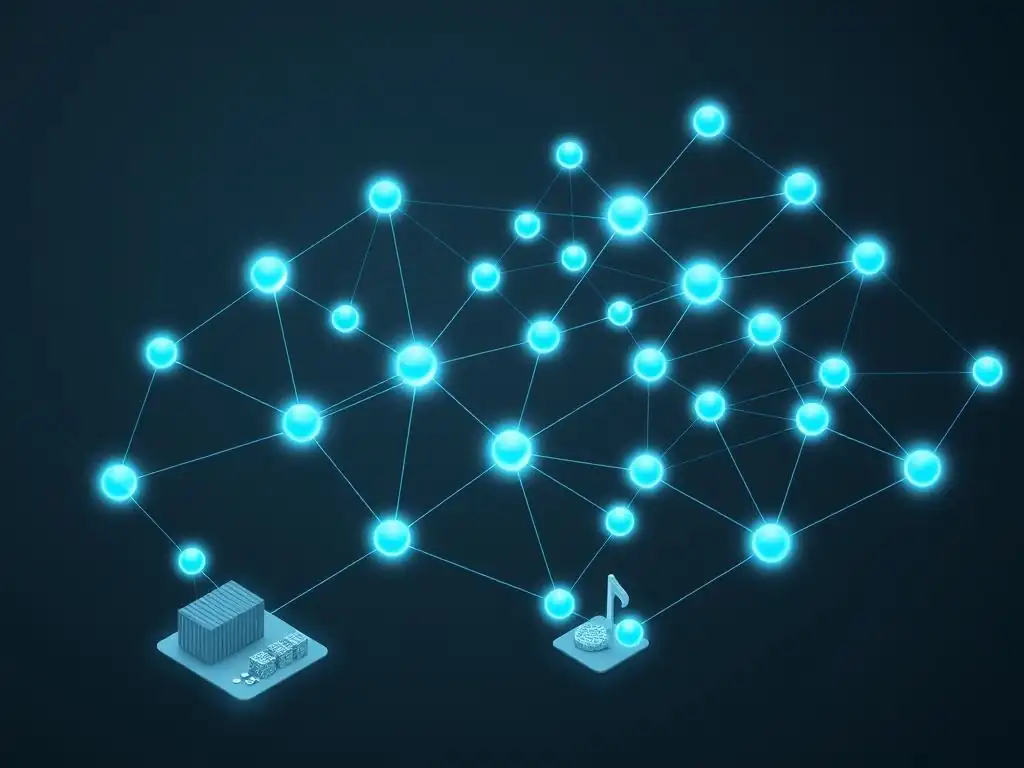
DAG-based blockchains offer significant advantages for supply chain management and traceability compared to traditional blockchain solutions. The inherent scalability and low transaction fees of DAGs make them well-suited for tracking large volumes of goods and transactions across complex supply chains. Traditional blockchain-based supply chain solutions can face challenges in handling the sheer number of transactions and data points generated in global supply chains, often resulting in increased costs and slower processing times. DAGs, with their ability to handle high throughput and low-cost transactions, can provide a more efficient and scalable solution for tracking goods from origin to consumer.
For example, imagine a global food supply chain tracking perishable goods. Using a DAG-based system, each stage of the supply chain, from farm to retailer, can record data on the product's journey, including origin, processing dates, temperature, and handling information. The near-instantaneous transaction confirmation times of DAGs allow for real-time updates and visibility throughout the supply chain.
Furthermore, the reduced transaction fees make it economically feasible to record even granular data points at each stage, enhancing the level of traceability and transparency. This improved traceability not only helps in verifying the authenticity and origin of products but also enables faster identification and resolution of issues like contamination or delays, ultimately improving supply chain efficiency and consumer trust.
Micropayments and Peer-to-Peer Transactions
DAG-based blockchains are particularly well-suited for micropayments and peer-to-peer transactions due to their low or non-existent transaction fees and fast confirmation times. Traditional blockchains often struggle with micropayments because the transaction fees can become proportionally high for small transactions, making them economically unviable. The slow confirmation times of some blockchains also hinder the usability of blockchain for everyday peer-to-peer transactions requiring speed and convenience. DAGs, with their fee-less and fast transaction capabilities, overcome these limitations, making them ideal for enabling efficient and cost-effective micropayment systems and peer-to-peer value transfers.
Consider use cases like paying for content per view, tipping creators online, or machine-to-machine payments in IoT networks. In these scenarios, transactions are often small in value and frequent in nature. DAG-based cryptocurrencies like Nano, with its zero transaction fees and sub-second confirmation times, are designed precisely for such micropayment scenarios.
Imagine a decentralized social media platform where users can tip content creators for each post they like. Using a DAG-based micropayment system, these tips can be sent instantly and without incurring any transaction fees, making it a practical and attractive feature for both users and creators. The efficiency of DAGs in handling micropayments unlocks new possibilities for decentralized business models and peer-to-peer economies.
Decentralized Data Storage and Management
DAG-based blockchains are being explored for decentralized data storage and management solutions, offering potential advantages in terms of scalability, security, and efficiency compared to traditional centralized storage systems and even some blockchain-based storage solutions. The scalability of DAGs allows them to handle large volumes of data more effectively, and their distributed nature enhances data security and resilience. Traditional centralized data storage systems are vulnerable to single points of failure and data breaches.
Blockchain-based decentralized storage solutions often rely on linear chain structures, which might face scalability challenges when dealing with massive datasets. DAGs, with their inherent scalability and distributed architecture, can provide a more robust and efficient foundation for decentralized data storage.
For instance, consider a decentralized cloud storage service built on a DAG. Data can be fragmented and distributed across a network of nodes, with the DAG ensuring data integrity and availability. The fee-less nature of some DAGs can also reduce the cost of data storage compared to fee-based blockchain storage solutions or traditional cloud storage providers.
Furthermore, DAGs can facilitate more efficient data retrieval and management due to their graph structure, potentially enabling faster data access and processing. The use of DAGs in decentralized data storage is still in its early stages, but the potential for scalable, secure, and cost-effective data management is significant, particularly for applications requiring large-scale decentralized data storage and processing.
Healthcare Data Management and Secure Sharing
DAG-based blockchains are emerging as a promising technology for healthcare data management and secure sharing, addressing critical needs for data privacy, security, and interoperability within the healthcare industry. Traditional healthcare data management systems are often fragmented, insecure, and lack interoperability, hindering efficient data sharing and collaboration among healthcare providers. Blockchain technology, in general, offers potential solutions for secure and transparent healthcare data management. DAG-based blockchains, in particular, with their scalability, speed, and low fees, can offer enhanced capabilities for managing and sharing sensitive healthcare data.
Imagine a patient-centric healthcare data management system built on a DAG. Patients could have control over their health records, granting access to authorized healthcare providers as needed. The DAG would ensure the integrity and immutability of the data, while also enabling secure and efficient data sharing between hospitals, clinics, and research institutions.
The fast transaction confirmation times of DAGs can facilitate real-time updates to patient records, and the reduced transaction fees make it economically feasible to record even granular healthcare data. Furthermore, DAGs can potentially enhance data privacy by enabling fine-grained access control and pseudonymization techniques. While regulatory and implementation challenges exist, DAG-based blockchains offer a compelling technological foundation for building more secure, patient-centric, and interoperable healthcare data management systems, ultimately improving patient care and healthcare efficiency.
Challenges and Considerations for DAG-Based Blockchain Adoption
Security Vulnerabilities and Attack Vectors in DAG Systems
While DAG-based blockchain architectures offer numerous advantages, they also present unique security vulnerabilities and attack vectors that need careful consideration. The security models of DAGs often differ significantly from those of traditional blockchains, requiring different security analysis and mitigation strategies.
One common concern in some DAG systems is the "nothing-at-stake" problem, where participants can validate multiple conflicting transactions without any economic penalty, potentially leading to network instability or attacks. Furthermore, certain DAG consensus mechanisms might be susceptible to specific attack vectors, such as "sybil attacks" where a malicious actor creates a large number of fake identities to gain control over the network, or "double-spending attacks" if transaction finality is not properly ensured.
For example, some early DAG implementations faced challenges related to transaction confirmation and potential vulnerabilities to attacks if network participation was low. While significant progress has been made in addressing these security concerns, ongoing research and development are crucial to identify and mitigate potential vulnerabilities in different DAG architectures. Rigorous security audits, formal verification of consensus protocols, and continuous monitoring of network behavior are essential to ensure the robustness and security of DAG-based decentralized applications. Understanding the specific security trade-offs and challenges inherent in each DAG design is crucial for developers and users considering adopting these technologies.
Complexity of Consensus Mechanisms and Network Stability
The consensus mechanisms employed in DAG-based blockchains can be more complex than those in traditional linear blockchains, and ensuring network stability under various conditions remains a significant consideration. While some DAGs aim for simpler and more efficient consensus, the absence of blocks and miners often necessitates novel approaches that can be more intricate to design, analyze, and implement correctly. The decentralized and asynchronous nature of DAG networks can also introduce complexities in achieving global state consensus and ensuring network stability, particularly during periods of high network activity or under adversarial conditions.
For instance, some DAG systems rely on probabilistic finality, where transaction confirmation is not absolute but statistically highly probable after a certain number of validations. This probabilistic nature can introduce complexities in application development and require careful consideration of risk tolerance. Furthermore, ensuring network resilience to attacks and maintaining stable performance under varying network conditions requires robust consensus protocols and well-designed network parameters.
Ongoing research and practical experience are essential to further refine DAG consensus mechanisms, enhance network stability, and build confidence in the reliability of DAG-based decentralized systems. Understanding the intricacies of the consensus mechanism and its implications for network stability is crucial for evaluating the suitability of a DAG platform for specific decentralized applications.
Regulatory Uncertainty and Legal Frameworks
DAG-based blockchain technologies, like blockchain in general, face regulatory uncertainty and a lack of clear legal frameworks in many jurisdictions. The decentralized and borderless nature of these technologies poses challenges for traditional regulatory approaches, and governments worldwide are still grappling with how to regulate cryptocurrencies and decentralized applications effectively. The novel architectures of DAGs, which differ significantly from traditional blockchains, might introduce further complexities in regulatory interpretation and compliance. Lack of regulatory clarity can create uncertainty for businesses and developers considering adopting DAG-based solutions, potentially hindering wider adoption.
For example, regulations regarding cryptocurrency exchanges, token offerings, and data privacy can impact the legal compliance of DAG-based projects. The absence of established legal precedents for DAG-specific technologies might also create legal risks and uncertainties. Engaging with regulators, participating in industry discussions, and advocating for clear and technology-neutral regulations are crucial steps to foster a more favorable regulatory environment for DAG-based innovations. As the regulatory landscape evolves, staying informed about legal developments and adapting to evolving regulatory requirements is essential for the sustainable growth and adoption of DAG-based blockchain technologies.
Difficulty in Achieving Global State Consensus
Achieving global state consensus in DAG-based systems can present unique challenges compared to linear blockchains, particularly in ensuring a consistent and agreed-upon view of the network state across all participants. In linear blockchains, the sequential block structure simplifies the process of establishing a global state, as all nodes agree on the order of blocks and the transactions within them.
DAGs, with their concurrent transaction processing and lack of a linear chain, require different approaches to achieve global state consensus. Ensuring that all nodes have a consistent view of the transaction history and the current state of the ledger in a decentralized and asynchronous DAG network can be more complex to achieve and verify.
For instance, some DAG systems might rely on eventual consistency, where nodes eventually converge on a consistent state, but there might be temporary inconsistencies during the convergence process. While eventual consistency might be sufficient for some applications, other applications requiring strong consistency and real-time agreement on the network state might face challenges with certain DAG architectures.
Developing robust and efficient mechanisms for achieving global state consensus in DAGs is an ongoing area of research and development. Understanding the consensus model and its implications for state consistency is crucial for evaluating the suitability of a DAG platform for applications requiring strong data consistency and agreement across the network.
Future Trends and Innovations in DAG Blockchain Architecture
Hybrid Blockchain Architectures Combining DAGs and Linear Chains
Future trends in blockchain architecture point towards the emergence of hybrid systems that combine the strengths of both DAGs and linear chains. Hybrid architectures aim to leverage the scalability and efficiency of DAGs for certain aspects of a system while retaining the proven security and maturity of linear blockchains for other critical functions. This approach recognizes that neither DAGs nor linear chains are universally superior for all use cases, and combining their best features can lead to more versatile and optimized decentralized solutions.
For example, a hybrid architecture might use a DAG for high-throughput transaction processing and data management, while anchoring periodic snapshots of the DAG state onto a more secure and established linear blockchain, like Ethereum or Bitcoin, for enhanced security and auditability. This hybrid approach can benefit from the scalability and low fees of the DAG layer for day-to-day operations while leveraging the robust security and immutability of the linear blockchain for long-term data integrity and dispute resolution.
Exploring and developing hybrid architectures represent a promising direction for optimizing blockchain systems for diverse application requirements, combining the innovation of DAGs with the reliability of linear chains.
Integration of DAGs with Layer-2 Scaling Solutions
Another significant trend is the integration of DAGs with layer-2 scaling solutions, such as state channels, payment channels, and rollups, to further enhance the scalability and efficiency of decentralized applications. Layer-2 solutions are designed to offload transaction processing from the main blockchain layer, improving throughput and reducing fees. Combining DAGs with layer-2 solutions can potentially unlock even greater scalability and performance improvements, creating highly efficient and scalable decentralized ecosystems.
For instance, DAGs can be used as a layer-2 scaling solution for existing linear blockchains, providing a high-throughput transaction layer on top of a more secure base layer. Conversely, layer-2 techniques can be adapted and applied to DAG-based systems to further optimize specific aspects of their performance or functionality.
The synergy between DAGs and layer-2 solutions offers a powerful approach to address the scalability challenges of decentralized applications and build truly scalable and user-friendly decentralized platforms. Exploring and implementing these integrations is a key area of innovation in the blockchain space, pushing the boundaries of scalability and performance for decentralized systems.
Standardization Efforts and Interoperability between DAG Platforms
As DAG technology matures, standardization efforts and initiatives to improve interoperability between different DAG platforms are becoming increasingly important. The current DAG landscape is fragmented, with various DAG architectures and platforms operating in isolation. Lack of standardization and interoperability hinders the wider adoption of DAG technology and limits the potential for cross-platform collaboration and value exchange. Standardization efforts can focus on defining common protocols, data formats, and APIs for DAG systems, facilitating interoperability and reducing fragmentation.
For example, standardized protocols for cross-DAG communication and asset transfers would enable seamless interaction between different DAG platforms, creating a more interconnected and unified DAG ecosystem. Interoperability initiatives can also focus on developing bridges and adapters that allow DAGs to interact with existing blockchain networks and traditional systems. Promoting standardization and interoperability is crucial for fostering a more mature and user-friendly DAG ecosystem, encouraging wider adoption and unlocking the full potential of DAG technology for decentralized applications.
The Role of DAGs in Enhancing Data Provenance and Trust
DAGs are poised to play a significant role in enhancing data provenance and trust in various applications, particularly in areas requiring verifiable and transparent data trails. The immutable and distributed nature of DAGs makes them well-suited for tracking data lineage and ensuring data integrity throughout its lifecycle. In supply chains, DAGs can provide a transparent and verifiable record of product journey, enhancing provenance and combating counterfeiting. In data marketplaces, DAGs can enable verifiable data provenance, allowing data consumers to trust the origin and integrity of data they are purchasing.
Furthermore, DAGs can be used to build decentralized identity systems and verifiable credentials, enhancing trust in digital identities and attestations. The inherent transparency and auditability of DAGs make them valuable tools for building trust in data and digital interactions. As concerns about data integrity, misinformation, and lack of transparency grow, DAG technology offers a compelling solution for enhancing data provenance and building more trustworthy decentralized systems. Exploring and leveraging the data provenance capabilities of DAGs is a key area of innovation, contributing to a more transparent and trustworthy digital future.
Conclusion: The Potential of DAGs in Shaping the Future of Decentralized Applications Blockchain Architecture
Summarizing the Benefits and Drawbacks of DAG-Based Systems
DAG-based blockchain architectures present a compelling alternative to traditional linear blockchains, offering significant benefits particularly for decentralized applications requiring high scalability, low transaction fees, and fast confirmation times. DAGs excel in handling high-throughput scenarios, making them suitable for applications like micropayments, IoT networks, and decentralized exchanges. Their energy efficiency, often surpassing Proof-of-Work systems, aligns with growing sustainability concerns. Key advantages include enhanced scalability, reduced transaction costs, faster confirmation times, and improved energy efficiency.
However, DAGs also come with their own set of drawbacks and challenges. Security vulnerabilities and attack vectors in DAG systems require careful consideration and robust mitigation strategies. The complexity of consensus mechanisms and ensuring network stability remain ongoing areas of research and development. Regulatory uncertainty and the lack of established legal frameworks pose challenges for wider adoption. Achieving global state consensus in DAGs can be more complex than in linear chains. Despite these challenges, the potential benefits of DAGs for specific use cases are substantial, warranting continued research, development, and exploration.
The Role of DAGs in Addressing Blockchain Scalability Challenges
DAGs play a crucial role in addressing the persistent blockchain scalability challenges that have hindered the widespread adoption of decentralized applications. Traditional linear blockchains, while providing robust security and decentralization, often struggle to scale to meet the demands of mass-market applications. DAGs, with their inherent scalability advantages, offer a pathway to build more scalable and performant decentralized systems, capable of supporting a larger number of users and transactions without compromising speed or cost-effectiveness.
By enabling higher transaction throughput, lower latency, and reduced transaction fees, DAGs can unlock new possibilities for decentralized applications, making them more user-friendly, practical, and competitive with centralized alternatives. As the demand for scalable decentralized solutions grows, DAGs are poised to become increasingly important in the blockchain landscape, providing a viable architectural approach to overcome the scalability limitations of traditional blockchain technologies and pave the way for wider adoption of decentralized applications.
The Future Landscape of Blockchain Architecture: Linear Chains vs. DAGs
The future landscape of blockchain architecture is likely to be characterized by a coexistence and convergence of both linear chains and DAGs, rather than a complete replacement of one by the other. Linear blockchains, with their proven security and maturity, will continue to be valuable for applications requiring strong security and established consensus mechanisms, particularly for high-value transactions and critical infrastructure. DAGs, on the other hand, will likely find their niche in applications where scalability, speed, and cost-efficiency are paramount, such as micropayments, IoT, and high-volume data management.
Hybrid architectures, combining the strengths of both linear chains and DAGs, are expected to emerge as a prominent trend, offering optimized solutions for diverse application requirements. Interoperability between different blockchain architectures, including both linear chains and DAGs, will also be crucial for creating a more interconnected and versatile decentralized ecosystem. Ultimately, the future of blockchain architecture will likely be a diverse and evolving landscape, with different architectures coexisting and complementing each other, each best suited for specific use cases and application domains, driving innovation and expanding the reach of decentralized technologies.
Frequently Asked Questions
What are the primary advantages of DAG-based blockchain architectures compared to traditional linear blockchain architectures?
DAG-based architectures, such as IOTA and Hashgraph, offer higher transaction throughput and lower transaction fees compared to traditional blockchains. This is due to their ability to process multiple transactions in parallel, eliminating the need for linear block confirmation.
How does the consensus mechanism differ in DAG-based blockchains compared to Proof-of-Work or Proof-of-Stake?
DAG-based blockchains often utilize different consensus mechanisms, such as the "tip selection" process in IOTA or the "gossip protocol" in Hashgraph. These mechanisms aim to achieve fast consensus without relying on energy-intensive mining or staking processes.
What are some real-world applications where DAG-based blockchain architectures might be more suitable than traditional blockchains?
DAG-based architectures are particularly well-suited for applications requiring high transaction volumes and low latency, such as microtransactions, supply chain management, and IoT (Internet of Things) data processing. Their scalability makes them ideal for decentralized applications blockchain architecture that require handling large amounts of data.
What are the key security considerations when designing and implementing a DAG-based blockchain system?
Security in DAG-based systems relies on ensuring that transactions are properly validated and that malicious actors cannot easily manipulate the DAG structure. This requires careful consideration of attack vectors such as double-spending and Sybil attacks, and implementing robust security protocols.
How does the decentralized applications blockchain architecture influence the adoption and development of DAG-based systems?
The development of decentralized applications (dApps) on DAG-based systems benefits from the increased scalability and reduced transaction costs. This can lead to a wider adoption and innovation in areas like decentralized finance (DeFi) and data marketplaces, fostering a more robust ecosystem.
Final Reflection: Embracing the Future of Decentralized Innovation
The exploration of DAG-based blockchain architectures, as we've seen, isn't just a theoretical exercise; it's a crucial step towards unlocking the true potential of decentralized applications blockchain architecture. The limitations of traditional linear blockchains are becoming increasingly apparent in the face of growing demand for scalability and efficiency. DAGs offer a compelling alternative, promising faster transaction speeds and lower fees, paving the way for a more accessible and user-friendly decentralized future.
The shift towards DAGs represents more than just a technological upgrade; it signifies a fundamental shift in how we approach decentralized systems. This evolution is deeply intertwined with the ongoing quest for a truly democratized internet, one where control is distributed and innovation is unhindered. The future is already here – it's just not evenly distributed.
- William Gibson. This quote resonates profoundly with the current state of blockchain technology; while the potential is immense, widespread adoption hinges on overcoming the scalability challenges that DAGs are uniquely positioned to address.
As we stand on the cusp of this new era, I invite you to consider the implications of decentralized applications blockchain architecture in your own life. How can you leverage the power of these technologies to build more transparent, equitable, and efficient systems? The future of decentralization is not predetermined; it's a future we build together, one transaction, one application, one DAG at a time. Let us embrace the possibilities and work towards a decentralized world that benefits all.
Unleash the Power of DAGs: Take Your Blockchain Knowledge Further!
Thank you for exploring DAG-based blockchain architectures with us. We hope you've gained valuable insights into their potential and how they differ from traditional blockchains. Now, it's time to apply that knowledge.
Are you ready to explore the future of distributed ledger technology? Here's how you can get started:
- Conduct in-depth research on a specific DAG-based project, such as IOTA or Hashgraph, and analyze its transaction confirmation mechanisms.
- Share this article with your network on social media to inspire discussions about the advantages of DAGs.
- Learn about alternative consensus algorithms beyond DAG and blockchain and discover how they are implemented.
What innovative applications do you foresee for DAG-based blockchains in the next five years? Share your thoughts in the comments below!
Leave a Reply