
What Exactly Are DApps? A BeginnerFriendly Guide to Decentralized Apps

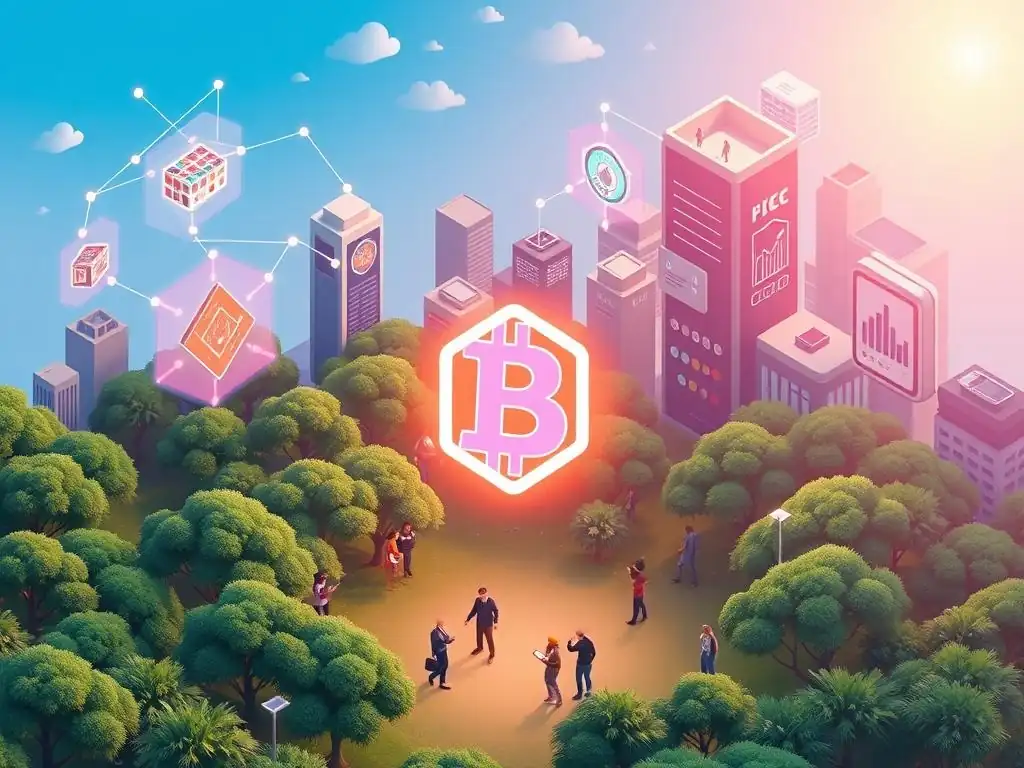
Welcome to Blockchain Trends, your compass in the evolving landscape of decentralized technology. Are you ready to move beyond the buzzwords and truly understand the power of blockchain?
Delve into the transformative potential of this groundbreaking technology, exploring its applications beyond cryptocurrencies. In this Blockchain Technology Deep Dive, we'll unravel the intricacies of DeFi, enterprise solutions, regulatory frameworks, and the future of decentralized systems.
But where does one even begin? Let's start with the basics. Dive in to discover DApps: Beginner-Friendly Decentralized Applications, and unlock the potential of a new digital frontier. What secrets do these apps hold, and how will they reshape our world? Keep reading to find out!
What Exactly Are DApps? A Beginner-Friendly Guide to Decentralized Apps
- DApps: Understanding Decentralized Applications for Beginners
- Key Characteristics of Decentralized Applications (DApps)
- DApps vs. Traditional Applications: A Comparative Analysis
- Exploring Different Types of DApps and Their Use Cases
- Benefits of Using Decentralized Applications (DApps)
- Challenges and Limitations of DApp Development
- How to Get Started Using DApps: A Practical Guide
- The Future of Decentralized Applications (DApps) and Blockchain Technology
-
Frequently Asked Questions
- What exactly is a DApp and how is it different from a traditional app?
- What are the main benefits of using DApps over traditional applications?
- What are some common examples of DApps that beginners can easily understand?
- What technologies are typically used to build DApps?
- What are some of the challenges or limitations associated with using DApps?
- Final Reflection: Embracing the Decentralized Future
- Dive Deeper: Unleash Your DApp Potential!
DApps: Understanding Decentralized Applications for Beginners
In the burgeoning world of blockchain technology, the term "DApp" is increasingly prevalent. But what exactly are these decentralized applications, and how do they differ from the apps you use daily on your smartphone or computer? In essence, a DApp, short for Decentralized Application, is a software program that, unlike traditional applications, operates on a decentralized network, often a blockchain.
This means that instead of being controlled by a single entity or server, DApps leverage the power of distributed ledger technology to achieve greater transparency, security, and user empowerment. Think of it as a shift from a centralized system, where control and data reside in one place, to a distributed system, where control and data are spread across a network of computers. This fundamental difference underpins the core value proposition of DApps and their potential to revolutionize various industries.
To better grasp the concept, consider your everyday apps – social media platforms, banking apps, or even your favorite game. These are typically built and hosted by a single company. This centralized model gives the company complete control over the application, its data, and its functionality. DApps, in contrast, aim to break away from this model.
They are designed to be open-source, transparent, and resistant to censorship, offering users more control over their data and interactions. This shift towards decentralization is not just a technological change; it represents a philosophical shift towards a more democratic and user-centric internet, often referred to as Web3. DApps are at the forefront of this movement, offering a glimpse into a future where applications are more equitable, secure, and accessible to all.
What Makes an Application a DApp? Defining Decentralization
The core distinguishing factor that elevates an application to the status of a DApp is decentralization. This concept, while seemingly straightforward, encompasses several critical technical and philosophical elements. At its heart, decentralization in the context of DApps means that the application's backend code, and often its data, are not stored on a single server or controlled by a single authority. Instead, they are distributed across a network of computers, often leveraging blockchain technology. This distribution is crucial because it eliminates the single point of failure and control inherent in traditional, centralized applications.
For an application to be truly considered a decentralized application, it typically needs to meet several criteria. First and foremost, it must be open-source. This means that the code behind the DApp is publicly available for anyone to inspect, audit, and contribute to. Open-source nature fosters transparency and allows the community to verify the application's functionality and security. Secondly, DApps usually operate on a decentralized blockchain or a peer-to-peer network.
This infrastructure ensures that the application is not reliant on a central server, making it more resilient to censorship and single points of failure. Ethereum, Solana, and Polkadot are examples of blockchain platforms commonly used to build and deploy DApps. Finally, DApps often utilize cryptographic tokens to incentivize participation and reward users within the ecosystem. These tokens can represent ownership, access rights, or voting power within the DApp's governance structure, further promoting decentralization and community involvement.
Key Characteristics of Decentralized Applications (DApps)
Decentralized Applications possess a unique set of characteristics that differentiate them from traditional applications and contribute to their growing appeal. These features not only define their functionality but also underscore their potential to reshape the digital landscape. Understanding these key characteristics is crucial to appreciating the value proposition of DApps and their impact on various sectors.
These defining traits range from their open and transparent nature to their reliance on decentralized data storage and the innovative use of tokenization for incentives. Each characteristic plays a vital role in shaping the functionality, security, and overall user experience of DApps. Let's delve deeper into each of these key features to gain a comprehensive understanding of what makes DApps truly unique and transformative.
Open Source Nature and DApp Transparency
One of the foundational pillars of DApps is their open-source nature. In most cases, the code that powers a DApp is publicly available, allowing anyone to examine, verify, and even contribute to its development. This radical transparency stands in stark contrast to traditional applications, where the underlying code is proprietary and often a closely guarded secret. The implications of this open-source ethos are profound, fostering trust and accountability within the DApp ecosystem.
Transparency in DApps extends beyond just the code. Because many DApps operate on public blockchains, all transactions and interactions are recorded on a publicly accessible ledger. This means that users can audit the DApp's activity and verify its claims, leading to a higher level of trust compared to opaque centralized systems. For instance, consider a decentralized finance (DeFi) DApp.
Users can examine the smart contracts governing the platform, track transactions on the blockchain explorer, and verify the total value locked (TVL) in the protocol. This level of transparency is unprecedented in traditional finance and significantly reduces the risk of fraud and manipulation. Furthermore, the open-source nature encourages community involvement in the DApp's development and improvement. Developers worldwide can contribute code, suggest features, and identify vulnerabilities, leading to more robust and secure applications over time.
Decentralized Data Storage and Security in DApps
Traditional applications typically store user data on centralized servers, making them vulnerable to data breaches, censorship, and single points of failure. DApps, however, often leverage decentralized data storage solutions, distributing data across a network of nodes. This distributed approach significantly enhances security and data integrity. Instead of a single honey pot of data, decentralized storage makes it far more difficult for malicious actors to compromise the entire system.
The use of blockchain itself for data storage, or integration with decentralized storage networks like IPFS (InterPlanetary File System) or Arweave, provides several security advantages. Data stored on a blockchain is immutable, meaning it cannot be altered or deleted after being recorded. This immutability ensures data integrity and prevents tampering. Furthermore, the distributed nature of the network means that even if some nodes are compromised, the data remains secure and accessible from other nodes.
For example, consider a decentralized social media DApp. User profiles and posts could be stored on a decentralized storage network, making it resistant to censorship and ensuring that users retain control over their data. This contrasts sharply with centralized social media platforms, where user data is often vulnerable to breaches and platform-driven censorship. While completely eliminating vulnerabilities is impossible, decentralized data storage drastically reduces the attack surface and strengthens the overall security posture of DApps.
DApp Tokenization and Incentive Mechanisms
Tokenization is a defining feature of many DApps, introducing innovative incentive mechanisms that align the interests of users, developers, and the network itself. DApps often issue their own cryptographic tokens, which serve various purposes within the ecosystem. These tokens can represent utility, governance rights, or even ownership in the DApp. This token-based economy fosters participation and incentivizes positive contributions to the DApp's growth and sustainability.
The use of tokens allows DApps to create self-sustaining ecosystems. For example, users might be rewarded with tokens for contributing content, participating in governance, or providing liquidity to the network. These tokens can then be used within the DApp to access premium features, vote on proposals, or even be traded on cryptocurrency exchanges. This creates a virtuous cycle where user participation directly benefits the DApp and, in turn, users are rewarded for their contributions.
Consider a decentralized autonomous organization (DAO) DApp. Token holders might have voting rights on proposals related to the DAO's operations, resource allocation, and future direction. This gives users a direct say in the governance of the DApp and incentivizes them to actively participate in its development. Tokenization, therefore, is not just about creating digital currencies; it's about building new economic models that empower users and foster vibrant, community-driven DApp ecosystems.
Autonomous Operation and Smart Contracts in DApps
Smart contracts are the engine that drives autonomous operation in many DApps. These self-executing contracts, written in code and deployed on a blockchain, automatically enforce the rules and logic of the DApp without the need for intermediaries. Smart contracts are crucial for creating trustless interactions within DApps, as they ensure that agreements are executed exactly as programmed, removing the need for reliance on central authorities or human intervention.
The use of smart contracts enables DApps to operate with a high degree of autonomy and efficiency. Once a smart contract is deployed on the blockchain, it runs according to its predefined rules, automatically triggering actions when certain conditions are met. For example, in a decentralized exchange (DEX) DApp, smart contracts facilitate the trading of cryptocurrencies directly between users, without the need for a central exchange operator.
When a user places an order, the smart contract automatically matches it with a counter-order and executes the trade, ensuring a transparent and efficient exchange process. Similarly, in a DeFi lending DApp, smart contracts automatically manage loan agreements, collateral, and interest payments, streamlining the lending and borrowing process. This autonomous operation not only reduces operational costs but also increases transparency and trust, as the rules of engagement are clearly defined and enforced by code, not by subjective human decisions.
DApps vs. Traditional Applications: A Comparative Analysis
To fully appreciate the significance of DApps, it's essential to draw a clear comparison with traditional applications. While both serve the purpose of providing functionality and services to users, the underlying architecture and operational principles differ dramatically. Understanding these key differences is crucial for discerning the strengths and weaknesses of each approach and recognizing the unique value proposition that DApps offer.
The comparison spans various dimensions, from the fundamental control mechanisms to data ownership, user privacy, and scalability considerations. By examining these aspects side-by-side, we can gain a deeper insight into the paradigm shift that DApps represent and their potential to disrupt the traditional application landscape. This analysis will highlight not only the advantages of decentralization but also acknowledge the challenges and trade-offs involved in adopting this novel approach.
Centralized vs. Decentralized Control in Application Development
The most fundamental difference between traditional applications and DApps lies in their control structure. Traditional applications operate under a centralized control model. This means that a single entity, such as a company or organization, has complete control over the application's development, deployment, and operation. They manage the servers, databases, and code, and they dictate the terms of service and user access. This centralized control offers efficiency in development and decision-making but also creates potential points of vulnerability and censorship.
DApps, in contrast, are built on a decentralized control model. Control is distributed across a network of participants, often without a single central authority. The development and governance of DApps are often community-driven, with decisions made through consensus mechanisms or token-based voting. The code is typically open-source, and the application operates on a decentralized infrastructure like a blockchain.
This decentralized control model offers greater resilience to censorship and single points of failure, but it can also introduce complexities in governance and decision-making. For example, consider a centralized social media platform versus a decentralized social media DApp. The centralized platform can unilaterally decide to ban users, censor content, or change its algorithms without user input. In a decentralized social media DApp, such actions would be much more difficult, requiring consensus from the network or community governance mechanisms.
Data Ownership and User Privacy: DApps vs. Traditional Apps
Data ownership and user privacy represent another critical area of divergence between traditional applications and DApps. In traditional applications, user data is typically collected and stored by the central entity controlling the application. Users often have limited control over their data, and their privacy is subject to the terms and policies of the application provider. Data breaches and misuse of user data are significant concerns in this centralized model.
DApps, on the other hand, often prioritize user data ownership and privacy. Decentralized data storage solutions and blockchain technology can empower users to have greater control over their personal information. In many DApps, users own their data and grant permissions for its use, rather than relinquishing ownership to the application provider. Furthermore, the transparency of blockchain can enhance data privacy by providing users with greater visibility into how their data is being used.
For instance, consider a traditional e-commerce platform versus a decentralized marketplace DApp. The centralized platform collects extensive user data, including browsing history, purchase patterns, and personal details, which it can use for targeted advertising or even sell to third parties. In a decentralized marketplace DApp, users may have more control over what data they share and with whom, potentially enhancing their privacy and reducing the risk of data exploitation.
Scalability and Performance Considerations for DApps
Scalability and performance are crucial factors to consider when comparing traditional applications and DApps. Traditional applications, built on centralized infrastructure, can often achieve high levels of scalability and performance. Centralized servers can be optimized for speed and efficiency, and scaling resources can be relatively straightforward. However, this scalability often comes at the cost of centralization and potential vulnerabilities.
DApps, especially those built on blockchain, have historically faced scalability challenges. Blockchain networks can have limitations in transaction throughput and processing speed compared to centralized databases. Achieving scalability in a decentralized environment is a complex technical challenge, although significant progress is being made with Layer-2 solutions and other scaling technologies.
While traditional applications may currently offer superior performance in some cases, DApp performance is rapidly improving, and the benefits of decentralization, such as security, transparency, and censorship resistance, often outweigh the performance trade-offs, especially for applications where these factors are paramount. For example, consider a high-frequency trading platform versus a decentralized exchange DApp. The centralized trading platform can handle extremely high transaction volumes and offer low latency, which is critical for high-frequency trading.
Decentralized exchanges, while improving, may still have limitations in transaction speed and throughput. However, DEXs offer advantages in security, transparency, and accessibility that are not available in centralized exchanges.
Exploring Different Types of DApps and Their Use Cases
The landscape of Decentralized Applications is incredibly diverse, spanning a wide range of industries and use cases. From revolutionizing finance with DeFi to transforming gaming and social media, DApps are demonstrating their versatility and potential to disrupt traditional sectors. Understanding the different types of DApps and their specific applications is key to grasping the breadth and depth of this emerging technology.
This exploration will delve into several prominent categories of DApps, showcasing real-world examples and highlighting their unique functionalities. By examining DApps in areas like Decentralized Finance (DeFi), gaming, social media, and supply chain management, we can appreciate the diverse ways in which decentralization is being applied to solve real-world problems and create new opportunities. This overview will illustrate the transformative power of DApps and their potential to shape the future of various industries.
DeFi DApps: Decentralized Finance Applications Explained
Decentralized Finance, or DeFi, is arguably the most prominent and impactful category of DApps. DeFi DApps aim to replicate and improve upon traditional financial services – such as lending, borrowing, trading, and asset management – in a decentralized and transparent manner, without the need for intermediaries like banks or brokers. DeFi leverages blockchain technology and smart contracts to create open, permissionless, and accessible financial systems.
DeFi DApps encompass a wide array of applications, including decentralized exchanges (DEXs) like Uniswap and SushiSwap, lending and borrowing platforms like Aave and Compound, and yield farming protocols that allow users to earn rewards by providing liquidity. These DApps operate 24/7, are accessible globally without geographical restrictions, and offer greater transparency compared to traditional financial institutions.
For example, Uniswap, a leading DEX, allows users to trade cryptocurrencies directly from their wallets, without needing to create an account or go through a centralized exchange. In 2023, Uniswap consistently processed billions of dollars in trading volume monthly, demonstrating the significant adoption of DeFi DApps in the financial sector.
Similarly, Aave, a decentralized lending platform, allows users to borrow and lend cryptocurrencies in a transparent and automated way, with interest rates determined algorithmically based on supply and demand. DeFi DApps are rapidly transforming the financial landscape, offering innovative and accessible alternatives to traditional financial services.
Gaming DApps: Blockchain-Based Gaming Platforms
Gaming DApps are leveraging blockchain technology to create new and exciting gaming experiences. These platforms are moving away from the traditional centralized gaming model, where players have limited control over in-game assets and their gaming experience is entirely dictated by the game developer. Blockchain-based gaming introduces concepts like play-to-earn, non-fungible tokens (NFTs) for in-game items, and decentralized governance, empowering players and creating new economic models within games.
Gaming DApps range from collectible card games like Gods Unchained to virtual worlds like Decentraland and The Sandbox. NFTs play a crucial role in gaming DApps, allowing players to truly own in-game assets, such as characters, items, and virtual land. These NFTs can be traded on open marketplaces, giving players the ability to monetize their gaming efforts and participate in player-driven economies.
For example, Axie Infinity, a popular play-to-earn gaming DApp, allows players to earn cryptocurrency by battling and breeding digital creatures called Axies, which are represented as NFTs. At its peak in 2021, Axie Infinity boasted millions of daily active users and generated significant revenue for players, particularly in developing countries. While the play-to-earn model has faced challenges, the underlying concept of player ownership and decentralized gaming experiences continues to drive innovation in the gaming industry.
Social Media DApps are emerging as alternatives to centralized social media platforms, addressing concerns about censorship, data privacy, and platform control. These decentralized social networks aim to give users more control over their content, data, and social interactions. By leveraging blockchain and decentralized technologies, social media DApps seek to create more open, transparent, and user-centric social networking experiences.
Examples of social media DApps include Mastodon (although not strictly a DApp in the blockchain sense, it's a federated decentralized social network), Peepeth (a blockchain-based microblogging platform), and Diaspora (another federated social network). These platforms often emphasize user privacy, data ownership, and censorship resistance. Some social media DApps utilize blockchain for content storage and identity management, while others focus on decentralized governance and community moderation.
For instance, Peepeth uses the Ethereum blockchain to store posts, making them immutable and resistant to censorship. While decentralized social media DApps are still in their early stages of adoption compared to centralized giants like Facebook or Twitter (now X), they represent a growing movement towards more user-empowering and privacy-focused social networking experiences. The challenges remain in achieving mainstream adoption and competing with the network effects of established centralized platforms.
Supply Chain DApps: Enhancing Transparency and Traceability
Supply Chain DApps are leveraging blockchain to enhance transparency, traceability, and efficiency in supply chain management. Traditional supply chains are often complex, opaque, and prone to inefficiencies and fraud. Blockchain's immutable ledger and decentralized nature provide a powerful tool to track goods, verify provenance, and improve communication and collaboration across the supply chain. Supply Chain DApps can bring greater trust and accountability to various industries, from food and agriculture to pharmaceuticals and luxury goods.
Use cases for Supply Chain DApps include tracking the origin and journey of products, verifying certifications and authenticity, and streamlining logistics and payments. For example, IBM Food Trust is a blockchain-based platform that allows food producers, distributors, and retailers to track food products from farm to table, enhancing food safety and transparency. Walmart has used IBM Food Trust to track mangoes and other products, significantly reducing the time it takes to trace the origin of contaminated food.
Similarly, pharmaceutical companies are exploring blockchain for tracking drugs and combating counterfeit medications. By providing a shared, immutable record of supply chain events, DApps can increase trust, reduce fraud, and improve efficiency throughout the supply chain. While adoption is still growing, Supply Chain DApps demonstrate the potential of blockchain to revolutionize logistics and global trade.
Benefits of Using Decentralized Applications (DApps)
The growing interest in Decentralized Applications stems from a range of compelling benefits they offer compared to traditional applications. These advantages address key concerns in the current digital landscape, such as security, transparency, user control, and censorship resistance. Understanding these benefits is crucial to appreciating the value proposition of DApps and their potential to reshape the internet and various industries.
These advantages are not merely theoretical; they translate into tangible improvements in user experience, data security, and overall system integrity. From enhanced security and transparency to greater user control and censorship resistance, DApps offer a compelling vision for a more equitable and user-centric digital future. Let's explore these key benefits in detail to understand why DApps are gaining traction and attracting increasing attention.
Enhanced Security and Data Integrity with DApps
Security and data integrity are paramount in today's digital world, and DApps offer significant improvements in these areas compared to traditional applications. The decentralized nature of DApps, coupled with blockchain technology, makes them inherently more secure and resilient to attacks. By distributing data and functionality across a network, DApps eliminate single points of failure and reduce the risk of centralized data breaches.
The use of cryptography and consensus mechanisms in blockchain further enhances security. Transactions are cryptographically secured, and data stored on the blockchain is immutable, preventing tampering and ensuring data integrity. For example, in a traditional centralized application, a single server compromise can lead to a massive data breach, as seen in numerous high-profile cases.
In a DApp, compromising a single node in the network is unlikely to affect the overall security or data integrity of the application. Furthermore, the transparency of DApps, particularly open-source code and publicly auditable blockchains, allows for community scrutiny and early detection of vulnerabilities. While no system is completely immune to security threats, DApps' decentralized architecture and cryptographic foundations offer a significantly enhanced security posture compared to centralized applications, leading to greater data integrity and user trust.
Increased Transparency and Trust in DApp Ecosystems
Transparency and trust are often lacking in traditional application ecosystems, where users have limited visibility into how applications operate and how their data is used. DApps, in contrast, are designed to be inherently more transparent and foster greater trust among users and participants. Open-source code, publicly auditable blockchains, and decentralized governance mechanisms contribute to this increased transparency.
The open-source nature of many DApps allows anyone to inspect the code and verify its functionality. Blockchain technology provides a transparent and immutable record of all transactions and interactions within the DApp ecosystem. Decentralized governance models, often involving token holders in decision-making, further enhance transparency and accountability. For example, in a DeFi DApp, users can track transactions on a blockchain explorer, verify the smart contract code, and see the total value locked in the protocol.
This level of transparency is unprecedented in traditional finance and builds trust by allowing users to verify the operations and claims of the DApp. In contrast, traditional financial institutions and applications often operate with limited transparency, making it difficult for users to understand how their funds are being managed or how their data is being used. The increased transparency of DApps fosters a more trustful and accountable digital environment.
Greater User Control and Data Ownership in DApps
User control and data ownership are central tenets of the DApp movement. Traditional applications often operate on a model where users are essentially productized, with their data collected, analyzed, and monetized by the application provider. DApps aim to shift this paradigm, empowering users with greater control over their data, digital assets, and online experiences.
Decentralized data storage solutions, self-custodial wallets, and tokenized ecosystems contribute to increased user control and data ownership in DApps. Users often retain control over their private keys and digital assets, rather than entrusting them to a central authority. DApps can be designed to minimize data collection and give users granular control over what data they share and with whom.
For example, in a decentralized social media DApp, users might own their profiles and content, and have the ability to port their data to other platforms. Self-custodial wallets like MetaMask and Trust Wallet allow users to manage their cryptocurrency and interact with DApps without giving up control of their private keys.
This contrasts sharply with centralized applications, where users typically have limited control over their data and are subject to the terms and policies of the application provider. DApps are striving to create a more user-centric internet where individuals have greater agency and ownership over their digital lives.
Censorship Resistance and Freedom of Expression in DApps
Censorship resistance and freedom of expression are critical benefits offered by DApps, particularly in contrast to centralized platforms that can censor content and restrict user access based on arbitrary or politically motivated decisions. The decentralized nature of DApps makes them inherently more resistant to censorship and promotes freedom of expression. Because DApps operate on distributed networks, there is no single point of control that can be targeted for censorship.
Blockchain technology, with its immutability and distributed ledger, further enhances censorship resistance. Content stored on a blockchain is difficult to remove or alter, and access to DApps cannot be easily blocked by a central authority. For example, decentralized social media DApps can provide platforms for free speech and open dialogue, without fear of arbitrary censorship by platform owners.
Cryptocurrency transactions, often used within DApp ecosystems, are also censorship-resistant, allowing users to transact freely without intermediaries blocking payments. While censorship resistance is not absolute, and legal frameworks can still impact DApps, the decentralized architecture provides a significantly higher degree of protection against censorship compared to centralized applications. This benefit is particularly important for promoting open communication, access to information, and freedom of expression in the digital age.
Challenges and Limitations of DApp Development
Despite the numerous benefits, DApp development is not without its challenges and limitations. These hurdles range from technical complexities related to scalability and user experience to security concerns and regulatory uncertainties. Acknowledging and addressing these challenges is crucial for the continued growth and mainstream adoption of DApps.
These limitations are not insurmountable, and the DApp community is actively working on solutions and improvements. However, understanding these challenges is essential for developers, users, and policymakers to navigate the DApp landscape effectively and contribute to its maturation. Let's delve into some of the key challenges and limitations that currently face DApp development and adoption.
Scalability Issues in Decentralized Applications
Scalability remains a significant challenge for many DApps, particularly those built on blockchain platforms with limited transaction throughput. Blockchain networks, in their current form, often struggle to handle the transaction volumes required for mass-market applications. This can lead to slow transaction speeds, high gas fees (transaction costs), and a poor user experience, hindering the widespread adoption of DApps.
For example, Ethereum, one of the most popular platforms for DApp development, has historically faced scalability limitations. While Ethereum 2.0 and Layer-2 scaling solutions are aimed at addressing these issues, scalability remains an ongoing concern for many DApps built on this and other blockchains. High gas fees during periods of network congestion can make DApp usage prohibitively expensive for many users.
Furthermore, the inherent complexity of decentralized systems can make scaling more challenging compared to centralized applications, where scaling resources can be more straightforward. While advancements in blockchain technology and scaling solutions are constantly being developed, scalability remains a critical hurdle that needs to be overcome for DApps to reach their full potential and compete with the performance of traditional applications in many use cases.
User Experience (UX) Challenges in DApp Adoption
User experience (UX) is another significant challenge hindering the mainstream adoption of DApps. Interacting with DApps can often be more complex and less intuitive than using traditional applications. Concepts like Web3 wallets, gas fees, and blockchain transactions can be confusing for non-technical users, creating a barrier to entry. The UX of many DApps is still in its early stages of development and often lacks the polish and user-friendliness of established centralized applications.
Setting up a Web3 wallet, understanding gas fees, and navigating blockchain explorers can be daunting for users accustomed to the seamless experience of traditional apps. Onboarding processes for DApps can be cumbersome, and error messages can be cryptic and unhelpful. Furthermore, the performance limitations of some blockchains can contribute to a laggy and frustrating user experience.
For example, confirming a transaction on a congested blockchain can take several minutes, which is unacceptable for many users accustomed to near-instantaneous responses from traditional applications. Improving the UX of DApps is crucial for attracting a wider user base and making decentralized applications accessible and appealing to the average user. Efforts are underway to simplify DApp interfaces, streamline onboarding processes, and abstract away the complexities of blockchain technology to create more user-friendly decentralized experiences.
Smart Contract Security Audits and Vulnerabilities
Smart contracts, while enabling autonomous operation and trustless interactions, also introduce new security risks. Smart contracts are written in code, and like any software, they can contain bugs and vulnerabilities. Exploiting vulnerabilities in smart contracts can lead to significant financial losses and damage the reputation of DApps. Securing smart contracts requires rigorous security audits and best practices in development.
The immutability of smart contracts on the blockchain means that once deployed, vulnerabilities cannot be easily patched. If a vulnerability is discovered and exploited after deployment, the consequences can be severe. Several high-profile exploits of smart contract vulnerabilities have resulted in millions of dollars in losses in the DeFi space. Thorough security audits by reputable firms are essential before deploying smart contracts, but even audits cannot guarantee complete security.
Furthermore, the evolving nature of blockchain technology and smart contract languages means that new vulnerabilities may emerge over time. Developers need to stay vigilant, follow security best practices, and continuously monitor and update their smart contracts to mitigate security risks. Smart contract security remains a critical challenge for DApp development and requires ongoing attention and expertise.
Regulatory Uncertainty Surrounding DApps
Regulatory uncertainty is a significant challenge facing the DApp ecosystem globally. The legal and regulatory frameworks for blockchain technology and decentralized applications are still evolving, and there is a lack of clarity in many jurisdictions regarding the legal status of DApps, cryptocurrencies, and DeFi activities. This regulatory uncertainty can create challenges for DApp developers, businesses, and users, hindering innovation and adoption.
Different countries and regions are taking different approaches to regulating DApps and cryptocurrencies, leading to a fragmented and inconsistent regulatory landscape. Some jurisdictions are more welcoming and supportive of DApps, while others are taking a more cautious or restrictive approach. The lack of clear regulatory guidelines can make it difficult for DApp developers to operate legally and compliantly, and it can create uncertainty for users regarding the legal implications of using DApps.
Furthermore, the decentralized and global nature of DApps makes regulation complex, as they often operate across borders and do not fit neatly into traditional regulatory frameworks. Navigating this regulatory uncertainty is a significant challenge for the DApp ecosystem, and greater clarity and international cooperation are needed to foster innovation and responsible growth in the DApp space.
How to Get Started Using DApps: A Practical Guide
For those intrigued by the potential of Decentralized Applications and eager to explore this new frontier, getting started can seem daunting. However, with a few key steps and readily available tools, anyone can begin interacting with and experiencing the world of DApps. This practical guide provides a beginner-friendly roadmap to help you navigate the initial steps and start using DApps.
This guide will cover essential aspects such as choosing a suitable DApp platform, setting up a Web3 wallet, and understanding the basic process of interacting with DApps. By following these steps, you can demystify the process and confidently begin exploring the diverse and innovative world of decentralized applications. Let's embark on this journey and unlock the potential of DApps.
Choosing a DApp Platform: Ethereum, Solana
The first step in using DApps is selecting a platform that hosts the DApps you are interested in exploring. Several blockchain platforms are popular for DApp development, each with its own strengths and characteristics. Ethereum and Solana are two of the most prominent and widely used platforms, offering a vast ecosystem of DApps across various categories. Choosing the right platform depends on your specific interests and the types of DApps you want to use.
Ethereum is the pioneer and largest platform for DApps, boasting the most extensive ecosystem and a wide range of DeFi, gaming, and social media DApps. Ethereum's robust smart contract capabilities and large developer community make it a leading choice for DApp development. However, Ethereum has historically faced scalability challenges and higher gas fees, although Layer-2 solutions are addressing these issues.
Solana is a newer platform that focuses on high speed and low transaction costs. Solana is designed for scalability and offers significantly faster transaction speeds and lower fees compared to Ethereum. Solana's ecosystem is growing rapidly and features a diverse range of DApps, particularly in DeFi and NFTs. Choosing between Ethereum and Solana, or other platforms like Polygon, Avalanche, or Fantom, depends on factors such as gas fees, transaction speed requirements, and the availability of DApps in your area of interest. For beginners, exploring DApps on both Ethereum and Solana can provide a good overview of the DApp landscape.
Setting Up a Web3 Wallet: MetaMask, Trust Wallet
To interact with DApps, you need a Web3 wallet. Unlike traditional wallets that store fiat currency, Web3 wallets are browser extensions or mobile apps that allow you to manage your cryptocurrency and interact with blockchain-based applications. These wallets act as your gateway to the decentralized web, enabling you to connect to DApps, sign transactions, and manage your digital assets. MetaMask and Trust Wallet are two of the most popular and user-friendly Web3 wallets.
MetaMask is a browser extension and mobile wallet primarily used for interacting with Ethereum and Ethereum-compatible blockchains. It is widely supported by DApps and offers a user-friendly interface for managing your cryptocurrency and connecting to decentralized applications. MetaMask is known for its ease of use and extensive DApp compatibility, making it a popular choice for beginners.
Trust Wallet is a mobile-first wallet that supports a wide range of blockchains, including Ethereum, Solana, Binance Smart Chain, and many others. Trust Wallet is known for its security features and support for a vast array of cryptocurrencies and DApps. It also offers a built-in DApp browser, making it easy to discover and interact with decentralized applications directly within the wallet app.
Setting up either MetaMask or Trust Wallet is a straightforward process, typically involving downloading the extension or app, creating a new wallet, and securely storing your seed phrase (recovery phrase). Your Web3 wallet is your digital identity and key to accessing the world of DApps.
Interacting with DApps: A Step-by-Step Process
Once you have chosen a DApp platform and set up a Web3 wallet, you are ready to start interacting with DApps. The process generally involves connecting your wallet to the DApp, exploring its features, and performing actions like transactions or interactions within the DApp's interface. Understanding the basic steps will empower you to confidently navigate and utilize DApps.
Step 1: Access the DApp: Open your web browser or mobile app and navigate to the DApp's website or platform. DApp directories like DappRadar or State of the DApps can help you discover and explore various DApps.
Step 2: Connect Your Wallet: Look for a "Connect Wallet" button or similar option on the DApp's interface. Clicking this button will typically prompt your Web3 wallet (e.g., MetaMask or Trust Wallet) to request a connection. Approve the connection request in your wallet. This establishes a secure link between your wallet and the DApp, allowing you to interact with the application using your wallet address.
Step 3: Explore the DApp and Perform Actions: Once your wallet is connected, you can explore the DApp's features and functionalities. Depending on the DApp, you might be able to trade tokens on a DEX, borrow or lend cryptocurrency on a DeFi platform, play a blockchain game, or interact with a decentralized social media network.
To perform actions within the DApp, such as making a trade or sending a transaction, you will typically need to sign a transaction request in your Web3 wallet. Your wallet will prompt you to review the transaction details, including gas fees, before confirming and signing the transaction.
Step 4: Manage Your Assets and Transactions: You can use your Web3 wallet to view your cryptocurrency balances, track your transaction history, and manage your digital assets within the DApp ecosystem. Blockchain explorers like Etherscan (for Ethereum) or Solana Explorer (for Solana) can be used to view transaction details and track the status of your transactions on the blockchain. By following these steps, you can begin to explore the diverse world of DApps and experience the benefits of decentralized applications firsthand.
The Future of Decentralized Applications (DApps) and Blockchain Technology
The future of Decentralized Applications is inextricably linked to the continued evolution and adoption of blockchain technology. As blockchain matures, scalability improves, and user experience becomes more seamless, DApps are poised to play an increasingly significant role in shaping the digital landscape. The potential impact of DApps extends across various sectors, from finance and gaming to social media and beyond.
Looking ahead, DApp adoption trends, the role of DApps in Web3 and the Metaverse, and the development of interoperability solutions will be key factors determining the future trajectory of decentralized applications. Understanding these trends and developments is crucial for anticipating the evolving landscape of DApps and their potential to transform the internet and various industries. Let's explore these key aspects to gain insights into the future of DApps and blockchain technology.
DApp Adoption Trends and Market Growth
DApp adoption is steadily increasing, with the number of active DApps and users growing across various blockchain platforms. While still in the early stages of mainstream adoption compared to traditional applications, DApps are demonstrating significant growth in key sectors like DeFi and NFTs. Market analysis indicates a positive trajectory for DApp adoption and market growth, driven by increasing awareness of the benefits of decentralization and the continued innovation within the DApp ecosystem.
Data from DApp tracking platforms like DappRadar show a consistent increase in the number of DApps, active users, and transaction volumes over the past few years. The DeFi sector, in particular, has witnessed exponential growth in total value locked (TVL) and user participation. NFTs, while experiencing market fluctuations, remain a significant use case for DApps, with applications in gaming, collectibles, and digital art.
Industry reports project continued growth in the DApp market, driven by factors such as increasing institutional interest in blockchain, the rise of Web3, and the ongoing development of more user-friendly DApp platforms and tools. While challenges remain in terms of scalability, UX, and regulation, the overall trend points towards continued DApp adoption and market expansion as blockchain technology matures and becomes more accessible.
The Role of DApps in Web3 and the Metaverse
DApps are considered foundational building blocks of Web3, the vision for a decentralized and user-centric internet. Web3 aims to shift power away from centralized tech giants and towards individual users, creators, and communities. DApps, with their decentralized architecture, open-source nature, and user empowerment focus, align perfectly with the principles of Web3. Similarly, DApps are expected to play a crucial role in the development of the Metaverse, the evolving concept of immersive and interconnected virtual worlds.
In Web3, DApps provide the decentralized applications and services that will power the next generation of the internet. From decentralized social networks and marketplaces to DeFi protocols and gaming platforms, DApps are building the infrastructure for a more open, transparent, and user-controlled web. In the Metaverse, DApps can enable decentralized ownership of virtual assets, create immersive and interactive experiences, and facilitate decentralized governance of virtual worlds.
NFTs, often integrated with DApps, are key components of the Metaverse, representing ownership of virtual land, avatars, and in-game items. As Web3 and the Metaverse continue to evolve, DApps are expected to be at the forefront of innovation, driving the development of decentralized experiences and shaping the future of digital interaction.
Interoperability Solutions for DApps Across Different Blockchains
Interoperability is becoming increasingly important for the future of DApps. Currently, many DApps are built on specific blockchain platforms and operate in silos, limiting their reach and functionality. Interoperability solutions aim to enable DApps to interact seamlessly across different blockchains, breaking down barriers and creating a more connected and unified DApp ecosystem. Cross-chain bridges, interoperability protocols, and multi-chain DApp development are key areas of focus in addressing the interoperability challenge.
Cross-chain bridges allow users to transfer assets and data between different blockchains, enabling DApps to access liquidity and functionality across multiple platforms. Interoperability protocols, such as Polkadot and Cosmos, are designed to facilitate communication and data sharing between different blockchains, creating a network of interconnected blockchains. Multi-chain DApp development involves building DApps that can operate on multiple blockchains simultaneously, maximizing their reach and user base.
Achieving greater interoperability will unlock significant potential for DApps, allowing for more complex and interconnected applications, improved user experience, and a more efficient and unified decentralized web. As interoperability solutions mature and become more widely adopted, the DApp ecosystem is expected to become more interconnected and collaborative, paving the way for wider adoption and innovation.
Frequently Asked Questions
What exactly is a DApp and how is it different from a traditional app?
A DApp, or Decentralized Application, is an application that runs on a blockchain network, unlike traditional apps that rely on centralized servers. DApps are designed to be transparent and resistant to censorship.
What are the main benefits of using DApps over traditional applications?
DApps offer several advantages, including increased security due to blockchain's immutability, greater transparency as code and transactions are often publicly auditable, and enhanced user control over their data.
What are some common examples of DApps that beginners can easily understand?
Beginner-friendly DApps include decentralized exchanges (DEXs) like Uniswap (for trading cryptocurrencies), decentralized social media platforms, and simple blockchain-based games that offer token rewards.
What technologies are typically used to build DApps?
DApps often utilize smart contracts written in languages like Solidity, which are deployed on blockchains like Ethereum. They also commonly use front-end frameworks to provide a user interface and blockchain libraries to interact with the blockchain.
What are some of the challenges or limitations associated with using DApps?
DApps can face challenges such as scalability issues (transaction speed and cost), complex user interfaces which can be difficult for beginners, and regulatory uncertainty surrounding decentralized technologies.
Final Reflection: Embracing the Decentralized Future
The journey into the world of DApps, as we've explored, reveals a fundamental shift in how we interact with technology and build trust online. The promise of decentralized applications lies not just in their innovative architecture, but in their potential to reshape power dynamics and foster greater transparency across various industries. This potential is particularly relevant today, as concerns about data privacy and centralized control continue to grow.
The impact of DApps extends far beyond the realm of technology; it touches upon the very fabric of our social and economic structures. Witnessing the evolution of these applications, from simple prototypes to increasingly sophisticated platforms, underscores the profound influence they will have on our future. The future is already here – it's just not evenly distributed.
- William Gibson. This quote perfectly encapsulates the current state of DApps; their potential is immense, but their widespread adoption requires continued education and development.
As you now possess a foundational understanding of DApps, I encourage you to consider how these decentralized technologies can be applied to solve real-world problems in your own life and community. Explore the existing DApps, contribute to open-source projects, and engage in discussions about the future of decentralization. The power to shape this future rests, in part, with you.
Dive Deeper: Unleash Your DApp Potential!
Thank you for exploring the world of decentralized applications with us! We hope this guide has demystified DApps and highlighted their exciting potential. Now, it’s time to take the next step and engage with this revolutionary technology.
- Start by exploring a DApp today! Visit a DApp marketplace and try out one that interests you. It’s the best way to learn!
- Share this article with a friend or colleague who is curious about blockchain technology and the future of the internet.
- Research a popular blockchain platform and identify potential DApp projects you could contribute to or develop.
Which DApp will you explore first, and what problems do you hope to solve with it?
Leave a Reply