
The Gamification of DeFi: How Blockchain is Blurring the Lines

Welcome to Blockchain Trends, your guide to the revolutionary world beyond Bitcoin! Intrigued by how blockchain is reshaping industries? This week, we delve into the fascinating intersection of decentralized finance and interactive gaming, exploring the innovative DeFi gamification strategies and the surprising benefits they unlock. Discover how blockchain is blurring the lines between finance and fun, and what this means for the future of decentralized systems. Read on to uncover the exciting possibilities!
Gamification in Decentralized Finance (DeFi)
- Introduction: The Convergence of DeFi and Game Mechanics
- Core Strategies for Gamifying DeFi
- Advantages of Gamification: User Acquisition and Retention in DeFi
- Case Studies: Successful Gamified DeFi Platforms
- The Role of Non-Fungible Tokens (NFTs) in DeFi Gamification
- Risks and Challenges Associated with DeFi Gamification
- Future Trends in DeFi Gamification
- Conclusion: The Transformative Potential of Gamification in DeFi
-
Frequently Asked Questions
- What are some DeFi gamification strategies being implemented, and how do they work?
- What are the main benefits of using DeFi gamification strategies for platforms?
- How does DeFi gamification help with user education and understanding of complex protocols?
- What are some potential risks or drawbacks associated with implementing DeFi gamification strategies?
- How is regulation impacting the development and implementation of DeFi gamification strategies?
- Final Reflection: Unlocking DeFi's Potential Through Play
- Level Up Your DeFi Game!
Introduction: The Convergence of DeFi and Game Mechanics
Trends Driving Innovation in Decentralized Finance
Decentralized Finance (DeFi) has rapidly evolved from a niche corner of the cryptocurrency world to a significant force reshaping traditional financial systems. Several key trends are fueling this innovation, creating fertile ground for the integration of gamification. Firstly, the increasing sophistication of blockchain technology and smart contracts allows for the development of more complex and interactive DeFi protocols. This technological advancement moves DeFi beyond simple token swaps and lending platforms, enabling the creation of engaging user experiences.
Secondly, the growing demand for user-friendly interfaces in DeFi is pushing developers to look beyond purely functional designs. Early DeFi platforms were often criticized for being technically complex and intimidating for newcomers. The focus is now shifting towards making DeFi accessible to a broader audience, mirroring the user-centric design principles found in successful gaming applications.
Finally, the need for sustainable user engagement and retention in the competitive DeFi landscape is paramount. As new platforms emerge constantly, projects are seeking innovative ways to attract and keep users within their ecosystems. Gamification offers a compelling solution to address these challenges by making DeFi more appealing and rewarding over the long term.
The rise of decentralized autonomous organizations (DAOs) also plays a crucial role. DAOs are increasingly being used to govern DeFi protocols, empowering communities and fostering a sense of ownership among users. This decentralized governance model aligns perfectly with the community-driven nature of many games, creating a natural synergy for integrating gamification into DeFi.
Furthermore, the increasing acceptance of digital assets and cryptocurrencies by mainstream audiences is expanding the potential user base for DeFi. As more people become familiar with digital wallets and blockchain technology, the barrier to entry for participating in DeFi lowers, making gamified DeFi platforms more appealing to a wider demographic. These converging trends are not just incremental changes; they represent a fundamental shift in how DeFi is being developed and perceived, paving the way for the widespread adoption of gamified DeFi experiences.
Exploring the Integration of Game Design Principles in DeFi
The integration of game design principles into Decentralized Finance (DeFi) is not merely about adding superficial game-like elements; it's a strategic approach to fundamentally reshape user interaction and engagement. This integration draws inspiration from behavioral economics and psychology, recognizing that human motivation is driven by factors beyond pure financial incentives. Game design inherently understands these motivational levers, employing techniques like rewards, challenges, progression systems, and social interaction to captivate and retain users.
In DeFi, these principles are being applied to create more engaging and rewarding experiences, moving beyond the purely transactional nature of traditional finance. For example, instead of simply providing yield on deposited assets, a gamified DeFi platform might incorporate leaderboards that rank users based on their participation, or introduce challenges that reward users for completing specific tasks within the protocol.
The application of game design in DeFi is also about fostering a sense of community and shared purpose. Many successful games thrive on strong player communities, built around shared goals, competition, and collaboration. DeFi, often criticized for its sometimes impersonal and purely profit-driven nature, can benefit significantly from adopting this community-centric approach.
Gamified DeFi platforms can introduce social features, team-based challenges, or collaborative quests that encourage users to interact with each other, build relationships, and contribute to the platform's ecosystem. This not only enhances user engagement but also strengthens the overall resilience and decentralization of the DeFi platform. By carefully selecting and adapting relevant game mechanics, DeFi projects are aiming to create ecosystems that are not only financially rewarding but also enjoyable, engaging, and ultimately more sustainable.
Core Strategies for Gamifying DeFi
Defining Gamification within Decentralized Finance
Gamification in Decentralized Finance (DeFi) can be defined as the strategic application of game design elements and game thinking in non-game contexts to enhance user engagement, motivation, and participation within DeFi platforms and protocols. It goes beyond simply adding points or badges; it's about fundamentally rethinking how users interact with DeFi, making it more interactive, rewarding, and enjoyable.
This involves incorporating mechanics commonly found in games, such as rewards systems, challenges, leaderboards, progress tracking, and narratives, into the core functionalities of DeFi platforms. The goal is to tap into intrinsic human motivations like competition, achievement, social recognition, and the desire for progress, to drive user behavior and achieve specific objectives within the DeFi ecosystem, such as increased liquidity, higher user retention, and broader adoption.
Unlike traditional finance, which often relies on purely rational economic incentives, DeFi gamification recognizes the importance of psychological and emotional drivers in user behavior. It leverages the power of play and game-like experiences to make complex financial concepts more accessible and less intimidating, particularly for newcomers to the DeFi space.
By transforming tasks like staking, yield farming, or participating in governance into engaging activities with clear goals and rewards, gamification aims to lower the barrier to entry and encourage wider participation in DeFi. Furthermore, effective DeFi gamification strategies are designed to be sustainable and aligned with the long-term goals of the protocol, ensuring that incentives are not just short-term gimmicks but rather integral components of a thriving and engaging ecosystem.
Essential Components: Rewards, Leaderboards, and Challenges in DeFi
Rewards, leaderboards, and challenges are fundamental components in successful DeFi gamification strategies. Rewards are the cornerstone, providing tangible incentives for users to participate and engage with the platform. These rewards can take various forms, including increased yield on staked assets, platform-specific tokens, exclusive NFTs, or even access to premium features.
The key is to design reward systems that are both attractive and sustainable, aligning with the protocol's economic model and long-term growth objectives. For instance, some platforms offer tiered reward systems, where users who contribute more or engage more actively receive proportionally higher rewards, encouraging deeper and more sustained participation.
Leaderboards introduce a competitive element, tapping into users' desire for social recognition and achievement. By ranking users based on metrics like staked value, trading volume, or participation in governance, leaderboards create a sense of friendly competition and encourage users to strive for higher rankings. This can be particularly effective in driving engagement and activity within the platform, as users are motivated to improve their position on the leaderboard.
However, it's crucial to design leaderboards fairly and transparently, ensuring that the ranking criteria are clear and that there are mechanisms in place to prevent manipulation or unfair advantages. Challenges provide specific, time-bound objectives that users can strive to achieve. These challenges can range from simple tasks like completing a certain number of trades to more complex activities like participating in protocol governance or contributing to community initiatives.
Successful completion of challenges is typically rewarded with bonuses, badges, or other forms of recognition, providing users with a clear sense of accomplishment and driving engagement with specific aspects of the platform. By combining these components effectively, DeFi platforms can create compelling gamified experiences that attract, engage, and retain users.
Incentivizing Participation: Gamified Yield Farming and Staking
Gamified yield farming and staking represent a significant evolution in how DeFi platforms incentivize user participation. Traditional yield farming and staking, while offering attractive returns, can sometimes feel impersonal and purely transactional. Gamification adds layers of engagement and reward beyond just the base APY, making these activities more appealing and interactive.
For example, platforms are introducing "staking quests" where users earn bonus rewards for staking for longer durations or participating in specific staking pools. These quests often come with visual progress trackers and badges, providing a sense of accomplishment and progression beyond just the accumulating interest. Similarly, gamified yield farming might involve "treasure hunts" where users need to strategically deploy their assets across different pools to unlock hidden rewards or access exclusive farming opportunities.
Another approach is the integration of NFTs into yield farming and staking rewards. Instead of just receiving tokens, users might earn NFTs with varying levels of rarity and utility for participating in staking or yield farming programs. These NFTs can then unlock further benefits within the platform, such as boosted yields, access to exclusive communities, or governance voting power.
This not only adds a collectible and gamified element to yield farming and staking but also creates a secondary market for these NFTs, further enhancing their value and appeal. Furthermore, some platforms are experimenting with "dynamic yield farming" where the rewards are adjusted based on user activity and engagement.
For instance, users who actively participate in governance or contribute to the community might receive higher yield multipliers, creating a more interactive and rewarding experience compared to passive yield farming. These DeFi gamification strategies benefits are clear: they make yield farming and staking more engaging, attract a wider audience, and foster a stronger sense of community and participation within DeFi ecosystems.
Advantages of Gamification: User Acquisition and Retention in DeFi
Boosting User Engagement and Activity on DeFi Platforms
One of the primary advantages of DeFi gamification is its ability to significantly boost user engagement and activity on DeFi platforms. By incorporating game mechanics, platforms can transform passive users into active participants, fostering a more dynamic and vibrant ecosystem. Traditional DeFi platforms often struggle with low user activity beyond basic functionalities like swapping or lending.
Gamification addresses this by introducing elements that encourage users to interact with the platform more frequently and explore its various features. For example, daily or weekly challenges can incentivize users to log in regularly and complete specific tasks, while leaderboards can motivate them to increase their trading volume or staking amounts. These gamified elements create a sense of ongoing engagement, moving beyond the typical "deposit and forget" behavior often seen in DeFi.
Moreover, gamification can make complex DeFi concepts more understandable and approachable, particularly for new users. By framing DeFi activities as game-like challenges or quests, platforms can simplify the learning curve and make it less intimidating for newcomers to participate. Tutorials and onboarding processes can be gamified, guiding users through the platform's functionalities in an engaging and interactive way.
This can lead to increased user retention, as users are more likely to stick with a platform that is both rewarding and enjoyable to use. The increased user engagement driven by gamification also translates to higher transaction volumes, greater liquidity, and a more active and robust DeFi ecosystem overall. Platforms that successfully implement DeFi gamification strategies benefits from a more engaged user base, leading to a positive feedback loop of growth and activity.
Accelerating DeFi Adoption Through Gamified User Experiences
DeFi gamification plays a crucial role in accelerating the broader adoption of decentralized finance by making it more accessible and appealing to a wider audience. The complexity and perceived risk associated with traditional DeFi platforms often act as barriers to entry for many potential users. Gamification helps to overcome these barriers by creating user experiences that are more intuitive, engaging, and less intimidating.
By borrowing design principles from the gaming industry, DeFi platforms can tap into the inherent human desire for play, progress, and reward, making DeFi less like a complex financial tool and more like an interactive and enjoyable experience. This can attract users who might otherwise be hesitant to engage with DeFi due to its technical complexity or perceived lack of user-friendliness.
Furthermore, gamified DeFi experiences can effectively educate new users about the benefits and functionalities of decentralized finance in a fun and engaging way. Instead of relying on complex technical documentation, platforms can use gamified tutorials and interactive simulations to teach users about concepts like yield farming, staking, and governance. This "learn by playing" approach can be significantly more effective than traditional educational methods, making DeFi more accessible to individuals with varying levels of technical expertise.
The social and community-building aspects of gamification also contribute to wider adoption. Gamified DeFi platforms often foster stronger communities, as users are encouraged to interact, collaborate, and compete with each other.
This sense of community can be a powerful driver of adoption, as users are more likely to explore and engage with platforms that are perceived as welcoming, supportive, and enjoyable to be a part of. Therefore, DeFi gamification strategies benefits extend beyond just user engagement; they are instrumental in driving broader adoption and mainstream acceptance of decentralized finance.
Increasing Liquidity and Trading Activity with Game-Based Incentives
Gamification in DeFi is proving to be an effective tool for increasing liquidity and trading activity on decentralized exchanges (DEXs) and other DeFi platforms. Liquidity is the lifeblood of any DeFi ecosystem, and platforms are constantly seeking innovative ways to attract and retain liquidity providers. Game-based incentives can be significantly more effective than purely financial incentives in this regard.
For example, platforms are introducing "liquidity provider quests" that reward users for providing liquidity to specific pools, with bonus rewards for longer commitment periods or higher liquidity contributions. These quests often incorporate progress trackers and visual elements, making the process of providing liquidity more engaging and rewarding beyond just the APY earned.
Similarly, gamification can be used to incentivize trading activity on DEXs. Trading competitions with leaderboards and tiered rewards can drive significant increases in trading volume. These competitions often feature different trading pairs and timeframes, catering to various trading styles and preferences. The competitive element, combined with the potential for rewards and recognition, can motivate users to actively participate in trading, boosting overall platform activity. Furthermore, some platforms are experimenting with "dynamic trading rewards" where users earn points or badges for achieving specific trading milestones or utilizing certain platform features. These points can then be redeemed for various benefits, such as reduced trading fees, access to exclusive features, or even governance voting power. By strategically implementing game-based incentives, DeFi platforms can effectively increase both liquidity and trading activity, creating a more vibrant and efficient ecosystem. These DeFi gamification strategies benefits are crucial for the long-term health and sustainability of decentralized finance.
Case Studies: Successful Gamified DeFi Platforms
Case Study: Aavegotchi and its Gamified NFT Lending Protocol
Aavegotchi stands out as a prime example of a successful gamified DeFi platform, particularly for its innovative approach to NFT lending and borrowing. Built on the Aave protocol, Aavegotchi combines DeFi yield farming with collectible NFTs, creating a unique and engaging user experience. At its core, Aavegotchi involves acquiring and nurturing digital pets (Aavegotchis), which are NFTs staked with interest-bearing tokens from Aave.
These Aavegotchis can be leveled up, equipped with wearables, and participate in mini-games within the Aavegotchi metaverse, known as Gotchiverse. The gamification element is deeply integrated into every aspect of the platform, from the summoning and aging of Aavegotchis to their participation in games and social interactions.
One of the key gamification strategies benefits evident in Aavegotchi is its use of scarcity and collectibility. Aavegotchis are not just NFTs; they are dynamic digital assets with unique traits, kinship scores, and rarity levels, making them highly collectible and tradable. The platform also incorporates a play-to-earn model, where users can earn GHST tokens (the platform's native token) by playing mini-games, participating in events, and contributing to the Aavegotchi ecosystem.
This play-to-earn mechanism further incentivizes user engagement and activity. Furthermore, Aavegotchi's integration with the Aave lending protocol provides a solid DeFi foundation, ensuring that the gamified elements are built upon a robust and functional financial infrastructure.
The platform's success demonstrates how effectively gamification can be used to attract users to DeFi, create engaging and rewarding experiences, and foster a strong and active community around a decentralized platform. Aavegotchi's unique blend of DeFi, NFTs, and gamification has solidified its position as a leading example in the emerging field of gamified DeFi.
Analyzing Key Success Factors in Gamified DeFi Projects
Analyzing successful gamified DeFi projects reveals several key success factors that are crucial for creating engaging and sustainable platforms. Firstly, a clear and compelling game loop is essential. This refers to the core gameplay cycle that keeps users engaged and motivated to return to the platform. In successful projects, this loop typically involves clear goals, achievable challenges, and meaningful rewards that are aligned with user motivations.
For example, in Aavegotchi, the game loop revolves around nurturing Aavegotchis, participating in mini-games, and earning GHST tokens, creating a continuous cycle of engagement and reward. Secondly, a well-designed and sustainable tokenomics model is critical. The platform's token economy must be balanced and incentivizing, ensuring that rewards are distributed fairly and that the platform's token has inherent utility and value. Unsustainable tokenomics can lead to inflation and user churn, undermining the long-term viability of the project.
Thirdly, a strong community focus is paramount. Successful gamified DeFi projects often prioritize community building and foster a sense of shared ownership and participation. This can be achieved through decentralized governance mechanisms, community events, and social features that encourage user interaction and collaboration. A strong community not only enhances user engagement but also contributes to the platform's resilience and long-term growth.
Fourthly, a user-friendly and intuitive interface is crucial, especially for attracting users new to DeFi. Gamification can help simplify complex DeFi concepts, but the platform's interface must still be easy to navigate and understand. A clunky or confusing interface can negate the benefits of gamification and deter potential users.
Finally, continuous iteration and adaptation are key to long-term success. The DeFi landscape is constantly evolving, and successful gamified projects must be able to adapt to changing user needs and market trends, continuously refining their gamification strategies and introducing new features to maintain user engagement and competitiveness. These key success factors provide valuable insights for developers looking to build impactful and sustainable gamified DeFi platforms.
Comparing Approaches to Gamification in Different DeFi Projects
Comparing different DeFi projects reveals a diverse range of approaches to gamification, highlighting the versatility and adaptability of game mechanics in this space. Some platforms focus on integrating gamification into specific DeFi functionalities, such as yield farming or staking, while others build entire ecosystems around gamified experiences.
For instance, platforms like PoolTogether gamify the concept of no-loss lotteries, where users deposit funds into a pool, earn interest, and have a chance to win prizes, making saving and earning yield more engaging and less risky. This approach focuses on gamifying a specific DeFi product, attracting users who might be interested in a low-risk, lottery-style savings mechanism.
In contrast, projects like DeFi Kingdoms take a more comprehensive approach, building an entire metaverse-style game world around DeFi functionalities. DeFi Kingdoms integrates DEX trading, liquidity pools, and yield farming into a fantasy RPG, where users can explore the world, complete quests, and earn rewards in a gamified environment. This approach aims to create a fully immersive and engaging DeFi experience, attracting users who are drawn to both gaming and decentralized finance.
Another approach is seen in platforms that utilize NFTs as core gamification elements, like Aavegotchi, which we discussed earlier. These platforms leverage the collectibility and utility of NFTs to enhance user engagement and create unique gamified experiences. Comparing these diverse approaches highlights that there is no one-size-fits-all solution to DeFi gamification.
The most effective strategy depends on the specific goals of the project, the target audience, and the overall design philosophy. However, all successful approaches share a common thread: they effectively leverage game mechanics to enhance user engagement, motivation, and participation within the DeFi ecosystem.
The Role of Non-Fungible Tokens (NFTs) in DeFi Gamification
Integrating NFTs to Enhance Gamified DeFi Experiences
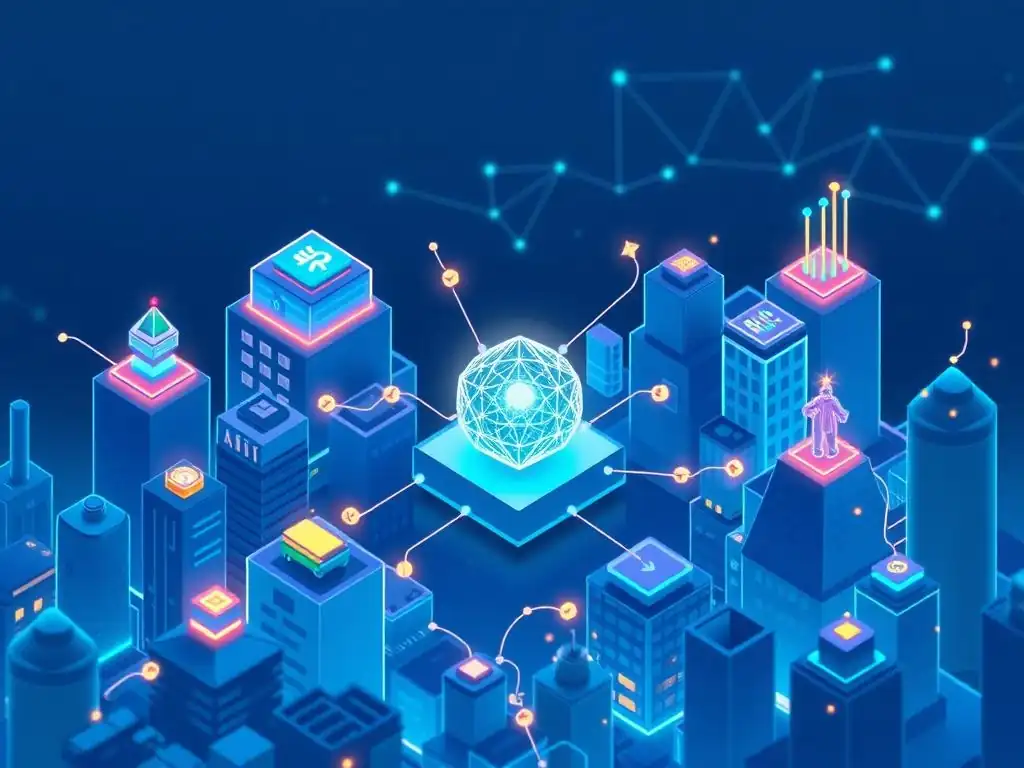
Non-Fungible Tokens (NFTs) are playing an increasingly vital role in enhancing gamified DeFi experiences, adding layers of collectibility, utility, and ownership to decentralized finance. NFTs, with their unique and verifiable digital asset properties, are perfectly suited for representing in-game items, characters, rewards, and achievements in gamified DeFi platforms. Their integration goes beyond mere aesthetics; NFTs introduce tangible value and scarcity to gamified elements, making them more desirable and engaging for users.
For instance, NFTs can represent virtual land in a DeFi metaverse, granting owners exclusive access to certain features or rewards. They can also be used as in-game avatars with unique attributes that impact gameplay and earning potential.
Furthermore, NFTs facilitate the creation of play-to-earn models in DeFi, where users can earn valuable digital assets through gameplay and participation. These earned NFTs can then be traded on secondary markets, providing users with real economic incentives to engage with the platform. The integration of NFTs also allows for more personalized and customized DeFi experiences.
Users can collect and customize their NFT assets, expressing their individuality and showcasing their achievements within the gamified DeFi ecosystem. This sense of ownership and personalization further enhances user engagement and loyalty. The unique properties of NFTs, combined with the interactive nature of gamification, create powerful synergies that are transforming the DeFi landscape, making it more engaging, accessible, and rewarding for a wider audience.
Utilizing NFT-Based Rewards and Incentives in DeFi
NFT-based rewards and incentives are becoming a prominent strategy in DeFi gamification, offering a compelling alternative to traditional token-based rewards. NFTs, with their inherent scarcity and collectibility, provide a unique and often more desirable form of reward compared to fungible tokens. Platforms are utilizing NFTs to reward users for various activities, such as participating in yield farming, staking, governance, or completing specific challenges within the platform.
For example, users who reach certain milestones in a DeFi game might be rewarded with rare and exclusive NFTs, which can then be traded, used within the game, or held as collectibles. These NFT rewards add a layer of prestige and exclusivity that is often lacking in traditional token rewards.
Moreover, NFT-based rewards can have inherent utility within the DeFi platform itself. For instance, an NFT reward might grant the holder access to premium features, boosted yields, or governance voting power. This utility adds further value to the NFT reward, making it more attractive to users and incentivizing deeper engagement with the platform.
The use of NFTs as rewards also fosters a stronger sense of community and collectibility within DeFi ecosystems. Users can collect and trade NFTs, building up their digital asset portfolios and showcasing their achievements to others. This creates a more social and engaging experience compared to simply accumulating fungible tokens.
Furthermore, NFT rewards can be designed to be dynamic and evolving, with their rarity, utility, and aesthetic appeal changing over time, further enhancing their collectibility and long-term value. By strategically utilizing NFT-based rewards and incentives, DeFi platforms can create more engaging, rewarding, and sustainable gamified experiences for their users.
Creating Unique Gamified Assets with NFTs in DeFi
NFTs empower DeFi platforms to create unique and gamified assets that are central to the user experience and gameplay. Beyond just rewards, NFTs can represent core in-game elements like characters, items, virtual land, and resources, all with verifiable ownership and scarcity on the blockchain. This allows for the creation of truly decentralized and user-owned game economies within DeFi ecosystems.
For example, in a DeFi-based metaverse game, NFTs can represent plots of virtual land that users can own, develop, and monetize. These land NFTs might have varying levels of rarity and utility, influencing their value and gameplay potential. Similarly, character NFTs can have unique attributes and skills that impact their performance in in-game activities and earning potential.
The use of NFTs as gamified assets also enables the creation of dynamic and evolving gameplay experiences. NFT attributes and functionalities can be designed to change over time, based on user actions, in-game events, or external data. This creates a more engaging and unpredictable gameplay environment, keeping users invested and interested.
Furthermore, the interoperability of NFTs across different platforms and ecosystems opens up exciting possibilities for gamified DeFi assets. NFTs earned or acquired in one DeFi game could potentially be used or have utility in other DeFi platforms or metaverses, creating a more interconnected and expansive digital asset ecosystem. By leveraging the unique properties of NFTs, DeFi platforms can create truly unique and gamified assets that are central to the user experience, drive engagement, and foster a new paradigm of decentralized digital ownership within finance and gaming.
Risks and Challenges Associated with DeFi Gamification
Addressing Security Vulnerabilities in Gamified DeFi Platforms
While DeFi gamification offers numerous benefits, it also introduces new security vulnerabilities that need to be carefully addressed. The increased complexity of gamified DeFi platforms, with their integration of game mechanics, NFTs, and often intricate smart contracts, expands the attack surface and potential points of failure. Smart contract vulnerabilities remain a significant risk, as flaws in the code can be exploited by malicious actors to drain funds or manipulate the game mechanics. Thorough auditing of smart contracts by reputable security firms is crucial to identify and mitigate potential vulnerabilities before platform launch and during ongoing development.
Furthermore, the integration of NFTs introduces new security considerations related to NFT marketplaces and custody. NFTs can be vulnerable to theft, fraud, and phishing scams, particularly for users who are new to the space. Platforms need to implement robust security measures to protect users' NFTs, including secure wallet integrations, anti-phishing mechanisms, and user education on NFT security best practices. The gamified elements themselves can also be exploited if not designed carefully.
For example, reward systems or leaderboards could be susceptible to manipulation or cheating, undermining the fairness and integrity of the platform. Platforms need to implement robust anti-cheat mechanisms and monitoring systems to detect and prevent malicious activities. Addressing these security vulnerabilities is paramount for building trust and ensuring the long-term viability of gamified DeFi platforms. A proactive and comprehensive approach to security is essential to mitigate risks and protect users' assets in this evolving landscape.
Mitigating Risks of Over-Gamification and Unsustainable Incentives
One of the key challenges in DeFi gamification is mitigating the risks of over-gamification and unsustainable incentives. While gamification can be highly effective in attracting and engaging users, excessive or poorly designed gamification can lead to short-term hype followed by user burnout and platform abandonment. If gamification is purely superficial and not integrated into the core value proposition of the DeFi platform, it can become perceived as gimmicky and unsustainable. It's crucial to ensure that gamification is used strategically to enhance the user experience and drive genuine engagement, rather than simply as a marketing tactic to attract short-term attention.
Unsustainable incentive structures are another significant risk. Many gamified DeFi platforms rely heavily on token rewards to incentivize user participation. If these reward systems are not carefully designed and managed, they can lead to inflationary tokenomics and ultimately erode the value of the platform's token.
It's essential to balance user incentives with the long-term sustainability of the token economy, ensuring that rewards are aligned with platform growth and value creation. Furthermore, over-reliance on extrinsic rewards can crowd out intrinsic motivation. Users might become solely focused on maximizing rewards, rather than genuinely engaging with the platform's functionalities and community.
A successful gamification strategy should aim to tap into both extrinsic and intrinsic motivations, creating experiences that are both rewarding and inherently enjoyable. Finding the right balance between gamification and core DeFi functionality, and designing sustainable incentive structures, are crucial for mitigating the risks of over-gamification and ensuring the long-term success of gamified DeFi platforms.
The gamified DeFi sector, being at the intersection of decentralized finance, gaming, and NFTs, faces a complex and evolving regulatory landscape. Navigating these regulatory considerations is crucial for ensuring the long-term compliance and sustainability of gamified DeFi platforms. The regulatory classification of DeFi tokens and NFTs is still evolving in many jurisdictions.
Depending on their specific functionalities and characteristics, these assets could be classified as securities, commodities, or something else entirely, each with different regulatory implications. Platforms need to carefully consider the regulatory implications of their token and NFT offerings and seek legal counsel to ensure compliance with applicable regulations in their target jurisdictions.
Furthermore, the gamified elements themselves could potentially raise regulatory concerns, particularly if they are deemed to be promoting gambling or unregistered securities offerings. The line between gamification and gambling can be blurry, and regulators may scrutinize platforms that incorporate game mechanics that resemble gambling activities. Similarly, if NFT rewards or in-game assets are deemed to be offering investment opportunities or financial returns, they could be subject to securities regulations.
Platforms need to proactively engage with regulators and adopt a responsible and transparent approach to gamification, ensuring that their platforms comply with relevant regulations and avoid any potential legal pitfalls. The regulatory landscape for DeFi and NFTs is constantly evolving, and gamified DeFi platforms need to stay informed, adaptable, and proactive in navigating these complex and evolving regulations to ensure their long-term viability and compliance.
Future Trends in DeFi Gamification
Emerging Technologies and Their Impact on Gamified DeFi
Several emerging technologies are poised to further revolutionize and enhance gamified DeFi experiences in the future. Layer-2 scaling solutions, such as Polygon, Optimism, and Arbitrum, are already playing a crucial role in making DeFi more scalable and affordable. These solutions reduce transaction fees and increase transaction speeds, making gamified DeFi platforms more accessible and user-friendly, particularly for micro-transactions and high-frequency interactions often found in games. As Layer-2 adoption continues to grow, we can expect to see even more sophisticated and complex gamified DeFi applications emerge.
Furthermore, advancements in blockchain gaming infrastructure and game engines are specifically tailored for decentralized gaming and DeFi integration. Platforms like Immutable X and Enjin are providing tools and technologies that simplify the development and deployment of blockchain-based games and gamified DeFi applications. These technologies are lowering the barrier to entry for game developers to enter the DeFi space and enabling the creation of more immersive and visually appealing gamified experiences.
The integration of artificial intelligence (AI) and machine learning (ML) also holds significant potential for gamified DeFi. AI and ML can be used to personalize user experiences, dynamically adjust game difficulty, detect and prevent cheating, and even create more sophisticated and engaging game mechanics.
For example, AI-powered NPCs (Non-Player Characters) could be integrated into DeFi metaverses, providing more interactive and dynamic gameplay. These emerging technologies, combined with the ongoing innovation in DeFi and NFTs, are paving the way for a future where gamified DeFi experiences become even more sophisticated, engaging, and seamlessly integrated into the broader digital landscape.
The Metaverse and Gamified DeFi: Exploring Synergies
The metaverse and gamified DeFi are increasingly converging, creating powerful synergies that are shaping the future of both sectors. The metaverse, with its immersive virtual worlds and social interactions, provides a natural environment for gamified DeFi experiences to thrive. DeFi functionalities can be seamlessly integrated into metaverse environments, enabling users to earn, trade, and manage digital assets within immersive and engaging virtual worlds. Imagine earning yield on virtual land NFTs within a metaverse, or participating in DeFi governance through in-world voting mechanisms. These integrations blur the lines between finance, gaming, and social interaction, creating entirely new user experiences.
Gamified DeFi, in turn, can provide the economic infrastructure and incentives that are crucial for the growth and sustainability of metaverses. Play-to-earn models powered by DeFi can incentivize users to participate and contribute to metaverse ecosystems, creating vibrant and economically active virtual worlds. NFTs, as discussed earlier, play a crucial role in this convergence, representing virtual land, avatars, in-game items, and other metaverse assets with verifiable ownership and utility.
The synergy between the metaverse and gamified DeFi is creating a new paradigm of decentralized digital economies, where users can seamlessly interact, play, earn, and own digital assets within immersive and engaging virtual environments. This convergence is still in its early stages, but its potential to reshape the future of both finance and entertainment is immense.
Evolving Strategies and Long-Term Benefits of DeFi Gamification
Looking ahead, DeFi gamification strategies are expected to evolve significantly, focusing on long-term sustainability and deeper integration with core DeFi functionalities. Early gamified DeFi projects often relied on relatively simple game mechanics and token rewards, primarily focused on attracting initial users and generating hype. However, as the space matures, the emphasis is shifting towards more sophisticated and sustainable gamification strategies that drive long-term user engagement and platform growth.
We can expect to see more focus on intrinsic motivation, designing gamified experiences that are inherently enjoyable and rewarding, rather than solely relying on extrinsic rewards. This might involve incorporating more complex game mechanics, richer narratives, and stronger community-building elements.
Furthermore, DeFi gamification is likely to become more deeply integrated with core DeFi functionalities, moving beyond superficial game layers. Instead of just adding game-like elements on top of existing DeFi protocols, we can expect to see new DeFi platforms built from the ground up with gamification principles at their core. This deeper integration will create more seamless and engaging user experiences, where gamification is not just an add-on but an integral part of the platform's design and functionality.
The long-term benefits of successful DeFi gamification are substantial. Beyond user acquisition and engagement, gamification can lead to increased user retention, stronger community building, greater liquidity, and ultimately, wider adoption of decentralized finance. By making DeFi more accessible, enjoyable, and rewarding, gamification has the potential to unlock the full transformative potential of decentralized finance and bring it to a mainstream audience.
Conclusion: The Transformative Potential of Gamification in DeFi
Summarizing the Advantages of DeFi Gamification
DeFi gamification offers a compelling suite of advantages that are reshaping the landscape of decentralized finance. Primarily, it significantly enhances user engagement and activity by transforming passive participation into interactive and rewarding experiences. This leads to boosted user retention as gamified platforms offer sustained interest beyond simple transactional interactions.
Moreover, DeFi gamification accelerates adoption by making complex financial mechanisms more accessible and approachable to a wider audience, bridging the gap between technical complexity and user-friendliness. Furthermore, game-based incentives are proven to increase liquidity and trading activity on DeFi platforms, creating more robust and efficient decentralized financial ecosystems. In essence, DeFi gamification strategies benefits are multifaceted, contributing to a more vibrant, accessible, and user-centric decentralized financial future.
Long-Term Impact of Gamification on the DeFi Landscape
The long-term impact of gamification on the DeFi landscape is poised to be transformative, fundamentally altering how users interact with and perceive decentralized finance. Gamification is not just a fleeting trend; it represents a paradigm shift towards user-centric design and engagement in DeFi. By making DeFi more enjoyable, accessible, and rewarding, gamification has the potential to unlock its mainstream adoption, moving beyond a niche audience to a broader user base.
This wider adoption will drive increased liquidity, innovation, and ultimately, the maturation of the DeFi ecosystem. Furthermore, gamification fosters stronger communities around DeFi platforms, creating more resilient and decentralized ecosystems that are less reliant on purely financial incentives and more driven by shared purpose and user participation. In the long run, gamification is likely to be a key driver in shaping a more inclusive, engaging, and sustainable future for decentralized finance.
Future of Gamified Decentralized Finance
The future of gamified decentralized finance is bright, with continuous innovation and evolution expected in the coming years. Emerging technologies like Layer-2 scaling solutions, advanced blockchain gaming infrastructure, and AI integration will further enhance the sophistication and appeal of gamified DeFi platforms. The convergence of the metaverse and DeFi will create entirely new immersive and interactive financial experiences, blurring the lines between gaming, finance, and social interaction.
As gamification strategies evolve, we can expect to see a greater emphasis on long-term sustainability, deeper integration with core DeFi functionalities, and a focus on intrinsic user motivation. The future of DeFi is likely to be increasingly gamified, paving the way for a more user-friendly, engaging, and ultimately, more widely adopted decentralized financial system.
Frequently Asked Questions
What are some DeFi gamification strategies being implemented, and how do they work?
Common strategies include staking rewards through leaderboards, NFT integration for collectible incentives, and interactive simulations to teach users about complex protocols. These tactics aim to increase user engagement and adoption.
What are the main benefits of using DeFi gamification strategies for platforms?
The primary benefits are increased user retention, higher trading volumes, and a more engaging user experience. This leads to greater platform adoption and growth.
How does DeFi gamification help with user education and understanding of complex protocols?
Gamified elements like quizzes, tutorials, and simulations simplify complex concepts. This makes learning about DeFi protocols more accessible and enjoyable for new users.
What are some potential risks or drawbacks associated with implementing DeFi gamification strategies?
Overly complex gamification can confuse users, while poorly designed incentives may lead to unintended consequences. It's crucial to maintain transparency and avoid manipulative practices.
How is regulation impacting the development and implementation of DeFi gamification strategies?
Regulatory scrutiny is increasing, with a focus on consumer protection and preventing financial manipulation. DeFi platforms must ensure their gamification mechanisms comply with evolving legal frameworks to avoid penalties.
Final Reflection: Unlocking DeFi's Potential Through Play
The exploration of DeFi gamification strategies and their benefits reveals a crucial truth: the future of decentralized finance hinges on its ability to engage and empower users. What began as a complex and often intimidating landscape is now being reimagined through the lens of game design, offering a more accessible and rewarding experience for everyone. This shift is not merely a trend; it's a fundamental evolution in how we interact with financial systems.
The impact of DeFi gamification extends far beyond simple entertainment. It fosters a deeper understanding of complex financial concepts, encourages active participation in the ecosystem, and ultimately drives innovation. Witnessing this transformation firsthand has solidified my belief in the power of accessible technology to democratize finance. Play is the highest form of research.
- Albert Einstein. This quote perfectly encapsulates the spirit of DeFi gamification, where experimentation and engagement lead to groundbreaking discoveries and a more inclusive financial future.
Now, consider the implications of this shift for your own financial journey. How can you leverage the power of gamified DeFi platforms to learn, grow, and contribute to this exciting new world? Embrace the opportunity to explore, experiment, and discover the benefits that await. The future of finance is being built, one playful interaction at a time, and your participation is key to unlocking its full potential.
Level Up Your DeFi Game!
Thanks for exploring the exciting intersection of decentralized finance and gamification with us! We hope you've gained valuable insights into how blockchain is transforming financial engagement. Now, it's time to put that knowledge into action and experience the fun for yourself.
Here's how you can get started:
- Explore a Play-to-Earn DeFi Protocol: Discover platforms that combine DeFi yields with engaging gameplay. This is your primary step to experience gamification firsthand.
- Share and Discuss: Spread this article within your network and start a conversation about the future of gamified finance. What innovative game mechanics do you see shaping the industry?
- Research New Opportunities: Look into lesser-known DeFi games or platforms and share your discoveries. You might just find the next big breakthrough!
Are you ready to unlock the next level of DeFi innovation? What gaming elements do you think could best motivate participation in decentralized finance protocols? Share your ideas below!
Leave a Reply