
Supply Chain Traceability with Blockchain: Platform Selection for Transparency


Welcome to Blockchain Trends, your guide to the revolutionary world beyond crypto!
Are you ready to unlock the secrets of blockchain technology and its profound impact on industries worldwide? Today, we dive deep into blockchain supply chain transparency platforms, exploring how they are reshaping global commerce. Discover how these innovative solutions are building trust and accountability, and what to consider when selecting the right platform for your needs. Intrigued? Let's trace the future, together.
Supply Chain Traceability with Blockchain: Platform Selection for Enhanced Transparency
- Introduction: Enhancing Supply Chain Visibility with Blockchain Technology
- Understanding Blockchain Supply Chain Transparency Platforms
- Evaluating Blockchain Platforms for Supply Chain Applications
- Comparison of Leading Blockchain Platforms for Supply Chain Transparency
- Key Features to Look for in Blockchain Supply Chain Transparency Platforms
- Implementation Strategies for Blockchain in Supply Chain
- Real-World Examples of Blockchain Supply Chain Transparency
- Future Trends in Blockchain Supply Chain Technology
- Conclusion: Selecting the Right Blockchain Platform for Supply Chain Success
-
Frequently Asked Questions
- What are the primary benefits of using blockchain supply chain transparency platforms?
- What are some key factors to consider when selecting a blockchain supply chain transparency platform?
- How do blockchain supply chain transparency platforms contribute to building trust in the supply chain?
- How does the use of blockchain supply chain transparency platforms impact regulatory compliance?
- What is the future outlook for blockchain supply chain transparency platforms?
- Final Reflection: Embracing Transparency in the Supply Chain
- Unveil Your Supply Chain's Potential!
Introduction: Enhancing Supply Chain Visibility with Blockchain Technology
The Growing Need for Transparency in Modern Supply Chains
Modern supply chains are intricate global networks, often spanning numerous countries and involving a multitude of stakeholders. This complexity, while enabling efficiency and cost optimization, also introduces significant challenges in maintaining transparency and accountability. Consumers and businesses alike are increasingly demanding to know the origins of products, the conditions under which they were made, and the journey they undertook to reach their destination.
This demand is fueled by rising concerns about ethical sourcing, product authenticity, and regulatory compliance. For instance, studies indicate that over 60% of consumers are willing to pay more for products from brands committed to transparency, highlighting a significant market shift towards valuing supply chain visibility. Furthermore, regulatory pressures, such as the EU's Deforestation Regulation and the US Uyghur Forced Labor Prevention Act, are compelling companies to provide verifiable proof of ethical and sustainable practices throughout their supply chains.
The lack of transparency in supply chains can lead to various detrimental consequences, including difficulties in identifying and mitigating risks, increased vulnerability to fraud and counterfeiting, and erosion of consumer trust. Traditional supply chain management systems, often relying on siloed data and manual processes, struggle to provide the end-to-end visibility required in today's environment. Consider the global food industry, where opaque supply chains have been implicated in numerous food safety scandals, from contaminated milk powder to mislabeled meat products.
These incidents not only damage brand reputation but also pose serious health risks to consumers, underscoring the critical need for more transparent and traceable systems. Therefore, businesses are actively seeking innovative solutions to enhance supply chain visibility and build trust with stakeholders.
Blockchain's Role in Revolutionizing Supply Chain Management
Blockchain technology, with its inherent characteristics of decentralization, immutability, and transparency, offers a compelling solution to address the challenges of modern supply chain management. By providing a shared, tamper-proof ledger of transactions, blockchain enables all authorized participants in a supply chain to access and verify critical information about products as they move from origin to consumer. This shared visibility fosters trust and accountability among stakeholders, reducing information asymmetries and improving overall efficiency. Unlike traditional databases that are centrally controlled and susceptible to manipulation, blockchain's distributed nature makes it inherently more secure and resilient.
The application of blockchain in supply chains is not merely theoretical; it is rapidly gaining traction across various industries. From tracking pharmaceuticals to verifying the provenance of diamonds and ensuring the ethical sourcing of coffee beans, blockchain is demonstrating its potential to transform supply chain operations. For example, in the diamond industry, blockchain platforms are being used to create a digital record of each diamond's journey from mine to market, combating the trade of conflict diamonds and enhancing consumer confidence.
Similarly, in the pharmaceutical sector, blockchain is being explored to track drugs across the supply chain, combating counterfeit medications and ensuring patient safety. These real-world applications highlight the transformative impact blockchain can have on supply chain transparency and efficiency.
Key Benefits of Blockchain for Supply Chain Traceability
Implementing blockchain for supply chain traceability offers a multitude of benefits that directly address the pain points of traditional systems. Firstly, enhanced transparency is a primary advantage. Blockchain provides an immutable record of product history, enabling stakeholders to track items throughout the supply chain journey, from raw material sourcing to final delivery. This transparency builds trust among consumers and partners, as they can verify product authenticity and origin.
Secondly, improved efficiency is achieved through automation and reduced paperwork. Smart contracts, self-executing agreements encoded on the blockchain, can automate processes such as payments and shipment verification, streamlining operations and minimizing delays. For instance, automated customs clearance enabled by blockchain can significantly reduce border delays for international shipments.
Another significant benefit is enhanced security and reduced fraud. The cryptographic nature of blockchain makes it extremely difficult to tamper with or alter data recorded on the ledger. This immutability safeguards against fraudulent activities, such as counterfeiting and product substitution, which are major concerns in global supply chains. Furthermore, increased accountability is fostered by the transparent and auditable nature of blockchain transactions.
Every transaction is recorded and linked to previous transactions, creating a clear chain of custody and making it easier to identify and address any issues or discrepancies that may arise. Finally, blockchain can lead to cost reduction in the long run by streamlining processes, reducing errors, and minimizing disputes. While initial implementation costs may be involved, the long-term benefits of improved efficiency, reduced fraud, and enhanced transparency can outweigh these costs, leading to significant return on investment for businesses.
Understanding Blockchain Supply Chain Transparency Platforms
Defining Blockchain-Based Supply Chain Solutions
Blockchain-based supply chain solutions are technology platforms that leverage the core principles of blockchain to enhance transparency, traceability, and efficiency within supply chain networks. These platforms are designed to move beyond traditional, siloed systems by creating a shared, immutable, and auditable record of supply chain events. They facilitate the secure and transparent exchange of information among various stakeholders, including suppliers, manufacturers, distributors, retailers, and consumers. Unlike conventional databases, blockchain platforms distribute data across a network of computers, making them resistant to single points of failure and manipulation.
These solutions typically involve the creation of a permissioned or permissionless blockchain network tailored to the specific needs of a supply chain. Permissioned blockchains, often favored for enterprise applications, control access to the network, ensuring that only authorized participants can view and contribute data. Permissionless blockchains, while offering greater openness, might be less suitable for scenarios requiring strict data privacy and control.
Blockchain-based supply chain solutions often incorporate various functionalities, including product tracking and tracing, digital identity management, smart contract execution, and data analytics, all aimed at creating a more transparent and efficient supply chain ecosystem. The architecture of these platforms is designed to integrate with existing enterprise systems, such as Enterprise Resource Planning (ERP) and Supply Chain Management (SCM) software, to provide a seamless and comprehensive solution.
Core Features of Effective Blockchain Traceability Platforms
Effective blockchain traceability platforms for supply chains share several core features that are crucial for achieving enhanced transparency and operational efficiency. Data capture and digitization is fundamental. These platforms must be capable of capturing data from various sources within the supply chain, including IoT devices, sensors, barcode scanners, and existing enterprise systems. This data, ranging from product origin and manufacturing details to shipment information and custody transfers, needs to be digitized and recorded on the blockchain in a standardized format.
Immutable record-keeping is another essential feature. Once data is recorded on the blockchain, it becomes tamper-proof and cannot be altered or deleted, ensuring data integrity and trust. This immutability is achieved through cryptographic hashing and consensus mechanisms inherent in blockchain technology.
Real-time tracking and visibility are critical for effective traceability. Platforms should provide stakeholders with real-time visibility into the location and status of products as they move through the supply chain. This can be achieved through integration with GPS tracking systems and IoT devices that continuously update product location and condition data on the blockchain. Access control and permission management are also vital, especially in permissioned blockchain networks.
Platforms must offer robust access control mechanisms to ensure that only authorized participants can access specific data and functionalities, maintaining data privacy and security. Finally, interoperability and integration capabilities are increasingly important. Effective platforms should be designed to seamlessly integrate with existing enterprise systems and potentially interoperate with other blockchain networks, fostering broader adoption and data exchange within the supply chain ecosystem.
How Blockchain Ensures Data Integrity and Immutability in Supply Chains
Blockchain's inherent design ensures data integrity and immutability through a combination of cryptographic techniques, distributed consensus mechanisms, and a decentralized network architecture. Cryptographic hashing plays a central role. Each block of data added to the blockchain is cryptographically linked to the previous block using a hash function. This hash acts as a digital fingerprint of the block's data. Any alteration to the data within a block would change its hash, breaking the chain and immediately making the tampering evident to all network participants. This cryptographic linking creates an unbroken and tamper-proof chain of records.
Distributed consensus mechanisms are crucial for validating transactions and ensuring agreement among network participants on the state of the blockchain. Various consensus algorithms, such as Proof-of-Work (PoW) or Proof-of-Stake (PoS), are used to achieve this distributed agreement. These mechanisms require network participants to collectively validate each transaction before it is added to a block, preventing any single entity from unilaterally altering the blockchain.
Decentralization itself is a key factor in ensuring immutability. Blockchain networks are distributed across multiple computers, often geographically dispersed, rather than being stored in a central location.
This decentralization makes it extremely difficult for malicious actors to compromise the entire network and tamper with data, as they would need to simultaneously control a majority of the network's nodes, which is computationally and practically infeasible in most established blockchain networks. These combined features of cryptography, consensus, and decentralization underpin blockchain's ability to provide unparalleled data integrity and immutability for supply chain applications.
Evaluating Blockchain Platforms for Supply Chain Applications
Factors to Consider When Choosing a Blockchain Platform
Selecting the right blockchain platform for supply chain applications is a critical decision that requires careful consideration of various factors aligned with specific business needs and objectives. Permissioning is a primary consideration. Organizations must decide between permissioned and permissionless blockchains.
Permissioned blockchains offer greater control over network access and data privacy, making them suitable for enterprise consortia and sensitive supply chain data. Permissionless blockchains, while more open and decentralized, might present challenges in terms of scalability and data confidentiality for certain supply chain use cases. The choice depends on the level of control, privacy, and openness required for the specific application.
Scalability is another crucial factor, especially for large and complex supply chains involving high transaction volumes. The chosen platform must be able to handle the anticipated transaction throughput and data storage requirements without compromising performance. Different blockchain platforms have varying scalability capabilities, and it's essential to assess these limitations in the context of the supply chain's operational scale. Interoperability is increasingly important as supply chains become more interconnected.
The platform should ideally support interoperability with existing enterprise systems and potentially other blockchain networks to facilitate seamless data exchange and integration. Lack of interoperability can create data silos and hinder the overall effectiveness of the blockchain solution. Cost is always a significant consideration. Different platforms have varying cost structures, including development costs, transaction fees, and infrastructure maintenance.
Organizations need to evaluate the total cost of ownership and ensure it aligns with their budget and expected return on investment. Finally, community support and maturity of the platform are important indicators of its long-term viability and reliability. A platform with a strong developer community and a proven track record is generally a safer and more sustainable choice.
Scalability and Performance Requirements for Supply Chain Networks
Supply chain networks often involve a high volume of transactions and data exchange, demanding robust scalability and performance from the underlying blockchain platform. Scalability refers to the platform's ability to handle increasing transaction loads and data volumes without significant performance degradation. Performance encompasses factors like transaction processing speed (transactions per second - TPS), latency (time to confirm a transaction), and overall network responsiveness.
For supply chains, scalability is crucial because tracking products across numerous stages and locations can generate a substantial number of transactions. For example, a global retailer tracking millions of products daily would require a platform capable of handling thousands of transactions per second.
Performance requirements also extend to data storage and retrieval. Supply chains generate vast amounts of data related to product provenance, manufacturing processes, shipment details, and more. The blockchain platform must be able to efficiently store and retrieve this data without impacting query speeds and overall system responsiveness. Furthermore, network latency can be a critical factor, particularly for time-sensitive operations in supply chains.
High latency can lead to delays in data updates and impact real-time visibility, potentially disrupting operations. Therefore, when evaluating blockchain platforms for supply chain applications, organizations must carefully assess their scalability and performance capabilities, considering not only current needs but also future growth projections and potential increases in transaction volume and data complexity. Platforms with features like sharding, state channels, or optimized consensus mechanisms are often better suited to meet the demanding scalability and performance requirements of large-scale supply chain networks.
Security and Compliance Considerations for Sensitive Supply Chain Data
Security and compliance are paramount concerns when handling sensitive supply chain data on a blockchain platform. Supply chain data often includes commercially sensitive information, such as pricing details, supplier relationships, manufacturing processes, and customer data. Therefore, robust security measures are essential to protect this data from unauthorized access, modification, or disclosure. Blockchain platforms inherently offer a degree of security through cryptography and decentralization, but additional security considerations are crucial for supply chain applications.
Data encryption is a fundamental requirement. Sensitive data stored on the blockchain should be encrypted both in transit and at rest to protect it from unauthorized access. Platforms should support robust encryption algorithms and key management practices.
Access control mechanisms are also critical for ensuring data privacy and compliance. Permissioned blockchains inherently offer better access control compared to permissionless ones, allowing organizations to define granular permissions for different stakeholders. Platforms should provide features for role-based access control and data segmentation to ensure that only authorized parties can access specific data.
Compliance with data privacy regulations is another key consideration, particularly regulations like GDPR (General Data Protection Regulation) and CCPA (California Consumer Privacy Act). Organizations must ensure that their blockchain-based supply chain solutions comply with relevant data privacy regulations regarding data collection, storage, and usage. This may involve implementing features like data minimization, data anonymization, and mechanisms for data subject rights fulfillment.
Furthermore, resilience to cyberattacks is crucial. While blockchain is inherently more secure than traditional systems, platforms should still implement robust security measures to protect against various cyber threats, including DDoS attacks, smart contract vulnerabilities, and insider threats. Regular security audits and penetration testing are essential to identify and mitigate potential vulnerabilities.
Comparison of Leading Blockchain Platforms for Supply Chain Transparency
Platform 1: Hyperledger Fabric - Features, Advantages, and Limitations
Hyperledger Fabric is an open-source, enterprise-grade permissioned distributed ledger technology (DLT) platform, hosted by the Linux Foundation. It is designed for developing enterprise blockchain solutions with a focus on modularity, scalability, and confidentiality. Fabric is particularly well-suited for supply chain applications requiring strict access control and data privacy, making it a popular choice for industry consortia and enterprise implementations. Its architecture allows for customizable consensus mechanisms and pluggable components, providing flexibility in tailoring the platform to specific supply chain needs. Fabric's permissioned nature means that participants are known and authenticated, fostering trust and accountability within the network.
Key Features for Supply Chain Tracking and Provenance
Hyperledger Fabric offers several key features that are highly beneficial for supply chain tracking and provenance applications. Channels are a core feature, enabling private and confidential transactions between specific subsets of network members. This is crucial in supply chains where certain information, such as pricing or supplier details, needs to be kept confidential between specific trading partners.
Chaincode (smart contracts) in Fabric are written in general-purpose programming languages like Go, Java, and Node.js, providing developers with flexibility and ease of development. Chaincode can automate various supply chain processes, such as shipment verification, payment processing, and quality control checks, triggered by predefined conditions. Membership Service Provider (MSP) manages identities and permissions within the network, ensuring that only authorized participants can access and transact on the blockchain.
This granular access control is vital for maintaining data security and privacy in complex supply chains. Fabric also supports pluggable consensus mechanisms, allowing organizations to choose the consensus algorithm that best suits their performance and security requirements, ranging from crash fault-tolerant (CFT) to Byzantine fault-tolerant (BFT) options.
Pros and Cons for Supply Chain Implementation
Pros of Hyperledger Fabric for supply chain implementation include:
- Strong privacy and confidentiality: Channels and MSP ensure data privacy and control, crucial for sensitive supply chain information.
- Enterprise-grade scalability and performance: Fabric is designed for high transaction throughput and can handle large-scale supply chain networks. While specific TPS varies, configurations can be optimized for performance.
- Modularity and flexibility: Pluggable components and customizable architecture allow for tailoring the platform to specific supply chain needs.
- Strong community support: Backed by the Linux Foundation and a large developer community, ensuring ongoing development and support.
Cons of Hyperledger Fabric for supply chain implementation include:
- Complexity: Fabric can be more complex to set up and manage compared to some other blockchain platforms, requiring specialized technical expertise.
- Permissioned nature: While beneficial for privacy, the permissioned nature might limit openness and interoperability with public blockchain networks.
- Development effort: Developing chaincode and integrating Fabric with existing systems can require significant development effort and resources.
- Lower transparency compared to public blockchains: While transparent to authorized participants, the permissioned nature inherently limits full public transparency.
Platform 2: Corda - Features, Advantages, and Limitations
Corda is an open-source permissioned distributed ledger platform designed specifically for businesses, particularly in regulated industries like finance and supply chain. Developed by R3, Corda distinguishes itself by focusing on privacy and restricting data access to a "need-to-know" basis. Unlike blockchains that broadcast transactions to all network participants, Corda only shares transaction data with parties directly involved in the transaction.
This design principle is particularly appealing for supply chains where businesses often operate in competitive environments and require confidentiality regarding their transactions and relationships. Corda utilizes a UTXO (Unspent Transaction Output) model, similar to Bitcoin, but adapted for permissioned environments and enhanced privacy.
Key Features for Supply Chain Tracking and Provenance
Corda offers specific features that cater to supply chain tracking and provenance needs while prioritizing privacy. CorDapps (Corda Distributed Applications) are the smart contracts in Corda, written in Java or Kotlin. CorDapps define the business logic and data structures for specific applications, such as supply chain tracking or trade finance. Notaries in Corda are responsible for ensuring transaction uniqueness and preventing double-spending but do not see the content of transactions.
This separation of validation and data visibility is key to Corda's privacy-centric design. Flows are a unique feature in Corda, representing the sequences of interactions between parties to reach a common agreement on the ledger. Flows streamline complex multi-party processes in supply chains, such as order fulfillment or dispute resolution. Corda also supports private networks, allowing organizations to create isolated networks for specific consortia or use cases, further enhancing data privacy and control.
Pros and Cons for Supply Chain Implementation
Pros of Corda for supply chain implementation include:
- Exceptional privacy: Corda's "need-to-know" data sharing model is ideal for supply chains requiring strict confidentiality.
- Legal enforceability: Corda's design principles and focus on legal contracts make it well-suited for applications requiring legal compliance and auditability.
- Interoperability focus: Corda is designed to interoperate with other systems and networks, facilitating integration with existing supply chain infrastructure.
- Mature platform: Corda has been adopted by numerous large enterprises and has a proven track record in various industries.
Cons of Corda for supply chain implementation include:
- Complexity: Corda can be complex to understand and develop for, requiring specialized expertise in CorDapp development and Corda architecture.
- Permissioned nature: Similar to Hyperledger Fabric, the permissioned nature limits openness and full public transparency.
- Smaller community compared to Hyperledger Fabric: While growing, Corda's developer community is smaller compared to Hyperledger Fabric, potentially affecting the availability of resources and support.
- UTXO model complexity: While offering privacy benefits, the UTXO model can be more complex to work with compared to account-based models in some blockchain platforms.
VeChainThor is a public blockchain platform specifically designed for enterprise adoption, with a strong focus on supply chain management, product lifecycle management, and data provenance. Unlike Hyperledger Fabric and Corda, VeChainThor is a public, permissionless blockchain, meaning anyone can participate in the network and view transactions. However, VeChainThor implements a Proof-of-Authority (PoA) consensus mechanism, which is more energy-efficient and faster than Proof-of-Work (PoW) used by blockchains like Bitcoin and Ethereum. VeChainThor aims to bridge the gap between public blockchain transparency and enterprise needs by offering features like enterprise-friendly smart contracts, built-in identity management, and a dual-token system.
Key Features for Supply Chain Tracking and Provenance
VeChainThor offers several features tailored for supply chain traceability and provenance. Dual-token system (VET and VTHO) separates the cost of using the blockchain (VTHO) from the value store (VET), making transaction costs more predictable for enterprises. VTHO is generated by holding VET and is used to pay for transaction fees.
Meta-transactions allow for complex transactions to be bundled and executed efficiently, reducing transaction costs and complexity for users. Built-in identity management through VeChainThor's identity (VID) enables verifiable digital identities for products and organizations, facilitating authentication and provenance tracking. ToolChain is VeChain's ready-to-use blockchain-as-a-service (BaaS) platform built on VeChainThor, providing enterprises with pre-built modules and tools for supply chain applications, accelerating deployment and reducing development effort.
Pros and Cons for Supply Chain Implementation
Pros of VeChainThor for supply chain implementation include:
- Public transparency: As a public blockchain, VeChainThor offers high levels of transparency, which can be beneficial for building consumer trust and demonstrating ethical sourcing.
- Enterprise focus and ToolChain: VeChainThor is specifically designed for enterprise adoption, and ToolChain provides ready-to-use solutions and simplifies implementation.
- Predictable transaction costs: The dual-token system makes transaction costs more predictable and manageable for businesses.
- Scalability and performance: PoA consensus offers faster transaction speeds and lower energy consumption compared to PoW blockchains. While TPS numbers vary, VeChainThor is designed for enterprise-level transaction volumes.
Cons of VeChainThor for supply chain implementation include:
- Lower privacy compared to permissioned blockchains: As a public blockchain, data on VeChainThor is publicly visible, which may be a concern for businesses requiring strict data confidentiality.
- Centralization concerns with PoA: Proof-of-Authority consensus is considered more centralized compared to fully decentralized consensus mechanisms like PoW or PoS, as authority is granted to a select set of validators.
- Token volatility: The value of VET and VTHO tokens can be subject to market volatility, which may impact the long-term cost of using the platform.
- Maturity compared to Hyperledger Fabric and Corda: While gaining traction, VeChainThor is relatively newer compared to Hyperledger Fabric and Corda in terms of enterprise adoption and ecosystem maturity.
Key Features to Look for in Blockchain Supply Chain Transparency Platforms
Traceability and Provenance Tracking Capabilities
Robust traceability and provenance tracking capabilities are the cornerstone of any effective blockchain supply chain transparency platform. These features enable the comprehensive tracking of products throughout their journey, from origin to consumer, recording key events and attributes at each stage. Granular tracking is essential, allowing for the capture of detailed information at each step of the supply chain, including raw material sourcing, manufacturing processes, quality control checks, shipment details, and custody transfers. This granular data provides a complete and verifiable history of the product's journey.
Timestamping and geolocational data are crucial for establishing provenance. Platforms should accurately timestamp each event recorded on the blockchain and ideally capture geolocation data to pinpoint the location of products at different stages. This enhances the verifiability and authenticity of provenance claims.
Digital twins or product passports are increasingly being utilized to represent physical products on the blockchain. These digital representations contain all relevant information about the product, including its origin, attributes, certifications, and journey history. Digital twins facilitate easy access to product information and enhance transparency for consumers and stakeholders.
Data aggregation and visualization tools are also important for making traceability data accessible and understandable. Platforms should offer user-friendly interfaces and dashboards that allow stakeholders to easily visualize product journeys, track key metrics, and identify potential issues or anomalies in the supply chain. Effective traceability features not only enhance transparency but also enable businesses to improve operational efficiency, optimize logistics, and proactively manage risks within their supply chains.
Interoperability with Existing Supply Chain Systems
Interoperability with existing supply chain systems is a critical feature for seamless adoption and integration of blockchain technology. Most organizations already have established Enterprise Resource Planning (ERP), Supply Chain Management (SCM), and Warehouse Management Systems (WMS). A blockchain platform that can seamlessly integrate with these legacy systems is essential to avoid data silos and maximize the value of blockchain implementation.
API integration is a fundamental requirement. The platform should provide robust APIs (Application Programming Interfaces) that allow for easy data exchange and communication with existing systems. This enables automated data flow between blockchain and legacy systems, reducing manual data entry and improving data consistency.
Standardized data formats and protocols are crucial for interoperability. Platforms should ideally support industry-standard data formats and communication protocols to facilitate data exchange with diverse systems and platforms. This reduces the complexity of integration and promotes broader interoperability within the supply chain ecosystem. Modular architecture and plug-and-play components can also enhance interoperability.
Platforms designed with modularity in mind allow for easier integration with different systems and technologies through pluggable modules and components. Cross-chain interoperability is an emerging trend, referring to the ability of different blockchain networks to communicate and exchange data with each other. While still evolving, cross-chain interoperability can unlock significant value by enabling data sharing and collaboration across different blockchain platforms within the supply chain ecosystem. Choosing a platform that prioritizes interoperability is crucial for ensuring seamless integration and maximizing the benefits of blockchain in a complex and interconnected supply chain environment.
Smart Contract Functionality for Automated Processes
Smart contract functionality is a key differentiator of blockchain platforms and offers significant potential for automating processes and enhancing efficiency in supply chains. Smart contracts are self-executing agreements encoded on the blockchain. They automatically execute predefined actions when specific conditions are met, eliminating the need for manual intervention and intermediaries. Automated payment processing is a prime example.
Smart contracts can be programmed to automatically release payments to suppliers upon verification of shipment delivery or completion of specific milestones, streamlining payment cycles and reducing payment delays. Automated quality control and compliance checks can be implemented using smart contracts. For instance, smart contracts can automatically trigger quality checks at different stages of the supply chain and record the results on the blockchain. If quality standards are not met, automated alerts can be triggered, or payments can be adjusted accordingly.
Automated inventory management can be improved through smart contracts. Smart contracts can track inventory levels in real-time and automatically trigger reorder processes when stock levels fall below predefined thresholds, optimizing inventory management and preventing stockouts. Automated dispute resolution can be facilitated by smart contracts.
Predefined rules and conditions for dispute resolution can be encoded into smart contracts, enabling automated resolution of disagreements based on verifiable data recorded on the blockchain, reducing the need for lengthy and costly manual dispute resolution processes. Programmability and flexibility of smart contract languages are important factors to consider when evaluating platforms. Platforms that support widely used programming languages and offer flexible smart contract development tools empower developers to create sophisticated and customized automation solutions for supply chain applications.
Data Analytics and Reporting Tools for Supply Chain Optimization
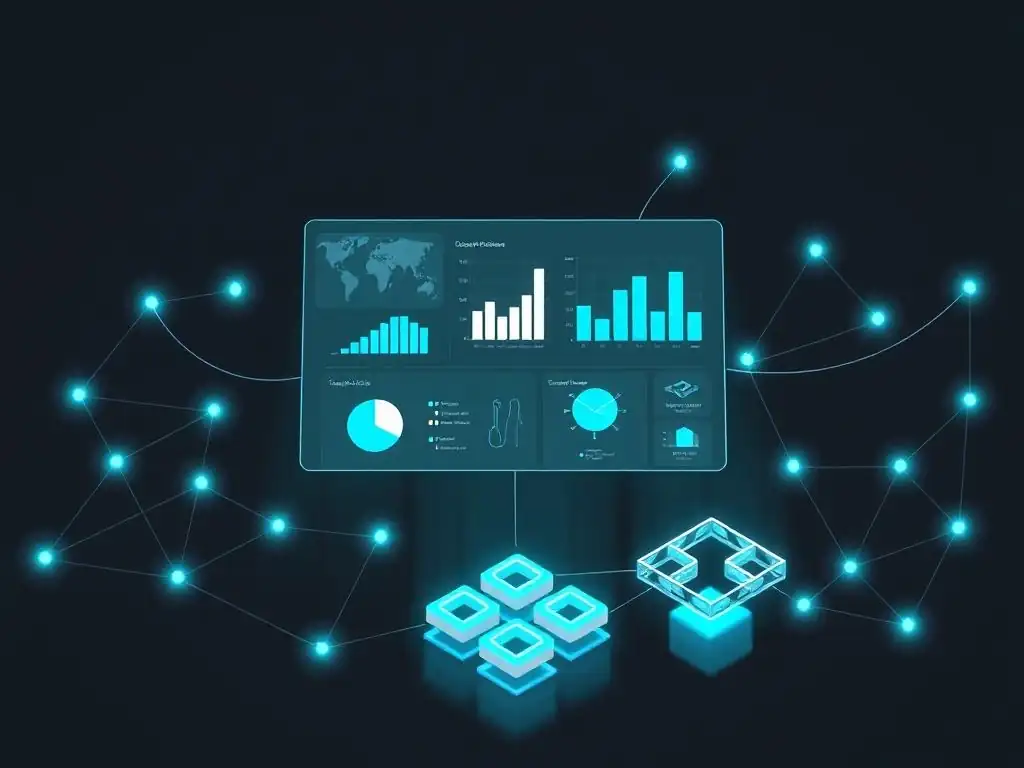
Data analytics and reporting tools are essential complements to blockchain traceability platforms, enabling organizations to derive actionable insights from the vast amounts of supply chain data captured on the blockchain. Real-time dashboards and visualizations are crucial for monitoring supply chain performance and identifying potential issues proactively. Platforms should offer customizable dashboards that display key performance indicators (KPIs) related to traceability, efficiency, and compliance in real-time.
Visualizations, such as maps and charts, can help stakeholders quickly grasp complex data patterns and trends. Customizable reports are needed to generate detailed reports on various aspects of the supply chain, such as product provenance, shipment history, supplier performance, and compliance metrics. These reports can be used for internal analysis, regulatory reporting, and sharing information with stakeholders.
Predictive analytics capabilities can leverage historical supply chain data to forecast future trends and potential disruptions. Platforms that integrate with AI and machine learning algorithms can provide predictive insights into demand fluctuations, potential supply chain bottlenecks, and risks, enabling proactive decision-making and optimization. Anomaly detection and alerting are valuable features for identifying deviations from expected patterns or thresholds in supply chain data.
Platforms should be able to automatically detect anomalies, such as unexpected delays, temperature excursions, or deviations from quality standards, and trigger alerts to relevant stakeholders, enabling timely intervention and issue resolution. Data export and integration with BI tools are important for organizations that want to perform advanced analytics using their existing business intelligence (BI) tools. Platforms should allow for easy export of blockchain data in standard formats and integration with popular BI platforms for in-depth data analysis and reporting.
Security Features and Access Control Mechanisms
Robust security features and access control mechanisms are paramount for protecting sensitive supply chain data on blockchain platforms. Data encryption is a fundamental security requirement. Platforms should employ strong encryption algorithms to protect data both in transit and at rest.
End-to-end encryption ensures that data is encrypted from the point of origin to the point of destination, minimizing the risk of interception or unauthorized access. Role-based access control (RBAC) is essential for managing user permissions and ensuring that only authorized users can access specific data and functionalities. Platforms should offer granular RBAC features that allow administrators to define roles and assign permissions based on job responsibilities and data sensitivity.
Multi-factor authentication (MFA) adds an extra layer of security by requiring users to provide multiple forms of authentication, such as passwords and one-time codes, before granting access. MFA significantly reduces the risk of unauthorized access due to compromised passwords. Regular security audits and penetration testing are crucial for identifying and mitigating potential vulnerabilities in the platform's security architecture.
Independent security audits and penetration tests should be conducted periodically to assess the platform's resilience to cyber threats. Compliance with security standards and certifications provides assurance of the platform's security posture. Platforms that are compliant with recognized security standards, such as ISO 27001 or SOC 2, and hold relevant security certifications demonstrate a commitment to security best practices.
Immutable audit logs of all data access and modifications are important for maintaining accountability and traceability of security-related events. Audit logs provide a verifiable record of who accessed what data and when, facilitating security monitoring and incident investigation.
Implementation Strategies for Blockchain in Supply Chain
Pilot Projects and Proof-of-Concept Implementations
Starting with pilot projects and proof-of-concept (PoC) implementations is a recommended strategy for organizations embarking on blockchain adoption in their supply chains. Pilot projects allow businesses to test the technology in a limited scope, assess its feasibility and benefits, and gain practical experience before committing to large-scale deployments. Identify a specific use case that is well-defined and addresses a clear business pain point within the supply chain.
Starting with a narrow focus, such as tracking a specific product line or streamlining a particular process, allows for a more manageable and focused pilot project. Select a suitable blockchain platform based on the specific requirements of the pilot project, considering factors like permissioning, scalability, and features relevant to the chosen use case.
Define clear objectives and success metrics for the pilot project. Measurable objectives and KPIs, such as improved traceability time, reduced errors, or cost savings, are essential for evaluating the success of the pilot and justifying further investment. Involve key stakeholders from across the supply chain in the pilot project, including suppliers, manufacturers, distributors, and retailers. Collaboration and buy-in from all relevant stakeholders are crucial for the pilot's success and for wider adoption in the future.
Iterative approach and agile methodology are recommended for pilot projects. Starting with a minimal viable product (MVP) and iteratively developing and refining the solution based on feedback and learnings from each iteration allows for flexibility and adaptability during the pilot phase. Thoroughly document the pilot project, including the objectives, methodology, results, and lessons learned. This documentation serves as a valuable resource for future blockchain implementations and knowledge sharing within the organization.
Integrating Blockchain with Existing ERP and SCM Systems
Seamless integration of blockchain with existing Enterprise Resource Planning (ERP) and Supply Chain Management (SCM) systems is crucial for maximizing the value and minimizing disruption during blockchain implementation. API-based integration is the most common and effective approach. Utilizing APIs provided by both the blockchain platform and the ERP/SCM systems allows for automated data exchange and communication between the systems.
This enables real-time data synchronization and avoids manual data entry, improving data accuracy and efficiency. Middleware solutions can be used to bridge the gap between blockchain and legacy systems, especially when direct API integration is not feasible or efficient. Middleware acts as an intermediary layer that translates data formats and protocols between different systems, facilitating seamless data exchange.
Data mapping and standardization are essential steps in the integration process. Carefully mapping data fields between blockchain and ERP/SCM systems ensures data consistency and accuracy. Standardizing data formats and terminologies across systems simplifies integration and data exchange. Hybrid architecture combining blockchain and traditional databases can be adopted. Sensitive or immutable data can be stored on the blockchain, while transactional and operational data can remain in existing databases.
This hybrid approach allows organizations to leverage the strengths of both technologies. Gradual and phased integration is recommended, starting with integrating blockchain for specific processes or data points and gradually expanding integration scope over time. This phased approach minimizes disruption and allows for iterative refinement of the integration strategy. Security considerations are paramount during integration. Ensuring secure data exchange between blockchain and existing systems, implementing proper authentication and authorization mechanisms, and protecting sensitive data during integration are crucial security considerations.
Addressing Challenges in Data Standardization and Interoperability
Data standardization and interoperability are significant challenges in achieving widespread blockchain adoption in supply chains. Lack of standardized data formats, protocols, and terminologies across different systems and organizations hinders seamless data exchange and interoperability. Industry-wide collaboration and standardization initiatives are crucial for addressing these challenges. Industry consortia, standards bodies, and blockchain associations are working to develop and promote data standards and interoperability protocols for supply chains.
Participating in these initiatives and adopting emerging standards is essential for organizations seeking to achieve interoperability. Open data formats and APIs are key enablers of interoperability. Promoting the use of open data formats and APIs in blockchain platforms and supply chain systems facilitates data exchange and reduces vendor lock-in.
Data governance and data quality initiatives are important for ensuring data consistency and accuracy across the supply chain. Establishing clear data governance policies, implementing data quality controls, and promoting data sharing best practices are crucial for improving data interoperability. Blockchain interoperability protocols are evolving to address cross-chain interoperability challenges. Protocols like Interledger Protocol (ILP) and Cosmos are being developed to enable communication and data exchange between different blockchain networks.
Adopting platforms and solutions that support these interoperability protocols can enhance cross-chain interoperability in the future. Flexible and adaptable data models are beneficial for accommodating diverse data requirements and evolving industry standards. Platforms that offer flexible data models and allow for customization of data schemas can better adapt to changing data standardization needs. Addressing data standardization and interoperability challenges requires a collaborative and multi-faceted approach involving technology providers, industry stakeholders, and standards organizations.
Real-World Examples of Blockchain Supply Chain Transparency
Case Study 1: Walmart Implementing Hyperledger Fabric for Food Traceability
Walmart, one of the world's largest retailers, has been a pioneer in leveraging blockchain technology for food traceability, primarily using Hyperledger Fabric. Walmart recognized the critical need for enhanced food safety and transparency in its vast and complex food supply chain. In 2017, Walmart initiated a pilot project using Hyperledger Fabric to track mangoes from farms in Mexico and the US to Walmart stores. The pilot successfully demonstrated the potential of blockchain to significantly improve traceability time and efficiency.
Traditionally, tracing the origin of mangoes could take days or even weeks. With blockchain, Walmart was able to reduce traceability time to seconds. This dramatic improvement allows for faster identification and removal of contaminated food products, minimizing the impact of food safety incidents and protecting consumers.
Following the successful mango pilot, Walmart expanded its blockchain initiative to track other food products, including pork in China and leafy greens in the US. In 2019, Walmart mandated that all suppliers of leafy greens must implement blockchain traceability using Hyperledger Fabric. This mandate has significantly enhanced the traceability and transparency of Walmart's leafy greens supply chain, contributing to improved food safety and consumer confidence.
Walmart's blockchain implementation leverages QR codes and GS1 standards for product identification and data capture. Suppliers input data into the blockchain at each stage of the supply chain, creating an immutable record of product provenance and journey. Walmart's successful implementation of Hyperledger Fabric for food traceability serves as a leading example of how blockchain can revolutionize supply chain transparency in the retail industry and enhance food safety for consumers.
Case Study 2: BMW Group Implementing Corda for Supply Chain Management
BMW Group, a global leader in automotive manufacturing, has implemented Corda, a permissioned blockchain platform, to enhance transparency and efficiency in its complex supply chain management, particularly focusing on supply chain finance. BMW's supply chain involves thousands of suppliers across the globe, and managing payments and financing across this vast network is a complex and often inefficient process.
BMW partnered with Marco Polo, a trade finance network powered by Corda, to streamline its supply chain finance processes. Using Corda, BMW is able to digitize and automate trade finance transactions, improving efficiency, reducing costs, and enhancing transparency for all parties involved.
BMW's Corda implementation focuses on digitizing letters of credit, a traditional trade finance instrument that is often paper-based and time-consuming. By digitizing letters of credit on Corda, BMW and its suppliers can exchange trade finance documents electronically, reducing paperwork, speeding up transaction processing, and improving visibility into the status of trade finance transactions. Corda's privacy-preserving features are particularly important for BMW, as it allows for confidential transactions between BMW and its suppliers without revealing sensitive information to the entire network.
BMW's adoption of Corda for supply chain finance demonstrates the potential of blockchain to transform complex financial processes within supply chains, improving efficiency, transparency, and trust among trading partners. The implementation also highlights Corda's suitability for applications requiring strong privacy and security in enterprise supply chain environments.
Lessons Learned from Successful Blockchain Supply Chain Implementations
Several key lessons can be learned from successful blockchain supply chain implementations like those of Walmart and BMW Group. Start with a clear business problem and use case: Successful implementations begin with identifying a specific pain point or opportunity within the supply chain that blockchain can effectively address. Focusing on a well-defined use case, such as food traceability or supply chain finance, is crucial for achieving tangible results and demonstrating value.
Choose the right blockchain platform for the specific needs: Selecting a blockchain platform that aligns with the specific requirements of the use case, considering factors like permissioning, privacy, scalability, and features, is essential for success. Permissioned blockchains like Hyperledger Fabric and Corda are often preferred for enterprise applications requiring privacy and control, while public blockchains like VeChainThor may be suitable for use cases prioritizing public transparency.
Collaboration and ecosystem participation are crucial: Blockchain supply chain implementations often involve multiple stakeholders across the supply chain ecosystem. Collaboration, communication, and buy-in from all relevant parties, including suppliers, manufacturers, distributors, and retailers, are essential for successful adoption and achieving network effects. Focus on data quality and standardization: High-quality, standardized data is the foundation of effective blockchain traceability and transparency.
Investing in data quality initiatives, adopting data standards, and ensuring data accuracy and consistency are critical for realizing the full potential of blockchain in supply chains. Iterative implementation and continuous improvement: Blockchain implementation is often an iterative process.
Starting with pilot projects, adopting an agile methodology, and continuously refining the solution based on feedback and learnings are important for successful and sustainable blockchain adoption in supply chains. Measure and demonstrate ROI: Clearly defining success metrics, tracking key performance indicators, and demonstrating the return on investment (ROI) of blockchain implementation are essential for justifying further investment and scaling up blockchain initiatives within organizations and across the supply chain ecosystem.
Future Trends in Blockchain Supply Chain Technology
The Role of IoT and AI in Enhancing Blockchain Traceability
The integration of Internet of Things (IoT) and Artificial Intelligence (AI) with blockchain is poised to significantly enhance supply chain traceability and efficiency in the future. IoT devices and sensors can provide real-time data feeds from various points in the supply chain, automatically capturing data on product location, condition, and environmental factors.
Integrating IoT data with blockchain ensures the authenticity and immutability of this real-time data, providing a more comprehensive and trustworthy view of the supply chain. For example, temperature sensors embedded in pharmaceutical shipments can continuously monitor temperature conditions and record them on the blockchain, ensuring the integrity of temperature-sensitive drugs.
AI and machine learning algorithms can analyze the vast amounts of supply chain data captured on the blockchain and by IoT devices to derive valuable insights and optimize operations. AI can be used for predictive analytics to forecast demand, optimize inventory levels, predict potential supply chain disruptions, and identify anomalies or inefficiencies in supply chain processes.
AI-powered anomaly detection can enhance supply chain security and fraud prevention. AI algorithms can analyze blockchain data to identify unusual patterns or deviations from expected behavior, such as suspicious transactions or unexpected shipment delays, flagging potential fraud or security breaches for investigation. AI-driven automation can further streamline supply chain processes.
AI can be integrated with smart contracts to automate decision-making and trigger actions based on real-time data and predictive analytics. For instance, AI can automatically adjust production schedules or reroute shipments based on predicted demand fluctuations or real-time traffic conditions. The convergence of blockchain, IoT, and AI holds immense potential to create more intelligent, resilient, and transparent supply chains, enabling businesses to optimize operations, reduce risks, and enhance customer satisfaction.
The Evolution of Blockchain Standards for Supply Chain Interoperability
The evolution of blockchain standards is crucial for fostering interoperability and wider adoption of blockchain technology in supply chains. Standardization efforts are underway across various fronts, including data formats, communication protocols, and smart contract standards. Data format standards are essential for ensuring consistent data representation and exchange across different blockchain platforms and supply chain systems. Initiatives like GS1 and ISO are developing data standards for product identification, traceability events, and supply chain data exchange.
Adopting these standards will facilitate seamless data sharing and interoperability within the supply chain ecosystem. Communication protocol standards are needed to enable different blockchain networks to communicate and exchange data with each other. Protocols like Interledger Protocol (ILP) and Hyperledger Cactus are being developed to address cross-chain interoperability and enable seamless data flow across different blockchain platforms.
Smart contract standards are emerging to promote portability and interoperability of smart contracts across different blockchain platforms. Standardizing smart contract interfaces and programming languages will reduce development effort and facilitate the reuse of smart contracts across different platforms. Industry-specific standards are also being developed to address the unique needs of specific supply chain sectors, such as food, pharmaceuticals, and logistics. These industry-specific standards will tailor blockchain solutions to the specific requirements and regulations of different industries.
Open-source initiatives and collaboration are driving the development and adoption of blockchain standards. Open-source consortia and collaborative efforts involving industry stakeholders, technology providers, and standards bodies are crucial for accelerating the standardization process and ensuring broad industry adoption. The continued evolution and adoption of blockchain standards will be a key enabler for achieving true interoperability and unlocking the full potential of blockchain for supply chain transformation.
Decentralized Finance (DeFi) and Supply Chain Finance Integration
The integration of Decentralized Finance (DeFi) with supply chain finance represents an exciting future trend with the potential to revolutionize traditional supply chain finance mechanisms. DeFi offers decentralized and transparent financial services built on blockchain technology, eliminating intermediaries and reducing costs. DeFi platforms can provide alternative financing options for businesses in supply chains, particularly for small and medium-sized enterprises (SMEs) that often face challenges in accessing traditional financing.
DeFi lending and borrowing platforms can offer faster, more accessible, and potentially cheaper financing options compared to traditional banks and financial institutions. Tokenized assets and stablecoins can facilitate faster and more efficient payments and settlements in supply chains. Stablecoins, cryptocurrencies pegged to fiat currencies, can reduce volatility and streamline cross-border payments, while tokenized assets can represent ownership of goods or invoices, enabling faster and more transparent transfer of value.
Smart contract-based supply chain finance solutions can automate and streamline various financial processes, such as invoice discounting, factoring, and trade finance. DeFi platforms can offer smart contract-based solutions that automatically execute financing agreements based on predefined conditions and verifiable data recorded on the blockchain, reducing paperwork, delays, and risks. Increased transparency and traceability in supply chain finance can be achieved through DeFi integration.
Blockchain-based DeFi solutions provide a transparent and auditable record of all financial transactions, enhancing trust and accountability among trading partners and reducing the risk of fraud and disputes. Democratization of access to supply chain finance is a key potential benefit of DeFi integration.
DeFi can democratize access to financial services in supply chains, particularly for SMEs in emerging markets that are often underserved by traditional financial institutions, fostering greater financial inclusion and economic growth. The integration of DeFi and supply chain finance is still in its early stages, but it holds significant promise to transform traditional supply chain finance mechanisms and create more efficient, transparent, and inclusive financial ecosystems for global supply chains.
Conclusion: Selecting the Right Blockchain Platform for Supply Chain Success
Key Takeaways for Choosing a Blockchain Solution
Choosing the right blockchain platform for supply chain success requires a strategic approach that considers various factors aligned with specific business needs and objectives. Clearly define the business problem and use case you aim to address with blockchain. Understanding the specific pain points and desired outcomes will guide platform selection and implementation strategy. Carefully evaluate platform features and capabilities in relation to your use case requirements.
Consider factors like permissioning, scalability, privacy, security, interoperability, smart contract functionality, and available tools and services. Choose between permissioned and permissionless blockchains based on your data privacy and control requirements. Permissioned blockchains offer greater control and privacy, while permissionless blockchains provide greater transparency and openness.
Assess platform scalability and performance to ensure it can handle the transaction volume and data complexity of your supply chain network. Consider current and future scalability needs and choose a platform that can scale effectively as your business grows. Prioritize interoperability and integration capabilities to ensure seamless integration with existing systems and potential interoperability with other blockchain networks. Choose a platform that supports open standards and provides robust APIs for integration.
Consider the platform's maturity, community support, and ecosystem. A platform with a strong community, active development, and a mature ecosystem is generally a safer and more sustainable choice. Evaluate the cost of ownership, including development costs, transaction fees, infrastructure costs, and ongoing maintenance. Choose a platform that offers a cost-effective solution aligned with your budget and expected ROI.
Start with pilot projects and iterate. Begin with a focused pilot project to test the chosen platform and validate its suitability before committing to large-scale deployments. Iterate and refine your solution based on learnings from pilot projects.
The Future of Transparent and Traceable Supply Chains with Blockchain
The future of supply chains is undoubtedly intertwined with blockchain technology, promising to usher in an era of unprecedented transparency and traceability. Blockchain's inherent capabilities in providing immutable records, enhancing data security, and fostering collaboration are perfectly aligned with the growing demands for transparency and efficiency in modern supply chains. Increased consumer demand for transparency will continue to drive blockchain adoption.
Consumers are increasingly demanding to know the origins and ethical sourcing of products, and blockchain provides a powerful tool to meet this demand and build trust. Regulatory pressures for supply chain due diligence and compliance will further accelerate blockchain adoption. Governments and regulatory bodies are enacting stricter regulations requiring companies to demonstrate transparency and accountability across their supply chains, making blockchain a valuable compliance enabler.
Advancements in blockchain technology and interoperability will unlock new possibilities for supply chain innovation. Ongoing advancements in scalability, interoperability, and privacy-enhancing technologies will make blockchain solutions more robust and widely applicable to diverse supply chain scenarios. Integration of blockchain with IoT, AI, and other emerging technologies will create even more intelligent and efficient supply chains. The convergence of these technologies will enable real-time visibility, predictive analytics, and automated decision-making, transforming supply chain operations.
Decentralized and collaborative supply chain ecosystems will emerge, powered by blockchain. Blockchain will facilitate the creation of decentralized and collaborative supply chain networks where data is shared securely and transparently among all participants, fostering greater trust, efficiency, and resilience. The journey towards fully transparent and traceable supply chains with blockchain is ongoing, but the potential for transformation is immense, promising to reshape global trade and commerce in the years to come.
Frequently Asked Questions
What are the primary benefits of using blockchain supply chain transparency platforms?
These platforms enhance traceability and accountability, improving supply chain visibility and reducing fraud by creating an immutable record of transactions.
What are some key factors to consider when selecting a blockchain supply chain transparency platform?
Consider factors like scalability, interoperability with existing systems, and the security features offered by the platform to ensure data integrity.
How do blockchain supply chain transparency platforms contribute to building trust in the supply chain?
They provide verified data about product origin, movement, and handling, allowing consumers and stakeholders to validate claims and build confidence in the supply chain's integrity.
How does the use of blockchain supply chain transparency platforms impact regulatory compliance?
These platforms can help businesses meet regulatory requirements by providing a transparent and auditable record of their supply chain activities, facilitating easier compliance reporting.
What is the future outlook for blockchain supply chain transparency platforms?
The future involves increased adoption across various industries, fueled by the growing demand for greater transparency and the development of more user-friendly and integrated blockchain solutions.
Final Reflection: Embracing Transparency in the Supply Chain
The journey towards enhanced supply chain transparency is no longer a futuristic ideal, but a present-day necessity. As we've explored the landscape of blockchain supply chain transparency platforms, it's clear that the technology offers a powerful solution to combat fraud, improve efficiency, and build consumer trust in an increasingly complex global market. The ability to track products from origin to consumer, with immutable records verified by a decentralized network, is revolutionizing how we understand and interact with the goods we consume.
This shift towards transparency profoundly impacts the cultural and social landscape, fostering a greater sense of accountability and ethical sourcing. The demand for ethically sourced and sustainably produced goods is only growing, and blockchain offers a powerful tool to meet this demand and empower consumers with information. Transparency is not about exposing everything, but about providing enough information so that people can make informed decisions.
This quote perfectly encapsulates the essence of what blockchain can achieve in the supply chain, moving beyond mere compliance to genuine empowerment.
Now, as you consider the potential of blockchain in your own organization or sphere of influence, I invite you to reflect on the value of transparency. How can you leverage these technologies to build trust, improve efficiency, and create a more ethical and sustainable future? The power to transform the supply chain lies within our grasp; let us embrace it and build a world where every product tells its story with honesty and integrity.
Unveil Your Supply Chain's Potential!
Thank you for exploring blockchain and supply chain traceability! We hope you now have a clearer understanding of how blockchain can enhance transparency and the key factors to consider when choosing the right platform. It's time to apply that knowledge and work towards building a more secure and transparent supply chain.
Here are some next steps to consider:
- Map your current supply chain: Identify the key players, data points, and potential vulnerabilities that blockchain can address. This is the essential first step.
- Research and compare different blockchain platforms for supply chain management, focusing on the features discussed in the article. Feel free to explore innovative solutions.
- Join the conversation and share your biggest supply chain traceability challenges in the comments below. Let’s learn from each other's experiences.
What is the most impactful data point you plan to start tracking with blockchain technology in your supply chain, and why?
Leave a Reply