
NFTs: A New Era of DirecttoFan Engagement for Creators

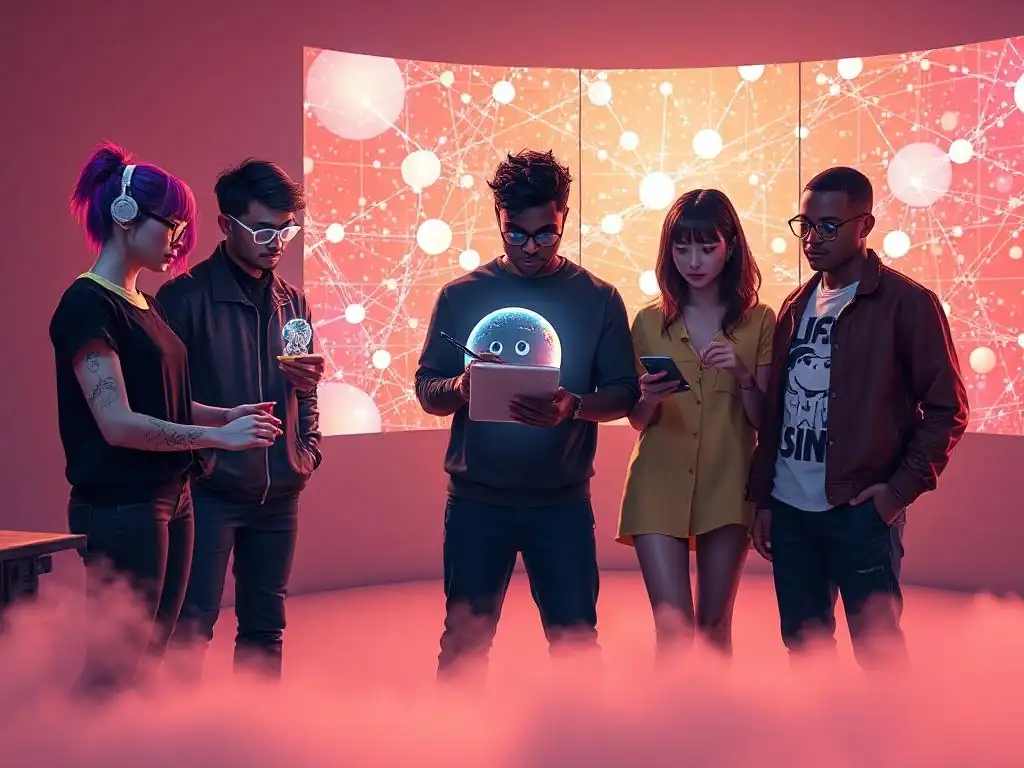
Welcome to Blockchain Trends, your guide to the revolutionary world of blockchain beyond the headlines. Delve into the transformative power of this technology, from DeFi to enterprise solutions. Are you ready to uncover how blockchain is reshaping industries?
This week, we're exploring how NFTs are forging a new era of direct-to-fan engagement for creators. Forget intermediaries – discover how artists and innovators are leveraging blockchain to connect directly with their audiences and redefine the landscape of digital ownership. Intrigued? Let's dive in.
NFTs: A New Era of Direct-to-Fan Engagement for Creators
- Introduction: The NFT Revolution and Empowering Creators
- How NFTs Enable Direct Creator-Fan Connections
- Monetization Strategies for Creators Using NFTs
- Case Studies: Successful Creator NFT Implementations
- The Benefits of NFTs for Creators and Fans
- Challenges and Considerations for NFT-Based D2F Engagement
- The Future of NFTs and Direct-to-Fan Engagement
- Conclusion: Embracing NFTs for a Sustainable Creator Future
-
Frequently Asked Questions
- What are NFTs and how do they relate to creator-fan engagement?
- How can NFTs help creators bypass traditional intermediaries?
- What kind of content can creators offer as NFTs?
- What are the benefits for fans who purchase NFTs from their favorite creators?
- What are some potential challenges or risks associated with using NFTs for creator-fan engagement?
- Final Reflection: Embracing the Creator Economy Through NFTs
- Unleash Your Creative Power: Dive into the NFT Revolution!
Introduction: The NFT Revolution and Empowering Creators
Understanding NFTs and Their Potential in the Creator Economy
Non-Fungible Tokens, or NFTs, represent a revolutionary application of blockchain technology beyond cryptocurrencies. At their core, NFTs are unique digital assets whose ownership and transaction history are recorded on a blockchain, such as Ethereum or Polygon. Unlike cryptocurrencies like Bitcoin, which are fungible (each unit is interchangeable with another), each NFT possesses distinct characteristics and metadata, making it one-of-a-kind or part of a limited, identifiable series. This inherent scarcity and verifiable ownership are the key properties that make NFTs particularly appealing to creators.
For creators, NFTs offer a powerful new paradigm within the rapidly evolving creator economy. They provide a mechanism to tokenize digital creations – whether it's a piece of digital art, a music track, a video clip, or a virtual item – establishing verifiable proof of authenticity and ownership in a digital world previously plagued by easy duplication. This unlocks novel ways for creators to monetize their work, build direct relationships with their audience, and potentially unlock significant value from their digital assets that was previously difficult or impossible through traditional channels.
Direct-to-Fan (D2F) Engagement: A Paradigm Shift for Artists
Direct-to-Fan (D2F) engagement is a business model where creators connect and transact directly with their audience, bypassing traditional intermediaries like record labels, publishers, galleries, or large centralized platforms. Historically, D2F efforts involved selling merchandise at shows, managing mailing lists, or running independent online stores. While effective, these methods often lacked scalability, verifiability, and the ability to offer truly unique digital experiences or ownership.
NFTs are catalyzing a significant paradigm shift in the D2F model, particularly for artists and digital creators. By enabling the direct sale and transfer of unique digital assets and experiences on a blockchain, NFTs allow creators to build verifiable, transparent, and persistent connections with their most dedicated fans. This goes beyond simple transactions; it's about fostering a sense of ownership, community, and shared journey, fundamentally changing how creators can sustain their careers and interact with their audience in the digital age.
How NFTs Enable Direct Creator-Fan Connections
Cutting Out the Middleman: Removing Traditional Gatekeepers
Traditional creative industries are often characterized by powerful gatekeepers—record labels, art galleries, book publishers, and even large digital platforms—that control distribution, marketing, and monetization. These intermediaries typically take a substantial percentage of a creator's revenue, sometimes leaving artists with only a small fraction of the profits from their work. They also often dictate creative direction and terms, limiting creator autonomy.
NFTs disrupt this model by facilitating peer-to-peer transactions directly between the creator and the fan on a decentralized blockchain network. Through smart contracts, creators can sell their digital work, offer exclusive access, or distribute collectibles without needing permission from or paying exorbitant fees to a central authority. This allows creators to retain a significantly larger portion of their earnings, often receiving 90% or more of the primary sale price, and establish independent revenue streams, thereby strengthening the core principle of NFTs creator direct fan engagement.
Building Stronger Relationships with Fans Through NFTs
NFTs offer creators unique tools to cultivate deeper and more meaningful relationships with their fanbase. Beyond simply owning a piece of digital art or music, holding an NFT can grant fans access to exclusive content, private online communities (like dedicated Discord or Telegram groups), early previews of upcoming work, or even personalized interactions with the creator (e.g., Q&A sessions, virtual hangouts). This creates a sense of belonging and provides tangible benefits for the most dedicated supporters.
By offering tiered NFTs with varying levels of access and utility, creators can segment their audience and reward loyalty in verifiable ways. Fans who hold certain NFTs might get priority access to future drops, discounts on merchandise, or voting rights on creative decisions. This transforms passive followers into active community members and stakeholders, fostering a sense of investment and shared journey that goes far beyond traditional fan clubs, enhancing NFTs creator direct fan engagement through exclusive digital ownership.
NFTs can shift the fan relationship from one of passive consumption to active participation and even ownership. Projects can be structured where NFT holders collectively own a piece of intellectual property, share in future royalties generated by the work, or have a say in the project's direction through decentralized governance mechanisms like DAOs (Decentralized Autonomous Organizations). This model aligns the incentives of creators and fans, as the community benefits directly from the project's success.
When fans hold NFTs that represent a stake in the creator's ecosystem, they become invested in its growth. This encourages them to actively promote the work, contribute ideas, and participate in community activities. This shared value creation builds a powerful, engaged community where fans are not just consumers but collaborators and beneficiaries, embodying a new level of NFTs creator direct fan engagement based on collective investment and shared success.
Monetization Strategies for Creators Using NFTs
Selling Exclusive Content: Music, Art, and More
The most straightforward use of NFTs for monetization is the direct sale of unique or limited-edition digital content. Visual artists can mint and sell digital paintings, illustrations, or 3D renders as NFTs. Musicians can tokenize individual tracks, full albums, album art, or behind-the-scenes audio/video clips. Writers can sell tokenized versions of manuscripts, poems, or exclusive short stories. Photographers can offer limited-edition digital prints as NFTs. The verifiable scarcity provided by the NFT adds value and collectibility to purely digital files.
Prominent examples illustrate the potential: digital artist Beeple's monumental $69.3 million NFT sale of "Everydays: The First 5000 Days" at Christie's demonstrated the high value collectors are willing to place on verifiable digital art. Musicians like Grimes and 3lau have generated millions by selling NFT collections that bundled music with digital art and exclusive experiences. These sales often command premium prices compared to traditional digital distribution, offering creators a direct and lucrative revenue stream for their digital output.
NFT-Based Memberships and Subscriptions
Instead of relying on traditional subscription models that require recurring payments through centralized platforms, creators can issue NFTs that function as digital membership passes. Owning a specific NFT grants the holder access to exclusive content, private online forums, members-only live streams, early access to new releases, or discounts on merchandise. These memberships can be structured as one-time purchases for lifetime access or time-limited passes.
This strategy provides creators with upfront revenue from the sale of the membership NFT while offering ongoing value and exclusivity to the fan. For example, a podcaster might sell an NFT that unlocks a private feed of bonus episodes, or a writer could offer an NFT providing access to a private community for discussing works in progress. This model builds a dedicated tier of supporters who feel a deeper connection and receive tangible benefits for their loyalty, enhancing NFTs creator direct fan engagement through exclusive access tokens.
For high-value digital assets or intellectual property, creators can implement fractional ownership by dividing the asset into multiple smaller, more affordable NFTs. This allows a larger number of fans to collectively own a piece of a significant work or a share in its future success. For instance, ownership of a rare digital artwork or a percentage of the royalties from a popular song could be tokenized and sold to many different fans.
A groundbreaking aspect of NFTs for creators is the ability to program royalties directly into the smart contract. This means that every time an NFT is resold on a secondary market, the creator automatically receives a predetermined percentage of the sale price (commonly ranging from 5% to 10%). This creates a potential source of passive, long-term income that was virtually non-existent in traditional digital media distribution, allowing creators to continuously benefit from the ongoing value and popularity of their work driven by fan activity.
NFT Ticketing and Event Access
NFTs can serve as secure, verifiable digital tickets for both virtual and physical events, including concerts, workshops, meetups, or exclusive online experiences. Unlike traditional tickets, which can be easily counterfeited, NFT tickets are unique tokens recorded on the blockchain, providing immutable proof of ownership and authenticity. This significantly reduces fraud and streamlines the ticketing process.
Beyond simple entry, NFT tickets can offer tiered benefits, such as general admission, VIP access, backstage passes, or exclusive merchandise claims, all tied to the specific token. Furthermore, like other NFTs, these tickets can be programmed with creator royalties on secondary market resales. This allows creators to capture value from the resale market that traditionally goes to scalpers, while also offering fans a unique, collectible digital memento of the event, furthering NFTs creator direct fan engagement through innovative access tokens.
Case Studies: Successful Creator NFT Implementations
Kings of Leon: Pioneering Music Album NFT Release
In March 2021, American rock band Kings of Leon made headlines by becoming one of the first major music acts to release an album, "When You See Yourself," as an NFT collection. Their "NFT Yourself" collection, launched on the YellowHeart platform, included three types of tokens: one that bundled the album with enhanced digital art and a physical vinyl copy; one offering lifetime perks like front-row seats to their concerts and exclusive access; and one featuring unique audiovisual art.
The release generated approximately $2 million in sales, with around $500,000 specifically coming from the auction of the six "golden tickets" offering lifetime experiences. This case study demonstrated that established artists could successfully leverage NFTs as a novel distribution format, a way to offer unique, high-value fan experiences, and a means to generate significant revenue streams outside the conventional music industry model, proving the viability of NFTs creator direct fan engagement in mainstream music.
Beeple: Revolutionizing Digital Art Sales with NFTs
Mike Winkelmann, known as Beeple, is a digital artist who achieved unprecedented success with NFTs. His piece, "Everydays: The First 5000 Days," a collage of digital images he had created daily for over thirteen years, was minted as an NFT and sold at a landmark auction by Christie's in March 2021 for $69.3 million. This event catapulted NFTs into global awareness and validated digital art as a legitimate and highly valuable asset class.
Beeple's record-breaking sale was significant not just for the price tag but for demonstrating the power of NFTs to create verifiable scarcity and provenance for purely digital files. It showed that digital artists could bypass traditional gallery systems and sell unique, authenticated versions of their work directly to collectors worldwide. This case study is a prime example of how NFTs have revolutionized the digital art market and unlocked immense financial potential for digital creators, highlighting the transformative impact of NFTs creator direct fan engagement in the art world.
Jenkins the Valet: Community-Driven Storytelling and NFT Utility
Jenkins the Valet is a creative project built around a character derived from the popular Bored Ape Yacht Club NFT collection. The project exemplifies how NFTs can be used to build community-driven intellectual property and foster active fan participation. The team behind Jenkins sold "Writer's Room" NFTs, which granted holders voting rights on key creative decisions, such as plot points, character traits, and narrative direction, for stories featuring Jenkins and other licensed NFT characters.
This innovative approach to collaborative storytelling led to tangible real-world outcomes. The project secured a book deal with a major publisher, Simon & Schuster, and even led to the formation of a literary agency, Wen New Media, specifically to represent licensed NFT characters. This case study showcases how NFTs can be more than just collectibles; they can be utility tokens that empower fans to become co-creators and stakeholders in a project's development, illustrating a powerful form of NFTs creator direct fan engagement centered on shared ownership and creative input.
The Benefits of NFTs for Creators and Fans
Increased Revenue and Financial Independence for Creators
For creators, one of the most compelling benefits of using NFTs for direct engagement is the potential for significantly increased revenue and greater financial independence. By selling directly to their audience on the blockchain, creators can bypass intermediaries that typically take large commissions, retaining a much higher percentage of their sales. This direct financial flow empowers creators to capture more value from their work and effort.
Furthermore, the ability to program royalties into NFT smart contracts provides creators with a sustainable, long-term income stream. Every time their NFT is resold on the secondary market, they automatically earn a percentage of the sale. This passive income model is revolutionary, allowing creators to continuously benefit from the ongoing popularity and trading activity of their digital assets, reducing reliance on single sales or traditional, less lucrative monetization methods and fostering greater financial stability through NFTs creator direct fan engagement.
Unique Experiences and Collectibles for Fans
For fans, engaging with creators through NFTs offers distinct advantages over traditional consumption models. Fans gain access to unique digital collectibles that are verifiable on the blockchain, providing a tangible (digital) proof of their support and connection to the creator. These NFTs can range from limited-edition digital art or music to exclusive digital items usable in virtual worlds.
Beyond collectibles, NFTs often unlock unique experiences. Owning an NFT might grant access to exclusive online communities, private Q&A sessions with the creator, early access to new content, or even preferential treatment at physical events. This provides fans with a deeper level of engagement, a sense of exclusivity, and the opportunity to become part of a dedicated community, transforming passive consumption into active participation within the NFTs creator direct fan engagement ecosystem.
Greater Control and Transparency in the Creator Economy
NFTs empower creators by giving them unprecedented control over their work, distribution, and fan relationships. Creators can decide how their NFTs are priced, how they are distributed, and what utility or rights are associated with them, all encoded in the smart contract. They are no longer solely reliant on the terms and algorithms of centralized platforms that can change unexpectedly and impact their reach and income.
The use of blockchain technology provides a high level of transparency for both creators and fans. All transactions, including initial sales and secondary market resales, are recorded on a public ledger, providing verifiable proof of ownership and a clear history of the asset. This transparency builds trust and accountability within the ecosystem, ensuring that royalty payments are automatically executed and that fans can verify the authenticity and provenance of the NFTs they purchase, creating a more equitable environment for NFTs creator direct fan engagement.
Challenges and Considerations for NFT-Based D2F Engagement
Environmental Concerns and Sustainable NFT Solutions
A significant challenge and point of criticism regarding NFTs, particularly in their earlier stages, was the environmental impact associated with the high energy consumption of certain blockchain networks, most notably proof-of-work blockchains like Ethereum before its transition to proof-of-stake. The energy required to mine and validate transactions on these networks raised concerns about their carbon footprint and sustainability.
However, the blockchain landscape is rapidly evolving to address these issues. Ethereum successfully transitioned to a proof-of-stake consensus mechanism, which is estimated to reduce its energy consumption by over 99%. Many NFT projects are also increasingly being built or migrated to alternative, more energy-efficient blockchains and Layer 2 scaling solutions, such as Polygon, Solana, Flow, Tezos, or Immutable X. These platforms utilize consensus mechanisms that require significantly less energy, offering much more sustainable options for creators looking to engage fans via NFTs responsibly.
Intellectual Property Rights and Legal Frameworks
Understanding and managing intellectual property (IP) rights in the context of NFTs presents a complex challenge. Owning an NFT typically means owning the token itself, which points to a specific digital asset, but it generally does not automatically transfer the copyright or underlying IP rights to the digital work unless explicitly stated in the terms of sale or smart contract. This distinction can lead to confusion for both creators and collectors regarding what rights are actually being purchased and what the NFT holder is legally allowed to do with the associated digital asset.
The legal framework surrounding NFTs and digital ownership is still nascent and varies across different jurisdictions globally. There is a lack of established case law and clear regulations specifically addressing NFT-related IP issues. Creators need to be very precise and transparent in their terms and conditions about the scope of rights granted to NFT holders (e.g., personal display, commercial use, derivative works). As the market matures, clearer legal standards and precedents are expected to develop, but navigating IP remains a crucial consideration for effective NFTs creator direct fan engagement.
Security Risks and Best Practices for NFT Holders
Participating in the NFT ecosystem requires users to take responsibility for the security of their digital assets. This introduces security risks, as users' digital wallets can be vulnerable to phishing attacks, malware, and scams if not properly secured. Unlike traditional financial systems with recovery mechanisms, losing access to a private key or having NFTs stolen from a wallet typically results in permanent loss, as transactions on the blockchain are immutable and irreversible.
To mitigate these risks, both creators and fans engaging with NFTs must adopt robust security practices. This includes using hardware wallets for storing valuable NFTs offline, enabling multi-factor authentication on marketplaces, being extremely cautious of unsolicited links or messages, and thoroughly researching projects and platforms before interacting with them. Educating the community on secure wallet management and identifying common scams is essential for protecting assets and fostering trust within the NFTs creator direct fan engagement space.
Addressing the Digital Divide and Ensuring Accessibility
Despite the potential of NFTs, engaging with the technology currently requires a certain level of digital literacy and access to specific tools like cryptocurrency wallets and blockchain networks. The process of setting up wallets, understanding transaction fees (gas fees), and navigating marketplaces can be complex for individuals unfamiliar with blockchain technology. Furthermore, transaction costs on some networks, while decreasing, can still be a barrier for fans with limited financial resources.
This technical barrier and potential cost of entry contribute to a digital divide, potentially excluding segments of a creator's audience who lack the necessary technical knowledge, infrastructure, or financial means to participate in the NFT ecosystem. Efforts are being made to improve accessibility through more intuitive user interfaces, simplified onboarding processes, and the use of blockchains with lower transaction fees or gasless minting options. For NFTs creator direct fan engagement to reach its full potential, it's important to make the technology more user-friendly and financially accessible to a broader audience.
The Future of NFTs and Direct-to-Fan Engagement
Emerging Trends in NFT Technology and Applications
The technology underpinning NFTs is continuously evolving, promising more sophisticated applications in the future. Emerging trends include dynamic NFTs, whose metadata and characteristics can change based on external data or events (e.g., an NFT artwork that evolves over time or an NFT ticket that updates after an event). Interoperability between different blockchains and platforms is also improving, suggesting a future where NFTs can seamlessly move across various digital environments and metaverses.
Beyond collectibles and access tokens, the utility of NFTs is expanding. They are being explored for verifiable digital identities, tokenizing real-world assets like real estate or luxury goods, and creating interactive experiences. For creators, this means NFTs could integrate more deeply into their fans' digital lives, offering richer, more interactive forms of engagement and unlocking entirely new application possibilities that go far beyond current use cases, pushing the boundaries of NFTs creator direct fan engagement.
Decentralized Autonomous Organizations (DAOs) and Creator Communities
Decentralized Autonomous Organizations (DAOs) represent a novel governance structure where decisions are made collectively by token holders, operating transparently via smart contracts on a blockchain. This model is increasingly being adopted by creative projects to empower their communities. By issuing tokens, often linked to NFTs, creators can give their most dedicated fans and collectors a direct say in the project's future direction, funding decisions, or management of community resources.
DAOs enable a level of community participation and shared ownership that was previously impractical. For creators, this means building communities where fans are not just consumers but active participants with voting rights and a vested interest in the ecosystem's success. This collaborative approach fosters a strong sense of ownership and loyalty, moving towards a more democratic and decentralized model of NFTs creator direct fan engagement where the community helps shape the creative output and business strategy.
NFTs as a Catalyst for Innovation in the Creator Economy
NFTs are acting as a powerful catalyst, driving significant innovation across the entire creator economy. They challenge existing paradigms of ownership, distribution, and monetization, forcing creators, platforms, and consumers to rethink traditional models. This disruption is leading to the development of entirely new business models, funding mechanisms (like crowdfunding via NFT sales), interactive fan experiences, and novel forms of digital art and media that were not feasible before.
The technology is still in its early stages, but its potential to reshape industries and empower individual creators is undeniable. As infrastructure improves, transaction costs decrease, and user interfaces become more intuitive, NFTs are poised to become a more mainstream tool for creators of all types. They facilitate direct value exchange, build strong communities, and enable creators to build sustainable careers independent of traditional gatekeepers, solidifying the era of NFTs creator direct fan engagement as a key driver of future creative innovation.
Conclusion: Embracing NFTs for a Sustainable Creator Future
NFTs: More Than Just Digital Collectibles
While initial public perception often focused on high-priced digital art or collectibles, the true value and potential of NFTs for creators lie in their utility and programmability. NFTs are not merely static digital items; they are dynamic, verifiable digital assets capable of embedding complex functionalities. They can grant access to exclusive communities, represent ownership shares in projects, facilitate ongoing royalty payments, and serve as persistent digital connections between creators and their fans.
The power of NFTs resides in their ability to move beyond simple ownership of a digital file to enabling ongoing relationships, community building, and direct value exchange. They provide a framework for creators to build micro-economies around their work and fanbase, offering utility that extends far beyond initial collection and display, proving they are much more than just digital trading cards in the context of NFTs creator direct fan engagement.
Empowering Creators and Building Stronger Fan Communities Through Blockchain
Ultimately, NFTs, powered by blockchain technology, are fundamentally empowering creators by providing them with direct control over their creative output, distribution channels, and financial outcomes. They offer a viable path towards financial independence, allowing creators to retain a much larger share of revenue and build sustainable careers free from the constraints and commissions of traditional intermediaries.
Concurrently, NFTs enable fans to engage with their favorite creators on a deeper level, transitioning from passive consumers to active participants, collectors, and even stakeholders. By facilitating direct connections, offering unique experiences and verifiable digital ownership, and aligning incentives, NFTs are building stronger, more engaged fan communities. This shift towards robust NFTs creator direct fan engagement is paving the way for a more equitable, transparent, and sustainable future for the global creator economy.
Frequently Asked Questions
What are NFTs and how do they relate to creator-fan engagement?
NFTs, or Non-Fungible Tokens, are unique digital assets. They enable creators to offer exclusive content and experiences directly to fans, fostering a deeper connection outside traditional platforms.
How can NFTs help creators bypass traditional intermediaries?
NFTs allow creators to sell directly to fans, cutting out record labels, publishers, or streaming services. This gives them greater control over revenue and creative direction.
What kind of content can creators offer as NFTs?
The possibilities are vast! Creators can offer exclusive music, artwork, behind-the-scenes content, virtual experiences, or even memberships represented as NFTs.
What are the benefits for fans who purchase NFTs from their favorite creators?
Fans gain access to unique digital assets, often with added perks like community access or exclusive content. They also directly support their favorite creators.
What are some potential challenges or risks associated with using NFTs for creator-fan engagement?
Concerns include the environmental impact of some blockchains, the volatility of NFT markets, and the need for creators to educate their fans about this new technology.
Final Reflection: Embracing the Creator Economy Through NFTs
The rise of NFTs has irrevocably altered the landscape of creator-fan relationships, moving beyond traditional gatekeepers and fostering a new era of direct connection. This shift towards decentralized engagement empowers creators to build sustainable communities and monetize their work in unprecedented ways. The potential for artists, musicians, writers, and all types of creators to forge genuine connections with their audience, bypassing intermediaries, is not just a trend, but a fundamental restructuring of the creative economy.
This revolution is not without its complexities, but its impact on the cultural and social landscape is undeniable. The ability for creators to retain control over their intellectual property and directly benefit from its value is a powerful force for change. It fosters independence, encourages innovation, and allows for a more equitable distribution of wealth within the creative sphere. The future of art is not in museums, but in the hands of the people who create it.
This quote encapsulates the spirit of NFTs, democratizing access and empowering creators to shape their own destinies.
As we stand at the cusp of this new era, let us embrace the possibilities that NFTs offer for fostering genuine connection and empowering creators. Reflect on how you can support the artists and creators whose work resonates with you, not just through consumption, but through active participation in their communities. Consider how you, too, can leverage these tools to share your own unique voice and contribute to a more vibrant and equitable creative landscape. The future of art is in our hands – let's build it together.
Unleash Your Creative Power: Dive into the NFT Revolution!
Thanks for exploring the exciting world of NFTs and their potential to revolutionize the creator economy! Now that you understand how NFTs can empower direct engagement with fans, it's time to take action and unlock new possibilities.
Here's how you can get started:
- Mint Your First NFT! Explore platforms like OpenSea or Rarible and create a limited-edition digital collectible for your most dedicated fans.
- Brainstorm unique NFT concepts! Think beyond just artwork—consider offering exclusive content, personalized experiences, or even governance rights through NFTs.
- Join the conversation! Share this article with fellow creators and discuss how NFTs could reshape your industry. Let's build the future of creator engagement together.
What innovative NFT idea will you bring to life first, and how will it strengthen your connection with your audience?
Leave a Reply