
Your First Steps in DeFi: A Practical Guide to Entering Decentralized Finance


Welcome to Blockchain Trends, your compass in the ever-evolving landscape of decentralized technology!
Intrigued by the disruptive power of blockchain beyond just cryptocurrencies? You've come to the right place. We delve into everything from enterprise applications to regulatory frameworks, all while keeping a close eye on the future of decentralized systems. Ready to take the plunge into the world of Decentralized Finance (DeFi)? Our featured article, a DeFi beginner’s practical guide, is the perfect starting point. Discover how you can navigate this exciting new financial frontier and unlock its potential.
Setting Up Your DeFi Foundation: Essential Tools and Wallets
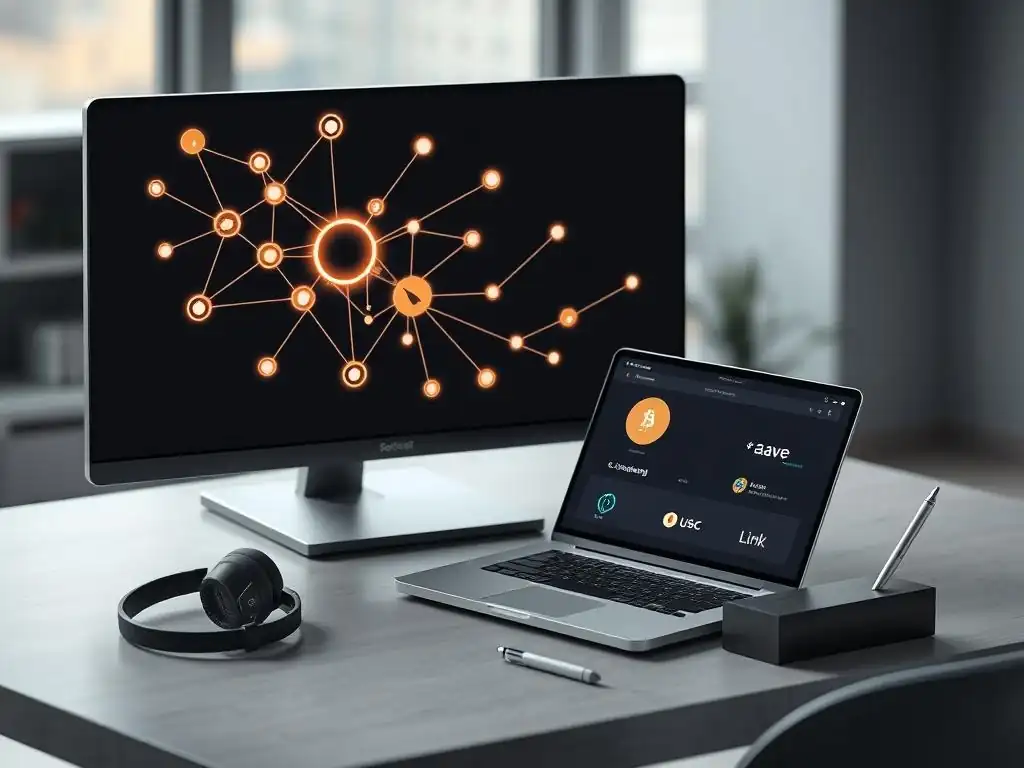
Choosing the Right Crypto Wallet for DeFi: A Beginner's Perspective
Embarking on your DeFi journey requires a secure and accessible digital wallet. This wallet acts as your gateway to decentralized applications (DApps), holding your cryptocurrency assets and allowing you to interact with various DeFi protocols. For any DeFi beginner’s practical guide, selecting the appropriate wallet is a critical first step.
Wallets come in different forms, primarily software wallets (browser extensions, mobile apps) and hardware wallets (physical devices). While hardware wallets offer superior security, especially for larger amounts, software wallets are often the starting point for new users due to their convenience and ease of use with DApps directly in a web browser or on a mobile device.
When choosing a software wallet for DeFi, consider its compatibility with the blockchain networks you plan to use, most commonly Ethereum (ETH), Binance Smart Chain (BNB), Polygon (MATIC), and others. Ensure the wallet supports ERC-20 tokens, which are standard for many tokens within the Ethereum ecosystem and widely adopted across other chains. Look for wallets that are non-custodial, meaning you, and only you, control your private keys or seed phrase.
This is fundamental to the decentralized ethos of DeFi – you are your own bank. A good DeFi beginner’s practical guide emphasizes owning your keys. Popular choices like MetaMask and Coinbase Wallet are widely used and offer good DApp connectivity, making them suitable for someone just starting out in decentralized finance.
MetaMask vs. Coinbase Wallet: A Comparison for New DeFi Users
For a new DeFi user, deciding between popular software wallets like MetaMask and Coinbase Wallet can be a key decision. Both offer non-custodial options and connectivity to DApps, but they cater slightly differently to users.
- MetaMask:
- Pros: Extremely popular and widely supported across almost all Ethereum-based DApps and many other networks (through custom RPC settings). Available as a browser extension and mobile app. Offers good control over network settings and transaction parameters.
- Cons: Can be slightly less intuitive for complete novices compared to wallets integrated with centralized exchange platforms. Requires the user to manually add some token addresses.
- Coinbase Wallet:
- Pros: User-friendly interface, often seen as more approachable for users coming from the Coinbase exchange. Supports a wide range of assets and NFTs. Integrates well with the Coinbase ecosystem (though distinct from the exchange account). Available as a mobile app and browser extension.
- Cons: While widely supported, MetaMask still has slightly broader DApp compatibility in some niche areas. Some users prefer a wallet completely separate from any centralized exchange branding.
For a DeFi beginner’s practical guide focused on broad DApp interaction, MetaMask is often the go-to recommendation due to its ubiquity. However, Coinbase Wallet provides a smoother onboarding experience for those already familiar with the Coinbase platform. Both are solid choices, and users might even use both depending on their specific needs.
Securing Your Crypto Assets: Best Practices for DeFi Wallet Security
Once you've chosen and set up your wallet, safeguarding your assets is paramount, especially in the dynamic and sometimes risky world of DeFi. The most critical element of your wallet's security is your seed phrase (often 12 or 24 words). This phrase is the master key to your funds.
Never share it with anyone, never type it into any website or application unless you are absolutely certain of its legitimacy (which is rare outside of initial wallet setup or recovery on a trusted device), and store it offline securely, perhaps written on paper and kept in a safe place, or using a metal backup. Losing your seed phrase means losing access to your funds; someone else gaining access to it means they can steal your funds.
Beyond the seed phrase, practice smart digital hygiene. Be extremely wary of phishing attempts, which often mimic legitimate DeFi websites or wallet providers asking for your seed phrase or private key. Always double-check the URL of any DApp you connect to. Before confirming any transaction in your wallet, carefully review the details presented – the amount being sent, the recipient address, and the permissions you are granting to a smart contract.
Granting unlimited spending permission for a token to a smart contract you don't fully trust is a common vulnerability. For any significant amount of crypto, consider using a hardware wallet (like Ledger or Trezor) in conjunction with your software wallet (like MetaMask). This requires physical confirmation on the device for transactions, adding a robust layer of security against online threats, a vital tip for any DeFi beginner’s practical guide.
Task List for Wallet Security:
- [ ] Write down seed phrase offline.
- [ ] Store seed phrase in a secure, private location.
- [ ] Never share seed phrase online or with anyone.
- [ ] Double-check DApp URLs before connecting wallet.
- [ ] Carefully review transaction details before confirming.
- [ ] Consider using a hardware wallet for larger balances.
Frequently Asked Questions
What exactly is DeFi, and why should I be interested?
DeFi, or Decentralized Finance, aims to recreate traditional financial services on blockchain networks. It eliminates intermediaries, offering potentially higher returns and greater control over your financial assets.
What are some basic DeFi applications a beginner can explore?
Beginners can start with lending and borrowing platforms to earn interest or take out loans. Exploring decentralized exchanges (DEXs) for trading tokens is another common entry point. Finally, consider yield farming to earn rewards for providing liquidity.
What are the biggest risks involved in participating in DeFi?
DeFi carries significant risks, including smart contract vulnerabilities that could lead to loss of funds. Impermanent loss in liquidity pools is another concern. Also, regulatory uncertainty adds another layer of risk.
How can I protect my DeFi investments as a beginner?
Prioritize security best practices such as using hardware wallets and strong passwords. Thoroughly research projects and understand the risks before investing. Start with small amounts and diversify your holdings.
What resources are available to help me learn more about DeFi?
Numerous online resources exist, including educational websites and blogs dedicated to DeFi. Look for community forums and social media groups to connect with experienced users. Furthermore, participate in courses and workshops for structured learning.
Final Reflection: Embracing the Decentralized Future
The journey into Decentralized Finance, as we've explored, can seem daunting at first. However, the potential for financial empowerment and innovation is undeniable. The democratization of finance is no longer a distant dream, but a tangible reality, and understanding these first steps is crucial for anyone seeking to participate in this evolving landscape.
DeFi's influence extends far beyond mere investment opportunities; it's reshaping our understanding of trust, ownership, and financial systems themselves. Witnessing this transformation firsthand is both exciting and humbling, reminding us that the future of finance is being built right now, by individuals like you and me. The future of finance is decentralized, and it's happening now.
- Chris Dixon
As you embark on your own DeFi journey, remember that knowledge is power. Embrace the learning process, experiment cautiously, and contribute to the growth of this revolutionary ecosystem. The world of DeFi is constantly evolving, and your active participation will shape its future. What role will you play in building a more equitable and accessible financial world?
Unleash Your DeFi Potential: Start Exploring Now!
Thanks for diving into the world of DeFi with us! You now have the knowledge to take your first steps. It's time to move from learning to action and experience the power of decentralized finance firsthand. Let’s get started!
- Take the Plunge: Invest a small, manageable amount into a reputable DeFi lending platform to earn your first yield. Focus on familiarizing yourself with the process rather than on maximizing profits at this stage.
- Explore alternative DeFi options: Investigate the possibilities of automated market makers and begin to understand liquidity pooling.
- Share Your DeFi Journey! Post on social media about what you've learned and tag Blockchain Trends – let’s build a community of DeFi explorers!
What small step will you take today to enter the exciting world of decentralized finance?
Leave a Reply