
Protecting Your Crypto Wallet from Physical Theft: Offline Security Measures


Welcome to Blockchain Trends, your compass in the rapidly evolving world of decentralized technologies. Beyond the headlines of Bitcoin and Ethereum, blockchain is reshaping industries and redefining trust. But how secure is your digital wealth, especially when it comes to real-world threats? Dive into our latest analysis, " Protecting Your Crypto Wallet from Physical Theft: Offline Security Measures," and discover crucial strategies for ensuring your peace of mind in the face of ever-increasing security risks. What steps are you taking to safeguard your offline crypto wallet? Let's explore the essential precautions together.
- Protecting Your Crypto Wallet from Physical Theft: Mastering Offline Security Measures
- The Foundation of Offline Security: Hardware Wallets (Cold Storage)
- Beyond the Device: Securing Your Seed Phrase Offline
-
Frequently Asked Questions
- How does an offline crypto wallet protect against physical theft, and what are the key advantages?
- What are the different types of offline crypto wallets available, and which is considered the most secure?
- What steps should I take to create and secure a paper wallet for optimal offline crypto wallet security?
- Beyond hardware and paper wallets, are there other less common, but still effective, offline security measures I can implement?
- How do regulations impact the use of offline crypto wallets, and what should I be aware of?
- Final Reflection: Fortifying the Digital Fortress
- Safeguard Your Crypto: Fortify Your Defenses Now!
Protecting Your Crypto Wallet from Physical Theft: Mastering Offline Security Measures
Why Offline Crypto Wallet Security is Crucial in a Digital World
While much of the focus in cryptocurrency security centers on online threats like phishing, malware, and exchange hacks, neglecting the physical security of your crypto assets can be a critical oversight. In fact, some of the most devastating losses have occurred not through sophisticated cyberattacks, but via simple physical theft or loss of the device or recovery information.
Protecting your crypto wallet requires a comprehensive approach that includes robust offline measures, recognizing that digital assets ultimately rely on physical keys or devices for access. Even the most advanced encryption is useless if the physical device holding the private key falls into the wrong hands or the recovery phrase is stolen from a desk drawer.
The value stored in a crypto wallet can be substantial, making it a tempting target for theft, much like traditional physical valuables. Unlike a stolen bank card that can be canceled, a stolen private key or seed phrase grants immediate, irreversible access to funds. This makes offline crypto wallet security paramount, as it addresses vulnerabilities that cybersecurity alone cannot. Implementing strong physical security practices for hardware wallets and recovery phrases is not just an added layer of protection; it's the foundational defense against a range of real-world threats that can bypass digital safeguards entirely.
Understanding the Physical Threats to Your Crypto Assets
Physical threats to your crypto assets can manifest in various forms, from opportunistic theft to targeted attacks. A common scenario involves the theft of a device that stores or accesses a wallet, such as a phone, computer, or a dedicated hardware wallet. If these devices are not properly secured with strong passwords, encryption, or are left unattended, an attacker gaining physical access could potentially compromise the wallet.
For instance, an unlocked computer with a hot wallet installed could be accessed and drained within minutes. The risk is particularly high if the device is stolen during travel or from a less secure location.
Beyond device theft, a significant physical threat is the compromise of your seed phrase or private key, which is often stored offline. Many users write down their 12 or 24-word recovery phrase on paper and store it in seemingly secure locations like a home safe, a desk drawer, or even a wallet. However, these locations are vulnerable to burglary, fire, flood, or even accidental disposal.
There have been numerous reports of individuals losing access to millions in crypto simply because their paper backup was lost, destroyed, or stolen by someone with physical access. Effective offline crypto wallet security must therefore include robust methods for physically protecting both the access device and the recovery information.
The Foundation of Offline Security: Hardware Wallets (Cold Storage)
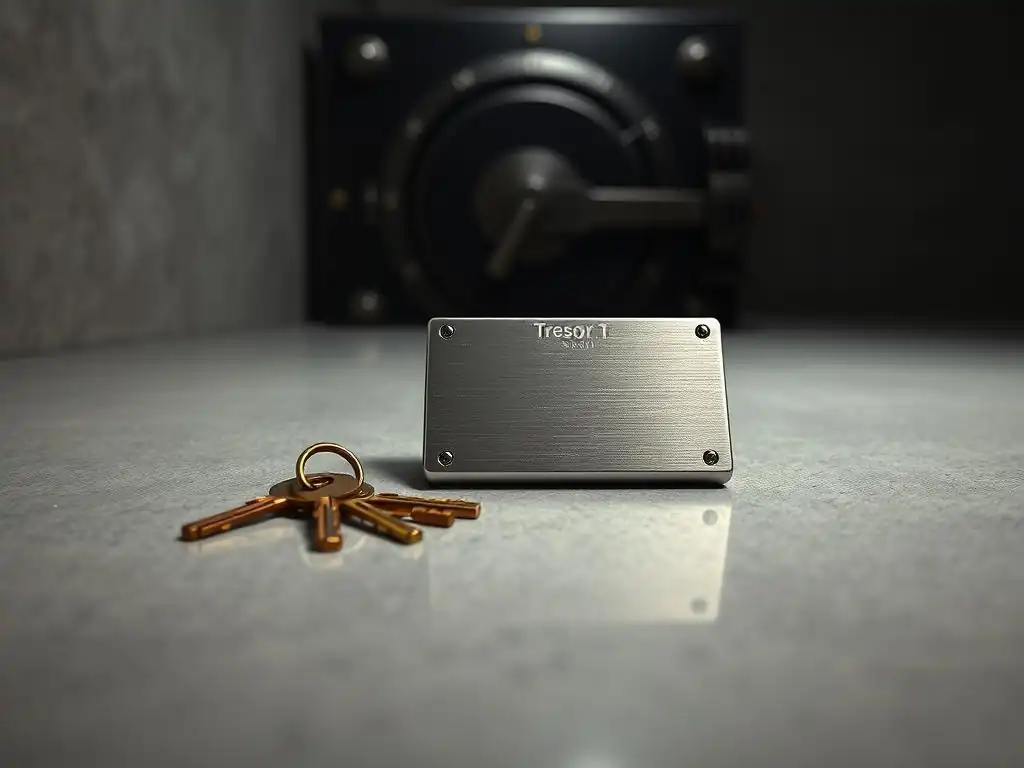
What is a Hardware Wallet and How Does it Protect Against Physical Theft?
A hardware wallet is a specialized type of cryptocurrency wallet that stores the user's private keys in a secure, offline physical device. These devices are specifically designed with robust security features to protect against both online and offline threats. Unlike hot wallets (software wallets connected to the internet), hardware wallets keep private keys isolated from internet-connected devices, effectively creating "cold storage."
When a transaction is initiated, it is prepared on a computer or phone but signed securely inside the hardware wallet itself, without the private key ever leaving the device. This isolation is the primary defense against online attacks like malware attempting to steal keys.
From a physical security perspective, hardware wallets offer several layers of protection against theft and tampering. They are typically small, portable devices that can be kept in a secure location. Most require a physical confirmation (like pressing a button) for transactions, preventing unauthorized transfers even if the device is connected to a compromised computer.
Furthermore, they are designed with security features like PIN codes that must be entered on the device itself, and they often include tamper-evident packaging or internal mechanisms that reset the device if physical intrusion is detected. Losing a hardware wallet is less catastrophic than losing a hot wallet's private key, as the funds can typically be recovered using the seed phrase on a new device, provided the seed phrase itself is securely stored elsewhere. This makes hardware wallets a cornerstone of effective offline crypto wallet security.
Key Features of Secure Hardware Wallets for Physical Protection
Secure hardware wallets incorporate specific design elements and features aimed at thwarting physical theft and tampering attempts. One crucial feature is a robust PIN code requirement, entered directly on the device or via a randomized keypad on the connecting screen, making it resistant to keyloggers and brute-force attacks from a connected computer. Many devices also implement an auto-lock or auto-wipe feature after a certain number of incorrect PIN attempts (commonly 3 to 10 tries), which resets the device to factory settings, requiring the seed phrase for recovery. This protects the private keys even if the physical device is stolen.
Another vital physical security feature is tamper resistance or tamper evidence. High-quality hardware wallets are designed to make it difficult to open the device without damaging it or leaving obvious signs of intrusion. Some include internal sensors or secure elements that detect physical tampering and can wipe the private keys if a breach is detected.
Secure boot mechanisms ensure that only authorized firmware runs on the device, preventing attackers from loading malicious software even with physical access. Features like a physical transaction confirmation button provide a last line of defense against remote or physical coercion, ensuring that the user must be physically present and consciously approve each transaction. These combined features significantly enhance offline crypto wallet security.
Top Hardware Wallets for Offline Crypto Security
Ledger Nano X: Design, Security Features, and Durability
The Ledger Nano X is a popular hardware wallet known for its sleek, compact design resembling a USB drive. Its primary security relies on a certified secure element chip (CC EAL5+), similar to those used in passports and credit cards, which securely isolates the private keys. Physically, the device is built with a metal casing providing reasonable durability against drops and wear.
It requires a PIN code entered on the device itself via two small buttons and features a clear screen for transaction verification. The device is designed to resist various physical and side-channel attacks aimed at extracting keys from the chip.
The Nano X supports a wide range of cryptocurrencies and offers Bluetooth connectivity (though transactions still require physical confirmation and PIN entry), adding convenience without sacrificing the core offline crypto wallet security of keeping keys isolated. If the device is lost or stolen, funds are protected by the PIN. After three incorrect PIN entries, the device wipes itself, requiring the user to restore access using their 24-word recovery phrase on a new Ledger device or compatible wallet. Its robust build and secure element chip make it a strong contender for physical protection.
Trezor Model T: Physical Interface and Tamper Resistance
The Trezor Model T, a flagship product from SatoshiLabs, distinguishes itself with a full-color touchscreen interface, which enhances usability and provides a secure method for PIN and passphrase entry directly on the device, reducing the risk of malware interception from the host computer. The device's casing is designed to be reasonably sturdy. Trezor devices historically pioneered the concept of keeping private keys offline and signing transactions internally.
While not relying on a separate secure element chip in the same way as some competitors, the Trezor Model T implements security through its open-source firmware and a robust bootloader that verifies firmware authenticity. From a physical security standpoint, the touchscreen interface for input is a key feature against host computer threats. Like other reputable hardware wallets, it enforces PIN protection and includes a wipe feature after multiple failed attempts.
The design prioritizes transparency and community review of its code, which contributes to its overall security posture, including its resilience against physical attacks that might attempt to exploit firmware vulnerabilities. Its focus on the touchscreen for sensitive input is a notable physical interaction security feature for offline crypto wallet security.
Coldcard Mk4: Advanced Offline Features and Tamper Evidence
The Coldcard Mk4 is specifically designed with advanced users and maximum offline crypto wallet security in mind, particularly for Bitcoin storage. Its physical design includes a numeric keypad directly on the device for PIN and passphrase entry, eliminating any reliance on the connected computer for sensitive input. A distinctive physical security feature is the tamper-evident bag it ships in, providing a visual confirmation that the device hasn't been intercepted or tampered with before reaching the user.
The Coldcard Mk4 goes further with features like a secondary passphrase (effectively creating hidden wallets) and the ability to operate in an air-gapped manner using a microSD card for transaction signing, meaning it doesn't need to be directly connected to an online computer at all after initial setup. It includes multiple physical security checks during startup and operation.
The device is designed to be rugged and includes a clear screen. Its focus on air-gapped operation and dedicated physical input makes it one of the most secure options against physical theft and sophisticated physical intrusion attempts aimed at extracting keys, solidifying its reputation for robust offline crypto wallet security.
Beyond the Device: Securing Your Seed Phrase Offline
The Importance of Physically Securing Your Recovery Words
While hardware wallets provide excellent protection for your private keys during transactions and against device theft, they are not the ultimate backup. The true key to your funds, allowing recovery on a new device if your primary one is lost, stolen, or destroyed, is your seed phrase (also known as recovery words or mnemonic phrase). This sequence of 12 or 24 words is generated during the initial setup of your wallet and can regenerate your private keys. Therefore, physically securing this seed phrase offline is arguably the most critical aspect of long-term offline crypto wallet security.
If someone gains access to your seed phrase, they can restore your wallet on any compatible device and transfer all your funds, regardless of how secure your original hardware wallet or software wallet was. Unlike a stolen hardware wallet protected by a PIN, there is no PIN protecting the seed phrase itself. Its security relies solely on its physical protection and secrecy.
Losing your seed phrase means potentially losing access to your funds forever, as there is no central authority to help you recover them. This underscores why implementing robust physical storage solutions for your recovery words is non-negotiable for anyone serious about offline crypto wallet security.
Best Methods for Offline Seed Phrase Storage
Securing your seed phrase offline requires methods that protect against theft, loss, and environmental damage like fire or flood. Simply writing the phrase on paper and keeping it in a typical home location is highly vulnerable. Better methods involve using durable materials and secure locations. One common approach is to use waterproof and fireproof paper or specialized laminated cards. However, even these can be physically stolen or misplaced.
More robust methods involve engraving or stamping the seed phrase onto metal plates. Metal is resistant to fire (withstanding temperatures far exceeding those of a house fire, which typically reach around 1100°F or 600°C, while steel melts much higher) and is also waterproof and generally more durable against physical abrasion or tearing than paper.
Storing these durable backups in genuinely secure locations, such as a heavy-duty fireproof safe bolted to the floor, a safe deposit box at a bank, or even split into multiple parts stored in different secure locations, significantly enhances the physical security against theft and environmental hazards. Combining durable storage materials with secure locations is key to comprehensive offline crypto wallet security.
Using Metal Seed Plate Backups
Using metal seed plates is widely considered one of the most secure methods for physically backing up your cryptocurrency seed phrase, dramatically improving offline crypto wallet security compared to paper. These plates are typically made from stainless steel or titanium, materials highly resistant to fire, water, corrosion, and physical damage. The seed words (or their numerical representation based on the BIP39 word list) are permanently inscribed onto the metal using stamping tools or engraving. This creates a record that can survive conditions that would destroy paper or even plastic backups.
Various products exist, from simple steel plates where you manually stamp each word using a hammer and punch set, to more sophisticated multi-plate systems. For example, a standard steel backup plate might cost between $30 and $100 and can withstand temperatures up to approximately 2500°F (1370°C), far exceeding typical house fires.
Storing this indestructible backup in a hidden location within your home, a bolted-down safe, or a bank safe deposit box offers a high degree of protection against the most common physical threats, ensuring that your recovery words remain accessible only to you, even in the face of disaster or theft attempts.
Frequently Asked Questions
How does an offline crypto wallet protect against physical theft, and what are the key advantages?
Offline crypto wallets, also known as cold storage, store your private keys completely disconnected from the internet. This significantly reduces the risk of remote hacking and ensures that a thief needs physical access to compromise your assets.
What are the different types of offline crypto wallets available, and which is considered the most secure?
Types include hardware wallets, paper wallets, and even specially configured computers kept offline. Hardware wallets are generally considered the most secure due to their tamper-proof design and secure element for key storage.
What steps should I take to create and secure a paper wallet for optimal offline crypto wallet security?
Generate the paper wallet on an air-gapped computer (never connected to the internet). Securely store the paper wallet in a fireproof and waterproof location, and consider splitting the private key into multiple parts using Shamir Secret Sharing (SSS).
Beyond hardware and paper wallets, are there other less common, but still effective, offline security measures I can implement?
Yes, consider using a multi-signature wallet where multiple private keys are required to authorize a transaction, even if one is compromised. Also, storing your seed phrase in a secure, offline location is crucial.
How do regulations impact the use of offline crypto wallets, and what should I be aware of?
Regulations don't typically directly target the use of offline wallets. However, it's important to comply with KYC/AML regulations when acquiring crypto, regardless of how you store it, and to accurately report any taxable events.
Final Reflection: Fortifying the Digital Fortress
The digital age has brought unprecedented opportunities, but also novel threats. The vulnerability of cryptocurrency wallets to physical theft underscores the critical need for robust offline security measures. As we've explored, safeguarding your digital assets requires a multi-layered approach, extending beyond the digital realm and into the tangible world.
The principles of offline crypto wallet security resonate far beyond the immediate concern of preventing theft. They speak to a broader need for personal responsibility and proactive security in an increasingly interconnected world. We must remember that technology, while powerful, is only as secure as the measures we take to protect it. Security is always excessive until it's not enough.
This quote perfectly encapsulates the importance of implementing comprehensive security protocols, even when they seem inconvenient.
Now, consider the implications of this knowledge. How can you translate these principles of offline crypto wallet security into other areas of your life? What steps can you take to fortify your own "digital fortress," ensuring the safety of your data and assets? The power to protect yourself lies within your hands. Embrace it, and secure your future.
Safeguard Your Crypto: Fortify Your Defenses Now!
Thank you for exploring these crucial steps to protect your crypto wallet from physical theft. You've gained valuable insights into securing your digital assets offline. Now, it's time to translate knowledge into action!
Here's how you can immediately bolster your crypto security:
- Implement multi-signature authorization for your primary crypto wallet. This is your key first line of defense against unauthorized access.
- Explore alternative cold storage solutions such as hardware wallets or paper wallets, and develop a comprehensive disaster recovery plan so you can easily restore your wallet if needed.
- Share this article with fellow crypto enthusiasts to raise awareness about physical security best practices and help them protect their investments.
What offline security measure will you implement first to significantly reduce your risk of physical crypto theft? Share your plan in the comments!
Leave a Reply