
Navigating Ethical Dilemmas: Blockchain Solutions for Complex Supply Chains

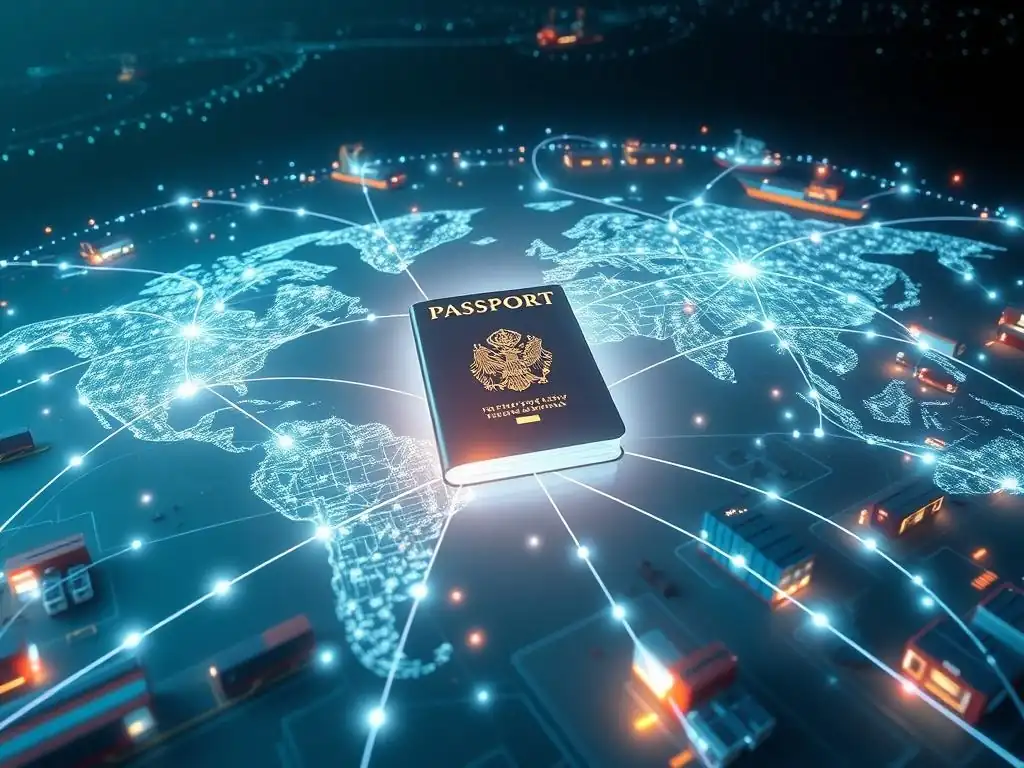
Welcome to Blockchain Trends, your compass in the rapidly evolving world of decentralized innovation. Beyond the hype, we delve into the real-world applications of blockchain technology. Are you ready to explore how this revolutionary technology can address pressing ethical concerns? Our latest article, "Navigating Ethical Dilemmas: Blockchain Solutions for Complex Supply Chains," uncovers how blockchain supply chain ethics solutions are transforming industries and fostering a more transparent and accountable future. Discover the innovative approaches being implemented and the challenges that lie ahead. Dive in and join the conversation!
Why Supply Chain Ethics Matters in Today's World
In today's interconnected global economy, supply chains are more complex and extensive than ever before, often spanning multiple continents and jurisdictions. This complexity, while enabling global trade and efficiency, also introduces significant ethical challenges. Consumers and regulators alike are increasingly demanding transparency and accountability regarding the social and environmental impact of the products they buy.
Reports of labor exploitation, unsafe working conditions, and environmental degradation within supply networks can severely damage a brand's reputation, leading to boycotts, regulatory fines, and a loss of consumer trust that is difficult to rebuild. Addressing these ethical concerns is no longer just a moral imperative but a critical business necessity for long-term sustainability and success.
The pressure to operate ethically is intensifying. According to a 2020 study by Accenture, 63% of consumers prefer to buy from companies with a strong ethical stance. Furthermore, legislation such as the Modern Slavery Act in the UK or supply chain due diligence laws in Germany and France are placing legal obligations on companies to monitor and report on their supply chain practices.
Failure to comply can result in significant financial penalties and legal action. Therefore, implementing robust Blockchain supply chain ethics solutions is becoming essential for companies not only to avoid negative consequences but also to build a positive brand image rooted in responsibility and integrity, appealing to a growing market segment that values ethical production.
The Role of Transparency in Ethical Supply Chain Management
Transparency is arguably the foundational element of ethical supply chain management. Without clear visibility into every stage of the supply chain – from raw material sourcing to manufacturing, logistics, and final delivery – it is virtually impossible for companies, regulators, or consumers to verify ethical claims. Opaque supply chains can easily hide illicit activities such as child labor, unfair wages, environmental pollution, or the use of conflict minerals. This lack of visibility creates blind spots where ethical breaches can occur undetected, undermining corporate social responsibility efforts and exposing businesses to significant risks.
Establishing transparency involves making information about supply chain activities, participants, and impacts accessible and verifiable. This includes details about working conditions at factories, the origin of materials, environmental certifications, and transportation methods. When this information is readily available and trustworthy, stakeholders can hold companies accountable for their practices.
While traditional methods like audits and certifications exist, they often provide only snapshots in time and can be susceptible to manipulation. Blockchain supply chain ethics solutions offer a promising path towards creating a continuous, immutable, and verifiable record of supply chain activities, providing the unprecedented level of transparency needed to truly foster ethical conduct and build trust across the entire network.
- Why Supply Chain Ethics Matters in Today's World
- The Role of Transparency in Ethical Supply Chain Management
- How can blockchain enhance ethical practices in supply chains?
- What are some challenges in implementing blockchain for supply chain ethics?
- What role does regulation play in ensuring the ethical use of blockchain in supply chains?
- How does blockchain help combat counterfeiting and ensure product authenticity?
- What is the future of blockchain-based supply chain ethics solutions?
Frequently Asked Questions
How can blockchain enhance ethical practices in supply chains?
Blockchain provides transparency and traceability throughout the supply chain, making it easier to verify the origin and journey of products. This helps ensure fair labor practices and prevents the use of conflict minerals.
What are some challenges in implementing blockchain for supply chain ethics?
Key challenges include data privacy concerns, the lack of standardized data formats, and the high initial cost of implementing blockchain technology. These can hinder widespread adoption.
What role does regulation play in ensuring the ethical use of blockchain in supply chains?
Regulation can establish clear guidelines and standards for data security, privacy, and interoperability, which are crucial for building trust and ensuring ethical compliance. This can help to enforce best practices.
How does blockchain help combat counterfeiting and ensure product authenticity?
Blockchain's immutability makes it difficult to tamper with product information, providing a secure record of origin and ownership. This reduces the risk of counterfeits and helps consumers verify product authenticity.
What is the future of blockchain-based supply chain ethics solutions?
The future involves increased adoption of interoperable blockchain networks, integration with IoT devices for real-time tracking, and the use of AI to analyze supply chain data for ethical risks.
Final Reflection: Embracing Transparency in a Connected World
The intricate web of global supply chains, often shrouded in opacity, presents a breeding ground for ethical compromises. The promise of blockchain technology lies not just in efficiency, but in its potential to revolutionize supply chain ethics by fostering unprecedented transparency and accountability. This article has explored how these solutions can address critical issues, from fair labor practices to environmental sustainability, demonstrating the tangible benefits of integrating ethical considerations into the very fabric of our interconnected world.
The journey towards ethical supply chains is an ongoing evolution, one that demands continuous scrutiny and adaptation. The power of blockchain lies in its ability to empower consumers and stakeholders with the information they need to make informed choices, driving demand for ethically sourced products and services. This shift in consumer consciousness is profoundly shaping the future of commerce. Ethical behavior is doing the right thing when no one else is watching – even when doing the wrong thing is legal.
- Aldo Leopold. This quote encapsulates the spirit of proactive ethical engagement that blockchain can facilitate.
As we move forward, let us not only embrace the technological advancements that blockchain offers, but also commit to fostering a culture of ethical responsibility within our supply chains. Consider how you, as a consumer, a business owner, or a policymaker, can leverage the power of transparency to demand and support ethical practices. The future of our global economy depends on our collective commitment to building supply chains that are not only efficient and profitable, but also just, equitable, and sustainable for all.
Uncover the Power of Ethical Blockchain Now!
Thank you for exploring how blockchain can revolutionize ethical practices in complex supply chains. With this knowledge, you can now take meaningful steps to foster positive change.
Here’s how you can make a difference:
- Become an Advocate for Blockchain: Research a real-world example of a company leveraging blockchain to enhance supply chain ethics and share their story on social media, tagging the official account. Help spread awareness!
- Explore open-source blockchain solutions for ethical supply chain management. Get hands-on experience with the technology to better understand its potential.
- Engage with the community by sharing your thoughts on the biggest ethical challenges facing supply chains today. Let’s learn from each other!
What concrete step will you take this week to promote more ethical and transparent supply chains using blockchain technology? Share your ideas in the comments below!
Leave a Reply