
NFTs and the Creator Economy in Virtual Worlds: Empowering Artists

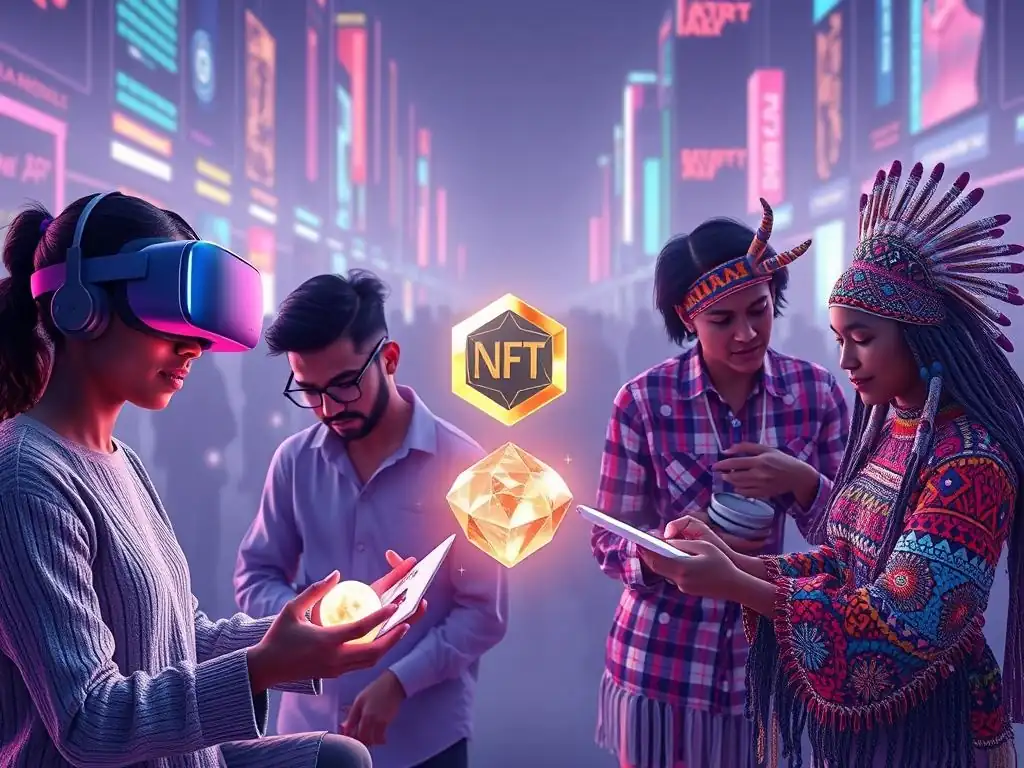
Welcome to Blockchain Trends, where we embark on a journey to uncover the transformative potential of blockchain technology beyond the realm of cryptocurrencies. In this captivating exploration, we delve into how NFTs empower virtual artists, reshaping the creator economy within virtual worlds. As we navigate through the innovative landscapes of DeFi, enterprise applications, and the evolving regulatory environment, prepare to discover how decentralized systems are not just a future concept but a current reality. Are you ready to unlock the secrets behind the thriving intersection of art and technology? Join us as we delve deeper into this fascinating topic!
NFTs and the Creator Economy in Virtual Worlds: Empowering Artists
- Introduction: The Rise of NFTs and Virtual Worlds for Creators
- Understanding NFTs and the Creator Economy
- Virtual Worlds: A Canvas for NFT Art
- How NFTs Empower Virtual Artists
- Case Studies: Successful NFT Artists in Virtual Worlds
- Challenges and Opportunities for NFT Artists in Virtual Worlds
- The Role of Blockchain in Securing and Verifying Digital Art
- Practical Tips for Artists Getting Started with NFTs in Virtual Worlds
- Conclusion: The Future is Bright for NFT Artists in Virtual Worlds
-
Frequently Asked Questions
- What role do NFTs play in empowering virtual artists?
- How do NFTs address the problem of copyright and ownership in virtual environments?
- Beyond visual art, what other types of virtual creations can be represented as NFTs?
- How is the decentralized nature of blockchain beneficial to virtual artists using NFTs?
- What are some potential challenges and criticisms facing artists using NFTs in virtual worlds?
- Final Reflection: Embracing Digital Sovereignty
- Unleash Your Creative Potential with NFTs!
Introduction: The Rise of NFTs and Virtual Worlds for Creators
Blockchain Trends: Exploring the Convergence of NFTs and Virtual Environments
Blockchain Trends has consistently explored the evolving landscape of decentralized technologies. Our focus extends beyond the volatile world of cryptocurrencies to examine the foundational technology that underpins them: blockchain. Today, we delve into a fascinating intersection – the convergence of Non-Fungible Tokens (NFTs) and virtual environments. This powerful combination is reshaping the creator economy, particularly for artists seeking new avenues for expression and monetization in the burgeoning metaverse. We will explore how blockchain, specifically through NFTs, is not just facilitating transactions but fundamentally altering the power dynamics in the art world, empowering creators in unprecedented ways.
The rise of virtual worlds, from immersive gaming platforms to social interaction spaces, has created a demand for digital ownership and unique digital assets. Simultaneously, NFTs have emerged as the definitive mechanism for establishing verifiable ownership and authenticity of digital items. This synergy is particularly potent for digital artists who now have the tools to create, own, and monetize their creations within these virtual realms. This article will navigate this exciting frontier, analyzing the impact of NFTs on virtual artists and the broader creator economy within these digital landscapes.
NFTs Empowering Artists in the Digital Realm: A New Era
For centuries, artists have navigated complex systems to gain recognition and financial stability, often relying on intermediaries like galleries and auction houses. The digital age initially presented new challenges, with digital art easily copied and distributed, making ownership and monetization difficult. However, NFTs are ushering in a new era, directly empowering virtual artists. They provide a mechanism to verifiably own and sell digital creations, effectively establishing scarcity and value in the previously limitless digital space.
This shift is profound. NFTs are not just about selling digital art; they are about giving artists control over their work, fostering direct relationships with collectors, and establishing sustainable income streams. In virtual worlds, where digital identity and possessions are increasingly important, NFTs are becoming the cornerstone of a vibrant creator economy. This article will explore how NFTs empower virtual artists to thrive in these digital realms, examining real-world examples and analyzing the transformative potential of this technology.
Understanding NFTs and the Creator Economy
What are NFTs (Non-Fungible Tokens)? A Deep Dive
Non-Fungible Tokens (NFTs) are cryptographic assets on a blockchain with unique identification codes and metadata that distinguish them from each other. Unlike cryptocurrencies like Bitcoin or Ethereum, which are fungible (interchangeable), each NFT is unique and irreplaceable. Think of it like a digital certificate of authenticity and ownership. This uniqueness is crucial for representing ownership of digital items, ranging from art and collectibles to virtual real estate and in-game assets.
NFTs are typically built on blockchain networks like Ethereum, Solana, and Flow. The underlying blockchain technology ensures transparency and immutability, meaning that once an NFT is recorded on the blockchain, its ownership history is permanently and publicly verifiable. This transparency and security are fundamental to the value proposition of NFTs, providing a secure and decentralized way to prove ownership in the digital world. The technical standard for many NFTs, particularly on Ethereum, is ERC-721, which defines the interface and functionalities of non-fungible tokens, ensuring interoperability and compatibility across different platforms and marketplaces.
The Creator Economy: How NFTs are Changing the Game
The creator economy is a socio-economic system built around independent creators – artists, writers, musicians, and more – who monetize their skills and passions directly with their audience. Traditionally, creators have relied on intermediaries such as platforms, publishers, or studios, often leading to significant revenue sharing and limited control over their work. NFTs are fundamentally altering this dynamic, offering creators a more direct and empowering path to monetization and audience engagement.
NFTs enable creators to bypass traditional gatekeepers and directly sell their digital works to a global audience. By tokenizing their creations as NFTs, artists can establish verifiable scarcity, prove ownership, and set their own terms for sales and royalties. This shift empowers creators to capture a larger share of the value they generate, fostering a more sustainable and equitable creator economy.
For example, consider a digital artist selling their work through an NFT marketplace. They can receive a larger percentage of the sale price compared to traditional gallery commissions and can also program in automatic royalty payments for secondary sales, ensuring continued revenue as their work changes hands in the future.
Benefits of NFTs for Artists: Ownership, Royalties, and Community
NFTs offer a multitude of benefits for artists, particularly in the digital realm. Foremost is the establishment of verifiable ownership. In the past, digital art could be easily copied and shared, making it difficult to prove who owned the original. NFTs solve this by providing an immutable record of ownership on the blockchain. This digital certificate of authenticity is essential for establishing value and scarcity in the digital art market.
Beyond ownership, NFTs also unlock the potential for artists to earn royalties on secondary sales. Traditionally, artists rarely benefited from the resale of their work. However, smart contracts embedded within NFTs can automatically distribute a percentage of each secondary sale back to the original creator. This creates a sustainable income stream for artists that extends beyond the initial sale.
Furthermore, NFTs facilitate community building. Artists can use NFTs to create exclusive communities around their work, offering token holders special access, content, or experiences, fostering deeper engagement and loyalty. This direct connection with collectors and fans is a powerful aspect of the NFT-driven creator economy.
Virtual Worlds: A Canvas for NFT Art
Exploring Popular Virtual Worlds for NFT Artists: Decentraland, The Sandbox, and CryptoVoxels
Virtual worlds are increasingly becoming vibrant canvases for NFT art. Platforms like Decentraland, The Sandbox, and CryptoVoxels are leading the way, offering immersive digital environments where users can own virtual land, create avatars, socialize, and showcase digital art. Decentraland, for example, is a decentralized virtual world built on the Ethereum blockchain, allowing users to buy, sell, and develop virtual land parcels represented as NFTs. Artists can create virtual galleries within Decentraland to display and sell their NFT artwork.
The Sandbox is another popular metaverse platform that allows users to build, own, and monetize their gaming experiences using NFTs. It provides tools for creating voxel-based assets that can be turned into NFTs and used within the virtual world. CryptoVoxels is a virtual world composed of parcels of land on the Ethereum blockchain. It is known for its minimalist voxel art style and its focus on art galleries and social interaction. These platforms, and others like them, are providing artists with new avenues to display, interact with, and monetize their NFT creations within engaging and interactive digital spaces.
The Appeal of Virtual Worlds: Community, Accessibility, and Innovation
Virtual worlds offer a unique appeal for both artists and collectors, fostering community, accessibility, and innovation. These platforms create digital spaces where like-minded individuals can gather, interact, and share experiences around art and digital culture. For artists, virtual worlds provide direct access to a global audience, removing geographical barriers and opening up new possibilities for reaching collectors worldwide. The accessibility of these platforms is also a key factor. Unlike the traditional art world, which can be exclusive and intimidating, virtual worlds are often more open and welcoming to newcomers, both artists and collectors.
Furthermore, virtual worlds are hubs of innovation, constantly evolving and pushing the boundaries of digital art and interaction. Artists are experimenting with new forms of digital art, including interactive installations, virtual sculptures, and immersive experiences, specifically designed for these environments. The open and collaborative nature of many virtual worlds encourages experimentation and cross-pollination of ideas, leading to creative breakthroughs and the emergence of entirely new art forms.
Digital Real Estate and NFTs: A Symbiotic Relationship
Digital real estate within virtual worlds, represented as NFTs, forms a symbiotic relationship with NFT art. In platforms like Decentraland and The Sandbox, users purchase virtual land parcels as NFTs. These land parcels become prime locations for building virtual galleries, studios, and exhibition spaces to showcase NFT art. The value of digital real estate is often intrinsically linked to the art and experiences hosted upon it. A strategically located virtual gallery in a popular virtual world can attract significant foot traffic, increasing visibility and potential sales for the NFT art displayed within.
This symbiotic relationship extends beyond simple display. Artists can create site-specific NFT art designed to be experienced within particular virtual land parcels. Collectors, in turn, can curate their own virtual estates, combining digital real estate NFTs with art NFTs to create personalized and valuable digital collections. The scarcity and ownership of both digital land and digital art, secured by NFTs, drive value and create a vibrant ecosystem within virtual worlds, where art and real estate are intertwined and mutually reinforcing.
How NFTs Empower Virtual Artists
NFTs as Proof of Ownership and Authenticity in Virtual Worlds
In the context of virtual worlds, NFTs serve as irrefutable proof of ownership and authenticity for digital art. Within these digital realms, where everything is code and easily replicable, NFTs provide the crucial element of verifiable uniqueness. When an artist mints their digital artwork as an NFT, this process registers the artwork on the blockchain, creating a permanent and transparent record of its origin and ownership. This is particularly important in virtual worlds where users are investing in digital assets and building digital identities based on their possessions.
The ability to prove authenticity is paramount for establishing value and trust in the digital art market within virtual worlds. Collectors can confidently purchase NFT art knowing that the blockchain record verifies its provenance and originality. This trust is essential for fostering a thriving creator economy in these virtual environments, as it allows artists to confidently monetize their creations and collectors to invest in digital art with assurance. Without NFTs, the concept of digital art ownership in virtual worlds would be significantly undermined, hindering the growth of this exciting artistic frontier.
Enabling Direct Artist-to-Collector Relationships: Cutting Out the Middleman
NFTs are revolutionizing the art world by enabling direct artist-to-collector relationships, effectively cutting out traditional intermediaries like galleries and auction houses, at least in their traditional forms. In virtual worlds, artists can directly list their NFT artwork for sale on decentralized marketplaces or even within their own virtual galleries. This direct interaction empowers artists to control their pricing, terms of sale, and communication with collectors.
This disintermediation offers several advantages for artists. Firstly, it reduces commission fees, allowing artists to retain a larger percentage of the sale price compared to traditional art market models where galleries often take a significant cut. Secondly, it fosters a more personal and direct connection between artists and their audience. Artists can engage directly with collectors, build communities around their work, and receive immediate feedback, fostering a more collaborative and responsive creative process. This direct relationship is a cornerstone of the NFT-powered creator economy, empowering artists and fostering a more vibrant and accessible art market.
Generating Revenue Through NFT Sales and Royalties: Sustainable Income Streams
NFTs offer virtual artists the potential to generate sustainable income streams through both initial sales and ongoing royalties. The initial sale of an NFT artwork can provide artists with immediate revenue, often at prices determined by the artist themselves. This upfront income is crucial for supporting artists and enabling them to continue creating. However, the real game-changer for long-term sustainability is the royalty mechanism embedded within many NFTs.
As mentioned earlier, smart contracts within NFTs can automatically distribute a percentage of secondary sales back to the original creator. This means that artists continue to earn revenue each time their NFT artwork is resold on the secondary market. This passive income stream is revolutionary for artists, providing a form of continuous compensation for their creative work that was previously unavailable in the digital art space. These royalties incentivize artists to create high-quality, valuable work and contribute to a more sustainable and equitable creator economy in virtual worlds.
Building a Community Around NFT Art: Fostering Engagement and Collaboration
NFTs are not just about transactions; they are also powerful tools for building communities around art and fostering engagement and collaboration. Virtual artists are leveraging NFTs to create exclusive communities for their collectors, offering token holders special access, content, and experiences. For instance, owning a specific NFT from an artist's collection might grant access to private virtual galleries, exclusive online events, or even collaborative art projects within virtual worlds.
This community-driven approach fosters a deeper connection between artists and their audience, transforming collectors from passive buyers into active participants in the artist's world. NFTs can also facilitate collaborations between artists. Joint NFT projects, where multiple artists contribute to a single artwork or collection, are becoming increasingly common, fostering creativity and cross-pollination of ideas within the NFT art space. This community building aspect of NFTs is crucial for creating a vibrant and sustainable ecosystem for virtual artists in the metaverse.
Case Studies: Successful NFT Artists in Virtual Worlds
Beeple: From Digital Artist to NFT Phenomenon
Mike Winkelmann, known professionally as Beeple, is a prime example of a digital artist who has become an NFT phenomenon. Beeple had been creating daily digital artworks for over a decade before entering the NFT space. His career trajectory dramatically shifted when he began selling his digital art as NFTs. In March 2021, Beeple's NFT "Everydays: The First 5000 Days," a collage of his daily artworks, sold for a staggering $69.3 million at Christie's auction, catapulting NFTs into mainstream awareness and solidifying Beeple's place in art history.
Beeple's success highlights the transformative potential of NFTs for digital artists. His work, previously accessible for free online, gained immense value and recognition through tokenization. His story demonstrates how NFTs can empower digital artists to reach a global audience, command high prices for their work, and achieve unprecedented levels of success within the creator economy. Beeple continues to create and sell NFT art, engaging with his community and pushing the boundaries of digital art and blockchain technology.
Pak: Exploring Generative Art and Community Engagement with NFTs
Pak, an anonymous digital artist or collective, is another prominent figure in the NFT art world, known for exploring generative art and innovative community engagement strategies. Pak's work often involves complex algorithms and interactive elements, pushing the boundaries of what digital art can be. One notable example is "Merge," an NFT project that employed "mass adoption" mechanics. Collectors could purchase "mass" tokens, and tokens acquired by the same wallet merged into a single NFT with a higher mass. This innovative approach to NFT distribution and ownership generated significant buzz and demonstrated Pak's unique approach to community engagement.
Pak's work often challenges traditional notions of art ownership and value, exploring the intersection of technology, art, and community. Through projects like "Merge" and "The Fungible," Pak has demonstrated the potential of NFTs to create dynamic, interactive, and community-driven art experiences. Pak's success underscores the importance of innovation and community building in the NFT art space, showcasing how artists can leverage NFTs to create unique and engaging experiences for collectors.
Refik Anadol: Data Sculptures and Immersive NFT Experiences
Refik Anadol is a media artist and director known for his captivating data sculptures and immersive NFT experiences. Anadol utilizes machine learning algorithms and publicly available datasets to create visually stunning and thought-provoking artworks. His work often transforms data into abstract and dynamic visual forms, blurring the lines between art, science, and technology. Anadol has embraced NFTs as a medium for distributing and showcasing his data-driven artworks, creating immersive and interactive NFT experiences for collectors.
For example, Anadol's "Machine Hallucinations" series utilizes machine learning to create dreamlike and constantly evolving visual landscapes based on vast datasets of architectural images. These artworks, often presented as large-scale installations, are also available as NFTs, allowing collectors to own a piece of these dynamic and ever-changing digital creations. Anadol's work exemplifies how NFTs can be used to distribute and experience complex and technologically advanced forms of digital art, bridging the gap between physical installations and digital ownership.
Challenges and Opportunities for NFT Artists in Virtual Worlds
Addressing Concerns About Scalability and Environmental Impact
While NFTs offer immense opportunities for virtual artists, there are also challenges to address, particularly concerning scalability and environmental impact. Many popular NFT platforms are built on blockchains like Ethereum, which, in its earlier iterations, used a Proof-of-Work (PoW) consensus mechanism that was energy-intensive. This raised environmental concerns about the carbon footprint associated with NFT transactions. While Ethereum has transitioned to a more energy-efficient Proof-of-Stake (PoS) mechanism, these concerns remain relevant for other blockchains still utilizing PoW.
Scalability is another challenge. High transaction volumes on popular blockchains can lead to network congestion and high gas fees (transaction costs), making it expensive for artists and collectors to mint, buy, and sell NFTs. Solutions like layer-2 scaling solutions and more energy-efficient blockchains are being developed to address these issues and make NFTs more sustainable and accessible. Artists and platforms are increasingly opting for eco-friendly blockchains and exploring carbon offsetting initiatives to mitigate the environmental impact of NFTs.
Copyright and intellectual property are complex issues within the NFT space, particularly in virtual worlds where digital assets are easily copied and shared. While NFTs provide proof of ownership for the token itself, they do not automatically grant copyright ownership of the underlying artwork. Artists need to clearly define the terms of use and copyright associated with their NFT artwork to protect their intellectual property rights.
Smart contracts can be used to embed specific licensing terms and conditions within NFTs, clarifying the rights granted to collectors upon purchase. However, enforcement of these rights in the decentralized and often anonymous world of NFTs can be challenging. Artists need to be proactive in protecting their copyright, understanding the legal framework surrounding NFTs, and utilizing smart contracts to clearly define usage rights and limitations associated with their digital creations. The legal landscape surrounding NFTs is still evolving, and artists need to stay informed and seek legal advice when necessary to navigate these complex issues.
The Future of NFT Art in Virtual Worlds: Trends and Predictions
The future of NFT art in virtual worlds is dynamic and full of potential. Several trends are emerging that are likely to shape this landscape in the coming years. We can expect to see increased integration of NFTs within virtual worlds, with more platforms adopting NFT technology for digital assets, virtual real estate, and in-world economies. The metaverse is becoming increasingly interoperable, and we may see greater portability of NFTs across different virtual worlds, allowing users to carry their digital art and possessions between platforms.
Generative art and AI-driven art are likely to become even more prominent in the NFT space. Artists are increasingly using algorithms and machine learning to create unique and dynamic NFT artworks, pushing the boundaries of digital creativity. We can also expect to see the emergence of new forms of NFT art specifically designed for virtual world experiences, including interactive installations, virtual sculptures, and immersive environments. The convergence of NFTs and virtual worlds is still in its early stages, and the future holds exciting possibilities for artists and collectors alike.
Opportunities for New Artists Entering the NFT Space
Despite the rapid growth and increasing sophistication of the NFT art market, there are still significant opportunities for new artists entering the space, particularly within virtual worlds. The accessibility of NFT platforms and virtual world environments lowers the barriers to entry for artists, allowing them to showcase their work to a global audience without relying on traditional gatekeepers. New artists can leverage virtual worlds to build communities around their art, connect directly with collectors, and experiment with innovative forms of digital expression.
Focusing on niche genres or styles within NFT art can be a successful strategy for new artists. Developing a unique artistic voice and engaging with specific communities within virtual worlds can help artists stand out in a crowded market. Collaborating with established artists or participating in community events within virtual worlds can also increase visibility and build connections. The NFT art space is constantly evolving, and new artists who are creative, adaptable, and community-focused have a strong potential to thrive in this exciting and rapidly growing field.
The Role of Blockchain in Securing and Verifying Digital Art
Blockchain's Impact on NFT Authenticity and Provenance
Blockchain technology is fundamental to securing and verifying digital art in the NFT space, providing both authenticity and provenance. The immutable nature of blockchain ensures that once an NFT is minted, its record of creation and ownership is permanently and transparently stored on the distributed ledger. This immutability is crucial for establishing the authenticity of digital art, as it provides a verifiable and tamper-proof record of its origin.
Provenance, the history of ownership of an artwork, is also transparently tracked on the blockchain for NFTs. Every transaction involving an NFT, from its initial minting to subsequent sales, is recorded on the blockchain, creating a complete and auditable history of its ownership. This transparent provenance is invaluable for collectors, providing them with confidence in the legitimacy and history of the digital art they acquire. Blockchain technology, therefore, underpins the entire NFT art ecosystem, providing the security and verification necessary for establishing trust and value in digital art.
Decentralized Marketplaces and the Future of Art Trading
Decentralized marketplaces are emerging as key platforms for trading NFT art, offering an alternative to traditional centralized art platforms. These marketplaces leverage blockchain technology to facilitate peer-to-peer transactions, removing intermediaries and empowering both artists and collectors. Decentralized marketplaces often operate with lower fees compared to traditional platforms, further benefiting artists by allowing them to retain a larger share of their sales revenue.
The decentralized nature of these marketplaces also promotes greater transparency and accessibility in art trading. Transactions are recorded on the blockchain, providing a public and auditable record of sales and prices. This transparency can help to democratize the art market, making it more accessible to a wider range of artists and collectors globally. As the NFT art market matures, decentralized marketplaces are likely to play an increasingly important role in shaping the future of art trading, offering a more equitable and transparent alternative to traditional art market structures.
Smart Contracts: Automating Royalties and Ensuring Fair Compensation
Smart contracts, self-executing contracts with the terms of the agreement directly written into code, are a crucial component of NFTs, particularly for automating royalties and ensuring fair compensation for artists. When an NFT artwork is created, a smart contract is embedded within it, defining the terms of sale, including royalty percentages for secondary sales. This smart contract automatically executes the royalty payments whenever the NFT is resold on a compatible marketplace.
This automation of royalties is revolutionary for artists, ensuring that they receive ongoing compensation for their work even after the initial sale. Smart contracts eliminate the need for manual royalty tracking and enforcement, which was often complex and unreliable in traditional art markets. By automating royalty payments, smart contracts contribute to a more equitable and sustainable creator economy, empowering artists and incentivizing continued creative production. This technology is a cornerstone of the NFT ecosystem, ensuring fair compensation and fostering trust between artists and collectors.
Practical Tips for Artists Getting Started with NFTs in Virtual Worlds
Choosing the Right Platform for Minting and Selling NFTs
For artists venturing into the NFT space within virtual worlds, choosing the right platform for minting and selling NFTs is a crucial first step. Several platforms cater to NFT art, each with its own features, fees, and communities. Platforms like OpenSea, Rarible, and Nifty Gateway are popular choices, offering large marketplaces and diverse collections. Artists should research different platforms to determine which best aligns with their artistic style, target audience, and technical comfort level.
Consider factors like platform fees, supported blockchains, community focus, and ease of use when selecting a platform. Some platforms specialize in specific types of NFT art or cater to particular communities. For artists focusing on virtual world integration, platforms that are well-integrated with popular virtual worlds like Decentraland and The Sandbox might be particularly advantageous. Experimenting with different platforms and engaging with their respective communities can help artists find the best fit for their NFT endeavors.
Marketing and Promoting Your NFT Art
Creating compelling NFT art is only part of the equation; effective marketing and promotion are essential for reaching collectors and building a successful NFT art career in virtual worlds. Artists need to actively promote their work to attract attention in the crowded NFT marketplace. Utilizing social media platforms like Twitter, Instagram, and Discord is crucial for engaging with potential collectors, sharing artwork previews, and building a community around their art.
Participating in virtual world events and exhibitions is another effective way to promote NFT art. Showcasing artwork within virtual galleries in platforms like Decentraland and CryptoVoxels can increase visibility and attract collectors within these digital environments. Collaborating with other artists and influencers in the NFT space can also expand reach and introduce artwork to new audiences. Consistent and strategic marketing efforts are key to building a successful presence and driving sales in the NFT art market.
Building a Strong Online Presence and Engaging with Your Community
Building a strong online presence and actively engaging with your community are vital for long-term success as an NFT artist in virtual worlds. Beyond simply promoting individual NFT drops, artists should focus on building a brand and fostering meaningful connections with their audience. Creating a professional website or online portfolio to showcase their NFT art is essential for establishing credibility and providing a central hub for collectors to learn about their work.
Actively participating in online communities, particularly on platforms like Discord and Twitter, is crucial for engaging with collectors, responding to questions, and building relationships. Hosting online events, AMAs (Ask Me Anything sessions), or virtual gallery openings can further strengthen community engagement. Authentic interaction, consistent communication, and a genuine commitment to community building are key to fostering loyalty and creating a thriving ecosystem around an artist's NFT work.
Conclusion: The Future is Bright for NFT Artists in Virtual Worlds
NFTs: A Catalyst for Creativity and Innovation
NFTs are undeniably a catalyst for creativity and innovation within the digital art world, particularly in virtual worlds. They have provided artists with new tools and mechanisms to express themselves, monetize their creations, and connect with audiences in unprecedented ways. The scarcity and ownership enabled by NFTs have unlocked new forms of digital art, pushing artists to experiment with interactive installations, generative art, and immersive virtual experiences specifically designed for these digital realms.
The combination of NFTs and virtual worlds is fostering a vibrant and dynamic ecosystem where artists are constantly innovating and pushing the boundaries of digital creativity. NFTs are not just about selling digital art; they are about empowering artists to explore new artistic frontiers, build communities around their work, and shape the future of digital culture. This technological innovation is driving a new wave of artistic expression and transforming the way art is created, consumed, and valued in the digital age.
Empowering Artists and Shaping the Future of the Creator Economy in the Metaverse
NFTs are fundamentally empowering artists and reshaping the future of the creator economy within the metaverse. By providing verifiable ownership, enabling direct artist-to-collector relationships, and facilitating sustainable income streams through royalties, NFTs are shifting power dynamics in the art world, placing more control in the hands of creators. This empowerment is particularly significant for digital artists who have historically struggled to monetize their work in the easily replicable digital space.
The creator economy in the metaverse is being built on the foundation of NFTs, creating new opportunities for artists to thrive and build sustainable careers. Virtual worlds provide the canvas and NFTs provide the ownership and monetization mechanisms, creating a synergistic ecosystem where artists can flourish and shape the future of digital culture. This shift towards artist empowerment and a decentralized creator economy is a defining characteristic of the NFT revolution.
Blockchain and Metaverse: A Synergistic Ecosystem for Digital Art
The convergence of blockchain and the metaverse is creating a synergistic ecosystem for digital art that is transformative and full of potential. Blockchain technology, through NFTs, provides the underlying infrastructure for ownership, authenticity, and secure transactions within virtual worlds. The metaverse, in turn, provides the immersive environments and communities where NFT art can be displayed, experienced, and traded. This synergy is creating a powerful force driving innovation and growth in the digital art world.
This ecosystem is not just about technology; it's about community, creativity, and the future of digital culture. Blockchain and the metaverse are together creating a new paradigm for art, one that is more decentralized, accessible, and empowering for artists and collectors alike. As these technologies continue to evolve and mature, we can expect to see even greater innovation and transformative changes in the world of digital art, driven by this powerful and synergistic ecosystem.
Frequently Asked Questions
What role do NFTs play in empowering virtual artists?
NFTs provide verifiable ownership and scarcity for digital art, allowing artists to directly monetize their work in virtual worlds without relying on intermediaries. This direct connection with collectors is transformative.
How do NFTs address the problem of copyright and ownership in virtual environments?
NFTs act as digital certificates of authenticity, establishing clear provenance and ownership of virtual assets. This helps combat copyright infringement and ensures artists receive proper attribution and compensation.
Beyond visual art, what other types of virtual creations can be represented as NFTs?
NFTs can represent a wide range of digital assets, including virtual land, in-game items, music, and even virtual experiences. This expands the creator economy significantly.
How is the decentralized nature of blockchain beneficial to virtual artists using NFTs?
Blockchain's decentralization offers transparency and security, preventing manipulation of ownership records. This fosters trust and confidence in the NFT ecosystem, benefiting both artists and collectors.
What are some potential challenges and criticisms facing artists using NFTs in virtual worlds?
Concerns include the environmental impact of certain blockchains, market volatility, and the potential for fraud or scams. Addressing these issues is crucial for the long-term sustainability of the NFT-based creator economy.
Final Reflection: Embracing Digital Sovereignty
The exploration of NFTs within virtual worlds reveals a profound shift in power dynamics, and its current relevance is undeniable. NFTs empower virtual artists by providing them with verifiable ownership and control over their creations, fostering a more equitable and sustainable creator economy. This isn't just about digital art; it's about redefining value and ownership in the burgeoning metaverse.
The impact of this technological revolution continues to ripple through the cultural landscape, challenging traditional notions of art, ownership, and community. Witnessing artists directly benefit from their work, bypassing gatekeepers and connecting with their audience, is truly inspiring. The future of art is not just about creating beautiful things, but about creating systems that empower artists to thrive.
This quote encapsulates the transformative potential of NFTs in reshaping the creative ecosystem.
As we navigate this evolving digital frontier, let us embrace the possibilities that NFTs offer for empowering virtual artists and fostering a more decentralized and equitable creator economy. Reflect on how you can support these artists, engage with their work, and contribute to a future where creativity is truly valued and rewarded. The power to shape this future lies within each of us.
Unleash Your Creative Potential with NFTs!
Thank you for exploring the exciting world of NFTs and their transformative impact on the creator economy within virtual worlds. You've seen how artists are gaining control over their work and unlocking new revenue opportunities. Now, it's time to take action.
Here’s how you can get involved and help shape the future of digital art:
- Start exploring NFT platforms like OpenSea, Rarible, or Foundation as an artist or collector. Discover incredible artwork and learn how the marketplace operates firsthand.
- Attend virtual events focused on NFTs to hear directly from digital artists and enthusiasts. You might find some unexpected inspiration.
- Share this article with fellow artists and creatives who could benefit from understanding NFTs. Help spread awareness and ignite a creative revolution.
What unique digital asset would you create to share with the world? Share your ideas in the comments below!
Leave a Reply