
Understanding DeFi Protocol Governance Risks: Voting, Proposals, and Control


Welcome to Blockchain Trends, your compass in the ever-evolving world of decentralized technology.
Delve into the groundbreaking applications of blockchain beyond the hype, from revolutionizing finance to reshaping industries. Today, we're diving deep into the often-overlooked complexities of DeFi protocol governance risks. Are you truly aware of the vulnerabilities hidden within voting mechanisms, proposal processes, and the concentration of control? Uncover the potential pitfalls and learn how to navigate this critical aspect of decentralized finance, starting with a closer look at the risks inherent in how these protocols are governed.
Understanding DeFi Protocol Governance Risks: Voting, Proposals, and Control
- Introduction to DeFi Governance and Associated Risks
- DeFi Protocol Governance: Voting Mechanisms Explained
- DeFi Governance Proposals: Creation, Evaluation, and Impact
- Exploring Control Concentration Risks in DeFi Governance
- Understanding the Risks Associated with Malicious Governance Attacks
- The Role of Audits and Security Best Practices in DeFi Governance
- Evaluating Decentralization Degrees in DeFi Governance Frameworks
- Building a More Resilient and Secure DeFi Governance Future
- Conclusion: Navigating the Complexities of DeFi Protocol Governance Risks
-
Frequently Asked Questions
- What are the main risks associated with DeFi protocol governance?
- How do voting mechanisms in DeFi protocols contribute to governance risks?
- What role do proposals play in DeFi protocol governance, and how can they be exploited?
- How can centralized control be a risk in supposedly decentralized DeFi protocols?
- What regulatory challenges exist in addressing DeFi protocol governance risks?
- Final Reflection: Navigating the Evolving Landscape of Decentralized Governance
- Empower Your DeFi Participation: Take Control Now!
Introduction to DeFi Governance and Associated Risks
The Importance of Governance in Decentralized Finance (DeFi)
Governance within Decentralized Finance (DeFi) protocols is paramount because it dictates the rules, upgrades, and future direction of these systems. Unlike traditional financial institutions with centralized authorities, DeFi protocols often aim for community-driven management. This decentralization promises greater transparency, user empowerment, and resilience. However, effective governance is not merely a theoretical ideal; it is the practical mechanism that ensures the long-term viability and security of DeFi platforms. Without robust governance, protocols become susceptible to stagnation, security vulnerabilities, and ultimately, a loss of user trust, which are significant DeFi protocol governance risks.
The importance of DeFi governance is further underscored by the inherent complexities of blockchain technology and smart contracts. Protocols are not static; they require continuous adaptation to evolving market conditions, technological advancements, and newly discovered vulnerabilities. Governance systems allow stakeholders to propose and implement necessary changes, ranging from adjusting interest rate models in lending platforms to upgrading the underlying smart contract code.
A well-functioning governance mechanism empowers token holders to collectively make decisions that safeguard the protocol's integrity, promote its growth, and align its operations with the interests of its community. This proactive and adaptive capability is crucial for mitigating DeFi protocol governance risks and fostering a sustainable DeFi ecosystem.
Overview of DeFi Protocol Governance Models
DeFi protocols employ a variety of governance models, each with its own strengths and weaknesses. Token-weighted voting is perhaps the most common, where users with more governance tokens have proportionally greater voting power. This model is straightforward to implement but can lead to concerns about plutocracy if token distribution is heavily skewed.
Another model is delegated voting, or "liquid democracy," allowing token holders to delegate their voting power to other community members who are considered experts or more actively engaged. This aims to improve participation and expertise within the governance process. Furthermore, some protocols experiment with quadratic voting, designed to reduce the influence of large token holders and give more weight to broader community consensus.
Beyond voting mechanisms, governance models also differ in their proposal processes and execution frameworks. Some protocols utilize on-chain governance, where the entire governance process, from proposal submission to voting and execution, occurs directly on the blockchain via smart contracts. This offers high transparency and automation.
Others might employ off-chain signaling or "governance by forum" for initial discussions and consensus building before formal on-chain voting. Hybrid models combining on-chain and off-chain elements are also prevalent. Understanding these diverse governance models is crucial for assessing the specific DeFi protocol governance risks associated with each approach, as vulnerabilities and centralization risks can vary significantly depending on the chosen model.
Identifying Key Risks in DeFi Governance Mechanisms
Several key risks are inherent in DeFi governance mechanisms, potentially undermining their effectiveness and security. Control concentration, often referred to as "whale influence," is a major concern. Protocols utilizing token-weighted voting can be dominated by a small number of large token holders, effectively centralizing control and deviating from the ideal of decentralized governance. This concentration can lead to decisions that benefit a select few at the expense of the broader community, increasing DeFi protocol governance risks.
Another significant risk stems from low participation rates. Even in decentralized systems, governance relies on active participation from token holders. If a small percentage of users engage in voting, governance decisions might not accurately reflect the community's will and can be more easily manipulated. Furthermore, the complexity of governance proposals and voting processes can deter participation from less technically savvy users.
Malicious governance attacks, such as bribery, Sybil attacks, and governance takeovers, pose direct threats to protocol integrity. Exploiting vulnerabilities in governance smart contracts or manipulating voting outcomes can lead to protocol destabilization, fund theft, or unwanted protocol changes. These multifaceted DeFi protocol governance risks necessitate careful design, continuous monitoring, and proactive mitigation strategies to ensure the long-term health and resilience of DeFi ecosystems.
DeFi Protocol Governance: Voting Mechanisms Explained
Types of Voting Systems in DeFi
Token-Weighted Voting
Token-weighted voting is the most prevalent voting system in DeFi protocol governance. In this model, a user's voting power is directly proportional to the amount of governance tokens they hold. For instance, if a protocol has 1 million governance tokens in circulation and a user holds 10,000 tokens, they would typically have 1% of the voting power. This system is simple to implement and understand, aligning voting influence with stakeholder investment. Many established DeFi protocols, like MakerDAO and Uniswap initially, have adopted token-weighted voting as their primary governance mechanism.
However, token-weighted voting inherently concentrates power in the hands of large token holders, often referred to as "whales." While aligning influence with investment can be seen as fair, it also raises concerns about plutocracy, where decisions are disproportionately influenced by a small, wealthy minority. This concentration of power can lead to governance proposals being passed that primarily benefit these large holders, potentially neglecting the interests of smaller token holders and the broader community. This inherent bias is a critical DeFi protocol governance risk associated with token-weighted systems, demanding careful consideration of token distribution and potential mitigation strategies.
Quadratic Voting
Quadratic voting is a less common but increasingly discussed alternative voting system designed to mitigate the influence of large token holders. In quadratic voting, the cost of each vote increases quadratically with the number of votes cast. For example, the first vote might cost 1 token, the second vote 4 tokens (2 squared), the third vote 9 tokens (3 squared), and so on. This non-linear cost structure makes it significantly more expensive for a single entity to cast a large number of votes, thus reducing the impact of whales and promoting broader participation.
Theoretically, quadratic voting aims to more accurately reflect the intensity of preferences within a community. It allows individuals with strong opinions to express them more forcefully without being completely overshadowed by those with vast token holdings. While conceptually appealing, quadratic voting is more complex to implement and may be less intuitive for users compared to token-weighted voting. Furthermore, the specific quadratic function and cost parameters need careful calibration to achieve the desired balance between influence and participation, representing a different set of DeFi protocol governance risks related to implementation complexity and parameter tuning.
Delegated Voting
Delegated voting, also known as liquid democracy, offers a mechanism to enhance participation and expertise in DeFi governance. In this system, token holders have the option to delegate their voting power to other users, often referred to as delegates. These delegates are typically individuals or entities perceived to be knowledgeable, experienced, or more actively engaged in the protocol's ecosystem. Token holders retain the ability to change their delegation or vote directly themselves at any time, providing flexibility and control.
Delegated voting aims to address the issue of low participation by allowing users who lack the time, expertise, or inclination to actively participate in governance to still contribute indirectly by entrusting their voting power to informed delegates. This can lead to more informed decision-making as delegates are often expected to conduct thorough research and represent the interests of their delegators. However, delegated voting also introduces potential risks.
Delegates could become overly influential, potentially forming cartels or acting in their own self-interest rather than the broader community's. The selection and accountability of delegates become crucial aspects in mitigating DeFi protocol governance risks associated with delegated voting models.
How DeFi Voting Works: A Step-by-Step Guide
DeFi voting generally follows a structured process, ensuring transparency and order in governance decisions. The process typically begins with a proposal creation phase. Any token holder, or sometimes only those meeting certain criteria, can submit a governance proposal. This proposal outlines a suggested change to the protocol, ranging from minor parameter adjustments to significant upgrades or treasury allocations. Proposals are usually submitted through a protocol's governance interface or forum.
Next comes the community discussion and feedback phase. Submitted proposals are publicly discussed on governance forums, Discord channels, or other community platforms. This stage is crucial for gathering feedback, identifying potential issues, and refining the proposal. Token holders and delegates analyze the proposal's implications and express their opinions. After a period of discussion, the proposal moves to the voting phase. Token holders cast their votes, typically on-chain, using their governance tokens. The voting period usually lasts for a predefined duration, such as a few days or weeks.
Finally, after the voting period concludes, the results are tallied, and if the proposal meets the quorum and approval threshold defined by the protocol's governance rules, it is executed. Execution often involves smart contracts automatically enacting the proposed changes. This step-by-step process ensures that governance decisions are deliberative, transparent, and auditable, though vulnerabilities can still exist at each stage, contributing to DeFi protocol governance risks.
The Role of Smart Contracts in Voting Implementation
Smart contracts are fundamental to the implementation of DeFi voting mechanisms. They automate and enforce the rules of governance, ensuring transparency and immutability. Voting systems are typically implemented through smart contracts that manage governance token balances, proposal submissions, voting processes, and execution of approved proposals. These contracts define the voting logic, including the voting period, quorum requirements, and approval thresholds.
For example, when a user casts a vote, the smart contract verifies their token balance and records their vote on the blockchain. During the voting period, the smart contract accumulates votes and, upon conclusion, automatically tallies the results based on the defined voting system (token-weighted, quadratic, etc.). If a proposal passes, the smart contract can automatically trigger the execution of the proposed changes, such as updating protocol parameters or initiating fund transfers.
The use of smart contracts minimizes the need for intermediaries and reduces the risk of manipulation or censorship in the governance process. However, vulnerabilities in these smart contracts themselves can introduce significant DeFi protocol governance risks, highlighting the critical need for rigorous auditing and security practices.
DeFi Governance Proposals: Creation, Evaluation, and Impact
The Lifecycle of a DeFi Governance Proposal
Proposal Creation and Submission
The lifecycle of a DeFi governance proposal begins with its creation and submission. Typically, any token holder within a DeFi protocol can initiate a proposal, although some protocols may have minimum token holding requirements to prevent spam or frivolous proposals. The proposal itself is a document or structured data set outlining a proposed change to the protocol. This change could encompass a wide range of actions, such as adjusting interest rate models, upgrading smart contracts, allocating treasury funds, or modifying governance rules themselves.
The proposal creation phase often involves drafting the proposal, clearly articulating the problem it aims to solve, the proposed solution, and the expected benefits and potential drawbacks. Proposals are typically submitted through a protocol's designated governance platform, which could be a web interface connected to the blockchain or a dedicated forum.
The submission process usually involves encoding the proposal details into a transaction that is then broadcast to the blockchain, making it publicly accessible and initiating the governance process. Clear and well-structured proposal creation is crucial for effective governance and minimizing potential DeFi protocol governance risks arising from ambiguous or poorly defined proposals.
Community Discussion and Feedback
Following proposal submission, a crucial phase of community discussion and feedback ensues. This stage is vital for ensuring that proposals are thoroughly vetted, potential issues are identified, and the community has a chance to voice their opinions and contribute to shaping the final decision. Discussions typically take place on various community channels, including governance forums, Discord servers, Telegram groups, and dedicated governance platforms.
During this phase, token holders, delegates, and other community members analyze the proposal, ask clarifying questions, raise concerns, and suggest modifications. Constructive criticism and diverse perspectives are essential for identifying potential flaws in the proposal and improving its overall quality. This feedback loop helps to refine the proposal before it proceeds to a formal vote, increasing the likelihood of informed and well-considered governance decisions. Active and open community discussion is a cornerstone of robust DeFi governance, mitigating risks associated with unilateral or poorly informed decision-making.
Formal Voting and Execution
After the community discussion and feedback phase, proposals that have garnered sufficient support and undergone refinement proceed to formal voting. The voting process is typically conducted on-chain, utilizing smart contracts to ensure transparency and immutability. Token holders cast their votes within a specified voting period, using their governance tokens as voting power. The voting mechanism, as discussed earlier, could be token-weighted, quadratic, delegated, or another system defined by the protocol.
Once the voting period ends, the smart contract automatically tallies the votes and determines whether the proposal has met the quorum and approval thresholds defined by the protocol's governance rules. Quorum refers to the minimum participation required for a vote to be valid, while the approval threshold is the percentage of votes needed for a proposal to pass.
If a proposal passes, the smart contract then automatically executes the proposed changes, often through pre-defined functions within the protocol's smart contracts. This automated execution minimizes the need for manual intervention and enhances the transparency and efficiency of the governance process, while still being susceptible to DeFi protocol governance risks inherent in the smart contracts and voting logic themselves.
Analyzing the Impact of Governance Proposals on DeFi Protocols
Governance proposals have a profound impact on DeFi protocols, shaping their evolution, functionality, and long-term sustainability. Successful proposals can lead to significant improvements, such as enhanced security measures, optimized economic models, or the introduction of new features that attract more users and capital. For example, a proposal to upgrade a protocol's oracle mechanism could improve the accuracy and reliability of price feeds, reducing the risk of manipulation and improving overall protocol stability.
Conversely, poorly conceived or contentious governance proposals can have negative consequences. Disagreements and contentious votes can divide the community, potentially leading to forks or decreased user confidence. Furthermore, proposals that are poorly analyzed or lack sufficient community support, even if passed, might not achieve their intended goals or could inadvertently introduce new vulnerabilities or inefficiencies. The impact of governance proposals underscores the critical importance of careful proposal creation, thorough community discussion, and responsible voting practices to mitigate potential DeFi protocol governance risks and ensure positive outcomes for the protocol.
Examples of Significant DeFi Governance Proposals and Their Outcomes
Several significant DeFi governance proposals have shaped the landscape of the industry, demonstrating the real-world impact of these mechanisms. One prominent example is MakerDAO's numerous governance proposals related to stability fee adjustments for DAI, its decentralized stablecoin. Through continuous governance votes, the MakerDAO community has actively managed the DAI peg and responded to market fluctuations, showcasing the power of decentralized economic management.
Another example is Uniswap's governance process, which has seen proposals ranging from protocol fee switches to token distribution and layer-2 scaling initiatives. Uniswap's governance has played a crucial role in its evolution from a simple decentralized exchange to a complex and multi-faceted DeFi platform.
More controversially, proposals in other protocols have sometimes led to contentious outcomes, such as debates over treasury usage or responses to exploits. These examples illustrate that DeFi governance is not always smooth or conflict-free, and the outcomes of governance proposals can have profound and lasting effects on protocol trajectories, highlighting the importance of understanding and managing DeFi protocol governance risks effectively.
Exploring Control Concentration Risks in DeFi Governance
The Problem of Whale Influence in DeFi Voting
Whale influence, referring to the disproportionate voting power held by large token holders, is a significant problem in DeFi governance, particularly in protocols utilizing token-weighted voting. When a small number of entities control a substantial portion of governance tokens, they can effectively dictate the outcome of governance proposals, regardless of the broader community's sentiment. This concentration of power undermines the principles of decentralization and can lead to decisions that favor the interests of these whales over the collective good of the protocol.
The problem of whale influence is exacerbated by the often unequal distribution of governance tokens. Early adopters, investors, or protocol founders may hold a significant percentage of tokens, creating an inherent power imbalance. This can result in governance that is effectively centralized in the hands of a few, even if the protocol is technically decentralized in its infrastructure. Whale influence is a critical DeFi protocol governance risk as it can lead to manipulation, censorship, and decisions that are not in the best interest of the long-term health and decentralization of the protocol.
Identifying Centralization Points in DeFi Governance
Identifying centralization points in DeFi governance is crucial for understanding and mitigating control concentration risks. One primary centralization point is the distribution of governance tokens themselves. Analyzing token distribution metrics, such as the Gini coefficient or the concentration ratio of the top token holders, can reveal the extent of token concentration and potential whale influence. Protocols with highly concentrated token distributions are inherently more susceptible to governance capture.
Another centralization point can be the voting participation rate. Even if token distribution is relatively decentralized, low participation rates can effectively centralize control in the hands of the few users who actively vote. If only a small percentage of token holders participate in governance, a relatively small group of whales can still dominate voting outcomes.
Furthermore, the structure of the governance process itself can introduce centralization points. For example, if proposal submission or discussion is dominated by a small group of core developers or influential community members, this can limit the diversity of perspectives and effectively centralize agenda-setting power, contributing to DeFi protocol governance risks.
Strategies for Mitigating Control Concentration Risks
Progressive Decentralization
Progressive decentralization is a strategy aimed at gradually shifting control of a DeFi protocol from a centralized team or entity to a broader community. This approach recognizes that complete decentralization from day one can be challenging and potentially risky, especially in the early stages of a protocol's development. Progressive decentralization involves a phased approach, starting with a more centralized model for initial development and security, and gradually transferring governance power to the community over time.
This strategy can involve gradually releasing governance tokens to the community through various mechanisms, such as staking rewards, liquidity mining, or retroactive airdrops. It also entails transitioning control over key protocol functions, such as parameter adjustments and smart contract upgrades, from a central team to a community-governed process. Progressive decentralization aims to balance the need for initial control and efficiency with the long-term goal of robust and decentralized governance, mitigating DeFi protocol governance risks associated with abrupt or poorly managed decentralization efforts.
Implementing Governance Thresholds
Implementing governance thresholds is a direct approach to mitigating whale influence and ensuring broader community participation in DeFi governance. Governance thresholds can take various forms, such as quorum requirements, approval thresholds, and vote-weighting caps. Quorum requirements mandate a minimum percentage of token holders to participate in voting for a proposal to be valid. This ensures that governance decisions are not made with extremely low participation, reducing the influence of a small, potentially unrepresentative group.
Approval thresholds define the minimum percentage of votes required for a proposal to pass. Raising the approval threshold can make it more difficult for a simple majority, potentially dominated by whales, to push through proposals without broader consensus. Vote-weighting caps can limit the maximum voting power of any single entity, regardless of their token holdings.
For example, a cap might limit any single address to a maximum of 10% of the total voting power, even if they hold a larger percentage of tokens. These governance thresholds act as safeguards against control concentration and promote more inclusive and representative governance, reducing DeFi protocol governance risks arising from whale dominance.
Fostering Diverse Participation
Fostering diverse participation in DeFi governance is crucial for creating a more resilient and representative system. This involves actively encouraging participation from a wide range of token holders, including smaller holders, less technically savvy users, and individuals from diverse backgrounds and perspectives. Strategies to foster diverse participation can include simplifying the governance process, making it more user-friendly and accessible to non-technical users. This could involve improving governance interfaces, providing clear and concise explanations of proposals, and offering educational resources on governance participation.
Furthermore, incentivizing participation through rewards or recognition can encourage greater engagement. Protocols could implement mechanisms to reward active voters or delegates. Community outreach and education efforts are also essential to raise awareness about governance and empower users to participate. By actively promoting diverse participation, DeFi protocols can mitigate the risks of control concentration and create a more robust and representative governance system, leading to more balanced and sustainable outcomes and reducing overall DeFi protocol governance risks.
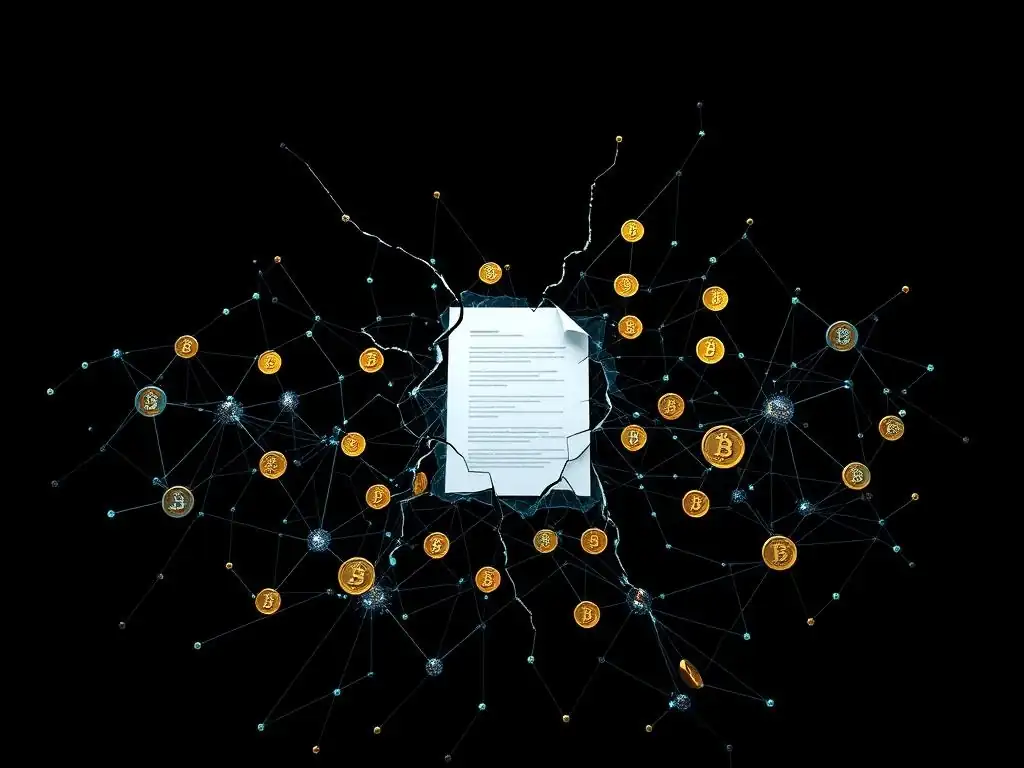
Understanding the Risks Associated with Malicious Governance Attacks
Common Types of DeFi Governance Attacks
Governance Takeovers
Governance takeovers represent a severe form of DeFi governance attack where malicious actors gain control of a protocol's governance mechanism. This can be achieved by accumulating a majority of governance tokens, either through direct purchase, borrowing, or manipulative tactics. Once a malicious actor controls a majority of voting power, they can pass malicious proposals that benefit themselves at the expense of the protocol and its users. These proposals could include draining protocol treasuries, altering smart contract code to introduce vulnerabilities, or redirecting protocol fees to attacker-controlled addresses.
Governance takeovers are a significant DeFi protocol governance risk because they can lead to catastrophic consequences, including substantial financial losses for users and the complete collapse of protocol trust. The threat of governance takeovers highlights the importance of robust governance mechanisms, secure token distribution, and vigilant community monitoring to detect and prevent malicious accumulation of governance power.
Sybil Attacks
Sybil attacks in DeFi governance involve a malicious actor creating multiple fake identities or accounts to amplify their voting power and manipulate governance outcomes. In the context of token-weighted voting, an attacker might create numerous wallets and distribute a small amount of governance tokens across each, aiming to circumvent mechanisms designed to limit individual voting power or to create the illusion of broader community support for a malicious proposal.
While Sybil attacks might not grant an attacker outright majority control like a full governance takeover, they can still significantly distort voting results and sway decisions in favor of the attacker. Mitigating Sybil attacks in DeFi governance requires robust identity verification mechanisms, limitations on account creation, and potentially more sophisticated voting systems that are less susceptible to manipulation through multiple identities. Sybil attacks represent a subtle but persistent DeFi protocol governance risk that needs to be addressed through careful design and ongoing monitoring.
Bribery and Collusion
Bribery and collusion are insidious forms of DeFi governance attacks that exploit the economic incentives within governance systems. Bribery involves offering financial or other incentives to token holders or delegates to vote in a specific way, regardless of their genuine belief in the proposal's merits. Collusion, closely related to bribery, occurs when a group of token holders or delegates secretly agree to coordinate their votes to achieve a predetermined outcome, often for personal gain at the expense of the protocol.
Bribery and collusion can undermine the integrity of DeFi governance by distorting voting outcomes and prioritizing self-interest over the protocol's long-term health. These attacks are difficult to detect and prevent as they often occur off-chain and involve private agreements. Mitigation strategies include designing governance systems that are less susceptible to bribery, promoting transparency in voting patterns, and fostering a strong sense of community ethics and accountability to deter collusive behavior. Bribery and collusion represent a complex DeFi protocol governance risk that requires a multi-faceted approach involving both technical and social safeguards.
Case Studies of DeFi Governance Exploits
Several real-world case studies illustrate the tangible risks associated with DeFi governance exploits. One notable example is the "Yearn Finance governance attack" in 2021. A malicious proposal was crafted to grant excessive minting power to a compromised Yearn Finance vault. Although the attack was ultimately detected and mitigated before significant damage, it highlighted the vulnerability of governance processes to malicious proposals and the importance of rapid community response and incident handling.
Another case involves the "Compound governance proposal 62" incident. A flawed governance proposal was passed due to a coding error, locking up a significant amount of COMP tokens in the protocol's Comptroller contract. This incident demonstrated that even unintentional errors in governance proposals can have severe consequences and underscore the need for rigorous testing and auditing of governance code and proposals before execution. These case studies serve as stark reminders of the real-world DeFi protocol governance risks and the potential for both malicious attacks and unintentional errors to exploit vulnerabilities in governance systems.
Measures to Protect Against Malicious Governance Actions
Protecting against malicious governance actions requires a multi-layered approach encompassing technical safeguards, community vigilance, and robust incident response mechanisms. Technically, implementing multi-signature wallets for critical governance functions can prevent unilateral actions by a single compromised entity. Time-lock mechanisms can introduce delays before governance proposals are executed, providing a window for the community to review and potentially react to malicious proposals. Code audits and formal verification of governance smart contracts are crucial to identify and eliminate vulnerabilities that could be exploited in governance attacks.
Community vigilance plays a vital role in detecting and responding to malicious governance actions. Active community monitoring of governance forums, voting patterns, and proposal content can help identify suspicious activities early on. Clear communication channels and incident response protocols are essential for rapidly mobilizing the community to address potential attacks. Educating users about governance risks and best practices for responsible participation is also crucial to empower the community to act as a collective defense against malicious governance actions, mitigating DeFi protocol governance risks through both technical and social means.
The Role of Audits and Security Best Practices in DeFi Governance
Importance of Auditing DeFi Governance Mechanisms
Auditing DeFi governance mechanisms is of paramount importance due to the critical role governance plays in the security and stability of DeFi protocols. Governance systems, often implemented through complex smart contracts, are not immune to vulnerabilities. Audits by independent security experts can identify potential flaws in the governance logic, smart contract code, and overall governance processes that could be exploited by malicious actors. These audits should thoroughly examine the voting mechanisms, proposal submission processes, execution logic, and access control mechanisms within the governance system.
The importance of audits is amplified by the fact that governance vulnerabilities can have catastrophic consequences, potentially leading to fund theft, protocol manipulation, or governance takeovers. Proactive auditing helps to identify and remediate these vulnerabilities before they can be exploited, significantly reducing DeFi protocol governance risks. Regular and ongoing audits are essential, especially when protocols undergo upgrades or introduce new governance features, ensuring continuous security and resilience of the governance system.
Security Best Practices for DeFi Governance Systems
Multi-signature Wallets
Multi-signature wallets are a fundamental security best practice for DeFi governance systems, particularly for managing critical governance functions and protocol treasuries. Multi-sig wallets require multiple signatures from different authorized parties to execute transactions, preventing unilateral actions and reducing the risk of single points of failure or compromise. In the context of governance, multi-sig wallets can be used to control the execution of governance proposals, requiring approval from a quorum of trusted community members or protocol guardians before changes are implemented.
Implementing multi-sig wallets for governance actions adds a layer of security and redundancy, making it significantly more difficult for a single malicious actor or compromised key to unilaterally alter protocol parameters or steal funds. The number of required signatures and the selection of signers are crucial considerations in designing effective multi-sig governance, balancing security with operational efficiency and responsiveness, and mitigating DeFi protocol governance risks associated with centralized control.
Time-lock Mechanisms
Time-lock mechanisms are another crucial security best practice for DeFi governance, introducing a delay between the approval of a governance proposal and its execution. This delay, typically ranging from hours to days, provides a crucial window for the community to review the proposed changes, identify potential issues, and react if necessary. Time-locks act as a "circuit breaker," preventing immediate and potentially harmful changes from being enacted without sufficient scrutiny.
In the event of a malicious or flawed governance proposal being passed, the time-lock period allows the community to organize, raise concerns, and potentially initiate emergency procedures, such as pausing the protocol or reversing the malicious proposal through further governance action. Time-locks significantly enhance the resilience of DeFi governance by providing a buffer against hasty or malicious decisions and allowing for community oversight and intervention, mitigating DeFi protocol governance risks related to rapid and unchecked governance changes.
Bug Bounty Programs
Bug bounty programs are an effective security best practice for DeFi governance systems, leveraging the collective intelligence of the security community to identify and report vulnerabilities. These programs incentivize security researchers and ethical hackers to actively search for bugs and security flaws in governance smart contracts and systems, offering rewards for valid vulnerability reports. Bug bounty programs provide an additional layer of security beyond traditional audits, as they continuously engage a wider community in security testing and vulnerability discovery.
By proactively identifying and rewarding the reporting of bugs, DeFi protocols can significantly improve the security of their governance systems and reduce the risk of exploits. Bug bounty programs should be well-defined, with clear rules, reward structures, and responsible disclosure guidelines. The findings from bug bounty programs should be promptly addressed through code fixes and security updates, continuously strengthening the security posture of the governance system and mitigating DeFi protocol governance risks through proactive vulnerability management.
Evaluating Decentralization Degrees in DeFi Governance Frameworks
Metrics for Assessing Decentralization in DeFi Protocols
Assessing the degree of decentralization in DeFi governance frameworks requires employing various metrics that quantify different aspects of decentralization. One key metric is token distribution, which measures the concentration of governance tokens among holders. Metrics like the Gini coefficient or the Herfindahl-Hirschman Index (HHI) can quantify token concentration, with higher values indicating greater centralization. A more decentralized protocol would exhibit a lower Gini coefficient and HHI, signifying a more equitable distribution of governance power.
Voting participation rate is another crucial metric. A highly decentralized governance system should ideally have broad participation from token holders. Low participation rates, even with decentralized token distribution, can effectively centralize control in the hands of the active minority. Tracking the percentage of token holders participating in votes and the quorum levels achieved provides insights into the level of community engagement and decentralization in decision-making.
Furthermore, governance decision-making power distribution can be assessed by analyzing the influence of different actors in governance processes. Metrics could track the success rate of proposals initiated by different groups (e.g., core team vs. community members) or the voting power distribution in key governance decisions, revealing potential biases or centralization of influence. Analyzing these metrics collectively provides a comprehensive view of the decentralization degree and helps identify potential DeFi protocol governance risks related to centralization.
Comparing Decentralization Levels Across Different DeFi Projects
Comparing decentralization levels across different DeFi projects reveals a spectrum of approaches and varying degrees of actual decentralization in governance. Some protocols, like early versions of MakerDAO, initially had more centralized governance structures, with core teams holding significant control and governance tokens. Over time, MakerDAO has progressively decentralized its governance, distributing more tokens to the community and implementing more open governance processes.
Uniswap, another prominent DeFi protocol, also began with a relatively centralized structure but has gradually transitioned towards more community-driven governance through token distribution and delegation mechanisms. In contrast, some newer protocols may launch with a more explicitly decentralized governance model from the outset, aiming for broader token distribution and more open governance processes from day one.
Comparing these different approaches highlights that decentralization is not a binary state but rather a spectrum, and DeFi projects are at various stages of this decentralization journey. Analyzing the metrics discussed earlier across different projects allows for a more nuanced understanding of their relative decentralization levels and helps identify best practices and areas for improvement in mitigating DeFi protocol governance risks related to insufficient decentralization.
The Trade-offs Between Decentralization and Efficiency in Governance
A fundamental trade-off exists between decentralization and efficiency in DeFi governance. Highly decentralized governance, characterized by broad participation and consensus-based decision-making, can be slower and less efficient than more centralized models. Reaching consensus among a large and diverse community can be time-consuming, and governance processes may become cumbersome and slow to adapt to rapidly changing market conditions or emerging threats. Centralized governance, on the other hand, allows for faster decision-making and more efficient implementation of changes, as decisions can be made by a smaller, more agile group.
However, the efficiency gains of centralized governance come at the cost of reduced resilience, transparency, and community ownership. Centralized systems are more vulnerable to single points of failure, manipulation, and capture by special interests. Finding the optimal balance between decentralization and efficiency is a key challenge for DeFi protocols.
The ideal balance may vary depending on the protocol's stage of development, its complexity, and the specific governance decisions being made. Protocols may need to dynamically adjust their governance models over time, potentially starting with a more centralized approach for initial development and gradually decentralizing as the protocol matures and the community becomes more engaged. Understanding and navigating this trade-off is crucial for designing effective and sustainable DeFi governance frameworks that minimize DeFi protocol governance risks while maintaining operational efficiency.
Building a More Resilient and Secure DeFi Governance Future
The Future of DeFi Governance: Trends and Innovations
On-Chain Governance
On-chain governance is a significant trend in the future of DeFi governance, aiming to automate and enhance the transparency and efficiency of governance processes. On-chain governance involves implementing the entire governance process, from proposal submission and voting to execution, directly on the blockchain using smart contracts. This approach eliminates the need for off-chain signaling or manual execution of governance decisions, increasing transparency and reducing the risk of manipulation or censorship.
Protocols like Tezos and Polkadot have pioneered on-chain governance models, demonstrating the feasibility of automating governance processes directly within the blockchain environment. While on-chain governance offers benefits in terms of transparency and automation, it also presents challenges. Developing robust and secure on-chain governance smart contracts is complex, and ensuring effective community participation within a fully on-chain system requires careful design. The future of DeFi governance is likely to see continued innovation and adoption of on-chain governance mechanisms, aiming to create more efficient and transparent governance systems while addressing potential DeFi protocol governance risks inherent in complex smart contract implementations.
Decentralized Autonomous Organizations (DAOs)
Decentralized Autonomous Organizations (DAOs) represent a broader organizational paradigm that is increasingly relevant to the future of DeFi governance. DAOs are internet-native organizations governed by code and community, operating without traditional hierarchical structures. In the context of DeFi, DAOs can be used to manage entire protocols, controlling treasury funds, protocol upgrades, and other key governance functions in a fully decentralized and autonomous manner.
DAOs leverage smart contracts to encode organizational rules and decision-making processes, ensuring transparency and immutability. DAOs offer the potential for truly decentralized and community-owned DeFi protocols, moving beyond token-weighted voting to more sophisticated governance models and organizational structures. However, DAOs also face challenges related to legal frameworks, operational efficiency, and decision-making complexity. The evolution of DAOs and their integration with DeFi protocols will likely shape the future of DeFi governance, aiming for more robust and decentralized organizational models while addressing potential DeFi protocol governance risks associated with novel organizational structures.
Layer-2 Scaling Solutions for Governance
Layer-2 scaling solutions are emerging as a potential innovation to address scalability challenges in DeFi governance. As DeFi protocols grow and governance participation increases, on-chain governance processes can become congested and expensive, particularly on blockchains with limited throughput. Layer-2 scaling solutions, such as optimistic rollups or zero-knowledge rollups, offer the potential to offload governance processes to faster and cheaper layer-2 networks while maintaining the security and integrity of the underlying layer-1 blockchain.
Layer-2 solutions could enable more frequent and cost-effective governance votes, facilitating greater community participation and more agile governance processes. Exploring the application of layer-2 scaling solutions to DeFi governance is a promising area of innovation that could address scalability bottlenecks and enhance the usability and responsiveness of decentralized governance systems. Successfully integrating layer-2 solutions with DeFi governance could significantly improve efficiency and participation, while needing careful consideration of potential new DeFi protocol governance risks introduced by the complexities of layer-2 technologies.
Best Practices for Participating in DeFi Governance Responsibly
Participating responsibly in DeFi governance is crucial for the long-term health and sustainability of DeFi protocols. Token holders should actively engage in governance processes by educating themselves about proposals, participating in community discussions, and casting informed votes. Delegates, if participating in delegated voting systems, should act with integrity and represent the interests of their delegators and the broader community. Responsible participation requires due diligence, critical thinking, and a commitment to the long-term success of the protocol.
Users should avoid blindly following recommendations or succumbing to herd mentality, instead conducting their own research and forming independent opinions on governance proposals. Transparency and open communication are essential for responsible governance participation. Token holders and delegates should openly share their reasoning and voting decisions, fostering accountability and informed decision-making within the community. Responsible governance participation is a collective effort that requires active engagement, critical thinking, and a commitment to ethical conduct to mitigate DeFi protocol governance risks and foster a healthy and thriving DeFi ecosystem.
Future Research: Quantifying Governance Influence and Impact
Future research is crucial to further understand and quantify governance influence and impact in DeFi protocols. Developing robust metrics to measure the effectiveness of different governance models and the impact of governance decisions on protocol outcomes is essential for evidence-based governance design and improvement. Research could focus on quantifying the correlation between governance participation rates and protocol performance, or analyzing the impact of specific governance proposals on key protocol metrics like TVL, user adoption, or security incidents.
Further research is also needed to understand the dynamics of whale influence and control concentration in DeFi governance. Developing models to predict and mitigate the risks of governance capture and manipulation is crucial for ensuring truly decentralized and resilient governance systems.
Exploring novel governance mechanisms, such as quadratic voting or futarchy, and rigorously evaluating their effectiveness in real-world DeFi protocols is also an important area for future research. Quantifying governance influence and impact through empirical research will be crucial for advancing the field of DeFi governance and building more robust, secure, and equitable decentralized financial systems, ultimately minimizing DeFi protocol governance risks through data-driven insights and improvements.
DeFi protocol governance is a complex and evolving field, fraught with inherent risks that demand careful consideration and proactive mitigation. From control concentration and malicious attacks to the trade-offs between decentralization and efficiency, navigating these complexities is essential for building a resilient and secure DeFi future. Understanding the nuances of different voting mechanisms, proposal processes, and governance models is crucial for informed participation and effective risk management.
As DeFi continues to mature, ongoing research, innovation, and community vigilance are paramount to address the evolving landscape of DeFi protocol governance risks. By embracing best practices, fostering responsible participation, and continuously improving governance frameworks, the DeFi ecosystem can strive towards more decentralized, secure, and equitable governance systems, unlocking the full potential of decentralized finance while mitigating its inherent vulnerabilities.
Frequently Asked Questions
What are the main risks associated with DeFi protocol governance?
The main risks include voter apathy, governance attacks (where malicious actors manipulate the system), and centralized control despite the intent of decentralized governance. These can lead to unforeseen changes and potential financial losses.
How do voting mechanisms in DeFi protocols contribute to governance risks?
Ineffective or poorly designed voting mechanisms can lead to voter apathy or make protocols vulnerable to Sybil attacks, where attackers create numerous fake identities to sway votes in their favor. This undermines the integrity of the protocol.
What role do proposals play in DeFi protocol governance, and how can they be exploited?
Proposals are the mechanism for suggesting and implementing changes, but they can be exploited if poorly vetted or if they contain malicious code. A lack of community scrutiny can allow harmful proposals to be approved.
How can centralized control be a risk in supposedly decentralized DeFi protocols?
Even in "decentralized" systems, a small group of individuals or entities may hold a disproportionate amount of voting power. This centralized control can lead to decisions that benefit a few at the expense of the broader DeFi community.
What regulatory challenges exist in addressing DeFi protocol governance risks?
The lack of clear regulatory frameworks makes it difficult to hold individuals or entities accountable for governance failures. Cross-border operations further complicate the application of existing laws to DeFi protocols.
The exploration of DeFi protocol governance risks, particularly concerning voting mechanisms, proposal structures, and control dynamics, reveals a landscape ripe with both innovation and inherent vulnerabilities. The decentralized nature of these protocols, while promising greater autonomy and transparency, simultaneously introduces novel challenges to security and stability. The potential for manipulation, malicious proposals, and concentrated power necessitates a constant reevaluation of governance models and a commitment to robust risk mitigation strategies.
The impact of DeFi governance extends far beyond the realm of cryptocurrency enthusiasts; it's shaping the future of finance and digital ownership. Understanding these risks is not merely an academic exercise but a crucial step towards fostering a more equitable and resilient financial ecosystem. As we continue to witness the evolution of these protocols, it's imperative to remember that true decentralization requires not only technological innovation but also a deep understanding of human behavior and the potential for exploitation. Power tends to corrupt, and absolute power corrupts absolutely. Great men are almost always bad men.
- Lord Acton's words resonate deeply within the context of DeFi governance, reminding us of the importance of checks and balances, even in decentralized systems.
As you navigate the world of decentralized finance, remember that informed participation is the cornerstone of a healthy and secure ecosystem. Take the time to understand the governance mechanisms of the protocols you interact with, scrutinize proposals, and actively engage in the voting process. By embracing a critical and informed approach, you can contribute to the development of more robust and resilient DeFi protocols, shaping a future where decentralized finance truly empowers individuals and fosters a more equitable financial landscape for all.
Empower Your DeFi Participation: Take Control Now!
Thank you for exploring the intricacies of DeFi protocol governance and understanding its inherent risks. You've gained valuable insights into voting mechanisms, proposal processes, and the influence of community participation. Now, it's time to put that knowledge into action.
Are you ready to become a more informed and active participant?
- Engage actively in voting within your chosen DeFi protocols. Don't just hold tokens—use your voting power to influence decisions and help shape the future of the platforms you're invested in.
- Visit governance forums and review past proposals to better understand how decisions are made and to identify potential vulnerabilities.
- Share this article with fellow DeFi enthusiasts to foster a broader discussion about governance risks and promote a more secure, decentralized ecosystem.
What specific action will you take this week to deepen your understanding of and involvement in DeFi governance? Share your plans in the comments below!
Leave a Reply