
Your First Look at Blockchain: Key Concepts and Intriguing Possibilities


Welcome to Blockchain Trends, your gateway to understanding the groundbreaking impact of blockchain technology beyond the hype! Ready to unlock the secrets of decentralized systems? This article, "Your First Look at Blockchain: Key Concepts and Intriguing Possibilities," dives deep into the core of blockchain technology, exploring the future of decentralized applications and their transformative potential. Discover how this technology is revolutionizing industries and reshaping our world. Let's begin!
- Understanding Blockchain Technology: A Beginner's Guide
-
Frequently Asked Questions
- What is Blockchain technology and what makes it unique?
- How does Blockchain differ from a traditional database?
- Besides cryptocurrencies, what are some potential applications of Blockchain technology?
- What are some of the challenges facing the widespread adoption of Blockchain technology?
- What is the future of Blockchain technology and its role in decentralized applications?
- Final Reflection: Embracing the Decentralized Future
- Uncover the Potential of Blockchain: Take the Next Step
Understanding Blockchain Technology: A Beginner's Guide
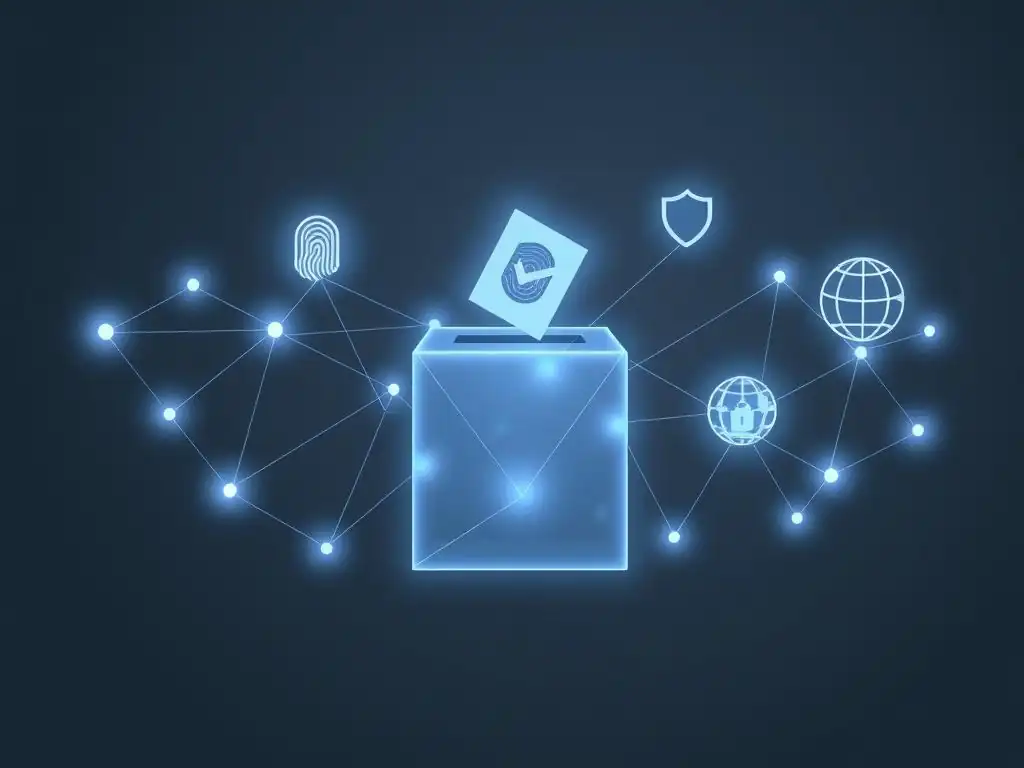
What is Blockchain? Defining the Core Principles
Blockchain technology, at its core, is a revolutionary approach to data management and storage. Imagine a digital ledger, not stored in a single location, but distributed across a network of computers. This shared, synchronized database is what we call a blockchain.
Its fundamental principles revolve around decentralization, transparency, and immutability, making it a powerful tool for various applications beyond just cryptocurrencies. Unlike traditional databases managed by a central authority, a blockchain operates on a peer-to-peer network where each participant holds a copy of the ledger. This distribution enhances security and reduces the risk of single points of failure, which are common vulnerabilities in centralized systems.
The essence of blockchain lies in its structure: data is grouped into "blocks" which are chained together chronologically and cryptographically. Each block contains a set of transactions, and once a block is added to the chain, it becomes extremely difficult to alter or remove, ensuring data integrity. This immutability stems from the cryptographic hash functions used to link each block to the previous one.
Furthermore, the transparency aspect of many blockchains allows participants to view the transaction history, promoting trust and accountability within the system. This combination of decentralization, immutability, and transparency forms the bedrock of blockchain technology and its transformative potential across industries.
The Genesis Block: Tracing the Origins of Bitcoin
The story of blockchain technology, in its modern context, is inextricably linked to Bitcoin. The very first block in the Bitcoin blockchain, known as the "genesis block" or block 0, was mined on January 3, 2009, by the pseudonymous Satoshi Nakamoto.
This block is not just the starting point of the Bitcoin blockchain; it also subtly embeds a message within its code: "The Times 03/Jan/2009 Chancellor on brink of second bailout for banks." This headline from The Times newspaper, published on the same day, is widely interpreted as Nakamoto's commentary on the financial instability of traditional banking systems and a potential motivation for creating a decentralized alternative.
The genesis block is unique in several technical aspects. Unlike subsequent blocks, it does not reference a previous block, as it is the very first. It also has a hardcoded reward of 50 Bitcoin, which, due to peculiarities in the Bitcoin protocol's early implementation, is unspendable.
While the genesis block itself does not contain any actual Bitcoin transactions (besides the coinbase transaction that generated the initial 50 BTC), it laid the foundation for all subsequent transactions and blocks in the Bitcoin network. Its creation marks the birth of the first widely adopted blockchain application and serves as a pivotal moment in the history of decentralized digital technologies, demonstrating the practical application of blockchain principles and setting the stage for the exploration of blockchain technology decentralized applications future.
Frequently Asked Questions
What is Blockchain technology and what makes it unique?
Blockchain technology is a distributed, immutable ledger that records transactions across many computers. Its decentralized nature and cryptographic security make it highly secure and transparent.
How does Blockchain differ from a traditional database?
Unlike a traditional database, Blockchain is decentralized and doesn't have a central authority. Changes to the Blockchain require a consensus among network participants, ensuring data integrity.
Besides cryptocurrencies, what are some potential applications of Blockchain technology?
Blockchain technology has numerous applications beyond cryptocurrencies, including supply chain management, digital identity verification, and secure voting systems. It's all about trust and transparency.
What are some of the challenges facing the widespread adoption of Blockchain technology?
Some key challenges include scalability issues, regulatory uncertainty, and the need for greater public understanding of the technology's complexities and benefits.
What is the future of Blockchain technology and its role in decentralized applications?
The future of Blockchain technology looks promising, with increasing adoption in decentralized applications (dApps) and enterprise solutions. Expect more innovative use cases and wider integration across industries.
Final Reflection: Embracing the Decentralized Future
The exploration of blockchain technology and its potential for decentralized applications reveals not just a technological advancement, but a fundamental shift in how we perceive trust, security, and ownership. The promise of a decentralized future, powered by blockchain, is no longer a distant dream but a tangible possibility shaping industries and redefining societal norms. This article has aimed to demystify the core concepts, laying the groundwork for a deeper understanding of this transformative technology.
The impact of blockchain extends far beyond cryptocurrencies; it's influencing everything from supply chain management to digital identity, and even the arts. Witnessing this evolution firsthand is both exciting and humbling, reminding us that technology, at its best, empowers individuals and fosters greater transparency. Blockchain is the tech. Bitcoin is merely the first mainstream manifestation of its potential.
- Marc Andreessen. This quote encapsulates the profound potential that lies within blockchain, a potential that we are only beginning to unlock.
Now, as you've gained a foundational understanding of blockchain's key concepts and intriguing possibilities, consider its implications for your own life and work. How can you leverage this technology to build more secure, transparent, and equitable systems? The future of blockchain is not predetermined; it's being actively shaped by the choices we make today. Embrace the challenge, explore the opportunities, and become a part of the decentralized revolution.
Uncover the Potential of Blockchain: Take the Next Step
Thank you for exploring the world of blockchain with us! We hope you've gained a solid understanding of its fundamental concepts and exciting possibilities. Now, it's time to advance your knowledge.
- Get involved in a real-world blockchain project! Choose a project that interests you—whether it’s in supply chain management, digital art, or another field—and learn about how blockchain is utilized.
- Share this article with a friend or colleague interested in blockchain to start a conversation.
- Check out other articles on blockchain trends to deepen your understanding and stay updated on emerging developments.
What innovative blockchain application are you most eager to see come to life? Share your thoughts in the comments below!
Leave a Reply