
The Global Energy Map of Blockchain: Mining Centers and Consumption Hotspots


Welcome to Blockchain Trends, your compass navigating the evolving landscape of decentralized technology. Beyond the headlines, blockchain is reshaping industries, from finance to supply chains. Dive into our latest analysis, a fascinating exploration of Blockchain energy consumption hotspots analysis, revealing the geographic centers of power and shedding light on the environmental impact of this groundbreaking technology. What does the energy footprint of blockchain tell us about its future sustainability? Let's uncover the truth together…
- Blockchain Energy Consumption Hotspots Analysis: A Global Overview
-
Frequently Asked Questions
- What are the primary geographic regions identified as significant blockchain energy consumption hotspots?
- How does blockchain energy consumption differ between Proof-of-Work (PoW) and Proof-of-Stake (PoS) consensus mechanisms?
- Besides Bitcoin mining, what other blockchain applications contribute to significant energy consumption?
- What are some strategies being explored to reduce the environmental impact of blockchain technology?
- How do government regulations influence the location and energy consumption of blockchain mining operations?
- Final Reflection: Illuminating the Blockchain's Energy Footprint
- Power Up Your Blockchain Knowledge: Take Action Now!
Blockchain Energy Consumption Hotspots Analysis: A Global Overview
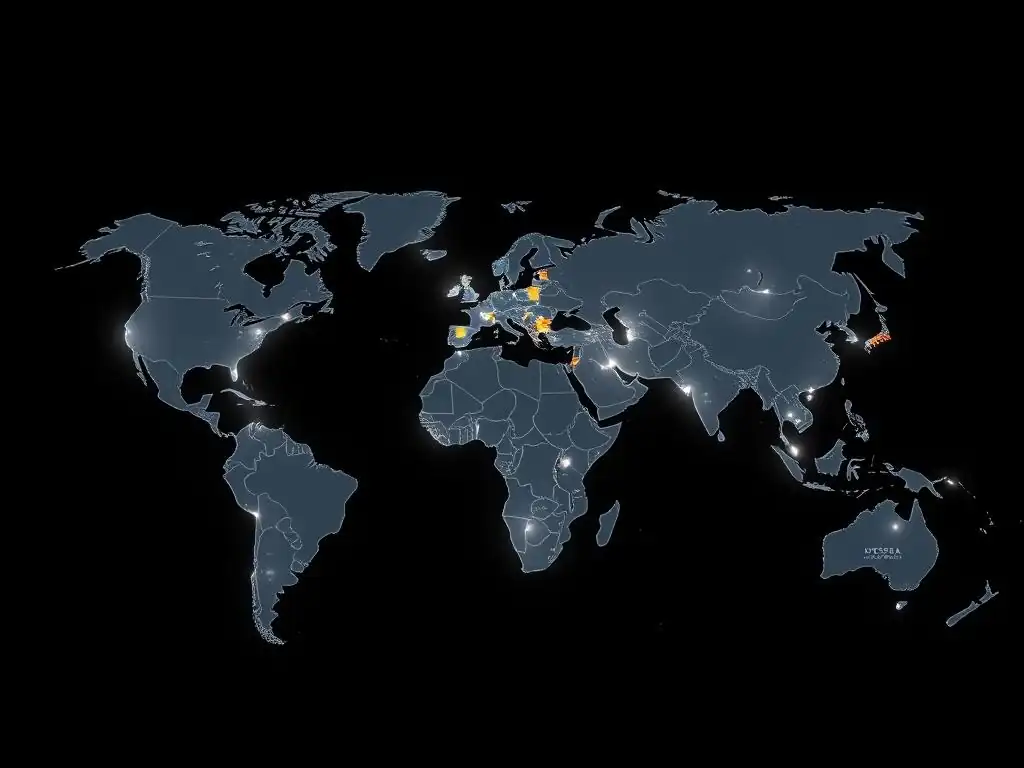
Defining "Hotspots": Regions with High Blockchain Energy Demand
In the context of a comprehensive blockchain energy consumption hotspots analysis, a "hotspot" refers to a geographical region that exhibits a significantly high concentration of energy usage directly attributable to blockchain activities. Primarily, this energy demand stems from Proof-of-Work (PoW) consensus mechanisms, most notably Bitcoin mining, which requires vast computational power and, consequently, substantial electricity.
These areas are not merely locations with high internet penetration or technological adoption but specific places where the economic incentives of blockchain operations, like mining profitability driven by energy costs, have led to the clustering of energy-intensive hardware. The identification of these hotspots is crucial for understanding the global energy footprint of blockchain technology and informs the broader blockchain energy consumption hotspots analysis.
Historically, these hotspots have been dynamic, shifting based on economic, regulatory, and technological factors. For years, China dominated the landscape, with provinces like Sichuan and Xinjiang hosting massive mining farms due to access to cheap, often subsidized, electricity. However, regulatory crackdowns in 2021 triggered a dramatic migration, reshaping the global blockchain energy map. New hotspots emerged rapidly in regions offering favorable conditions, illustrating the sensitivity of these energy-intensive operations to external factors. Understanding this fluidity is key to any accurate blockchain energy consumption hotspots analysis over time.
Factors Influencing Blockchain Energy Consumption Patterns
Several interconnected factors dictate where blockchain energy consumption hotspots form and how their energy patterns evolve. The most critical driver for PoW mining is the cost of electricity. Miners are constantly seeking the lowest possible kilowatt-hour rates to maximize profitability, leading them to regions with surplus energy, deregulated markets, or specific energy sources like hydropower or natural gas.
Beyond cost, the regulatory environment plays a pivotal role; governments can either attract or repel energy-intensive blockchain operations through policy, taxation, and direct bans, as seen in China. Political stability is also essential, as significant infrastructure investments are required for large-scale mining farms.
Furthermore, climate can influence operational costs, with cooler climates reducing the significant energy expenditure required for cooling mining hardware. Access to reliable grid infrastructure and high-speed internet connectivity are foundational requirements. The availability of specific energy sources also shapes hotspots; locations with abundant renewable energy (like geothermal in Iceland or hydro in Quebec) or underutilized fossil fuels (like flared gas in Texas) become attractive. A thorough blockchain energy consumption hotspots analysis must consider the interplay of these economic, political, environmental, and infrastructural elements to explain the observed global distribution of blockchain's energy demand.
Frequently Asked Questions
What are the primary geographic regions identified as significant blockchain energy consumption hotspots?
The main hotspots are typically regions with cheap electricity and favorable regulatory environments. Historically, China was a major hotspot, but now North America, Kazakhstan, and parts of Europe are prominent.
How does blockchain energy consumption differ between Proof-of-Work (PoW) and Proof-of-Stake (PoS) consensus mechanisms?
PoW, like Bitcoin, requires significant computational power, leading to high energy consumption. PoS, on the other hand, relies on staking and is significantly more energy-efficient.
Besides Bitcoin mining, what other blockchain applications contribute to significant energy consumption?
While Bitcoin mining is the largest contributor, other energy-intensive applications include older Ethereum mining (before the merge to PoS) and certain DeFi platforms that rely on computationally heavy processes.
What are some strategies being explored to reduce the environmental impact of blockchain technology?
Strategies include transitioning to renewable energy sources, implementing more efficient consensus mechanisms like PoS, and developing energy-efficient mining hardware.
How do government regulations influence the location and energy consumption of blockchain mining operations?
Stricter regulations regarding energy use and environmental impact can force miners to relocate to regions with more lenient laws or cheaper, cleaner energy sources, impacting global consumption patterns.
Final Reflection: Illuminating the Blockchain's Energy Footprint
The analysis presented throughout this article underscores a critical reality: the decentralized promise of blockchain technology is inextricably linked to a centralized energy consumption footprint. Understanding the geographical distribution of mining centers and consumption hotspots is no longer just an academic exercise; it's a vital step towards fostering a more sustainable and responsible digital future. The concentration of energy demand in specific regions demands immediate attention and innovative solutions.
This exploration into the blockchain's energy landscape has profoundly shaped my perspective on technological progress. It's a stark reminder that innovation without conscious consideration for environmental impact is ultimately unsustainable. The allure of decentralized finance and Web3 must be tempered with a commitment to minimizing our collective carbon footprint. As the technology continues to evolve, so too must our strategies for mitigating its environmental consequences. We are living on this planet as if we had another one to go to.
- Terry Swearingen
Now, more than ever, it's crucial to consider your own role in this evolving landscape. What steps can you take to advocate for more sustainable blockchain practices? How can you support projects that prioritize energy efficiency and renewable energy sources? The future of blockchain hinges on our collective commitment to responsible innovation. Let us strive to build a future where technological advancement and environmental stewardship go hand in hand.
Power Up Your Blockchain Knowledge: Take Action Now!
Thank you for exploring the global energy landscape of blockchain with us. We hope you've gained valuable insights into the mining centers and consumption hotspots shaping this evolving technology. Now, let's turn that knowledge into action.
Here's how you can dive deeper:
- Analyze the data yourself! Download the full dataset of blockchain mining centers and consumption hotspots to uncover further trends.
- Share your insights by commenting on this article and discussing your analysis.
- Join the conversation on our Blockchain Trends forum to connect with other experts and enthusiasts.
What surprising energy consumption patterns did you discover? How do you think the blockchain industry can become more sustainable? Share your thoughts in the comments below!
Leave a Reply