
Smart Contracts for Voting Systems: Securing and Decentralizing Elections


Welcome to Blockchain Trends, your guide to navigating the evolving landscape of blockchain technology. Beyond the buzz of cryptocurrencies, we delve into the real-world applications that are reshaping industries. Are you ready to explore how blockchain is revolutionizing governance? This week, we're shining a light on secure decentralized voting smart contracts and their potential to transform elections. Discover how these innovative solutions are building trust and transparency in the voting process, and what the future holds for decentralized democracy. Intrigued? Dive in and learn more!
- Introduction to Blockchain-Based Voting Solutions
- Understanding Smart Contracts for Voting
- Designing a Secure Decentralized Voting Smart Contract
- Developing a Voting Smart Contract
- Testing and Auditing Your Voting Smart Contract
- Deploying and Managing a Live Voting System
- Challenges and Future Trends in Blockchain Voting
- Conclusion: The Potential of Smart Contracts for Secure Elections
-
Frequently Asked Questions
- What are the key benefits of using secure decentralized voting smart contracts compared to traditional voting methods?
- How do secure decentralized voting smart contracts ensure voter anonymity and prevent voter identification?
- What are the main challenges in implementing secure decentralized voting smart contracts on a large scale?
- How does regulation impact the development and deployment of secure decentralized voting smart contracts?
- What is the future outlook for secure decentralized voting smart contracts and their potential impact on democratic processes?
- Final Reflection: Embracing Trust Through Code
- Reinvent Democracy: Take Control of Your Vote!
Introduction to Blockchain-Based Voting Solutions
The Need for Secure and Transparent Elections
Elections are the cornerstone of democratic societies, yet traditional voting systems are increasingly facing scrutiny regarding their security, transparency, and accessibility. Reports of voter suppression, allegations of election fraud, and concerns about the integrity of voting machines erode public trust in the electoral process. For instance, in the 2020 US Presidential election, despite no evidence of widespread fraud, persistent claims and conspiracy theories highlighted the fragility of public confidence in established systems.
Furthermore, the logistical complexities and costs associated with manual vote counting and auditing in many countries can lead to delays and inaccuracies. Consider countries with geographically dispersed populations or limited infrastructure, where conducting fair and efficient elections presents significant challenges. These vulnerabilities underscore the urgent need for more robust and transparent election mechanisms that can withstand both internal and external threats, ensuring every vote is accurately cast and counted, and that the outcome is verifiably legitimate.
Exploring Decentralized Voting Systems
Decentralized voting systems, particularly those leveraging blockchain technology, offer a compelling alternative to traditional centralized models. The core principle of decentralization distributes control and data across a network, eliminating single points of failure and reducing the risk of manipulation. In contrast to centralized systems where a single authority manages voter data and tallies votes, a decentralized system distributes these responsibilities among numerous participants in the network. This inherent distribution makes it significantly harder for malicious actors to compromise the entire system.
Imagine a scenario where election data is stored on a blockchain network composed of thousands of nodes globally. Tampering with the results would require simultaneously compromising a vast majority of these nodes, a computationally and logistically infeasible task. Decentralized voting systems aim to enhance trust by making the voting process more transparent and auditable, empowering citizens with greater confidence in the integrity of their democratic institutions.
Smart Contracts: Enhancing Voting System Integrity
Smart contracts, self-executing agreements written in code and stored on a blockchain, are pivotal in elevating the integrity of decentralized voting systems. They automate the execution of voting rules, ensuring that predefined conditions are met before a vote is cast, recorded, or tallied. For example, a smart contract can automatically verify voter eligibility based on predefined criteria before allowing them to cast a ballot.
Once a vote is cast, the smart contract securely records it on the blockchain, creating an immutable and transparent record. This automation minimizes the potential for human error and intervention, which are often sources of vulnerabilities in traditional voting processes.
Moreover, the transparent nature of smart contract code allows for public scrutiny and verification, fostering greater trust in the system's logic and operation. By embedding the rules of the election directly into code, smart contracts enforce fairness and predictability, making voting systems demonstrably more secure and reliable.
Understanding Smart Contracts for Voting
What are Smart Contracts?
Smart contracts are essentially digital contracts written in code and deployed on a blockchain. Think of them as automated agents that execute specific actions when predefined conditions are met. Unlike traditional contracts written in natural language, smart contracts are deterministic and self-executing. Once deployed, their code is immutable, meaning it cannot be altered, ensuring that the contract will always function as originally programmed.
A simple analogy is a vending machine: you insert coins (meet the condition), and the machine automatically dispenses the product (executes the action). In the context of blockchain, these contracts are executed by the network of nodes, and the results are recorded on the blockchain, making them transparent and auditable. This inherent transparency and immutability make smart contracts particularly well-suited for applications requiring trust and reliability, such as voting systems.
Advantages of Smart Contracts in Voting
Smart contracts bring a suite of advantages to voting systems, addressing many of the shortcomings of traditional methods. These advantages range from bolstering security and transparency to improving accessibility and reducing the potential for fraud. By automating critical aspects of the voting process and leveraging the inherent properties of blockchain technology, smart contracts can create a more trustworthy and efficient electoral environment.
Enhanced Security and Immutability
The security of smart contract-based voting systems is significantly enhanced by the underlying blockchain technology. Once a smart contract is deployed, its code is immutable, making it extremely difficult to tamper with or alter the voting rules after the election has begun. Furthermore, the cryptographic nature of blockchain ensures that all transactions, including votes, are securely recorded and timestamped, creating an audit trail that is virtually impossible to forge.
For instance, if a voting smart contract is deployed on the Ethereum blockchain, it benefits from Ethereum's robust security model, which involves thousands of nodes validating transactions and maintaining the integrity of the ledger. This distributed and cryptographically secured infrastructure makes smart contract voting systems far more resistant to hacking and manipulation compared to centralized database-driven systems which are vulnerable to single points of failure and data breaches.
Increased Transparency and Auditability
Transparency is a cornerstone of fair elections, and smart contracts excel in providing unprecedented levels of it. The code of a voting smart contract is publicly auditable, allowing independent experts and even voters to review and verify the logic governing the election process before it even begins. Every vote cast and every transaction related to the election is recorded on the public blockchain ledger, creating a complete and transparent audit trail.
This auditability extends beyond just the code; the entire voting process, from voter registration to vote tallying, can be tracked and verified on the blockchain. Imagine a scenario where concerned citizens can independently verify the total number of votes cast for each candidate directly on the blockchain, eliminating the need to rely solely on potentially biased or opaque election authorities. This level of transparency builds public trust and confidence in the election outcome.
Reduced Risk of Voter Fraud
Smart contracts can significantly mitigate various forms of voter fraud prevalent in traditional systems. Double voting, a common concern, can be effectively prevented through smart contract logic. For example, a smart contract can be designed to allow each registered voter to cast only one vote by associating their unique digital identity with their vote. Once a vote is cast, the smart contract can prevent subsequent votes from the same identity.
Similarly, ballot stuffing, another form of fraud, is inherently difficult in a blockchain-based system. Each vote is individually recorded and cryptographically linked to the voter's identity (while maintaining anonymity of the vote content itself), making it extremely difficult to inject fraudulent votes into the system without detection. By automating and enforcing voting rules through code, smart contracts remove many of the manual processes that are susceptible to manipulation in traditional elections.
Improved Accessibility and Convenience
Smart contract-based voting systems hold the potential to dramatically improve accessibility and convenience for voters, particularly for those in remote areas or with mobility limitations. Online voting, enabled by smart contracts, eliminates the need for physical polling stations, allowing citizens to vote from anywhere with an internet connection. This can significantly increase voter turnout, especially among demographics that face barriers to traditional voting methods.
For example, citizens living abroad, individuals with disabilities, or those in geographically isolated communities could participate in elections more easily. Furthermore, the digital nature of smart contract voting can streamline the entire voting process, potentially reducing long lines at polling stations and simplifying the act of casting a ballot. While security considerations are paramount in online voting, smart contracts provide a framework to address these concerns and create a more inclusive and accessible electoral process.
Designing a Secure Decentralized Voting Smart Contract
Key Considerations for Voting Smart Contract Design
Designing a secure and reliable voting smart contract requires careful consideration of several critical aspects. These considerations are paramount to ensuring the integrity, fairness, and security of the entire voting process. From voter authentication to vote secrecy, each design element must be meticulously planned and implemented to mitigate potential vulnerabilities and build a robust system.
Voter Authentication and Authorization
Robust voter authentication and authorization are fundamental to preventing unauthorized individuals from participating in the voting process. A voting smart contract must reliably verify the identity and eligibility of each voter before allowing them to cast a ballot. Various methods can be employed, ranging from simple digital signatures to more sophisticated zero-knowledge proofs. For instance, a system could utilize a national digital identity system linked to a blockchain-based voter registry.
Before a vote is cast, the smart contract would verify the voter's digital signature against their registered identity, ensuring only authorized and eligible voters can participate. Biometric authentication methods, integrated with blockchain identity solutions, could also add an extra layer of security. The chosen authentication method must balance security with user-friendliness and accessibility, ensuring legitimate voters can easily participate while effectively excluding fraudulent actors.
Secure Vote Casting and Recording
The process of casting and recording votes must be meticulously designed to prevent manipulation and ensure vote integrity. Votes should be encrypted before being transmitted to the smart contract and securely recorded on the blockchain. End-to-end encryption can be implemented to protect vote secrecy from the moment the voter casts their ballot until it is tallied. Furthermore, the smart contract should utilize secure communication protocols to prevent man-in-the-middle attacks and ensure that votes are transmitted and recorded without alteration.
Consider using cryptographic techniques like homomorphic encryption, which allows computations to be performed on encrypted data without decrypting it first. This could enable vote tallying while maintaining voter anonymity throughout the process. The focus must be on creating a secure channel for vote submission and an immutable and verifiable record on the blockchain.
Preventing Double Voting
Preventing double voting is a critical security requirement for any voting system. Smart contracts offer several mechanisms to effectively address this challenge. One common approach is to associate each registered voter with a unique identifier on the blockchain. Once a voter casts their ballot, the smart contract records this action against their identifier, preventing them from voting again.
Timestamps can also be incorporated to further reinforce the single-vote rule. The smart contract can be programmed to reject any subsequent vote attempts from the same voter identifier within the election period. Nonce values, unique numbers used in cryptographic communication, can also be employed to ensure each transaction (vote) is unique and cannot be replayed. By implementing these preventative measures within the smart contract logic, double voting can be effectively eliminated, safeguarding the fairness of the election.
Ensuring Vote Secrecy
Maintaining voter privacy and vote secrecy is a fundamental principle of democratic elections. While transparency is crucial for the overall voting process, the content of individual votes should remain confidential. Smart contracts can employ cryptographic techniques to achieve vote secrecy while still ensuring auditability. Techniques like zero-knowledge proofs can allow voters to prove their eligibility and cast a valid vote without revealing their identity or vote choice to the smart contract or the public.
Mixnets, cryptographic protocols that shuffle and anonymize data, can also be used to obscure the link between voters and their votes. Homomorphic encryption, as mentioned earlier, allows for vote aggregation without decrypting individual votes, preserving voter anonymity during the tallying process. The design must carefully balance the need for public auditability of the overall process with the fundamental right to a secret ballot.
Choosing the Right Blockchain Platform for Voting
Selecting the appropriate blockchain platform is a critical decision in developing a secure and efficient voting smart contract. Different blockchain platforms offer varying characteristics in terms of security, scalability, transaction costs, and development tools, all of which impact the suitability for a voting application.
Ethereum and Solidity for Voting Smart Contracts
Ethereum, with its mature ecosystem and widely adopted Solidity programming language, is a popular choice for developing smart contracts, including those for voting systems. Solidity is specifically designed for smart contract development and offers a rich set of features and libraries. Ethereum's large developer community and extensive tooling provide a robust environment for building, testing, and deploying complex smart contracts. Furthermore, Ethereum's established security model, although undergoing continuous evolution, offers a relatively secure foundation for voting applications.
However, Ethereum's scalability limitations and potentially high transaction fees can be challenges for large-scale elections. While Layer-2 scaling solutions are emerging on Ethereum, they add complexity and might require careful consideration for voting applications. Despite these challenges, Ethereum's maturity and developer ecosystem make it a viable option, especially for smaller-scale or pilot voting projects.
Alternatives to Ethereum for Secure Elections
While Ethereum is a prominent platform, several alternative blockchains offer compelling features that might be advantageous for secure election systems. Platforms like Cardano, Polkadot, Algorand, and Tezos are designed with scalability, security, and sustainability in mind, addressing some of the limitations of first-generation blockchains like Ethereum. Cardano, for example, emphasizes a layered architecture and rigorous formal verification, potentially enhancing security and reliability for critical applications like voting.
Polkadot's parachain architecture aims for interoperability and scalability, which could be beneficial for complex voting systems requiring integration with other services. Algorand's pure proof-of-stake consensus mechanism and focus on transaction finality offer potentially faster and more energy-efficient transactions.
Tezos' on-chain governance allows for protocol upgrades without hard forks, providing greater adaptability and long-term stability. These alternative platforms, while potentially less mature in terms of developer ecosystem compared to Ethereum, present viable options for building secure and scalable decentralized voting systems, warranting careful evaluation based on specific project requirements.
Developing a Voting Smart Contract
Setting Up the Development Environment
Developing a voting smart contract necessitates setting up a suitable development environment. This typically involves installing necessary software and tools to write, compile, deploy, and test the smart contract code. Common tools include Node.js, a JavaScript runtime environment, and a smart contract development framework like Truffle or Hardhat.
Truffle and Hardhat provide functionalities for compiling Solidity code, deploying contracts to blockchain networks, and running automated tests. A local blockchain emulator, such as Ganache, is also crucial for testing smart contracts in a controlled environment without incurring real transaction costs on a public network. Setting up these tools provides a foundation for writing and iterating on the voting smart contract code efficiently before deploying it to a live test network.
Writing the Smart Contract Code
The core of a blockchain-based voting system lies in the smart contract code. This code defines the rules of the election, manages voter registration, handles vote casting, and tallies the results. The smart contract is typically written in Solidity for Ethereum-compatible blockchains. The code needs to be structured logically and securely, paying close attention to data structures, function design, and access control.
Defining Data Structures for Voters and Candidates
Effective data management is crucial for a voting smart contract. Data structures need to be defined to store information about voters, candidates, and votes. For voters, this might include a unique identifier, registration status, and voting eligibility. For candidates, data structures would store their names or identifiers and potentially the number of votes received.
Mappings and arrays are commonly used data structures in Solidity to organize and access this information efficiently. For instance, a mapping could be used to link voter identifiers to their registration status, while an array could store a list of candidates participating in the election. Careful design of these data structures is essential for the smart contract to function correctly and efficiently.
Implementing Vote Casting Functionality
The vote casting functionality is a central part of the smart contract. This involves creating a function that allows registered voters to cast their votes securely. The function should verify the voter's eligibility, record their vote, and prevent double voting. Input parameters would typically include the voter's identifier and their candidate choice.
Within the function, checks would be implemented to ensure the voter is registered and has not already voted. The vote itself would be recorded securely, potentially encrypted, and associated with the voter in a way that maintains vote secrecy but ensures auditability of the overall vote count. Error handling and gas optimization are also important considerations when implementing the vote casting function.
Implementing Vote Counting Functionality
The vote counting functionality is responsible for tallying the votes and determining the election outcome. This function would typically be executed after the voting period has ended. It would iterate through the recorded votes, aggregate the votes for each candidate, and determine the winner based on the defined election rules (e.g., majority vote, plurality).
The vote counting function needs to be designed to be transparent and verifiable, allowing independent auditors to confirm the accuracy of the results. The tallied results can then be stored on the blockchain for permanent and auditable record-keeping. Gas efficiency is also a consideration in vote counting, especially for elections with a large number of votes.
Deploying the Smart Contract to a Test Network
Before deploying a voting smart contract to a live mainnet, it is crucial to deploy it to a test network for thorough testing and debugging. Test networks, such as Goerli or Sepolia for Ethereum, mimic the mainnet environment but use test Ether (tokens with no real-world value). Deployment involves compiling the smart contract code and using a deployment tool (like Truffle or Hardhat) to send the compiled contract to the test network.
Once deployed, the contract's address on the test network is obtained, allowing developers to interact with the deployed contract and test its functionalities in a realistic blockchain environment. Deployment to a test network is an essential step in ensuring the smart contract functions as intended before being used for real-world elections.
Testing and Auditing Your Voting Smart Contract
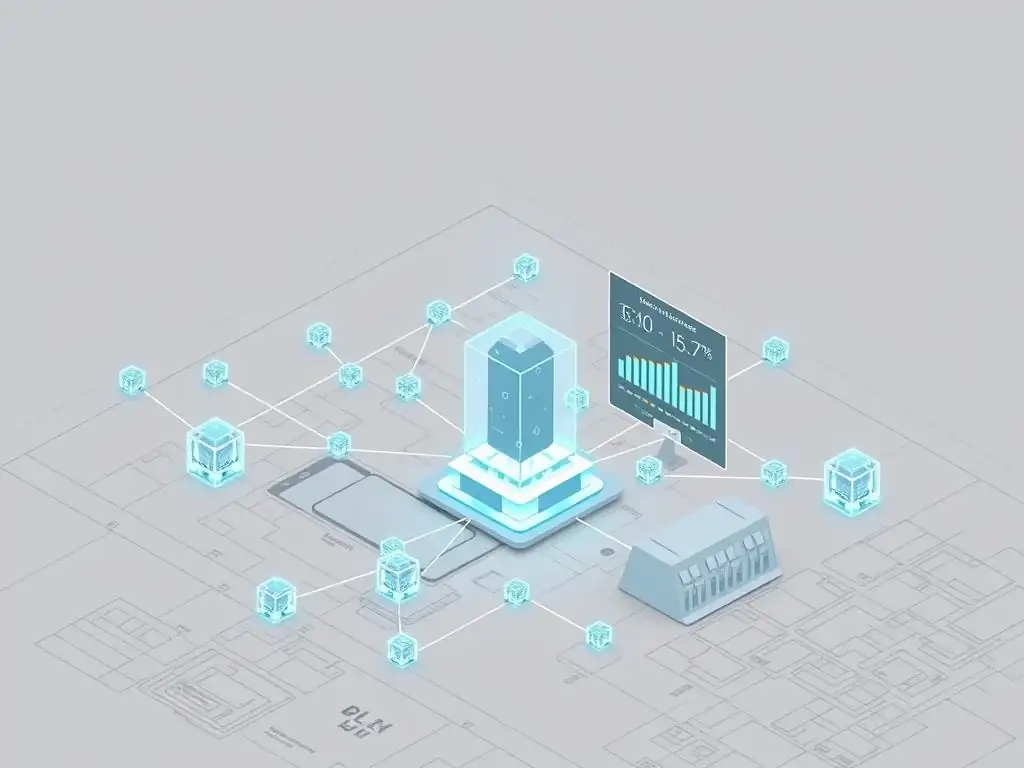
Importance of Rigorous Testing
Rigorous testing is absolutely critical for voting smart contracts due to the sensitive nature of elections and the potential consequences of vulnerabilities. Any flaw in the smart contract code could compromise the integrity of the election, leading to incorrect results or manipulation. Testing must go beyond basic functionality checks and include thorough security testing to identify and mitigate potential vulnerabilities before deployment to a live voting system. Comprehensive testing helps ensure the smart contract behaves as expected under various scenarios and is resilient to attacks.
Common Vulnerabilities in Voting Smart Contracts
Voting smart contracts, like any software, are susceptible to vulnerabilities. Understanding common smart contract vulnerabilities is crucial for developers to write secure code and testers to identify potential weaknesses.
Reentrancy Attacks
Reentrancy attacks, while less directly applicable to typical voting logic, are a general smart contract vulnerability to be aware of. A reentrancy attack occurs when a contract function makes an external call to another contract, and the called contract then makes a recursive call back to the original contract before the original function has completed its execution. In a voting context, although less likely, a poorly designed voting contract might have a vulnerability related to external calls that could be exploited.
For example, if a voting contract interacts with another contract for voter registration and doesn't properly handle reentrant calls, it theoretically could be exploited, although this is a less common vulnerability in typical voting contract designs. Developers need to be aware of reentrancy and employ best practices to prevent such attacks, especially when the voting contract interacts with other smart contracts or external systems.
Front Running
Front running is a more relevant vulnerability in the context of voting smart contracts, particularly in systems where vote transactions are publicly visible in the mempool before being confirmed on the blockchain. Front running occurs when someone observes a pending transaction (a vote) and executes their own transaction with a higher gas fee to have it processed before the original transaction.
In a voting scenario, malicious actors could potentially front-run vote transactions to manipulate the order of votes being recorded or gain information about votes before they are finalized. For example, if vote counts are updated immediately after each vote transaction, someone could front-run a vote transaction to observe the updated vote counts before the original vote is recorded, potentially allowing them to influence subsequent votes or gain an unfair advantage.
Mitigation techniques include using commit-reveal schemes or ensuring vote transactions are processed in a way that minimizes the visibility of pending votes in the mempool.
Denial of Service (DoS)
Denial of Service (DoS) attacks aim to make a system unavailable to its intended users. Voting smart contracts can be vulnerable to various forms of DoS attacks. For instance, a malicious actor could flood the voting contract with a large number of invalid transactions, consuming gas and making it difficult for legitimate voters to cast their ballots.
Another type of DoS attack could exploit vulnerabilities in the smart contract code itself, causing it to enter a state where it becomes unresponsive or unusable. For example, a poorly designed loop or excessive gas consumption within a function could be exploited to cause a DoS. Robust error handling, gas optimization, and rate limiting are important measures to mitigate DoS attack risks in voting smart contracts.
Auditing Smart Contracts for Security and Compliance
Due to the critical nature of voting systems, independent security audits are an essential step before deploying a voting smart contract to a live environment. A security audit involves engaging a third-party smart contract auditing firm to thoroughly review the smart contract code for vulnerabilities, security flaws, and compliance with best practices. Auditors examine the code for potential issues like reentrancy, front running, DoS vulnerabilities, and other security risks. They also assess the contract's logic, gas efficiency, and adherence to security standards.
The audit report provides valuable feedback and recommendations for improving the security and robustness of the smart contract. Addressing the findings of a security audit is crucial for ensuring the voting system is as secure as possible before deployment and for building public trust in the system's integrity. Compliance audits may also be necessary to ensure the voting system adheres to relevant legal and regulatory requirements.
Deploying and Managing a Live Voting System
Considerations for Mainnet Deployment
Deploying a voting smart contract to a mainnet, a live public blockchain network, requires careful planning and consideration of several factors. Mainnet deployment involves real transaction costs (gas fees) and exposes the smart contract to a live, potentially adversarial environment. Thorough testing on test networks and security audits are prerequisites before mainnet deployment. Gas optimization in the smart contract code is crucial to minimize transaction costs for voters.
Deployment scripts and procedures need to be well-documented and tested to ensure a smooth and error-free deployment process. Furthermore, considerations for contract upgrades and maintenance need to be addressed, although smart contract immutability makes upgrades complex and often requires careful planning from the outset. Mainnet deployment marks a critical transition from development and testing to a live, operational voting system.
Managing Voter Registration and Identity
Managing voter registration and identity in a blockchain-based voting system is a crucial aspect of real-world deployment. A robust and secure voter registration process is necessary to ensure only eligible citizens can participate in the election. This might involve integrating with existing national identity systems or establishing a decentralized voter registration system using blockchain technology.
Identity management solutions need to balance security and privacy, ensuring voter identities are verified without compromising their personal information. Decentralized identity (DID) solutions and zero-knowledge proofs are potential technologies for managing voter identity in a privacy-preserving and secure manner. The voter registration process needs to be accessible and user-friendly, while effectively preventing fraudulent registrations and ensuring the integrity of the voter list.
Monitoring and Maintaining the Voting System
Once a voting smart contract is deployed and the election is underway, ongoing monitoring and maintenance are essential. Monitoring the smart contract and the blockchain network for any anomalies or suspicious activities is crucial for detecting and responding to potential security incidents in real-time. Transaction monitoring tools and blockchain explorers can be used to track vote transactions and network activity.
Maintaining the voting system also involves addressing any technical issues that may arise during the election period, such as network congestion or smart contract errors. Having a well-defined incident response plan and a team responsible for monitoring and maintenance is critical for ensuring the smooth operation and security of the live voting system throughout the election period.
Challenges and Future Trends in Blockchain Voting
Scalability Issues in Blockchain Voting
Scalability remains a significant challenge for blockchain-based voting systems, particularly for large-scale national elections. Many current blockchain platforms have limitations on transaction throughput and block sizes, which can lead to network congestion and high transaction fees when processing a large volume of votes simultaneously. For example, if millions of voters attempt to cast their ballots at roughly the same time, the blockchain network could become overloaded, resulting in slow transaction confirmations and increased costs.
Layer-2 scaling solutions, such as rollups and state channels, are being developed to address scalability limitations, but their adoption and suitability for voting systems are still evolving. Research and development in blockchain scalability are crucial for making blockchain voting viable for large-scale elections in the future. Alternative consensus mechanisms and blockchain architectures are also being explored to improve scalability and efficiency.
Regulatory and Legal Considerations
The regulatory and legal landscape surrounding blockchain voting is still evolving and presents significant challenges. Many jurisdictions lack clear legal frameworks for online voting in general, and even fewer have specific regulations for blockchain-based voting systems. Legal frameworks need to address issues such as voter eligibility verification, vote secrecy, auditability, and legal recognition of blockchain-based election results.
Compliance with existing election laws and regulations is essential for the adoption of blockchain voting. Engaging with regulatory bodies and policymakers is crucial for shaping a legal environment that supports the responsible development and deployment of blockchain voting systems. International collaboration and standardization efforts are also needed to address the global nature of blockchain technology and its potential application to elections.
The Future of Secure Decentralized Voting
Despite the challenges, the future of secure decentralized voting powered by smart contracts holds immense potential. Advancements in blockchain technology, including improved scalability, enhanced security features, and user-friendly interfaces, will pave the way for wider adoption of blockchain voting. Interoperability between different blockchain platforms could enable more flexible and adaptable voting systems.
Further research and development in cryptographic techniques, such as zero-knowledge proofs and homomorphic encryption, will enhance voter privacy and security. As public awareness and trust in blockchain technology grow, and as regulatory frameworks become clearer, blockchain voting is poised to play an increasingly important role in enhancing the integrity, transparency, and accessibility of elections worldwide. The potential for secure, decentralized, and verifiable elections to strengthen democratic processes is a powerful driving force behind continued innovation and development in this field.
Conclusion: The Potential of Smart Contracts for Secure Elections
Recap of the Benefits of Blockchain Voting
Smart contracts offer a transformative approach to securing and decentralizing elections. By leveraging the inherent properties of blockchain technology, smart contract-based voting systems provide enhanced security through immutability and cryptographic protection, increased transparency and auditability via public ledgers, reduced risk of voter fraud through automated enforcement of voting rules, and improved accessibility and convenience through online voting capabilities.
These benefits collectively address many of the shortcomings of traditional voting systems and contribute to building greater public trust in the electoral process. The automation and transparency offered by smart contracts can streamline election administration, reduce costs, and increase voter participation, ultimately strengthening democratic institutions.
The Future of Blockchain Technology in Elections
The future of blockchain technology in elections is promising, despite the existing challenges. Continued advancements in blockchain scalability, security, and usability, coupled with evolving regulatory frameworks, will pave the way for wider adoption of blockchain voting systems. Pilot projects and real-world implementations are demonstrating the feasibility and benefits of blockchain voting.
As technology matures and public understanding grows, blockchain has the potential to revolutionize elections, creating more secure, transparent, and accessible voting processes globally. The journey towards widespread adoption will require collaboration between technologists, policymakers, and election administrators to address existing challenges and realize the full potential of blockchain technology in securing the future of democratic elections.
Frequently Asked Questions
What are the key benefits of using secure decentralized voting smart contracts compared to traditional voting methods?
Smart contracts offer increased transparency and enhanced security. They also automate the voting process, potentially reducing fraud and manipulation.
How do secure decentralized voting smart contracts ensure voter anonymity and prevent voter identification?
Techniques like zero-knowledge proofs and homomorphic encryption are used to mask voter identity. The distributed nature of the blockchain further obfuscates connections between votes and voters.
What are the main challenges in implementing secure decentralized voting smart contracts on a large scale?
Scalability is a major hurdle, as blockchain networks can struggle with high transaction volumes. Usability for the average voter and ensuring accessibility for all demographics are also critical.
How does regulation impact the development and deployment of secure decentralized voting smart contracts?
The legal landscape surrounding blockchain and voting is still evolving. Clear regulatory frameworks are needed to establish legal validity and accountability, fostering public trust.
What is the future outlook for secure decentralized voting smart contracts and their potential impact on democratic processes?
While adoption is gradual, smart contracts hold promise for increasing voter turnout and improving election integrity. Continued innovation and regulatory clarity are essential for realizing their full potential in democratic governance.
Final Reflection: Embracing Trust Through Code
The exploration of smart contracts for voting systems underscores a critical need in our modern world: restoring faith in democratic processes. As we've seen, the potential of secure, decentralized voting smart contracts to combat fraud and enhance transparency is not just a technological possibility, but a pressing societal imperative. The promise of verifiable, immutable records offers a pathway to elections where every vote truly counts, and public trust is earned, not assumed.
The journey towards secure and decentralized elections is far from over, and its impact on our cultural and social landscape will be profound. The ability to participate in a truly transparent and verifiable election, regardless of location or circumstance, has the potential to reshape civic engagement and empower marginalized communities. Democracy must be something more than two wolves and a sheep voting on what to have for dinner.
- James Bovard. This quote highlights the importance of protecting the rights of all voters, something that smart contracts can help achieve.
Now, consider the power you hold to shape the future of democracy. Reflect on the principles of transparency, security, and accessibility that we've discussed. How can you, in your own sphere of influence, advocate for the adoption of technologies that empower citizens and safeguard the integrity of our elections? Let us all strive to build a future where every voice is heard, and every vote is secure, thanks to the transformative potential of secure decentralized voting smart contracts.
Reinvent Democracy: Take Control of Your Vote!
Thank you for exploring the potential of smart contracts to transform voting systems. You've gained valuable insights into how blockchain technology can enhance security and transparency in elections. Now, it's time to turn that knowledge into action.
You can help build a more secure and decentralized voting future by:
- Advocating for change: Share this article with your network to encourage discussions about innovative voting solutions.
- Engaging with open-source projects: Browse platforms like GitHub and GitLab for initiatives related to blockchain-based voting, and consider contributing your skills or ideas.
- Connecting with local representatives: Encourage them to explore and support implementing secure, blockchain-based voting systems in your community.
Are you ready to make a difference? What is one small step you can take today to promote secure and transparent elections through blockchain technology?
Leave a Reply