
Telemedicine Accessibility for Underserved Communities: Blockchain's Role

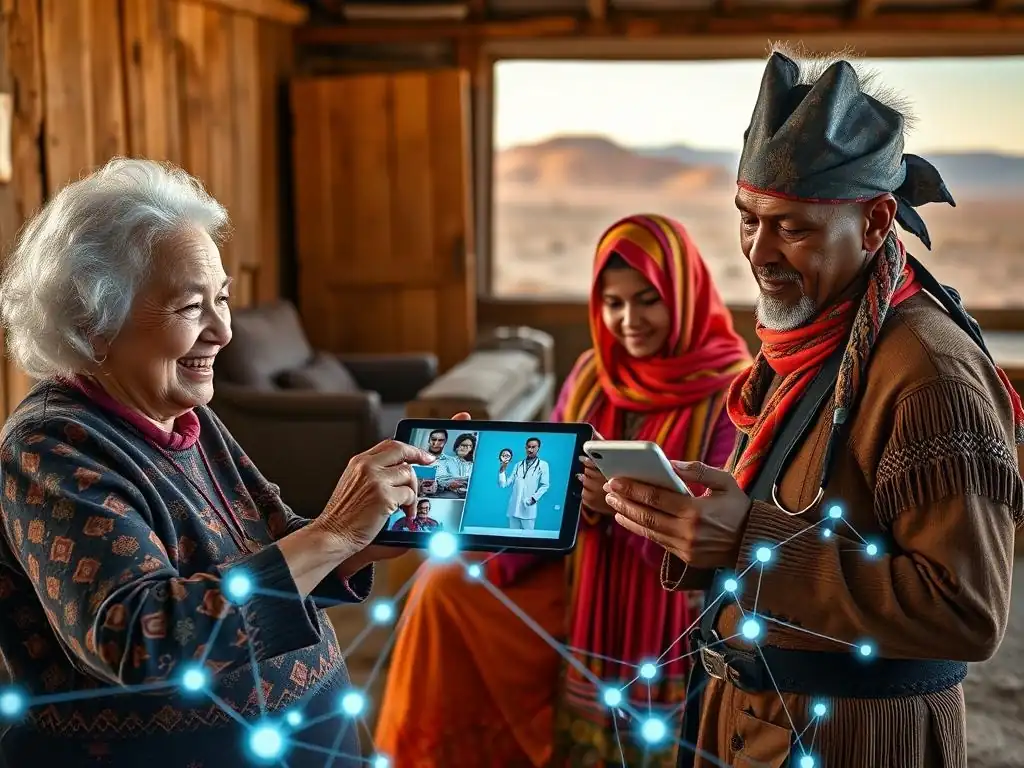
Welcome to Blockchain Trends, your guide to understanding the real-world impact of blockchain technology! Ever wondered how blockchain could revolutionize healthcare access for those who need it most? Dive into our latest article exploring blockchain telemedicine underserved communities, and discover how this innovative technology can bridge the gap and bring vital medical services to those currently left behind. The future of decentralized healthcare starts here.
- Telemedicine Accessibility for Underserved Communities: How Blockchain Can Bridge the Gap
- Blockchain Technology: A Potential Solution for Enhanced Telemedicine Access
- Use Cases: Blockchain-Powered Telemedicine for Underserved Communities
- Addressing the Barriers: Implementing Blockchain Telemedicine Solutions
- Blockchain and Telemedicine: Real-World Examples and Pilot Projects
- The Future of Blockchain in Telemedicine for Underserved Populations
- Conclusion: Blockchain's Transformative Potential for Equitable Telehealth Access
-
Frequently Asked Questions
- What is the role of blockchain in telemedicine?
- How can blockchain improve access to healthcare for underserved communities?
- What are some examples of blockchain applications in telemedicine?
- Are there any regulatory challenges to implementing blockchain in telemedicine?
- What is the future of blockchain in telemedicine for underserved communities?
- Final Reflection: Bridging the Divide with Innovation
- Unlock Telehealth Equity: Start Making a Difference Today!
Telemedicine Accessibility for Underserved Communities: How Blockchain Can Bridge the Gap
Introduction: The Promise of Telemedicine for Vulnerable Populations
Telemedicine holds immense promise for expanding healthcare access, particularly for populations traditionally underserved by the conventional healthcare system. These include individuals in rural areas, low-income communities, the elderly, and those with mobility challenges. By leveraging telecommunications technology, telemedicine can bring essential medical services directly to patients' homes, reducing the need for travel, minimizing wait times, and potentially lowering costs. This is especially critical in areas where healthcare facilities are scarce or specialists are unavailable, offering a lifeline for timely diagnosis, treatment, and chronic disease management.
The potential impact of telemedicine on health equity is significant. Studies have shown that telehealth services can improve health outcomes for specific conditions in underserved populations, such as better blood pressure control in hypertensive patients or improved management of diabetes. The convenience and accessibility offered by telemedicine can encourage preventative care visits and adherence to treatment plans, addressing some of the systemic barriers that prevent vulnerable individuals from seeking or receiving necessary medical attention. However, realizing this promise requires overcoming substantial challenges in infrastructure, digital literacy, and ensuring secure, private handling of sensitive patient data.
The Challenge: Limited Telemedicine Access in Underserved Areas
Geographical Barriers to Telehealth Adoption
Underserved communities, particularly those in rural or remote locations, often face significant geographical barriers that hinder traditional healthcare access. While telemedicine is designed to overcome these, the necessary infrastructure for effective telehealth adoption is frequently lacking. High-speed internet connectivity, crucial for reliable video consultations and data transfer, is often unavailable or prohibitively expensive in these areas.
According to a 2022 report, approximately 17% of the U.S. population, heavily concentrated in rural regions, still lacks access to adequate broadband internet speeds necessary for synchronous telemedicine services. This digital divide directly impacts the ability of residents in these areas to connect with healthcare providers remotely.
Beyond internet access, the physical distance to necessary support services, like pharmacies for prescriptions or laboratories for tests, can also limit the effectiveness of telemedicine. While a virtual visit can provide a diagnosis, patients in remote areas may still struggle to access follow-up care or necessary medical supplies. This highlights that telemedicine is not a standalone solution but requires integration with existing or new local resources, which are often sparse in the very communities that need telehealth the most.
Socioeconomic Factors Hindering Telemedicine Uptake
Socioeconomic disparities play a major role in limiting telemedicine access for underserved populations. Cost remains a significant barrier, encompassing not just the potential cost of the telemedicine visit itself, but also the cost of necessary equipment like smartphones, computers, or reliable internet plans. Many individuals in low-income communities may prioritize other essential expenses over investing in technology required for telehealth. Furthermore, even when devices are available, data plan costs can be prohibitive for video consultations, which consume considerable bandwidth.
Insurance coverage for telemedicine services can also be inconsistent, particularly for specific types of consultations or across different states and providers. While progress has been made, some services may not be fully reimbursed, leaving patients with unexpected out-of-pocket expenses. This financial uncertainty can deter individuals from utilizing telemedicine, reinforcing existing health inequities where those with fewer resources have less access to convenient care options, despite the potential cost savings telemedicine can offer in the long run by preventing costly emergency visits.
Digital Literacy and Technological Infrastructure Deficiencies
A significant challenge in deploying Blockchain telemedicine underserved communities solutions is the varying level of digital literacy among residents. Many individuals, especially the elderly or those with limited formal education in underserved areas, may lack the skills or confidence to navigate online platforms, install apps, or troubleshoot technical issues required for a telemedicine appointment. This digital skills gap can make accessing and utilizing telehealth services frustrating or even impossible, effectively excluding a portion of the population from this mode of care delivery.
Furthermore, the lack of adequate technological infrastructure extends beyond just internet speed. Access to suitable devices, webcams, microphones, and private spaces for consultations can be limited in low-income households or communities. Public access points like libraries may offer internet but lack the privacy needed for sensitive medical discussions. Addressing these infrastructure and literacy deficits is crucial; without them, the promise of telemedicine, even when enhanced by technologies like blockchain, remains out of reach for many who need it most.
Blockchain Technology: A Potential Solution for Enhanced Telemedicine Access
Blockchain's Core Features and Their Relevance to Telemedicine
Decentralization: Empowering Patients and Providers
Decentralization is a fundamental characteristic of blockchain technology, meaning that data is not stored in a single location but distributed across a network of computers. In the context of Blockchain telemedicine underserved communities, this feature can empower patients by giving them greater control over their own health data.
Instead of a single hospital or clinic holding exclusive access to their records, a blockchain-based system can allow patients to grant permissions to various providers securely and selectively. This is particularly beneficial for individuals who may seek care from multiple providers across different systems, common in underserved areas where patients might travel further for specialized care or rely on community clinics.
For providers, decentralization can reduce reliance on centralized, often siloed, institutional databases. This can facilitate smoother data exchange and care coordination, especially when patients move between different healthcare settings. A decentralized network can also enhance the resilience of the telemedicine system, as there is no single point of failure that could disrupt access to vital patient information or services. This distributed architecture aligns well with the goal of providing accessible and robust telemedicine options in areas where traditional infrastructure might be unreliable.
Security and Privacy: Protecting Sensitive Health Data
Blockchain's inherent cryptographic security features offer a robust solution for protecting sensitive health information within telemedicine platforms. Each transaction or data entry (like a medical record update) is encrypted and linked to the previous one, forming an immutable chain. This makes it extremely difficult for unauthorized parties to alter data without detection. For underserved communities, where trust in digital systems might be lower due to past experiences or lack of familiarity, this enhanced security is paramount. Patients need assurance that their private health information, including diagnoses, treatments, and personal identifiers, is safe from breaches or misuse.
Furthermore, blockchain can facilitate granular access controls. Patients can use private keys to authorize specific healthcare providers to view certain parts of their medical history for a defined period. This level of control over who sees what data significantly enhances privacy compared to traditional systems where data access might be broader or less transparent. Implementing Blockchain telemedicine underserved communities solutions with strong encryption and patient-controlled access is vital for building the necessary trust for widespread adoption, particularly among vulnerable populations concerned about data privacy.
Transparency and Auditability: Building Trust in Telehealth Systems
Transparency and auditability are key features of blockchain that can build trust in telemedicine systems, especially within underserved populations who might be wary of new technologies or remote interactions. While the content of sensitive data is encrypted, the fact that a transaction or data update occurred is recorded on the public or permissioned ledger. This creates an immutable audit trail of all data access and modifications. Any attempt to tamper with data would be immediately visible to network participants, making it virtually impossible to alter records undetected.
This auditability provides accountability for both patients and providers. Patients can see who accessed their records and when, increasing confidence in how their data is being handled. For providers and administrators, the transparent ledger simplifies compliance checks and can help identify potential fraudulent activity. In the context of Blockchain telemedicine underserved communities, this enhanced transparency can demystify the digital healthcare process, fostering a sense of security and reliability that encourages hesitant individuals to embrace telemedicine as a legitimate and trustworthy healthcare option.
Use Cases: Blockchain-Powered Telemedicine for Underserved Communities
Secure and Interoperable Electronic Health Records (EHRs) on the Blockchain
Improving Data Sharing and Care Coordination
One of the most impactful applications of blockchain in telemedicine for underserved communities is the creation of secure and interoperable Electronic Health Records (EHRs). Currently, patient records are often fragmented across different healthcare providers and systems, making it difficult to share crucial information, especially when patients receive care from multiple clinics or hospitals.
A blockchain-based EHR system allows a patient's medical history to be stored securely and shared seamlessly between authorized providers, regardless of their affiliation. For example, a patient in a rural area might see a local nurse practitioner via telemedicine and then a specialist in a distant city; a blockchain EHR ensures both providers have access to the same up-to-date medical information, improving continuity of care and reducing the risk of medical errors due to incomplete data.
Consider a scenario in Appalachia where a patient manages multiple chronic conditions. They might visit a community clinic for primary care, use telemedicine for remote consultations with a cardiologist, and require periodic visits to a regional hospital. Without interoperable records, each provider operates with only a partial view of the patient's health. A blockchain EHR, however, could provide a comprehensive, shared view, enabling better-coordinated care plans, more informed treatment decisions, and reducing the need for redundant tests, ultimately leading to better health outcomes for these complex cases in underserved areas.
Reducing Administrative Burden and Costs
Implementing blockchain for EHRs can significantly reduce the administrative burden associated with managing and sharing patient records. Traditional methods involve faxes, emails, or secure portals that require manual effort to transfer and integrate data. This process is time-consuming, prone to errors, and adds considerable cost to healthcare delivery. By automating the secure sharing of records via a blockchain network, healthcare providers can spend less time on administrative tasks and more time focusing on patient care. This is particularly beneficial in underserved communities where healthcare resources and staff are often limited.
Furthermore, streamlined data management through blockchain can lead to cost savings. Reducing the need for manual data entry, minimizing errors, and preventing duplicate tests driven by lack of information all contribute to operational efficiency. While initial investment in blockchain infrastructure is required, the long-term savings from improved data flow and reduced administrative overhead can make healthcare delivery more economically sustainable in underserved areas. A 2021 estimate suggested that improving healthcare data interoperability could save the U.S. healthcare system billions annually, a benefit that blockchain technology can help unlock, directly impacting the cost-effectiveness of Blockchain telemedicine underserved communities initiatives.
Blockchain-Based Identity Management for Telemedicine
Streamlining Patient Onboarding and Verification
For telemedicine to be effective, especially for new patients or those in mobile populations often found in underserved areas, a secure and efficient identity verification process is crucial. Traditional methods can be cumbersome, requiring physical documents or relying on centralized databases that may not be up-to-date. Blockchain-based identity management can create a secure, digital identity for each patient, verifiable across different healthcare providers and platforms. This streamlines the onboarding process for telemedicine visits, allowing patients to quickly and securely authenticate themselves without needing to present physical identification repeatedly.
Using a decentralized identity system, a patient in a remote area could create a verifiable digital identity tied to their blockchain profile. When scheduling a telemedicine appointment with a new provider, they can simply share their secure digital identity, which the provider can verify on the blockchain. This reduces administrative friction, making it easier for individuals to access telehealth services, particularly for those who may lack easy access to traditional identification methods or live in areas with limited administrative resources. This efficiency is vital for scaling Blockchain telemedicine underserved communities programs.
Preventing Fraud and Ensuring Data Integrity
Fraud is a significant concern in healthcare, including telemedicine, ranging from identity theft to fraudulent billing. Blockchain-based identity management enhances security by creating tamper-proof digital identities. Each identity is cryptographically secured on the ledger, making it extremely difficult for malicious actors to impersonate patients or providers. This ensures that only authorized individuals are accessing telemedicine services and associated health records, protecting both patient privacy and preventing financial losses due to fraudulent activity.
Moreover, linking patient identities to their healthcare interactions on the blockchain provides an immutable record of telemedicine visits, prescriptions issued, and services rendered. This ledger serves as a verifiable source of truth, making it easier to audit activities and detect anomalies that might indicate fraudulent behavior. For Blockchain telemedicine underserved communities initiatives, where resources are scarce and every dollar counts, preventing fraud is essential to maintaining the sustainability and integrity of the healthcare system serving these vulnerable populations.
Smart Contracts for Automated Reimbursement and Payments
Facilitating Efficient and Transparent Transactions
Smart contracts, self-executing contracts with the terms of the agreement directly written into code, can automate and streamline the complex process of healthcare reimbursement and payments in telemedicine. In traditional systems, billing and payment processing often involve multiple intermediaries, leading to delays, errors, and lack of transparency.
Using smart contracts, specific conditions for payment (e.g., a telemedicine consultation of a certain duration with a verified patient identity) can trigger automatic payment from a payer (like an insurance company or government program) directly to the healthcare provider. This reduces manual processing, speeds up payments, and provides a clear, auditable record of all financial transactions on the blockchain.
For providers serving underserved communities, who may operate on tighter margins or have limited administrative staff, efficient payment processing is crucial for financial viability. Smart contracts can ensure timely and accurate reimbursement for telemedicine services rendered, reducing the administrative burden of billing and chasing payments. This financial efficiency makes offering telemedicine services in these areas more sustainable and attractive for healthcare providers.
Reducing Billing Errors and Delays
Billing errors are common in healthcare and can lead to denied claims, delayed payments, and increased administrative costs for both providers and payers. Smart contracts can significantly reduce these errors by automating the billing process based on predefined, verifiable conditions recorded on the blockchain. Since the terms are coded and executed automatically, the risk of manual data entry errors or misinterpretations of billing codes is minimized. This accuracy ensures that providers are reimbursed correctly and promptly for the telemedicine services they provide.
The reduction in billing errors and delays facilitated by smart contracts improves the financial health of clinics and hospitals serving underserved areas, allowing them to allocate resources more effectively towards patient care rather than administrative disputes. By implementing smart contracts within Blockchain telemedicine underserved communities platforms, the entire payment ecosystem becomes more transparent, efficient, and reliable, benefiting both healthcare providers and the entities responsible for funding these vital services.
Addressing the Barriers: Implementing Blockchain Telemedicine Solutions
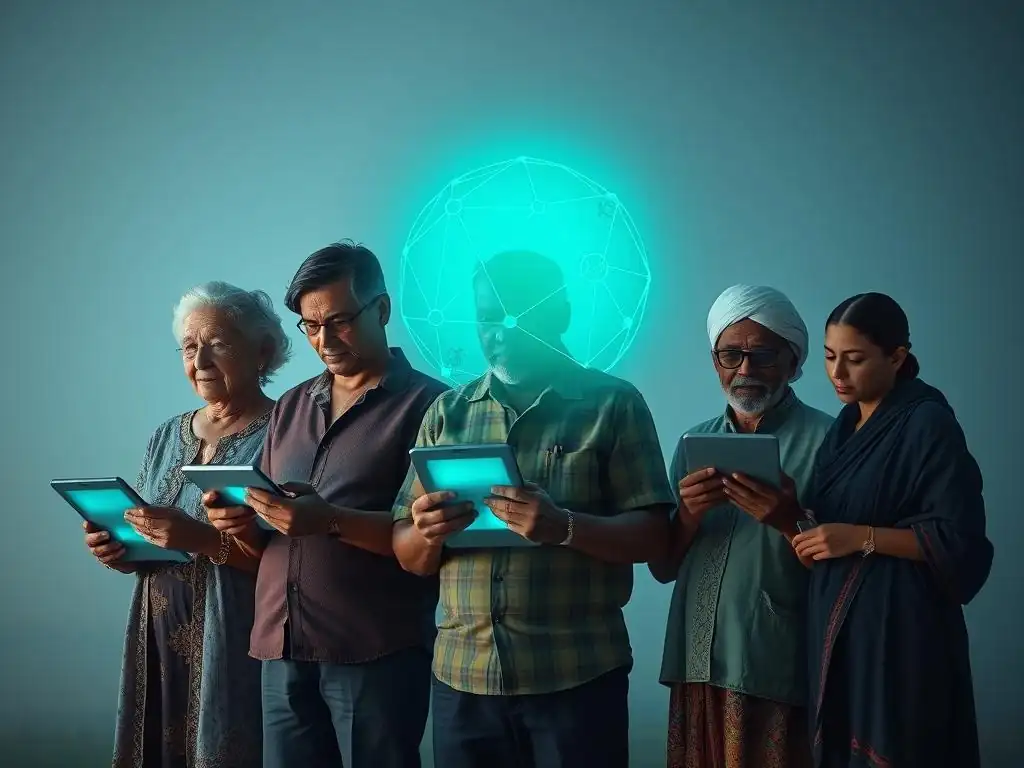
Overcoming Regulatory Hurdles and Legal Considerations
Implementing Blockchain telemedicine underserved communities solutions requires navigating a complex landscape of healthcare regulations and legal considerations. Existing laws, such as HIPAA in the United States, govern the privacy and security of patient health information. While blockchain offers enhanced security features, ensuring compliance with these regulations requires careful design and implementation, particularly regarding patient consent, data access controls, and the handling of immutable data in the context of the "right to be forgotten" or data deletion requirements. Regulatory bodies are still developing guidelines for blockchain in healthcare, creating uncertainty for implementers.
Furthermore, state-by-state variations in telemedicine regulations, provider licensing, and reimbursement policies add layers of complexity. Deploying a blockchain-based telemedicine system across multiple states or regions requires understanding and adhering to diverse legal requirements. Collaboration between technology developers, healthcare providers, legal experts, and policymakers is essential to establish clear guidelines and frameworks that facilitate the adoption of blockchain in telemedicine while ensuring patient protection and regulatory compliance. Pilot projects and sandboxes can help demonstrate the technology's capabilities within existing legal boundaries and inform future policy development.
Ensuring Data Privacy and Compliance with HIPAA
Ensuring robust data privacy and strict compliance with regulations like HIPAA is paramount when deploying blockchain in telemedicine for underserved communities. While blockchain's immutability and encryption offer strong security, the design of the system must prevent sensitive Protected Health Information (PHI) from being directly stored on a public or even permissioned blockchain where it could be inadvertently exposed. Instead, a common approach involves storing encrypted PHI off-chain in secure databases, with only cryptographic hashes or pointers stored on the blockchain ledger. Access to the off-chain data is then controlled via blockchain transactions and patient permissions.
Implementing granular access controls using private keys and smart contracts is critical to ensure that only authorized individuals or systems can access specific patient data, in accordance with HIPAA's minimum necessary rule. Consent management, allowing patients to explicitly grant and revoke access permissions, must also be seamlessly integrated into the blockchain telemedicine platform. Regular security audits and penetration testing are necessary to identify and mitigate potential vulnerabilities, ensuring that the system remains compliant and trustworthy for handling the sensitive health information of vulnerable populations.
Promoting Digital Inclusion and Training for Underserved Communities
Technological solutions like blockchain-enhanced telemedicine will only be effective for underserved communities if they are accessible and usable by the target population. This requires a concerted effort to promote digital inclusion and provide adequate training. Initiatives must go beyond simply providing access to technology; they must address the underlying digital literacy gaps. This could involve community-based training programs, partnerships with local libraries or community centers, and providing culturally sensitive educational materials on how to use telemedicine platforms and understand the benefits of secure data management.
Furthermore, the user interface of blockchain telemedicine applications must be intuitive and easy to navigate, even for individuals with limited technical experience. Simplifying complex concepts like digital identities or data permissions into user-friendly interfaces is crucial. Providing technical support channels that are easily accessible and responsive, perhaps through local community health workers or dedicated helplines, is also vital. Without investing in digital literacy and user support, the most technologically advanced Blockchain telemedicine underserved communities solution will fail to reach those who stand to benefit from it the most.
Blockchain and Telemedicine: Real-World Examples and Pilot Projects
MedBloc: A South Korean Example of Decentralized Healthcare Data Management
MedBloc is a notable example from South Korea demonstrating the potential of decentralized healthcare data management using blockchain. Launched by a consortium including hospitals and technology firms, MedBloc aims to create a patient-centric health data platform. While not exclusively focused on telemedicine for underserved communities, its core principles of giving patients control over their data and facilitating secure sharing among providers are highly relevant.
The platform allows patients to collect their scattered medical records from various hospitals onto their personal device, stored securely using blockchain technology. Patients can then decide which healthcare providers are allowed to access this aggregated data.
This patient-controlled approach addresses a key barrier in underserved areas: the difficulty patients often face in compiling their medical history from disparate sources when seeking care from different providers. By empowering patients with ownership and control over their data via a platform like MedBloc, it becomes easier for them to share relevant information during telemedicine consultations, leading to more informed diagnoses and treatment plans.
Although specific data on its impact on underserved populations in South Korea is not readily available, the model provides a tangible example of how blockchain can create a more fluid and secure healthcare data ecosystem, a prerequisite for effective Blockchain telemedicine underserved communities deployments.
BurstIQ: A Platform for Securely Sharing Healthcare Data
BurstIQ is another example of a company leveraging blockchain to create platforms for secure healthcare data management and sharing. Their platform focuses on managing complex relationships between individuals, their health data, and the entities (like providers, payers, or researchers) that need to interact with that data. BurstIQ uses blockchain to create secure, immutable records of data transactions and access permissions, enabling individuals to control who sees their health information and for what purpose.
While not solely a telemedicine platform, BurstIQ's underlying technology provides the necessary infrastructure for secure data exchange vital for telemedicine, particularly in scenarios involving multiple providers or data sources. Their focus on data privacy and security aligns with the critical needs of underserved communities concerned about the confidentiality of their health information during remote consultations. The platform's ability to handle diverse types of data, from clinical records to genomic information, demonstrates the scalability and flexibility that could support comprehensive Blockchain telemedicine underserved communities initiatives, provided the necessary digital infrastructure and user training are in place.
The Future of Blockchain in Telemedicine for Underserved Populations
Potential for Scalability and Widespread Adoption
The future of blockchain in telemedicine for underserved populations hinges significantly on its potential for scalability and widespread adoption. As blockchain technology matures and infrastructure costs decrease, deploying decentralized telemedicine platforms becomes more feasible. The peer-to-peer nature of blockchain networks can handle increasing volumes of data and users without relying on expensive centralized servers, offering a scalable solution for reaching large, dispersed populations. Furthermore, the development of more user-friendly interfaces and standardized protocols will be crucial for encouraging adoption among both patients and healthcare providers in underserved areas.
Achieving widespread adoption will require collaborative efforts involving government agencies, healthcare organizations, technology companies, and community leaders. Pilot projects demonstrating the tangible benefits of Blockchain telemedicine underserved communities solutions – such as improved patient outcomes, reduced costs, and enhanced data security – will be key to building trust and overcoming resistance to change. As more success stories emerge and regulatory clarity increases, the path for scaling these initiatives to serve millions in need will become clearer.
Integration with Emerging Technologies like AI and IoT
The integration of blockchain with other emerging technologies like Artificial Intelligence (AI) and the Internet of Medical Things (IoMT) holds significant promise for enhancing telemedicine capabilities for underserved communities. AI can be used to analyze the secure, aggregated health data stored or referenced on the blockchain to provide personalized health insights, predict potential health risks, or assist providers in diagnosis, particularly in areas lacking specialist expertise. For example, an AI algorithm could analyze a patient's blockchain-secured medical history and data from wearable IoMT devices to alert them or their remote provider to early signs of a deteriorating chronic condition.
IoMT devices, such as remote patient monitoring tools for blood pressure, glucose levels, or vital signs, can collect real-time health data. Blockchain can provide a secure and immutable ledger for storing and managing this sensitive IoMT data, ensuring its integrity and privacy as it is transmitted to healthcare providers via telemedicine platforms. This integration allows for more proactive and data-driven remote care, enabling timely interventions that can prevent hospitalizations and improve health outcomes in underserved populations, creating a more comprehensive Blockchain telemedicine underserved communities ecosystem.
Overcoming Challenges and Fostering Collaboration
Despite the significant potential, realizing the future of blockchain in telemedicine for underserved populations requires overcoming substantial challenges. The high cost of initial implementation, the need for specialized technical expertise, and the inherent complexity of the technology remain barriers to widespread adoption, especially for resource-constrained organizations serving these communities. Furthermore, ensuring the long-term sustainability of these initiatives requires robust funding models and ongoing technical support.
Fostering collaboration is key to addressing these challenges. Partnerships between public health agencies, non-profit organizations, healthcare providers in underserved areas, and blockchain technology companies can pool resources, share knowledge, and develop tailored solutions. Community engagement is also vital to understand the specific needs and preferences of the target population, ensuring that blockchain telemedicine solutions are designed with user accessibility and cultural appropriateness in mind. Only through sustained collaboration and a focus on the unique needs of underserved communities can the transformative potential of Blockchain telemedicine underserved communities be fully unlocked.
Conclusion: Blockchain's Transformative Potential for Equitable Telehealth Access
Key Takeaways: Blockchain Telemedicine and Underserved Communities
The journey towards equitable healthcare access for underserved communities is complex, but telemedicine offers a promising path forward. However, its full potential is hindered by significant barriers including geographical isolation, socioeconomic disparities, and technological limitations. Blockchain technology, with its core features of decentralization, security, privacy, transparency, and auditability, presents a powerful tool to address these challenges. By enabling secure, interoperable EHRs, robust identity management, and automated payments via smart contracts, blockchain can build a more trustworthy, efficient, and patient-centric telemedicine ecosystem.
Real-world examples and pilot projects, like MedBloc and platforms from BurstIQ, demonstrate the feasibility of using blockchain for secure health data management, a critical component of effective telemedicine. While challenges related to regulation, privacy compliance, and digital inclusion persist, they are not insurmountable. Strategic implementation, focused training, and collaborative partnerships are essential to ensure that blockchain-enhanced telemedicine truly reaches and benefits the populations most in need. The integration with emerging technologies like AI and IoMT further amplifies the potential for proactive and personalized remote care in these areas.
Call to Action: Promoting Blockchain Adoption for Accessible Healthcare
To fully leverage the transformative potential of Blockchain telemedicine underserved communities, a concerted effort is required from various stakeholders. Healthcare providers and organizations serving these populations should explore pilot programs and partnerships to test and implement blockchain-based solutions. Technology developers must focus on creating user-friendly, affordable, and interoperable blockchain platforms tailored to the specific needs and infrastructure limitations of underserved areas. Policymakers and regulatory bodies need to provide clear guidance and supportive frameworks that encourage innovation while safeguarding patient data and ensuring compliance.
Funding bodies and investors should prioritize initiatives that deploy blockchain telemedicine solutions in underserved communities, recognizing the potential for significant social impact and improved health outcomes. Finally, community leaders and public health advocates play a crucial role in promoting digital literacy, building trust in new technologies, and ensuring that the voices and needs of underserved residents are central to the design and implementation of these systems. By working together, we can harness blockchain technology to build a future where high-quality, accessible telemedicine is a reality for everyone, regardless of where they live or their socioeconomic status.
Frequently Asked Questions
What is the role of blockchain in telemedicine?
Blockchain technology provides secure, transparent, and efficient data management solutions, which can enhance patient privacy and data interoperability in telemedicine.
How can blockchain improve access to healthcare for underserved communities?
By utilizing decentralized networks, blockchain can lower costs and eliminate barriers, making telemedicine services more accessible to underserved populations.
What are some examples of blockchain applications in telemedicine?
Applications include secure patient records, smart contracts for service agreements, and platforms that facilitate direct communication between patients and providers.
Are there any regulatory challenges to implementing blockchain in telemedicine?
Yes, there are regulatory hurdles related to data privacy laws, such as HIPAA in the U.S., that must be addressed to ensure compliance when using blockchain in healthcare.
What is the future of blockchain in telemedicine for underserved communities?
The future looks promising, with potential for increased accessibility, better health outcomes, and the ability to leverage data for improved healthcare services tailored to the needs of underserved communities.
Final Reflection: Bridging the Divide with Innovation
The exploration of blockchain's potential to revolutionize telemedicine accessibility for underserved communities underscores a critical truth: technology, when ethically applied, can be a powerful equalizer. The challenges of healthcare access, particularly in marginalized areas, are deeply entrenched, but the decentralized and secure nature of blockchain offers a tangible pathway toward overcoming these barriers and fostering a more equitable healthcare landscape.
This journey into the intersection of blockchain, telemedicine, and social justice has profoundly impacted my understanding of technology's potential for good. It's a stark reminder that innovation should always be guided by a commitment to inclusivity and accessibility. The ultimate test of our technology is whether it leaves the world a better place for all.
This sentiment resonates deeply, urging us to consider the ethical implications of technological advancements and to actively work towards ensuring that they benefit all members of society, especially those who are most vulnerable.
Now, as we conclude this exploration, I invite you to consider your own role in shaping the future of healthcare. How can you contribute to bridging the digital divide and ensuring that everyone, regardless of their location or socioeconomic status, has access to the care they deserve? Let us embrace the transformative power of blockchain and other innovative technologies, not just for their technological prowess, but for their potential to create a healthier, more just, and more equitable world for all.
Unlock Telehealth Equity: Start Making a Difference Today!
Thank you for exploring how blockchain can revolutionize telemedicine access for underserved communities. You've gained valuable insights into the potential for a more equitable and efficient healthcare system. Now, let's put that knowledge into action!
Here's how you can contribute to a future where everyone has access to quality healthcare:
- Champion the cause: Contact your local representatives and advocate for policies that support blockchain-based telemedicine initiatives in underserved areas.
- Explore further: Research existing blockchain-based telemedicine projects and identify potential avenues for collaboration or contribution. Discover how you or your organization can get involved.
- Spread the word: Share this article with your network to raise awareness about the potential of blockchain to bridge the healthcare gap. Start a conversation and inspire others to take action!
How will you leverage the power of blockchain to help build a more accessible and equitable telehealth system for underserved communities? Share your thoughts in the comments below!
Leave a Reply