
Building a Trustworthy Web: BlockchainEnabled Content Provenance for All


Welcome to Blockchain Trends, your compass in the rapidly evolving world of decentralized technology! Beyond the hype, lies a revolution reshaping industries. But how can we ensure trust and authenticity in the digital age? Delve into our exploration of blockchain content provenance verification and discover how this groundbreaking application is building a more trustworthy web, one block at a time. Prepare to uncover the potential for verifiable truth in a world saturated with information.
- Introduction: The Need for Content Provenance in a Distrustful Digital Landscape
-
Frequently Asked Questions
- How does blockchain technology help with content provenance verification?
- What are the benefits of using blockchain for content provenance verification beyond just copyright protection?
- What are the key challenges in implementing blockchain-enabled content provenance verification systems?
- How can blockchain help address the issue of deepfakes and manipulated media?
- What are the potential regulatory implications of using blockchain for content provenance verification?
- Final Reflection: Securing Truth in the Digital Age
- Unearth the Truth: Start Building a More Trustworthy Web!
Introduction: The Need for Content Provenance in a Distrustful Digital Landscape
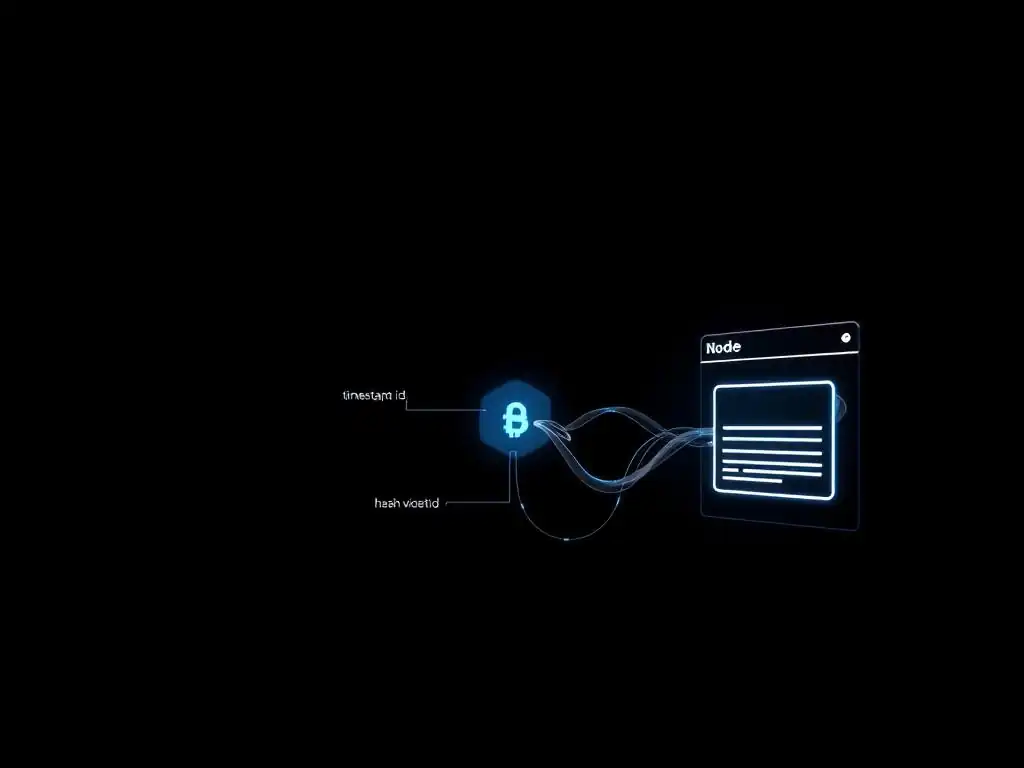
The Spread of Misinformation: Understanding the Crisis of Online Trust
The internet, once envisioned as a democratizing force for information, is now grappling with a profound crisis of trust. The sheer volume of online content, coupled with the ease of content manipulation and dissemination via social media, has created fertile ground for the proliferation of misinformation and disinformation. Studies from institutions like MIT have shown that false news stories on platforms like Twitter can spread six times faster than true stories, reaching a wider audience in a fraction of the time.
This rapid and unchecked spread erodes public trust in institutions, media outlets, and even online platforms themselves. The consequences are far-reaching, influencing public opinion, political discourse, and even individual behavior, as seen in the spread of vaccine hesitancy fueled by online falsehoods during the COVID-19 pandemic. This environment necessitates robust solutions for verifying the origin and integrity of digital content.
Furthermore, the rise of sophisticated AI-driven tools makes it increasingly difficult to distinguish between authentic and fabricated content. Deepfakes, for example, can convincingly mimic individuals' voices and likenesses, creating entirely synthetic yet believable videos that can be used for malicious purposes, from political manipulation to reputational damage. The increasing sophistication of these technologies, combined with the virality of online platforms, amplifies the potential harm of misinformation.
Traditional fact-checking methods, while valuable, often struggle to keep pace with the speed and scale of online content creation and dissemination. This necessitates a shift towards more proactive and technologically advanced approaches to content verification.
The Importance of Provenance: Protecting Creators, Consumers, and Reputations
Content provenance, the documented history of a piece of content's origin and ownership, is becoming increasingly vital in navigating this distrustful digital landscape. For creators, provenance establishes clear authorship and intellectual property rights. Artists, journalists, and researchers rely on attribution and recognition for their work, and provenance mechanisms can ensure they receive due credit and fair compensation.
In the creative industries, copyright infringement and plagiarism are rampant. A study by the European Union Intellectual Property Office (EUIPO) estimated that the economic cost of counterfeiting and piracy in sectors like music, film, and software amounted to €60 billion annually in the EU alone. Content provenance can provide a verifiable record of creation, helping to combat these issues and protect creators' livelihoods.
For consumers, content provenance offers a crucial tool for discerning credible information from misinformation. Knowing the origin and history of a news article, a scientific study, or a product review allows individuals to make more informed decisions. In sectors like pharmaceuticals and food supply chains, provenance is critical for ensuring product safety and authenticity, protecting consumers from counterfeit goods and potentially harmful products. Reputations, both individual and organizational, are also deeply intertwined with content provenance.
Businesses and public figures are vulnerable to reputational damage from manipulated or falsely attributed content. Verifiable provenance can help organizations demonstrate the authenticity of their communications and defend against malicious misinformation campaigns. In essence, content provenance builds trust across the digital ecosystem, benefiting all stakeholders.
Blockchain for Provenance: Introducing Immutable Content Verification
Blockchain technology offers a compelling solution to the challenges of content provenance verification. Its inherent characteristics of immutability, transparency, and decentralization make it uniquely suited for establishing and maintaining trustworthy records of content origin and history. Unlike traditional centralized databases, blockchain's distributed nature eliminates single points of failure and makes data tampering extremely difficult. Once information is recorded on a blockchain, it becomes virtually impossible to alter or delete, creating a permanent and auditable record. This immutability is fundamental for establishing trust in content provenance systems.
Furthermore, blockchain's transparency allows for public or permissioned access to provenance records, depending on the specific implementation. This transparency fosters accountability and enables independent verification of content origin and history. The decentralized nature of blockchain removes reliance on central authorities, reducing the risk of censorship or manipulation by single entities.
By leveraging cryptographic techniques and consensus mechanisms, blockchain ensures the integrity and authenticity of provenance data. This transformative technology offers the potential to rebuild trust in the digital world by providing a robust and verifiable foundation for content provenance, addressing the critical need for blockchain content provenance verification across various sectors.
Frequently Asked Questions
How does blockchain technology help with content provenance verification?
Blockchain provides a decentralized and immutable ledger to record the creation, modification, and ownership history of digital content. This transparent audit trail makes it difficult to forge or manipulate information, thus enhancing trust.
What are the benefits of using blockchain for content provenance verification beyond just copyright protection?
Beyond copyright, blockchain enables tracking the authenticity of news articles, scientific data, and even artwork. This can combat misinformation, ensure data integrity, and establish clear ownership rights in various contexts.
What are the key challenges in implementing blockchain-enabled content provenance verification systems?
Scalability, interoperability, and user adoption are significant challenges. Integrating existing content management systems and ensuring the system is user-friendly for creators and consumers is also crucial for success.
How can blockchain help address the issue of deepfakes and manipulated media?
By recording the origin and modifications to media files, blockchain can provide a verifiable record. This allows users to trace the provenance of content and identify potentially altered or fabricated media, thus mitigating the spread of deepfakes.
What are the potential regulatory implications of using blockchain for content provenance verification?
Regulatory frameworks surrounding data privacy, intellectual property, and digital content ownership will need to adapt to blockchain-based systems. Clear guidelines are needed to address issues such as data storage, cross-border data transfer, and liability for content manipulation.
Final Reflection: Securing Truth in the Digital Age
The journey towards a trustworthy web, as explored through blockchain content provenance verification, is not merely a technological pursuit; it's a fundamental necessity in an era saturated with misinformation. The ability to trace the origin and authenticity of digital content, powered by the immutable nature of blockchain, is no longer a futuristic concept but a critical tool for safeguarding truth and fostering informed decision-making in our increasingly interconnected world.
The impact of verifiable content provenance extends far beyond combating fake news; it empowers creators, protects intellectual property, and builds a foundation of trust that is essential for a healthy digital ecosystem. This pursuit resonates deeply because it speaks to the core of our shared human experience: the desire for truth and the right to access reliable information. In an age of information overload, the ability to discern truth from falsehood is paramount. Blockchain offers a powerful mechanism to restore trust and empower individuals to navigate the digital landscape with confidence.
As we conclude this exploration of blockchain-enabled content provenance, I invite you to consider your own role in shaping a more trustworthy web. How can you leverage these technologies, advocate for their adoption, and contribute to a future where truth prevails? Let us all strive to be informed consumers and responsible creators, actively participating in the construction of a digital world built on transparency, accountability, and unwavering trust.
Unearth the Truth: Start Building a More Trustworthy Web!
Thank you for exploring how blockchain can revolutionize content provenance. Now that you've seen the potential for creating a more transparent and reliable online world, it's time to take action and help build a future where information is trustworthy.
Here's how you can get involved:
- Begin researching and advocating for blockchain-based content verification systems in your field. Applying this knowledge directly can make a meaningful impact.
- Share this article with your network to raise awareness about the importance of verifiable content in combating misinformation.
- Explore open-source blockchain projects focused on digital identity and content authentication. Consider contributing or even launching your own initiatives!
What steps will you take to ensure the information you consume and share is authentic and trustworthy? Share your thoughts in the comments below!
Leave a Reply