
Participating in Events in Decentralized Metaverses: Immersive Virtual Experiences

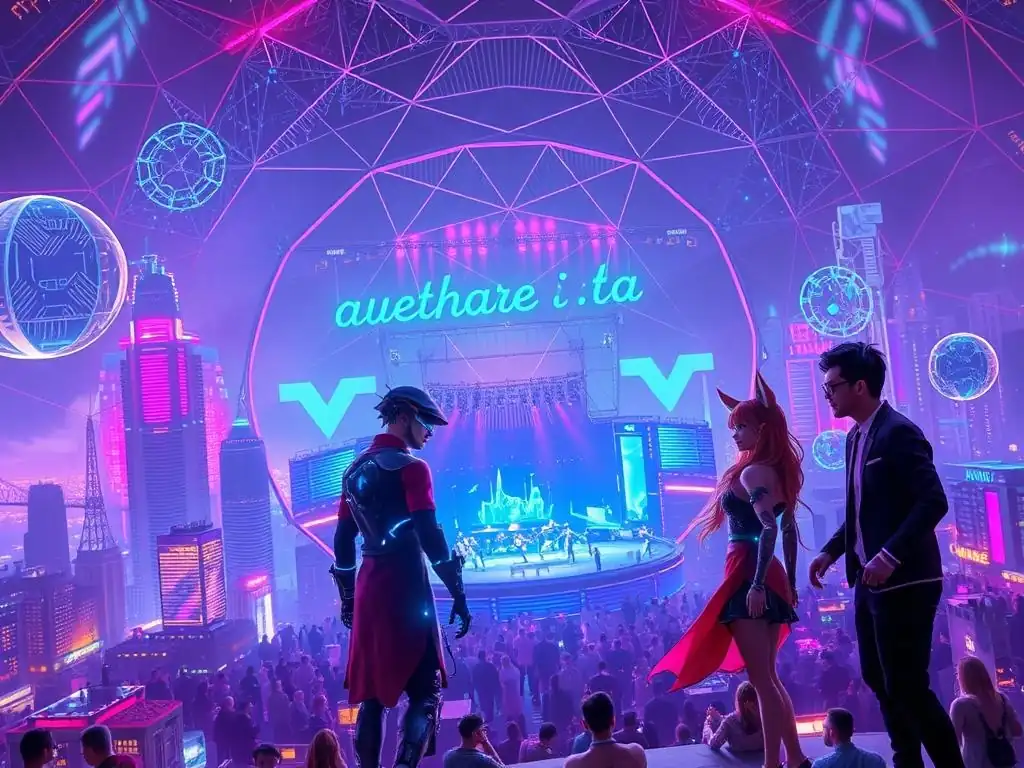
Welcome to Blockchain Trends, your guide to understanding the real-world impact of blockchain technology!
Imagine a future where event attendance transcends physical boundaries, offering immersive experiences within decentralized metaverses. But how does blockchain revolutionize this space? Our in-depth exploration of Decentralized Metaverse Event Attendance uncovers the groundbreaking potential and key considerations for participating in these virtual gatherings. Dive in to discover how blockchain is shaping the future of events and creating new possibilities for connection and engagement. Intrigued? Let's explore!
Participating in Events in Decentralized Metaverses: Immersive Virtual Experiences
- Introduction: The Rise of Decentralized Metaverse Events
- What is Decentralized Metaverse Event Attendance?
- Benefits of Attending Events in Decentralized Metaverses
- Preparing for Decentralized Metaverse Event Attendance
- Navigating Event Spaces in Decentralized Metaverses
- Maximizing Your Experience at Decentralized Metaverse Events
- Examples of Successful Decentralized Metaverse Events
- Challenges and Considerations for Decentralized Metaverse Event Attendance
- The Future of Decentralized Metaverse Events
- Conclusion: Embracing the Potential of Decentralized Metaverse Event Attendance
-
Frequently Asked Questions
- How does blockchain technology enhance event attendance in decentralized metaverses?
- What are the benefits of using NFTs for ticketing in decentralized metaverse events?
- What role does Decentralized Finance (DeFi) play in facilitating transactions at metaverse events?
- How can decentralized autonomous organizations (DAOs) influence the organization and governance of metaverse events?
- What are some potential regulatory challenges associated with hosting events in decentralized metaverses?
- Final Reflection: Embracing the Decentralized Metaverse
- Unlock Your Metaverse Adventure Today!
Introduction: The Rise of Decentralized Metaverse Events
Exploring the Growing Popularity of Virtual Events in Decentralized Worlds
The landscape of events is undergoing a significant transformation, moving beyond physical venues to embrace the boundless potential of virtual environments. This shift has been accelerated by advancements in digital technology and a growing desire for accessible and globally connected experiences. Initially, centralized platforms hosted virtual events, offering a digital alternative to traditional conferences and gatherings.
However, a new paradigm is emerging, one powered by blockchain technology and decentralized principles, promising a more immersive, engaging, and user-centric event experience. Decentralized metaverse event attendance is not just a trend; it's a fundamental shift in how we connect, learn, and celebrate in the digital age.
The appeal of virtual events in decentralized worlds stems from several key factors. Firstly, accessibility is dramatically enhanced. Geographical barriers dissolve, allowing individuals from anywhere in the world to participate without the constraints of travel costs and logistical hurdles.
Secondly, decentralized platforms often foster a stronger sense of community and ownership. Unlike centralized platforms where users are primarily consumers, decentralized metaverses empower participants with a degree of control and influence over the environment and the events themselves. This transition marks a move from passive consumption to active participation in the evolution of virtual experiences, making decentralized metaverse event attendance an increasingly attractive proposition.
Understanding Immersive Experiences in Blockchain-Based Metaverses
Blockchain-based metaverses are not simply virtual meeting spaces; they are designed to be immersive digital realms that replicate and, in many ways, enhance real-world interactions. Immersion in these environments is achieved through a combination of technologies, including virtual reality (VR), augmented reality (AR), and advanced 3D graphics. Users are represented by avatars, allowing them to embody a digital identity and navigate these virtual worlds, interacting with other participants and the environment in real-time. This sense of presence is crucial for creating engaging and memorable event experiences within the decentralized metaverse.
Furthermore, the integration of blockchain technology adds a unique layer of immersion that goes beyond visual and auditory elements. Decentralization introduces concepts like digital ownership, verifiable scarcity, and community governance, which fundamentally alter the dynamics of virtual interactions. For example, attendees can own digital assets within the metaverse, such as virtual land, avatars, or event collectibles represented as NFTs.
This ownership creates a deeper sense of investment and belonging, transforming the event experience from a passive viewing to an active participation in a digital economy and community. Understanding these immersive aspects is key to grasping the transformative potential of decentralized metaverse event attendance.
What is Decentralized Metaverse Event Attendance?
Defining Decentralized Event Platforms
Decentralized event platforms are virtual environments built on blockchain technology that host a variety of events, ranging from conferences and concerts to art exhibitions and social gatherings. Unlike traditional online event platforms that are controlled by a single entity, decentralized platforms operate on a distributed network, typically leveraging blockchain for governance, transactions, and data management. This decentralization is not merely a technical feature; it fundamentally impacts the user experience, offering greater transparency, user empowerment, and new economic models for event organizers and attendees alike.
These platforms often utilize cryptocurrencies and NFTs (Non-Fungible Tokens) to facilitate transactions and represent digital ownership within the metaverse. Examples of decentralized event platforms include Decentraland, The Sandbox, and Cryptovoxels, each offering unique features and communities. These platforms are characterized by their open and permissionless nature, allowing users to participate without centralized control and often fostering a community-driven approach to content creation and event organization. Decentralized metaverse event attendance, therefore, involves engaging with events hosted within these blockchain-powered virtual worlds, experiencing a fundamentally different paradigm compared to traditional online events.
Key Characteristics of Events in Blockchain-Powered Metaverses: Interactivity and Ownership
Events in blockchain-powered metaverses are distinguished by several key characteristics, most notably interactivity and ownership. Interactivity in these virtual spaces goes far beyond simple video conferencing or chat functionalities. Attendees can actively explore the virtual environment, interact with objects, participate in games and activities, and engage in real-time conversations with other participants through their avatars. This level of interactivity fosters a sense of presence and engagement that is often lacking in traditional online events.
Ownership, facilitated by blockchain and NFTs, is another defining feature. Within decentralized metaverse events, attendees may have the opportunity to own digital assets, such as virtual tickets represented as NFTs, limited-edition event merchandise, or even virtual land where events are hosted. This ownership model empowers users, giving them verifiable control over their digital assets and often enabling new forms of monetization and participation.
For instance, owning a virtual ticket NFT could grant access to exclusive areas within an event or provide future benefits within the metaverse. This blend of heightened interactivity and digital ownership is central to the appeal and uniqueness of decentralized metaverse event attendance.
How Decentralization Changes the Event Experience
Decentralization fundamentally reshapes the event experience in several crucial ways. Firstly, it shifts power from centralized organizers to the community and individual users. In traditional event platforms, organizers have complete control over the platform, the rules, and the revenue streams. In decentralized metaverses, governance is often distributed, allowing users to participate in decision-making processes and influence the direction of the platform and its events. This can be achieved through DAOs (Decentralized Autonomous Organizations) or other community-driven mechanisms.
Secondly, decentralization fosters greater transparency and trust. Blockchain technology ensures that transactions and data are recorded on a public ledger, making event ticketing, asset ownership, and platform operations more transparent and verifiable. This reduces the risk of fraud and manipulation, building trust among participants and event organizers.
Finally, decentralization unlocks new economic models. Creators and event organizers can directly monetize their content and events through NFTs and cryptocurrency payments, bypassing traditional intermediaries and potentially receiving a larger share of the revenue. For attendees, decentralized metaverse event attendance can offer opportunities to earn digital assets, participate in virtual economies, and become active stakeholders in the event ecosystem.
Benefits of Attending Events in Decentralized Metaverses
Enhanced User Engagement and Immersion
One of the most significant benefits of attending events in decentralized metaverses is the enhanced level of user engagement and immersion. Unlike passive viewing experiences offered by traditional online events, decentralized metaverses provide interactive and dynamic environments that actively involve participants. Attendees can explore virtual venues, personalize their avatars, and engage in real-time interactions with other attendees and speakers. This active participation fosters a stronger sense of presence and connection, leading to more memorable and impactful event experiences.
Consider a virtual conference in a decentralized metaverse. Instead of watching a webinar, attendees can walk through a virtual conference hall, visit different booths, interact with exhibitors' avatars, and even participate in impromptu conversations with other attendees they encounter. This level of spatial and social interaction mirrors the experience of attending a physical event, but with the added benefits of digital flexibility and global accessibility. This heightened engagement makes decentralized metaverse event attendance a more captivating and effective way to learn, network, and participate in events.
New Opportunities for Networking and Community Building
Decentralized metaverse events offer novel opportunities for networking and community building that surpass the limitations of traditional online platforms and even physical events in some aspects. The immersive nature of these virtual worlds encourages more organic and spontaneous interactions. Avatars navigating shared virtual spaces can easily initiate conversations, join groups, and form connections based on shared interests or event activities. This fosters a sense of community that is often more difficult to cultivate in conventional online settings.
Furthermore, decentralized metaverses are inherently global platforms, bringing together individuals from diverse backgrounds and geographical locations. This global reach expands networking opportunities significantly, allowing attendees to connect with people they might not otherwise encounter. Virtual events in these spaces can also incorporate interactive networking activities, such as virtual games, scavenger hunts, or collaborative building projects, further facilitating social interaction and community bonding. The decentralized metaverse event attendance experience, therefore, becomes not just about consuming content, but also about actively participating in a global community.
Creator Empowerment and Monetization in Virtual Events
Decentralized metaverses are revolutionizing the creator economy within the event space, offering unprecedented opportunities for empowerment and monetization. In traditional event models, creators often rely on centralized platforms and intermediaries, which can take a significant portion of their revenue and limit their control. Decentralized platforms, leveraging blockchain technology, enable creators to directly connect with their audience and monetize their work without these intermediaries.
Through NFTs, creators can offer unique digital assets related to their events, such as virtual tickets, merchandise, or exclusive content. These NFTs can be sold directly to attendees, providing creators with a direct revenue stream. Furthermore, the scarcity and verifiable ownership of NFTs can increase their value, creating new opportunities for creators to build sustainable businesses around their virtual events. This creator empowerment is a key driver in the growth and innovation within decentralized metaverse event attendance, fostering a more equitable and sustainable ecosystem for virtual experiences.
Digital Asset Ownership and Event Collectibles (NFTs)
The concept of digital asset ownership is central to the decentralized metaverse event experience, primarily through the use of NFTs as event collectibles. NFTs provide verifiable proof of ownership for unique digital items, transforming virtual event memorabilia from ephemeral screenshots to valuable and tradable assets. Event organizers can issue limited-edition NFTs as virtual tickets, commemorative items, or access passes to exclusive areas or future events.
For attendees, collecting event NFTs adds a layer of engagement and gamification to the experience. These digital collectibles can represent participation in a specific event, acknowledge achievements within the virtual world, or simply serve as a unique memento of their decentralized metaverse event attendance. Beyond their collectible value, NFTs can also unlock utilities, such as access to future events, exclusive content, or even voting rights within the metaverse community. This integration of digital asset ownership through NFTs is a defining characteristic of decentralized metaverse events, creating new forms of value and engagement for both organizers and attendees.
Preparing for Decentralized Metaverse Event Attendance
Choosing the Right Decentralized Metaverse Platform for Events
Selecting the appropriate decentralized metaverse platform is crucial for a successful event attendance experience. Different platforms cater to various needs and communities, each with its own unique features, aesthetics, and functionalities. Factors to consider when choosing a platform include the type of event, the target audience, the desired level of immersion, and the specific functionalities offered by the platform.
For example, Decentraland is known for its open, browser-based access and strong community focus, while The Sandbox offers more robust game-like environments and tools for user-generated content creation. Cryptovoxels focuses on a minimalist, voxel-art style and is popular for virtual art galleries and exhibitions.
Researching different platforms and even experimenting with a few before committing to a specific event is advisable. Consider attending smaller, free events on different platforms to familiarize yourself with their interfaces, community dynamics, and technical requirements. Reading reviews and community forums can also provide valuable insights into the user experience and suitability of different platforms for decentralized metaverse event attendance. The "right" platform will depend on individual preferences and the specific goals of event participation.
Setting Up Your Digital Identity and Avatar
Creating and customizing your digital identity and avatar is a fundamental step in preparing for decentralized metaverse event attendance. Your avatar is your representation within the virtual world, and it plays a significant role in how you interact with others and experience the event. Most decentralized metaverse platforms offer avatar customization options, ranging from basic pre-set models to more detailed and personalized creations. Consider selecting an avatar that reflects your personality or the desired persona you wish to project within the virtual event.
Beyond visual customization, some platforms also allow for functional aspects of avatars, such as equipping them with virtual items or accessories, some of which might be NFTs conferring special abilities or visual flair. It's also important to choose a username or digital identity that is memorable and professional, especially for networking events. Taking the time to set up a compelling and representative avatar enhances the overall immersive experience and facilitates smoother interactions during decentralized metaverse event attendance.
Understanding the Platform's Native Token and Economy
Each decentralized metaverse platform typically has its own native cryptocurrency token that powers its internal economy. Understanding this token and the platform's economic system is essential for participating in events and activities. These tokens are often used for transactions within the metaverse, such as purchasing virtual land, avatars, digital assets (NFTs), or accessing premium event features. Familiarizing yourself with the platform's tokenomics, including how to acquire and use the token, is a practical step in preparing for decentralized metaverse event attendance.
For example, Decentraland uses MANA, The Sandbox uses SAND, and Cryptovoxels uses COLR. Understanding the purpose and utility of these tokens, as well as their market value, will enable you to participate fully in the metaverse economy during events. This may involve setting up a cryptocurrency wallet compatible with the platform and acquiring some of the native token to engage in transactions, purchase event-related NFTs, or simply support creators within the virtual environment.
Securing Your Digital Assets: Wallet Management for Metaverse Events
Security is paramount when participating in decentralized metaverse events, especially when dealing with digital assets like cryptocurrencies and NFTs. Proper wallet management is crucial for safeguarding your digital identity and assets during decentralized metaverse event attendance. Utilize secure and reputable cryptocurrency wallets that are compatible with the chosen metaverse platform and the relevant blockchain network (e.g., Ethereum, Polygon). Hardware wallets offer an extra layer of security by storing your private keys offline.
Always practice safe wallet management habits. Never share your private keys or seed phrases with anyone. Be cautious of phishing attempts and only connect your wallet to trusted and verified metaverse platforms and event sites. Regularly back up your wallet and keep your software updated. Understanding and implementing robust wallet security practices is essential for a safe and enjoyable experience when engaging in decentralized metaverse event attendance and interacting with the digital economies within these virtual worlds.
Interacting with Other Attendees and Speakers
Navigating social interactions is a key aspect of decentralized metaverse event attendance. Metaverses offer various ways to communicate and engage with other attendees and speakers, mimicking and sometimes enhancing real-world interactions. Utilize the communication tools provided by the platform, which typically include text chat, voice chat, and sometimes even proximity-based audio features that simulate real-world conversations based on avatar proximity.
Be mindful of metaverse etiquette. Introduce yourself in chat, be respectful in your interactions, and be aware of virtual personal space. Many platforms have social cues and gestures your avatar can perform to enhance communication. Actively participate in conversations, ask questions during speaker sessions, and seek out opportunities to network with other attendees. Decentralized metaverse event attendance is as much about the social experience as it is about the event content itself, so actively engaging with others is key to maximizing your experience.
Participating in Interactive Activities and Games
Many decentralized metaverse events incorporate interactive activities and games to enhance engagement and provide entertainment beyond traditional presentations or performances. These activities can range from virtual scavenger hunts and treasure hunts within the event space to collaborative building challenges or competitive games. Participating in these activities is a great way to break the ice, have fun, and further immerse yourself in the event experience.
Look out for announcements and schedules of interactive activities within the event program. Often, these activities are designed to encourage networking and collaboration among attendees. Participating in games and activities can also offer opportunities to earn in-world rewards, such as platform tokens or exclusive NFTs. Embrace the interactive nature of decentralized metaverse event attendance and actively participate in these engaging elements to enrich your overall experience.
Accessing Exclusive Content and Experiences
Decentralized metaverse events often offer exclusive content and experiences that are not available in traditional online or physical events. This can include access to VIP areas within the virtual venue, meet-and-greets with speakers or performers in virtual backstage spaces, or exclusive content drops, such as limited-edition NFTs or early access to future events. These exclusive elements are often designed to reward active participation and enhance the value proposition of decentralized metaverse event attendance.
Pay attention to event announcements and ticketing options that may grant access to these exclusive content and experiences. Virtual tickets, especially those represented as NFTs, may unlock special privileges within the event. Engaging with event communities on social media or platform forums can also provide insights into how to access these exclusive opportunities. Seeking out and participating in these unique offerings can significantly elevate your decentralized metaverse event attendance experience.
Understanding Spatial Audio and Immersive Visuals
Spatial audio and immersive visuals are key technologies that contribute to the feeling of presence and engagement in decentralized metaverse events. Spatial audio simulates how sound travels in a real-world environment, creating a more realistic and immersive auditory experience. As you move your avatar through the virtual space, the volume and direction of sounds from different sources will change dynamically, enhancing the sense of being "there."
Immersive visuals, powered by advanced 3D graphics and potentially VR/AR technologies, create visually rich and engaging virtual environments. Understanding how to optimize your visual settings and audio output can significantly improve your decentralized metaverse event attendance experience. Experiment with different visual settings to find a balance between graphical fidelity and performance on your device. Using headphones for spatial audio is highly recommended to fully appreciate the immersive soundscape of the metaverse event. These technical elements are crucial for creating a truly compelling and engaging virtual event experience.
Maximizing Your Experience at Decentralized Metaverse Events

Pre-Event Preparation: Researching the Event and Speakers
Maximizing your experience at decentralized metaverse events begins with thorough pre-event preparation. Just as you would research a physical conference or concert, take the time to investigate the event program, speakers, and participating organizations. Understanding the event's themes, objectives, and key participants will help you focus your attention and make the most of your time during decentralized metaverse event attendance.
Visit the event website or platform page to review the schedule, speaker bios, and any available pre-event materials. Follow event organizers and speakers on social media to stay updated on announcements and potential networking opportunities. If the event is focused on a specific topic, consider doing some background reading to enhance your understanding and ability to engage in discussions. This proactive preparation will significantly enhance your learning and networking opportunities during the event.
Engaging Actively During the Event
Active engagement is crucial to maximizing the value of decentralized metaverse event attendance. Don't just be a passive observer; actively participate in sessions, discussions, and activities. Ask questions during Q&A sessions, contribute to chat discussions, and seek out opportunities to interact with other attendees and speakers. The more actively you engage, the more you will learn, network, and remember from the event.
Utilize the interactive features of the metaverse platform. Explore different areas of the virtual venue, participate in polls or quizzes, and join virtual meetups or networking sessions. Don't be afraid to initiate conversations with other avatars you encounter. Decentralized metaverse event attendance is designed to be an interactive and social experience, so embrace these opportunities to actively participate and contribute to the event community.
Networking and Building Connections with Other Participants
Networking is often a primary goal for event attendance, and decentralized metaverses offer unique and effective ways to build connections. Take advantage of the immersive environment to initiate conversations with other attendees. Identify individuals with similar interests or professional backgrounds and introduce yourself in chat or voice. Participate in networking-focused sessions or virtual meetups to connect with like-minded individuals.
Exchange digital contact information or social media handles to maintain connections beyond the event. Many platforms offer features for sending direct messages or adding other attendees as "friends" within the metaverse. Building a strong network is a valuable outcome of decentralized metaverse event attendance, potentially leading to collaborations, partnerships, and new opportunities in the future.
Post-Event Follow-Up and Community Engagement
The event experience doesn't end when the virtual venue closes. Post-event follow-up and continued community engagement are important steps to solidify connections and maximize the long-term benefits of decentralized metaverse event attendance. Review your notes and key takeaways from the event. Reach out to individuals you connected with during the event and initiate further conversations or collaborations.
Engage with the event community on social media or platform forums. Share your experiences, insights, and any content you created related to the event. Participate in post-event discussions or Q&A sessions if offered. Staying engaged with the event community after the event concludes helps to reinforce relationships and continue learning and networking opportunities, extending the value of your decentralized metaverse event attendance experience.
Examples of Successful Decentralized Metaverse Events
Showcasing Innovative Event Formats and Technologies
Decentralized metaverses have fostered the emergence of innovative event formats and technologies that are pushing the boundaries of virtual experiences. Examples include interactive virtual concerts where attendees can influence the performance through real-time voting or actions, immersive art exhibitions that blend physical and digital art through augmented reality integrations, and gamified conferences that incorporate challenges and quests to enhance learning and networking. These innovative formats leverage the unique capabilities of decentralized platforms to create more engaging and memorable events.
Technologies like spatial audio, advanced avatar customization, and blockchain-based ticketing (NFTs) are becoming increasingly integrated into decentralized metaverse events. These technologies enhance immersion, interactivity, and user ownership, contributing to the overall success and appeal of these virtual experiences. The continuous evolution of event formats and technologies in decentralized metaverses demonstrates the dynamic and innovative nature of this emerging space.
Highlighting Community-Driven Events and Initiatives
A defining characteristic of decentralized metaverses is their emphasis on community governance and participation. Many successful events in these spaces are community-driven initiatives, organized and curated by platform users rather than centralized entities. These events often reflect the unique interests and values of the metaverse community, fostering a strong sense of ownership and belonging among participants. Examples include community-organized virtual meetups, user-generated content showcases, and collaborative building projects within the metaverse.
These community-driven events highlight the democratic and inclusive nature of decentralized metaverse event attendance. They demonstrate the power of decentralized platforms to empower users to create and shape their own virtual experiences, fostering a vibrant and dynamic ecosystem of events and activities. The success of these initiatives underscores the importance of community participation in the growth and evolution of decentralized metaverses.
NFT.NYC: A Conference Focusing on NFTs and the Metaverse
NFT.NYC stands as a prominent example of a successful conference that has embraced the metaverse, hosting events within decentralized platforms like Decentraland and The Sandbox. While primarily a physical event held annually in New York City, NFT.NYC has strategically expanded its reach into the metaverse, creating virtual extensions of its conference and fostering online engagement. In 2022, NFT.NYC featured virtual activations and events across multiple metaverses, allowing a global audience to participate remotely.
This hybrid approach demonstrates the potential of decentralized metaverses to complement and enhance traditional physical events. NFT.NYC leverages virtual spaces to broaden accessibility, engage a wider audience, and showcase the capabilities of metaverse platforms to its community. The success of NFT.NYC's metaverse integrations highlights the growing recognition of decentralized virtual worlds as valuable venues for events, particularly within the blockchain and NFT space.
Decentraland Music Festival: A Multi-Day Music Festival in Decentraland
The Decentraland Music Festival is a prime example of a large-scale, fully virtual music festival hosted within a decentralized metaverse. Launched in 2021 and returning annually, this multi-day event features performances by established and emerging artists across various genres, all within the virtual world of Decentraland. Attendees can explore virtual stages, interact with other music fans, and even purchase virtual merchandise as NFTs. The festival has attracted hundreds of thousands of attendees from around the globe, demonstrating the scalability and appeal of decentralized metaverse event attendance for large-scale entertainment events.
The Decentraland Music Festival showcases the potential of decentralized metaverses to host immersive and engaging entertainment experiences. It highlights the ability of these platforms to create virtual venues that can rival physical music festivals in terms of scale, artist participation, and attendee engagement. The success of this event serves as a compelling case study for the viability and future of decentralized metaverse events in the entertainment industry.
Challenges and Considerations for Decentralized Metaverse Event Attendance
Technical Requirements and Accessibility Issues
Despite the growing accessibility of decentralized metaverses, technical requirements and accessibility issues remain significant challenges for widespread decentralized metaverse event attendance. Accessing these virtual worlds typically requires a relatively powerful computer and a stable internet connection. While browser-based platforms like Decentraland lower the barrier to entry, more graphically intensive metaverses may require dedicated gaming hardware for optimal performance.
Furthermore, accessibility for individuals with disabilities needs ongoing attention. Ensuring metaverse platforms are inclusive and accessible to users with visual, auditory, or motor impairments is crucial for equitable decentralized metaverse event attendance. Developing accessibility features, such as customizable interfaces, alternative input methods, and closed captioning, is essential to broaden participation and ensure inclusivity within these virtual spaces.
Security Risks and Potential Scams
As with any online environment, decentralized metaverses are not immune to security risks and potential scams. Users need to be aware of phishing attempts, fake NFT marketplaces, and potential vulnerabilities within smart contracts or platform security. Protecting digital assets and personal information is paramount when engaging in decentralized metaverse event attendance.
Practicing safe online habits, using secure cryptocurrency wallets, and being cautious of unsolicited links or offers are essential security measures. Event organizers also have a responsibility to implement security protocols and educate attendees about potential risks. Addressing security concerns and fostering a safe environment is crucial for building trust and encouraging wider adoption of decentralized metaverse events.
Content Moderation and Community Management
Content moderation and community management present unique challenges in decentralized metaverses. While decentralization aims to empower users and foster open environments, it also raises questions about how to manage inappropriate content, harassment, and maintain a positive community atmosphere. Finding a balance between freedom of expression and community safety is an ongoing challenge for decentralized metaverse platforms.
Effective content moderation strategies, community guidelines, and reporting mechanisms are necessary to address these issues. Decentralized governance models may offer solutions, allowing the community itself to participate in content moderation and rule enforcement. Developing robust and fair community management systems is essential for ensuring a positive and welcoming experience for all participants in decentralized metaverse event attendance.
Ensuring Inclusivity and Diversity in Virtual Spaces
Ensuring inclusivity and diversity within decentralized metaverse events is a critical consideration. While these virtual spaces offer the potential to overcome geographical barriers and connect diverse communities, proactive efforts are needed to ensure that they are truly inclusive and representative. Addressing potential biases in avatar representation, promoting diverse voices among speakers and organizers, and creating welcoming environments for individuals from all backgrounds are important steps.
Event organizers and platform developers should actively promote diversity and inclusion in their initiatives. This can include targeted outreach to underrepresented communities, creating diverse avatar options, and fostering a culture of respect and acceptance within virtual spaces. Striving for inclusivity and diversity is not only ethically important but also enriches the overall decentralized metaverse event attendance experience for everyone.
The Future of Decentralized Metaverse Events
Emerging Trends and Technologies Shaping the Event Landscape
The future of decentralized metaverse events is being shaped by several emerging trends and technologies. Advancements in VR and AR technologies are expected to further enhance immersion and blur the lines between the physical and virtual worlds, creating even more compelling event experiences. The integration of artificial intelligence (AI) is also poised to personalize event experiences, offering customized content recommendations, dynamic event environments, and AI-powered avatars for enhanced interactions.
Interoperability between different metaverses is another key trend. Seamless transitions between virtual worlds and the ability to bring digital assets and identities across platforms would significantly enhance the user experience and expand the potential reach of decentralized metaverse events. These emerging trends and technologies are collectively driving the evolution of decentralized metaverse event attendance towards more immersive, personalized, and interconnected virtual experiences.
The Role of DAOs in Event Governance and Organization
Decentralized Autonomous Organizations (DAOs) are likely to play an increasingly significant role in the governance and organization of decentralized metaverse events. DAOs offer a framework for community-driven decision-making and resource allocation, enabling event organizers to distribute control and empower participants. DAOs can be used to manage event budgets, curate content, vote on event proposals, and even distribute revenue among community members.
Utilizing DAOs for event governance can foster greater transparency, fairness, and community ownership in decentralized metaverse event attendance. It aligns with the core principles of decentralization and empowers users to actively shape the events they participate in. As DAOs mature and become more accessible, their adoption in metaverse event organization is expected to grow, further decentralizing the event landscape.
AI-Powered Event Experiences: Personalized and Dynamic Events
Artificial intelligence (AI) is poised to revolutionize decentralized metaverse events by enabling personalized and dynamic experiences. AI algorithms can analyze attendee preferences and behavior to recommend relevant sessions, networking opportunities, and content within the event. Dynamic event environments can adapt in real-time based on attendee interactions and feedback, creating a more responsive and engaging experience.
AI-powered avatars could also enhance interactions within metaverse events. AI assistants could provide attendees with information, translate languages in real-time, or even facilitate networking by suggesting relevant connections. The integration of AI into decentralized metaverse event attendance promises to create more personalized, efficient, and engaging virtual experiences tailored to individual needs and preferences.
Enhanced Interoperability: Seamless Transitions Between Metaverses
Enhanced interoperability between different metaverses is a crucial step towards realizing the full potential of decentralized virtual worlds and their event ecosystems. Currently, metaverses operate largely as siloed environments, limiting user mobility and asset portability. Developing standards and protocols for interoperability would allow users to seamlessly transition between metaverses, bringing their avatars, digital assets, and identities with them.
Interoperability would significantly enhance decentralized metaverse event attendance by expanding the reach and interconnectedness of virtual events. Attendees could participate in events hosted across multiple metaverses without needing to create separate accounts or manage fragmented digital assets. Achieving greater interoperability is a key challenge and opportunity for the future of decentralized metaverses and their event landscapes, paving the way for a more unified and user-centric virtual world.
Conclusion: Embracing the Potential of Decentralized Metaverse Event Attendance
Summarizing the Key Benefits and Opportunities
Decentralized metaverse event attendance offers a transformative approach to virtual experiences, unlocking numerous benefits and opportunities for both organizers and attendees. Enhanced user engagement and immersion, new avenues for networking and community building, creator empowerment and monetization, and digital asset ownership through NFTs are just some of the key advantages. Decentralized platforms are reshaping the event landscape, moving beyond passive consumption to active participation in dynamic and user-centric virtual worlds.
These benefits position decentralized metaverse event attendance as a compelling alternative and complement to traditional online and physical events. The technology empowers creators, fosters community, and provides attendees with more engaging, immersive, and rewarding experiences. As the metaverse evolves and matures, the potential for decentralized events to revolutionize industries and redefine how we connect, learn, and celebrate is immense.
Encouraging Exploration and Participation in Virtual Events
The burgeoning world of decentralized metaverse events invites exploration and participation from individuals and organizations alike. Experimenting with different platforms, attending virtual events across various genres, and engaging with metaverse communities are valuable steps in understanding and embracing this emerging trend. Whether you are an event organizer seeking innovative formats or an individual curious about virtual experiences, decentralized metaverses offer a wealth of opportunities to discover and participate in.
The technology is still evolving, and the landscape is constantly changing, making it an exciting time to get involved in decentralized metaverse event attendance. By actively exploring and participating in these virtual worlds, individuals and organizations can contribute to the growth and development of this transformative space and unlock its vast potential.
The Future of Events is Decentralized: A Call to Action
The trajectory is clear: the future of events is increasingly decentralized. Blockchain technology, virtual worlds, and community-driven governance are converging to create a new paradigm for how we experience events in the digital age. Decentralized metaverse event attendance is not just a niche trend; it represents a fundamental shift towards more user-centric, transparent, and engaging virtual experiences.
This is a call to action for event organizers, creators, and individuals to embrace the potential of decentralized metaverses. Explore the opportunities, address the challenges, and actively participate in shaping the future of events in these virtual worlds. By embracing decentralization, we can unlock a new era of event experiences that are more immersive, accessible, and empowering for everyone involved, paving the way for a truly decentralized future of events.
Frequently Asked Questions
How does blockchain technology enhance event attendance in decentralized metaverses?
Blockchain provides verifiable proof of attendance through NFT ticketing and can enable secure and transparent transactions within the event ecosystem.
What are the benefits of using NFTs for ticketing in decentralized metaverse events?
NFT tickets offer ownership and scarcity, preventing counterfeiting and allowing for secondary market trading. They can also unlock exclusive event content or experiences.
What role does Decentralized Finance (DeFi) play in facilitating transactions at metaverse events?
DeFi allows for seamless and borderless payments using cryptocurrencies, eliminating traditional banking intermediaries. It can also enable innovative financial incentives for event participants.
How can decentralized autonomous organizations (DAOs) influence the organization and governance of metaverse events?
DAOs can allow community members to vote on event decisions, such as speaker selection or venue choices. This fosters a more democratic and participant-driven event experience.
What are some potential regulatory challenges associated with hosting events in decentralized metaverses?
Regulatory challenges include navigating data privacy laws, ensuring compliance with financial regulations, and addressing intellectual property rights within the virtual environment.
Final Reflection: Embracing the Decentralized Metaverse
The exploration of decentralized metaverse event attendance reveals a paradigm shift in how we connect, experience, and participate in shared realities. No longer bound by physical limitations, these immersive virtual experiences offer unprecedented opportunities for community building, creative expression, and economic empowerment. This isn't just about playing games; it's about forging new social structures and redefining what it means to be present.
The rise of decentralized metaverses has not only reshaped the digital landscape but also profoundly influenced our understanding of ownership and identity. The ability to truly own our digital assets and participate in governance structures within these virtual worlds is a powerful force, fostering a sense of belonging and agency that is often lacking in centralized platforms. The metaverse is not just a place to play games; it's a place to build a new economy and a new society.
This quote encapsulates the transformative potential of decentralized metaverses, highlighting their capacity to empower individuals and reshape our collective future.
As we stand on the cusp of this digital revolution, I invite you to consider your own role in shaping the decentralized metaverse. Explore the possibilities, engage with communities, and contribute to the creation of these immersive virtual experiences. The future of connection, creativity, and community is being built right now, and your participation is vital to ensuring that it is a future that is truly decentralized, equitable, and empowering for all.
Unlock Your Metaverse Adventure Today!
Thank you for exploring the exciting world of metaverse events! We hope you're feeling inspired and eager to experience the future of virtual gatherings. Now, it's time to turn that inspiration into action.
Here’s how you can start your journey toward becoming a metaverse event enthusiast:
- Explore a decentralized metaverse platform! Try platforms like Decentraland or The Sandbox and attend a virtual event that interests you. Prepare to be amazed by the immersive experiences!
- Share your favorite metaverse event discoveries with friends and followers. Help spread awareness and contribute to building vibrant virtual communities.
- Get creative by recreating a real-world event, such as a book club meeting or a gaming night, within a decentralized metaverse. Use the platform’s tools to simulate physical interactions—perhaps having an avatar sit around a table. What new features and interactions will you discover?
What kind of unique event are you most excited to attend or even host in the metaverse? Share your ideas in the comments below!
Leave a Reply