
The Future of Multiplayer Gaming: Blockchain and Decentralization

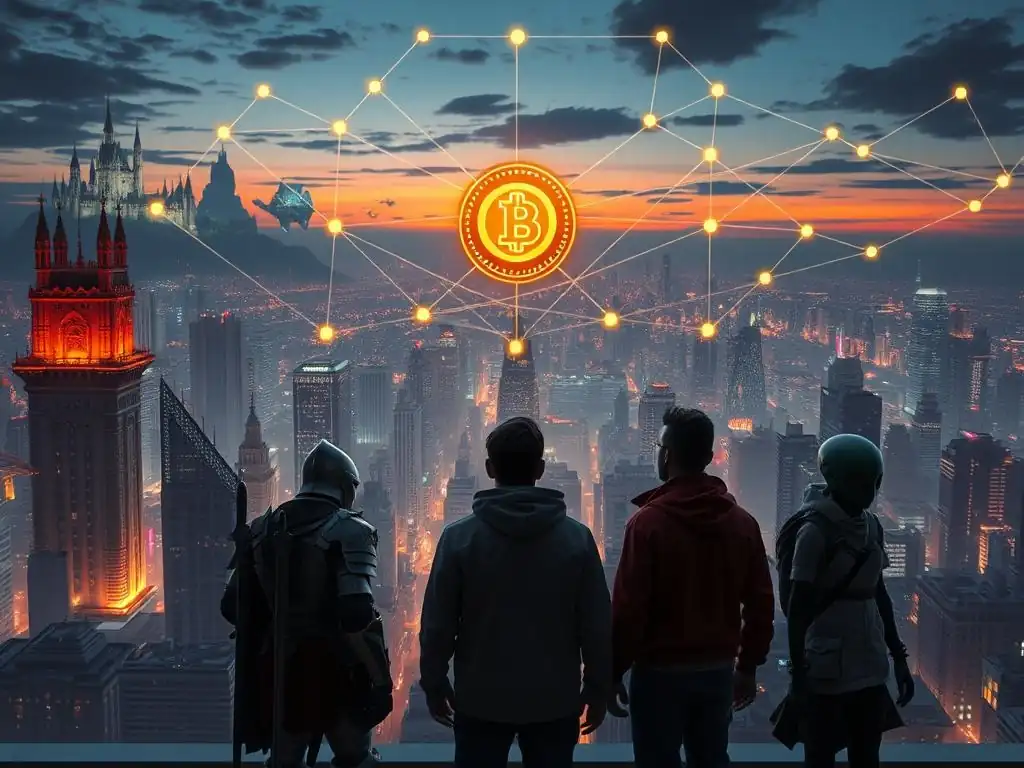
Welcome to Blockchain Trends, your premier source for in-depth analysis of the transformative potential of blockchain technology. Beyond the hype of cryptocurrencies, we delve into the real-world applications reshaping industries. Intrigued by the intersection of gaming and blockchain? Then you're in the right place. Discover the burgeoning world of blockchain gaming investment opportunities and how decentralization is poised to revolutionize multiplayer experiences. But that's just the beginning... what are the key factors driving this explosive growth and what are the risks involved? Dive in to uncover the answers.
The Future of Multiplayer Gaming: Blockchain and Decentralization
- Introduction: How Blockchain is Reshaping Multiplayer Gaming
- The Current State of Multiplayer Gaming: Challenges and Opportunities
- Blockchain and Decentralization: A New Paradigm for Multiplayer Games
- Key Benefits of Blockchain Integration in Multiplayer Games
- Blockchain Gaming Investment Opportunities: A Deep Dive
- Decentralized Gaming Platforms: Examples and Use Cases
- The Role of NFTs (Non-Fungible Tokens) in Multiplayer Gaming
- Tokenomics and Governance in Decentralized Multiplayer Games
- Challenges and Obstacles to Widespread Adoption
- The Future of Multiplayer Gaming: Predictions and Trends
- Conclusion: Embracing the Potential of Blockchain in Multiplayer Gaming
-
Frequently Asked Questions
- How is blockchain technology transforming the multiplayer gaming landscape?
- What are the key blockchain gaming investment opportunities currently available?
- What is play-to-earn (P2E) and how does it relate to blockchain gaming?
- What are the regulatory challenges facing the adoption of blockchain gaming?
- How does decentralization improve the multiplayer gaming experience?
- Final Reflection: Embracing the Decentralized Gaming Frontier
- Level Up Your Gaming Future!
Introduction: How Blockchain is Reshaping Multiplayer Gaming
Exploring the Intersection of Blockchain Technology and Online Games
The integration of blockchain technology into online games marks a significant paradigm shift, promising to revolutionize how players interact, own, and benefit from their gaming experiences. Historically, the gaming industry has operated under centralized models where game developers and publishers maintain complete control over in-game assets, economies, and player data. Blockchain introduces decentralization, transparency, and player empowerment, fundamentally altering this dynamic. This transformative potential stems from blockchain's inherent capabilities: secure and transparent transaction recording, verifiable digital ownership, and the creation of decentralized ecosystems.
This intersection is not merely about adding cryptocurrencies to games. It's about leveraging blockchain's core principles to reimagine game mechanics, economies, and player governance. Imagine a world where in-game items are not confined to a single game but are truly owned by the players, transferable across different platforms, and have real-world value. Blockchain makes this possible through Non-Fungible Tokens (NFTs), enabling verifiable scarcity and ownership of digital assets. This foundational change is attracting considerable attention and investment, positioning blockchain gaming as a burgeoning sector within both the gaming and blockchain industries.
The Rise of Decentralized Gaming Platforms
Decentralized gaming platforms are emerging as a direct response to the limitations of traditional, centralized gaming infrastructures. These platforms leverage blockchain to distribute control, enhance transparency, and empower players. Unlike conventional gaming platforms where developers dictate the rules and players are essentially renters of in-game assets, decentralized platforms aim to create ecosystems where players have a greater stake in the games they participate in. This shift is facilitated by blockchain's ability to establish trust and security in a distributed environment, removing the reliance on a single central authority.
The rise of these platforms is also fueled by the increasing demand for player-centric gaming experiences. Players are no longer content with simply consuming game content; they desire ownership, participation in game economies, and a voice in the development process. Decentralized gaming platforms are built to address these demands, offering features such as play-to-earn mechanics, player-owned assets via NFTs, and decentralized governance models. This player empowerment is not only attracting gamers but also investors who see the potential for more sustainable and engaging gaming ecosystems built on blockchain technology.
The Current State of Multiplayer Gaming: Challenges and Opportunities
Traditional Gaming Models: Limitations and Drawbacks
Traditional multiplayer gaming models, while immensely popular and profitable, are not without their limitations. A primary drawback is the centralized control exerted by game publishers. Players invest considerable time and often money into games, acquiring in-game items and progressing through virtual worlds. However, these assets are typically tied to the game's ecosystem and remain under the publisher's ownership. If a game shuts down, or if a player is banned, these assets can become worthless, representing a significant loss for the player. This lack of true ownership is a major point of contention for many gamers.
Furthermore, traditional gaming economies are often opaque and susceptible to manipulation. Issues such as item duplication, account hacking, and unfair trading practices can undermine the integrity of the game's economy and erode player trust. Centralized systems can struggle to effectively combat these problems, leading to frustration and a sense of powerlessness among players. The limitations of these models highlight a significant opportunity for blockchain technology to offer solutions based on transparency, security, and player empowerment.
The Need for Enhanced Player Ownership and Control
The evolving landscape of multiplayer gaming reveals a growing demand for enhanced player ownership and control. Gamers are increasingly seeking more than just entertainment; they desire to have a tangible stake in the games they play. This desire stems from the significant time and financial investments players make in virtual worlds. The current model, where players essentially rent in-game assets, is becoming less appealing, especially as players witness the potential of digital ownership in other domains, such as digital art and collectibles through NFTs.
This need for greater control extends beyond asset ownership to include participation in game governance and economic models. Players are seeking a more democratic and transparent gaming environment where their contributions are recognized and rewarded. They want to be active participants in shaping the game's future, not just passive consumers. This demand for player agency is a driving force behind the adoption of blockchain in gaming, as decentralized technologies offer the tools to create player-centric ecosystems that prioritize ownership, control, and community governance.
Blockchain and Decentralization: A New Paradigm for Multiplayer Games
Understanding Blockchain's Role in Creating Decentralized Gaming Ecosystems
Blockchain technology serves as the foundational infrastructure for creating decentralized gaming ecosystems. Its core features – immutability, transparency, and decentralization – are perfectly suited to address the shortcomings of traditional gaming models. Blockchain provides a shared, distributed ledger that records all transactions and interactions within the game, ensuring transparency and preventing manipulation. This transparency extends to in-game assets, player ownership, and even game logic, depending on the implementation.
Decentralization, the distribution of control across a network of participants rather than a single entity, is perhaps blockchain's most impactful contribution to gaming. By decentralizing game logic, asset ownership, and governance, blockchain eliminates the single point of failure and control inherent in centralized systems. This shift empowers players, giving them true ownership of their in-game assets, a voice in game development, and a more equitable share in the game's economy. Blockchain essentially transforms the relationship between players and game developers, fostering a more collaborative and community-driven environment.
How Decentralization Addresses Key Challenges in Multiplayer Gaming
Decentralization, powered by blockchain, directly addresses several critical challenges plaguing traditional multiplayer gaming. The lack of player ownership is mitigated by NFTs, which represent provably unique and scarce in-game assets owned by the player, not the game company. This ownership transcends game boundaries, potentially allowing assets to be used across different games and platforms, increasing their utility and value.
Security and transparency are also significantly enhanced. Blockchain's immutable ledger makes it extremely difficult to cheat or manipulate game data. All transactions, from item ownership transfers to in-game actions, are recorded and verifiable, fostering trust and fairness within the game ecosystem. Furthermore, decentralized governance models, often implemented through Decentralized Autonomous Organizations (DAOs), empower players to participate in decision-making processes related to game development, economy, and future direction. This participatory approach fosters a stronger sense of community and shared ownership, leading to more engaging and sustainable gaming experiences.
Key Benefits of Blockchain Integration in Multiplayer Games
Enhanced Security and Transparency in Game Assets
Blockchain technology inherently enhances the security and transparency of in-game assets. Traditional games store asset data in centralized databases, which are vulnerable to hacking, manipulation, and internal corruption. Blockchain, on the other hand, utilizes a distributed ledger that is cryptographically secured and tamper-proof. Every transaction involving in-game assets, such as creation, ownership transfer, or trading, is recorded on the blockchain, creating an immutable and transparent history.
This enhanced security and transparency provide players with greater confidence in the integrity of the game economy and the ownership of their digital assets. Players can verifiably prove ownership of their NFTs on the blockchain, eliminating disputes and fraud related to item ownership. The transparency of transactions also makes it easier to track the flow of assets within the game, deterring illicit activities and fostering a fairer and more trustworthy gaming environment. This fundamental improvement in security and transparency is a major draw for both players and developers considering blockchain integration.
True Ownership of In-Game Items and Characters (NFTs)
The concept of true ownership of in-game items and characters is perhaps the most revolutionary aspect of blockchain gaming. NFTs (Non-Fungible Tokens), powered by blockchain, enable players to truly own their digital assets. Unlike traditional in-game items that are tied to a specific game and controlled by the game publisher, NFTs exist on a blockchain and are owned by the player's digital wallet. This ownership is verifiable and immutable, giving players complete control over their assets.
This true ownership has profound implications. Players can trade, sell, or even lend their NFTs outside of the game ecosystem, creating secondary markets and new economic opportunities. If a player decides to stop playing a game, they retain ownership of their valuable in-game assets and can potentially recoup their investment or even profit from them. This paradigm shift from renting to owning in-game assets is a major driver of the growing interest in blockchain gaming and represents a significant value proposition for players seeking greater control and economic agency in their gaming experiences.
Play-to-Earn (P2E) Mechanics and Revenue Sharing
Play-to-Earn (P2E) mechanics are a novel and compelling aspect of blockchain gaming, fundamentally altering the relationship between players and games. Traditional gaming models are primarily 'play-to-win' or 'play-for-fun,' where players invest time and money for entertainment and progression within the game. P2E introduces the element of earning real-world value through gameplay. This is typically achieved through earning cryptocurrency tokens or valuable NFTs by participating in game activities, such as completing quests, winning battles, or contributing to the game ecosystem.
Revenue sharing models in blockchain games can further enhance the P2E experience and foster community engagement. Instead of all revenue flowing solely to the game developers, a portion can be distributed back to players through various mechanisms, such as staking rewards, governance participation incentives, or direct revenue sharing from marketplace transactions. These P2E and revenue sharing models create a more symbiotic relationship between players and developers, incentivizing active participation and contribution to the game's success, while also opening up new blockchain gaming investment opportunities for players who are looking to capitalize on their gaming skills and time.
Interoperability and Cross-Game Compatibility
Interoperability and cross-game compatibility are ambitious but potentially transformative benefits of blockchain integration in multiplayer games. Currently, in-game assets are typically siloed within a specific game, lacking utility or value outside of that ecosystem. Blockchain and NFTs offer the potential to break down these silos and create interoperable assets that can be used across multiple games and virtual worlds. Imagine owning a sword NFT that can be wielded in multiple different RPGs, or a character skin that can be used across various metaverse platforms.
While still in its early stages, the concept of cross-game compatibility promises to significantly enhance the value and utility of in-game assets. It could lead to the creation of interconnected gaming ecosystems where players can seamlessly move between different games while retaining their digital identities and assets. This interoperability would not only benefit players by increasing the longevity and utility of their assets but also create new opportunities for game developers to collaborate and build interconnected gaming universes, attracting further blockchain gaming investment opportunities by creating more robust and engaging ecosystems.
Blockchain Gaming Investment Opportunities: A Deep Dive
Identifying Promising Blockchain Gaming Projects
Identifying promising blockchain gaming investment opportunities requires careful analysis and due diligence, similar to investing in any emerging technology sector. One key aspect is evaluating the game's underlying technology and blockchain infrastructure. Projects utilizing robust and scalable blockchains, with low transaction fees and strong security, are generally more attractive. Furthermore, the project's tokenomics – the design and economics of its in-game tokens – are crucial. A well-designed token economy should incentivize player participation, reward early adopters, and ensure long-term sustainability.
Beyond technology and tokenomics, the game's gameplay and overall appeal are paramount. Even the most technologically advanced blockchain game will fail if it's not fun and engaging for players. Assess the game's mechanics, graphics, community, and overall entertainment value. Look for projects with experienced development teams, clear roadmaps, and active community engagement. Analyzing early player adoption metrics, social media sentiment, and partnerships can also provide valuable insights into a project's potential for success and its attractiveness as a blockchain gaming investment opportunity.
Analyzing the Market Potential of Decentralized Gaming
The market potential of decentralized gaming is substantial and rapidly growing. The global gaming market is a multi-billion dollar industry, and even a small fraction of this market shifting towards blockchain-based models represents a significant opportunity. The appeal of true ownership, P2E mechanics, and decentralized governance is attracting a new wave of gamers and investors to the space. Analysts project significant growth in the blockchain gaming market in the coming years, driven by increased adoption of NFTs, metaverse integration, and advancements in blockchain technology.
Factors contributing to this market potential include the increasing accessibility of blockchain technology, growing awareness among gamers about the benefits of decentralized gaming, and the influx of investment capital into the sector. The success of early blockchain games like Axie Infinity and The Sandbox has demonstrated the viability of the P2E model and the potential for significant returns. As more traditional gaming companies explore blockchain integration and new innovative projects emerge, the decentralized gaming market is poised for continued expansion, presenting numerous blockchain gaming investment opportunities across various project stages and types.
Risks and Rewards of Investing in Blockchain-Based Games
Investing in blockchain-based games, like any investment, involves both risks and rewards. The potential rewards can be substantial, particularly for early investors in successful projects. The rapid growth of the blockchain gaming market and the potential for high returns on successful game tokens or NFTs are significant draws. Furthermore, investing in blockchain gaming is not just about financial returns; it's also about supporting the development of a new paradigm in gaming that empowers players and fosters more equitable and engaging gaming ecosystems.
However, the risks are also considerable. The blockchain gaming space is still nascent and highly volatile. Many projects are experimental, and the long-term success of any particular game or platform is uncertain. Regulatory uncertainty surrounding cryptocurrencies and NFTs also poses a risk. Furthermore, the market is competitive, and not all blockchain games will achieve widespread adoption. Investors need to be aware of the potential for scams, rug pulls, and project failures. Therefore, thorough research, diversification, and a long-term perspective are crucial when considering blockchain gaming investment opportunities.
Decentralized Gaming Platforms: Examples and Use Cases
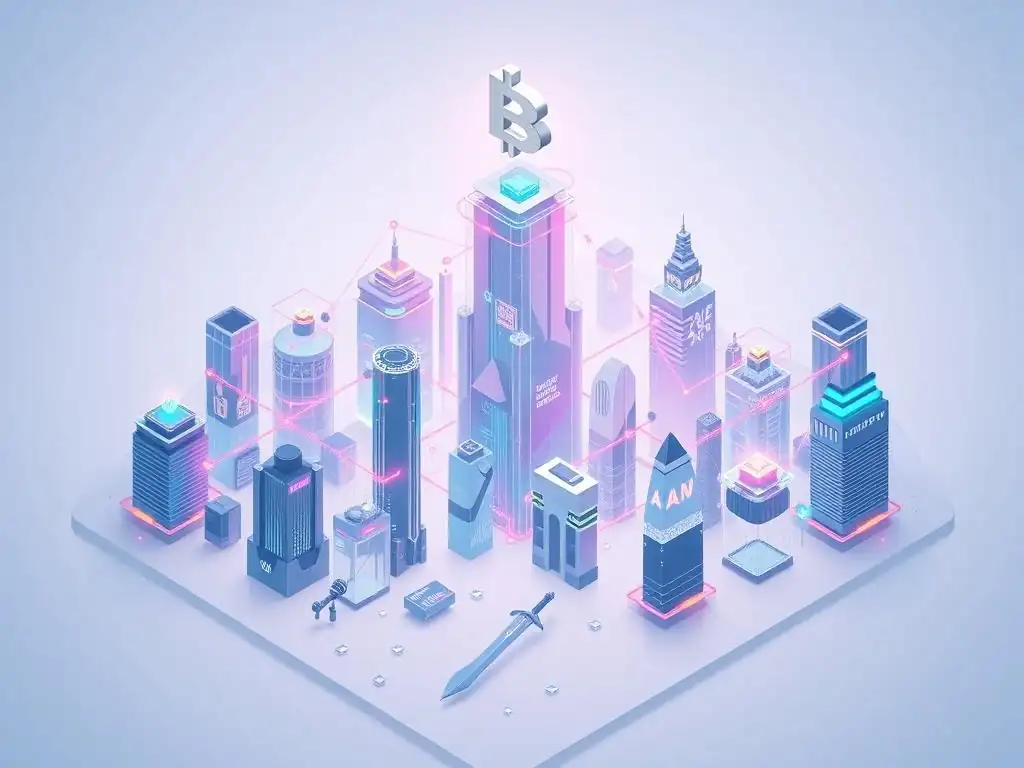
Axie Infinity: Features, Games, and Community
Axie Infinity stands out as a pioneering example of a successful decentralized gaming platform. Built on the Ronin blockchain, a sidechain of Ethereum, Axie Infinity is a creature-battling game where players collect, breed, and battle digital creatures called Axies, represented as NFTs. The game features a robust play-to-earn economy, where players can earn Smooth Love Potion (SLP) and Axie Infinity Shards (AXS) tokens through gameplay, which can then be traded on cryptocurrency exchanges. The dual token system, with SLP as the in-game utility token and AXS as the governance token, is a key feature of its tokenomics.
Axie Infinity's success is not only attributed to its P2E mechanics but also to its vibrant and engaged community. The game has fostered a global community of players, particularly in developing countries, where P2E has provided significant income opportunities. The platform's DAO, governed by AXS token holders, allows the community to participate in decision-making processes related to game development and the ecosystem's future. Axie Infinity demonstrates the potential of blockchain gaming to create engaging gameplay, empower players economically, and build strong, decentralized communities, making it a notable case study for blockchain gaming investment opportunities.
The Sandbox: Innovation in Gameplay and Tokenomics
The Sandbox is a decentralized metaverse platform that emphasizes user-generated content and voxel-based gameplay. Built on the Ethereum blockchain, The Sandbox allows players to create, own, and monetize their gaming experiences using NFTs and its utility token, SAND. Players can purchase LAND NFTs, which represent virtual plots of land within the metaverse, and use them to build games, experiences, and digital assets. The platform provides user-friendly tools for creating voxel art, animations, and interactive experiences without requiring coding knowledge.
Innovation in gameplay and tokenomics is central to The Sandbox's approach. The platform's focus on user-generated content empowers creators and players to actively shape the metaverse. The SAND token serves multiple purposes within the ecosystem, including transactions, governance, staking, and accessing premium features. The Sandbox's decentralized nature and emphasis on creator economy have attracted major brands and partnerships, further expanding its metaverse and creating diverse blockchain gaming investment opportunities within its ecosystem, from LAND ownership to asset creation and in-game experiences.
Decentraland: Focusing on User-Generated Content and Metaverse Integration
Decentraland is another prominent decentralized metaverse platform built on the Ethereum blockchain, focusing heavily on user-generated content and immersive metaverse experiences. Similar to The Sandbox, Decentraland allows users to purchase LAND NFTs and build virtual environments, applications, and experiences. However, Decentraland leans more towards a virtual world experience with a focus on social interaction, virtual events, and digital ownership. Its native token, MANA, is used for transactions within the metaverse, including buying LAND and virtual goods.
Decentraland's strength lies in its open and decentralized nature, fostering a user-driven metaverse where creativity and community are paramount. Users have complete ownership and control over their LAND and creations, fostering a sense of digital ownership and empowerment. The platform has hosted virtual concerts, art exhibitions, and social gatherings, showcasing the potential of decentralized metaverses for social interaction and digital culture. Decentraland represents a significant example of metaverse integration in blockchain gaming and offers various blockchain gaming investment opportunities related to LAND acquisition, virtual real estate development, and metaverse-based businesses.
The Role of NFTs (Non-Fungible Tokens) in Multiplayer Gaming
Understanding NFT Standards (ERC-721, ERC-1155) and Their Applications
NFTs (Non-Fungible Tokens) are the cornerstone of digital ownership in blockchain gaming. Understanding NFT standards, particularly ERC-721 and ERC-1155, is crucial to comprehending their applications in this space. ERC-721 is the original NFT standard, designed for unique, indivisible items. Each ERC-721 token represents a distinct digital asset, such as a unique in-game character, item, or piece of virtual land. This standard is ideal for representing truly unique collectibles and assets within games.
ERC-1155, a more recent standard, is designed for both fungible and non-fungible tokens, offering greater flexibility and efficiency. ERC-1155 allows for the creation of multiple copies of the same item (semi-fungible tokens) within a single contract, reducing transaction costs and simplifying the management of large quantities of in-game assets. This standard is well-suited for representing items that may exist in multiple copies but still retain unique properties, such as limited edition weapons or consumable items. Both ERC-721 and ERC-1155 standards play vital roles in enabling digital ownership and creating diverse in-game asset economies within blockchain games.
NFTs as Unique In-Game Assets and Collectibles
NFTs transform in-game assets from mere digital data into unique, verifiable collectibles with real-world value. In traditional games, in-game items are often easily duplicated or controlled by the game company, diminishing their scarcity and potential value. NFTs, however, are provably unique and scarce, thanks to blockchain technology. Each NFT has a distinct identifier recorded on the blockchain, ensuring its authenticity and preventing duplication. This scarcity and verifiability are key to creating valuable in-game assets and collectibles.
The use of NFTs allows game developers to create truly limited edition items, rare characters, and unique cosmetic skins, driving demand and creating secondary markets where players can trade and collect these digital assets. The scarcity and ownership of NFTs enhance the sense of accomplishment and prestige associated with acquiring rare in-game items. Furthermore, NFTs can represent not just items but also achievements, progress, and even player identities within the game, creating a richer and more meaningful sense of digital ownership for players.
Creating Sustainable NFT Economies within Games
Creating sustainable NFT economies within games is essential for the long-term success of blockchain gaming projects. A well-designed NFT economy should balance scarcity, utility, and demand to ensure that NFTs retain value and incentivize player participation. Simply creating NFTs is not enough; the game mechanics and tokenomics must be carefully crafted to drive demand for NFTs and provide them with meaningful utility within the game ecosystem.
Sustainable NFT economies often incorporate mechanisms such as burning (permanently removing NFTs from circulation), crafting (combining NFTs to create new ones), and staking (locking up NFTs to earn rewards). These mechanisms help manage the supply of NFTs and maintain their scarcity. Furthermore, the utility of NFTs should extend beyond mere cosmetic value.
NFTs can provide in-game advantages, access to exclusive content, or governance rights, increasing their desirability and driving demand. A balanced and well-designed NFT economy is crucial for attracting and retaining players, fostering a thriving in-game marketplace, and supporting the long-term viability of blockchain gaming projects, thereby attracting further blockchain gaming investment opportunities.
Tokenomics and Governance in Decentralized Multiplayer Games
The Importance of Well-Designed Game Tokens
Well-designed game tokens are the lifeblood of decentralized multiplayer games, driving in-game economies, incentivizing player participation, and enabling governance. A game token serves as the primary currency within the game ecosystem, used for transactions, rewards, and various in-game activities. The tokenomics, or the economic model governing the token's supply, distribution, and utility, are critical to the game's long-term sustainability and success. Poorly designed tokenomics can lead to inflation, economic instability, and ultimately, game failure.
A successful game token should have clear utility within the game, be easily accessible to players, and possess mechanisms to maintain its value over time. This can include burning mechanisms to reduce supply, staking rewards to incentivize holding, and governance rights to empower token holders. The distribution of tokens should be fair and transparent, rewarding early adopters and active players. A well-balanced token economy fosters a healthy and engaging game environment, attracting players and investors alike, and creating a foundation for long-term growth and stability in the blockchain gaming investment opportunities landscape.
Decentralized Autonomous Organizations (DAOs) and Community Governance
Decentralized Autonomous Organizations (DAOs) are emerging as a powerful tool for community governance in blockchain multiplayer games. DAOs are organizations governed by code and smart contracts, operating transparently and autonomously without centralized control. In the context of gaming, DAOs empower players to participate in decision-making processes related to game development, economy, and future direction. Token holders typically have voting rights within the DAO, allowing them to propose and vote on changes to the game.
Community governance through DAOs fosters a more democratic and player-centric gaming environment. It gives players a voice in shaping the game they play, increasing engagement and fostering a sense of ownership and responsibility. DAOs can be used to manage game economies, distribute rewards, allocate development funds, and even decide on new game features. This decentralized governance model aligns with the core principles of blockchain technology and represents a significant shift from traditional top-down game development approaches, potentially attracting more players and investors interested in collaborative and community-driven gaming experiences and blockchain gaming investment opportunities.
Balancing Player Incentives and Economic Sustainability
Balancing player incentives and economic sustainability is a crucial challenge for decentralized multiplayer games. P2E mechanics are designed to reward players for their time and effort, but if incentives are not carefully managed, they can lead to unsustainable inflation and economic collapse. Game developers must strike a delicate balance between rewarding players and maintaining a healthy and stable game economy. Overly generous rewards can flood the market with tokens, devaluing them and undermining the P2E model.
Economic sustainability requires careful tokenomics design, incorporating mechanisms to control token supply, manage inflation, and ensure long-term demand. Sinks for tokens, such as in-game purchases, crafting costs, and burning mechanisms, are essential to counterbalance the creation of new tokens through P2E rewards. Furthermore, the game's core gameplay loop must be engaging and fun beyond just earning potential. A sustainable blockchain game should attract players for its entertainment value as well as its economic opportunities. Finding this balance is key to creating thriving and long-lasting blockchain gaming ecosystems that offer attractive blockchain gaming investment opportunities.
Challenges and Obstacles to Widespread Adoption
Scalability Issues and Transaction Costs
Scalability issues and transaction costs remain significant challenges hindering the widespread adoption of blockchain gaming. Many popular blockchains, particularly Ethereum, have faced limitations in transaction throughput and high gas fees, especially during periods of network congestion. These limitations can impact the performance and user experience of blockchain games, particularly multiplayer games requiring frequent and low-latency transactions. High transaction costs can also make microtransactions and everyday in-game activities prohibitively expensive for players.
Solutions to scalability issues are being actively developed, including layer-2 scaling solutions like sidechains and rollups, as well as newer, more scalable blockchains. Ronin, used by Axie Infinity, is an example of a sidechain designed to address Ethereum's scalability limitations for gaming. As blockchain technology continues to evolve and scalability solutions mature, these challenges are expected to diminish, paving the way for smoother and more cost-effective blockchain gaming experiences. Overcoming these hurdles is crucial for attracting a wider audience to blockchain gaming and realizing its full potential, thereby solidifying its position in the blockchain gaming investment opportunities landscape.
Regulatory Uncertainty and Legal Considerations
Regulatory uncertainty and legal considerations pose another significant obstacle to the widespread adoption of blockchain gaming. The regulatory landscape for cryptocurrencies, NFTs, and blockchain technology in general is still evolving and varies significantly across jurisdictions. Governments and regulatory bodies are grappling with how to classify and regulate these new technologies, leading to uncertainty and potential compliance challenges for blockchain game developers and players.
Issues such as the legal status of in-game NFTs, taxation of P2E earnings, and compliance with anti-money laundering (AML) regulations are still being clarified in many regions. This regulatory uncertainty can create risks for both developers and investors, potentially hindering investment and innovation in the blockchain gaming space. Clearer and more consistent regulatory frameworks are needed to provide legal certainty and foster a more conducive environment for the growth of blockchain gaming and related blockchain gaming investment opportunities. Industry advocacy and proactive engagement with regulators are crucial to navigate these challenges and shape favorable regulatory outcomes.
User Adoption and Education Barriers
User adoption and education barriers are also critical challenges to overcome for the mainstream success of blockchain gaming. While interest in blockchain gaming is growing, many traditional gamers are still unfamiliar with blockchain technology, cryptocurrencies, and NFTs. The perceived complexity of setting up crypto wallets, managing private keys, and understanding blockchain concepts can be daunting for new users. Furthermore, some gamers may have negative perceptions of NFTs or P2E mechanics, associating them with scams or unsustainable financial models.
Addressing these user adoption and education barriers requires simplifying the onboarding process for new players, improving user interfaces and experiences, and providing clear and accessible educational resources. Game developers need to prioritize user-friendliness and make blockchain integration seamless and intuitive. Highlighting the benefits of blockchain gaming, such as true ownership, P2E opportunities, and enhanced security, in a clear and compelling way is crucial to attract a broader audience. Overcoming these barriers is key to expanding the user base of blockchain gaming and unlocking its full potential, thereby realizing the vast blockchain gaming investment opportunities it offers.
The Future of Multiplayer Gaming: Predictions and Trends
The Metaverse and its Impact on Blockchain Gaming
The metaverse is poised to have a profound impact on the future of blockchain gaming, blurring the lines between gaming, social interaction, and digital ownership. The metaverse, often envisioned as a persistent, shared virtual world, aligns perfectly with the principles of blockchain and decentralization. Blockchain gaming is already playing a key role in shaping the metaverse, with platforms like The Sandbox and Decentraland pioneering decentralized virtual worlds where users can own land, create experiences, and interact with each other using NFTs and cryptocurrencies.
The convergence of the metaverse and blockchain gaming will likely lead to more immersive and interconnected gaming experiences. Imagine seamlessly transitioning between different games and virtual worlds while retaining your digital identity and assets as NFTs. The metaverse will provide a broader context for blockchain gaming, expanding its scope beyond individual games to interconnected virtual ecosystems. This integration will likely drive further innovation in gameplay, virtual economies, and social interactions within gaming, creating even more compelling blockchain gaming investment opportunities in metaverse-related gaming projects.
Evolution of P2E Models and New Gaming Experiences
The Play-to-Earn (P2E) model is expected to evolve significantly in the future, moving beyond simple earning mechanics to create more sustainable and engaging gaming experiences. Early P2E models have faced criticism for being overly focused on earning potential, sometimes at the expense of gameplay quality. The future of P2E will likely see a greater emphasis on "Play-and-Earn," where engaging gameplay and fun are prioritized alongside earning opportunities.
New gaming experiences are also emerging within the blockchain gaming space, exploring innovative game mechanics and genres beyond traditional gaming models. We may see more decentralized autonomous games, where game logic and governance are entirely on-chain, creating truly player-owned and controlled gaming worlds. Social gaming, metaverse-integrated experiences, and collectible-focused games are also expected to proliferate. This evolution towards more diverse and engaging gaming experiences will broaden the appeal of blockchain gaming and attract a wider range of players, further solidifying the sector's growth and creating diverse blockchain gaming investment opportunities.
The Convergence of Traditional and Blockchain Gaming
The convergence of traditional and blockchain gaming is a significant trend shaping the future of the industry. Traditional gaming companies are increasingly recognizing the potential of blockchain technology and exploring ways to integrate it into their existing games or develop new blockchain-based titles. This convergence is not about replacing traditional gaming but rather augmenting it with the benefits of blockchain, such as true ownership, P2E mechanics, and decentralized ecosystems.
We may see traditional game publishers incorporating NFTs into their games to offer players true ownership of in-game assets, or experimenting with P2E models to enhance player engagement and retention. Conversely, blockchain gaming projects are learning from the established practices of traditional gaming, focusing on improving gameplay quality, user experience, and scalability.
This convergence will likely lead to a hybrid gaming landscape where blockchain elements are seamlessly integrated into mainstream gaming experiences, blurring the lines between traditional and decentralized gaming and opening up new avenues for growth and innovation, attracting both gamers and blockchain gaming investment opportunities across the entire gaming spectrum.
Conclusion: Embracing the Potential of Blockchain in Multiplayer Gaming
Blockchain Gaming: A Transformative Force
Blockchain gaming is undeniably a transformative force within the gaming industry, poised to reshape how games are developed, played, and monetized. Its core principles of decentralization, transparency, and player empowerment are addressing key limitations of traditional gaming models and creating new opportunities for innovation and player engagement. The shift from centralized control to player ownership, the emergence of P2E mechanics, and the potential for interoperability and cross-game compatibility represent a fundamental paradigm shift in gaming.
While still in its early stages, blockchain gaming has already demonstrated its potential to disrupt the industry and create new value for players and developers alike. The success of early projects, the growing interest from traditional gaming companies, and the influx of investment capital indicate a strong trajectory for future growth. Embracing the potential of blockchain in multiplayer gaming is not just about adopting new technology; it's about fostering a more player-centric, equitable, and engaging gaming ecosystem that benefits all participants.
Investing in the Future of Decentralized Entertainment
Investing in blockchain gaming is essentially investing in the future of decentralized entertainment. The convergence of gaming, blockchain, and the metaverse is creating a new frontier for digital entertainment, offering immersive, interactive, and player-owned experiences. Blockchain gaming is not just about games; it's about building decentralized virtual worlds, creating new digital economies, and empowering players to participate in and benefit from these ecosystems.
The blockchain gaming investment opportunities are diverse and span across various project types, from game development studios to metaverse platforms and infrastructure providers. While risks are inherent in any emerging technology sector, the potential rewards of investing in successful blockchain gaming projects are substantial. As the market matures, regulatory clarity improves, and user adoption grows, blockchain gaming is poised to become a significant force in the entertainment industry, offering both compelling gaming experiences and attractive investment prospects for those who recognize its transformative potential and are willing to embrace the future of decentralized entertainment.
Frequently Asked Questions
How is blockchain technology transforming the multiplayer gaming landscape?
Blockchain introduces decentralized ownership of in-game assets, enabling players to truly own their items. This fosters new economic models like play-to-earn. It also allows for greater interoperability between games.
What are the key blockchain gaming investment opportunities currently available?
Opportunities include investing in game development studios incorporating blockchain. Another area is focusing on in-game asset marketplaces powered by blockchain. Also, consider investing in blockchain gaming infrastructure projects.
What is play-to-earn (P2E) and how does it relate to blockchain gaming?
P2E allows players to earn cryptocurrency or NFTs by playing games. Blockchain enables the secure and transparent distribution of these rewards. This creates a player-driven economy within the game.
What are the regulatory challenges facing the adoption of blockchain gaming?
Regulatory uncertainty surrounding NFTs and cryptocurrencies is a significant hurdle. Concerns about gambling regulations and player protection also exist. Clearer legal frameworks are needed for wider adoption.
How does decentralization improve the multiplayer gaming experience?
Decentralization reduces reliance on centralized servers, potentially improving uptime and security. It also empowers players with greater control over their data and assets. This fosters a more community-driven gaming ecosystem.
Final Reflection: Embracing the Decentralized Gaming Frontier
The exploration of blockchain and decentralization within multiplayer gaming reveals not just technological advancements, but a fundamental shift in power dynamics. The promise of true ownership, player-driven economies, and enhanced security positions blockchain gaming as a transformative force in the industry, offering unprecedented investment opportunities. This is not merely a trend; it's a paradigm shift reshaping how we interact with and value virtual worlds.
The impact of this decentralized approach extends far beyond mere gameplay. It fosters a sense of community and ownership previously unimaginable, empowering players to become active participants in the game's ecosystem. Witnessing this evolution firsthand underscores the profound potential of blockchain to redefine the relationship between developers and players, creating more equitable and engaging experiences. The future of gaming is not just about better graphics or faster processors, it's about giving players real ownership and control.
- Gabe Newell (Hypothetical Quote).
As we stand on the cusp of this decentralized gaming revolution, it's crucial to consider your role in shaping its future. What opportunities will you seize? How will you contribute to building a more transparent, equitable, and rewarding gaming landscape? The future of multiplayer gaming is being written now, and your investment – whether financial, intellectual, or creative – can help define its course. Embrace the potential, explore the possibilities, and become a part of the decentralized gaming frontier.
Level Up Your Gaming Future!
Thank you for exploring the exciting potential of blockchain technology in multiplayer gaming. Now that you have insights into decentralization and its transformative effects, it's time to take action.
Here's how you can get started:
- Try Out a Blockchain-Based Multiplayer Game: Experience firsthand how blockchain enables true ownership and decentralized gameplay by playing a game that leverages these technologies.
- Join the Conversation: Share your thoughts and experiences with blockchain gaming in online forums or communities. Together, we can shape the future of gaming!
- Discover Innovative Projects: Research emerging blockchain gaming platforms or projects and share your findings with fellow enthusiasts. You might uncover the next big breakthrough!
Are you ready to lead the way into the next chapter of gaming? Which blockchain feature are you most eager to see implemented in future games?
Leave a Reply