
Blockchain and Property Taxes: Streamlining Payments and Enhancing Accountability


Welcome to Blockchain Trends, your go-to source for understanding the real-world applications of blockchain technology.
Ever imagined a world where property tax payments are seamless, transparent, and secure? Dive into our latest exploration of how blockchain is revolutionizing the real estate sector, specifically focusing on blockchain property tax payments. Discover how this innovative approach is streamlining processes and enhancing accountability, and what the future holds for decentralized systems in government. Intrigued? Read on to uncover the potential of this transformative technology!
- Introduction to Blockchain Property Tax Payments: Revolutionizing Real Estate Transactions
- How Blockchain Enhances Property Tax Payment Processes
- Improving Accountability in Property Tax Systems with Blockchain
- Integrating Blockchain Property Tax Payments into Existing Real Estate Frameworks
- Future Trends: The Impact of Blockchain on Property Tax Administration
- Conclusion: The Transformative Potential of Blockchain in Property Tax Payments
-
Frequently Asked Questions
- What is the main benefit of using blockchain for property tax payments?
- How does blockchain improve the efficiency of tax payment systems?
- Are there any regulatory challenges with implementing blockchain for tax payments?
- Can blockchain help in reducing property tax evasion?
- What is the future of blockchain in the context of property tax payments?
- Final Reflection: Embracing Transparency in Governance
- Revolutionize Your Property Tax Experience!
Introduction to Blockchain Property Tax Payments: Revolutionizing Real Estate Transactions
The traditional process for managing and paying property taxes is often characterized by complexity, inefficiency, and a lack of transparency. These challenges can lead to delays, disputes, and increased administrative costs for both government entities and property owners. The advent of blockchain technology offers a compelling solution to these long-standing issues, promising a fundamental shift in how property tax payments are handled.
By leveraging the distributed ledger technology that underpins cryptocurrencies like Bitcoin and Ethereum, it's possible to create systems that are more secure, transparent, and automated. This exploration delves into the transformative potential of integrating blockchain into property tax administration, focusing specifically on streamlining payments and enhancing accountability.
Implementing blockchain property tax payments represents a significant step towards modernizing real estate transactions and government revenue collection. Beyond the speculative world of crypto assets, blockchain's core attributes – immutability, transparency, and decentralization – are highly relevant to the needs of property taxation.
A blockchain-based system could record property ownership, tax assessments, and payment histories in a way that is verifiable by all authorized parties, reducing reliance on centralized databases prone to errors or manipulation. This shift is not merely technological; it has the potential to improve public trust, decrease administrative burdens, and create a more efficient ecosystem for managing one of the most critical aspects of property ownership: the timely and accurate payment of taxes.
Understanding Blockchain Technology in Real Estate Taxation
Blockchain technology, at its core, is a distributed, immutable ledger that records transactions across a network of computers. In the context of real estate taxation, this means that every relevant event – from a property assessment change to the final property tax payment – can be timestamped and recorded on a secure, shared ledger.
Unlike traditional databases where records can be altered or deleted by a single entity, a blockchain requires consensus among network participants to add new blocks of transactions, making past records virtually tamper-proof. This inherent security and immutability are crucial for maintaining accurate and reliable tax records over decades.
Applying blockchain to real estate taxation involves tokenizing property rights or linking unique property identifiers to entries on the blockchain. This digital representation can then be associated with tax liabilities and payment statuses.
For example, a property's tax assessment could be recorded as a transaction on the blockchain, and subsequent payments could be recorded as transfers or updates linked to that property's digital identity. This distributed model eliminates the single point of failure present in centralized systems and provides a transparent history of all tax-related activities for a specific property, accessible to relevant stakeholders like tax authorities and property owners.
The Importance of Streamlining Property Tax Payments with Blockchain
The current processes for property tax payments often involve manual steps, paper trails, and reliance on intermediaries, leading to delays and inefficiencies. Property owners may face confusing payment portals, mail physical checks, or navigate complex online systems that are not integrated with other property-related data. This friction in the payment process can result in late payments, penalties, and increased administrative work for local governments. Streamlining these payments is essential for ensuring consistent revenue collection and reducing the burden on taxpayers.
Blockchain technology offers a direct path to streamlining property tax payments by enabling automated processes and reducing manual intervention. Smart contracts, self-executing contracts with the terms of the agreement directly written into code, can automate the calculation of taxes, trigger payment requests, and even process payments automatically from a linked digital wallet upon predefined conditions (e.g., the tax due date). This automation minimizes human error and significantly speeds up the payment cycle.
Furthermore, blockchain's transparency allows property owners to easily verify their tax obligations and payment status in real-time, reducing confusion and disputes. Pilot projects in some jurisdictions exploring blockchain for land registries suggest potential efficiency gains of up to 30% in processing times, indicating similar potential for property tax systems.
How Blockchain Enhances Property Tax Payment Processes
Integrating blockchain into property tax systems offers several significant advantages over traditional methods, primarily centered around efficiency, transparency, and security. These enhancements address core pain points in the current administration of property taxes, from calculation and collection to tracking and reconciliation. The decentralized nature of blockchain technology, combined with its ability to execute smart contracts, creates a robust framework for modernizing this critical government function.
Automating Property Tax Collection Through Smart Contracts
Smart contracts are a cornerstone of blockchain's potential to revolutionize property tax payments. These self-executing agreements automate actions based on predefined conditions. In the context of taxation, a smart contract could be programmed to calculate the exact property tax amount due for a specific property on a specific date, based on assessment data recorded on the blockchain. When the due date arrives, the smart contract could automatically trigger a payment request or even initiate a payment from a linked digital wallet holding the necessary funds (with appropriate authorization from the property owner).
Consider a simplified smart contract function for managing a property tax payment:
function payTax(uint256 propertyId, uint256 amount) public payable {
    require(msg.value == amount, "Incorrect payment amount");
    require(block.timestamp <= taxDueDate[propertyId], "Payment is late");

    // Record payment on the ledger
    paymentHistory[propertyId].push(Payment(msg.sender, amount, block.timestamp));
    totalPaid[propertyId] += amount;

    // Update property tax status
    taxStatus[propertyId] = TaxStatus.Paid;

    emit TaxPaid(propertyId, msg.sender, amount);
}
This pseudocode illustrates how a smart contract can automatically verify the payment amount, check the due date, record the transaction immutably, update the property's tax status, and emit an event confirming the successful payment. Such automation drastically reduces the manual effort involved in processing payments, minimizes errors associated with data entry or reconciliation, and ensures that payments are handled consistently according to predefined rules. This streamlined approach to blockchain property tax payments can lead to substantial cost savings for municipalities.
Real-Time Tax Payment Tracking and Transparency Using Blockchain
One of the most compelling benefits of using blockchain for property tax payments is the enhanced transparency and the ability to track payments in real-time. Every transaction recorded on the blockchain is visible to all authorized participants on the network. For property taxes, this means both the tax authority and the property owner can access the same, up-to-date information regarding assessment amounts, payment deadlines, and payment history. This shared, immutable record eliminates ambiguity and provides a single source of truth.
Property owners could use a secure interface to view their current tax liability and verify when their payment has been received and processed on the blockchain. Government agencies, in turn, gain immediate visibility into collected revenues across all properties.
This real-time tracking capability is a significant improvement over traditional systems that often involve delays in payment processing and reconciliation, sometimes taking days or even weeks for a payment to be fully recorded and reflected in the system. The transparency offered by blockchain property tax payments fosters greater trust between taxpayers and government institutions, as all parties have access to verifiable transaction records.
Reducing Errors and Fraud in Property Tax Payments with Distributed Ledger Technology
Traditional property tax systems are susceptible to errors and fraudulent activities, ranging from simple data entry mistakes to deliberate manipulation of records. Centralized databases can be vulnerable to cyberattacks or insider threats, potentially compromising the integrity of tax records. The manual handling of payments and records also increases the likelihood of human error.
Blockchain's distributed and immutable nature significantly mitigates these risks. Because the ledger is replicated across multiple nodes in the network, there is no single point of failure that can be easily exploited. To alter a record on the blockchain, an attacker would need to gain control of a majority of the network's nodes, which is computationally prohibitive for a well-designed public or permissioned blockchain.
Furthermore, once a property tax payment transaction is recorded on the blockchain, it cannot be altered or deleted, creating a permanent and verifiable audit trail. This inherent security feature makes it much harder for fraudulent activities to occur unnoticed and easier to detect if they are attempted. Implementing blockchain property tax payments builds a more secure and reliable system.
Improving Accountability in Property Tax Systems with Blockchain
Accountability is a cornerstone of effective public administration, and property tax collection is no exception. Taxpayers need confidence that their payments are correctly recorded and utilized, while government agencies require reliable systems to track revenue and ensure compliance. Blockchain technology provides powerful tools to enhance accountability within property tax systems by creating verifiable, transparent, and immutable records.
Immutable Records and Audit Trails for Property Tax Transactions
The immutability of blockchain records is perhaps its most critical feature for improving accountability in property tax systems. Once a transaction, such as a tax payment or assessment update, is added to the blockchain, it is permanently recorded and cannot be altered or deleted. This creates a complete and tamper-proof audit trail of all tax-related activities for every property. Auditors can easily trace the history of assessments, payments, and any adjustments made, confident that the records are accurate and have not been tampered with.
This contrasts sharply with traditional database systems where records can potentially be modified without leaving an easily detectable trace. The transparent and immutable nature of blockchain property tax payments ensures that every action related to tax collection is recorded and verifiable. This not only simplifies the auditing process but also acts as a deterrent against fraudulent activities or errors, as any discrepancy becomes immediately apparent when cross-referenced with the distributed ledger. A clear and undeniable history of transactions fosters trust and ensures that both taxpayers and tax authorities are held accountable for their actions within the system.
Increasing Government and Taxpayer Trust via Blockchain Transparency
Transparency is a key driver of trust in any system, and property tax administration is no different. Taxpayers often lack visibility into how their taxes are calculated, how payments are processed, and how the collected funds are tracked. This opacity can lead to mistrust and skepticism. Blockchain technology fundamentally changes this dynamic by providing unprecedented transparency.
With a blockchain-based property tax system, relevant information – such as assessment data, tax rates, due dates, and payment statuses – can be made publicly (or permissioned) accessible on the distributed ledger. Property owners can easily look up their own tax information and verify the status of their payments in real-time. Government agencies can also demonstrate the integrity of their collection process by pointing to the immutable records on the blockchain.
This shared access to verifiable information builds confidence on both sides. When taxpayers can see that their blockchain property tax payments are recorded accurately and instantly on a transparent ledger, it fosters a greater sense of trust in the government's handling of their funds.
Case Examples: Blockchain Applications in Property Tax Accountability
While widespread, fully integrated blockchain property tax payment systems are still in early stages globally, several jurisdictions and companies are exploring or piloting blockchain for related real estate and land administration purposes, demonstrating the technology's potential for accountability.
- Sweden's Land Registry: The Swedish Lantmäteriet (Cadastral Authority) has conducted pilot projects using blockchain to record property transactions. While not directly handling tax payments, these pilots demonstrated the ability of blockchain to create an immutable record of ownership transfers and encumbrances, foundational data for property taxation. The project showed potential to reduce processing time from months to days, indicating significant efficiency and accountability gains applicable to tax data.
- Vermont, USA: The state of Vermont passed legislation recognizing blockchain records as legal evidence, paving the way for its use in government functions, potentially including property records and associated taxes in the future.
- Cook County, Illinois, USA: Explored using blockchain for managing property records, aiming to improve efficiency and reduce fraud in the title recording process. This directly relates to the data integrity needed for accurate tax assessment and collection.
These examples, while not always focused solely on property tax payments using blockchain, illustrate the growing interest and potential for using distributed ledger technology to create more accountable, transparent, and efficient systems for managing critical property-related data, which forms the basis for taxation. The lessons learned from these pilots are directly applicable to developing robust blockchain property tax payment systems.
Integrating Blockchain Property Tax Payments into Existing Real Estate Frameworks
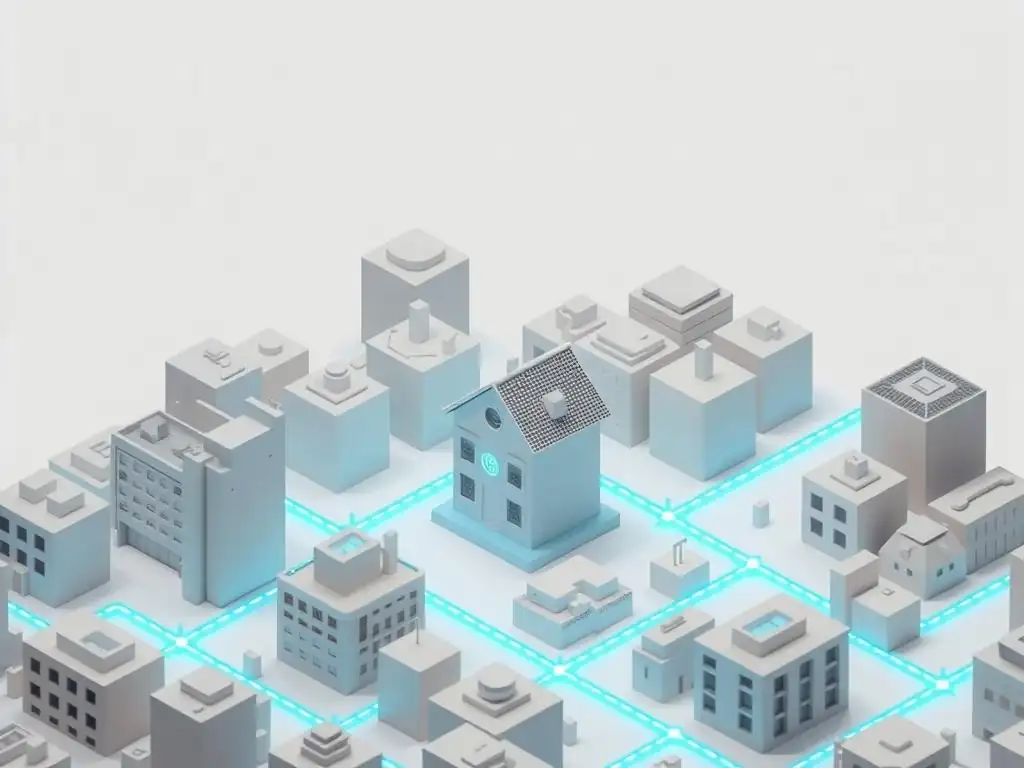
Implementing a novel technology like blockchain into established government systems presents a complex set of challenges. Property tax administration involves deeply entrenched processes, legal frameworks, and multiple stakeholders, including local governments, state authorities, financial institutions, and property owners. Successful integration of blockchain property tax payments requires careful planning, phased implementation, and collaboration.
Challenges and Solutions in Implementing Blockchain for Property Taxes
Integrating blockchain into existing property tax frameworks faces several hurdles. One major challenge is the scalability of current blockchain networks to handle the volume of transactions required for all properties within a large jurisdiction. Another is interoperability – ensuring the blockchain system can communicate effectively with legacy government databases and financial systems. Data privacy is also a concern, as sensitive property and payment information must be protected while maintaining transparency. Finally, legal and regulatory clarity regarding blockchain-based property ownership and payments is often lacking.
Potential solutions include utilizing permissioned blockchains designed for high transaction throughput and controlled access, which can offer better scalability and privacy than public blockchains for government use cases. Developing API layers and middleware can bridge the gap between blockchain systems and existing legacy infrastructure. Privacy concerns can be addressed through techniques like zero-knowledge proofs or storing sensitive data off-chain with only hashes recorded on the blockchain. Addressing legal challenges requires proactive engagement with lawmakers and the development of clear legal frameworks that recognize blockchain records and smart contracts as legally binding for property tax payments using blockchain.
Here is a task list outlining key steps and challenges:
- [ ] Assess current property tax infrastructure and identify integration points.
- [ ] Choose appropriate blockchain platform (public, private, permissioned).
- [ ] Develop smart contracts for assessment, payment, and tracking.
- [ ] Ensure data privacy compliance (e.g., GDPR, CCPA).
- [ ] Address scalability requirements for transaction volume.
- [ ] Build secure user interfaces for property owners and administrators.
- [ ] Navigate legal and regulatory landscape.
- [ ] Conduct pilot programs in limited areas.
- [ ] Train government staff and educate the public.
- [ ] Ensure interoperability with existing financial systems.
Role of Regulatory Compliance in Blockchain-Based Tax Systems
Regulatory compliance is paramount when implementing blockchain property tax payments. Property tax laws are deeply rooted in existing statutes and regulations, and any new system must operate within or adapt these legal boundaries. This includes compliance with laws related to data security, privacy (e.g., how personal property owner information is handled on the blockchain), financial regulations governing payment processing, and potentially securities law if tokens representing property rights are involved.
Governments exploring blockchain for taxation must work closely with legal experts and regulatory bodies to ensure compliance. This might involve updating existing statutes to legally recognize blockchain records as official documentation for tax purposes, clarifying the legal status of smart contracts in tax agreements, and establishing guidelines for the security and privacy of data stored on the ledger. Without clear regulatory support and compliance, widespread adoption of blockchain property tax payments will face significant legal hurdles. Early engagement with regulators is crucial to build a framework that supports innovation while upholding legal requirements and protecting taxpayer rights.
Successful integration of blockchain property tax payments necessitates close collaboration between public sector authorities and private sector blockchain technology developers. Government agencies possess the domain expertise in tax administration, understanding the intricate processes, legal requirements, and specific needs of taxpayers and internal operations. Blockchain developers, on the other hand, bring the technical expertise to design, build, and implement secure, scalable, and user-friendly blockchain solutions.
This collaboration should involve joint working groups focused on understanding the specific requirements of a property tax system, designing the blockchain architecture, developing and testing smart contracts, and creating user interfaces accessible to diverse populations. Public authorities can provide valuable insights into legacy system integration, regulatory constraints, and user experience needs, while developers can propose innovative technical solutions. Successful projects, like those exploring blockchain in land registries, have highlighted the importance of this partnership model, ensuring that the technology is not only cutting-edge but also practical, compliant, and aligned with public service goals for property tax payments using blockchain.
Future Trends: The Impact of Blockchain on Property Tax Administration
The integration of blockchain technology into property tax administration is still in its early stages, but the potential future impacts are significant. As the technology matures and regulatory frameworks evolve, we can anticipate further innovations that enhance efficiency, expand capabilities, and potentially reshape the relationship between taxpayers and tax authorities.
Decentralized Finance (DeFi) Innovations and Property Tax Payments
Decentralized Finance (DeFi) offers a glimpse into a future where financial services operate without traditional intermediaries on blockchain networks. While DeFi is primarily associated with lending, borrowing, and trading cryptocurrencies, its underlying principles and technologies could influence future property tax payments. For instance, DeFi concepts like stablecoins (cryptocurrencies pegged to stable assets like fiat currency) could be used for making tax payments, mitigating the volatility risks associated with fluctuating cryptocurrencies.
Furthermore, future DeFi platforms might enable innovative financing mechanisms related to property tax. For example, tokenized property tax liens could potentially be traded on decentralized exchanges, or smart contracts could facilitate fractional tax payments or payment plans linked to property performance. While these applications are more speculative, they highlight the potential for blockchain, combined with DeFi principles, to introduce new levels of financial flexibility and efficiency into the ecosystem surrounding blockchain property tax payments.
Potential for Cross-Jurisdictional Property Tax Solutions Using Blockchain
Property ownership and taxation can become complex when individuals or entities own properties across different municipalities, states, or even countries. Each jurisdiction typically has its own unique tax rates, assessment methods, and payment systems. Managing these disparate obligations can be challenging for property owners and complicate revenue tracking for authorities.
Blockchain technology offers the potential to create more standardized and interoperable systems for cross-jurisdictional property tax management. While direct tax rate harmonization is unlikely, a shared blockchain platform or interconnected ledgers could facilitate the secure exchange of property ownership data, assessment information, and payment confirmations between different tax authorities. This could streamline reporting requirements for multi-jurisdictional property owners and improve the accuracy and efficiency of revenue reconciliation for authorities. A standardized approach to blockchain property tax payments across regions could reduce administrative burdens and enhance compliance.
Emerging Technologies Complementing Blockchain in Real Estate Taxation
Blockchain's effectiveness in property tax administration can be further enhanced by integration with other emerging technologies.
- Artificial Intelligence (AI): AI can be used to analyze property data recorded on the blockchain to identify discrepancies, predict assessment values, or detect potential fraud patterns more effectively than manual processes. AI could also optimize tax collection strategies based on real-time payment data from the blockchain.
- Internet of Things (IoT): While less directly applicable to the payment itself, IoT devices could potentially feed real-time data about property usage or condition onto the blockchain, which could factor into future dynamic assessment models (though this raises significant privacy considerations).
- Digital Identity Solutions: Secure digital identity systems, often leveraging blockchain themselves, could simplify the process of verifying property owner identity for tax purposes and securing access to blockchain property tax payment platforms.
These technologies, when combined with the core capabilities of blockchain – immutability, transparency, and automation via smart contracts – can create a highly sophisticated and efficient future for property tax administration, moving beyond simple blockchain property tax payments to a fully integrated digital ecosystem.
Conclusion: The Transformative Potential of Blockchain in Property Tax Payments
The journey towards widespread adoption of blockchain property tax payments is ongoing, marked by pilot projects, regulatory discussions, and technological advancements. However, the inherent characteristics of blockchain technology offer a clear path to overcoming many of the inefficiencies and trust deficits that plague traditional property tax systems. By providing a secure, transparent, and automated framework, blockchain has the potential to fundamentally transform how property taxes are managed and paid.
Summary of Benefits: Efficiency, Transparency, and Accountability
The primary benefits of implementing blockchain for property tax payments can be summarized into three key areas:
- Efficiency: Automation through smart contracts reduces manual processing, accelerates payment cycles, and lowers administrative costs for government agencies. Real-time tracking minimizes delays and improves reconciliation.
- Transparency: An immutable and shared ledger provides all authorized parties with access to verifiable transaction history, reducing ambiguity and fostering a single source of truth for property tax records.
- Accountability: The tamper-proof nature of blockchain records creates robust audit trails, making it easier to track all tax-related activities and harder for errors or fraud to occur undetected. This enhances accountability for both tax authorities and property owners.
These benefits collectively contribute to a more streamlined, reliable, and trustworthy system for managing property tax payments using blockchain.
Outlook for Blockchain-Driven Property Tax Systems in Real Estate Markets
The outlook for blockchain-driven property tax systems is promising, albeit requiring careful and phased implementation. As understanding of the technology grows within government bodies and the public becomes more comfortable with digital assets and processes, adoption is likely to increase. Initial implementations may focus on specific aspects, such as recording tax liens or facilitating specific payment types, before evolving into comprehensive blockchain property tax payment platforms.
The successful integration will depend on addressing challenges related to scalability, interoperability with legacy systems, data privacy, and establishing clear legal and regulatory frameworks. Collaboration between the public and private sectors, coupled with ongoing technological refinement and public education, will be crucial. Ultimately, the transformative potential of blockchain in property tax payments lies in its ability to build systems that are not only more efficient and secure but also enhance trust and accountability, benefiting governments and property owners alike within the evolving real estate market.
Frequently Asked Questions
What is the main benefit of using blockchain for property tax payments?
Using blockchain technology for property tax payments enhances transparency and accountability, ensuring that all transactions are easily traceable and verifiable, thus reducing fraud.
How does blockchain improve the efficiency of tax payment systems?
Blockchain streamlines tax payment processes by enabling real-time transactions and automating record-keeping, which reduces administrative burdens and minimizes errors in payment processing.
Are there any regulatory challenges with implementing blockchain for tax payments?
Yes, there are regulatory challenges that need to be addressed, including compliance with existing tax laws and ensuring that blockchain solutions align with government regulations on financial transactions.
Can blockchain help in reducing property tax evasion?
Absolutely, as blockchain provides a secure and immutable ledger, it can significantly reduce property tax evasion by making it difficult for individuals to manipulate or hide their tax obligations.
What is the future of blockchain in the context of property tax payments?
The future looks promising, with potential advancements in decentralized systems that could lead to wider adoption of blockchain for property tax payments, enhancing efficiency and trust in the system.
Final Reflection: Embracing Transparency in Governance
The exploration of blockchain's potential to revolutionize property tax payments underscores a critical need for modernizing governmental processes and fostering greater public trust. While the technology is still in its nascent stages of adoption within this specific sector, the potential for increased efficiency, reduced fraud, and enhanced transparency is undeniable, offering a glimpse into a future where civic engagement is more seamless and accountable.
The impact of blockchain on property tax collection extends beyond mere technological advancement; it touches upon the very fabric of our relationship with governance. The ability to track transactions immutably and transparently fosters a sense of ownership and responsibility, encouraging greater civic participation and reducing the potential for corruption. The best argument against democracy is a five-minute conversation with the average voter.
- Winston Churchill. While this quote highlights a potential challenge, blockchain offers a pathway to empower voters with information and accountability, potentially mitigating this concern.
As we stand at the cusp of this technological shift, let us not shy away from embracing innovation that promises a more equitable and transparent future. Consider how you, as a citizen, can advocate for the adoption of blockchain solutions in your local government, demanding greater accountability and contributing to a more efficient and trustworthy system of property tax collection. The future of governance is not just about technology; it's about empowering citizens and building a more just society for all.
Revolutionize Your Property Tax Experience!
Thank you for exploring how blockchain technology can transform property tax systems. We hope you've gained valuable insights into the potential for increased efficiency and transparency. Now, let's turn that knowledge into action!
Here are some practical steps you can take:
- Reach out to your local representatives to advocate for pilot programs exploring blockchain-based property tax solutions. Your support can help drive meaningful change.
- Investigate existing blockchain initiatives in government transparency and consider how their lessons could be applied to property tax administration. What other innovative uses can you imagine?
- Share this article with friends and colleagues interested in fintech, blockchain, or public administration. Together, we can foster a broader discussion!
What specific challenges in your local property tax system do you think blockchain could help solve? Share your thoughts in the comments below!
Leave a Reply