
DLT and the Development of NextGeneration Internet Infrastructure (Web3)

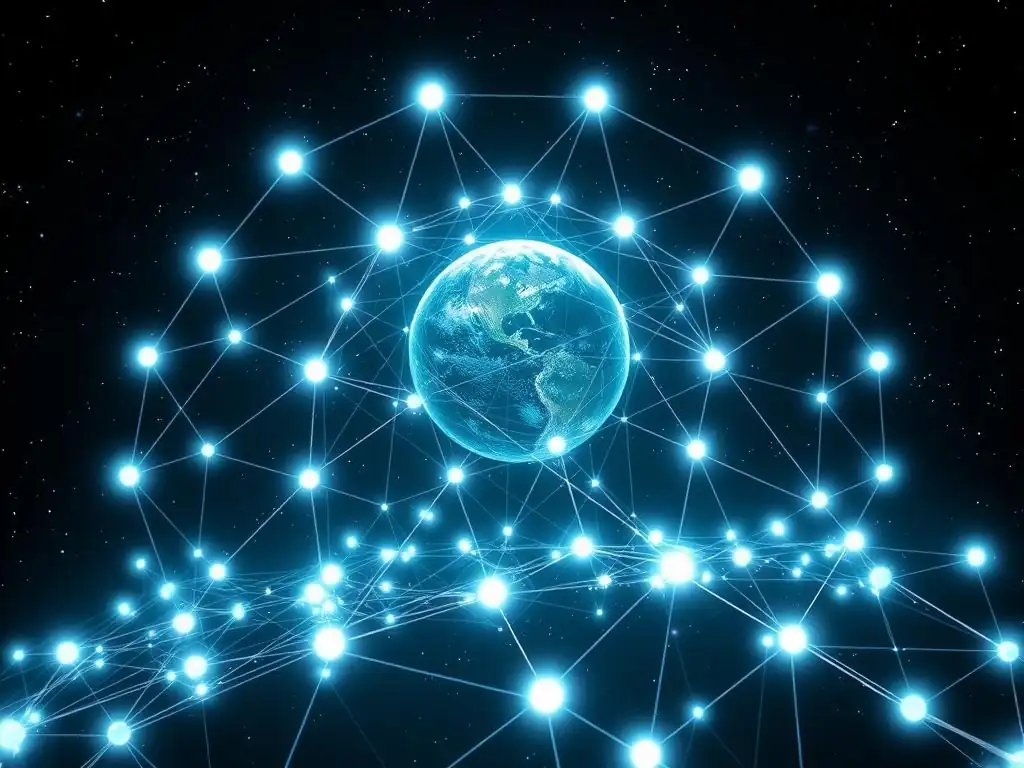
Welcome to Blockchain Trends, your gateway to understanding the revolutionary impact of blockchain technology. Dive into our latest deep dive, "DLT and the Development of Next-Generation Internet Infrastructure (Web3)," where we unravel the vital role of blockchain infrastructure in shaping the future of the decentralized web. Curious about how blockchain is powering the next evolution of the internet? Explore the potential and the challenges ahead, and discover how this technology is poised to redefine our digital landscape.
DLT and the Development of Next-Generation Internet Infrastructure (Web3)
- Introduction: The Convergence of DLT and Web3's Blockchain Infrastructure
- What is DLT and Why is it Crucial for Web3?
- Building Blocks of Web3: How DLT Enables Decentralization
-
Use Cases: DLT Driving Innovation in Web3 Applications
- Decentralized Finance (DeFi) and DLT: Revolutionizing Financial Services on Web3
- Supply Chain Management on Web3: Enhanced Transparency with DLT
- Digital Identity and Data Ownership: Empowering Users in the Web3 Ecosystem via DLT
- Enterprise Data Management: Enhancing Security and Auditability with DLT
- Challenges and Opportunities in Implementing DLT for Web3 Infrastructure
- The Future of Blockchain Infrastructure for Web3: DLT's Evolving Role
- Conclusion: DLT as the Cornerstone of a Decentralized and Secure Web3
-
Frequently Asked Questions
- What is the role of DLT in building blockchain infrastructure for Web3?
- How does blockchain infrastructure support DeFi applications within Web3?
- Beyond cryptocurrencies, what are some key enterprise applications of blockchain infrastructure in Web3?
- What are the main regulatory challenges surrounding blockchain infrastructure for Web3 development?
- What is the future outlook for decentralized systems powered by blockchain infrastructure in Web3?
- Final Reflection: Building the Decentralized Future
- Chart Your Course in the Web3 Revolution!
Introduction: The Convergence of DLT and Web3's Blockchain Infrastructure
Understanding the Evolution from Web 2.0 to Web3 Powered by DLT
The internet has undergone significant transformations since its inception. Web 2.0, characterized by social media platforms and user-generated content, centralized power in the hands of a few tech giants. This era, while fostering connectivity and information sharing, has also raised concerns about data privacy, censorship, and the concentration of wealth.
Users became products, their data harvested and monetized by centralized entities. The limitations of this model, including data breaches and the lack of user control, have paved the way for a new paradigm: Web3. This next iteration aims to decentralize the internet, returning control and ownership to users through the innovative application of Distributed Ledger Technology (DLT).
Web3 envisions a more democratic and transparent online ecosystem. It seeks to address the shortcomings of Web 2.0 by leveraging blockchain infrastructure and DLT to distribute power and data across a network rather than centralizing it. This shift is not merely a technological upgrade; it represents a fundamental change in how the internet operates and who benefits from it.
The transition to Web3 is being driven by a growing demand for greater user autonomy, data security, and a fairer distribution of value online. DLT is emerging as the foundational technology to realize this vision, offering the necessary infrastructure for a decentralized and user-centric internet.
The Role of Distributed Ledger Technology (DLT) in Shaping Web3's Foundation
Distributed Ledger Technology (DLT) is not just a buzzword; it is the bedrock upon which the decentralized future of Web3 is being built. Unlike traditional centralized databases, DLT distributes data across multiple nodes in a network, making it inherently more resilient, transparent, and secure. This distributed nature is crucial for Web3, which aims to dismantle the centralized control points of Web 2.0. DLT provides the mechanism to achieve this decentralization, ensuring that no single entity can unilaterally control or manipulate the network and the data it holds.
The significance of DLT in Web3 extends beyond mere data storage. It provides the infrastructure for verifiable transactions, transparent governance, and the creation of decentralized applications (dApps). By enabling secure and immutable record-keeping, DLT fosters trust and accountability within the Web3 ecosystem.
This trust is paramount for users to confidently engage in decentralized platforms and services, knowing that their data and transactions are protected and transparently recorded on the blockchain infrastructure. The inherent characteristics of DLT – immutability, transparency, and decentralization – are perfectly aligned with the core principles of Web3, making it an indispensable technology for building the next generation internet.
What is DLT and Why is it Crucial for Web3?
Defining Distributed Ledger Technology (DLT): Beyond Traditional Databases
Distributed Ledger Technology (DLT) represents a paradigm shift from traditional database systems. At its core, DLT is a database replicated across numerous computers or nodes within a network. This distribution is the key differentiator. Unlike centralized databases where a single authority controls all the data, DLT ensures that data is shared and synchronized across multiple participants. This eliminates single points of failure and reduces the risk of data manipulation or censorship. The shared and distributed nature of the ledger is what provides resilience and security to the system.
The term "ledger" in DLT refers to a record of transactions or data entries, much like a traditional accounting ledger. However, in a DLT, this ledger is digital and cryptographically secured. Each transaction or data entry is grouped into "blocks" which are linked together chronologically and cryptographically, forming a "chain" in the case of blockchain, a specific type of DLT.
This chain of blocks creates an immutable and auditable history of all transactions, making it extremely difficult to alter past records. This immutability and auditability are crucial for establishing trust and transparency in digital systems, especially in the context of Web3's decentralized applications.
Key Characteristics of DLT that Support Decentralized Web3 Applications
DLT possesses several key characteristics that make it ideally suited to underpin decentralized Web3 applications. Firstly, decentralization itself is a core feature. By distributing data across a network, DLT eliminates reliance on central authorities, making systems more resistant to censorship and single points of failure. This aligns perfectly with Web3's goal of shifting power away from centralized corporations and back to users.
Secondly, transparency is a hallmark of many DLT implementations, particularly public blockchains. Transaction records are often publicly auditable, enhancing trust and accountability. While privacy can be maintained through cryptographic techniques, the underlying ledger is generally visible to network participants. Thirdly, immutability ensures that once data is recorded on the DLT, it cannot be easily altered or deleted.
This provides a permanent and verifiable record of transactions, crucial for applications requiring data integrity and audit trails, such as supply chain management and digital identity verification in Web3. Finally, security is enhanced through cryptography and consensus mechanisms. Cryptographic hashing and digital signatures secure transactions, while consensus algorithms ensure agreement among network participants about the validity of new entries. These combined characteristics form a robust foundation for building secure, transparent, and decentralized Web3 applications.
DLT vs. Blockchain: Clarifying the Relationship and Differences for Web3
While the terms DLT and blockchain are often used interchangeably, it's important to understand the nuanced relationship, especially in the context of Web3's blockchain infrastructure. DLT is the broader, overarching category, encompassing various types of distributed ledgers. Blockchain, on the other hand, is a specific type of DLT, characterized by its organization of data into blocks that are chained together chronologically and cryptographically. Think of DLT as the genus and blockchain as a species within that genus.
All blockchains are DLTs, but not all DLTs are blockchains. Other forms of DLT exist, such as Hashgraph and Directed Acyclic Graphs (DAGs), which organize data differently and may offer advantages in terms of scalability or transaction speed for certain Web3 applications. However, blockchain, particularly public blockchains like Ethereum and Bitcoin, has been the dominant form of DLT driving the initial wave of Web3 development.
For many, "blockchain infrastructure for Web3" is synonymous with DLT infrastructure, as blockchain provides a well-established and understood framework for decentralization, security, and transparency. Understanding this distinction is important for appreciating the diverse technological landscape of Web3 and the range of DLT solutions being explored to power its future.
Building Blocks of Web3: How DLT Enables Decentralization
Decentralized Identity (DID) and Self-Sovereign Identity using DLT for Web3
Decentralized Identity (DID) is a cornerstone of Web3, aiming to empower users with self-sovereign control over their digital identities. Traditional identity systems are often centralized and controlled by service providers, leading to data silos and privacy concerns. DID, powered by DLT, flips this model. It allows individuals to create and control their own digital identities, independently of any central authority. These identities are anchored on a DLT, providing a secure and verifiable foundation for online interactions in Web3.
Self-Sovereign Identity (SSI), closely related to DID, takes this concept further. SSI emphasizes user autonomy and control over personal data. With SSI built on DLT, individuals can manage their identity credentials – such as verified email addresses, professional certifications, or KYC (Know Your Customer) information – and selectively share them with applications and services as needed.
This reduces the need to repeatedly provide personal information to different platforms, enhancing privacy and streamlining online experiences within Web3. For example, a user could prove their age to an age-restricted Web3 application using a DID-based credential, without revealing their exact date of birth or other unnecessary personal details, all secured by the underlying blockchain infrastructure.
Secure and Transparent Data Management with DLT in Web3 Applications
Data management in Web3, facilitated by DLT, prioritizes security and transparency unlike the opaque systems of Web 2.0. DLT's inherent features – immutability, cryptography, and decentralization – provide a robust framework for securing data and ensuring its integrity within Web3 applications. Data stored on a DLT is tamper-proof, meaning that once recorded, it cannot be altered retroactively without detection. This immutability is critical for applications requiring verifiable data trails, such as supply chain tracking or provenance verification in Web3 marketplaces.
Transparency in DLT-based data management doesn't necessarily mean all data is publicly visible. Depending on the DLT and the application's design, privacy can be maintained through techniques like encryption and zero-knowledge proofs. However, the underlying transactions and data structures on the DLT are often auditable, providing a level of transparency that is not typically found in traditional centralized systems.
This transparency fosters trust and accountability, enabling users to verify the integrity of data and processes within Web3 applications. For instance, in a decentralized voting system built on DLT, the voting process and results can be transparently audited by anyone, increasing confidence in the fairness and accuracy of the election.
Enabling Interoperability and Data Sharing Across Web3 Platforms via DLT
Interoperability and seamless data sharing are crucial for the evolution of Web3 into a cohesive and user-friendly ecosystem. DLT plays a pivotal role in enabling this by providing a common, standardized layer for data exchange and interaction between different Web3 platforms and applications. In Web 2.0, data silos are prevalent, hindering the flow of information and creating fragmented user experiences. Web3, leveraging DLT, aims to break down these silos by enabling different platforms to communicate and share data in a secure and standardized manner.
DLT facilitates interoperability through various mechanisms. Standardized protocols built on DLT, such as those for Decentralized Identifiers (DIDs) and verifiable credentials, allow different Web3 applications to recognize and interact with user identities and data across platforms. Furthermore, cross-chain technologies, often utilizing DLT bridges, are being developed to enable the transfer of assets and data between different blockchains and DLT networks.
This interconnectedness, powered by DLT, is essential for realizing the full potential of Web3, creating a more fluid and integrated user experience where data and value can flow freely between different decentralized services and applications. Imagine a user seamlessly using their DID and digital assets across various Web3 games, DeFi platforms, and social networks, all enabled by the interoperability fostered by DLT.
Use Cases: DLT Driving Innovation in Web3 Applications
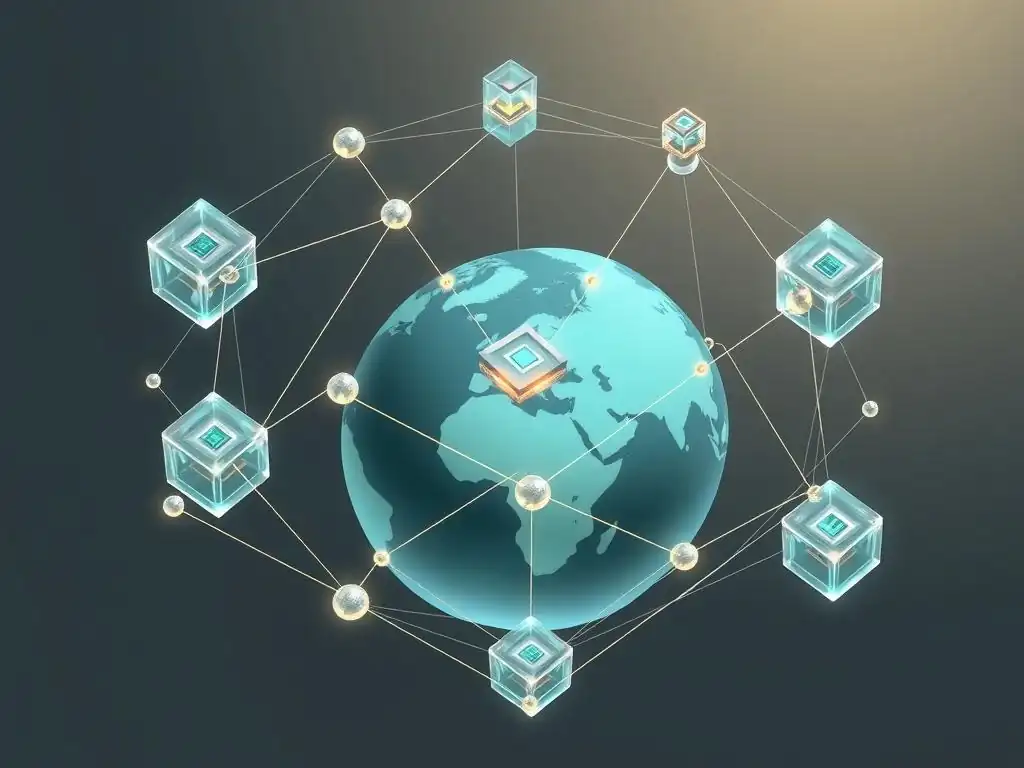
Decentralized Finance (DeFi) and DLT: Revolutionizing Financial Services on Web3
Decentralized Finance (DeFi) is arguably the most prominent and transformative use case of DLT in Web3. DeFi aims to recreate traditional financial services – lending, borrowing, trading, and asset management – in a decentralized and permissionless manner, utilizing blockchain infrastructure. Traditional finance is characterized by intermediaries, high fees, and limited access for many. DeFi, powered by DLT, offers a more transparent, efficient, and accessible alternative.
DLT provides the underlying infrastructure for DeFi protocols, enabling secure and transparent transactions without the need for intermediaries like banks or brokers. Smart contracts, self-executing agreements coded on the blockchain, automate financial processes and enforce rules in a trustless manner. For example, decentralized lending platforms built on DLT allow users to borrow and lend cryptocurrencies directly from each other, often with algorithmic interest rate adjustments and collateral management governed by smart contracts.
Decentralized exchanges (DEXs) facilitate the trading of digital assets directly between users, eliminating the need for centralized exchanges and reducing counterparty risk. The total value locked in DeFi protocols has fluctuated, but reached peaks exceeding $100 billion USD in recent years, demonstrating the significant adoption and impact of DLT in revolutionizing financial services within Web3.
Supply Chain Management on Web3: Enhanced Transparency with DLT
Supply chain management is another area where DLT is bringing significant innovation to Web3 applications, enhancing transparency and efficiency across complex networks. Traditional supply chains often suffer from opacity, inefficiencies, and lack of traceability, making it difficult to verify product provenance, authenticity, and ethical sourcing. DLT offers a solution by providing a shared, immutable ledger to track goods and information as they move through the supply chain.
By recording each step of a product's journey on a DLT – from raw material sourcing to manufacturing, distribution, and final delivery – all stakeholders gain access to a transparent and verifiable record. This enhances traceability, allowing consumers to verify the origin and authenticity of products, and businesses to improve efficiency and reduce fraud.
For example, in the food industry, DLT can be used to track food products from farm to table, providing consumers with information about the origin, processing, and handling of their food, increasing trust and accountability within the supply chain. Real-world implementations are emerging, with companies exploring DLT solutions to track pharmaceuticals, luxury goods, and other products where provenance and authenticity are critical.
Digital Identity and Data Ownership: Empowering Users in the Web3 Ecosystem via DLT
As discussed earlier, Digital Identity and data ownership are fundamental pillars of Web3, and DLT plays a crucial role in empowering users in these areas. In Web2, user data is largely controlled and monetized by centralized platforms. Web3 aims to shift data ownership back to users, giving them greater control and agency over their personal information. DLT, through Decentralized Identifiers (DIDs) and Self-Sovereign Identity (SSI) frameworks, provides the technological infrastructure to achieve this.
DLT enables users to create and manage their own digital identities, independent of platform providers. These identities are not tied to specific platforms, allowing users to carry their reputation and credentials across different Web3 applications. Furthermore, DLT facilitates the development of data ownership models where users can control who has access to their data and how it is used.
For instance, decentralized data marketplaces are emerging where users can potentially monetize their data directly, rather than having it harvested and sold by centralized corporations. This shift towards user-centric data ownership, powered by DLT, is a core principle of Web3, aiming to create a more equitable and privacy-respecting internet.
Enterprise Data Management: Enhancing Security and Auditability with DLT
Beyond consumer-facing applications, DLT is also finding increasing adoption in enterprise data management within Web3 contexts, offering enhanced security and auditability for sensitive business information. Traditional enterprise data management systems often face challenges related to data silos, security breaches, and the complexity of ensuring data integrity and compliance. DLT provides a distributed and immutable ledger that can address these challenges, offering a more secure and auditable platform for managing enterprise data.
By utilizing permissioned DLT networks, enterprises can share data securely and transparently with authorized partners and stakeholders, while maintaining control over access and permissions. The immutable nature of DLT ensures data integrity and provides a verifiable audit trail of data modifications and transactions. This is particularly valuable for industries with stringent regulatory requirements, such as finance and healthcare, where data security and compliance are paramount.
For example, supply chain companies are using permissioned DLTs to securely share logistics data with partners, improving efficiency and transparency. Financial institutions are exploring DLT for secure and auditable record-keeping and compliance reporting. The adoption of DLT in enterprise data management is growing as businesses recognize the benefits of enhanced security, transparency, and auditability for their critical data assets in the evolving Web3 landscape.
Challenges and Opportunities in Implementing DLT for Web3 Infrastructure
Scalability Limitations of DLT and Solutions for Web3's Growth
Scalability is a significant challenge for many DLT platforms, particularly public blockchains, as Web3 aims for mass adoption. Traditional blockchain architectures, especially those using proof-of-work consensus mechanisms, can suffer from limited transaction throughput and slow confirmation times, which can hinder the user experience and scalability of Web3 applications. For instance, early blockchain networks like Bitcoin can process only a limited number of transactions per second, which is insufficient for handling the transaction volumes expected in a widely adopted Web3.
However, significant progress is being made in addressing DLT scalability limitations. Layer-2 scaling solutions, such as rollups and sidechains, are being developed to offload transaction processing from the main blockchain, increasing throughput and reducing transaction costs. Sharding, a technique to divide the blockchain into smaller, more manageable pieces, is another approach to improve scalability.
Furthermore, newer DLT architectures, including those using proof-of-stake consensus and DAGs, are designed to be inherently more scalable than earlier blockchain designs. Ongoing research and development in DLT scalability are crucial for ensuring that Web3 infrastructure can handle the increasing demands of a growing user base and a wider range of applications.
Regulatory Landscape and Compliance Considerations for DLT-Based Web3 Systems
The regulatory landscape surrounding DLT and Web3 is still evolving and presents both challenges and opportunities for the development and adoption of blockchain infrastructure for Web3. Governments and regulatory bodies worldwide are grappling with how to regulate decentralized technologies and applications, seeking to balance innovation with consumer protection and financial stability. The lack of clear and consistent regulations across jurisdictions creates uncertainty for Web3 projects and businesses operating in the DLT space.
Compliance considerations are paramount for DLT-based Web3 systems, particularly in areas like financial services, data privacy, and anti-money laundering (AML). DeFi protocols, for instance, are facing increasing regulatory scrutiny regarding their compliance with existing financial regulations. Data privacy regulations, such as GDPR and CCPA, also have implications for how DLT-based Web3 applications handle user data. Navigating this complex and evolving regulatory landscape requires careful planning and proactive engagement with regulators. However, clear and well-designed regulations can also provide a framework for responsible innovation and foster greater trust and adoption of DLT and Web3 technologies.
Security Risks and Mitigation Strategies in DLT-Powered Web3 Environments
While DLT offers enhanced security compared to traditional centralized systems, it is not immune to security risks. Smart contract vulnerabilities, for example, can lead to significant financial losses in DeFi protocols if not properly audited and secured. Cryptographic weaknesses, although rare, could potentially be exploited. Furthermore, attacks on the consensus mechanisms or network infrastructure of DLT platforms are also potential threats. The decentralized nature of some DLT systems can also make it challenging to address security incidents and recover from attacks.
Mitigation strategies are crucial for ensuring the security of DLT-powered Web3 environments. Rigorous smart contract audits by reputable security firms are essential for identifying and fixing vulnerabilities before deployment. Best practices in cryptography and secure coding should be followed throughout the development lifecycle.
Robust consensus mechanisms and network security measures are necessary to protect against attacks on the DLT infrastructure. Furthermore, insurance solutions and decentralized governance mechanisms are being explored to mitigate the impact of security incidents and provide recourse for users in case of losses. Continuous monitoring, security updates, and community involvement are vital for maintaining the security and resilience of DLT-based Web3 systems.
Opportunities for Innovation and Collaboration in the DLT and Web3 Space
Despite the challenges, the DLT and Web3 space is brimming with opportunities for innovation and collaboration. The nascent nature of Web3 presents a fertile ground for developing new applications, protocols, and business models that leverage the unique capabilities of DLT. Areas like decentralized identity, DeFi, NFTs, and decentralized governance are still in their early stages of development, with vast potential for further innovation and refinement.
Collaboration is essential for realizing the full potential of DLT and Web3. Open-source development, industry standards initiatives, and cross-industry partnerships are crucial for fostering interoperability, driving innovation, and addressing common challenges. Collaboration between researchers, developers, businesses, and policymakers is needed to build a robust, secure, and user-friendly Web3 ecosystem. The spirit of open innovation and community-driven development that characterizes the DLT and Web3 space is a key strength, fostering creativity and accelerating the progress towards a decentralized and more equitable digital future.
The Future of Blockchain Infrastructure for Web3: DLT's Evolving Role
Emerging DLT Technologies Shaping the Future of Web3 Development
The future of blockchain infrastructure for Web3 is being shaped by the emergence of new and evolving DLT technologies beyond traditional blockchains. While blockchain remains a foundational technology, alternative DLT architectures, such as Hashgraph and DAGs, are gaining traction and offering potential advantages in terms of scalability, speed, and efficiency for specific Web3 use cases. These emerging DLTs are exploring different approaches to data organization, consensus mechanisms, and network architecture, potentially addressing some of the limitations of traditional blockchains.
Furthermore, advancements in blockchain technology itself are continuously pushing the boundaries of what's possible for Web3 development. Layer-2 scaling solutions are becoming more sophisticated and efficient, enabling higher transaction throughput and lower fees. Interoperability solutions, such as cross-chain bridges and atomic swaps, are improving the connectivity between different blockchain networks, paving the way for a more interconnected Web3 ecosystem.
Privacy-enhancing technologies (PETs), such as zero-knowledge proofs and secure multi-party computation, are being integrated into DLT platforms to address privacy concerns and enable new use cases that require data confidentiality. These ongoing technological advancements in DLT are crucial for the continued evolution and maturation of Web3 infrastructure.
The Impact of DLT on the Decentralized Internet Landscape
DLT is poised to have a profound impact on the decentralized internet landscape, transforming how we interact online, conduct business, and manage digital assets. By providing the foundational infrastructure for decentralization, DLT is enabling the shift from centralized Web 2.0 platforms to a more distributed and user-centric Web3. This shift has the potential to empower individuals with greater control over their data, identities, and digital experiences.
The decentralization enabled by DLT can foster greater transparency, accountability, and resilience in online systems. Decentralized applications (dApps) built on DLT are challenging the dominance of centralized platforms, offering users alternatives that are more transparent, censorship-resistant, and community-governed. The emergence of decentralized autonomous organizations (DAOs), facilitated by DLT and smart contracts, is exploring new models of online governance and community ownership. The impact of DLT extends beyond technology, potentially reshaping economic and social structures online, fostering a more open, equitable, and user-empowering digital landscape.
Predictions for the Growth and Adoption of DLT in Web3
Predictions for the growth and adoption of DLT in Web3 are largely optimistic, with many analysts forecasting significant expansion in the coming years. The increasing recognition of the limitations of centralized Web 2.0, coupled with the growing maturity of DLT technologies, is driving interest and investment in Web3 initiatives. The total market capitalization of cryptocurrencies and digital assets, while volatile, has demonstrated significant growth over the past decade, indicating increasing adoption of DLT-based technologies.
Industry reports and expert forecasts suggest continued growth in key Web3 sectors, such as DeFi, NFTs, and decentralized infrastructure. The adoption of DLT by enterprises is also expected to increase as businesses recognize the benefits of enhanced security, transparency, and efficiency for various use cases, from supply chain management to data management.
However, the pace of adoption will depend on factors such as regulatory clarity, scalability improvements in DLT platforms, and the user-friendliness of Web3 applications. Despite potential challenges, the underlying trends point towards a continued expansion of DLT's role in shaping the future of the internet, establishing it as a critical component of blockchain infrastructure for Web3.
Conclusion: DLT as the Cornerstone of a Decentralized and Secure Web3
The Transformative Potential of DLT in Building a Next-Generation Internet
Distributed Ledger Technology (DLT) holds immense transformative potential in building a next-generation internet, Web3, that addresses the shortcomings of its predecessors. DLT's core attributes – decentralization, transparency, immutability, and security – are perfectly aligned with the vision of a more open, equitable, and user-centric digital future. By providing the foundational blockchain infrastructure, DLT empowers the creation of decentralized applications, services, and ecosystems that shift control away from centralized entities and back to users.
The transformative potential of DLT extends across various domains, from finance and supply chain management to digital identity and data ownership. It enables new models of online interaction, governance, and value exchange, fostering innovation and challenging the status quo of the centralized internet. While challenges remain in areas like scalability, regulation, and security, the ongoing development and adoption of DLT are steadily paving the way for a Web3 that is more resilient, transparent, and empowering than the current internet landscape.
Embracing the Synergies Between DLT and Web3 for a More Open and Equitable Digital Future
Embracing the synergies between DLT and Web3 is crucial for realizing a more open and equitable digital future. DLT provides the technological foundation for Web3, while Web3 provides the vision and use cases that drive the adoption and development of DLT. This symbiotic relationship is essential for building a decentralized internet that benefits all participants, not just a select few.
By fostering collaboration, innovation, and responsible development within the DLT and Web3 space, we can unlock the full potential of these technologies to create a more democratic and inclusive digital world. This requires addressing the challenges proactively, engaging with regulators constructively, and prioritizing user needs and ethical considerations in the development and deployment of DLT-based Web3 solutions. The journey towards a truly decentralized and secure Web3 is ongoing, but the transformative power of DLT as its cornerstone is undeniable.
Explore More Insights on Blockchain Trends: Stay Updated with the Latest DLT and Web3 Innovations
To stay at the forefront of this rapidly evolving landscape, it is essential to continuously explore and understand the latest trends and innovations in DLT and Web3. The convergence of these technologies is driving significant changes in the digital world, and staying informed is key to navigating and participating in this transformation.
Further exploration into specific DLT platforms, Web3 applications, and emerging research areas will provide a deeper understanding of the opportunities and challenges ahead. By staying updated with resources like Blockchain Trends, individuals and organizations can better grasp the evolving potential of DLT and its crucial role in shaping the future of the internet and beyond.
Frequently Asked Questions
What is the role of DLT in building blockchain infrastructure for Web3?
Distributed Ledger Technology (DLT), like blockchain, provides the decentralized and secure foundation necessary for Web3. It enables trustless transactions and data management, crucial for the next generation internet.
How does blockchain infrastructure support DeFi applications within Web3?
Blockchain infrastructure provides the underlying framework for DeFi, enabling features like smart contracts and decentralized exchanges. This allows for transparent and efficient financial services without intermediaries.
Beyond cryptocurrencies, what are some key enterprise applications of blockchain infrastructure in Web3?
Enterprise applications include supply chain management, identity verification, and data provenance. Blockchain ensures data integrity and transparency, fostering trust in enterprise operations within Web3.
What are the main regulatory challenges surrounding blockchain infrastructure for Web3 development?
Regulatory challenges involve clarifying legal frameworks for decentralized finance (DeFi) and addressing data privacy concerns. Navigating these regulations is crucial for the sustainable growth of Web3.
What is the future outlook for decentralized systems powered by blockchain infrastructure in Web3?
The future envisions a more decentralized, secure, and user-centric internet. Blockchain infrastructure will empower new forms of collaboration and innovation, transforming various industries and online interactions.
Okay, here's a final reflection designed to close your article on DLT and the development of next-generation internet infrastructure (Web3), optimized for the keyword "Blockchain infrastructure for Web3," and following the structure you provided:
Final Reflection: Building the Decentralized Future
The exploration of Distributed Ledger Technology (DLT) and its pivotal role in shaping Web3 underscores a crucial reality: the future of the internet hinges on robust and decentralized infrastructure. The promises of Web3 – enhanced security, user empowerment, and transparent governance – are intrinsically linked to the underlying blockchain infrastructure that supports them. Without a solid foundation, these aspirations risk remaining just that: aspirations.
The impact of this technological shift extends far beyond mere technological upgrades. It represents a fundamental reimagining of how we interact with information, conduct business, and build communities online. The potential for DLT to democratize access and foster innovation is immense, and it's a privilege to witness its unfolding. The power of the blockchain is its ability to create trust without the need for intermediaries.
This quote encapsulates the transformative potential of blockchain infrastructure for Web3, promising a more equitable and transparent digital landscape.
As we stand on the cusp of this new era, let us not merely observe the evolution of Web3, but actively participate in its construction. Consider how you can contribute to the development and adoption of secure, scalable, and user-centric blockchain infrastructure. The decentralized future is not predetermined; it is being built, block by block, by those who dare to envision a better internet. Let us all strive to be architects of this transformative change.
Chart Your Course in the Web3 Revolution!
Thank you for exploring the world of distributed ledger technology and its potential to reshape the internet. Now that you understand how blockchain is foundational to building Web3, it’s time to take the next step and become an active participant in this exciting evolution.
Here are a few ways you can get involved:
- Start building: The best way to understand Web3 is by getting hands-on. Explore platforms like Ethereum, Polygon, or Solana and experiment with creating your own decentralized application. This is your chance to help shape the future!
- Join the conversation: Follow leading experts, innovative projects, and communities involved in blockchain and Web3 on social media platforms. Sharing insights, asking questions, and engaging in discussions will deepen your understanding and help you connect with others in the space.
- Explore new opportunities: Investigate how blockchain technology is impacting industries beyond finance, such as supply chain management, healthcare, and environmental sustainability. Discover how these sectors are being transformed and identify areas ripe for innovation.
Are you ready to build the decentralized future? What’s the first Web3 project you want to create? Share your ideas in the comments below!
Leave a Reply