
The Democratization of Ethics: Blockchain's Potential to Empower Supply Chain Stakeholders


Welcome to Blockchain Trends, your gateway to understanding the revolutionary potential of blockchain technology!
Are you ready to explore how blockchain is moving beyond cryptocurrency and reshaping industries? In this article, we delve into a vital application: blockchain supply chain ethics solutions. Discover how this technology can empower stakeholders and democratize ethical practices within complex supply chains. Intrigued? Let's unravel the potential together...
- The Democratization of Ethics: Blockchain's Potential to Empower Supply Chain Stakeholders
- Blockchain Supply Chain Ethics Solutions: A New Paradigm
- Key Features of Blockchain-Based Ethical Supply Chains
- Real-World Applications of Blockchain in Ethical Supply Chains
- Overcoming the Barriers to Blockchain Adoption in Supply Chains
- The Future of Blockchain Supply Chain Ethics Solutions
-
Frequently Asked Questions
- What are some key ethical challenges currently facing supply chains?
- How can blockchain technology contribute to ethical improvements in supply chains?
- What are some "Blockchain supply chain ethics solutions" that are being implemented today?
- What role does decentralization play in empowering stakeholders within a blockchain-based supply chain?
- What are the potential challenges to widespread adoption of blockchain for ethical supply chain management?
- Final Reflection: Embracing Ethical Transparency Through Blockchain
- Ignite Ethical Change: Start Your Blockchain Journey Now!
The Democratization of Ethics: Blockchain's Potential to Empower Supply Chain Stakeholders
Introduction: The Urgent Need for Ethical Supply Chains
Global supply chains have become incredibly complex, spanning numerous countries and involving millions of participants, from raw material extractors to final consumers. This complexity, while driving economic efficiency, often obscures critical information about labor practices, environmental impact, and sourcing origins. Reports of forced labor, unsafe working conditions, and significant environmental damage in various industries, such as fast fashion or electronics manufacturing, highlight a systemic failure to uphold ethical standards throughout the chain. Consumers, regulators, and advocacy groups are increasingly demanding greater accountability and transparency, pushing companies to implement robust ethical sourcing policies and demonstrate compliance.
The lack of visibility makes it challenging for companies to verify claims made by their suppliers and for consumers to make informed purchasing decisions based on ethical considerations. Traditional audit processes are often periodic, costly, and susceptible to manipulation, failing to provide continuous, real-time assurance.
Addressing these challenges is not just a matter of corporate responsibility but also a business imperative, as reputational damage from ethical breaches can lead to significant financial losses and erosion of consumer trust. The pursuit of effective Blockchain supply chain ethics solutions is therefore becoming paramount for businesses aiming for long-term sustainability and consumer loyalty.
Understanding the Challenges in Traditional Supply Chain Ethics
Lack of Transparency and Traceability in Current Systems
Traditional supply chain systems often rely on fragmented, siloed databases and paper-based records. Information about the origin of materials, manufacturing processes, and distribution steps is frequently held by individual parties and not easily shared across the entire network. This opacity makes it incredibly difficult to trace a product's journey end-to-end and verify claims related to ethical sourcing, such as whether cotton is truly organic or if minerals are conflict-free. A garment might pass through half a dozen countries, handled by numerous contractors and subcontractors, each adding a layer of obscurity.
This inherent lack of transparency hinders the ability to identify and address unethical practices effectively. When an issue arises, such as a factory collapse or a report of child labor, pinpointing responsibility and tracing the affected products back to their origin can be a protracted and often impossible task.
Without a clear, unified record of transactions and events, stakeholders at different points in the chain, including brands, retailers, and consumers, lack the necessary visibility to ensure compliance with ethical standards and hold parties accountable. The absence of reliable, shared data makes achieving meaningful Blockchain supply chain ethics solutions difficult within conventional frameworks.
The Problem of Information Asymmetry in Supply Chains
Information asymmetry is a significant barrier to ethical conduct in traditional supply chains. Key information regarding production conditions, labor wages, environmental impact, or material sourcing is often concentrated in the hands of a few parties, typically those earlier in the chain, while downstream participants and consumers have limited or no access to this data. For example, a large corporation sourcing components may not have direct visibility into the working conditions at a third-tier supplier's factory, relying instead on audits that might be infrequent or incomplete.
This imbalance of information empowers some parties to potentially conceal unethical practices without immediate detection or consequence. Suppliers might misrepresent their environmental impact or labor practices to secure contracts, knowing that verifying their claims is challenging for buyers. This lack of equitable access to crucial data undermines trust and makes it difficult for stakeholders, particularly vulnerable ones like workers or small-scale farmers, to advocate for their rights or verify compliance with agreed-upon standards. Effective Blockchain supply chain ethics solutions aim to level this playing field by distributing verifiable information more broadly.
The Difficulty of Enforcing Ethical Standards Globally
Enforcing ethical standards across complex, global supply chains is fraught with challenges due to varying legal frameworks, cultural norms, and enforcement capabilities in different jurisdictions. What is considered acceptable labor practice in one country might be illegal or unethical in another. Companies often rely on third-party audits to monitor compliance, but these audits can be expensive, inconsistent in their methodology, and sometimes compromised by conflicts of interest or inadequate resources. A single large company might have thousands of suppliers across dozens of countries, making comprehensive, continuous monitoring practically impossible with traditional methods.
Furthermore, even when breaches are identified, taking effective corrective action or holding parties accountable can be legally and logistically complicated across international borders. Suppliers may operate under different legal systems, making contractual enforcement difficult. This global fragmentation and the reliance on intermittent checks create loopholes that allow unethical practices to persist. Developing robust Blockchain supply chain ethics solutions requires overcoming these enforcement hurdles by embedding compliance mechanisms directly into the transactional layer.
Blockchain Supply Chain Ethics Solutions: A New Paradigm
How Blockchain Technology Enhances Supply Chain Transparency
Immutability and Distributed Ledger Technology (DLT) Explained
At its core, blockchain is a type of distributed ledger technology (DLT) that records transactions across a network of computers. Unlike traditional databases, once a transaction or data point is added to the blockchain, it is grouped into a block and cryptographically linked to the previous block, forming a chain. This structure, combined with the distributed nature of the ledger (where multiple participants hold copies), makes the data extremely difficult to alter or tamper with retroactively without the consensus of the network participants. This immutability is a foundational element for building trust in shared data.
This inherent resistance to modification provides a reliable and tamper-proof record of events as they occur within the supply chain. Each step—from the sourcing of raw materials, through manufacturing and logistics, to final delivery—can be recorded as a transaction on the blockchain. Because these records cannot be easily changed or deleted, they provide a high degree of assurance regarding the integrity of the information. This contrasts sharply with traditional centralized databases, which are more susceptible to data manipulation by a single entity. This immutability is key to unlocking effective Blockchain supply chain ethics solutions.
Creating a Single Source of Truth for Supply Chain Data
Blockchain technology enables the creation of a shared, single source of truth for supply chain data accessible to authorized participants. Instead of each entity maintaining its own siloed records, a blockchain allows relevant data points—such as proof of origin, certifications, timestamps, and transfer of ownership—to be recorded on a shared ledger. While the ledger is distributed, the shared protocol and consensus mechanisms ensure that all participants are referencing the same, verified version of the data. This eliminates discrepancies and disputes arising from conflicting records.
This unified view of the supply chain journey provides unprecedented clarity and coordination. Stakeholders, from suppliers and manufacturers to logistics providers and retailers, can access and verify the history of a product or material on the blockchain. This shared visibility reduces information asymmetry and fosters greater collaboration. For instance, a brand can instantly verify if a shipment of materials has the correct ethical certification recorded by the supplier, rather than relying solely on paper documents. This shared, verifiable data forms the backbone of transparent Blockchain supply chain ethics solutions.
Enhancing Traceability from Origin to Consumer
Blockchain significantly enhances the ability to trace products and materials throughout the supply chain, often referred to as "track and trace." By recording each significant event or transfer of custody on the blockchain, a complete and verifiable history is built from the very beginning (e.g., farm, mine, or factory) all the way to the end consumer. Each node in the network that handles the product can add relevant information, such as processing details, transportation routes, or quality checks, creating a comprehensive digital trail.
This granular traceability allows companies and consumers alike to verify the provenance of goods and ensure they meet specific ethical or sustainability criteria. For example, a consumer could potentially scan a QR code on a product and see its journey, including where the raw materials were sourced, under what conditions it was manufactured, and how it was transported. This level of detail provides assurance regarding ethical sourcing, labor practices, and environmental impact, empowering consumers to make choices aligned with their values. This enhanced traceability is a core component of effective Blockchain supply chain ethics solutions.
Empowering Stakeholders Through Decentralized Governance
Giving Voice to Marginalized Workers and Communities
Blockchain platforms can potentially empower marginalized stakeholders, such as factory workers, farmers, or local communities impacted by resource extraction, by providing mechanisms for direct data input and feedback. Instead of relying solely on company-led audits or intermediaries, individuals could, in theory, use simple interfaces or mobile applications to record working hours, report unsafe conditions, or verify fair wage payments directly onto the blockchain. This data, once recorded, is difficult for other parties to suppress or alter.
Furthermore, decentralized governance models, where stakeholders have a direct role in decision-making processes or validation of information, can shift power dynamics. For instance, a blockchain-based system could allow workers to anonymously report grievances that are then immutably recorded and potentially trigger automated responses or investigations. This provides a direct line of communication and verification that bypasses traditional hierarchical structures where information might be filtered or ignored. This direct data contribution is a revolutionary aspect of Blockchain supply chain ethics solutions.
Fostering Collaboration and Accountability Among Participants
A shared blockchain ledger inherently fosters greater collaboration by providing a common, trusted platform for data exchange. When all authorized participants have access to the same verifiable information about the supply chain flow, it reduces mistrust and streamlines communication. Disputes over quantities, timing, or compliance can be resolved more efficiently by referencing the immutable blockchain record. This shared understanding encourages parties to work together towards common goals, such as achieving specific sustainability targets or ensuring fair labor practices.
Simultaneously, the transparency and immutability of the blockchain enhance accountability. Since actions and transactions are recorded and verifiable, it becomes much harder for individual parties to hide non-compliance or unethical behavior. If a supplier claims to have sourced materials from a certified origin, the blockchain record can verify this claim. If they fail to meet a contractual ethical milestone recorded via a smart contract, the system can automatically flag this non-compliance. This inherent accountability mechanism strengthens the enforcement of ethical standards within the supply chain.
Reducing the Risk of Corruption and Exploitation
The decentralized and transparent nature of blockchain technology can significantly reduce opportunities for corruption and exploitation within supply chains. Traditional systems often rely on intermediaries who handle payments, certifications, or verification processes, creating potential points of failure or opportunities for bribes and manipulation. By automating processes via smart contracts and providing a transparent audit trail, blockchain minimizes the reliance on potentially corruptible human intermediaries.
For example, payments to small-scale farmers or artisans can be automated via smart contracts triggered by the delivery and verification of goods on the blockchain, ensuring they receive fair compensation directly and on time, bypassing middlemen who might otherwise skim profits. The transparent record of transactions also makes it harder to conceal illicit activities or misrepresent compliance status. This built-in resistance to corruption is a powerful benefit of implementing Blockchain supply chain ethics solutions.
Key Features of Blockchain-Based Ethical Supply Chains
Enhanced Traceability for Product Provenance and Authenticity
Tracking Raw Materials from Source to Finished Goods
Blockchain enables granular tracking of raw materials from their point of origin—be it a farm, mine, forest, or factory—through every step of processing, manufacturing, assembly, and distribution until they become finished goods. Each transfer of custody or transformation event can be recorded as a transaction on the ledger. For instance, tracking cotton might involve recording its harvest location, weight, date, transfer to a gin, processing into yarn, sale to a fabric mill, and so on, until it becomes part of a finished garment.
This detailed lineage tracking provides an unprecedented level of visibility into the supply chain's upstream activities. Companies can verify the exact source of their materials, ensuring they come from approved, ethical, or sustainable locations. This helps combat issues like illegal logging, conflict minerals, or sourcing from areas with known labor abuses. The ability to trace materials back to their roots is fundamental for verifying ethical claims and is a core feature of Blockchain supply chain ethics solutions.
Verifying Certifications and Compliance Standards
Ethical supply chains often rely on certifications (e.g., Fair Trade, organic, environmental standards) to provide assurance about specific practices. Traditionally, these certifications are managed through paper certificates or centralized databases, which can be prone to fraud or difficult to verify across the chain. Blockchain allows certification data to be immutably recorded and linked to specific batches of materials or products on the ledger.
When a supplier obtains an ethical certification, that credential can be verified and recorded on the blockchain. Subsequent buyers of those materials can then instantly verify the validity of the certification directly on the ledger, without needing to contact the certifying body or trust a paper document. This makes it much easier to ensure that products meet required ethical and compliance standards throughout their journey and reduces the risk of fraudulent claims. Integrating certification verification is a critical aspect of robust Blockchain supply chain ethics solutions.
Combating Counterfeiting and Fraudulent Practices
The enhanced traceability and data integrity provided by blockchain are powerful tools in combating counterfeiting and other fraudulent practices within supply chains. By creating a secure, verifiable record of a product's journey from manufacture to sale, consumers and businesses can verify the authenticity of goods. Each genuine product could potentially be associated with a unique digital identity on the blockchain.
When a product moves through the supply chain, its movements are recorded. Consumers can scan a code on the product to check its blockchain history and compare it against the expected trajectory, verifying that it is not a counterfeit inserted into the chain. This is particularly valuable in industries like pharmaceuticals, luxury goods, and electronics, where counterfeiting is a major issue, often linked to unethical production or funding illicit activities. Secure tracking is a key benefit of implementing Blockchain supply chain ethics solutions.
Improved Transparency and Data Integrity
Real-Time Monitoring of Supply Chain Operations
Blockchain systems, especially when integrated with IoT devices, can enable near real-time monitoring of supply chain operations. Sensors attached to shipments or located in facilities can record data points such as temperature, humidity, location, or timestamps and securely write this data onto the blockchain. This provides stakeholders with up-to-the-minute information about the status and conditions of goods as they move through the chain.
This continuous flow of verifiable data allows for proactive identification of potential issues, such as delays, deviations from planned routes, or environmental conditions that could compromise product quality or indicate improper handling. Companies can react quickly to problems, and consumers can receive accurate updates about their orders. This level of dynamic transparency far exceeds the capabilities of traditional systems reliant on periodic updates or manual checks. Real-time data on a secure ledger is a cornerstone of advanced Blockchain supply chain ethics solutions.
Secure and Tamper-Proof Record Keeping
The fundamental design of blockchain ensures that records are secure and tamper-proof. Once a block of transactions is added to the chain, altering any data within that block would require re-calculating the cryptographic hash for that block and all subsequent blocks, a computationally infeasible task across a distributed network without consensus. This makes the blockchain an exceptionally reliable ledger for sensitive supply chain data.
This secure record-keeping is vital for building trust among disparate parties in a supply chain. It ensures that the history of a product, including details about its ethical sourcing, labor conditions during production, or environmental impact, is accurate and has not been retrospectively altered to conceal issues. Auditors, regulators, and consumers can rely on the data on the blockchain as an objective truth, significantly reducing the potential for data falsification. This security is paramount for the credibility of Blockchain supply chain ethics solutions.
Building Trust and Confidence Among Consumers
Ultimately, improved transparency and data integrity facilitated by blockchain technology translate into increased trust and confidence among consumers. In an era where consumers are increasingly concerned about the social and environmental impact of their purchases, having access to verifiable information about a product's ethical journey is highly valuable. A brand that can transparently demonstrate its ethical sourcing and production practices through a blockchain-based system can build stronger relationships with its customer base.
When consumers can independently verify claims about fair labor, sustainable materials, or responsible manufacturing by accessing a transparent, immutable record, it provides a level of assurance that marketing claims alone cannot achieve. This enhanced trust can lead to increased brand loyalty, positive word-of-mouth, and a willingness among consumers to support companies committed to ethical practices. Implementing effective Blockchain supply chain ethics solutions directly contributes to building consumer confidence.
Smart Contracts for Automated Compliance and Enforcement
Automating Payment Processes Based on Ethical Milestones
Smart contracts are self-executing contracts with the terms of the agreement directly written into code. They run on the blockchain and automatically execute predefined actions when specific conditions are met and verified by the network. In supply chains, smart contracts can be used to automate payments based on the successful completion of ethical milestones. For example, a smart contract could be programmed to release payment to a supplier only after verifiable data points confirming fair wages have been paid or environmental compliance metrics have been met are recorded on the blockchain.
This automation reduces delays and ensures that payments are contingent upon ethical performance, providing a strong incentive for compliance. It minimizes the risk of non-payment or delayed payment to vulnerable parties, such as small farmers or artisans, who may lack the resources to chase payments through complex bureaucratic processes. Automating these processes through smart contracts is a powerful aspect of Blockchain supply chain ethics solutions.
Enforcing Fair Labor Practices and Environmental Regulations
Smart contracts can be coded to enforce specific ethical standards and regulatory compliance automatically. Conditions within the contract could be linked to data inputs from the supply chain recorded on the blockchain. For instance, if a smart contract requires proof of compliance with a specific environmental standard (e.g., recording waste disposal data or energy consumption metrics), and the required data is not provided or falls outside acceptable parameters by a certain deadline, the contract could automatically trigger penalties, suspend future orders, or alert relevant parties.
Similarly, smart contracts can be designed to ensure fair labor practices. Conditions could include verifying minimum wage payments (perhaps linked to verifiable payment data on the blockchain), confirming working hours do not exceed legal limits (potentially linked to verifiable time records), or ensuring safety certifications are up-to-date. By embedding these requirements into automated contracts, enforcement becomes more consistent and less reliant on manual oversight, thereby strengthening Blockchain supply chain ethics solutions.
Reducing the Need for Intermediaries and Manual Audits
The automation and verifiable data provided by smart contracts and the blockchain reduce the reliance on numerous intermediaries and manual, periodic audits. Instead of a third party manually verifying every step or a company sending auditors to factories every six months, the blockchain provides a continuous, transparent record. Smart contracts can automatically check for compliance based on the data flowing onto the ledger, flagging exceptions or triggering actions instantaneously.
This streamlined approach lowers administrative costs and improves the efficiency of compliance monitoring. While human oversight and audits may still be necessary for certain aspects, the burden is significantly reduced, allowing resources to be focused on higher-risk areas. The ability to embed rules and automate verification directly into the transaction layer is a key advantage offered by Blockchain supply chain ethics solutions over traditional methods.
Real-World Applications of Blockchain in Ethical Supply Chains
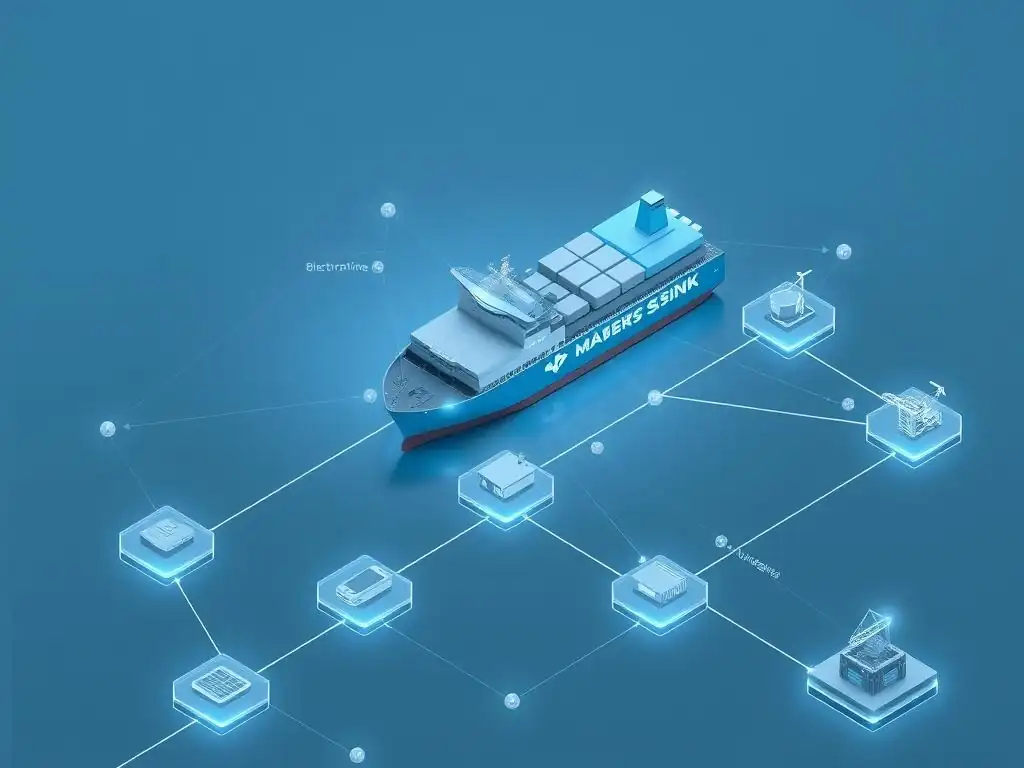
Case Study: Farmer Connect and Fair Trade Coffee
Tracking Coffee Beans from Farm to Cup
Farmer Connect is a platform that utilizes blockchain technology to track coffee beans from their origin on the farm through the entire supply chain to the final consumer. By working with various stakeholders, including farmers, cooperatives, traders, roasters, and retailers, the platform records each step of the coffee bean's journey on a shared ledger. Data points include information about the farm, harvesting date, processing method, quality assessments, export details, roasting location, and even retail information.
Consumers using the "Thank My Farmer" app, powered by Farmer Connect, can scan a QR code on a bag of coffee to see the story behind their beans. This includes details about the specific farm or cooperative that produced the coffee, providing a direct connection that was previously impossible. This level of traceability assures consumers about the provenance of their coffee and the ethical practices involved in its production.
Ensuring Fair Compensation for Farmers
A key objective of the Farmer Connect initiative is to improve the livelihoods of coffee farmers by ensuring they receive a fairer share of the final price. The platform aims to provide transparency regarding the distribution of revenue throughout the supply chain. While direct payment automation might vary depending on the specific implementation, the transparency provided by the blockchain record allows farmers and consumers alike to see how value is distributed along the chain.
By making this information visible, it empowers farmers in negotiations and allows consumers who value ethical sourcing to choose brands participating in transparent systems that demonstrably benefit producers. For instance, data might show that farmers receive only a small percentage of the final retail price, highlighting the need for fairer trade models. This transparency is a crucial step towards more equitable Blockchain supply chain ethics solutions in the coffee industry.
Enhancing Consumer Awareness and Brand Loyalty
The ability for consumers to connect directly with the source of their coffee and verify its ethical journey builds trust and enhances brand loyalty for participating companies. Consumers are increasingly willing to pay a premium for products that align with their values, and blockchain provides the verifiable proof they seek. Brands using Farmer Connect can differentiate themselves in a crowded market by offering unprecedented transparency.
This direct connection fosters a sense of shared responsibility and appreciation among consumers for the hard work of the farmers. By sharing the story and verifiable data about the coffee's origin and journey, brands can educate consumers about the complexities of the supply chain and the importance of ethical sourcing. This engagement strengthens the brand's reputation and encourages repeat purchases from ethically-minded consumers.
Case Study: De Beers and Conflict-Free Diamonds
Verifying the Origin of Diamonds and Preventing Funding of Armed Conflicts
De Beers, a major diamond company, launched its Tracr™ platform using blockchain technology to track diamonds from mine to retailer. The primary goal is to provide assurance that diamonds are conflict-free, meaning they have not been used to finance armed conflicts against legitimate governments. The platform records the unique characteristics of each rough diamond at the mine and creates an immutable digital trail as the diamond moves through cutting, polishing, certification, and retail.
By securely recording the origin and subsequent journey of individual diamonds, Tracr™ helps prevent the mixing of legitimate diamonds with those from conflict zones or illicit sources. This enhances compliance with regulations like the Kimberley Process Certification Scheme and provides a verifiable record for stakeholders throughout the chain. This focus on verifiable origin is a critical application of Blockchain supply chain ethics solutions in the diamond industry.
Promoting Responsible Sourcing and Due Diligence
The Tracr™ platform supports responsible sourcing practices by providing a transparent and immutable record of a diamond's provenance. This enables participants in the supply chain, including manufacturers, jewelers, and retailers, to conduct thorough due diligence and verify that the diamonds they handle meet ethical standards. The verifiable data on the blockchain reduces the risk of unknowingly dealing with diamonds associated with unethical practices.
This increased transparency encourages responsible behavior throughout the industry, as it becomes harder to conceal the origin of stones. Companies using the platform can demonstrate their commitment to ethical sourcing to regulators, partners, and consumers, strengthening their reputation and mitigating risks associated with illicit trade.
Building a More Sustainable and Ethical Mining Industry
While primarily focused on conflict-free sourcing, platforms like Tracr™ lay the groundwork for tracking other ethical and sustainability metrics related to diamond mining. Future iterations could potentially incorporate data about environmental impact, labor conditions at mines, or community development initiatives, linking this information to specific stones or batches on the blockchain.
By providing a verifiable record of responsible practices, blockchain can incentivize miners and other participants to adhere to higher ethical and environmental standards. This contributes to building a more sustainable and ethical mining industry overall, addressing concerns beyond just conflict financing and demonstrating the broader potential of Blockchain supply chain ethics solutions.
Case Study: Provenance and Sustainable Seafood
Tracking Fish from Catch to Plate
Provenance is a platform that uses blockchain to enable businesses to build trust and transparency for their products, with a notable focus on the seafood industry. They have implemented solutions to track fish and seafood from the point of catch (or farm) through processing, distribution, and sale to the consumer. Data recorded on the blockchain includes information about the vessel or farm, species, catch date, location, fishing method (to verify sustainability claims), processing facility, and logistics.
This detailed tracking ensures that the seafood consumers purchase is correctly identified and sourced according to stated sustainability standards. For example, it can verify if fish was caught legally, from a specific sustainable fishery, or farmed responsibly, combating issues like illegal, unreported, and unregulated (IUU) fishing, which has significant environmental and ethical implications.
Combating Illegal Fishing and Protecting Marine Ecosystems
By providing a verifiable digital identity and history for each batch of seafood, Provenance helps combat IUU fishing and supports the protection of marine ecosystems. The platform makes it difficult to pass off illegally caught fish as legitimate by requiring verifiable data points at each step. This transparency empowers regulators, businesses, and consumers to identify and avoid seafood from unsustainable or illegal sources.
For instance, if a shipment of fish arrives at a port, its blockchain record can be checked to verify the vessel it came from, the area it was caught in, and the date, comparing this against fishing quotas and regulations. This capability significantly strengthens enforcement efforts and encourages sustainable fishing practices, contributing to the health of global fish stocks.
Ensuring the Sustainability of Seafood Resources
Provenance's work enables businesses to prove the sustainability claims associated with their seafood products. By recording certifications (like MSC or ASC) and specific data points related to sustainable practices on the blockchain, they provide verifiable evidence for consumers and partners. This encourages businesses to adopt and maintain sustainable sourcing strategies.
Consumers can make informed choices, supporting fishing operations and farms that are genuinely committed to sustainability. This market pressure, driven by blockchain-enabled transparency, incentivizes the seafood industry towards more responsible management of marine resources, ensuring the long-term viability of fish populations and the ecosystems they inhabit. These real-world examples showcase the practical application of Blockchain supply chain ethics solutions.
Overcoming the Barriers to Blockchain Adoption in Supply Chains
Addressing Scalability and Interoperability Challenges
Current blockchain technologies face challenges regarding scalability, particularly for large, complex supply chains processing millions of transactions daily. Public blockchains can be slow and expensive due to the computational resources required for consensus mechanisms. Enterprise-focused private or permissioned blockchains offer better performance but may still struggle to handle the sheer volume and velocity of data generated by global supply networks.
Developing and implementing layer-2 solutions, sharding, or alternative consensus mechanisms are ongoing efforts to improve blockchain throughput and reduce transaction costs. Furthermore, ensuring interoperability between different blockchain platforms and legacy systems is crucial. Supply chains often involve diverse participants using various technologies; seamless data exchange between these disparate systems is necessary for widespread adoption of Blockchain supply chain ethics solutions. Industry consortia are working on developing standards and protocols to bridge these gaps.
Ensuring Data Privacy and Security
While blockchain offers enhanced security through cryptography and immutability, concerns about data privacy remain, especially in supply chains where sensitive business information is involved. On public blockchains, transaction data is often transparent to all participants, which may not be desirable for proprietary information. Even on permissioned blockchains, managing access control and ensuring that only authorized parties can view specific data is critical.
Implementing robust data encryption methods, exploring privacy-preserving technologies like zero-knowledge proofs, and carefully designing permissioned blockchain networks with granular access controls are essential steps. Compliance with data protection regulations, such as GDPR, which grant individuals rights over their data, also needs careful consideration when designing blockchain solutions that might involve personal information, such as worker details or consumer purchase histories. Secure data handling is non-negotiable for effective Blockchain supply chain ethics solutions.
Promoting Collaboration and Education
Successful adoption of blockchain in supply chains requires significant collaboration among numerous stakeholders who may have traditionally operated independently or even competitively. Building consensus on which data to share, how to structure the blockchain network, and who participates requires overcoming trust barriers and aligning diverse interests. Educating all participants, from C-suite executives to frontline workers and small-scale suppliers, about the benefits and practicalities of blockchain is also vital.
Companies need to invest in training and change management to ensure their employees and partners understand how blockchain works and how it impacts their roles. Fostering partnerships between businesses, technology providers, NGOs focused on ethical sourcing, and government bodies can help drive adoption and establish industry-wide best practices. A collaborative approach is necessary to build the network effect required for widespread implementation of Blockchain supply chain ethics solutions.
The Future of Blockchain Supply Chain Ethics Solutions
The Role of AI and IoT in Enhancing Blockchain-Based Systems
The integration of Artificial Intelligence (AI) and the Internet of Things (IoT) holds immense potential to further enhance blockchain-based supply chain ethics solutions. IoT sensors can provide the real-time, verifiable data stream that feeds into the blockchain – monitoring conditions like temperature or location, or even verifying events like goods crossing a geofence or a machine cycle completing. This automated data capture reduces the potential for human error or manipulation at the data entry point.
AI can then be applied to analyze the vast amounts of data recorded on the blockchain and generated by IoT devices. AI algorithms can detect anomalies that might indicate unethical practices, such as unusual patterns in working hours, deviations from expected material yields, or suspicious gaps in traceability data. AI can also predict potential risks in the supply chain based on historical data, allowing companies to intervene proactively. This combination of verifiable data (blockchain), real-time input (IoT), and intelligent analysis (AI) creates a powerful ecosystem for monitoring and enforcing ethical standards.
The Potential for Decentralized Autonomous Organizations (DAOs) in Supply Chain Governance
Decentralized Autonomous Organizations (DAOs) offer a futuristic model for governing supply chain ecosystems. A DAO is an organization represented by rules encoded as a transparent computer program, controlled by stakeholders in the organization, and not influenced by a central government. In the context of supply chains, a DAO could allow all participants – including suppliers, workers, logistics providers, and even consumers – to have a direct stake and voice in the governance of the network.
Decisions regarding ethical standards, compliance protocols, penalty mechanisms, or the allocation of shared resources could be made collectively through token-based voting or other decentralized consensus mechanisms. This model moves away from traditional top-down corporate governance, potentially empowering marginalized stakeholders and ensuring that the rules of the ethical supply chain are fair and reflect the interests of all involved parties. While still largely experimental for complex industrial applications, DAOs represent a potential evolution in the governance of future Blockchain supply chain ethics solutions.
Conclusion: Towards a More Ethical and Sustainable Future for Supply Chains
The challenges inherent in ensuring ethical practices within complex global supply chains are significant, stemming primarily from a lack of transparency, information asymmetry, and difficulties in enforcing standards across diverse jurisdictions. Traditional methods often fall short, leaving room for exploitation, environmental damage, and a lack of accountability. However, blockchain technology offers a transformative approach to address these issues head-on.
By leveraging the core properties of immutability, transparency, and decentralization, blockchain provides robust Blockchain supply chain ethics solutions. It enables verifiable traceability from origin to consumer, creates a single source of truth for critical data, and allows for the automation of compliance through smart contracts.
Real-world examples in industries like coffee, diamonds, and seafood demonstrate the practical application and tangible benefits of these solutions in enhancing ethical sourcing, combating illicit activities, and building consumer trust. While challenges related to scalability, privacy, and collaboration remain, ongoing technological advancements and increasing industry awareness are paving the way for wider adoption.
The integration of AI and IoT, alongside the potential for decentralized governance models like DAOs, promises even more sophisticated and inclusive ethical supply chain ecosystems in the future. Ultimately, blockchain technology has the potential to democratize ethics in supply chains, shifting power dynamics, increasing accountability, and fostering a more ethical and sustainable global economy.
Frequently Asked Questions
What are some key ethical challenges currently facing supply chains?
Supply chains often struggle with issues like lack of transparency, worker exploitation, and environmental damage. These challenges stem from complex, opaque systems and insufficient accountability.
How can blockchain technology contribute to ethical improvements in supply chains?
Blockchain provides enhanced traceability and immutable records, allowing stakeholders to track products from origin to consumer. This transparency helps identify and address unethical practices more effectively.
What are some "Blockchain supply chain ethics solutions" that are being implemented today?
Solutions include using blockchain for verifying fair labor practices, tracking conflict minerals, and ensuring the authenticity of organic certifications. These applications promote ethical sourcing and responsible production.
What role does decentralization play in empowering stakeholders within a blockchain-based supply chain?
Decentralization distributes control and information across multiple participants, rather than a single entity. This empowers stakeholders, including suppliers and consumers, to participate in ethical decision-making and hold companies accountable.
What are the potential challenges to widespread adoption of blockchain for ethical supply chain management?
Challenges include scalability issues, the cost of implementation, and the need for industry-wide collaboration. Overcoming these hurdles is crucial for realizing the full potential of blockchain in promoting ethical supply chains.
Final Reflection: Embracing Ethical Transparency Through Blockchain
The journey we've explored, charting the potential of blockchain to revolutionize supply chain ethics, culminates in a pivotal moment. The promise of verifiable transparency and empowered stakeholders is no longer a distant dream, but a tangible possibility within reach. The convergence of technological innovation and ethical imperative demands our immediate attention and proactive engagement.
This exploration has underscored how deeply intertwined our consumption habits are with the lives and livelihoods of those who produce the goods we rely on. The ability to trace the origins of products, verify fair labor practices, and ensure environmental sustainability through blockchain is not just a technological advancement, but a moral imperative. The future of supply chains is not just about efficiency and cost reduction, but about building trust and accountability at every step.
This quote encapsulates the profound shift we are witnessing, a shift towards a more ethical and equitable global economy.
As we conclude, I invite you to consider your own role in shaping this future. How can you, as a consumer, a business leader, or a policymaker, champion the adoption of blockchain-based supply chain ethics solutions? Let us embrace the power of technology to build a world where transparency, fairness, and sustainability are not just aspirations, but the very foundation of our global economy. Let us collectively strive to create supply chains that reflect our shared values and empower all stakeholders, from the farmer in the field to the consumer in the store.
Ignite Ethical Change: Start Your Blockchain Journey Now!
Thank you for delving into the potential of blockchain to revolutionize supply chain ethics. You've gained insights into how this technology can foster transparency and empower stakeholders. Now, let's translate that knowledge into action!
Here are a few steps you can take to further explore this exciting intersection:
- Become a Blockchain Champion: Advocate for blockchain adoption within your network and industry. Discuss its potential to create more ethical and sustainable supply chains.
- Research ethical blockchain projects. Find a company that uses blockchain for good and invest in them.
- Share your insights! Spread the word about the potential of blockchain to democratize ethics. Post your thoughts on social media, tag Blockchain Trends, and get the conversation started.
What specific ethical challenge within the supply chain are you most excited to tackle using blockchain technology? Share your thoughts below!
Leave a Reply