
Exploring the Future of Security Protocols in DeFi


Welcome to Blockchain Trends, your compass in the rapidly evolving world of decentralized technologies!
Delve into the transformative power of blockchain, moving beyond the headlines to explore its profound impact on industries and economies. This week, we're unlocking the secrets to enhanced security in decentralized finance. Ever wondered how blockchain security protocols are shaping the future of DeFi? Discover the cutting-edge strategies and innovations designed to safeguard your digital assets and revolutionize the financial landscape. Read on to uncover the insights that will keep you ahead of the curve.
- Introduction: The Critical Need for Robust Blockchain Security Protocols in DeFi
- Understanding Current DeFi Security Protocol Landscape
- Emerging Trends in Blockchain Security Protocols for DeFi
- The Role of Audits and Bug Bounties in Strengthening DeFi Security
- Innovative Blockchain Security Protocols for DeFi's Future
- The Regulatory Landscape and its Influence on DeFi Security Protocols
- Case Studies: Analyzing Successful (and Unsuccessful) DeFi Security Implementations
- Overcoming Challenges in Implementing Advanced Blockchain Security Protocols in DeFi
- Conclusion: The Future of Secure and Trustworthy DeFi
-
Frequently Asked Questions
- What are the most common security vulnerabilities currently plaguing DeFi platforms?
- How do Blockchain security protocols specifically enhance the safety of DeFi transactions?
- What role does decentralization play in both the benefits and risks of DeFi security?
- What are some emerging regulatory trends impacting the development and adoption of Blockchain security protocols DeFi?
- How can individual users better protect themselves when participating in the DeFi ecosystem, considering the inherent risks and the evolving landscape of Blockchain security protocols DeFi?
- Final Reflection: Securing the Decentralized Future
- Fortify Your DeFi Knowledge: Secure Your Future!
Introduction: The Critical Need for Robust Blockchain Security Protocols in DeFi
DeFi's Explosive Growth and the Escalating Security Risks
Decentralized Finance (DeFi) has emerged as a revolutionary force within the blockchain ecosystem, promising to democratize financial services and offer unprecedented levels of transparency and accessibility. The total value locked (TVL) in DeFi protocols has surged dramatically in recent years, reaching peaks of over $100 billion, showcasing the immense appetite for decentralized financial applications. This rapid expansion, however, has been accompanied by a concerning rise in security breaches and exploits.
Data from blockchain security firms indicates that hundreds of millions, and even billions, of dollars have been lost due to vulnerabilities in DeFi platforms, ranging from smart contract flaws to sophisticated economic attacks. This escalating trend underscores a critical challenge: as DeFi matures and attracts more significant capital, the need for robust blockchain security protocols becomes not just important, but absolutely essential for its long-term viability and mainstream adoption.
The allure of high yields and permissionless access in DeFi attracts both legitimate users and malicious actors. The open and composable nature of DeFi, while fostering innovation, also creates complex interdependencies that can be exploited. Unlike traditional financial systems with established gatekeepers and centralized control, DeFi operates on a trustless and often pseudonymous basis.
This paradigm shift necessitates a fundamental rethinking of security approaches, moving away from reliance on intermediaries to building inherently secure and resilient systems. The increasing sophistication of attacks targeting DeFi protocols highlights the urgent need for continuous innovation and improvement in blockchain security protocols, to protect user funds and maintain the integrity of the decentralized financial ecosystem.
Why Blockchain Security Protocols are Paramount for DeFi's Sustainability
Blockchain security protocols are not merely an optional add-on for DeFi; they are the bedrock upon which the entire ecosystem's sustainability rests. The fundamental promise of DeFi – trustless and secure financial services – hinges directly on the strength and effectiveness of these protocols. Without robust security measures, user confidence erodes, hindering adoption and potentially triggering systemic risks within the DeFi space.
Imagine a scenario where exploits and hacks become commonplace: users would understandably become hesitant to entrust their assets to DeFi platforms, regardless of the potential returns. This lack of trust would stifle growth and prevent DeFi from reaching its full potential as a viable alternative to traditional finance.
Furthermore, the interconnectedness of DeFi protocols means that a single security breach can have cascading effects across the entire ecosystem. A vulnerability in one protocol can be exploited to drain funds from others that interact with it, creating a domino effect of losses and instability.
Therefore, robust blockchain security protocols are not just about protecting individual platforms; they are about safeguarding the collective health and resilience of the entire DeFi landscape. Investing in and prioritizing advanced security measures is not just a cost of doing business in DeFi, it is a strategic imperative for ensuring its long-term survival and realizing its transformative vision for the future of finance.
Understanding Current DeFi Security Protocol Landscape
Overview of Existing Blockchain Security Measures in Decentralized Finance
Currently, DeFi projects employ a range of blockchain security measures to protect user funds and protocol integrity. Smart contract audits conducted by third-party security firms are a common practice, aiming to identify potential vulnerabilities in the code before deployment. Multi-signature wallets are also widely used to secure protocol treasuries and administrative functions, requiring multiple authorized signatures to execute critical transactions, reducing the risk of single points of failure.
Rate limiting and circuit breakers are implemented in some protocols to mitigate the impact of flash loan attacks or other rapid fund draining attempts, pausing or slowing down abnormal transaction flows. Furthermore, on-chain monitoring and anomaly detection systems are increasingly being deployed to identify and flag suspicious activities in real-time.
However, these existing measures, while valuable, are often reactive rather than proactive and are not always sufficient to counter the evolving sophistication of attacks. Audits, while essential, are snapshots in time and may not catch all vulnerabilities, especially as protocols evolve and are upgraded. Multi-sig wallets, while enhancing security, can still be compromised if private keys are leaked or if collusion occurs among key holders.
Rate limiting and circuit breakers can be bypassed or may not be effective against all types of attacks. The current landscape of blockchain security protocols in DeFi, therefore, is characterized by a continuous arms race between security measures and attackers, highlighting the need for more advanced and proactive approaches.
Common Vulnerabilities Exploited in DeFi Protocols
DeFi protocols, despite security efforts, remain vulnerable to a variety of exploits, stemming from inherent complexities in smart contracts, economic incentive structures, and oracle dependencies. Analyzing past incidents reveals recurring patterns of vulnerabilities that attackers frequently target. These vulnerabilities can broadly be categorized into smart contract flaws, oracle manipulation, and economic exploits, each requiring distinct security considerations. Understanding these common attack vectors is crucial for developing more effective and targeted blockchain security protocols for DeFi.
Smart Contract Vulnerabilities: A Primary Target
Smart contract vulnerabilities are arguably the most prevalent and damaging attack vector in DeFi. These flaws in the underlying code of DeFi protocols can be exploited to drain funds, manipulate protocol logic, or disrupt operations.
Common types of smart contract vulnerabilities include reentrancy attacks, where malicious contracts can recursively call vulnerable functions to drain funds; integer overflows or underflows, leading to unexpected behavior and potential fund manipulation; and access control vulnerabilities, allowing unauthorized users to perform privileged actions. The complexity of Solidity and other smart contract languages, coupled with the rapid pace of DeFi development, often leads to unintentional coding errors that can be exploited if not rigorously audited and tested.
The infamous DAO hack in 2016, though predating the current DeFi boom, serves as a stark early example of the devastating consequences of reentrancy vulnerabilities in smart contracts. More recently, numerous DeFi protocols have suffered significant losses due to similar smart contract flaws, highlighting the persistent challenge of ensuring code security. Addressing smart contract vulnerabilities requires a multi-faceted approach, including rigorous auditing, formal verification techniques, secure coding practices, and continuous monitoring for suspicious on-chain activity.
Oracle Manipulation and Data Integrity Issues
Oracles, which provide external data to smart contracts, are a critical infrastructure component in many DeFi protocols, but also represent a potential point of vulnerability. If oracles are compromised or manipulated, attackers can feed false data to smart contracts, leading to incorrect execution of protocol logic and potential financial losses.
Oracle manipulation can involve various techniques, such as exploiting vulnerabilities in the oracle's data sources, compromising the oracle nodes themselves, or even economically incentivizing oracle providers to report false data. Protocols relying on price feeds from oracles, such as lending platforms and decentralized exchanges, are particularly susceptible to oracle manipulation attacks.
For instance, if an attacker can manipulate the price feed of an asset used as collateral in a lending protocol, they might be able to borrow more funds than they are entitled to or liquidate positions unfairly. The Flash Loans exploit on bZx in 2020 demonstrated how oracle manipulation, combined with flash loans, can be used to orchestrate sophisticated attacks and drain millions of dollars. Mitigating oracle manipulation risks requires employing robust oracle solutions that are decentralized, resilient to attacks, and utilize multiple data sources to ensure data integrity and accuracy.
Flash Loan Attacks and Economic Exploits
Flash loan attacks have emerged as a prominent and sophisticated type of economic exploit in DeFi. Flash loans are uncollateralized loans that must be repaid within the same transaction block. While legitimate use cases exist for flash loans, attackers leverage them to execute complex, multi-step attacks within a single transaction, often exploiting vulnerabilities in protocol logic or market inefficiencies. Flash loan attacks frequently involve manipulating prices on decentralized exchanges, exploiting arbitrage opportunities in lending protocols, or leveraging oracle manipulation to gain unfair advantages.
The ease with which flash loans can be obtained, combined with the composability of DeFi protocols, makes them a powerful tool for attackers. The aforementioned bZx attacks and the numerous exploits targeting other lending platforms illustrate the effectiveness of flash loan attacks in draining substantial amounts of funds. Defending against flash loan attacks requires carefully designing protocols to be resilient to rapid price fluctuations and economic manipulations, implementing robust risk management mechanisms, and incorporating features like rate limiting and circuit breakers to mitigate the impact of large, sudden transactions.
Emerging Trends in Blockchain Security Protocols for DeFi
Formal Verification: A Proactive Approach to Secure DeFi Code
Formal verification represents a significant shift towards proactive blockchain security protocols in DeFi. Unlike traditional auditing methods that rely on manual code review and testing, formal verification employs mathematical techniques to rigorously prove the correctness and security properties of smart contracts.
This involves creating a formal specification of the contract's intended behavior and then using automated tools to mathematically verify that the code adheres to this specification and is free from certain types of vulnerabilities, such as reentrancy or overflow errors. Formal verification can provide a much higher level of assurance compared to traditional methods, as it exhaustively analyzes all possible execution paths of the code, uncovering subtle vulnerabilities that might be missed by human auditors or testing.
While formal verification is a more computationally intensive and time-consuming process than auditing, its proactive nature and ability to detect deeply hidden flaws make it increasingly valuable for securing critical DeFi infrastructure. Projects like Certora and Runtime Verification are pioneering the application of formal verification to DeFi, offering tools and services to help developers formally verify their smart contracts. As the DeFi ecosystem matures and the stakes become higher, the adoption of formal verification is expected to grow, becoming a cornerstone of robust blockchain security protocols.
Advanced Cryptography for Enhanced DeFi Security
Advanced cryptographic techniques are playing an increasingly important role in enhancing blockchain security protocols for DeFi, offering solutions for privacy, secure computation, and key management. Beyond the foundational cryptography of blockchains themselves, emerging cryptographic methods like Zero-Knowledge Proofs (ZKPs) and Multi-Party Computation (MPC) are being explored and implemented to address specific security challenges in DeFi. These techniques enable new possibilities for building more secure and privacy-preserving decentralized financial applications.
Zero-Knowledge Proofs (ZKPs) in DeFi: Protecting User Privacy and Security
Zero-Knowledge Proofs (ZKPs) are a powerful cryptographic tool with significant potential to enhance both privacy and security in DeFi. ZKPs allow one party to prove to another party that a statement is true without revealing any information beyond the validity of the statement itself. In the context of DeFi, ZKPs can be used to enable privacy-preserving transactions, allowing users to transact and interact with protocols without revealing their identities or transaction details on the public blockchain. This is particularly relevant for addressing privacy concerns in DeFi and enabling compliance with emerging data privacy regulations.
Beyond privacy, ZKPs can also enhance security by enabling secure computation and data verification without revealing sensitive information. For example, ZKPs can be used to prove the solvency of a DeFi protocol without revealing its entire balance sheet, or to verify the correctness of computations performed by decentralized oracles without exposing the underlying data. Projects like StarkWare and Matter Labs are at the forefront of developing ZKP-based solutions for scaling and privacy in blockchains, which are increasingly being applied to DeFi applications to improve both security and user experience.
Multi-Party Computation (MPC) for Secure Key Management in DeFi
Multi-Party Computation (MPC) is another advanced cryptographic technique that is gaining traction in DeFi for secure key management and decentralized control. MPC allows multiple parties to jointly compute a function on their private inputs without revealing those inputs to each other. In DeFi, MPC can be used to create decentralized custody solutions where private keys are distributed among multiple parties, eliminating single points of failure and enhancing security against key compromise. This is particularly relevant for securing large protocol treasuries and managing administrative keys in decentralized governance systems.
MPC can also be applied to enable secure decentralized computation in DeFi protocols. For instance, MPC can be used to perform decentralized voting or to execute complex financial operations in a privacy-preserving and secure manner. Projects like Sepior and ZenGo are developing MPC-based solutions for key management and secure computation, which are being explored for integration into DeFi protocols to enhance security and decentralization.
Decentralized Insurance: Mitigating Risks in DeFi Platforms
Decentralized insurance is emerging as a crucial component of the DeFi ecosystem, providing a mechanism to mitigate the inherent risks associated with smart contract vulnerabilities and protocol exploits. Traditional insurance models are often ill-suited for the permissionless and global nature of DeFi. Decentralized insurance protocols, built on blockchain technology, offer a transparent, automated, and community-driven approach to cover losses resulting from smart contract failures, oracle manipulation, or other DeFi-specific risks. These platforms typically operate using smart contracts to manage insurance policies, assess risks, and process claims in a decentralized and trustless manner.
Platforms like Nexus Mutual and Cover Protocol offer decentralized insurance coverage for smart contract risks, allowing users to purchase coverage for their DeFi assets and protocols. In the event of a covered exploit or hack, policyholders can submit claims that are assessed and voted on by the community or through automated mechanisms.
Decentralized insurance not only provides financial protection for users but also contributes to the overall stability and resilience of the DeFi ecosystem by reducing systemic risk and fostering greater user confidence. As the DeFi space continues to grow, decentralized insurance is expected to become an increasingly vital security layer, encouraging broader adoption and participation.
The Role of Audits and Bug Bounties in Strengthening DeFi Security
The Importance of Regular Smart Contract Audits for Identifying Vulnerabilities
Regular smart contract audits are a cornerstone of blockchain security protocols in DeFi. Given the complexity of smart contract code and the potential for subtle vulnerabilities to lead to catastrophic losses, independent security audits are essential for identifying and mitigating risks before deployment and throughout the protocol's lifecycle. These audits are typically conducted by specialized security firms that employ experienced auditors to review the code, architecture, and security design of smart contracts. Audits involve a combination of manual code review, automated static analysis tools, and penetration testing to identify potential weaknesses and vulnerabilities.
The value of audits is underscored by the numerous DeFi exploits that have occurred in unaudited or poorly audited protocols. While audits are not a guarantee of absolute security, they significantly reduce the likelihood of critical vulnerabilities being exploited. Furthermore, regular audits are crucial as DeFi protocols are often upgraded and modified, introducing new code and potential attack vectors. Establishing a culture of continuous auditing and security review is paramount for maintaining the long-term security and trustworthiness of DeFi platforms.
Bug Bounty Programs: Incentivizing Ethical Hackers to Find Flaws
Bug bounty programs are an increasingly popular and effective blockchain security protocol in DeFi, leveraging the collective intelligence of the security community to identify vulnerabilities. These programs incentivize ethical hackers and security researchers to proactively search for and report security flaws in DeFi protocols in exchange for rewards, typically in cryptocurrency. Bug bounty programs complement traditional audits by providing a continuous and incentivized mechanism for vulnerability discovery, going beyond the scope of point-in-time audits.
Platforms like Immunefi and HackerOne facilitate bug bounty programs for DeFi projects, providing a structured framework for vulnerability reporting, triage, and reward distribution. By opening up their protocols to external scrutiny and rewarding responsible disclosure, DeFi projects can tap into a vast pool of security talent and identify vulnerabilities that might otherwise go unnoticed. Bug bounty programs not only enhance security but also foster transparency and community engagement, demonstrating a commitment to security and user protection. The increasing adoption of bug bounty programs in DeFi reflects a growing recognition of the value of crowdsourced security and proactive vulnerability management.
Innovative Blockchain Security Protocols for DeFi's Future
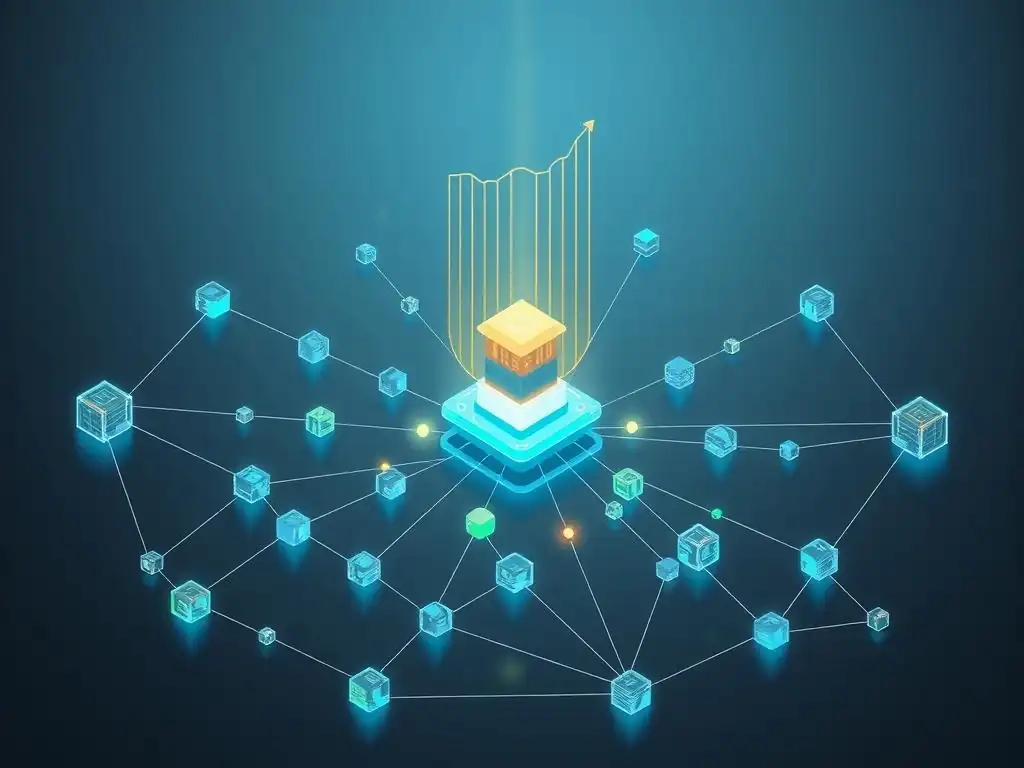
Layer-2 Scaling Solutions and Their Impact on DeFi Security
Layer-2 scaling solutions, designed to improve the scalability and efficiency of blockchains, are also playing an increasingly important role in enhancing DeFi security. While primarily focused on transaction throughput and cost reduction, certain Layer-2 architectures can inherently improve security compared to Layer-1 mainnets, or offer new security paradigms. For instance, optimistic rollups and zk-rollups, popular Layer-2 scaling solutions, inherit the security of the underlying Layer-1 blockchain (like Ethereum) while processing transactions off-chain. This can reduce the attack surface and mitigate certain types of Layer-1 specific vulnerabilities.
Furthermore, some Layer-2 solutions offer enhanced privacy features, such as zk-rollups with built-in privacy capabilities, which can contribute to overall DeFi security by reducing the visibility of sensitive transaction data and mitigating privacy-related risks. As DeFi adoption grows and transaction volumes increase, Layer-2 scaling solutions are becoming essential infrastructure for supporting secure and scalable DeFi applications. The security characteristics of different Layer-2 architectures vary, and careful consideration of these security implications is crucial when choosing and implementing Layer-2 solutions for DeFi.
Account Abstraction: Enhancing Security and User Experience in DeFi
Account abstraction is an emerging concept in blockchain technology that aims to unify different account types and enhance both security and user experience in DeFi. Traditional blockchain accounts, particularly on platforms like Ethereum, often distinguish between externally owned accounts (EOAs) controlled by private keys and contract accounts governed by smart contract code. Account abstraction seeks to blur this distinction, allowing users to create smart contract-based accounts that offer greater flexibility, security features, and customization options.
Smart contract accounts enabled by account abstraction can implement advanced security features such as social recovery, multi-signature authentication, and spending limits, which are not easily achievable with EOAs. Social recovery mechanisms, for example, allow users to recover access to their accounts if they lose their private keys, by relying on a trusted network of guardians.
Multi-signature authentication can enhance security by requiring multiple signatures for transactions, and spending limits can mitigate the impact of account compromises. Account abstraction has the potential to significantly improve the security and usability of DeFi, making it more accessible and secure for a wider range of users.
AI-Powered Security Solutions for Proactive Threat Detection in DeFi
Artificial intelligence (AI) and machine learning (ML) are beginning to be explored and applied to enhance blockchain security protocols in DeFi, particularly for proactive threat detection and anomaly detection. The vast amount of on-chain data generated by DeFi protocols provides a rich dataset for AI/ML models to learn patterns of normal behavior and identify deviations that might indicate malicious activity or security breaches. AI-powered security solutions can analyze transaction patterns, smart contract interactions, and network activity in real-time to detect and flag suspicious anomalies that might be missed by traditional security monitoring systems.
For instance, AI/ML models can be trained to identify unusual transaction volumes, suspicious wallet addresses, or anomalous smart contract function calls, providing early warnings of potential attacks. AI can also be used to automate vulnerability analysis and code review, assisting auditors in identifying potential flaws in smart contracts more efficiently. While AI-powered security solutions are still in their early stages of development in DeFi, they hold significant promise for enhancing proactive threat detection, automating security analysis, and strengthening the overall security posture of the DeFi ecosystem.
The Regulatory Landscape and its Influence on DeFi Security Protocols
Current Regulatory Approaches to DeFi and Their Implications
The regulatory landscape surrounding DeFi is rapidly evolving and increasingly influencing the development and implementation of blockchain security protocols. Regulators worldwide are grappling with how to classify and regulate DeFi activities, seeking to balance innovation with consumer protection and financial stability. Current regulatory approaches vary across jurisdictions, ranging from cautious observation to proactive enforcement and the development of specific DeFi regulations. The lack of a globally harmonized regulatory framework creates uncertainty and challenges for DeFi projects operating across borders.
Regulatory scrutiny is particularly focused on areas such as anti-money laundering (AML), know-your-customer (KYC) compliance, and investor protection. These regulatory pressures are driving DeFi projects to adopt more robust security and compliance measures, including enhanced KYC/AML procedures, on-chain monitoring for illicit activities, and greater transparency in protocol operations. The evolving regulatory landscape is shaping the future of DeFi security protocols, pushing projects towards greater accountability and adherence to regulatory standards.
The Need for Clearer Guidelines to Foster Innovation and Security
While regulatory oversight is necessary to mitigate risks and protect users in DeFi, there is a critical need for clearer and more tailored regulatory guidelines that foster innovation while ensuring security. Overly restrictive or ill-defined regulations can stifle innovation, drive DeFi activity underground, or create unintended consequences that undermine security. A balanced regulatory approach should focus on principles-based guidelines that are adaptable to the rapidly evolving nature of DeFi, rather than rigid rules that may quickly become outdated.
Clear regulatory guidelines are needed to provide DeFi projects with a predictable and compliant pathway for operation, encouraging responsible innovation and investment in robust security protocols. Regulatory clarity can also foster greater collaboration between regulators, DeFi developers, and security experts, leading to the development of best practices and industry standards for DeFi security. A well-defined and innovation-friendly regulatory framework is essential for unlocking the full potential of DeFi while ensuring a secure and trustworthy ecosystem for users.
Case Studies: Analyzing Successful (and Unsuccessful) DeFi Security Implementations
Case Study 1: Compound's Governance and Security Model
Compound is a prominent lending protocol in DeFi often cited for its relatively robust governance and security model. Compound's governance is decentralized and community-driven, allowing COMP token holders to propose and vote on protocol upgrades and changes. This decentralized governance model contributes to security by distributing control and reducing the risk of single points of failure or malicious centralized manipulation. Compound also employs a rigorous smart contract auditing process, regularly engaging reputable security firms to audit its code and identify potential vulnerabilities.
Furthermore, Compound has implemented a timelock mechanism for protocol upgrades, requiring a delay between governance proposals and their execution. This timelock provides a buffer period for the community to review and react to proposed changes, mitigating the risk of rushed or malicious upgrades. Compound's security model also incorporates on-chain monitoring and risk management mechanisms to detect and respond to potential threats. While Compound has not been entirely immune to security incidents, its proactive governance and security measures have contributed to its relative resilience and longevity in the DeFi space.
Case Study 2: The Cream Finance Hack and Lessons Learned
The Cream Finance hack in 2021 serves as a stark example of the vulnerabilities that can plague DeFi protocols and the importance of robust blockchain security protocols. Cream Finance, another lending protocol, suffered multiple significant exploits, including a flash loan attack that resulted in the loss of over $130 million. The root cause of the hack was a vulnerability in Cream Finance's price oracle implementation, which allowed attackers to manipulate the price of certain assets and drain funds from the protocol.
The Cream Finance hack highlighted several critical lessons for DeFi security. Firstly, it underscored the importance of robust and decentralized oracle solutions, as oracle manipulation remains a persistent attack vector. Secondly, it emphasized the need for thorough and continuous security auditing, as the vulnerability exploited in Cream Finance might have been preventable with more rigorous code review and testing.
Thirdly, it demonstrated the potential for flash loans to be used in sophisticated economic exploits, requiring protocols to implement defenses against such attacks. The Cream Finance hack serves as a cautionary tale and a valuable learning experience for the DeFi community, reinforcing the critical need for proactive and comprehensive blockchain security protocols.
Overcoming Challenges in Implementing Advanced Blockchain Security Protocols in DeFi
Scalability Challenges and Their Impact on Security
Scalability challenges in blockchain technology can indirectly impact DeFi security by increasing transaction costs and network congestion. High gas fees on congested blockchains can incentivize users to take shortcuts or use less secure protocols to save on transaction costs. Furthermore, network congestion can slow down transaction confirmation times, potentially creating opportunities for front-running or other types of attacks that exploit timing vulnerabilities. Scalability limitations can also hinder the deployment and adoption of certain security-enhancing features that require on-chain computation or data storage.
Addressing scalability challenges through Layer-2 solutions and blockchain infrastructure improvements is crucial for supporting secure and efficient DeFi applications. Scalable blockchains with lower transaction costs and faster confirmation times can reduce the economic incentives for users to compromise on security and enable the implementation of more robust and computationally intensive security protocols. Therefore, advancements in blockchain scalability are not only essential for the growth of DeFi but also for enhancing its overall security.
The Importance of Community Collaboration in Developing Secure DeFi Protocols
Community collaboration is paramount for developing and maintaining secure DeFi protocols. The open-source nature of most DeFi projects allows for community scrutiny and contribution to security efforts. A strong and engaged community can act as a distributed security force, identifying vulnerabilities, contributing to code audits, and participating in bug bounty programs. Open communication and collaboration between developers, security researchers, and the broader DeFi community are essential for fostering a culture of security and continuous improvement.
Furthermore, community governance models in DeFi can play a crucial role in security decision-making and incident response. Decentralized governance allows for collective decision-making on security upgrades, vulnerability disclosures, and protocol modifications, reducing the risk of centralized control and promoting transparency. Building a strong and collaborative community around DeFi protocols is not just about fostering adoption; it is also a critical component of building more secure and resilient decentralized financial systems.
Conclusion: The Future of Secure and Trustworthy DeFi
Key Takeaways: Building a More Resilient DeFi Ecosystem
Building a more resilient DeFi ecosystem requires a multi-faceted approach to blockchain security protocols, encompassing proactive measures, continuous monitoring, and community collaboration. Key takeaways include the critical importance of rigorous smart contract audits, the growing adoption of formal verification techniques, and the potential of advanced cryptography like ZKPs and MPC to enhance privacy and security. Decentralized insurance is emerging as a vital risk mitigation tool, and bug bounty programs are proving effective in incentivizing vulnerability discovery. Layer-2 scaling solutions, account abstraction, and AI-powered security tools represent innovative trends shaping the future of DeFi security.
Overcoming challenges in scalability and regulatory uncertainty requires ongoing innovation, industry collaboration, and constructive engagement with regulators. Ultimately, building a truly secure and trustworthy DeFi ecosystem is a collective effort that requires the active participation of developers, security experts, users, and the broader blockchain community.
The Ongoing Evolution of Blockchain Security Protocols and Their Impact on DeFi's Future
The evolution of blockchain security protocols in DeFi is a continuous and dynamic process, driven by the ever-evolving threat landscape and the rapid pace of technological innovation. As DeFi matures and attracts more mainstream adoption, security will remain a paramount concern and a key differentiator between successful and vulnerable protocols. The future of DeFi security will likely be characterized by a greater emphasis on proactive and preventative measures, leveraging advanced cryptographic techniques, AI-powered tools, and community-driven security initiatives.
The ongoing innovation in blockchain security protocols will be instrumental in shaping the future of DeFi, enabling the creation of more secure, scalable, and trustworthy decentralized financial systems. By prioritizing security and fostering a culture of continuous improvement, the DeFi ecosystem can overcome its current security challenges and realize its transformative potential to revolutionize the financial landscape.
Frequently Asked Questions
What are the most common security vulnerabilities currently plaguing DeFi platforms?
Many DeFi platforms are susceptible to vulnerabilities like smart contract exploits, rug pulls, and flash loan attacks. These issues stem from complex code, economic incentives, and the open-source nature of the technology.
How do Blockchain security protocols specifically enhance the safety of DeFi transactions?
Blockchain security protocols provide a foundation of trust through immutable ledgers and cryptographic security. These protocols ensure transaction integrity and prevent unauthorized modification of financial data.
What role does decentralization play in both the benefits and risks of DeFi security?
Decentralization offers resilience against single points of failure, but also introduces challenges in governance and accountability. A lack of centralized control can make it difficult to respond to attacks.
What are some emerging regulatory trends impacting the development and adoption of Blockchain security protocols DeFi?
Regulators are increasingly scrutinizing DeFi, focusing on investor protection and anti-money laundering (AML). This is leading to a need for DeFi platforms to implement more robust security measures.
How can individual users better protect themselves when participating in the DeFi ecosystem, considering the inherent risks and the evolving landscape of Blockchain security protocols DeFi?
Users should prioritize due diligence, diversify their investments, and use hardware wallets for enhanced security. Understanding the specific risks of each platform is crucial for mitigation.
Final Reflection: Securing the Decentralized Future
The exploration of Blockchain security protocols in DeFi is not merely an academic exercise; it's a critical imperative in today's rapidly evolving financial landscape. The vulnerabilities exposed in recent DeFi exploits underscore the urgent need for robust and adaptable security measures to safeguard the burgeoning decentralized economy and foster trust among users.
This topic has profoundly influenced the cultural shift towards decentralized finance, promising greater accessibility and transparency. The ongoing development and refinement of these protocols are paramount to realizing the full potential of DeFi and preventing its promise from being undermined by security breaches. Security is not a product, but a process.
This quote perfectly encapsulates the continuous effort required to stay ahead of emerging threats and ensure the long-term viability of DeFi.
As you navigate the exciting, yet complex, world of decentralized finance, remember that security is a shared responsibility. Consider how you can contribute to a more secure DeFi ecosystem, whether through informed investment decisions, active participation in governance, or simply by advocating for stronger security standards. The future of DeFi hinges on our collective commitment to building a resilient and trustworthy foundation.
Fortify Your DeFi Knowledge: Secure Your Future!
Thanks for exploring the evolving world of DeFi security protocols with us! We hope you've gained valuable insights into the challenges and opportunities ahead. Now, it's time to take action and help build a more secure DeFi ecosystem.
Here’s how you can get involved:
- Implement at least one new security measure from this article into your next DeFi project or review your current investments to ensure your funds are protected. This is your primary and most important step.
- Dive deeper into the security protocols discussed by researching their whitepapers and contributing to open-source security audits.
- Share this article with fellow DeFi enthusiasts and developers on social media to raise awareness and promote a collaborative security mindset!
What innovative security measures do you believe will become essential in the coming year, and how can we, as a community, work together to implement them effectively?
Leave a Reply