
Decentralized Identity and Data Privacy: A Synergistic Relationship


Welcome to Blockchain Trends, your trusted source for navigating the ever-evolving world of blockchain technology. Beyond the hype, we delve into the real-world applications and transformative potential of this groundbreaking innovation. Are you ready to understand how decentralized identity can revolutionize blockchain identity data privacy? This article explores the synergistic relationship between these two critical elements, particularly within the framework of regulation and legal aspects, and the implications for the future. Intrigued? Let's dive in and uncover the possibilities.
Decentralized Identity and Data Privacy: A Synergistic Relationship
- Introduction: The Convergence of Decentralized Identity and Data Privacy
- What is Decentralized Identity (DID)?
- The Challenges of Traditional Identity Management Systems
- Decentralized Identity and Data Privacy: The Synergistic Connection
- Use Cases of Decentralized Identity for Data Privacy
- Addressing Data Privacy Regulations with Decentralized Identity
- The Role of Self-Sovereign Identity (SSI) in Data Privacy
- Overcoming Challenges in Decentralized Identity Adoption
- The Future of Decentralized Identity and Data Privacy
- Conclusion: Embracing the Synergistic Power of Decentralized Identity for a More Privacy-Conscious Future
-
Frequently Asked Questions
- How does decentralized identity (DID) enhance blockchain identity data privacy?
- What are the key benefits of using blockchain for managing identity data privacy?
- How does the convergence of DeFi and blockchain impact identity data privacy?
- What are the regulatory challenges surrounding blockchain identity data privacy?
- What is the future outlook for blockchain identity data privacy, and what advancements can we expect?
- Final Reflection: Embracing the Future of Digital Sovereignty
- Empower Your Digital Footprint: Reclaim Your Data Now!
Introduction: The Convergence of Decentralized Identity and Data Privacy
Understanding the Growing Importance of Data Privacy in the Digital Age
In the contemporary digital landscape, data has become an incredibly valuable asset, often referred to as the "new oil." However, this value comes with significant responsibility and risk, particularly concerning individual data privacy. High-profile data breaches and the pervasive collection of personal information by corporations and governments have heightened public awareness and concern.
Reports from organizations like Identity Theft Resource Center indicate that data compromises continue to rise, affecting millions of individuals annually and leading to financial loss, identity theft, and erosion of trust. The sheer volume of personal data being collected – from browsing habits and purchase histories to location data and biometric information – necessitates robust mechanisms to protect individuals' privacy rights and prevent misuse. The increasing push for stronger data privacy regulations globally, such as GDPR and CCPA, underscores the critical need for effective solutions that empower individuals and secure their information.
The reliance on centralized systems for managing personal data exacerbates privacy risks. When vast amounts of sensitive information are stored in single or a few locations, they become attractive targets for malicious actors. A single breach can compromise the data of millions, as seen in numerous incidents across various sectors, including retail, healthcare, and social media.
For example, a major credit reporting agency breach in 2017 exposed the personal data of over 147 million people, including Social Security numbers, birth dates, and addresses. This incident highlighted the inherent vulnerabilities of centralized data repositories and the devastating consequences for individuals whose privacy is violated. Addressing the fundamental issue of how identity and associated data are managed is paramount to building a more secure and privacy-respecting digital future, which is where the concept of blockchain identity data privacy becomes highly relevant.
How Decentralized Identity Can Enhance Data Privacy Measures
Decentralized Identity (DID) presents a paradigm shift in how identity is managed and, consequently, how data privacy is protected. Unlike traditional models where identity is managed by central authorities or service providers, DID places control back into the hands of the individual. This user-centric approach fundamentally alters the data flow: instead of users sharing their personal data with multiple third parties who then store it centrally, users hold their verified credentials and selectively disclose minimal necessary information.
This inherent design reduces the attack surface significantly, as there is no single honeypot of data for attackers to target. The principle of data minimization, a core tenet of modern data privacy regulations, is naturally supported by DID, as users only need to share what is strictly required for a specific transaction or interaction.
Furthermore, DID leverages cryptographic techniques, often associated with blockchain technology, to ensure the integrity and authenticity of credentials without revealing underlying personal data. Technologies like Zero-Knowledge Proofs (ZKPs) allow individuals to prove specific attributes about themselves (e.g., being over 18) without disclosing the exact details (e.g., their date of birth).
This capability is transformative for privacy, enabling verification processes that were previously data-intensive to be conducted with minimal or no exposure of sensitive information. By decoupling identity verification from centralized data storage and empowering individuals with granular control over their data, decentralized identity solutions offer a powerful new layer of protection, advancing the state of blockchain identity data privacy.
What is Decentralized Identity (DID)?
Defining Decentralized Identity: Ownership and Control
Decentralized Identity, often referred to as DID, represents a new model for digital identity management where individuals and organizations have direct control over their digital identifiers and associated data. At its core, DID is about shifting away from reliance on central authorities – like governments, corporations, or social media platforms – to issue, manage, and verify identity. Instead, individuals create and control their own unique identifiers (DIDs), which are typically anchored on a decentralized ledger or blockchain.
This anchoring provides a tamper-evident and verifiable record of the DID, ensuring its persistence and integrity without needing a central database. The owner of the DID holds the private keys necessary to control it and sign verifiable credentials linked to it.
The key principle is "self-sovereignty," meaning the individual is the ultimate authority over their identity and how it is used. This contrasts sharply with traditional systems where entities like banks, governments, or online services act as identity providers, holding significant power over users' digital lives and data. With DID, users decide which pieces of information (credentials) they acquire, store, and share, and with whom they share them. This fundamental shift empowers individuals, providing them with greater autonomy and security in the digital realm, and is a critical component of achieving enhanced blockchain identity data privacy.
The Key Components of a Decentralized Identity System
A typical Decentralized Identity system comprises several key components working together. The foundational element is the Decentralized Identifier (DID) itself. A DID is a new type of identifier designed to enable verifiable, decentralized digital identity. DIDs are globally unique, persistent, and cryptographically verifiable. They are associated with a DID Document, which is a set of data describing the DID subject, including public keys and service endpoints, and is typically stored in a decentralized manner, often on a distributed ledger or IPFS. This document is crucial for resolving the DID and interacting securely with the DID subject.
Another vital component is Verifiable Credentials (VCs). VCs are tamper-evident digital credentials that can be issued by trusted entities (issuers), stored securely by the individual (holder), and presented to verify attributes to another party (verifier). For instance, a university could issue a verifiable credential for a degree, or a government could issue one for a driver's license.
The holder stores these VCs, often in a digital wallet, and can selectively present specific VCs or parts of them to verifiers. Cryptographic signatures ensure the authenticity of the issuer and the integrity of the credential.
The interaction flow involves the issuer creating a VC, the holder receiving and storing it, and the holder presenting it to a verifier, who then cryptographically verifies it using information from the DID Document and potentially the decentralized ledger. This ecosystem of DIDs, DID Documents, and Verifiable Credentials forms the technical backbone enabling robust blockchain identity data privacy.
Benefits of Decentralized Identity for Users and Organizations
Decentralized Identity offers substantial benefits for both individual users and organizations. For users, the primary advantage is enhanced data privacy and control. Users are no longer forced to create numerous accounts and share extensive personal data with every service provider. Instead, they can use their DID and selective disclosure of verifiable credentials to prove necessary attributes without revealing underlying sensitive information.
This reduces the risk of identity theft and data breaches associated with centralized data stores. Furthermore, users gain portability and interoperability of their identity across different services and platforms, eliminating vendor lock-in and simplifying online interactions like logins and verifications. The ability to manage one's own digital identity fosters greater trust and security in online activities.
Organizations also stand to gain significantly from adopting DID solutions. By relying on users to present verified credentials rather than collecting and storing sensitive personal data themselves, organizations can drastically reduce their data liability and compliance burden. This is particularly relevant under stringent regulations like GDPR and CCPA. Instead of maintaining massive, risky databases of customer information, they can simply verify the necessary attributes presented by the user.
This shift can lead to reduced operational costs associated with data storage, security, and compliance. Additionally, DID can streamline onboarding processes (like KYC/AML) by leveraging reusable, verified credentials, improving efficiency and user experience. Organizations can also build more trusted relationships with customers by demonstrating a commitment to respecting user privacy through the implementation of blockchain identity data privacy solutions.
The Challenges of Traditional Identity Management Systems
Centralized Databases: A Data Privacy Risk
Traditional identity management systems predominantly rely on centralized databases to store vast amounts of personal information. Governments maintain databases of citizens' identities, banks store customer KYC data, and online services accumulate user profiles, often including sensitive details like addresses, payment information, and browsing history. While these systems enable service delivery, their centralized nature creates inherent security and privacy risks.
A single point of failure exists, making these databases prime targets for cyberattacks. When a breach occurs, the impact is amplified, potentially exposing millions or even billions of records. The average cost of a data breach reached $4.45 million globally in 2023, according to IBM's Cost of a Data Breach Report, highlighting the financial repercussions beyond privacy violations.
The collection and retention of excessive personal data is another significant privacy concern with centralized systems. Organizations often collect more data than is strictly necessary for their services, driven by business models based on data aggregation and analysis. This practice increases the potential harm if the data is compromised or misused.
Furthermore, individuals have limited visibility into or control over how their data is stored, processed, and shared by these central entities. They must trust the organization to protect their information and adhere to privacy policies, a trust that is frequently broken by breaches and data misuse scandals. This lack of transparency and control is a fundamental flaw in traditional identity models when considering robust blockchain identity data privacy.
Limitations of Federated Identity Solutions
Federated identity systems, such as using a Google or Facebook account to log into third-party websites, offer some convenience by allowing users to use a single set of credentials across multiple services. However, they still present significant data privacy limitations. In this model, a central identity provider (IdP) authenticates the user, and then asserts identity information to the relying service provider (SP).
While the user doesn't need to create a new username and password for every site, the IdP still holds a considerable amount of user data and acts as a central point of control and potential failure. The SP also receives and often stores user data provided by the IdP.
The primary limitation is that the user is still dependent on the IdP and has limited control over what specific information is shared with the SP. The IdP dictates the attributes released, and the SP typically receives a standard set of data, whether it's all necessary or not. This can lead to over-sharing of personal data.
Moreover, the IdP gains significant insight into the user's online activities across all the SPs that use its federation service, creating a privacy concern regarding tracking and profiling. While offering better usability than siloed identities, federated identity systems do not provide the user with granular control or minimize data sharing to the extent possible with decentralized identity and blockchain identity data privacy principles.
The Need for a User-Centric Identity Paradigm
The shortcomings of both siloed and federated identity systems underscore the urgent need for a user-centric identity paradigm. In the current landscape, identity is often fragmented across numerous online services, or controlled by large intermediaries. This leads to poor user experience, security vulnerabilities (due to password fatigue and reuse), and a fundamental lack of individual control over personal data. The data is collected, owned, and managed by others, leaving individuals vulnerable to breaches, surveillance, and misuse without their explicit consent or knowledge. This power imbalance needs to be corrected to respect fundamental privacy rights in the digital age.
A user-centric model, championed by Decentralized Identity, shifts the focus from institutional control to individual empowerment. It recognizes that individuals are the rightful owners of their identity and personal data. This paradigm shift is not just about convenience or security; it's about restoring agency and dignity in the digital world.
By enabling individuals to control their identifiers, manage their credentials, and selectively share information, a user-centric approach aligns with the principles of data minimization, transparency, and consent that are foundational to modern data privacy regulations. Embracing this paradigm is essential for building a digital ecosystem where trust is established through verifiable interactions, not reliance on central authorities, thereby strengthening blockchain identity data privacy.
Decentralized Identity and Data Privacy: The Synergistic Connection
Enhancing Data Privacy Through Selective Disclosure
One of the most powerful ways Decentralized Identity enhances data privacy is through the principle of selective disclosure. In traditional systems, proving an attribute often requires revealing the underlying data. For example, proving you are old enough to buy alcohol requires showing a driver's license or passport, which contains your exact date of birth, address, and other sensitive information beyond just your age.
With DID and verifiable credentials, a user can hold a credential issued by a trusted authority (like a government) that attests to their age. When interacting with a service requiring age verification, the user can present this credential and, using cryptographic techniques, prove only that they meet the minimum age requirement (e.g., over 21) without revealing their specific date of birth.
This granular control over what information is shared fundamentally minimizes the data exposed during online interactions. Instead of sharing a full profile or document, users share only the specific piece of information needed for verification. This significantly reduces the attack surface for data breaches, as less sensitive data is transmitted and stored by relying parties.
For instance, proving residency for a service might only require proving your address is within a certain postal code area, not revealing your full street address. This capability of selective disclosure is a cornerstone of how decentralized identity directly contributes to improving blockchain identity data privacy.
Leveraging Zero-Knowledge Proofs for Privacy-Preserving Identity Verification
Zero-Knowledge Proofs (ZKPs) are advanced cryptographic techniques that allow one party (the prover) to prove to another party (the verifier) that a statement is true, without revealing any information beyond the validity of the statement itself. Integrating ZKPs into Decentralized Identity systems offers a profound enhancement to data privacy during identity verification. Instead of presenting a verifiable credential containing sensitive data, a user can use a ZKP to prove they hold a credential with certain attributes that satisfy a specific condition, without revealing the attributes or the credential itself.
For example, a user might need to prove they have a valid professional license to access certain services. With ZKPs, they can prove they possess a verifiable credential for that license, issued by the relevant authority, and that the license is current, all without showing the license number, issuance date, or even the issuing authority's identity directly to the verifier. This ability to verify attributes without revealing the underlying data is revolutionary for privacy-preserving interactions.
ZKPs enable use cases like proving income is above a certain threshold without revealing the exact salary, or proving membership in a group without revealing one's identity. This powerful combination of DID and ZKPs significantly advances the state of blockchain identity data privacy by making verification inherently more private.
Secure Data Storage and Access Control using Decentralized Identity
While DID primarily focuses on identity management and credential verification, it also provides a framework for secure data storage and access control, further bolstering data privacy. Since the user controls their DID and associated keys, they can use these keys to encrypt and secure data storage, whether that data is stored locally, on cloud services, or in decentralized storage solutions like IPFS. Verifiable Credentials themselves are often stored in secure digital wallets controlled by the user, not on a central server managed by the issuer or verifier.
Furthermore, the DID framework enables fine-grained access control mechanisms. Users can grant specific parties permission to access certain pieces of their data or verifiable credentials for a defined period or purpose, using cryptographic signatures linked to their DID. This moves away from the all-or-nothing access often seen in traditional systems.
For example, a user could grant a doctor temporary access to specific health records stored securely, revoking that access later. This model ensures that data access is explicitly authorized by the data owner, is verifiable via the decentralized ledger, and is limited to what is necessary. This capability is crucial for building privacy-preserving applications and is a key aspect of how blockchain identity data privacy can be practically implemented.
Use Cases of Decentralized Identity for Data Privacy
Healthcare: Protecting Patient Data with Decentralized Identity
The healthcare industry is a prime example where robust data privacy is not just important, but legally mandated and ethically crucial. Patient health records (PHRs) are highly sensitive, containing information about medical history, diagnoses, treatments, and genetic data. Traditional systems often store this data in disparate, centralized databases managed by hospitals, clinics, and insurance providers, making them attractive targets for breaches. A 2023 report indicated that healthcare continues to have the highest average cost of a data breach at $10.93 million. Decentralized Identity offers a transformative solution for protecting patient data while improving interoperability and access.
Using DID, patients can control their own PHR, stored securely in a personal data vault or wallet. Healthcare providers can issue verifiable credentials for diagnoses, lab results, prescriptions, and treatment histories. The patient holds these credentials and can grant specific doctors, specialists, or hospitals access to relevant parts of their record using their DID for authentication and authorization.
For instance, a patient visiting a new specialist could grant temporary access to credentials related to a specific condition without exposing their entire medical history. This model empowers patients, reduces the risk of data aggregation by multiple parties, and enables secure, auditable sharing of health information, significantly enhancing data privacy in healthcare through blockchain identity data privacy principles.
Supply Chain Management: Ensuring Data Integrity and Privacy
Supply chains involve multiple parties – manufacturers, suppliers, logistics providers, distributors, and retailers – exchanging vast amounts of data about products, shipments, and transactions. Ensuring data integrity and privacy across this complex ecosystem is challenging. Traditional systems often rely on siloed databases, leading to data inconsistencies, lack of transparency, and privacy risks when sensitive commercial or operational data is shared. Decentralized Identity can provide a layer of verifiable trust and privacy within supply chain networks.
Each entity in the supply chain, and even individual products or components, can have a DID. Verifiable credentials can be issued to attest to the origin of materials, manufacturing steps, quality checks, certifications, and shipping details. For example, a supplier can issue a VC proving the ethical sourcing of a raw material.
A manufacturer can issue a VC proving a product was assembled under specific conditions. Participants in the supply chain can share these VCs selectively with partners, proving compliance or product history without revealing commercially sensitive data about their internal processes or customer relationships. This use of DID ensures data integrity, provides an auditable trail, and protects proprietary information through selective disclosure, showcasing how blockchain identity data privacy can secure complex business processes.
Financial Services: KYC/AML Compliance with Enhanced Privacy
Financial institutions are heavily regulated and required to perform Know Your Customer (KYC) and Anti-Money Laundering (AML) checks to verify the identity of their clients. This process traditionally involves collecting and storing significant amounts of personal documentation – passports, utility bills, bank statements – in centralized databases. This process is costly, time-consuming, and creates large repositories of sensitive data that are vulnerable to breaches. Decentralized Identity offers a way to streamline KYC/AML while significantly enhancing customer data privacy.
With DID, a trusted third party, such as a qualified identity verification service, can issue a verifiable credential to a user attesting that they have completed KYC/AML checks to a specific standard (e.g., "Level 2 Verified"). This VC could contain attributes like "is over 18," "is a resident of Country X," or "has passed identity verification," without including the underlying documents or exact personal details. The user holds this VC and can present it to multiple financial institutions requiring KYC/AML.
The institutions can cryptographically verify the VC's authenticity and the issuer's reputation without needing to collect and store copies of the user's passport or other documents. This reduces data collection and storage for financial firms and improves privacy for customers, demonstrating a practical application of blockchain identity data privacy in regulated industries.
Addressing Data Privacy Regulations with Decentralized Identity
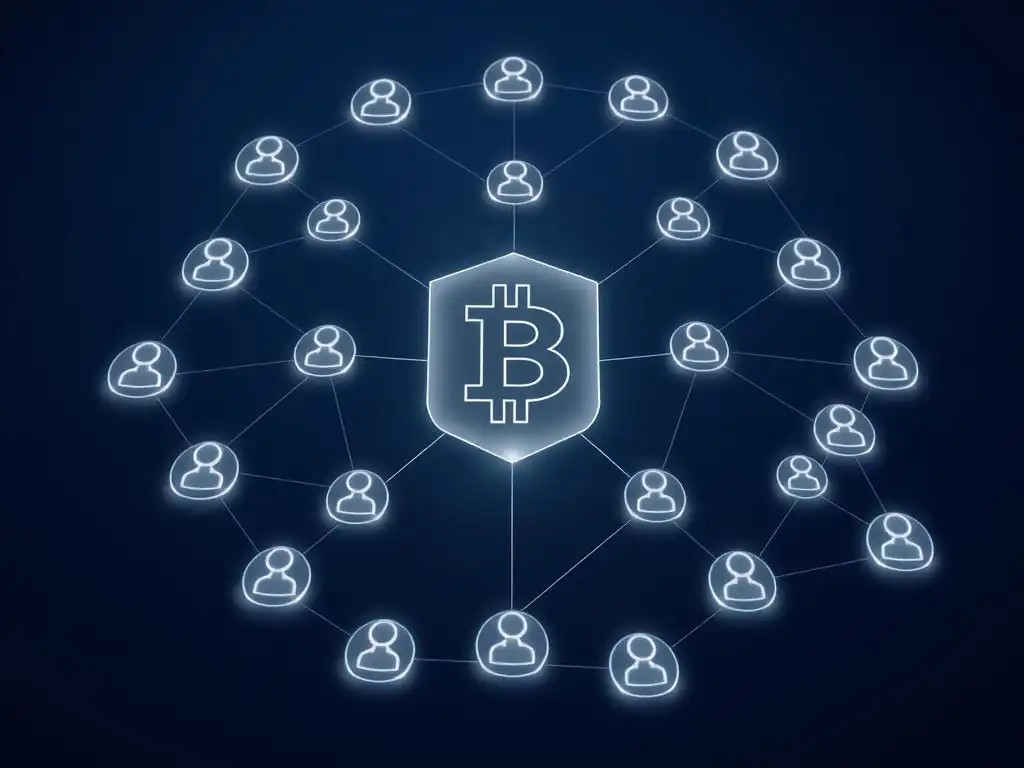
GDPR Compliance using Decentralized Identity Solutions
The General Data Protection Regulation (GDPR) in Europe is one of the most stringent data privacy laws globally, granting individuals significant rights over their personal data. Key GDPR principles include data minimization, purpose limitation, storage limitation, integrity and confidentiality, and the right to erasure ("right to be forgotten"). Decentralized Identity solutions are inherently aligned with many of these principles and can significantly aid organizations in achieving GDPR compliance, particularly concerning blockchain identity data privacy.
DID supports data minimization by enabling selective disclosure: users share only the minimum data necessary for a specific purpose, reducing the amount of personal data collected and stored by organizations. This aligns with the "purpose limitation" principle. By empowering users to control their credentials and data access, DID facilitates the "right to erasure"; users can manage or revoke access to their data more effectively than relying on organizations to delete it from potentially numerous databases.
The decentralized nature and cryptographic security of DID enhance "integrity and confidentiality" by reducing reliance on vulnerable central databases. While DID doesn't solve all GDPR requirements (e.g., consent management still needs careful implementation), it provides a powerful technical framework for building systems that are privacy-preserving by design, making it easier for organizations to comply with strict regulations.
CCPA and Decentralized Identity: Meeting California's Data Privacy Requirements
The California Consumer Privacy Act (CCPA) grants California residents rights regarding the collection and sale of their personal information, including the right to know what data is collected, the right to request deletion, and the right to opt-out of the sale of their data. Similar to GDPR, CCPA requires businesses to be transparent about their data practices and provide consumers with mechanisms to exercise their rights. Decentralized Identity can be a valuable tool for businesses seeking to comply with CCPA, particularly in managing consumer requests related to their identity and associated data, enhancing blockchain identity data privacy efforts.
DID enables businesses to interact with consumers using a persistent, user-controlled identifier (the DID) rather than relying on potentially fragmented or less reliable internal identifiers linked to sensitive personal data. When a consumer makes a request under CCPA (e.g., request to know or delete), the business can potentially verify the consumer's identity using a verifiable credential linked to their DID, without requiring the consumer to submit additional sensitive information for verification purposes.
More importantly, by minimizing the personal data businesses need to collect and store in the first place (through selective disclosure of credentials), DID reduces the scope and complexity of CCPA compliance obligations related to data inventory, mapping, and deletion requests. A business that holds less sensitive personal data is inherently at lower risk and has less data to manage under CCPA mandates.
Decentralized Identity and the Future of Global Data Privacy Regulations
The trend towards stronger data privacy regulations is global, with laws similar to GDPR and CCPA emerging in various jurisdictions, including Brazil (LGPD), Canada (PIPEDA), and states within the US beyond California. These regulations consistently emphasize principles of user control, data minimization, transparency, and accountability. Decentralized Identity is well-positioned to become a foundational technology for complying with this evolving global regulatory landscape. As regulations become more complex and demand greater individual control over data, traditional centralized systems will face increasing challenges.
DID provides a technical architecture that aligns with the core requirements of these regulations by placing the individual at the center of identity management. Its capabilities for verifiable credentials, selective disclosure, and user-controlled data access directly address the need for individuals to understand and control how their identity and associated data are used.
As regulators and technologists collaborate, DID frameworks and standards (like those from the W3C) are likely to be recognized or even recommended as best practices for building privacy-preserving applications and services. The future of global data privacy regulations will increasingly favor solutions that empower individuals, making decentralized identity and blockchain identity data privacy a crucial part of the compliance toolkit.
The Role of Self-Sovereign Identity (SSI) in Data Privacy
Understanding Self-Sovereign Identity Principles
Self-Sovereign Identity (SSI) is a specific model or philosophy within the broader concept of Decentralized Identity. SSI emphasizes that individuals should have complete ownership and control over their digital identity, independent of any central authority. The term "self-sovereign" highlights the individual's autonomy in managing their digital existence.
SSI is guided by a set of principles, often cited as the "Ten Principles of Self-Sovereign Identity" by Christopher Allen. These principles include: existence (users must have an independent existence), control (users must control their identity), access (users must have access to their own data), transparency (systems must be transparent), persistence (identities must be persistent), portability (information must be portable), interoperability (systems should be interoperable), consent (users must consent to the use of their identity), minimal disclosure (disclosure of claims should be minimized), and protection (rights must be protected).
At its core, SSI is about shifting power from institutions to individuals. It posits that individuals should be able to generate their own identifiers, manage their own data stores, and control how their verified attributes are shared. This philosophical underpinning drives the technical architecture of DID systems, which are often built to embody these SSI principles. SSI is not just a technology; it's a movement towards a more equitable and privacy-respecting digital world, where individuals are the source of truth for their own identity, reinforcing the importance of blockchain identity data privacy from a user-centric perspective.
SSI and the Empowerment of Users over Their Data
Self-Sovereign Identity directly empowers users by giving them unprecedented control over their personal data associated with their identity. In traditional systems, identity and data are often intertwined and managed by third parties. For example, your bank manages your financial identity and transaction data, your doctor manages your medical identity and health records, and social media platforms manage your social identity and interaction data. In each case, the institution acts as a gatekeeper and data custodian.
With SSI, the user holds their verifiable credentials (like proof of address, professional license, or age) in a secure digital wallet. They decide which credentials to acquire, how to store them, and, crucially, when and with whom to share them. This model eliminates the need for service providers to collect and store copies of sensitive documents, drastically reducing the risk of large-scale data breaches affecting individuals.
The user becomes the central point of control for their own data ecosystem, granting or revoking access as needed. This shift from institutional custody to individual stewardship is the essence of SSI's contribution to data privacy and a key driver for the adoption of blockchain identity data privacy solutions.
The Future of Data Privacy with Self-Sovereign Identity
The future of data privacy is increasingly intertwined with the principles and technologies of Self-Sovereign Identity. As digital interactions become more pervasive and data collection continues to grow, the limitations and risks of centralized identity systems will become more pronounced. SSI offers a viable path towards a digital environment where privacy is not an afterthought but a fundamental design feature.
The widespread adoption of SSI could lead to a future where individuals carry their verified identity attributes with them digitally, using them across various services without repeatedly submitting sensitive personal data. This would drastically reduce the digital footprint left behind on third-party servers.
Regulatory trends supporting user control and data minimization further pave the way for SSI adoption. As SSI infrastructure matures and becomes more user-friendly, it has the potential to redefine the relationship between individuals and organizations, fostering greater trust based on verifiable interactions and empowering individuals to reclaim ownership of their digital selves and associated data, thereby realizing the full potential of blockchain identity data privacy.
Overcoming Challenges in Decentralized Identity Adoption
Scalability and Performance Considerations
One of the significant challenges facing the widespread adoption of Decentralized Identity systems, particularly those anchored on blockchains, is scalability and performance. Public blockchains, while offering immutability and decentralization, can sometimes face limitations in processing high volumes of transactions quickly and cheaply. Registering DIDs, updating DID Documents, and anchoring verifiable credential status (e.g., revocation lists) on a public ledger needs to be efficient and cost-effective to support mass adoption. For instance, early blockchain implementations struggled with transaction throughput measured in single or double digits per second, which is insufficient for a global identity system.
Ongoing research and development are addressing these challenges. Layer 2 scaling solutions, sidechains, and alternative distributed ledger technologies (DLTs) are being explored and implemented to handle higher transaction volumes and reduce costs. Some DID methods use blockchains only for anchoring the DID and store DID Documents and VCs off-chain (e.g., on IPFS or in secure personal data stores), reducing the on-chain load.
Private or permissioned DLTs might be suitable for enterprise use cases requiring higher throughput, though they introduce different trust assumptions. Achieving the necessary scalability and performance while maintaining decentralization is crucial for DID to become a practical solution for global blockchain identity data privacy.
Interoperability between Different Decentralized Identity Systems
For Decentralized Identity to achieve its full potential, different DID systems and implementations must be interoperable. Currently, various projects and organizations are developing DID solutions based on different blockchain or DLTs and using different standards or interpretations of existing standards (like the W3C DID specification and Verifiable Credentials specification). A user who obtains a verifiable credential within one ecosystem might face difficulties using it in another system if they are not designed to interoperate seamlessly. This lack of interoperability creates silos, hindering the user experience and limiting the utility of DID.
Efforts are underway to establish and enforce common standards and protocols. The W3C DID and Verifiable Credentials specifications provide a foundational layer, but practical implementation details can vary. Initiatives focusing on cross-network compatibility and standardized credential formats are essential.
For example, the Decentralized Identity Foundation (DIF) and the Trust Over IP Foundation (ToIP) are working on frameworks and specifications to ensure different components of the identity ecosystem can work together. Achieving true interoperability is key to enabling a seamless user experience where a single set of credentials can be used across diverse platforms and services, maximizing the benefits of blockchain identity data privacy.
User Education and Awareness Regarding Decentralized Identity
Decentralized Identity represents a significant shift from familiar login methods and identity verification processes. For mass adoption, users need to understand what DID is, how it works, and the benefits it offers, particularly regarding data privacy and control. Concepts like DIDs, verifiable credentials, digital wallets, and cryptographic keys can be intimidating or confusing for the average user. A lack of understanding can lead to apprehension and reluctance to adopt new systems, or worse, lead to mismanagement of private keys resulting in loss of identity access.
Extensive user education and intuitive user interfaces are critical. Wallets and applications need to be designed to be as user-friendly as possible, abstracting away the underlying technical complexity. Educational resources explaining the concepts in simple terms, highlighting the tangible benefits (like reduced spam, fewer passwords, and enhanced privacy), are necessary. Building trust in DID systems also requires transparency about how they function and how data is handled. Overcoming the knowledge gap and building user confidence is a major hurdle for the widespread implementation of blockchain identity data privacy solutions.
The Future of Decentralized Identity and Data Privacy
Emerging Trends in Decentralized Identity Technology
The field of Decentralized Identity is rapidly evolving, with several emerging trends shaping its future. One key trend is the increasing focus on privacy-preserving technologies beyond basic selective disclosure, such as more sophisticated Zero-Knowledge Proofs (ZKPs) that allow for complex proofs about credentials without revealing any data. This will enable more nuanced and private interactions. Another trend is the development of more robust and user-friendly digital wallets capable of securely storing and managing a variety of verifiable credentials across different ecosystems. These wallets are becoming the central hub for users' digital identities.
Integration with other decentralized technologies is also a significant trend. DID is being combined with decentralized storage solutions (like Filecoin or Arweave) to give users more control over where their data is stored. It is also being integrated with decentralized finance (DeFi) applications for identity verification and reputation systems that don't rely on traditional credit scores. Furthermore, there's growing interest in decentralized identity for IoT devices and autonomous agents, enabling secure and verifiable interactions in machine-to-machine contexts. These technological advancements are pushing the boundaries of what's possible with blockchain identity data privacy.
The Potential for Widespread Adoption of Decentralized Identity-Based Privacy Solutions
The potential for widespread adoption of Decentralized Identity-based privacy solutions is significant, driven by increasing data privacy concerns, regulatory pressures, and the promise of improved user experience and security. As data breaches continue and public trust in centralized entities erodes, individuals and organizations are actively seeking alternatives. DID offers a compelling value proposition by returning control to the user and reducing institutional data liability.
Adoption is likely to occur incrementally, starting with specific high-value use cases like academic credential verification, professional licensing, and streamlined, privacy-preserving KYC processes in finance. Government initiatives exploring digital identity solutions may also incorporate DID principles. As the technology matures, standards solidify, and user interfaces become more intuitive, adoption could accelerate across various sectors, including healthcare, e-commerce, social media, and civic participation. The success will depend on collaboration between technology providers, businesses, governments, and users to build a robust and interoperable ecosystem that delivers on the promise of enhanced blockchain identity data privacy.
Standardization and Interoperability in Decentralized Identity
Standardization and interoperability are paramount for the future success and widespread adoption of Decentralized Identity. Without common standards, the ecosystem risks fragmentation, where different DID systems cannot communicate or exchange credentials, frustrating users and hindering network effects. The work by the W3C on DID Core and Verifiable Credentials Data Model is a crucial foundation, providing a baseline for creating interoperable components. However, implementing these standards consistently and developing higher-level protocols for identity interactions (like authentication, authorization, and data sharing flows) is an ongoing effort.
Organizations like DIF, ToIP, and others are actively working on developing profiles, specifications, and reference implementations to ensure different DID wallets, issuers, and verifiers can seamlessly interact. This includes standardizing data formats, communication protocols (e.g., DIDComm), and trust frameworks that define how participants in an ecosystem verify each other and the credentials they issue or present. Achieving broad consensus and adoption of these standards is essential for building a truly global and interoperable decentralized identity layer for the internet, which is necessary to unlock the full potential of blockchain identity data privacy for everyone.
Conclusion: Embracing the Synergistic Power of Decentralized Identity for a More Privacy-Conscious Future
The digital age has brought unprecedented convenience and connectivity, but it has also exposed the fragility of personal data privacy under traditional, centralized identity management systems. Data breaches are rampant, user data is collected excessively, and individuals lack meaningful control over their digital footprint. Decentralized Identity (DID) emerges as a powerful, synergistic solution to these challenges, fundamentally altering the dynamics of identity and data ownership by placing control firmly back into the hands of the individual.
By leveraging the principles of self-sovereignty, verifiable credentials, and cryptographic techniques like selective disclosure and zero-knowledge proofs, DID enables a paradigm shift towards privacy-preserving interactions. Users can prove necessary attributes without revealing underlying sensitive data, drastically minimizing the attack surface and reducing reliance on vulnerable central databases.
This approach aligns perfectly with the growing global demand for stronger data privacy regulations like GDPR and CCPA, offering a technical framework for compliance by design. From securing sensitive patient data in healthcare to streamlining financial KYC with enhanced privacy, decentralized identity demonstrates its potential across numerous critical sectors.
While challenges related to scalability, interoperability, and user education remain, ongoing technological advancements and standardization efforts are paving the way for broader adoption. Embracing the synergistic power of Decentralized Identity is not just about improving digital security; it's about building a more equitable, trustworthy, and privacy-conscious digital future where individuals are empowered stewards of their own blockchain identity data privacy.
Frequently Asked Questions
How does decentralized identity (DID) enhance blockchain identity data privacy?
DID empowers users with control over their personal data, reducing reliance on centralized authorities. This self-sovereign approach minimizes data breaches and unauthorized access.
What are the key benefits of using blockchain for managing identity data privacy?
Blockchain provides immutable record-keeping and enhanced security through cryptography. It facilitates transparent and auditable data management, increasing trust and user control.
How does the convergence of DeFi and blockchain impact identity data privacy?
DeFi applications leveraging blockchain require secure and private identity verification processes. DIDs can streamline KYC/AML compliance while protecting user data from centralized databases.
What are the regulatory challenges surrounding blockchain identity data privacy?
Balancing innovation with regulations like GDPR requires careful consideration of data residency and compliance. Solutions must ensure user consent and data minimization within decentralized systems.
What is the future outlook for blockchain identity data privacy, and what advancements can we expect?
Expect advancements in zero-knowledge proofs and homomorphic encryption to further enhance privacy. Interoperability between different blockchain networks will also be crucial for seamless and secure identity management.
Final Reflection: Embracing the Future of Digital Sovereignty
The exploration of decentralized identity and its synergistic relationship with data privacy, especially within the context of blockchain technology, reveals a crucial truth: we are at a pivotal moment in reclaiming control over our digital lives. The potential to reshape the digital landscape, empowering individuals with ownership and agency over their personal information, is no longer a distant dream, but a tangible possibility rapidly unfolding.
The impact of this shift extends far beyond technological advancements. It represents a fundamental re-evaluation of trust and power dynamics in the digital age, challenging centralized systems and advocating for a more equitable and transparent future. As we navigate this evolving landscape, it's crucial to remember the core principle at stake: Privacy is not an option, and it shouldn't come with a price tag; it's a fundamental right.
This quote underscores the urgency and importance of embracing decentralized identity solutions to safeguard our fundamental rights in the digital realm.
Now, consider the implications of this knowledge for your own digital footprint. How can you actively participate in shaping a future where your identity is truly yours? Take the time to explore decentralized identity solutions, advocate for privacy-preserving technologies, and demand greater transparency from the platforms you use. The future of digital sovereignty is not predetermined; it is being built, brick by brick, by each of us. Let's build it together, prioritizing privacy and empowering individuals to own their digital identities.
Empower Your Digital Footprint: Reclaim Your Data Now!
Thank you for exploring the important relationship between decentralized identity and data privacy. You've learned how blockchain technology can give you greater control over your personal information. Now, take action to shape your digital future.
Here’s how you can get started:
- Start exploring decentralized identity wallets today to secure and manage your digital identity. This is the first step toward reclaiming control over your data.
- Learn more about the technical standards by reviewing the latest specifications from the World Wide Web Consortium to deepen your understanding.
- Share this article with friends and colleagues on social media to promote awareness about data privacy and the benefits of self-sovereign identity.
What is one immediate step you can take this week to strengthen your digital identity and help create a more privacy-conscious online environment? Share your ideas below!
Leave a Reply