
Are Smart Contracts the Key to Transparent Real Estate Transactions?


Welcome to Blockchain Trends, where we delve into the transformative potential of blockchain technology that extends far beyond cryptocurrencies. Today, we invite you to explore an exciting intersection of innovation and real estate: smart contracts. In our featured article, "Are Smart Contracts the Key to Transparent Real Estate Transactions?
", we’ll uncover how these digital agreements are revolutionizing the way properties are bought and sold, fostering unprecedented levels of transparency and trust. Curious about how blockchain can reshape the real estate landscape? Join us as we navigate the future of decentralized systems and discover the remarkable implications of this technology on your next property transaction!
- Understanding Smart Contracts and Their Role in Real Estate Transparency
- Key Features of Smart Contracts Driving Real Estate Transparency
- Challenges in Real Estate Transactions Addressed by Smart Contracts
- Case Studies: Smart Contracts Improving Transparency in Real Estate Deals
- Legal and Regulatory Considerations for Smart Contracts in Real Estate
- Integrating Smart Contracts with Other Blockchain Solutions for Enhanced Transparency
- Future Trends: Are Smart Contracts the Ultimate Solution for Real Estate Transparency?
- Conclusion: Evaluating the Impact of Smart Contracts on Real Estate Transparency
-
Frequently Asked Questions
- What are smart contracts and how can they be applied to real estate?
- How do smart contracts enhance transparency in real estate transactions?
- What are the potential benefits of using smart contracts for real estate beyond transparency?
- What are the main challenges to widespread adoption of smart contracts in the real estate industry?
- How could smart contracts impact the future of real estate ownership and investment?
- Final Reflection: Unlocking Trust with Blockchain
- Unlock Your Future in Real Estate: Dive Deeper!
Understanding Smart Contracts and Their Role in Real Estate Transparency
What Are Smart Contracts? A Blockchain-Based Definition
Smart contracts are self-executing contracts with the terms of the agreement directly written into lines of code. This code exists on a blockchain network, making the contract immutable, transparent, and resistant to censorship.
Unlike traditional contracts, which rely on intermediaries like lawyers or escrow agents for enforcement, smart contracts automatically execute predefined actions when specific conditions are met, eliminating the need for trust between parties and significantly reducing potential disputes. For instance, a simple smart contract for a rental agreement could automatically transfer the monthly rent payment from the tenant's digital wallet to the landlord's on a specific date, provided the tenant has sufficient funds and the contract terms are satisfied.
The foundation of smart contracts on blockchain technology provides a level of security and reliability previously unattainable in digital agreements. Once deployed, the code is verified by the network's distributed ledger, and the execution is recorded publicly (on a public blockchain) or privately (on a permissioned one), creating an auditable trail.
This inherent design makes them ideal for applications requiring high levels of trust and automation, such as automating payments, managing digital asset transfers, or, crucially, enhancing smart contracts real estate transparency by automating steps in property transactions. The logic embedded in the code dictates the flow of assets or information, ensuring that agreements are performed exactly as intended without manual intervention or the possibility of human error or manipulation.
The Importance of Transparency in Real Estate Transactions
Transparency is paramount in real estate transactions due to the high value and complexity involved. Buyers and sellers need clear, accurate, and accessible information regarding property ownership history, liens, encumbrances, transaction costs, and the overall process timeline.
A lack of transparency can lead to information asymmetry, where one party holds more critical information than the other, potentially resulting in unfair deals, hidden fees, or even fraudulent activities. The traditional real estate process often involves multiple intermediaries—agents, lawyers, title companies, banks—each adding layers of complexity and potential points of opacity, making it difficult for all parties to have a complete and real-time view of the transaction's progress and details.
Consider the process of verifying property titles. In many jurisdictions, this involves navigating complex, often paper-based public records that can be fragmented or outdated. This opacity increases the risk of title fraud or disputes over ownership history.
Furthermore, the financial aspects, including earnest money deposits and final payment transfers, often pass through escrow accounts managed by third parties, introducing potential delays and requiring significant trust in the intermediary. Enhancing smart contracts real estate transparency is critical not just for efficiency, but for building trust among buyers, sellers, and other stakeholders, ensuring fair market practices and reducing the likelihood of costly legal battles that can arise from misunderstandings or misrepresented information.
How Smart Contracts Enhance Transparency in Property Deals
Smart contracts fundamentally enhance transparency in property deals by automating and recording critical steps directly on a blockchain. This creates a single, shared, and immutable source of truth for the transaction.
Instead of relying on disparate systems and manual updates from various intermediaries, all relevant parties with permission can view the contract's code, the conditions for execution, and the transaction's progress in real-time. For example, a smart contract could be programmed to automatically release earnest money from an escrow account to the seller only after the buyer's loan is approved and the property inspection is successfully completed, with each step verifiable on the blockchain.
By codifying the terms of agreement and automating their execution, smart contracts significantly reduce reliance on human intervention and the potential for errors or deliberate obfuscation. Every action triggered by the smart contract—such as a payment transfer or the digital transfer of a property deed token—is recorded as a transaction on the blockchain, creating a permanent and auditable ledger.
This distributed record ensures that no single party can alter the transaction history without the consensus mechanisms of the blockchain network, which is practically impossible for malicious intent. This built-in accountability dramatically improves smart contracts real estate transparency, making the entire process more understandable and trustworthy for everyone involved.
Key Features of Smart Contracts Driving Real Estate Transparency
Automation and Self-Execution of Contractual Terms
One of the most compelling features of smart contracts is their ability to automate and self-execute contractual terms based on predefined conditions. In real estate, this can translate to automating critical steps like the release of funds, the transfer of digital property tokens (representing ownership), or the execution of lease agreements upon specific triggers.
For example, a smart contract could be set up for a property purchase where, upon verification of the buyer's funds in a linked digital wallet and the digital signature of both parties, the contract automatically transfers the agreed-upon amount to the seller and simultaneously transfers a tokenized representation of the property deed to the buyer's wallet. This eliminates the manual coordination typically required between banks, title companies, and lawyers, reducing delays and potential points of failure.
This automation ensures that the transaction proceeds exactly as agreed upon in the code, without the possibility of a party backtracking or adding unexpected conditions mid-process. Consider a lease agreement where rent is due on the 1st of each month. A smart contract can be programmed to automatically deduct the rent from the tenant's account on that date, provided the funds are available.
If funds are insufficient, the contract could automatically trigger a late fee or a notification to both parties according to the coded terms. This self-execution minimizes human error and ensures prompt action based on clear, pre-agreed rules, significantly boosting smart contracts real estate transparency by making the execution process predictable and verifiable.
Immutable and Tamper-Proof Records on Blockchain
The underlying blockchain technology provides smart contracts with the crucial characteristic of immutability. Once a smart contract is deployed and executed on a blockchain, the record of its execution and the data it processes are recorded in blocks that are linked together cryptographically.
This makes the transaction history incredibly difficult, if not impossible, to alter or tamper with without the consensus of the network. For a property transaction, this means that the entire history—from initial offers and acceptance to payment transfers and final deed registration (or its tokenized equivalent)—is permanently recorded on a distributed ledger that cannot be unilaterally changed by any single participant.
This tamper-proof nature is a significant leap forward for smart contracts real estate transparency. It provides an unassailable record of ownership history and transaction details, drastically reducing the risk of fraudulent title transfers or disputes over past transactions.
Imagine a scenario where a traditional paper deed is lost or altered; recovering or verifying the true ownership history can be a complex and time-consuming process. With a blockchain-based system utilizing smart contracts, the digital deed and its transaction history are securely and immutably stored, accessible for verification by authorized parties at any time, providing an unprecedented level of security and trust in the integrity of property records.
Real-Time Visibility and Auditability of Transaction Data
Smart contracts operating on a blockchain provide real-time visibility into the transaction process for all authorized participants. Depending on the blockchain's design (public or permissioned), parties involved can monitor the status of the smart contract, see when conditions are met, and observe the execution of programmed actions as they happen.
This eliminates the black box effect often associated with traditional real estate transactions where parties might be unsure of the exact stage or status of their deal unless manually updated by an intermediary. A buyer, for instance, could potentially track in real-time when their loan approval status is verified by the smart contract or when the seller has digitally signed their part of the agreement.
Furthermore, the data recorded on the blockchain is auditable. Every transaction executed by the smart contract is a verifiable entry on the distributed ledger. This creates a comprehensive audit trail that can be easily reviewed by auditors, regulators, or the parties themselves. This level of auditability is invaluable for compliance, dispute resolution, and general oversight. It allows for a clear, step-by-step reconstruction of the transaction process, backed by cryptographic proof, thereby significantly enhancing smart contracts real estate transparency and accountability across the entire value chain, from initial agreement to final settlement.
Challenges in Real Estate Transactions Addressed by Smart Contracts
Traditional Opacity and Information Asymmetry Issues
The traditional real estate market is often plagued by opacity and information asymmetry. Property information, including ownership records, liens, zoning details, and transaction histories, can be scattered across various government departments and private entities, often in outdated or non-digital formats. This fragmentation makes it difficult and time-consuming for potential buyers or investors to access comprehensive and verified information, creating an uneven playing field where sellers or agents might possess critical information not readily available to buyers. This lack of a single, accessible source of truth contributes to mistrust and slows down transactions.
Moreover, the complex web of intermediaries—each with their own systems and processes—adds layers of complexity and potential for miscommunication or delays. A property title search, for example, might involve manual checks across multiple registries, which can take weeks and still carry a risk of missing critical details. This opacity makes it challenging to ensure smart contracts real estate transparency throughout the entire process, leaving parties vulnerable to unforeseen issues or misrepresentations that only surface late in the transaction, potentially leading to deals falling through or legal complications.
Risks of Fraud and Disputes in Conventional Property Deals
The traditional real estate process carries inherent risks of fraud and disputes, largely due to the reliance on manual processes, paper documentation, and multiple intermediaries. Title fraud, where someone falsely claims ownership of a property to sell it, is a significant concern. Forging signatures on deeds or misrepresenting property details are also possibilities in systems lacking robust, immutable verification mechanisms. According to some estimates, property title fraud attempts have been on the rise, posing a substantial threat to homeowners and buyers.
Disputes can arise from various points of failure, such as disagreements over contract terms interpretation, failure to disclose defects, or issues with fund transfers. Resolving these disputes often requires lengthy and expensive legal battles, further highlighting the need for more secure and transparent transaction methods. The lack of a clear, immutable record of every interaction and agreement milestone in conventional deals makes it harder to definitively prove compliance or identify the source of a problem, underscoring the need for enhanced smart contracts real estate transparency to mitigate these risks.
How Smart Contracts Mitigate These Transparency Challenges
Smart contracts mitigate these transparency challenges by providing a decentralized, immutable, and automated framework for real estate transactions. By placing the core agreement logic and transaction data on a blockchain, they create a single source of truth accessible to all authorized participants. This eliminates the need to piece together information from disparate sources and reduces information asymmetry. A smart contract linked to a tokenized property deed, for instance, could verify ownership history and associated liens directly from the blockchain ledger, making this crucial information instantly accessible and verifiable.
Furthermore, the automation and self-execution capabilities of smart contracts significantly reduce the risk of fraud and disputes. The terms are coded explicitly, leaving less room for misinterpretation. Actions like fund transfers or deed transfers are triggered automatically only when predefined, verifiable conditions are met, removing opportunities for malicious actors to interfere manually.
The immutable record of every step on the blockchain provides strong evidence in case of a dispute, making it easier to audit the transaction and determine where issues occurred. This fundamental shift towards automated, verifiable processes is key to achieving greater smart contracts real estate transparency and security.
Case Studies: Smart Contracts Improving Transparency in Real Estate Deals
Examples of Successful Smart Contract Implementations in Real Estate
While widespread adoption is still evolving, several pilot projects and platforms demonstrate the potential of smart contracts in real estate. In 2017, a property sale in Ukraine was reportedly executed using a smart contract on the Ethereum blockchain, transferring ownership of an apartment. While specific financial figures are often kept private in such early examples, the technical feasibility of using smart contracts for property transfer was demonstrated.
More recently, companies like Propy have facilitated real estate transactions using blockchain and smart contracts, including a sale in Florida in 2021 for approximately $650,000, where the NFT representing the property's ownership was transferred via a smart contract. These examples, though early, highlight the shift towards digital, automated processes.
Another area seeing implementation is fractional ownership and real estate tokenization. Platforms like Securitize or Harbor (prior to its pivot) worked on tokenizing real estate assets, allowing investors to buy and sell digital tokens representing shares of a property.
Smart contracts manage the fractional ownership, dividend distribution from rental income, and the rules for transferring tokens, providing transparency into who owns what percentage and how income is distributed. While specific transaction volumes for these tokenized assets vary widely and are often not publicly disclosed in aggregate, individual transactions recorded on public ledgers offer a verifiable example of smart contracts enhancing smart contracts real estate transparency in investment structures.
Impact on Buyer and Seller Trust Through Transparent Processes
The implementation of smart contracts in real estate directly impacts buyer and seller trust by creating processes that are inherently more transparent and verifiable than traditional methods. When parties can see the terms of the agreement codified in publicly auditable code (on a public blockchain) or on a permissioned ledger they have access to, and can track the progress of conditions being met in real-time, it builds confidence.
For instance, a buyer feels more secure knowing that their earnest money is held in escrow by a smart contract that is programmed to release it back to them if the deal falls through under specific, verifiable circumstances, rather than relying solely on a third-party escrow agent.
Similarly, sellers gain trust from the assurance that the smart contract will automatically transfer ownership only after the full purchase price is verified and transferred to their account, minimizing the risk of non-payment after transferring the deed. The immutability of the blockchain record means that once a step is completed and recorded, it cannot be undone or altered, providing a robust foundation of trust based on verifiable cryptographic proof rather than just mutual agreement or the reputation of intermediaries.
This enhanced smart contracts real estate transparency fosters greater confidence among all stakeholders, paving the way for smoother and more secure transactions.
Legal and Regulatory Considerations for Smart Contracts in Real Estate
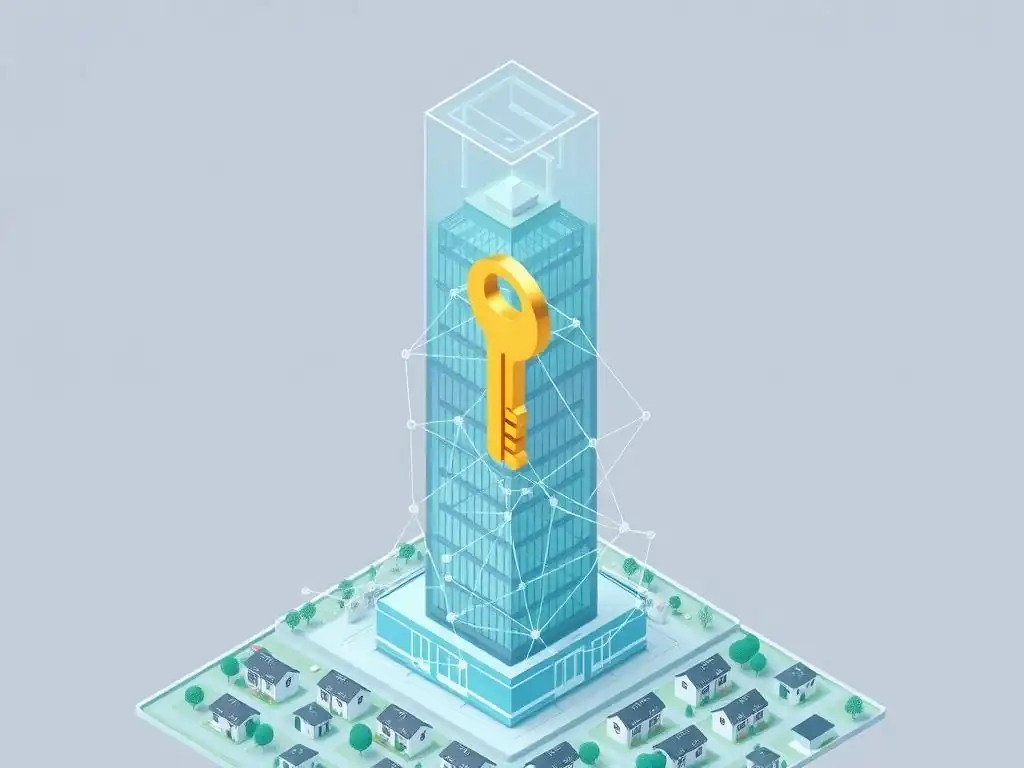
Current Regulatory Landscape Affecting Smart Contracts Usage
The legal and regulatory landscape surrounding smart contracts in real estate is still developing and varies significantly across jurisdictions. While the Uniform Commercial Code (UCC) in the U.S. has been updated in some states (like Arizona and Tennessee) to recognize electronic records and signatures, specifically defining "smart contracts" and their legal validity remains an ongoing process. The enforceability of a smart contract's code as a legally binding agreement is a key question.
Can code truly replace traditional legal language, or does it need to be accompanied by a traditional legal wrapper? Most legal experts currently advise having a traditional contract that references the smart contract and clarifies its role and the governing law.
Globally, regulatory bodies are grappling with how to categorize and regulate assets tokenized on blockchain (like property shares) and the automated processes managed by smart contracts. Issues include consumer protection, anti-money laundering (AML), know-your-customer (KYC) regulations, and how to handle disputes or errors in code that lead to unintended execution. For smart contracts real estate transparency to be fully leveraged, there needs to be legal clarity on how these digital agreements fit within existing property law, contract law, and financial regulations. The lack of a harmonized global framework poses a significant hurdle to widespread adoption.
Compliance and Enforcement Challenges in Transparent Real Estate Transactions
Ensuring compliance with existing real estate regulations presents a challenge for smart contracts. Real estate transactions are subject to numerous laws, including those related to disclosure requirements, fair housing, taxation (like property transfer taxes), and record-keeping. Integrating these complex legal requirements into the rigid logic of smart contract code is difficult. For example, how does a smart contract automatically verify that all necessary disclosures have been made to the buyer in a legally compliant format? Or how does it interact with government land registries that may not be digitized or blockchain-compatible?
Enforcement is another critical challenge. While smart contracts are self-executing, what happens when things go wrong? If a smart contract contains a bug that leads to an incorrect transfer of funds or assets, or if an external factor (like an oracle providing incorrect data) causes faulty execution, traditional legal recourse is still necessary.
Courts are still learning how to interpret and rule on disputes involving smart contracts. For smart contracts real estate transparency to be truly effective, mechanisms for legal oversight, dispute resolution, and potentially "breaking the glass" on a smart contract in specific legal circumstances need to be established and legally recognized, which is a complex undertaking.
Future Outlook: Harmonizing Blockchain Regulations with Real Estate Transparency
The future outlook for harmonizing blockchain regulations with real estate transparency facilitated by smart contracts involves collaboration between legal experts, technologists, and regulators. There is a growing recognition of the potential benefits of blockchain and smart contracts for efficiency and transparency. Efforts are underway in various jurisdictions to create legal frameworks that accommodate digital assets and automated contracts. Initiatives like the Uniform Law Commission's work on emerging technologies aim to provide guidance for states adopting laws related to blockchain and smart contracts.
Achieving full smart contracts real estate transparency requires not just technological solutions but also regulatory innovation. This includes potentially creating digital land registries that are blockchain-compatible, developing standards for tokenizing real estate in a legally compliant manner, and establishing clear rules for the legal validity and enforceability of smart contracts in property transactions. As regulators become more familiar with the technology and its capabilities, it is anticipated that more specific and supportive legal frameworks will emerge, paving the way for broader and more secure integration of smart contracts into the real estate ecosystem.
Integrating Smart Contracts with Other Blockchain Solutions for Enhanced Transparency
Combining Decentralized Identity and Smart Contracts
Integrating decentralized identity (DID) solutions with smart contracts can significantly enhance smart contracts real estate transparency and security. DID systems allow individuals and entities to create self-sovereign digital identities that are verifiable without relying on a central authority. In a real estate context, this means that the identities of buyers, sellers, agents, and even properties themselves can be cryptographically verified on the blockchain. A smart contract could be programmed to only execute if all participating parties have verified, decentralized identities linked to their blockchain addresses.
This combination addresses the crucial KYC/AML requirements in real estate. Instead of submitting sensitive personal documents to multiple intermediaries, users could prove their identity and accreditation (e.g., being a licensed agent or a pre-approved buyer) using verifiable credentials linked to their DID. The smart contract verifies these credentials on the blockchain before proceeding with the transaction steps. This not only streamlines the verification process but also adds a layer of trust and security by ensuring that all parties involved are legitimately identified, further boosting smart contracts real estate transparency by confirming the identity of participants in an immutable way.
Use of Oracles and Secure Data Feeds to Ensure Contract Accuracy
Smart contracts often need external data to execute correctly. For real estate, this could include verifying loan approval status, confirming property inspection results, checking for environmental liens in external databases, or even verifying the current market value. Oracles are third-party services that provide smart contracts with verified external data. However, relying on a single oracle introduces a potential point of failure or manipulation. Secure data feeds, often aggregated from multiple independent sources and verified through consensus mechanisms, are crucial for reliable smart contract execution in real estate.
Using decentralized oracle networks (DONs) can enhance smart contracts real estate transparency by providing robust and tamper-resistant external data. For instance, a smart contract for a property sale might require confirmation that the buyer's financing is secured. A DON could fetch this information from multiple trusted financial institutions or data providers and aggregate it before feeding it to the smart contract. This ensures that the contract executes based on accurate, verifiable real-world information, reducing the risk of errors or fraudulent input that could derail the automated process and undermine the transaction's transparency and integrity.
Enterprise Blockchain Platforms Facilitating Transparent Real Estate Ecosystems
While public blockchains like Ethereum can host smart contracts for real estate, enterprise-grade, permissioned blockchain platforms are often better suited for complex industry-specific applications. Platforms like Hyperledger Fabric, R3 Corda, or enterprise versions of Ethereum allow participants (e.g., banks, title companies, regulators, real estate firms) to join a private network with defined roles and permissions. This provides a balance between transparency among authorized parties and necessary privacy for sensitive commercial data.
These platforms can host a network of smart contracts that govern different aspects of the real estate lifecycle—from listing and tokenization to sales, financing, and property management. Participants on the network have access to a shared, real-time ledger of transactions relevant to their role.
This creates a highly efficient and transparent ecosystem where, for example, a bank can verify a property's ownership and lien status directly on the blockchain before approving a mortgage, and the regulator can audit transactions for compliance. Such platforms facilitate comprehensive smart contracts real estate transparency across an entire network of stakeholders, rather than just between buyer and seller.
Future Trends: Are Smart Contracts the Ultimate Solution for Real Estate Transparency?
Emerging Technologies Complementing Smart Contracts in Real Estate
Smart contracts are a powerful tool, but their potential for real estate transparency is amplified when combined with other emerging technologies. The Internet of Things (IoT) can provide real-time data streams for smart contracts – for example, verifying occupancy for rental agreements or monitoring property conditions for insurance purposes. Artificial intelligence (AI) could be used to analyze vast amounts of property data on the blockchain, identifying trends, verifying property details against external sources, or even predicting market values, feeding this information to smart contracts via oracles.
Furthermore, advancements in zero-knowledge proofs (ZKPs) are promising for enhancing privacy within transparent blockchain systems. ZKPs allow one party to prove that a statement is true (e.g., "I meet the income requirements for this property") without revealing any additional information (like the actual income figure). This could allow smart contracts to verify sensitive conditions while preserving user privacy, addressing a key concern for smart contracts real estate transparency where some data needs to be verified but not necessarily exposed to everyone on the network.
Potential Barriers to Widespread Adoption and Overcoming Them
Despite their potential, several barriers hinder the widespread adoption of smart contracts in real estate. These include the aforementioned regulatory uncertainty and the need for legal frameworks to catch up with the technology. Technical challenges exist, such as ensuring the security and reliability of smart contract code (bugs can have costly real-world consequences) and integrating blockchain systems with legacy real estate databases and government registries, which are often paper-based or use outdated digital systems. User education and adoption are also significant hurdles; many traditional real estate professionals and consumers are unfamiliar with blockchain and smart contracts.
Overcoming these barriers requires a multi-pronged approach. Collaborative efforts between industry, government, and technology providers are needed to develop clear legal standards and integration protocols. Investment in digitizing land registries and creating interoperability between systems is crucial. Education initiatives are necessary to train real estate professionals and inform consumers about the benefits and processes involved. Developing user-friendly interfaces for interacting with smart contracts and blockchain platforms will also be key to driving adoption and realizing the full potential of smart contracts real estate transparency.
Vision for Fully Transparent, Decentralized Real Estate Transactions
The long-term vision for smart contracts in real estate is a future where property transactions are largely automated, instantaneous, and fully transparent on a decentralized ledger. Imagine a process where a buyer finds a property listed as a tokenized asset on a blockchain marketplace.
They initiate an offer via a smart contract, which automatically verifies their identity (via DID), their funding (via linked digital wallets and oracles), and the property's details (from the immutable blockchain record). Upon meeting all coded conditions, the smart contract instantly transfers the digital deed token to the buyer and the funds to the seller, with all associated taxes and fees automatically calculated and distributed to the relevant government entities via other smart contracts.
In this vision, intermediaries' roles shift from manual process facilitators to providers of specialized services like legal advice on complex contract terms or assistance with digital identity management. The entire transaction history of a property, from its construction to every subsequent sale and renovation, could potentially be recorded on the blockchain, creating an unparalleled level of smart contracts real estate transparency. While significant technological, legal, and societal shifts are required to reach this point, smart contracts represent a fundamental building block towards this future of trustless, efficient, and transparent property markets.
Conclusion: Evaluating the Impact of Smart Contracts on Real Estate Transparency
Summary of Benefits and Limitations
Smart contracts offer significant benefits for enhancing transparency in real estate by providing automated, immutable, and verifiable transaction processes. Their ability to self-execute based on predefined conditions reduces reliance on intermediaries and minimizes opportunities for manual error or manipulation. The blockchain foundation ensures that records of ownership and transactions are tamper-proof and auditable in real-time by authorized parties. Key features like automation, immutability, and real-time visibility directly address traditional issues of opacity, information asymmetry, and the risks of fraud inherent in conventional property deals, fostering greater trust among participants.
However, smart contracts are not without limitations in the current real estate landscape. Significant barriers include the lack of clear and harmonized legal and regulatory frameworks, challenges in integrating with legacy systems and non-digital government registries, and the need to ensure the security and accuracy of the smart contract code itself. Issues around off-chain data reliance (oracles) and the need for user education also pose hurdles. While they offer a powerful technological solution, their effectiveness is currently constrained by external factors and the need for broader systemic change within the real estate industry and supporting legal structures.
Final Thoughts on Smart Contracts as a Key to Transparent Real Estate Deals
Based on their inherent characteristics, smart contracts possess the core capabilities required to serve as a key technology for achieving unprecedented smart contracts real estate transparency. By automating and securing the execution of contractual terms on a distributed ledger, they create a single, verifiable, and immutable source of truth for property transactions. This fundamental shift away from fragmented, manual, and often opaque processes towards a verifiable, code-based system has the potential to revolutionize how property is bought, sold, and managed.
While they are not a magic bullet and require significant ecosystem development—including legal clarity, regulatory adaptation, and infrastructure modernization—smart contracts are undeniably a critical component in the evolution towards more transparent real estate markets. As the technology matures and the surrounding legal and technical infrastructure develops, smart contracts are poised to play an increasingly central role in building trust, reducing risk, and enabling genuinely transparent real estate transactions for buyers, sellers, and intermediaries alike. They represent a powerful step towards a future where the complexities of property deals are managed with clarity and verifiable integrity.
Frequently Asked Questions
What are smart contracts and how can they be applied to real estate?
Smart contracts are self-executing agreements written in code and stored on a blockchain. In real estate, they can automate processes like property transfers and escrow payments, making them more efficient and transparent.
How do smart contracts enhance transparency in real estate transactions?
By recording all transaction details on a public and immutable blockchain, smart contracts create a verifiable audit trail. This reduces the risk of fraud and manipulation and increases trust among parties.
What are the potential benefits of using smart contracts for real estate beyond transparency?
Beyond transparency, smart contracts can streamline processes, reduce costs associated with intermediaries, and increase the speed of real estate transactions.
What are the main challenges to widespread adoption of smart contracts in the real estate industry?
Some challenges include regulatory uncertainty, the need for industry standardization, and the required technical expertise to develop and implement smart contract solutions.
How could smart contracts impact the future of real estate ownership and investment?
Smart contracts may enable fractional ownership of properties, make real estate investments more accessible, and transform the way properties are managed and traded in the future.
Okay, here's a final reflection designed to close your article "Are Smart Contracts the Key to Transparent Real Estate Transactions?" and rank for the keyword "Smart contracts real estate transparency," following your specified structure:
Final Reflection: Unlocking Trust with Blockchain
The promise of smart contracts revolutionizing real estate transparency is no longer a distant dream, but a rapidly approaching reality. As we've explored, the potential to streamline processes, reduce fraud, and build trust within the real estate sector is immense, offering a glimpse into a future where property transactions are more accessible and equitable for all. This isn't just about efficiency; it's about fundamentally reshaping how we interact with one of the most significant assets in our lives.
The impact of this technology extends far beyond mere convenience. The potential for smart contracts to democratize access to real estate, particularly for marginalized communities, is profoundly significant. It offers a pathway to overcome systemic barriers and build a more inclusive and transparent market. Transparency, accountability, and trust are the cornerstones of a healthy real estate market, and smart contracts offer a powerful tool to build those foundations.
This shift towards greater transparency isn't just a technological advancement; it's a cultural one, demanding a re-evaluation of traditional practices and a commitment to ethical innovation.
As we stand on the cusp of this transformation, it's crucial to consider the role we each play in shaping its trajectory. Will we embrace the potential of smart contracts to build a more equitable and transparent real estate landscape? Will we advocate for responsible implementation and address the challenges that lie ahead?
The future of real estate is being written now, and it's up to each of us to ensure that it's a future built on trust, accessibility, and lasting value. Let us all strive to understand and contribute to this exciting evolution, ensuring that the benefits of smart contracts are realized for the good of all.
Unlock Your Future in Real Estate: Dive Deeper!
Thank you for exploring how smart contracts can revolutionize real estate with us. We hope you've gained valuable insights into how blockchain technology can enhance transparency and efficiency in this sector. Are you ready to take the next step?
Here are a few actions you can take right now:
- Start researching real estate platforms that are currently utilizing smart contracts. See firsthand how they are streamlining transactions and benefiting both buyers and sellers.
- Explore local blockchain meetups or online communities focused on real estate. You might be surprised at the conversations happening near you!
- Share this article with a friend or colleague interested in blockchain or real estate. Let’s spread the word about this exciting application of smart contracts!
What is one immediate improvement you believe smart contracts could bring to your local real estate market? Share your thoughts below!
Leave a Reply