
Unlocking Liquidity: How Blockchain Tokenization is Transforming Real Estate Investment


Welcome to Blockchain Trends, your guide to navigating the revolutionary world of blockchain beyond digital currencies. Are you ready to uncover the untapped potential of this groundbreaking technology?
This week, we delve into the fascinating application of blockchain in the property sector, exploring Blockchain real estate tokenization benefits. Discover how this innovative approach is unlocking liquidity, democratizing investment, and transforming the future of real estate. Intrigued? Let's explore the future of property ownership together...
- Unlocking Liquidity: How Blockchain Tokenization is Transforming Real Estate Investment
- What is Real Estate Tokenization on the Blockchain?
- Blockchain Real Estate Tokenization Benefits: A Comprehensive Overview
- The Process of Real Estate Tokenization: A Step-by-Step Guide
- Use Cases: Real-World Examples of Blockchain Real Estate Tokenization Success
- Challenges and Risks Associated with Real Estate Tokenization
- The Future of Real Estate Investment: Tokenization as a Catalyst
- Conclusion: Embracing the Tokenized Future of Real Estate
-
Frequently Asked Questions
- How does blockchain tokenization specifically unlock liquidity in the real estate market?
- What are some of the key benefits of blockchain real estate tokenization for both investors and property owners?
- What are the primary regulatory challenges currently facing the adoption of blockchain real estate tokenization?
- Beyond liquidity, what other efficiencies does blockchain technology bring to real estate transactions through tokenization?
- How does blockchain real estate tokenization contribute to the future of decentralized systems beyond just financial gains?
- Final Reflection: Embracing the Future of Real Estate
- Unleash Your Real Estate Potential!
Unlocking Liquidity: How Blockchain Tokenization is Transforming Real Estate Investment
Introduction: The Blockchain Revolution in Real Estate
Real estate has long been considered a stable, yet illiquid, asset class. Its high value, complex transaction processes, and lack of divisibility have traditionally limited investment to high-net-worth individuals and institutional investors. However, the advent of blockchain technology is poised to fundamentally change this landscape, introducing a new paradigm for ownership, transfer, and investment in property assets. By leveraging the decentralized and transparent nature of blockchain, the real estate sector is exploring innovative ways to unlock value and enhance accessibility.
This transformation is centered around the concept of tokenization, which involves representing real-world assets as digital tokens on a blockchain ledger. When applied to real estate, tokenization has the potential to address many of the historical inefficiencies and barriers to entry. It promises to streamline the investment process, improve transparency, and, most significantly, inject much-needed liquidity into a market valued in the trillions globally. Understanding the core mechanics and advantages of this process is crucial for grasping the future direction of property investment.
Understanding Real Estate Tokenization
What is Real Estate Tokenization on the Blockchain?
Defining Tokenization: Turning Real Estate Assets into Digital Tokens
Real estate tokenization is the process of converting rights to a real estate asset, or shares in an entity that owns the asset, into digital tokens on a blockchain. These tokens can represent various forms of ownership, such as equity shares in a property-holding company, debt secured by the property, or even rights to rental income.
Each token acts as a digital certificate of ownership or entitlement, recorded immutably on a distributed ledger. This fractionalization capability allows a single property, which might be worth millions, to be divided into thousands or even millions of individual tokens, each representing a small stake.
This digital representation fundamentally changes how real estate ownership can be managed and transferred. Instead of dealing with physical deeds and complex legal paperwork for every transaction, ownership of tokens can be transferred digitally and almost instantaneously between parties on the blockchain network. This process adheres to pre-programmed rules embedded within smart contracts, ensuring that transactions are executed automatically and transparently once conditions are met. The granularity of tokenization means that investors can buy or sell very small portions of a property, significantly lowering the investment threshold.
The Role of Blockchain in Tokenizing Real Estate
Blockchain technology serves as the foundational infrastructure for real estate tokenization, providing the necessary security, transparency, and efficiency. The distributed ledger records every token transaction across a network of computers, making the data highly resistant to tampering and fraud. Every transfer of a real estate token is immutably logged, creating a clear and verifiable history of ownership that is accessible to all authorized participants. This inherent transparency builds trust and reduces the need for intermediaries in verifying asset provenance and transaction validity.
Furthermore, smart contracts, self-executing contracts with the terms of the agreement directly written into code, automate key aspects of the tokenization process and subsequent token management. These contracts can govern everything from the distribution of rental income to token holders to the execution of token transfers upon sale.
By automating these functions, blockchain significantly reduces the administrative burden and costs associated with traditional real estate transactions. The security provided by cryptographic hashing and the decentralized nature of the ledger ensures that once tokens are issued and recorded, their ownership is secure and verifiable without relying on a single, central authority.
Blockchain Real Estate Tokenization Benefits: A Comprehensive Overview
Increased Liquidity in Real Estate Markets Through Tokenization
One of the most significant blockchain real estate tokenization benefits is the dramatic increase in liquidity. Traditional real estate is notoriously illiquid; selling a property can take months, involving extensive marketing, negotiations, and legal processes. Tokenization breaks down these large, indivisible assets into smaller, easily transferable digital units. These tokens can be bought and sold on secondary trading platforms, much like stocks, allowing investors to enter and exit positions far more quickly and efficiently than in the traditional market.
This newfound liquidity has profound implications for both investors and property owners. Investors can access capital locked in real estate much faster, improving portfolio flexibility. For property owners or developers, tokenization provides a new avenue for raising capital by selling fractional ownership stakes without having to sell the entire asset. The ability to trade tokens on digital exchanges opens up the potential for a global market of buyers and sellers, further enhancing liquidity compared to localized traditional markets.
Lowering the Barrier to Entry: Fractional Ownership and Accessibility
Another major advantage among the blockchain real estate tokenization benefits is the significant reduction in the minimum investment required to participate in the real estate market. Historically, investing in commercial properties, luxury homes, or large developments required substantial capital, often hundreds of thousands or millions of dollars. Tokenization allows investors to purchase small fractions of a property, potentially for just a few hundred or thousand dollars, depending on the token price. This unlocks real estate investment for a much broader range of individuals who were previously priced out.
Fractional ownership facilitated by tokenization democratizes access to potentially lucrative real estate opportunities. It allows investors to gain exposure to high-value assets or diverse portfolios that would otherwise be inaccessible. This increased accessibility can lead to a more inclusive investment landscape, enabling individuals with smaller capital reserves to build wealth through real estate exposure. The ability to invest smaller amounts also allows for greater portfolio diversification across different properties and locations.
Enhanced Transparency and Security with Blockchain Technology
Blockchain technology brings unparalleled transparency and security to the real estate investment process, standing out as key blockchain real estate tokenization benefits. Every token representing ownership or rights in a property is recorded on a public or permissioned ledger, creating an immutable and verifiable history of transactions. Details regarding ownership, transfers, and potentially even property performance data can be accessed by authorized parties, significantly reducing information asymmetry. This level of transparency helps build trust among investors and stakeholders by providing a single, reliable source of truth for asset ownership.
Security is also inherently enhanced by blockchain's cryptographic nature. Transactions are secured using advanced encryption, making it extremely difficult for malicious actors to alter records. The decentralized nature of the ledger means there is no single point of failure or central database that can be easily compromised. While smart contracts require careful auditing to prevent vulnerabilities, the underlying blockchain infrastructure provides a robust and secure environment for managing digital real estate assets, mitigating risks associated with fraud and disputes over ownership.
Streamlined Transactions and Reduced Costs
Traditional real estate transactions are notoriously complex, time-consuming, and expensive, involving numerous intermediaries such as brokers, lawyers, title companies, and escrow agents. These processes often incur significant fees and can take weeks or months to complete. Real estate tokenization on the blockchain offers streamlined transactions and reduced costs as core blockchain real estate tokenization benefits. By automating many of the processes through smart contracts and eliminating the need for several intermediaries, the transaction flow can be significantly accelerated.
When tokens are transferred on the blockchain, the change in ownership is recorded almost instantly (depending on network confirmation times), dramatically shortening the settlement period compared to traditional methods. The automation of tasks like distributing rental income or managing voting rights (if applicable) through smart contracts also reduces ongoing administrative costs. While legal and regulatory costs for the initial tokenization are necessary, the long-term transactional costs for buying and selling fractional interests are expected to be substantially lower, making real estate investment more efficient and cost-effective.
Diversification Opportunities for Investors
Blockchain real estate tokenization benefits investors by providing enhanced opportunities for portfolio diversification. With lower minimum investment requirements and increased liquidity, investors can easily spread their capital across a wider range of properties, property types (residential, commercial, industrial), and geographical locations. Instead of investing a large sum in a single property, an investor can allocate smaller amounts to multiple tokenized assets, thereby reducing the concentration risk associated with traditional real estate investment.
This ability to easily invest in fractional interests across diverse properties allows investors to construct more balanced and resilient portfolios. For example, an investor could hold tokens in a New York commercial building, a residential complex in Berlin, and a logistics center in Singapore, all within a single portfolio managed through digital wallets. This level of global diversification was previously only feasible for large institutional investors or ultra-high-net-worth individuals, but tokenization is making it accessible to a broader investor base.
The Process of Real Estate Tokenization: A Step-by-Step Guide
Asset Valuation and Due Diligence
The initial step in tokenizing a real estate asset involves a thorough valuation and comprehensive due diligence. Just as in a traditional sale or investment, the property's market value must be accurately determined by qualified appraisers. This provides the basis for the total capitalization of the tokenized asset. Simultaneously, extensive legal, financial, and physical due diligence is conducted to verify ownership, identify any liens or encumbrances, assess the property's condition, review income statements (for income-generating properties), and ensure compliance with all relevant zoning and building regulations.
This phase is critical because the value and legal status of the underlying physical asset directly underpin the value and legitimacy of the digital tokens. Any issues discovered during due diligence could impact the feasibility or terms of the tokenization. For instance, if a property has significant structural issues or complex legal disputes, it would likely affect its valuation and desirability as a tokenized asset. Rigorous due diligence ensures that investors are buying into a sound investment based on a verified physical property.
Legal and Regulatory Considerations for Tokenized Real Estate
Navigating the legal and regulatory landscape is a complex but essential part of the real estate tokenization process. Tokenized real estate assets often fall under securities laws in many jurisdictions, meaning they must comply with regulations governing the issuance and trading of financial instruments. This typically involves registering the offering with relevant authorities (like the SEC in the United States) or qualifying for specific exemptions (such as Regulation D or Regulation A). Legal frameworks vary significantly by country and region, requiring careful legal counsel to ensure compliance.
Furthermore, the legal structure defining token holders' rights must be clearly established. Do tokens represent direct equity ownership in the property, shares in a Special Purpose Vehicle (SPV) that owns the property, or debt secured by the asset? The legal documentation, including the offering memorandum and subscription agreement, must explicitly define these rights, how income will be distributed, voting rights (if any), and the process for managing or selling the underlying asset. This legal clarity is paramount for investor protection and the legitimacy of the tokenized asset.
Token Creation and Smart Contract Development
Once the legal and valuation groundwork is complete, the digital tokens and associated smart contracts are created on a chosen blockchain platform (e.g., Ethereum, Stellar, Polygon). The token standard (such as ERC-20 or ERC-721 on Ethereum, or specific security token standards) is selected based on the nature of the asset and the desired functionalities. A smart contract is then developed to govern the lifecycle of the tokens, including their issuance, transfer rules, distribution of income (like rent), and potentially voting mechanisms for decisions related to the property.
The smart contract code is audited by security experts to identify and mitigate potential vulnerabilities before deployment. The total number of tokens to be issued is determined based on the property's valuation and the desired price per token. The smart contract is programmed to mint this specific number of tokens and allocate them according to the offering structure. The immutability of the blockchain ensures that once deployed, the rules embedded in the smart contract are enforced automatically and transparently.
Offering and Distribution of Real Estate Tokens
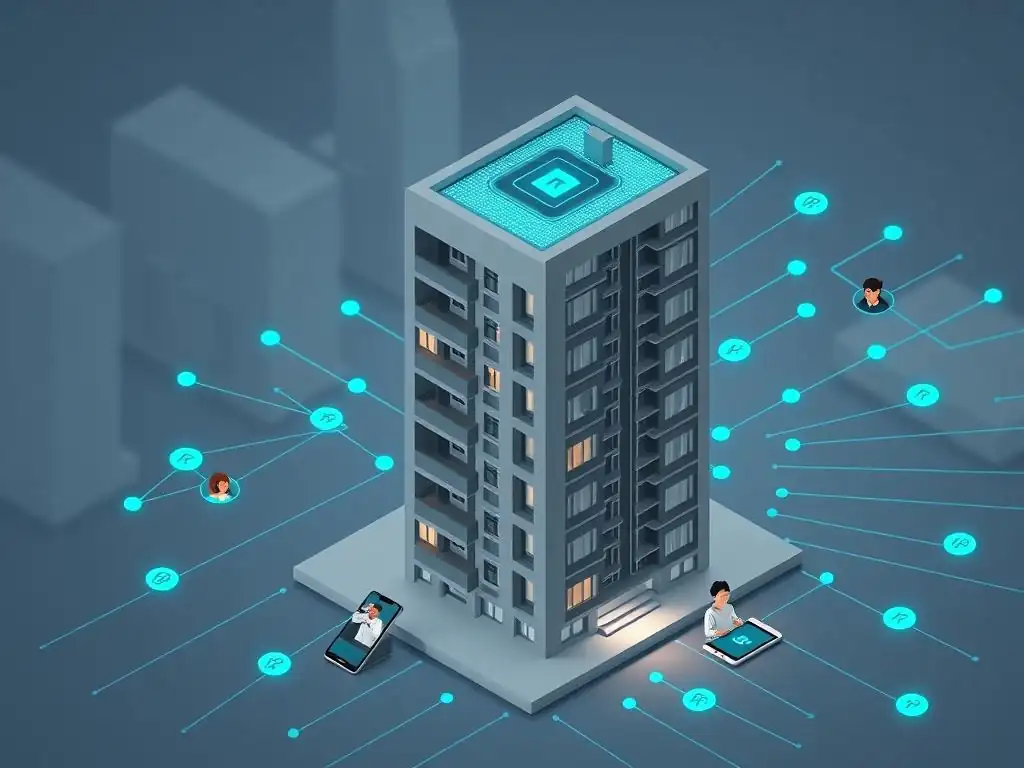
With the tokens and smart contracts ready, the next step is the offering and distribution of the real estate tokens to investors. This is typically conducted through a Security Token Offering (STO) or a similar regulated offering mechanism. Potential investors are provided with detailed information about the property, the terms of the investment, the legal structure, and the risks involved, usually through an offering memorandum. Investors subscribe to the offering, and upon successful completion of identity verification (KYC) and anti-money laundering (AML) checks, they transfer funds (fiat or cryptocurrency) to the issuer.
Upon receipt of funds and verification of investor eligibility, the smart contract distributes the corresponding number of tokens to the investors' digital wallets. This process is far more efficient than managing traditional paper-based subscriptions and share certificates. The transparent nature of the blockchain allows investors to verify the total number of tokens issued and their own holdings on the distributed ledger.
Secondary Market Trading and Liquidity Pools
A key promise of real estate tokenization is the ability for tokens to be traded on secondary markets, providing the liquidity that traditional real estate lacks. These secondary markets are digital exchanges specifically designed for trading security tokens. After the initial offering, token holders can list their tokens for sale on these platforms, and other eligible investors can purchase them. The smart contract facilitates the transfer of tokens between buyer and seller upon execution of the trade.
The development of robust secondary markets is crucial for realizing the full blockchain real estate tokenization benefits, particularly increased liquidity. While the ecosystem is still developing, efforts are underway to establish more trading venues and improve liquidity pools. The ease of transfer on the blockchain means that trades can settle much faster than traditional property sales, potentially within minutes or hours, rather than weeks or months. This facilitates a more dynamic and accessible investment environment.
Use Cases: Real-World Examples of Blockchain Real Estate Tokenization Success
Case Study 1: Aspen Digital's St. Regis Resort Tokenization
One notable early example of real estate tokenization is the offering by Aspen Digital (formerly Aspen Coin) related to the St. Regis Aspen Resort in Colorado. In 2018, they tokenized over $18 million in fractional ownership of the luxury hotel, representing shares in the Special Purpose Vehicle (SPV) that owns the resort. The tokens, known as "Aspen Coins," were issued on the Ethereum blockchain as ERC-20 tokens.
This initiative aimed to provide accredited investors with more accessible and liquid access to a Class A real estate asset. Investors could buy tokens representing small equity stakes, bypassing the typical multi-million dollar investment required for direct ownership in such a property. While the secondary market for these tokens faced initial challenges common in nascent markets, the case demonstrated the technical feasibility of tokenizing high-value commercial real estate and offering it fractionally to a broader pool of investors than traditional methods would allow.
Case Study 2: RealT's Single-Family Home Tokenization in Detroit
RealT has emerged as a prominent platform focusing on tokenizing single-family rental properties, primarily in the United States, with a significant portfolio in Detroit, Michigan. RealT purchases homes, places them into Limited Liability Companies (LLCs), and then tokenizes the shares of these LLCs on the Ethereum blockchain (initially using ERC-20, later integrating with Gnosis Chain for lower transaction costs). Each token represents fractional ownership in a specific property-owning LLC.
This model allows investors globally to purchase fractional ownership in income-generating rental properties for relatively small amounts, often starting from $50 or $100 per token. Rental income generated by the properties is collected and distributed to token holders automatically via smart contracts, typically on a weekly basis.
RealT's approach has successfully demonstrated the application of blockchain real estate tokenization benefits to smaller, residential assets, proving the model's scalability and its potential to democratize access to rental property investment and unlock liquidity for property owners. As of late 2023, RealT had tokenized hundreds of properties, with a significant community of global investors.
Emerging Trends: DeFi Integration and Real Estate Tokenization
An exciting emerging trend is the integration of real estate tokens with Decentralized Finance (DeFi) protocols. As real estate assets are brought onto the blockchain as tokens, they can potentially be used within DeFi ecosystems. This opens up possibilities such as using tokenized real estate as collateral for decentralized loans or participating in liquidity pools that offer yield on real estate-backed tokens. This convergence could further enhance the liquidity and utility of tokenized real estate.
For example, protocols are being explored where tokenized property shares could be locked as collateral to borrow stablecoins, allowing property owners or investors to access capital without selling their underlying asset or tokens. While still in early stages and facing significant challenges related to valuation, legal enforceability, and regulatory compliance within DeFi, this integration has the potential to create novel financial products and unlock even greater value from tokenized real estate assets.
Challenges and Risks Associated with Real Estate Tokenization
Regulatory Uncertainty and Compliance Issues
Despite the promising blockchain real estate tokenization benefits, significant challenges remain, particularly concerning regulatory uncertainty. As tokenized real estate often qualifies as a security, it is subject to complex and evolving regulations that vary widely across different jurisdictions. Navigating these diverse legal frameworks requires significant expertise and can be costly. The lack of clear, harmonized regulations globally creates ambiguity for issuers and investors alike and can hinder cross-border token trading.
Ensuring ongoing compliance is also challenging. Issuers must adhere to securities laws related to investor accreditation, reporting requirements, and secondary trading rules. The regulatory landscape for digital assets is still maturing, and sudden changes in policy could impact the viability of existing tokenization projects. Addressing these regulatory hurdles through clear legal frameworks and international cooperation is crucial for the widespread adoption of tokenized real estate.
Technological Risks and Security Vulnerabilities
While blockchain technology offers inherent security advantages, the tokenization process is not without technological risks. Smart contracts, which automate key functions, are susceptible to coding errors or vulnerabilities if not rigorously audited. A flaw in a smart contract could lead to the loss of funds, improper distribution of income, or freezing of tokens. High-profile incidents in the broader DeFi space highlight the importance of stringent code audits and security practices.
Furthermore, the security of investors' digital wallets holding the real estate tokens is paramount. Loss of private keys can result in permanent loss of access to the tokens, as there is no central authority to recover them. The platforms and exchanges used for issuing and trading tokens must also implement robust cybersecurity measures to protect against hacking attempts. While blockchain is secure, the surrounding infrastructure and human factors introduce potential points of failure.
Market Volatility and Investor Adoption
The nascent market for tokenized real estate faces challenges related to market volatility and achieving broad investor adoption. As a relatively new asset class, the secondary markets for real estate tokens may currently have limited trading volume and liquidity compared to traditional markets or even established cryptocurrency markets. Low liquidity can lead to significant price volatility, making it difficult for investors to buy or sell tokens at desired prices.
Educating potential investors about how tokenized real estate works, its benefits, and its risks is also an ongoing challenge. Many traditional real estate investors may be hesitant to adopt blockchain technology due to a lack of understanding or familiarity with digital assets. Building trust and demonstrating the long-world viability and blockchain real estate tokenization benefits requires time, successful case studies, and reliable platforms. Widespread adoption depends on overcoming this knowledge gap and establishing confidence in the tokenized ecosystem.
Valuation Challenges for Tokenized Assets
While the initial tokenization process involves property valuation, the ongoing valuation of fractionalized, tokenized real estate assets can present challenges. In traditional real estate, market value is often determined by comparable sales in the area. For tokenized assets traded on exchanges, the market price of the token may fluctuate based on supply and demand dynamics on the trading platform, which might not always directly reflect the underlying property's current market value or rental income performance.
Developing standardized and reliable methods for the continuous valuation of tokenized real estate portfolios is necessary. Factors such as changes in the physical property's condition, local market dynamics, rental income fluctuations, and overall sentiment on the token market can all influence the token price. Ensuring that the token price remains reasonably aligned with the value of the underlying asset is crucial for investor confidence and the integrity of the tokenized market.
The Future of Real Estate Investment: Tokenization as a Catalyst
Predictions for the Growth of the Tokenized Real Estate Market
Experts predict substantial growth in the tokenized real estate market in the coming years. While precise figures vary, some market reports estimate the total value of tokenized real estate assets could reach into the billions or even trillions of dollars within the next decade. This growth is expected to be driven by increasing awareness of blockchain real estate tokenization benefits, improving regulatory clarity in key jurisdictions, and the development of more mature and liquid secondary trading platforms.
The market is likely to expand beyond luxury or commercial properties to include a wider range of asset types, such as residential portfolios, infrastructure projects, and even raw land. As technology matures and costs decrease, tokenization could become a standard method for raising capital for new developments and enabling fractional ownership in a variety of property ventures. The potential for unlocking vast amounts of illiquid real estate value globally positions tokenization as a major force in the future of property finance and investment.
The Impact of Tokenization on Traditional Real Estate Investment Models
Tokenization is set to have a transformative impact on traditional real estate investment models. It challenges the dominance of large institutional investors by democratizing access and enabling smaller, fractional investments. This could lead to a shift in how properties are financed and owned, potentially reducing reliance on traditional bank loans or large private equity funds for certain types of projects. The increased liquidity offered by tokenization could also change investment strategies, allowing for more dynamic portfolio management compared to the long-term, buy-and-hold approach often necessitated by traditional real estate's illiquidity.
While traditional models will not disappear overnight, tokenization introduces a powerful alternative that offers greater efficiency, transparency, and accessibility. It could push traditional players to adapt, potentially integrating tokenization into their own offerings or partnering with blockchain platforms. The increased competition and innovation brought by tokenization are likely to benefit investors by providing more options and potentially improving market efficiency.
The Convergence of Blockchain, Real Estate, and DeFi
The future of real estate investment is increasingly envisioned at the intersection of blockchain, real estate tokenization, and Decentralized Finance (DeFi). As more real estate assets are tokenized and brought onto the blockchain, they become programmable and interoperable with other digital assets and DeFi protocols. This convergence could unlock entirely new financial possibilities, such as using tokenized property income streams to back decentralized bonds or integrating property tokens into automated yield-farming strategies.
This integration could create a more interconnected and efficient global real estate capital market. For instance, an investor could potentially use their tokenized share in a London property as collateral to borrow funds on a decentralized lending platform to invest in a tokenized development project in Tokyo. While regulatory and technological hurdles remain significant, the potential for DeFi to provide innovative financing, lending, and investment opportunities for tokenized real estate assets is immense, promising to further enhance the blockchain real estate tokenization benefits.
Conclusion: Embracing the Tokenized Future of Real Estate
Key Takeaways: The Transformative Potential of Blockchain in Real Estate
Blockchain real estate tokenization represents a significant evolution in how we own, manage, and invest in property. The core blockchain real estate tokenization benefits—including enhanced liquidity, reduced investment barriers through fractional ownership, increased transparency and security, streamlined transactions, and improved diversification opportunities—are poised to reshape the real estate landscape. By converting illiquid assets into divisible, tradable digital tokens on a secure and transparent ledger, blockchain is unlocking value and making real estate investment more accessible to a global pool of investors.
While challenges related to regulation, technology, and market maturity persist, the trajectory towards a more tokenized future for real estate seems clear. Real-world use cases are demonstrating the viability of the model for various property types. As the technology matures, regulatory frameworks adapt, and secondary markets develop, the transformative potential of blockchain tokenization in real estate is set to be fully realized, ushering in a new era of efficiency, accessibility, and liquidity for this foundational asset class.
Frequently Asked Questions
How does blockchain tokenization specifically unlock liquidity in the real estate market?
Tokenization fractionalizes ownership, allowing investors to buy smaller portions of a property. This lowers the barrier to entry and increases market accessibility, ultimately boosting liquidity.
What are some of the key benefits of blockchain real estate tokenization for both investors and property owners?
For investors, it offers increased accessibility and portfolio diversification. For owners, it provides access to a larger pool of capital and potentially faster sales.
What are the primary regulatory challenges currently facing the adoption of blockchain real estate tokenization?
Regulatory uncertainty surrounding securities laws and KYC/AML compliance presents significant hurdles. Clearer guidelines are needed to foster widespread adoption.
Beyond liquidity, what other efficiencies does blockchain technology bring to real estate transactions through tokenization?
Blockchain offers enhanced transparency and reduced transaction costs by streamlining processes like due diligence and title transfers. This leads to faster and more efficient deal closures.
How does blockchain real estate tokenization contribute to the future of decentralized systems beyond just financial gains?
It promotes greater accessibility and democratization of investment, empowering smaller investors and fostering a more inclusive financial ecosystem. This is the core of decentralized systems.
Final Reflection: Embracing the Future of Real Estate
The journey through understanding blockchain real estate tokenization benefits reveals a profound shift in how we perceive and interact with property investment. No longer confined to traditional, often inaccessible avenues, real estate is poised to become a more democratic and liquid asset class, thanks to the transformative power of blockchain technology. This isn't just about technological advancement; it's about reshaping financial landscapes and empowering a new generation of investors.
The impact of this innovation resonates deeply within the cultural and social fabric of investment. The ability to fractionalize ownership and reduce barriers to entry is not merely a financial tool; it's a catalyst for greater inclusivity and wealth distribution. It allows individuals who were previously excluded from the real estate market to participate and build wealth. The future of real estate is not just about bricks and mortar; it's about access, transparency, and empowerment.
This quote encapsulates the essence of blockchain real estate tokenization, highlighting its potential to democratize investment opportunities and foster a more equitable financial ecosystem.
As we stand on the cusp of this new era, I invite you to consider the implications of blockchain real estate tokenization for your own financial future. Explore the possibilities, educate yourself on the benefits, and embrace the opportunity to participate in a more accessible and transparent real estate market. The future of property investment is unfolding before us – are you ready to be a part of it?
Unleash Your Real Estate Potential!
Thank you for exploring the exciting world of blockchain tokenization and its impact on real estate investment. You now have valuable insights into how this technology is democratizing access and unlocking liquidity. Are you ready to take the next step?
Here are some ways to put your newfound knowledge into action:
- Explore platforms that tokenize real estate assets and consider investing a small, manageable amount to experience the process firsthand. This hands-on approach is essential for understanding the future of real estate.
- Share this article with a friend or colleague interested in finance, real estate, or technology. Help them understand the revolutionary potential of blockchain.
- Join online blockchain and real estate communities and share your thoughts on the future of tokenized real estate.
What type of real estate asset are you most excited to see tokenized, and why?
Leave a Reply