
Interoperability and the Metaverse: Connecting Virtual Worlds Through Blockchain

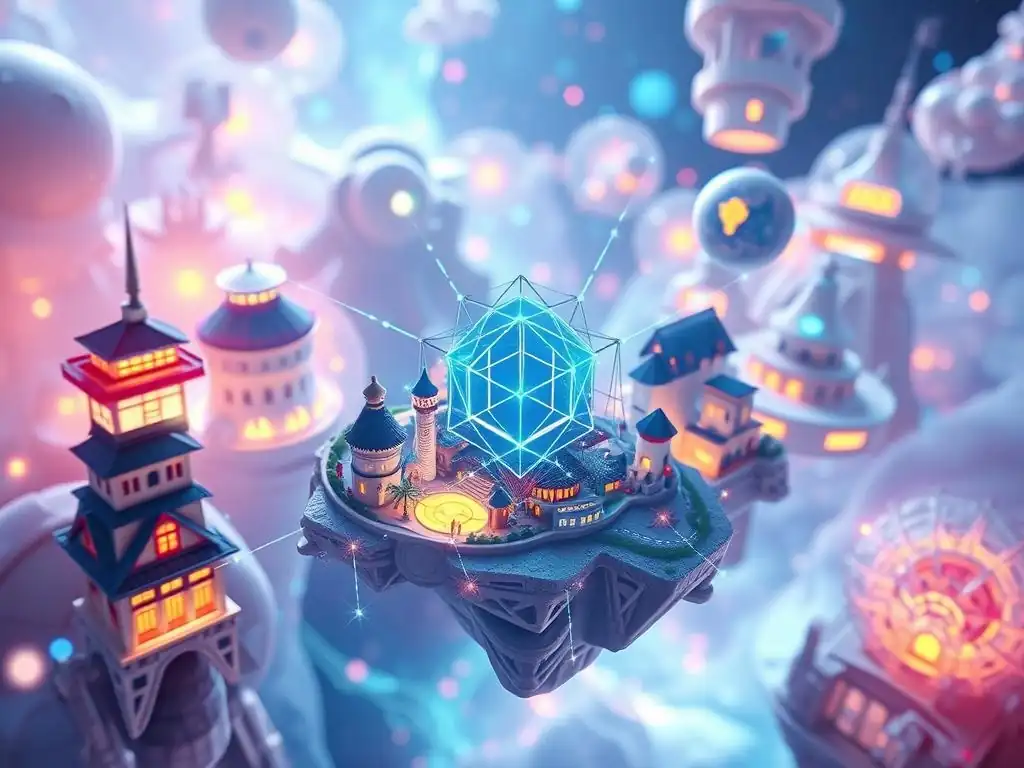
Welcome to Blockchain Trends, your guide to understanding the revolutionary power of blockchain beyond the hype.
Dive into the Future of Blockchain with us as we explore how this technology is reshaping industries. Ever wondered how to seamlessly connect different metaverse experiences? Our in-depth analysis of blockchain interoperability metaverse applications will reveal the key to unlocking truly unified virtual worlds. Discover the challenges, the solutions, and the exciting possibilities that lie ahead – read on to explore the future today!
- Interoperability and the Metaverse: Connecting Virtual Worlds Through Blockchain
- The Role of Technology in Enabling Metaverse Interoperability
- Use Cases: Interoperability Metaverse Applications in Action
- Challenges and Opportunities for Interoperability in the Metaverse
- The Future of Interoperability: Towards a Unified Metaverse
- Conclusion: Unleashing the Potential of the Metaverse with Interoperability
-
Frequently Asked Questions
- How does blockchain interoperability enhance metaverse experiences?
- What are some current challenges hindering blockchain interoperability in the metaverse?
- Can blockchain interoperability help with metaverse identity management?
- What role does DeFi (Decentralized Finance) play in a blockchain-interoperable metaverse?
- What are some potential regulatory concerns related to blockchain interoperability and metaverse applications?
- Final Reflection: Bridging Realities with Blockchain
- Chart Your Course: Embark on the Interoperable Metaverse!
Interoperability and the Metaverse: Connecting Virtual Worlds Through Blockchain
Introduction: The Metaverse and the Need for Interoperability
The concept of the metaverse envisions a persistent, interconnected network of virtual worlds and experiences, enabling users to socialize, work, play, and trade in digital spaces. Early iterations, while immersive, often exist as isolated islands. Users acquire digital assets, build identities, and form communities within a single platform, finding it difficult or impossible to take their progress, items, or even their avatars to another virtual environment. This siloed nature fundamentally limits the potential of a truly expansive digital universe.
Breaking down these barriers is crucial for the metaverse to evolve beyond fragmented platforms into a cohesive digital frontier. The seamless flow of assets, identity, and data between disparate virtual worlds is not merely a convenience; it is a foundational requirement for creating a user-centric, economically vibrant, and truly decentralized metaverse. This is where the critical need for robust Blockchain interoperability metaverse applications emerges, promising to unlock unprecedented possibilities for users and creators alike.
Understanding Interoperability for Metaverse Applications
Interoperability, in the context of the metaverse, refers to the ability of different virtual worlds, platforms, and applications to communicate, share data, and allow assets and identities to be transferred and utilized across their respective boundaries. Think of it as the internet for virtual worlds – just as you can use your email address or browse websites from different providers, interoperability aims to allow your digital identity and possessions to function across various metaverse experiences. Without this capability, the user experience remains fractured, akin to needing a different login and profile for every single website visited.
Achieving true interoperability is a complex technical and philosophical challenge, but one that is essential for the metaverse to reach its potential for mass adoption and economic growth. It moves beyond simply linking platforms to enabling genuine interaction and utility for digital assets and identities across the ecosystem. The development of effective Blockchain interoperability metaverse applications is therefore paramount, providing the underlying infrastructure needed to bridge these previously disconnected digital realms and create a more unified user experience.
What is Interoperability? A Definition
Interoperability is the capability of different systems or applications to connect, communicate, and exchange data in a coordinated manner, without requiring any special effort from the end user. In the digital realm, this means data, assets, and identities can move freely and function correctly between disparate platforms, regardless of the underlying technology stack of each platform.
Why Interoperability is Crucial for the Metaverse's Success
The success of the metaverse hinges on network effects and user freedom. If users are locked into single platforms, the overall network remains small and fragmented. Interoperability fosters a richer ecosystem by allowing creators to build experiences that leverage assets from other worlds, and users to invest time and money knowing their digital property isn't confined. This increases the value proposition for both users and developers, driving innovation and adoption.
The Current Limitations of Isolated Virtual Worlds
Currently, most virtual worlds operate as closed ecosystems. An NFT representing a virtual jacket purchased in Platform A cannot typically be worn by an avatar in Platform B. User profiles, achievements, and social connections are often trapped within the confines of a single game or social space. This fragmentation limits user choice, stifles creativity by preventing asset reuse, and hinders the development of a truly interconnected digital economy.
The Role of Technology in Enabling Metaverse Interoperability
How Bridges Connect Different Metaverses
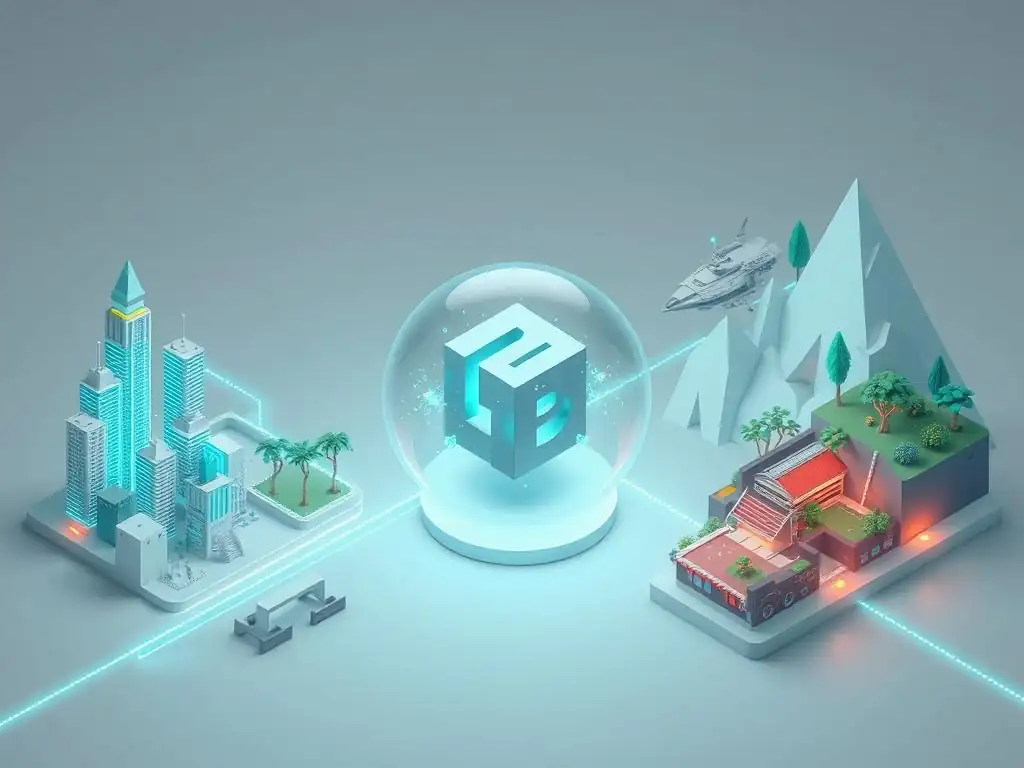
Blockchain technology provides a foundational layer for enabling interoperability, particularly through the use of cross-chain bridges. These bridges act as conduits, allowing digital assets, most commonly Non-Fungible Tokens (NFTs) representing virtual land, items, or avatars, to be transferred or recognized across different blockchain networks or metaverse platforms built on various chains. A bridge typically works by locking an asset on one chain and minting a wrapped or equivalent asset on another, or through more complex mechanisms involving validation networks.
The development of robust and secure bridging solutions is a critical area for Blockchain interoperability metaverse applications. Projects are actively working on protocols that can facilitate the seamless movement of value and data. For instance, some protocols aim to create universal asset standards or identity layers that can be recognized by multiple metaverse platforms, abstracting away the underlying blockchain complexities from the end user and enabling a more fluid digital experience.
Communication Protocols for Virtual Asset Transfer
Effective interoperability requires standardized communication protocols. These protocols define how information about assets (like ownership, metadata, and characteristics) is formatted and transmitted between different platforms and blockchains. Standards like ERC-721 and ERC-1155 on Ethereum are foundational for NFTs, but cross-chain protocols are needed to translate or verify these assets across different chains like Polygon, Solana, or Flow, which power various metaverse projects.
Secure and Decentralized Interoperability Solutions
Security is paramount for bridges, as they represent significant points of value transfer and have been targets for exploits, such as the approximately $625 million hack on the Ronin Network bridge in 2022 or the roughly $190 million exploit on the Nomad bridge. Decentralized bridge architectures, utilizing multiple validators and transparent processes, aim to mitigate single points of failure. Rigorous smart contract auditing and ongoing monitoring are essential components of building trust in these critical Blockchain interoperability metaverse applications.
Foundation for Identity and Data Portability in the Metaverse
Beyond assets, a key component of a truly interoperable metaverse is portable digital identity and user-controlled data. Users want their avatar, reputation, and history to persist across different virtual experiences. Blockchain technology, particularly through concepts like Self-Sovereign Identity (SSI), offers the potential for users to own and control their digital identity and associated data, rather than having it tied to a single platform's database.
Decentralized identifiers (DIDs) and Verifiable Credentials (VCs) are emerging standards that can form the basis of this portable identity layer. A DID can represent a user's avatar or profile, verifiable across different platforms without relying on a central authority. This allows for seamless entry into various virtual worlds, carrying reputation or specific attributes earned elsewhere. Such Blockchain interoperability metaverse applications for identity are vital for creating a persistent and meaningful user presence across the digital landscape.
Decentralized Identifiers (DIDs) for Seamless Avatar and Asset Management
DIDs are a new type of identifier that is globally unique, resolvable with high availability, and cryptographically verifiable. In the metaverse, a DID could be linked to a user's avatar, their collection of digital assets (NFTs), and their reputation or achievements. This allows a user to prove ownership of assets or credentials across different platforms that recognize the DID standard, streamlining avatar customization and asset display.
Data Ownership and Control Across Virtual Environments
Blockchain and decentralized storage solutions enable users to potentially own and control their personal data generated within the metaverse, such as interaction history, preferences, or creative works. Instead of platforms holding exclusive rights to user data, users could grant permissions for specific data to be accessed or used by different applications, fostering greater privacy and enabling personalized experiences across multiple virtual worlds via Blockchain interoperability metaverse applications.
Use Cases: Interoperability Metaverse Applications in Action
Gaming: Seamlessly Transferring Assets Between Games
Gaming is perhaps the most intuitive use case for Blockchain interoperability metaverse applications. Imagine earning a rare weapon in one game and being able to use it, sell it, or even display it in a different game or social hub. This concept is becoming a reality through NFTs and cross-game protocols. Projects like Enjin have pioneered standards (like ERC-1155) designed for creating fungible and non-fungible game assets that can potentially be used across multiple integrated titles.
While full cross-game utility is still developing, platforms like The Sandbox and Decentraland already allow assets (like avatars, clothing, or building components) created or owned within their ecosystems to be traded on external marketplaces like OpenSea. As of early 2023, the total sales volume for virtual land and assets across major platforms like Decentraland and The Sandbox has reached hundreds of millions of dollars, demonstrating a significant existing market eager for greater liquidity and utility enabled by Blockchain interoperability metaverse applications.
Examples of Interoperable NFT Projects in the Gaming Metaverse
Several projects are building towards gaming interoperability. For instance, avatars from collections like CryptoPunks or Bored Ape Yacht Club (BAYC), originally profile picture projects, are being integrated into various metaverse platforms and games, allowing holders to use their high-value NFTs as avatars. Games built on ecosystems like Enjin or Wax are designed with asset portability in mind, aiming to allow specific items to function across a network of partnered games, although the scope of utility often varies significantly from one game to another.
Virtual Real Estate: Buying, Selling, and Managing Land Across Platforms
Virtual real estate, represented by NFTs, has become a significant asset class within the metaverse. Platforms like Decentraland, The Sandbox, and Somnium Space feature digital land parcels that users can buy, sell, and develop. The value of these parcels is often tied to location, traffic, and potential for development. Blockchain interoperability metaverse applications are crucial here to enable trading land seamlessly across different marketplaces and potentially using land ownership in one platform to influence experiences or status in another.
The virtual real estate market saw explosive growth in 2021 and 2022, with individual land parcels in popular locations selling for hundreds of thousands or even millions of dollars in cryptocurrency. While the market has cooled, the underlying need for liquidity and flexible ownership remains. Interoperability would allow investors and users to manage their diverse portfolio of virtual land holdings from different platforms more efficiently and potentially leverage ownership for cross-platform utility, such as hosting events that are discoverable or accessible from multiple virtual worlds.
The Impact of Interoperability on the Metaverse Real Estate Market
Interoperability can significantly enhance the virtual real estate market by increasing liquidity and potential utility. If land ownership or development on one platform could grant benefits or visibility on another, the overall value proposition of virtual land increases. It allows for a more dynamic market where assets aren't trapped within a single ecosystem, potentially attracting a broader base of investors and developers interested in Blockchain interoperability metaverse applications for digital property.
A core promise of the metaverse is enhanced social connection. However, this is challenging if your friends are scattered across different, incompatible platforms. Blockchain interoperability metaverse applications for identity and communication can enable users to maintain a persistent social graph and communicate with friends regardless of which virtual world they currently inhabit. This moves beyond simple text chat to potentially include cross-platform voice chat, shared presence indicators, and the ability to invite friends from one world to join you in another.
Decentralized social protocols and identity layers are being explored to address this. Imagine a universal friend list or messaging system that operates independently of any single metaverse platform, built on a decentralized network. While still in early stages, projects are developing the underlying infrastructure for portable profiles and communication streams. This would allow communities formed around specific interests or asset ownership to interact seamlessly, fostering a more connected and engaging social metaverse experience.
Interoperable Social Platforms and Decentralized Communication
Building truly interoperable social experiences requires standards for profiles, friend lists, and messaging that are not controlled by a single entity. Decentralized social graph protocols, often built on blockchain, aim to give users ownership and control over their social connections and data. Integrating these protocols with various metaverse platforms is key to enabling seamless communication and community building across different virtual environments, powered by Blockchain interoperability metaverse applications.
Challenges and Opportunities for Interoperability in the Metaverse
Security Risks and Mitigation Strategies
While blockchain offers security advantages, the connections between chains and platforms introduce vulnerabilities. Cross-chain bridges, essential for asset transfer, have been major targets for hackers. Exploits often target smart contract flaws, validation mechanisms, or private keys controlling locked assets. The sheer value transacted through these bridges makes them attractive targets, posing a significant risk to the broader adoption of Blockchain interoperability metaverse applications.
Mitigating these risks requires a multi-layered approach. This includes rigorous, independent audits of smart contracts and protocols, formal verification methods to mathematically prove the security of the code, and bug bounty programs to incentivize security researchers to find vulnerabilities before malicious actors do. Decentralizing bridge control and using robust consensus mechanisms for validation also help distribute trust and reduce single points of failure, enhancing the security posture of Blockchain interoperability metaverse applications.
Addressing Vulnerabilities and Smart Contract Exploits
Vulnerabilities can range from re-entrancy attacks in smart contracts to issues with how data is validated or relayed between chains. Developers are employing techniques like time-locked upgrades, multi-signature wallets for critical operations, and circuit breakers that can pause operations in case of suspicious activity. Continuous monitoring and rapid response protocols are also vital to minimize losses when an exploit is detected in Blockchain interoperability metaverse applications.
Scalability and Performance Bottlenecks
The vision of a metaverse involves potentially millions of users interacting simultaneously, with vast amounts of data and assets being transferred in real-time. Current blockchain technology and interoperability solutions face significant scalability challenges. High transaction fees and slow confirmation times on some popular chains can hinder the fluid, low-latency interactions required for immersive virtual experiences. Moving assets or verifying identity across chains adds further overhead.
Addressing scalability involves leveraging Layer 2 scaling solutions (like rollups) for blockchains, optimizing bridge protocols for efficiency, and exploring new consensus mechanisms that can handle higher throughput. Sharding, sidechains, and entirely new blockchain architectures designed for high transaction volumes are also part of the solution space. The successful implementation of Blockchain interoperability metaverse applications at scale will depend heavily on these underlying technological advancements.
Optimizing Interoperability Protocols for High-Transaction Volumes
Interoperability protocols need to be designed to minimize the number of on-chain transactions required for cross-platform actions and reduce latency. This might involve batching transactions, using off-chain computation where possible, or developing specialized chains specifically designed for facilitating cross-metaverse interactions. The goal is to make the process of moving assets or identity between worlds as fast and inexpensive as possible to support widespread use of Blockchain interoperability metaverse applications.
Regulatory Considerations for Virtual Assets
The legal and regulatory landscape surrounding virtual assets, particularly NFTs and cryptocurrencies used within the metaverse, is still evolving globally. Issues such as taxation on virtual transactions, whether certain digital assets constitute securities, and compliance with Anti-Money Laundering (AML) and Know Your Customer (KYC) regulations pose significant challenges. These complexities are compounded when assets move across different platforms operating under different jurisdictions.
Interoperability means that assets and transactions originating in one region can easily flow into platforms accessible in others, creating potential conflicts of law and enforcement challenges. Developers of Blockchain interoperability metaverse applications must navigate this uncertain environment, potentially implementing features that comply with varying regulatory requirements or advocating for clearer, harmonized regulations. The lack of regulatory clarity is a significant hurdle for mainstream adoption and investment in the interoperable metaverse.
Navigating the Legal Landscape of Metaverse Transactions
Every transaction within the metaverse, from buying a virtual hat to selling a piece of digital land, potentially has legal implications. When these transactions occur across different platforms and involve assets moving between different blockchains, determining jurisdiction, applicable laws, and tax obligations becomes complex. Legal frameworks need to adapt to address digital property rights, intellectual property within virtual worlds, and consumer protection in these new digital economies facilitated by Blockchain interoperability metaverse applications.
The Future of Interoperability: Towards a Unified Metaverse
The Evolution of Cross-Platform Technology
The current generation of interoperability solutions, largely focused on asset bridges, is just the beginning. Future developments are likely to involve more sophisticated protocols that enable richer interactions between virtual worlds. This could include shared environmental data, cross-platform physics engines, or even the ability for complex logic and smart contracts to execute across different metaverse instances. The technology will evolve from simply transferring objects to enabling truly integrated experiences, pushing the boundaries of Blockchain interoperability metaverse applications.
Research is ongoing into technologies like layer-zero protocols that connect different blockchains at a fundamental level, or universal scene descriptions that could allow virtual environments themselves to be partially portable or renderable across different engines. As these technologies mature, the distinction between different virtual worlds may blur, leading towards a more seamless and interconnected digital reality powered by advanced Blockchain interoperability metaverse applications.
The Role of Standards and Protocols in Fostering Interoperability
Developing and adopting open, industry-wide standards is paramount for achieving a truly interoperable metaverse. Just as HTTP and HTML created the open web, new standards are needed for avatar representation, asset metadata, spatial data, identity verification, and communication protocols within virtual environments. Collaborative efforts between companies, foundations, and open-source communities are essential to define these standards.
Examples include initiatives to standardize avatar formats (like VRM or Ready Player Me's avatar system), metadata standards for NFTs beyond basic ownership, and protocols for decentralized identity (like the DIF's DID standard). The widespread adoption of such standards will significantly lower the barrier to entry for developers and ensure that Blockchain interoperability metaverse applications can function across a broad ecosystem, preventing vendor lock-in and fostering innovation.
Predictions on the Future of Interoperability in the Metaverse
Within the next five to ten years, we are likely to see significant progress in core Blockchain interoperability metaverse applications. It's plausible that moving simple NFT assets between major platforms will become relatively commonplace, perhaps comparable to transferring files between cloud storage services today. We may also see the emergence of persistent, portable digital identities that allow users to carry reputation and basic profile information across multiple virtual worlds.
However, achieving full interoperability – where complex experiences, physics, and real-time interactions flow seamlessly between vastly different platforms – is a longer-term vision, potentially a decade or more away. The technical hurdles are significant, requiring advancements not just in blockchain but also in rendering, networking, and artificial intelligence. Nevertheless, the foundational work being done on Blockchain interoperability metaverse applications today is laying the groundwork for this potentially transformative future.
Conclusion: Unleashing the Potential of the Metaverse with Interoperability
The vision of a rich, persistent, and interconnected metaverse is compelling, offering vast opportunities for creativity, commerce, and community. However, this vision cannot be fully realized if digital experiences remain confined within isolated platforms. Interoperability is not a feature; it is a fundamental requirement for the metaverse to evolve into a truly open and expansive digital frontier.
Blockchain technology provides the critical infrastructure needed to enable this interoperability, offering secure and decentralized mechanisms for managing assets, identities, and data across different virtual worlds. From cross-chain bridges facilitating asset transfer to decentralized identifiers enabling portable identity, Blockchain interoperability metaverse applications are the key technologies building the pathways between these digital realms. While significant challenges remain, particularly in security, scalability, and regulation, the ongoing development and adoption of interoperable standards and protocols are steadily moving us towards a future where the metaverse is a unified, accessible, and truly transformative digital universe.
Frequently Asked Questions
How does blockchain interoperability enhance metaverse experiences?
Blockchain interoperability allows for the seamless transfer of assets between different virtual worlds. This creates a more connected and valuable metaverse experience, enabling users to utilize their digital possessions across various platforms.
What are some current challenges hindering blockchain interoperability in the metaverse?
Key challenges include a lack of standardized protocols and varying governance models across different blockchains. This fragmentation inhibits the development of a truly interconnected metaverse ecosystem.
Can blockchain interoperability help with metaverse identity management?
Yes, it can. Interoperable blockchain solutions enable decentralized identity management, allowing users to control their digital identities across multiple metaverse platforms without relying on centralized authorities.
What role does DeFi (Decentralized Finance) play in a blockchain-interoperable metaverse?
DeFi protocols can facilitate seamless financial transactions and asset management within and between different metaverse environments. This includes lending, borrowing, and trading of virtual assets.
Regulatory concerns revolve around cross-border transactions, data privacy, and the potential for illicit activities within interconnected metaverse environments. Clear legal frameworks are needed to foster responsible innovation.
Final Reflection: Bridging Realities with Blockchain
The exploration of interoperability within the metaverse, facilitated by blockchain technology, is not merely a futuristic fantasy; it's a critical imperative for the evolution of the internet itself. As we've seen, the potential for seamless asset transfer, unified identities, and collaborative experiences across disparate virtual worlds hinges on the successful implementation of these interoperable systems. The stakes are high, as the future of digital ownership and decentralized interaction rests on our ability to connect these nascent realities.
The promise of a truly interconnected metaverse, powered by blockchain interoperability, has profoundly impacted how we envision the future of digital interaction. It's a vision that moves beyond walled gardens and siloed experiences, fostering a more open, democratic, and user-centric digital landscape. This potential for empowerment is deeply compelling, reminding us that technology, at its best, should serve to connect and liberate, not confine. The metaverse is coming, and it will affect every product, company, and person that we know. The question is, will we build it in a way that is open and interoperable, or closed and proprietary?
- Matthew Ball, Metaverse Expert.
As we stand on the cusp of this transformative era, let us not be passive observers but active participants in shaping the future of the metaverse. Consider how you can contribute to the development of interoperable systems, advocate for open standards, and champion the principles of decentralization. The future of the metaverse is not predetermined; it is being built, brick by digital brick, by each of us. Embrace the challenge, explore the possibilities, and help us build a metaverse that is truly connected, accessible, and empowering for all.
Chart Your Course: Embark on the Interoperable Metaverse!
Thank you for exploring the concepts of interoperability and the Metaverse. Now that you understand how blockchain can connect virtual worlds, it's time to turn knowledge into action. Here’s how you can get involved:
- Start by creating a simple digital asset that can be transferred between at least two different Metaverse platforms—you’ll learn a lot in the process!
- Review the developer documentation of various blockchain-based Metaverse projects to understand their interoperability solutions and discover opportunities to contribute.
- Share this article with your network and start a conversation about the future of interoperability in the Metaverse. Together, we can build a more connected digital world!
What innovative interoperability solutions do you envision for the Metaverse, and which platforms are you most excited to connect?
Leave a Reply