
Digitalizing Property Assets: The Rise of BlockchainBased Real Estate Tokens


Welcome to Blockchain Trends, your compass in the rapidly evolving world of decentralized technology. Beyond the hype of cryptocurrencies lies a universe of transformative applications, and today, we're diving deep into one of the most promising: blockchain real estate tokens. Discover how this innovative approach is revolutionizing property ownership, investment, and management – unlocking liquidity and access like never before. Intrigued? Let's explore the groundbreaking potential of tokenizing real estate assets and how it's shaping the future of the industry.
Digitalizing Property Assets: The Rise of Blockchain-Based Real Estate Tokens
- Introduction: Unlocking Real Estate Liquidity with Blockchain Tokens
- Understanding Blockchain Real Estate Tokens: A Deep Dive
-
Use Cases of Real Estate Tokenization: Transforming the Industry
- Tokenized Commercial Real Estate: The St. Regis Aspen Resort Tokenization
- Residential Property Tokenization: Elevated Returns Tokenizing the Aspen Ridge Apartments
- Tokenizing REITs: Modernizing Real Estate Investment Trusts with iSTOX's REIT Token
- Decentralized Autonomous Organizations (DAOs) and Real Estate Tokenization: The RealT DAO Model
- The Technology Behind Blockchain Real Estate Tokens
- Legal and Regulatory Considerations for Real Estate Tokenization
- Challenges and Risks of Investing in Blockchain Real Estate Tokens
- The Future of Real Estate Investing: Blockchain and Tokenization
- Conclusion: Embracing the Tokenized Future of Real Estate
-
Frequently Asked Questions
- How do blockchain real estate tokens digitalize property assets?
- What are the key benefits of using blockchain for real estate transactions?
- How does blockchain facilitate fractional ownership in real estate?
- What are the current regulatory considerations surrounding blockchain real estate tokens?
- What is the future outlook for blockchain-based real estate and its impact on the market?
- Final Reflection: Embracing the Future of Property Ownership
- Unleash the Future of Real Estate Investing!
Introduction: Unlocking Real Estate Liquidity with Blockchain Tokens
The Growing Interest in Tokenized Real Estate Assets
The traditional real estate market, valued in the tens of trillions globally, has long been characterized by illiquidity, high transaction costs, and limited accessibility for smaller investors. However, the emergence of blockchain technology is fundamentally reshaping this landscape, driving a significant surge in interest in tokenized real estate assets. This innovative approach involves representing ownership rights or economic interests in physical properties as digital tokens on a blockchain. This digital representation unlocks the potential for greater liquidity, allowing investors to buy and sell fractions of properties more easily than through conventional methods.
Major players in both the real estate and financial sectors are exploring and implementing tokenization initiatives. This growing interest stems from the potential to tap into new pools of capital, simplify complex ownership structures, and reduce the friction associated with traditional property transactions.
While still in its nascent stages compared to the vast traditional market, the trajectory of blockchain real estate tokens suggests a future where property investment could become as accessible and divisible as buying shares in a company. Early projects and platforms are demonstrating the viability and benefits, paving the way for wider adoption and transforming how we perceive and interact with property ownership.
How Blockchain Technology is Revolutionizing Property Ownership
Blockchain technology provides a secure, transparent, and immutable ledger that is ideally suited for managing property ownership records and transactions. Unlike centralized databases that are susceptible to single points of failure and manipulation, a blockchain distributes this information across a network, making it highly resistant to fraud and unauthorized changes. This inherent security and transparency build trust among participants and significantly reduce the need for intermediaries, such as brokers, lawyers, and title companies, streamlining processes that were historically cumbersome and costly.
The core revolutionary aspect lies in the ability to create digital tokens that directly represent fractional or full ownership of a property. These blockchain real estate tokens can be easily transferred between parties on the blockchain network, adhering to programmed rules embedded within smart contracts. This capability not only accelerates transaction times from weeks or months to potentially days or hours but also drastically lowers associated fees.
By enabling fractional ownership, blockchain empowers a broader range of investors to participate in the real estate market, democratizing access to an asset class previously reserved for wealthy individuals or institutions. The technology is essentially building a digital infrastructure for property rights, promising a future of more efficient, accessible, and transparent real estate investment.
Understanding Blockchain Real Estate Tokens: A Deep Dive
What are Real Estate Tokens and How Do They Work?
Real estate tokens are digital assets issued on a blockchain that represent ownership or investment interests in physical real estate properties. These tokens can represent various forms of interest, such as equity in a property, a portion of rental income, or even debt secured by real estate assets. Functionally, they are similar to securities like stocks or bonds, but they leverage blockchain technology for issuance, management, and transfer. The process typically involves a legal structure that links the physical property to a special purpose vehicle (SPV), and then issuing digital tokens that represent shares or interests in that SPV.
The mechanism relies heavily on smart contracts, self-executing agreements written directly into code on the blockchain. These contracts automate key processes, such as distributing rental income to token holders, managing voting rights (if applicable), or facilitating the transfer of token ownership upon sale.
When an investor purchases a real estate token, they are acquiring a verifiable, digital record of their fractional interest, stored securely on the blockchain ledger. Transactions involving these tokens are recorded transparently on the public or private blockchain, providing an auditable trail of ownership changes and asset performance, making blockchain real estate tokens a powerful tool for modern investment.
Key Benefits of Tokenizing Real Estate Assets
Tokenizing real estate assets offers a compelling set of advantages that address many of the long-standing limitations of traditional property investment. These benefits collectively contribute to making real estate more accessible, liquid, and efficient as an asset class.
Increased Liquidity for Real Estate Investments
One of the most significant benefits of tokenization is the dramatic increase in liquidity for real estate investments. Traditionally, selling a property or even a share in a real estate partnership is a lengthy and complex process, often taking months to complete. Blockchain real estate tokens, however, are designed to be traded on secondary markets, similar to how stocks are traded on exchanges. While the secondary market for real estate tokens is still developing, the underlying technology allows for near-instantaneous transfer of ownership once a buyer is found.
This enhanced liquidity means investors are not locked into their positions for extended periods and can enter or exit investments more flexibly. For property owners and developers, tokenization provides a new way to raise capital by selling fractional interests without needing to find a single buyer for the entire asset. This ease of transferability and potential for a more dynamic market fundamentally changes the investment horizon for real estate, moving it closer to the liquidity profile of publicly traded securities.
Fractional Ownership and Reduced Entry Barriers
Tokenization breaks down the high entry barriers typically associated with real estate investment by enabling fractional ownership. Instead of needing to purchase an entire property or a large share in a real estate fund, investors can buy tokens representing small percentages of a property. This means someone could invest just a few hundred or thousand dollars into a high-value commercial building or luxury residential property that would otherwise be completely out of reach.
This democratization of access opens the real estate market to a much wider pool of potential investors globally. It allows individuals to diversify their portfolios across multiple properties or types of real estate with relatively small capital outlays. This fractionalization is a core driver behind the growing interest in blockchain real estate tokens, making property investment more inclusive and accessible to the average person.
Streamlined Transactions and Lower Costs
Traditional real estate transactions are notorious for their complexity, involving numerous intermediaries, extensive paperwork, and significant costs, including agent commissions, legal fees, and title insurance. Blockchain technology streamlines these processes by automating many steps through smart contracts and providing a single, transparent source of truth for ownership records.
By reducing reliance on intermediaries and automating aspects of the transaction lifecycle, tokenization can significantly lower transaction costs and reduce the time required to complete a deal. While legal and regulatory steps are still necessary, the underlying transfer of asset ownership via blockchain real estate tokens is far more efficient than manual processes. This efficiency translates directly into cost savings for both buyers and sellers, making smaller or more frequent transactions more viable.
Enhanced Transparency and Security in Property Deals
Blockchain's inherent characteristics of transparency and immutability bring a new level of security and trust to real estate transactions. Every transaction involving blockchain real estate tokens is recorded on the distributed ledger, creating a permanent and auditable history of ownership and transfers. This transparency helps to prevent fraud and disputes over ownership, as the records are verifiable by all participants in the network.
Furthermore, the security of the blockchain itself, using cryptographic principles, makes it extremely difficult for unauthorized parties to tamper with records. Smart contracts add another layer of security by ensuring that transactions only occur when predefined conditions are met. This enhanced security and transparency not only protect investors but also build confidence in the tokenized real estate market as a reliable and trustworthy alternative to traditional methods.
Use Cases of Real Estate Tokenization: Transforming the Industry
Tokenized Commercial Real Estate: The St. Regis Aspen Resort Tokenization
One of the most prominent early examples of tokenizing commercial real estate is the St. Regis Aspen Resort in Colorado. In 2018, a portion of the equity in this luxury hotel was tokenized on the Ethereum blockchain by Elevated Returns and its subsidiary, Aspen Digital. This initiative aimed to raise capital by selling digital tokens representing approximately $18 million worth of limited partnership interests in the property's holding company. The offering was structured as a Security Token Offering (STO), adhering to U.S. securities regulations.
The St. Regis Aspen tokenization demonstrated the potential for using blockchain real estate tokens to make high-value commercial assets accessible to a broader investor base and provide enhanced liquidity compared to traditional private equity real estate investments. While challenges existed in establishing secondary market liquidity early on, the project successfully proved the technical and legal viability of tokenizing a significant commercial property asset. It served as a blueprint, highlighting the potential for similar tokenization efforts across various types of commercial real estate, from office buildings to retail centers.
Residential Property Tokenization: Elevated Returns Tokenizing the Aspen Ridge Apartments
Elevated Returns was also involved in tokenizing residential properties, notably the Aspen Ridge Apartments. This project focused on fractionalizing ownership in a portfolio of multi-family residential units. By issuing blockchain real estate tokens representing shares in the entity owning these apartments, investors could gain exposure to the residential rental market without needing to purchase entire buildings. The tokenization aimed to provide investors with a share of the rental income generated by the properties and potential appreciation in value.
This use case illustrates how tokenization can be applied to diverse residential assets, making them accessible to fractional investors. It highlights the potential for generating passive income streams for token holders derived directly from the underlying real estate performance. While specific investment figures for this project are not always widely publicized in detail, it represents a concrete example of applying blockchain real estate tokens to the residential sector, showcasing the ability to break down ownership barriers for income-generating properties.
Tokenizing REITs: Modernizing Real Estate Investment Trusts with iSTOX's REIT Token
Real Estate Investment Trusts (REITs) are already a form of fractional real estate investment, but they still operate within traditional financial market structures. Singapore-based regulated capital markets platform iSTOX (now known as ADDX) explored the tokenization of REITs to further enhance their accessibility and efficiency. They facilitated the issuance of a tokenized version of a private REIT, allowing accredited investors to access opportunities that might typically have higher minimum investment thresholds or less liquidity than publicly traded REITs.
By tokenizing interests in a REIT, platforms like iSTOX can potentially lower the minimum investment size even further, streamline the subscription and redemption process using smart contracts, and offer secondary trading opportunities on their regulated platform. While specific data on trading volume or the total value of tokenized REITs on such platforms is still evolving, this use case demonstrates how blockchain real estate tokens can modernize existing investment structures, potentially increasing efficiency and broadening the investor base for pooled real estate vehicles.
Decentralized Autonomous Organizations (DAOs) and Real Estate Tokenization: The RealT DAO Model
Decentralized Autonomous Organizations (DAOs) are emerging as a new governance structure for managing tokenized assets, including real estate. RealT is a platform that tokenizes U.S. residential properties, allowing investors globally to purchase fractional ownership via blockchain real estate tokens, primarily on the Ethereum and Gnosis Chain networks. RealT has also introduced the RealT DAO, enabling token holders to participate in governance decisions related to the properties they jointly own.
In the RealT model, each property is typically held by a separate U.S. Limited Liability Company (LLC), and investors receive security tokens representing shares in that LLC. The RealT DAO allows token holders to vote on matters affecting the properties, such as approving repairs, selecting property managers, or deciding on major strategic directions.
While the specific number of properties managed under the DAO structure and the total value fluctuate, RealT has tokenized over 150 properties, demonstrating a tangible application of DAOs in providing a decentralized governance layer for collectively owned, tokenized real estate assets. This model offers a glimpse into a future where property management and investment decisions could be driven by token-weighted community consensus.
The Technology Behind Blockchain Real Estate Tokens
Blockchain Platforms for Real Estate Tokenization: Ethereum, Tezos, Flow
The creation and management of blockchain real estate tokens rely on robust blockchain platforms capable of supporting complex smart contracts and handling security token standards. Several platforms are prominent in this space, each offering distinct features and capabilities. Ethereum has been a leading platform, particularly in the early days, due to its mature smart contract functionality (ERC-20 and ERC-721/1155 standards) and large developer community. Many initial real estate tokenization projects, including the St. Regis Aspen, were built on Ethereum.
Other platforms are also gaining traction. Tezos offers an alternative with its formal verification capabilities and on-chain governance, which can be appealing for long-term asset management. Flow, developed by Dapper Labs, is designed for scalability and consumer-friendly applications, potentially suitable for high-volume fractional ownership scenarios.
The choice of platform often depends on factors like required transaction speed, cost (gas fees), security needs, regulatory compliance features, and the specific token standard required (e.g., ERC-1400 for security tokens on Ethereum). While Ethereum currently hosts a significant portion of existing real estate tokens, competition among platforms is increasing, driving innovation in features relevant to asset tokenization.
Smart Contracts and Automated Property Management
Smart contracts are the backbone of blockchain real estate tokens, automating much of the logic associated with property ownership and management. These self-executing contracts, with the terms of the agreement directly written into code, reside on the blockchain and automatically trigger actions when predefined conditions are met. For tokenized real estate, smart contracts can automate the distribution of rental income to token holders based on their proportional ownership.
Beyond income distribution, smart contracts can manage voting rights for token holders on property-related decisions (as seen in the RealT DAO model), handle the transfer of tokens upon sale, and even automate the process of collecting and distributing funds from property sales or refinancing events. By automating these tasks, smart contracts reduce administrative overhead, minimize the potential for human error, and ensure that the rules governing the blockchain real estate tokens and the underlying asset are enforced transparently and consistently without the need for intermediaries to manually execute every step.
Security Token Offerings (STOs) for Real Estate
Given that blockchain real estate tokens often represent ownership interests or economic rights in a property, they typically fall under the definition of securities in many jurisdictions. Therefore, the issuance of these tokens is frequently conducted through a Security Token Offering (STO). An STO is a fundraising method where tokenized securities are sold to investors, adhering strictly to existing securities regulations, such as those enforced by the SEC in the U.S. or similar bodies in other countries.
Unlike Initial Coin Offerings (ICOs), which often lacked regulatory clarity and investor protection, STOs require issuers to comply with stringent legal frameworks, including disclosure requirements, anti-fraud provisions, and often restrictions on who can invest (e.g., limiting sales to accredited investors in certain offerings). Conducting an STO for blockchain real estate tokens ensures that the offering is compliant with financial laws, providing a layer of investor protection and legitimacy that is crucial for attracting institutional capital and enabling wider adoption in the regulated financial world.
Legal and Regulatory Considerations for Real Estate Tokenization
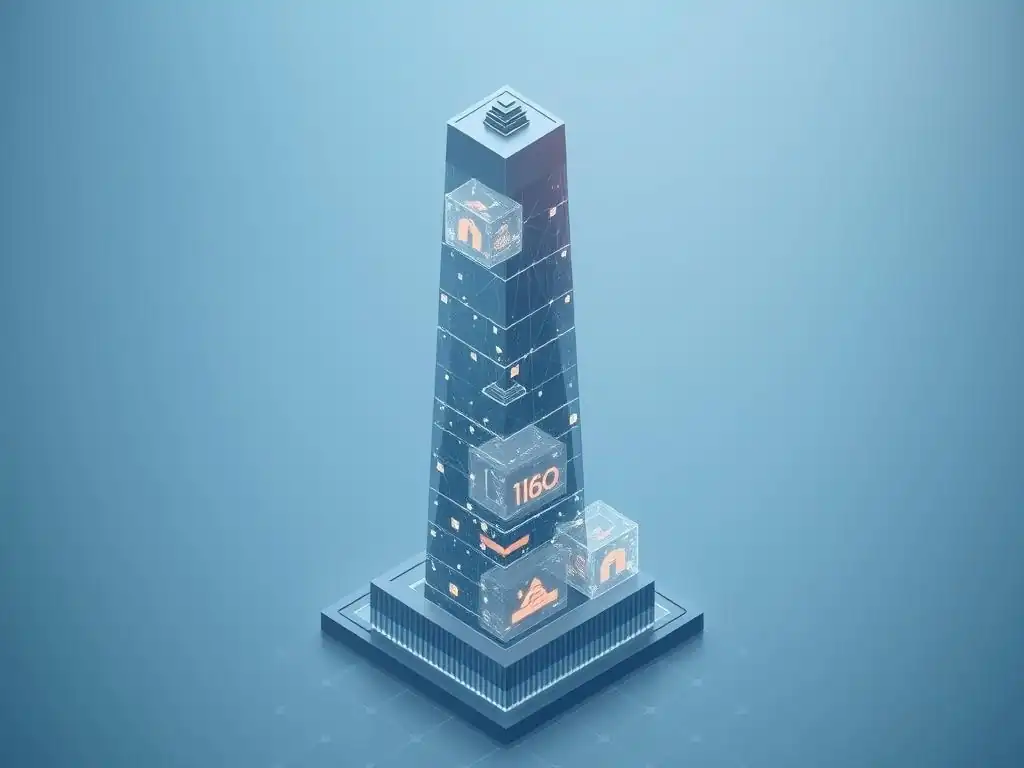
One of the most critical aspects of issuing and trading blockchain real estate tokens is navigating the complex landscape of securities laws and regulations. In most jurisdictions, tokens representing an investment interest in a property are classified as securities. This classification brings them under the purview of financial regulators, such as the U.S. Securities and Exchange Commission (SEC) or the European Securities and Markets Authority (ESMA). Issuers must comply with requirements for registration, disclosure, and marketing, similar to traditional securities offerings.
Failure to comply can result in significant legal penalties, fines, and the invalidation of the token offering. This necessitates careful legal structuring, often involving the creation of compliant legal entities (like SPVs) that own the physical property and issue the tokens representing interests in that entity. Understanding and adhering to the specific securities regulations in the jurisdictions where the property is located and where investors reside is paramount for any project involving blockchain real estate tokens.
KYC/AML Compliance in Blockchain Real Estate
Know Your Customer (KYC) and Anti-Money Laundering (AML) regulations are essential components of the regulatory framework for blockchain real estate tokens, just as they are for traditional financial transactions. Platforms and issuers involved in selling or trading these tokens must implement robust procedures to verify the identity of their investors and monitor transactions for suspicious activity. This is crucial for preventing the use of tokenized real estate for illicit purposes, such as money laundering or terrorist financing.
Implementing KYC/AML compliance on the blockchain involves integrating identity verification services into the token issuance and trading platforms. This might include collecting and verifying identity documents, conducting background checks, and continuously monitoring transactions associated with blockchain real estate tokens. While blockchain provides transparency in transaction history, it does not inherently identify the participants, making off-chain identity verification a necessary step to meet regulatory obligations and build trust within the ecosystem.
The Future of Real Estate Tokenization Regulations: Expanding Regulatory Clarity in the U.S. and Europe
Regulatory bodies in major markets like the U.S. and Europe are actively working towards providing clearer guidance on blockchain real estate tokens and other tokenized assets. While initial approaches varied, there is a growing recognition of the need for tailored regulations that address the unique technological aspects of tokenization while upholding investor protection and market integrity. In the U.S., the SEC continues to apply existing securities laws, often using frameworks like the Howey Test to determine if a token is a security. However, there is ongoing discussion about potential adaptations or new frameworks specifically for digital assets.
In Europe, directives like MiCA (Markets in Crypto-Assets) are establishing comprehensive frameworks for various types of crypto-assets, though the specific treatment of real estate-backed tokens under these regulations is still being refined and interpreted across member states. The trend is towards increased regulatory clarity, which is crucial for fostering institutional adoption and attracting mainstream investors to blockchain real estate tokens. While challenges remain, the ongoing efforts by regulators suggest a future where the legal landscape for tokenized real estate will become more defined, predictable, and conducive to growth.
Challenges and Risks of Investing in Blockchain Real Estate Tokens
Volatility and Market Risks
While the underlying asset (real estate) is often considered less volatile than cryptocurrencies, blockchain real estate tokens can still be subject to volatility and market risks. The value of the token is intrinsically linked to the performance of the underlying property, which can fluctuate based on economic conditions, local market dynamics, and property-specific factors. Additionally, as these tokens trade on digital asset platforms, their price can also be influenced by the broader sentiment and liquidity within the crypto market itself, even if the fundamental value is tied to a physical asset.
Early secondary markets for blockchain real estate tokens may also experience limited trading volume, which can lead to price volatility and difficulty in executing trades at desired prices. Investors need to be aware that while tokenization aims to increase liquidity, the market for these assets is still developing and may not offer the same level of liquidity as traditional public markets. Due diligence on both the underlying property and the token's trading platform is essential.
Security Risks and Smart Contract Vulnerabilities
Despite the inherent security features of blockchain, investing in blockchain real estate tokens is not without security risks. Smart contracts, while powerful automation tools, are pieces of code that can contain bugs or vulnerabilities if not developed and audited rigorously. A flaw in a smart contract governing token distribution, income payments, or governance could potentially lead to financial losses or unintended outcomes for investors. High-profile hacks and exploits in the broader DeFi space highlight the importance of smart contract security.
Furthermore, the platforms or wallets used to hold blockchain real estate tokens can be targets for cyberattacks. Private keys must be secured diligently to prevent theft of tokens. While the blockchain ledger itself is highly secure, the points of interaction with it (wallets, exchanges, smart contracts) represent potential vulnerabilities that investors must understand and mitigate through best practices.
Regulatory Uncertainty and Legal Challenges
Despite progress, regulatory uncertainty remains a significant challenge for the blockchain real estate token market. The legal classification and treatment of these tokens can vary between jurisdictions and may evolve over time. Changes in regulations could impact the legality of issuing or trading certain tokens, affect their liquidity, or introduce new compliance burdens that could impact the value or accessibility of the investment. Cross-border transactions involving investors and properties in different countries add layers of legal complexity.
Legal challenges related to enforcing property rights represented by digital tokens in traditional legal systems also exist. While the token represents an interest in a legal entity that owns the property, the interaction between the digital token world and the physical property's legal framework is still relatively new and untested in many courts. Investors should be aware of the potential for legal complexities and regulatory shifts in the evolving landscape of blockchain real estate tokens.
Liquidity Challenges in the Early Stages
While a key benefit of tokenization is increased liquidity, the secondary markets for blockchain real estate tokens are still in their early stages of development. Unlike major stock exchanges, the trading platforms for security tokens currently have lower trading volumes and fewer participants. This can make it challenging for investors to sell their tokens quickly or at their desired price, especially for less prominent or niche properties.
Building robust secondary market liquidity requires attracting a critical mass of buyers and sellers, establishing reliable trading platforms, and potentially integrating with traditional financial infrastructure. While platforms are working on this, investors should be prepared for potential liquidity constraints compared to highly liquid asset classes. The liquidity of a specific blockchain real estate token investment will depend heavily on the platform it trades on and the overall maturity of the tokenized real estate market.
The Future of Real Estate Investing: Blockchain and Tokenization
Predictions for the Growth of the Real Estate Token Market
Industry analysts and market reports predict substantial growth in the tokenized real estate market in the coming years. While specific figures vary, projections often place the potential market size in the trillions of dollars within the next decade. For instance, some reports suggest that the value of tokenized real estate could reach $1.4 trillion by 2025 or even $4 trillion by 2030. These predictions are driven by the increasing adoption of blockchain technology, growing regulatory clarity, and the clear benefits of liquidity and fractionalization offered by blockchain real estate tokens.
The growth is expected to come from various sources, including the tokenization of existing large commercial and residential portfolios, the use of tokenization for new property development financing, and increased participation from both retail and institutional investors. As the infrastructure for issuing and trading security tokens matures and becomes more accessible, the pace of tokenization is likely to accelerate, making blockchain real estate tokens a significant component of the global real estate investment landscape.
How Blockchain is Democratizing Access to Real Estate Investment
One of the most profound impacts of blockchain on real estate investing is its role in democratizing access. Traditionally, investing directly in real estate required significant capital, often hundreds of thousands or millions of dollars, effectively excluding the majority of the population. Minimum investments in private real estate funds or syndications were also typically high.
Blockchain real estate tokens change this by allowing fractional ownership, enabling individuals to invest with much smaller amounts, potentially starting from just a few hundred dollars. This opens up opportunities to invest in diverse properties across different locations and asset types that were previously only available to wealthy individuals or institutions. By lowering the financial barrier to entry and increasing transparency, blockchain is empowering a broader range of investors to participate in and benefit from real estate appreciation and income, making property investment more equitable globally.
The Impact of Tokenization on Traditional Real Estate Markets
The rise of blockchain real estate tokens is poised to have a transformative impact on traditional real estate markets. Increased liquidity for assets that were previously illiquid will fundamentally change how properties are valued and traded. Owners may be more willing to bring assets to market if they can be sold fractionally and more quickly via tokenization. This could lead to more dynamic and efficient price discovery in the market.
Tokenization could also disrupt traditional real estate intermediaries. While lawyers and regulators will remain essential, the roles of brokers and agents may evolve as transactions become more automated and peer-to-peer through blockchain platforms. Furthermore, the ability to raise capital through STOs provides an alternative financing mechanism for developers and property owners, potentially reducing reliance on traditional bank loans or private equity funding. Overall, tokenization is set to introduce greater efficiency, transparency, and accessibility, potentially leading to a more globally interconnected and liquid real estate market.
Conclusion: Embracing the Tokenized Future of Real Estate
The Transformative Potential of Blockchain Real Estate Tokens
Blockchain real estate tokens possess significant transformative potential for the global property market. By leveraging the inherent characteristics of blockchain technology – security, transparency, immutability, and automation via smart contracts – tokenization is addressing core limitations of traditional real estate investment, namely illiquidity, high transaction costs, and exclusivity. The ability to represent fractional ownership as digital tokens unlocks new avenues for capital formation for property owners and developers, while simultaneously democratizing access to this historically exclusive asset class for a wider range of investors.
Examples like the tokenization of the St. Regis Aspen, residential portfolios, and the emergence of models like the RealT DAO demonstrate the tangible application of these concepts across different real estate sectors. While regulatory frameworks are still evolving and challenges related to liquidity and technology remain, the trajectory is clear. Blockchain real estate tokens are not just a technological novelty; they represent a fundamental shift in how property ownership, investment, and management can be structured in the digital age.
Key Takeaways for Investors and Industry Professionals
For investors, the rise of blockchain real estate tokens presents exciting new opportunities for portfolio diversification and accessing previously inaccessible markets with lower capital requirements. However, it is crucial to approach this new asset class with diligence, understanding the specific risks involved, including market volatility, regulatory uncertainty, and technology risks like smart contract vulnerabilities. Investors should research the underlying property, the tokenization platform, the legal structure, and the regulatory compliance of the offering thoroughly before investing.
For industry professionals – including developers, property managers, brokers, and financial institutions – understanding blockchain real estate tokens is becoming increasingly essential. Tokenization offers new tools for financing projects, managing properties more efficiently through smart contracts, and reaching a broader investor base. Embracing this technology requires adapting business models, understanding the legal and technical complexities, and collaborating with blockchain experts and regulatory bodies. The future of real estate investment is increasingly digital, and blockchain real estate tokens are at the forefront of this evolution.
Frequently Asked Questions
How do blockchain real estate tokens digitalize property assets?
Blockchain real estate tokens represent fractional ownership of real-world properties on a blockchain. This tokenization process makes illiquid assets more accessible and tradable.
What are the key benefits of using blockchain for real estate transactions?
Blockchain offers increased transparency and security in real estate dealings. It also streamlines processes, reducing middlemen and transaction costs.
How does blockchain facilitate fractional ownership in real estate?
Blockchain allows for the creation of tokens representing small portions of a property. This enables investors to buy into real estate at lower entry points, promoting greater accessibility.
What are the current regulatory considerations surrounding blockchain real estate tokens?
Regulations are still evolving, and vary by jurisdiction. Compliance with securities laws and KYC/AML requirements is crucial for token issuers.
What is the future outlook for blockchain-based real estate and its impact on the market?
The future appears promising, with potential for increased liquidity, global investment opportunities, and a more democratized real estate market.
Final Reflection: Embracing the Future of Property Ownership
The exploration of blockchain real estate tokens reveals more than just a technological advancement; it highlights a fundamental shift in how we perceive and interact with property. The democratization of real estate investment, once a distant dream, is now tangibly within reach, fueled by the transparency and accessibility that blockchain technology offers. This isn't just about streamlining transactions; it's about empowering individuals and reshaping the landscape of wealth creation.
The transformative potential of blockchain in real estate extends far beyond mere efficiency. It's about fostering inclusivity and creating opportunities for individuals who were previously excluded from the traditional real estate market. The ability to fractionalize ownership and reduce barriers to entry is profoundly impactful. The future of real estate is not about owning property; it's about accessing its value.
This quote encapsulates the essence of the shift, emphasizing the move from physical possession to liquid, accessible investment opportunities.
As we stand at the cusp of this digital revolution, let us not merely observe, but actively participate in shaping its trajectory. Consider how you can leverage the power of blockchain real estate tokens to diversify your portfolio, support innovative projects, and contribute to a more equitable and accessible future for property ownership. The opportunity to build a better, more inclusive world, brick by digital brick, is now in your hands.
Unleash the Future of Real Estate Investing!
Thank you for exploring the exciting potential of blockchain in revolutionizing property asset management. We hope you've gained valuable insights into the world of real estate tokens and their transformative impact. Now, it's time to take the next step!
Here are a few actions you can take to delve deeper into this innovative space:
- Research and Explore: Dive into specific real estate token projects that align with your investment goals and risk tolerance. Look for projects with transparent governance and clear use cases.
- Discuss: Connect with fellow innovators in blockchain in real estate by joining communities on social media platforms and sharing this post.
- Attend a Blockchain Event: Seek out conferences or online seminars focusing on real estate tokenization to network and gain expert insights.
Ready to explore tokenizing your assets, or do you see other innovative blockchain trends in real estate that we should be covering? Share your thoughts in the comments below!
Leave a Reply