
NFT Gaming and Mobile: Bringing Blockchain Games to Your Pocket

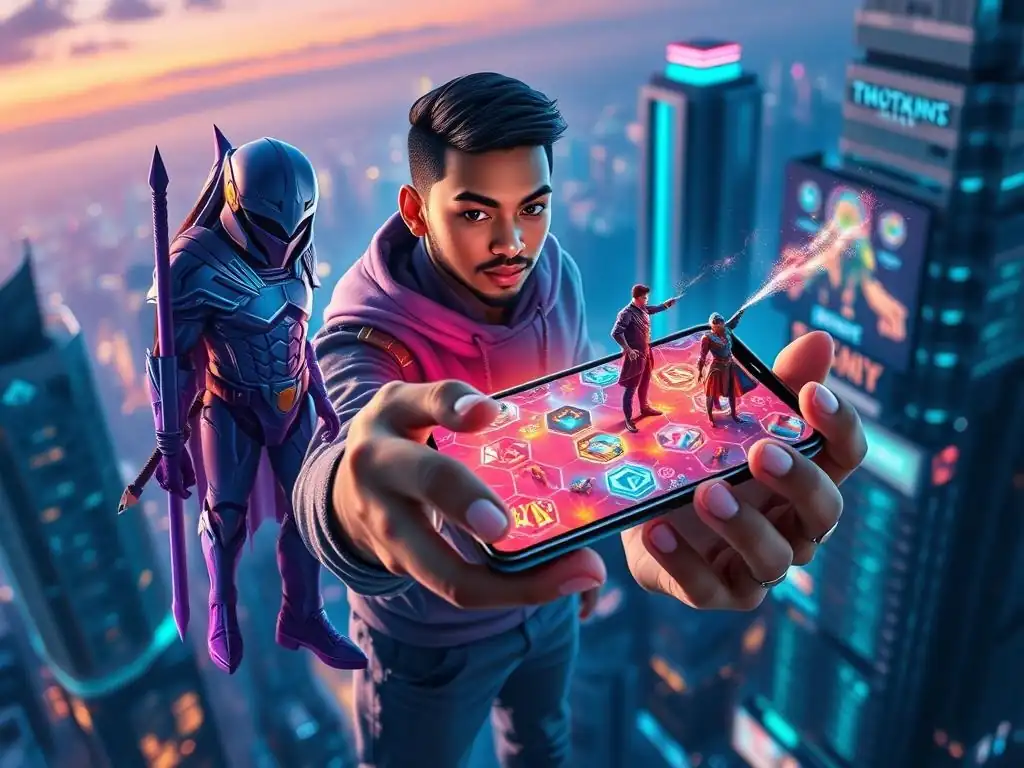
Welcome to Blockchain Trends, your guide to understanding the revolutionary impact of blockchain technology.
Are you ready to discover how blockchain is transforming the gaming world, right in the palm of your hand? This article delves into the exciting intersection of NFT gaming mobile strategy, exploring how non-fungible tokens are reshaping gameplay, ownership, and the future of mobile entertainment. Intrigued? Read on to uncover the strategies driving this innovative space and what the future holds for blockchain-powered mobile gaming.
- The Rise of NFT Gaming on Mobile Devices
- NFT Gaming Mobile Strategy: A New Frontier
- Top NFT Games Available on Mobile Platforms
- Benefits of Playing NFT Games on Mobile
- Challenges and Considerations for Mobile NFT Games
- Optimizing Your NFT Game for Mobile: Best Practices
- The Future of NFT Gaming on Mobile: Trends and Predictions
- How to Get Started with NFT Gaming on Mobile
- Mobile NFT Game Development: A Guide for Creators
-
Frequently Asked Questions
- How is blockchain technology enhancing mobile gaming experiences?
- What is "NFT gaming mobile strategy" and why is it relevant?
- Are there any security concerns associated with NFT gaming on mobile?
- How does NFT gaming on mobile differ from traditional mobile gaming?
- What are some potential regulatory challenges facing NFT gaming mobile strategy?
- Final Reflection: Embracing the Mobile NFT Gaming Revolution
- Unleash the Power of NFT Gaming in Your Hands!
The Rise of NFT Gaming on Mobile Devices
Understanding the Intersection of NFTs and Mobile Gaming
Non-Fungible Tokens (NFTs) have revolutionized digital ownership, and their integration into gaming, particularly on mobile platforms, marks a significant evolution in the industry. NFTs are unique digital assets that represent ownership of in-game items, characters, or virtual land, recorded on a blockchain. Mobile gaming, on the other hand, represents the largest segment of the global games market, with billions of users worldwide accessing games primarily through smartphones and tablets.
The convergence of these two powerful trends is creating a new paradigm where players can truly own their in-game assets and participate in play-to-earn economies directly from their mobile devices. This intersection is not just about playing games on phones; it's about fundamentally changing how players interact with and benefit from the virtual worlds they engage with.
The appeal of NFTs in mobile gaming stems from the inherent value proposition of digital scarcity and verifiable ownership. Traditional mobile games often operate on a centralized model where players purchase in-game items that are ultimately controlled by the game developers. NFTs flip this model, granting players verifiable ownership of their assets.
For instance, a rare sword in a mobile RPG, represented as an NFT, can be traded, sold, or even used in other compatible games within the same ecosystem, depending on the game's design and interoperability. This shift towards player ownership is particularly impactful in the mobile gaming space, where accessibility and ease of use are paramount. Mobile devices, being personal and always-connected, provide an ideal platform for managing and utilizing these digital assets, paving the way for a more engaged and economically empowered player base.
Why Mobile is Key for NFT Game Adoption
Mobile accessibility is a critical factor driving the widespread adoption of NFT gaming. Smartphones have become ubiquitous, especially in emerging markets, making mobile games the primary entry point to gaming for billions of people. Consider the statistics: according to Newzoo's 2023 Global Games Market Report, mobile gaming generated \$92.2 billion in revenue globally, representing almost half of the entire games market.
This massive reach of mobile devices inherently positions them as the most potent platform for introducing and scaling NFT gaming to a mainstream audience. Unlike PC or console gaming, which often requires dedicated hardware and a higher barrier to entry, mobile gaming is accessible to virtually anyone with a smartphone, significantly lowering the threshold for participation in NFT-based economies.
Furthermore, the "on-the-go" nature of mobile gaming aligns perfectly with the evolving lifestyles of modern gamers. Players can engage with NFT games during commutes, breaks, or any spare moment, fostering a continuous and immersive experience. This constant accessibility is crucial for the success of play-to-earn models, where consistent engagement can translate to tangible earnings.
For example, games like Axie Infinity, while playable on desktop, saw a surge in popularity in regions like Southeast Asia where mobile-first internet access is prevalent. The ability to manage NFT assets, participate in in-game economies, and earn rewards directly from a mobile device streamlines the entire process, making NFT gaming a more convenient and attractive proposition for a global audience. This ease of access is indispensable for the broader acceptance and growth of NFT gaming, making mobile a cornerstone of its future.
NFT Gaming Mobile Strategy: A New Frontier
Defining NFT Gaming Mobile Strategy: Key Considerations
An effective NFT gaming mobile strategy requires a nuanced approach that considers both the unique characteristics of mobile gaming and the principles of blockchain integration. It's not simply about porting existing NFT games to mobile; it's about designing games from the ground up with mobile users in mind, while leveraging the benefits of NFTs.
Key considerations include user interface (UI) and user experience (UX) optimized for smaller screens and touch controls, lightweight game design to ensure smooth performance on a wide range of mobile devices, and seamless integration of blockchain functionalities without overwhelming the user. Moreover, a successful mobile NFT gaming strategy must prioritize accessibility and ease of onboarding for new players unfamiliar with blockchain or cryptocurrencies.
A crucial element of NFT gaming mobile strategy is the design of the game economy around mobile-centric behaviors. Mobile gamers often engage in shorter play sessions, demanding instant gratification and intuitive gameplay loops. Therefore, NFT integration should enhance, not hinder, the core mobile gaming experience.
For instance, daily quests, quick battles, and reward systems tied to NFTs can create compelling engagement loops suitable for mobile play patterns. Furthermore, the economic model should be sustainable and balanced, ensuring that play-to-earn mechanics are integrated responsibly to avoid inflationary pressures and maintain long-term game health. Developing a robust NFT gaming mobile strategy requires a deep understanding of both mobile gaming trends and the evolving landscape of blockchain technology.
The Importance of a Mobile-First Approach for NFT Games
Adopting a mobile-first approach is paramount for NFT games aiming for mainstream success and broad market penetration. While many early NFT games originated on desktop platforms, prioritizing mobile from the outset offers significant advantages. A mobile-first strategy means designing the game, its economy, and its user experience primarily for mobile devices, rather than as an afterthought.
This involves optimizing graphics for mobile performance, ensuring intuitive touch controls, and streamlining blockchain interactions for a seamless mobile experience. For example, consider the success of mobile-first game genres like puzzle games or casual strategy games; they are designed for quick sessions and touch-based interaction, principles that can be effectively applied to mobile NFT games.
A mobile-first approach also addresses the global reach imperative for NFT gaming. As mentioned previously, mobile penetration is significantly higher globally than desktop or console access, particularly in rapidly growing gaming markets in Asia, Latin America, and Africa. By prioritizing mobile development, NFT game developers can tap into these vast untapped markets and onboard millions of new players who primarily access digital content through their smartphones.
Furthermore, mobile-first design facilitates cross-platform compatibility, allowing players to seamlessly transition between mobile and desktop versions of the game, enhancing accessibility and player retention. In essence, a mobile-first approach is not just about catering to mobile users; it's about strategically positioning NFT games for maximum growth and global impact in the evolving gaming landscape.
Top NFT Games Available on Mobile Platforms
Exploring Popular NFT Games on iOS and Android
The mobile NFT gaming landscape is rapidly evolving, with a growing number of games available on both iOS and Android platforms. While the Apple App Store and Google Play Store have historically had stricter policies regarding cryptocurrency and NFTs, we are seeing an increasing acceptance, especially for games that focus on NFT ownership without direct cryptocurrency transactions within the app stores themselves.
Many popular NFT games utilize web-based marketplaces and wallet integrations, allowing players to manage their NFT assets outside of the app store ecosystem while still enjoying the game on their mobile devices. Currently, players can find a diverse range of NFT games on mobile, spanning genres from collectible card games and RPGs to strategy and metaverse experiences.
Examples of popular mobile NFT games include "Alien Worlds," a metaverse platform where players can mine resources and own land as NFTs, accessible via mobile browsers and supporting various blockchain networks. "Thetan Arena" is another notable example, a mobile MOBA (Multiplayer Online Battle Arena) game where players can earn cryptocurrency and NFTs through gameplay and participate in a vibrant marketplace.
Furthermore, games like "Splinterlands," a collectible card game, offer mobile-optimized interfaces for gameplay and NFT management, although transactions typically occur on their web platform. The increasing availability of these games on mobile platforms demonstrates the growing momentum and innovation in the NFT gaming space, making it easier for players to explore and participate in blockchain-based gaming experiences directly from their mobile devices.
Axie Infinity: Monster Battler with NFT Creatures
Axie Infinity, developed by Sky Mavis, stands as one of the most prominent examples of a successful NFT game, and while not originally designed exclusively for mobile, it gained immense popularity particularly due to its mobile accessibility. Axie Infinity is a monster-battling game inspired by Pokémon, where players collect, breed, and battle with creatures called Axies, which are NFTs.
Each Axie possesses unique attributes and abilities, making them valuable digital assets that can be traded on the Axie Marketplace. The game's play-to-earn model gained significant traction, especially in regions like the Philippines, where players could earn income by playing and trading Axies and SLP (Smooth Love Potion), an in-game cryptocurrency.
While Axie Infinity experienced significant scaling challenges and economic adjustments, its mobile-first accessibility played a crucial role in its initial success and widespread adoption. The game is playable on both Android and iOS devices (though distribution methods have varied due to app store policies), allowing players to engage with the Axie universe from virtually anywhere.
The simple yet engaging gameplay loop, coupled with the allure of earning cryptocurrency and owning valuable NFTs, made Axie Infinity a gateway for many into the world of NFT gaming. Despite market fluctuations and evolving game mechanics, Axie Infinity remains a significant case study in the potential of mobile NFT gaming and its ability to reach a global player base.
Gods Unchained: Trading Card Game with NFT Cards
Gods Unchained is a free-to-play, tactical trading card game that leverages NFTs to provide players with true ownership of their in-game cards. Often compared to games like Magic: The Gathering and Hearthstone, Gods Unchained distinguishes itself by representing each card as an NFT on the Immutable X blockchain, a Layer-2 scaling solution for Ethereum.
This allows players to trade, sell, and utilize their cards outside of the game ecosystem, offering a level of ownership and control not found in traditional digital card games. While initially focused on desktop play, Gods Unchained has made significant strides in enhancing its mobile accessibility, recognizing the importance of mobile for wider player adoption.
Currently, Gods Unchained offers a mobile-optimized web interface, allowing players to engage in gameplay and manage their NFT cards on mobile browsers. While a dedicated native mobile app is anticipated, the web-based mobile version provides a functional and accessible entry point for mobile players.
The strategic depth of Gods Unchained, combined with the allure of owning valuable NFT cards and participating in a player-driven marketplace, makes it an attractive option for mobile gamers interested in the NFT space. The game's commitment to mobile accessibility underscores the growing recognition within the NFT gaming industry that mobile platforms are essential for reaching a broader audience and fostering the long-term growth of blockchain-based gaming.
Benefits of Playing NFT Games on Mobile
Accessibility and Convenience: Gaming on the Go
One of the most compelling advantages of playing NFT games on mobile devices is the unparalleled accessibility and convenience they offer. Mobile gaming, by its very nature, is designed for on-the-go entertainment. Smartphones are ubiquitous, and the ability to engage with NFT games anytime, anywhere, significantly lowers the barrier to entry compared to desktop or console gaming.
Players can participate in play-to-earn activities, manage their NFT assets, and enjoy immersive gaming experiences during commutes, breaks, or leisure time, seamlessly integrating gaming into their daily routines. This accessibility is particularly crucial for regions with limited access to traditional gaming hardware but widespread smartphone adoption.
The convenience extends beyond just location. Mobile platforms are inherently user-friendly, with intuitive touch interfaces and streamlined app ecosystems. Mobile NFT games are designed to be easily discoverable, downloadable, and playable, often requiring minimal technical setup compared to some desktop blockchain applications. Furthermore, the "always-connected" nature of mobile devices ensures that players can readily access game servers, marketplaces, and blockchain networks, facilitating real-time interactions and transactions within the NFT gaming ecosystem. This combination of accessibility and convenience makes mobile NFT gaming an attractive and viable option for both seasoned gamers and newcomers to the world of blockchain technology.
Earning Opportunities: Play-to-Earn (P2E) on Mobile
Mobile NFT games are at the forefront of the Play-to-Earn (P2E) revolution, offering players tangible earning opportunities directly from their smartphones. The P2E model fundamentally shifts the traditional gaming paradigm, where players invest time and money without direct financial returns, to one where gameplay can generate income. In mobile NFT games, players can earn cryptocurrency and NFTs through various in-game activities, such as completing quests, winning battles, participating in tournaments, or trading in-game assets. These earned digital assets can then be traded on marketplaces or exchanged for fiat currency, providing real-world economic benefits.
The accessibility of mobile devices makes P2E NFT gaming particularly impactful in developing economies, where earning even small amounts of cryptocurrency through gameplay can represent a significant income supplement. For instance, as seen with Axie Infinity's popularity in Southeast Asia, mobile-first P2E games can create new economic opportunities and empower players to participate in the digital economy.
While the sustainability and long-term viability of P2E models are still being explored and refined, mobile platforms provide the ideal infrastructure for widespread adoption and experimentation. The potential to earn while playing, coupled with the accessibility of mobile gaming, makes mobile NFT games a compelling proposition for a growing global audience.
Ownership and Control: Managing NFT Assets on Mobile
Playing NFT games on mobile devices empowers players with true ownership and control over their in-game assets, directly from their pockets. NFTs, by their nature, represent verifiable digital ownership recorded on a blockchain. When players acquire NFTs in mobile games, they are not merely renting or licensing in-game items; they genuinely own them. This ownership extends beyond the game itself, allowing players to trade, sell, or transfer their NFTs as they see fit, fostering a player-driven economy and a sense of digital property rights.
Mobile devices facilitate the seamless management of these NFT assets. Mobile crypto wallets, readily available as apps, allow players to securely store, manage, and transact with their NFTs directly from their smartphones.
Integrating mobile wallets with NFT games enables players to view their NFT collections, trade on marketplaces, and utilize their assets within the game ecosystem, all within a convenient mobile interface. This level of control and portability is a significant departure from traditional gaming models and underscores the transformative potential of NFTs in empowering players and fostering a more decentralized and player-centric gaming landscape, readily accessible through mobile technology.
Challenges and Considerations for Mobile NFT Games
Scalability Issues on Mobile Devices
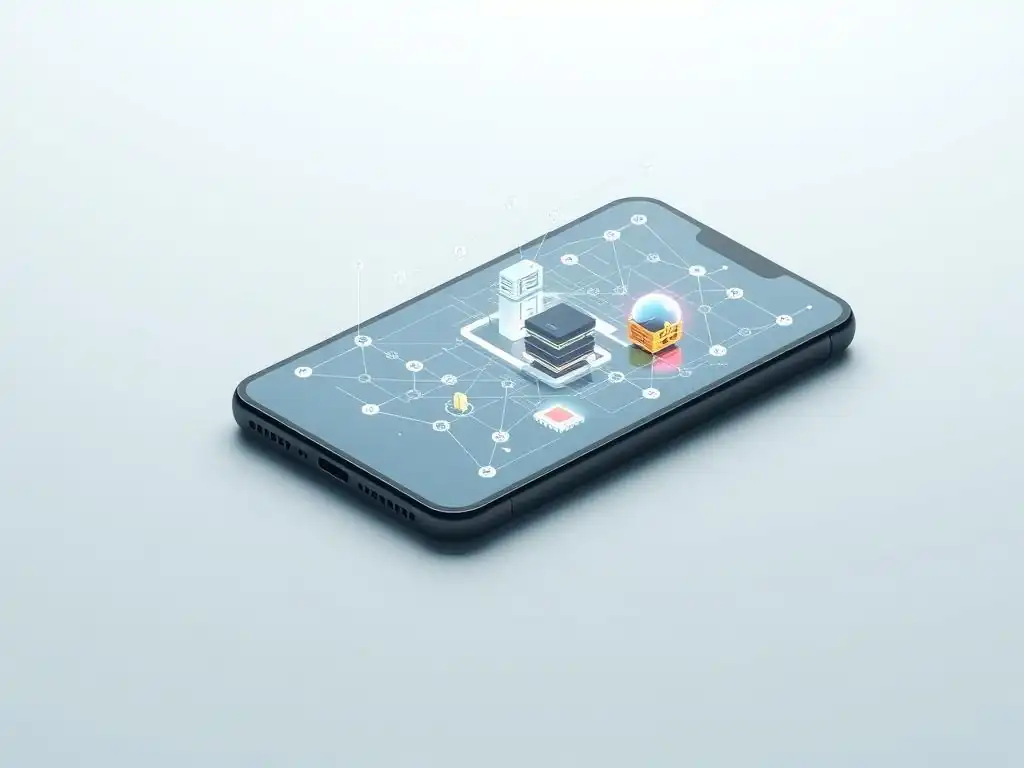
Despite the immense potential of mobile NFT gaming, scalability issues on mobile devices present a significant challenge. Blockchain technology, while revolutionary, can be computationally intensive and data-heavy, which can strain the processing power and network capabilities of mobile devices. Mobile devices typically have less processing power and battery capacity compared to desktop computers, making it challenging to run complex blockchain operations directly on-device. Furthermore, mobile networks, especially in areas with limited infrastructure, can experience latency and bandwidth constraints, which can impact the responsiveness and fluidity of blockchain-based games.
Scalability challenges manifest in various ways, including slower transaction speeds, higher gas fees (transaction costs on some blockchains), and potential game performance issues like lag and frame rate drops. While Layer-2 scaling solutions like sidechains and rollups are emerging to address blockchain scalability, integrating these solutions effectively into mobile games and ensuring a seamless user experience remains a complex undertaking.
Optimizing game design, minimizing on-chain transactions, and leveraging efficient blockchain networks are crucial strategies for mitigating scalability issues and ensuring that mobile NFT games can deliver a smooth and enjoyable experience for players without overwhelming their devices or network connections.
Security Concerns in Mobile NFT Gaming
Security is a paramount concern in mobile NFT gaming, given the financial value associated with NFTs and the potential vulnerabilities of mobile devices. Mobile devices, while convenient, are often more susceptible to security threats compared to desktop computers. Phishing attacks, malware, and compromised app stores can pose risks to players' crypto wallets and NFT assets. Furthermore, the "always-connected" nature of mobile devices and the increasing reliance on public Wi-Fi networks can create security vulnerabilities if proper precautions are not taken.
Security concerns extend to the game development and platform level as well. Smart contract vulnerabilities, insecure game code, and centralized points of failure can all be exploited to compromise game economies and player assets. Ensuring robust security measures, including secure wallet integrations, regular security audits, and player education on best security practices, is crucial for building trust and mitigating risks in the mobile NFT gaming space. Developers must prioritize security from the outset, implementing best practices in cryptography, secure coding, and user authentication to protect players and the integrity of the game ecosystem.
User Experience (UX) Design for Mobile Blockchain Games
Designing a seamless and intuitive user experience (UX) for mobile blockchain games presents unique challenges. Blockchain technology and cryptocurrencies are still relatively new concepts for many gamers, and the complexities associated with wallets, transactions, and NFTs can be daunting for newcomers, especially on mobile. The UX design must bridge this knowledge gap and make the blockchain aspects of the game transparent and user-friendly without sacrificing core gaming enjoyment. Overly technical or confusing interfaces can deter players and hinder adoption, particularly in the mobile gaming market where simplicity and intuitiveness are highly valued.
Effective UX design for mobile NFT games involves simplifying blockchain interactions, providing clear and concise explanations of NFT concepts, and integrating wallet functionalities seamlessly into the gameplay flow. Onboarding processes should be streamlined, guiding new players through wallet setup and NFT acquisition in a user-friendly manner. In-game interfaces should be optimized for touch controls and smaller screens, ensuring that all essential information and functionalities are readily accessible without overwhelming the user. Prioritizing UX design is crucial for making mobile NFT games accessible and enjoyable for a broad audience, bridging the gap between blockchain technology and mainstream mobile gaming.
Optimizing Your NFT Game for Mobile: Best Practices
Developing Lightweight and Efficient Mobile NFT Games
Optimizing NFT games for mobile performance requires a focus on developing lightweight and efficient games. Mobile devices have limitations in processing power, memory, and battery life compared to desktop computers. Therefore, game developers must prioritize optimization to ensure smooth gameplay and avoid performance issues like lag, frame rate drops, and excessive battery drain. This involves employing efficient coding practices, optimizing game assets, and minimizing the game's footprint. Lightweight game design is crucial for ensuring compatibility across a wider range of mobile devices, including older or less powerful models, thereby maximizing accessibility.
Techniques for developing lightweight mobile NFT games include optimizing 3D models and textures to reduce polygon counts and texture sizes, utilizing efficient game engines and frameworks optimized for mobile platforms, and employing techniques like asset streaming and level of detail (LOD) to manage memory usage effectively. Furthermore, minimizing the game's reliance on constant network connectivity and optimizing network communication protocols can improve performance and reduce data consumption, which is particularly important for mobile users on limited data plans.
Prioritizing lightweight and efficient design is fundamental for delivering a high-quality mobile NFT gaming experience that is accessible and enjoyable for a broad player base.
Integrating Mobile Wallets for Seamless Transactions
Seamless integration of mobile wallets is essential for creating a user-friendly and efficient transaction experience in mobile NFT games. Crypto wallets are the gateways for interacting with blockchain networks and managing NFT assets. Integrating mobile wallets directly into the game interface streamlines the process of buying, selling, and trading NFTs, as well as participating in play-to-earn economies. This integration should be designed to be as intuitive and transparent as possible, minimizing friction for players and reducing the learning curve associated with blockchain transactions.
Best practices for mobile wallet integration include supporting popular mobile wallets like MetaMask Mobile, Trust Wallet, and Coinbase Wallet, providing clear and user-friendly wallet connection prompts within the game, and implementing secure and efficient transaction flows. WalletConnect, for example, is a protocol that enables secure and seamless connections between mobile wallets and decentralized applications, simplifying the user experience.
Furthermore, game developers should strive to minimize the number of on-chain transactions required for core gameplay loops, opting for off-chain solutions or Layer-2 scaling solutions where appropriate to reduce gas fees and transaction latency. Seamless mobile wallet integration is crucial for creating a smooth and enjoyable user experience in mobile NFT gaming.
Reducing Polygon Count for Optimal Performance
Reducing polygon count is a critical optimization technique for enhancing the performance of mobile NFT games. Polygon count refers to the number of polygons used to create 3D models in a game. Higher polygon counts generally result in more visually detailed models but also require more processing power to render, which can strain mobile devices. Optimizing polygon counts involves simplifying 3D models by reducing the number of polygons without significantly sacrificing visual quality. This optimization is particularly important for mobile games, where performance is paramount due to hardware limitations.
Techniques for reducing polygon count include using mesh simplification tools to automatically reduce polygon density, manually optimizing models in 3D modeling software, and employing level of detail (LOD) systems to dynamically adjust model complexity based on distance from the camera. Furthermore, using efficient texturing techniques and employing texture atlases can further reduce the memory footprint and improve rendering performance. By carefully optimizing polygon counts and employing other performance optimization techniques, mobile NFT game developers can ensure smooth frame rates, reduce battery consumption, and deliver a visually appealing and performant gaming experience even on less powerful mobile devices.
The Future of NFT Gaming on Mobile: Trends and Predictions
The Growth of Mobile-First NFT Game Development
The future of NFT gaming on mobile is poised for significant growth, with a clear trend towards mobile-first NFT game development. As the mobile gaming market continues to dominate the global gaming industry, and as blockchain technology becomes more accessible and user-friendly, we can expect to see a surge in NFT games designed primarily, or exclusively, for mobile platforms.
This shift reflects the recognition that mobile is the most potent platform for reaching a mass audience and driving mainstream adoption of NFT gaming. Mobile-first development will involve tailoring game design, economies, and user experiences specifically for mobile devices, leveraging the unique capabilities and user behaviors of mobile gamers.
This trend will likely lead to the emergence of new genres and game mechanics specifically suited for mobile NFT gaming. We may see more casual and hyper-casual NFT games designed for short play sessions, as well as mobile-optimized versions of existing NFT game genres like RPGs, strategy games, and collectible card games.
Furthermore, the increasing availability of mobile-friendly blockchain infrastructure and development tools will empower more game developers to enter the mobile NFT gaming space, fostering innovation and competition. The growth of mobile-first NFT game development is set to reshape the landscape of blockchain gaming and unlock its full potential for mass market appeal.
The Integration of Augmented Reality (AR) with Mobile NFT Games
Augmented Reality (AR) integration represents an exciting frontier for the future of mobile NFT gaming. AR technology, readily available on modern smartphones, overlays digital content onto the real world, creating immersive and interactive experiences. Integrating AR with NFT games can unlock new gameplay possibilities, blending the digital and physical realms in innovative ways. Imagine playing an NFT monster battling game where virtual creatures appear in your real-world environment through your phone's camera, or participating in AR-based scavenger hunts to collect NFT rewards.
AR integration can enhance the engagement and immersion of mobile NFT games, creating more dynamic and interactive experiences. It can also facilitate new forms of gameplay and social interaction, blurring the lines between the virtual and physical worlds. While still in its early stages, the convergence of AR and NFT gaming on mobile platforms holds immense potential. As AR technology becomes more sophisticated and accessible, we can expect to see a growing number of mobile NFT games incorporating AR features to create unique and compelling gaming experiences that transcend the traditional boundaries of mobile gaming.
Social NFT gaming on mobile is an emerging trend that emphasizes social interaction, collaboration, and community building within NFT game ecosystems. Mobile platforms are inherently social, with built-in social networking features and a culture of social gaming. Integrating social elements into mobile NFT games can enhance player engagement, foster community loyalty, and create more dynamic and engaging gameplay experiences. This includes features like in-game social chat, guilds or clans, social leaderboards, and collaborative gameplay modes where players can team up to earn rewards and progress together.
Social NFT gaming can also leverage NFTs to enhance social interaction. For example, NFTs can represent social status or membership in exclusive in-game communities, or they can be used to reward social contributions and community engagement. Furthermore, mobile platforms facilitate location-based social gaming, where players can interact with each other in the real world based on their in-game activities and NFT ownership. The emergence of social NFT gaming on mobile signifies a shift towards more community-driven and socially interactive blockchain gaming experiences, leveraging the inherent social nature of mobile platforms to foster vibrant and engaged player communities.
How to Get Started with NFT Gaming on Mobile
Setting Up a Mobile Crypto Wallet for NFT Gaming
Getting started with NFT gaming on mobile begins with setting up a mobile crypto wallet. A mobile crypto wallet is an application that allows you to manage your cryptocurrencies and NFTs on your smartphone. It's your gateway to interacting with blockchain networks and participating in NFT game economies. Several reputable mobile crypto wallets are available, including MetaMask Mobile, Trust Wallet, Coinbase Wallet, and Rainbow Wallet, each offering varying features and blockchain support. Choosing a wallet that supports the blockchain used by your desired NFT games is crucial.
The setup process typically involves downloading the wallet app from the App Store or Google Play Store, creating a new wallet, and securely backing up your seed phrase. The seed phrase is a series of words that acts as the master key to your wallet; it's essential to store it safely offline and never share it with anyone.
Once your wallet is set up, you can fund it with cryptocurrency, often through direct purchases within the wallet app or by transferring crypto from an exchange. With a funded mobile crypto wallet, you're ready to connect to NFT games and start exploring the world of blockchain gaming on your mobile device.
Finding and Evaluating NFT Games on Mobile Platforms
Finding and evaluating NFT games on mobile platforms requires a bit of research, as the space is still relatively new and evolving. App stores like the Apple App Store and Google Play Store are gradually incorporating NFT games, but many are also discoverable through web searches, NFT marketplaces, and crypto gaming communities. Websites like DappRadar, PlaytoEarn.net, and CoinGecko provide curated lists and rankings of NFT games, including those available on mobile. Social media platforms like Twitter and Discord are also valuable resources for discovering new and trending mobile NFT games and engaging with game communities.
When evaluating mobile NFT games, consider factors like the game genre, gameplay mechanics, play-to-earn model, NFT utility, community engagement, and developer reputation. Read game reviews, watch gameplay videos, and research the game's tokenomics and NFT marketplace. Be cautious of projects that promise unrealistic returns or lack transparency. Starting with well-established and reputable NFT games is generally recommended, especially for beginners. As the mobile NFT gaming space matures, the process of finding and evaluating games will become more streamlined, but due diligence and research remain essential for navigating this exciting new frontier.
Importing Your Seed Phrase into a Mobile Wallet
Importing your seed phrase into a mobile wallet is a process that allows you to restore access to an existing crypto wallet on a new mobile device or wallet application. Your seed phrase, as mentioned earlier, is the master key to your wallet and should be handled with utmost care. Importing your seed phrase is typically done when you switch phones, reinstall a wallet app, or want to use the same wallet across multiple devices. It's crucial to only import your seed phrase into reputable and trusted wallet applications to avoid security risks.
The import process usually involves selecting the "import wallet" or "restore wallet" option in the mobile wallet app and then carefully entering your seed phrase words in the correct order. Double-check each word to ensure accuracy, as even a minor typo can lead to irreversible loss of access to your wallet.
Once the seed phrase is correctly entered, the wallet app will synchronize with the blockchain and restore your wallet address, cryptocurrency balances, and NFT assets. Remember to always download wallet apps from official sources and exercise caution when handling your seed phrase to protect your digital assets in the mobile NFT gaming world.
Mobile NFT Game Development: A Guide for Creators
Choosing the Right Blockchain for Your Mobile NFT Game
Choosing the right blockchain is a foundational decision for mobile NFT game developers, impacting scalability, transaction fees, security, and overall game economy. Several blockchain platforms are suitable for NFT gaming, each with its own strengths and weaknesses. Ethereum, while being the most established blockchain for NFTs, can suffer from high gas fees and slower transaction times, which can be problematic for mobile games requiring frequent transactions. Layer-2 scaling solutions like Immutable X and Polygon offer lower fees and faster transactions while still benefiting from Ethereum's security and network effects.
Other blockchain options include Solana, known for its high throughput and low fees, and Flow, specifically designed for NFTs and gaming. When selecting a blockchain, consider factors like transaction speed, gas fees, smart contract capabilities, community support, developer tools, and compatibility with mobile devices. For mobile games prioritizing high transaction volume and low fees, Layer-2 solutions or alternative blockchains like Solana or Flow might be more suitable than base-layer Ethereum. The chosen blockchain will significantly influence the player experience and the economic viability of your mobile NFT game.
Integrating NFTs into Your Mobile Game's Economy
Integrating NFTs effectively into your mobile game's economy requires careful design and balancing to create a sustainable and engaging player experience. NFTs can represent various in-game assets, including characters, items, virtual land, and cosmetic enhancements. The key is to ensure that NFTs provide tangible utility within the game and contribute to the overall gameplay loop, rather than simply being speculative assets. NFTs can be integrated into various aspects of the game economy, such as play-to-earn rewards, player-driven marketplaces, and governance mechanisms.
Consider designing NFTs with varying rarity and utility to create a dynamic and engaging marketplace. Implement mechanisms for players to earn NFTs through gameplay, such as completing quests, winning battles, or participating in events. Design the game economy to reward player ownership and trading of NFTs, fostering a vibrant player-driven ecosystem. However, it's crucial to balance the play-to-earn aspects with core gameplay enjoyment to avoid creating a purely transactional game. A well-integrated NFT economy should enhance the player experience, create long-term value for players, and contribute to the overall sustainability of the mobile NFT game.
Utilizing social media is crucial for effective targeted advertising of mobile NFT games and reaching the right player audience. Social media platforms like Facebook, Instagram, Twitter, TikTok, and YouTube offer powerful advertising tools and vast user bases, making them ideal channels for promoting mobile games. Targeted advertising allows you to reach specific demographics, interests, and gaming preferences, maximizing the effectiveness of your marketing campaigns and attracting relevant players to your mobile NFT game.
Develop a comprehensive social media marketing strategy that includes creating engaging content, running targeted ad campaigns, and building a community around your game. Utilize visually appealing trailers, gameplay videos, and influencer marketing to showcase your game's unique features and NFT integration. Target your advertising campaigns to reach gamers interested in blockchain, NFTs, and specific game genres relevant to your game. Engage with your community on social media, respond to feedback, and build relationships with players. A well-executed social media strategy is essential for driving awareness, attracting players, and fostering the growth of your mobile NFT game.
Frequently Asked Questions
How is blockchain technology enhancing mobile gaming experiences?
Blockchain enables true digital ownership of in-game assets through NFTs. This allows players to trade, sell, and transfer their items, creating a player-driven economy.
What is "NFT gaming mobile strategy" and why is it relevant?
It refers to using Non-Fungible Tokens (NFTs) within mobile strategy games. It's relevant because it introduces new revenue models and enhanced player engagement through asset ownership.
Are there any security concerns associated with NFT gaming on mobile?
Yes, potential risks include wallet security breaches and smart contract vulnerabilities. Users must practice safe digital habits and choose reputable platforms.
How does NFT gaming on mobile differ from traditional mobile gaming?
Traditional games often restrict asset ownership to the game developer. NFT gaming gives players control over their in-game items, allowing them to monetize their gameplay and benefit from the game's success.
What are some potential regulatory challenges facing NFT gaming mobile strategy?
Concerns exist around NFT classification as securities and potential money laundering risks. Clear regulatory frameworks are needed to ensure responsible innovation and consumer protection.
Final Reflection: Embracing the Mobile NFT Gaming Revolution
The convergence of NFT gaming and mobile technology is no longer a distant dream, but a rapidly unfolding reality. The accessibility of mobile platforms is poised to democratize blockchain gaming, bringing its unique blend of ownership, play-to-earn mechanics, and community-driven experiences to a vastly wider audience than ever before. This shift has the potential to redefine how we interact with games, transforming them from mere entertainment into dynamic, participatory economies.
The impact of NFT gaming on the mobile landscape is already being felt, and its influence will only deepen. The ability to truly own in-game assets and participate in decentralized economies is a paradigm shift that resonates deeply with a generation accustomed to digital ownership. The future of gaming is not just about playing; it's about owning, creating, and participating in a digital economy that rewards players for their time and skill.
This sentiment perfectly captures the transformative potential of NFT gaming on mobile, empowering players in unprecedented ways.
As we stand on the cusp of this mobile NFT gaming revolution, it's time to consider your role in shaping its future. What kind of games do you want to see? How can you contribute to building a more equitable and engaging gaming ecosystem? The power to influence this new frontier lies in your hands. Explore the possibilities, embrace the innovation, and let's collectively build a future where gaming is not just fun, but also empowering and rewarding for everyone.
Unleash the Power of NFT Gaming in Your Hands!
Thank you for exploring the world of NFT gaming. We hope you've gained valuable insights into how blockchain technology is transforming mobile gaming. Now, it's time to put that knowledge into action.
Take the next step:
- Download a popular NFT mobile game and start experiencing its innovative play-to-earn features. See the difference for yourself!
- Share this article with friends interested in gaming or blockchain to spread awareness about the future of mobile entertainment.
- Browse other articles on Blockchain Trends that delve into various aspects of NFTs, blockchain, and gaming to expand your understanding of this exciting industry.
Which NFT mobile game are you most eager to try first, and which play-to-earn features intrigue you the most? Share your thoughts in the comments below!
Leave a Reply